wedding photography melbourne

Morning wedding photography in Melbourne with a misty atmosphere effect

Melbourne Morning Mist Wedding Photography: How to Capture That Dreamy Fog Glow

There is something almost sacred about a Melbourne morning wrapped in fog. The city slows down, the light turns golden and diffused, and every street corner becomes a potential frame for the most ethereal wedding portraits you will ever take. If you have been dreaming of wedding photos that feel like a painting rather than a snapshot, morning mist is your secret weapon. And Melbourne, with its unpredictable weather and stunning urban-meets-nature backdrop, is one of the best places on earth to make it happen.
wedding photography melbourne

Why Morning Fog Is the Ultimate Wedding Mood Setter

Fog does something no filter ever could. It softens everything. Harsh buildings disappear into a gentle haze, trees become silhouettes, and your bride looks like she just stepped out of a fairy tale. The light during the golden hour, roughly 30 minutes before sunrise to one hour after, wraps around your subjects in a way that feels impossible to replicate at any other time of day.

The best conditions? Think post-rain mornings when humidity is high, or those crisp autumn and early spring days when temperature swings create natural mist. You want little to no wind, because wind kills fog fast. Check a weather app the night before for humidity, wind speed, and visibility. If the numbers line up, set your alarm early and trust the process.

The Science Behind the Glow

When sunlight hits fog at a low angle, it scatters in every direction. This is called the Tyndall effect, and it creates those breathtaking beams of light cutting through the mist. For wedding photos, this means your couple can be backlit or side-lit with the sun shooting through the fog behind them, turning their outlines into a soft golden rim. It is cinematic without trying too hard.

The key is to expose for the highlights, not the shadows. Push your exposure compensation up by about two-thirds to a full stop. This keeps the fog looking pure and luminous instead of muddy and gray. Underexpose even slightly and you lose all that magic. Overexpose and the fog blows out completely. That sweet spot is narrow but worth chasing.

Best Melbourne Locations for Misty Morning Wedding Shots

Melbourne gives you options that most cities simply cannot match. You have urban charm, coastal drama, and bushland mystery all within reach.

Urban Fog: Laneways and Iconic Architecture

Hosier Lane is a no-brainer. That 50-meter stretch of ever-changing street art becomes even more photogenic when fog rolls in. The colors pop against the gray, and your couple can walk right through it like they own the city. Go early, before the crowds wake up. The light is better and you get the whole lane to yourselves.

Flinders Street Station is another goldmine. That iconic yellow dome glowing through the mist with your couple sitting on the steps? Pure Melbourne. The Victorian-era columns catch the first light and turn amber. It feels timeless without any effort on your part.

Federation Square right across the river gives you open space, the Yarra River reflecting the fog, and modern architecture that contrasts beautifully with the softness of the mist.

Coastal and Nature Spots

If you want drama, head toward the coast. The Great Ocean Road area delivers cliffs, ocean spray, and fog rolling in off the water. Rocky outcrops near the shore make incredible foreground elements, and the contrast between dark rock and white mist is stunning.

For something quieter, the Dandenong Ranges or any of Melbourne’s bushland parks work wonders. Eucalyptus trees disappear into the fog at different distances, creating natural layers of depth. Ferns, moss, and old trunks give you that fairy-tale forest vibe without leaving the city.

Carlton Gardens and the Royal Exhibition Building area also deliver if you want something grand and architectural. The gardens in morning mist have a completely different energy, and the Exhibition Building’s dome rises out of the fog like a ghost from another century.

Camera Settings and Techniques That Actually Work

Getting the shot is half the battle. Getting it right in-camera saves you hours in post.

Dial In These Settings Before You Shoot

Shoot manual or aperture priority. Set your aperture between f/8 and f/11 for deep depth of field, because you want the mist to feel layered, not just a blurry white wash. Shutter speed can range from 1/30th of a second up to 2 seconds if you are on a tripod. Keep ISO as low as possible, ideally 100 to 400, because fog already eats contrast and you do not want noise making it worse.

White balance around 5000K gives you that cool, fresh morning tone. But if you want warmth and mood, bump it toward the shady or cloudy preset. Either direction works, just be intentional.

A polarizing filter is your best friend here. It cuts through the haze just enough to give the fog real texture and depth without killing it. A graduated neutral density filter helps balance the bright sky against darker foreground elements, which is critical when the sun is low and the contrast is wild.

Compose With Layers, Not Just Subjects

The biggest mistake photographers make with fog is shooting a couple standing in a white void. Boring. Instead, build three layers into every frame. Foreground: a dark tree branch, a rock, a fence. Midground: your couple, a boat, a building half-hidden in mist. Background: distant hills, the sun breaking through, the skyline fading away.

This is what separates a fog photo from a foggy photo. The foreground gives the viewer something to hold onto. The midground is your story. The background is your atmosphere.

Use leading lines too. A road, a river, a row of trees, a bridge, anything that draws the eye into the frame and deepens the sense of space. And do not be afraid of negative space. A big area of clean mist around your couple creates that minimalist, almost Chinese-painting feeling that is incredibly elegant for wedding work.

Post-Processing: Less Is More

In Lightroom or ACR, lift the contrast slightly but do not overdo it or the fog turns dirty. Pull down the highlights to recover detail in the mist. Use the dehaze slider, but gently. Too much and you erase the very thing you came out to shoot.

For color grading, cool blue-teal tones enhance that fresh, ethereal morning feeling. Warm orange-yellow tones add romance and intimacy. Pick a direction and commit.

If you are editing on your phone, Snapseed’s curve tool and local adjustments let you sculpt the fog layer by layer. VSCO filters like A6 or HB2 are built for this kind of moody, desaturated look.

Practical Tips That Will Save Your Shoot

Fog means low visibility. Watch your step, especially near water or cliffs. The ground will be wet, so bring something to wipe your lens and keep your gear dry.

Arrive at least 30 minutes before your planned shoot time. Fog moves fast and the light changes faster. Scout the location the day before if you can. Know where the sun will rise, where the mist will collect, and where your couple can stand safely.

Bring a tripod. You will need it. Morning light is weak and you will want sharp images at low ISO. A sturdy tripod is non-negotiable.

And one last thing: do not chase the sun. The most magical fog photos are often taken with your back to the sunrise. The light wraps around your subjects from behind, the fog glows, and the sky behind you turns into a canvas of pink and gold. That is the shot people remember.
81688-Sample-170

Winter wedding photography in Melbourne, with warm-toned indoor settings

Melbourne Winter Wedding Photography Warm Indoor Shoots: The Cozy Aesthetic That Surprisingly Outperforms Everything Else

Winter in Melbourne is grey, cold, and miserable outdoors. Everyone knows this. The wind cuts through your coat, the rain comes sideways, and the light is flat and unforgiving from 9am to 4pm. So why do some of the best wedding photos in Melbourne happen in the dead of winter? Because indoors, with the right setup, winter becomes the most intimate, warm, and cinematic season you can shoot in. The cold outside makes the warmth inside feel real. And that contrast — frozen streets versus glowing interiors — is what makes Melbourne winter wedding photography hit different from any other city or any other season.

wedding photography melbourne

Why Warm Indoor Shoots in Melbourne Winter Actually Work Better Than Outdoor Ones

The Light Indoors Is Controllable and That Changes Everything

Outdoor winter light in Melbourne is a nightmare for photographers. Overcast skies, low sun, grey everything. You can’t fix it with editing. You can’t wait it out. It’s just bad for six hours a day.

Indoors, none of that matters. You control the light. A single warm lamp, a fireplace, a window with soft diffused daylight coming through — all of these create a glow that no outdoor winter light can match. The warmth is built into the scene instead of something you’re trying to fake in post.

This is why Melbourne wedding photographers who specialise in winter shoots almost always recommend indoor locations. The light is consistent, it’s flattering, and it doesn’t change every five minutes because a cloud rolled in. You get the same quality from the first frame to the last.

The Contrast Between Cold Outside and Warm Inside Tells a Story

There’s something about a couple wrapped in warmth while Melbourne freezes outside that makes photos feel alive. You can see the rain on the window. You can see the grey sky through the glass. But inside, everything is golden — the light, the skin, the fabric, the air. That contrast creates tension in a frame that a sunny outdoor shoot simply can’t replicate.

Google searches for “Melbourne winter wedding photography indoor” and “cozy wedding shoot Victoria” climb every year between June and August. Couples are getting smarter. They realise that fighting Melbourne’s winter weather outdoors is a losing battle, but embracing it indoors creates something genuinely beautiful.

Picking the Right Indoor Location for a Warm Winter Shoot

Heritage Buildings and Classic Interiors

Melbourne is full of old buildings with interiors that were never designed for wedding photography but happen to be perfect for it. High ceilings, timber floors, ornate fireplaces, tall windows that let in soft winter light — these spaces were built a hundred years ago and they photograph like they were built yesterday.

The State Library’s reading rooms, the old Treasury Building, heritage hotels along Collins Street, and converted warehouses in Fitzroy all have interiors that glow in winter light. The key is finding a space with warm-toned walls — cream, terracotta, deep wood — instead of cold grey or white. Warm walls reflect warm light. Cold walls kill it.

The advantage of heritage interiors is texture. Every surface has character — the grain of old timber, the patina on brass fixtures, the cracks in plaster walls. These details add depth to photos that a modern, clean studio simply can’t match. Your photographer will love these spaces because every corner has something to shoot.

Cafes and Restaurants With Natural Warmth

Not every couple wants a grand heritage building. Some want something smaller, more intimate, more lived-in. Melbourne’s cafe and restaurant scene in winter is full of spaces that radiate warmth without trying to.

A corner table by a window in a dimly lit cafe. A fireplace in a quiet restaurant after hours. A bakery with warm overhead lighting and flour-dusted surfaces. These locations feel real instead of staged, and that reality shows in photos.

The practical benefit of cafes and restaurants is accessibility. You don’t need to book a venue weeks in advance. You don’t need permits. You just need a quiet hour when the place isn’t busy. Most Melbourne cafes are happy to accommodate a wedding shoot on a weekday morning or a late afternoon when the lunch rush is over.

Home and Airbnb Spaces: The Most Intimate Option

Shooting in someone’s home — or a rented Airbnb — is the most personal indoor option and it’s gaining traction fast in Melbourne. A living room with a fireplace, a kitchen with warm cabinetry, a bedroom with soft lamplight — these spaces feel like actual life instead of a set.

The photos from home shoots have a quality that studio photos never achieve: they look like a moment that happened, not a moment that was arranged. A couple making coffee in a warm kitchen. Laughing on a couch with a blanket. Standing by a window while rain hits the glass. These are the frames that get framed and hung on walls.

The downside is space. Homes are small. You can’t spread out a long train. You can’t shoot wide angles without hitting furniture. But for couples who want intimate, close-up, detail-heavy photos, the limitations of a home actually work in your favour. They force the photographer to get closer, which is where the best winter wedding photos live anyway.

Styling for a Warm Indoor Winter Shoot

The Outfit Needs to Feel Like Warmth You Can See

Indoor winter shoots demand outfits that look warm even when the camera can’t feel the temperature. Velvet, wool, cashmere, chunky knits — these fabrics have texture that reads on camera and they signal warmth without saying a word.

For the bride, a deep jewel-tone velvet dress in emerald, burgundy, or navy works better than anything else in a warm indoor setting. The fabric catches the light, it has depth, and it contrasts beautifully against warm-toned interiors. A cream or ivory knit dress also works — it feels soft, it photographs cleanly, and it glows under warm indoor light.

Avoid anything shiny or satin. Satin reflects light too harshly indoors and it looks cold instead of warm. The whole point of a winter indoor shoot is coziness. Satin is the opposite of cozy.

For the groom, a wool suit in charcoal, brown, or deep green. A cashmere overcoat. A chunky knit scarf. These pieces add texture and warmth to the frame without looking like a costume. Avoid lightweight summer suits — they look wrong in a winter indoor setting. The fabric should match the season even if you’re shooting inside.

Colour Palettes That Thrive in Warm Indoor Light

Warm indoor light shifts everything toward amber and gold. This means your colour choices need to account for that shift or they’ll look wrong in photos.

The safest palette for a warm indoor winter shoot is warm neutrals with one jewel-tone accent. Cream, camel, warm brown as the base. Then one pop of deep colour — a burgundy scarf, an emerald pocket square, a navy tie. The neutrals blend with the warm light and the jewel tone gives the eye somewhere to land.

Earth tones also work beautifully. Terracotta, rust, olive, warm clay — these colours were practically invented for warm indoor photography. They absorb the amber light instead of fighting it, and they create a cohesive, editorial look that feels intentional without being overdone.

Avoid cool tones. Ice blue, silver, grey — these colours look ashy under warm indoor light. They clash with the amber tones of the environment and make the couple look disconnected from the scene. If you want to wear something cool, keep it small — a silver brooch, a grey scarf — and let the rest of the outfit stay warm.

Hair and Makeup for Indoor Warmth

The makeup for an indoor winter shoot should be warmer than you’d normally wear. Not dramatic — just warm. Think peachy blush, bronze eyeshadow, a brown lip liner instead of black, and a lip colour in the terracotta or warm mauve family.

The indoor light will amplify every warm tone on your face, so lean into it. Avoid anything cool-toned. Blue-based pinks, icy eyeshadows, and berry lips will look harsh against the amber glow of the room. Everything should feel like it belongs in the same warm world as the light.

Skin should be dewy, not matte. Indoor light is already soft and diffused — matte skin will look flat and lifeless under it. A dewy finish catches the warm light and makes skin look healthy and glowing. Use a hydrating primer, a light-coverage foundation, and a dewy setting spray. Let the light do the work.

Hair should look soft and natural. Loose waves or a low messy bun work best indoors. Avoid anything too sleek or too structured — the vibe is cozy, not polished. A few face-framing pieces add dimension to close-up shots and they catch the warm light beautifully.

The Details That Make Indoor Winter Shoots Unforgettable

Firelight Is Your Best Friend

If your indoor location has a fireplace, use it. Seriously. Firelight is the single most flattering light source for winter wedding photography. It’s warm, it’s directional, it flickers, and it makes every frame look like a Renaissance painting.

Position the couple near the fire but not so close that the heat is uncomfortable. The light from a fireplace wraps around the face in a way that no lamp or window can replicate. It creates soft shadows, warm highlights, and a glow that makes skin look incredible.

If there’s no fireplace, fake it. Candles, string lights, warm-toned lamps — anything that creates a flickering, warm glow will work. The goal is to make the light feel alive instead of static. A still, flat light source makes indoor photos look like a passport photo. A flickering, warm light source makes them look like a memory.

Props That Add Warmth Without Adding Clutter

Indoor winter shoots benefit from props that reinforce the cozy mood. A chunky knit blanket draped over a chair. A stack of old books on a side table. A ceramic mug with steam rising from it. A wool scarf tossed casually over a railing. These small details add texture and story to the frame without overwhelming it.

The rule is simple: every prop should feel like it belongs in the room. If it looks like you brought it from home, it works. If it looks like you brought it from a prop warehouse, it doesn’t. A real book from a real shelf looks different from a decorative book placed on a table for the camera. The eye can tell the difference.

Flowers also work indoors in winter, but choose the right kind. Dried flowers, pampas grass, eucalyptus, and muted wildflowers all photograph beautifully in warm indoor light. Avoid bright, fresh bouquets — they look too spring-like for a winter setting. The flowers should match the season.

Windows and Rain: The Secret Weapon

A window with rain on it is one of the most powerful elements in a Melbourne winter indoor shoot. The rain on the glass creates a soft, diffused light that fills the room. It also adds a layer of mood that no other element can match — the couple is warm and safe inside while the city is cold and wet outside.

Position the couple near a window but not directly in front of it. Side lighting from a window is more flattering than front lighting, and it creates depth in the frame. The rain on the glass adds texture to the background without distracting from the couple.

If it’s not raining, mist the window with a spray bottle. A few water droplets on the glass catch the indoor light and create the same soft, moody effect. It’s a cheap trick that looks expensive in photos.

Working With Your Photographer in an Indoor Winter Setting

Communication Matters More Indoors Than Outdoors

Outdoor shoots give your photographer room to move, to experiment, to capture candid moments. Indoor shoots are tighter — less space, less movement, more control. This means communication becomes even more important.

Tell your photographer exactly what you want before the shoot starts. Show them reference images. Point out the spots in the room where the light is best. Let them know which angles you love and which ones make you uncomfortable. The more they know before they pick up the camera, the better the photos will be.

Indoor shoots also move faster than outdoor ones. There’s less ground to cover, fewer setups, and the light doesn’t change. This means you have more time for actual shooting instead of walking between locations. Use that time wisely — get the shots that matter, not the shots that are easy.

Let the Room Breathe

The biggest mistake couples make in indoor shoots is trying to fill every frame. They stand in the centre of the room, they pose stiffly, they leave no space around them. The result is a photo that looks cramped and uncomfortable.

Let the room breathe. Use the space. Stand near the window. Sit on the floor. Lean against the wall. Let the architecture frame you instead of fighting it. The best indoor wedding photos use the room as a character, not just a background. The fireplace, the window, the bookshelf, the lamp — these are all part of the story. Let them be part of the frame.

Shoot Details Early, Then Wide Shots Later

Start with the close-ups — the rings, the bouquet, the hands, the fabric details. Get these while the light is fresh and your energy is high. Then move to wider shots. By the time you’re shooting full-body frames, you’ll be more relaxed, more natural, and the photos will reflect that.

The detail shots are what make an indoor winter shoot feel rich and layered. A close-up of a hand holding a warm mug. A shot of a train draped over a velvet chair. A frame of two people’s faces lit by firelight. These small moments are what people remember long after the wide shots fade.

What Makes Melbourne Indoor Winter Shoots Different From Anywhere Else

It’s not just the light. It’s not just the locations. It’s the specific quality of Melbourne in winter — the way the city sounds when it rains, the way the light comes through old windows, the way the cold outside makes the warmth inside feel like something worth protecting.

Couples who shoot indoors in Melbourne winter aren’t getting generic cozy photos. They’re getting photos that feel like Melbourne. The heritage buildings, the cafes, the rain on the window, the grey streets outside — it all belongs to this city. And that specificity is what makes the images feel real instead of staged.

The window is short. Winter in Melbourne is maybe three months of decent indoor light. But the photos you get in those three months are worth more than anything you’ll shoot in the rest of the year. The warmth knows it. The light knows it. And the couples who choose to shoot indoors when everyone else is fighting the cold know it too.

wedding photography melbourne

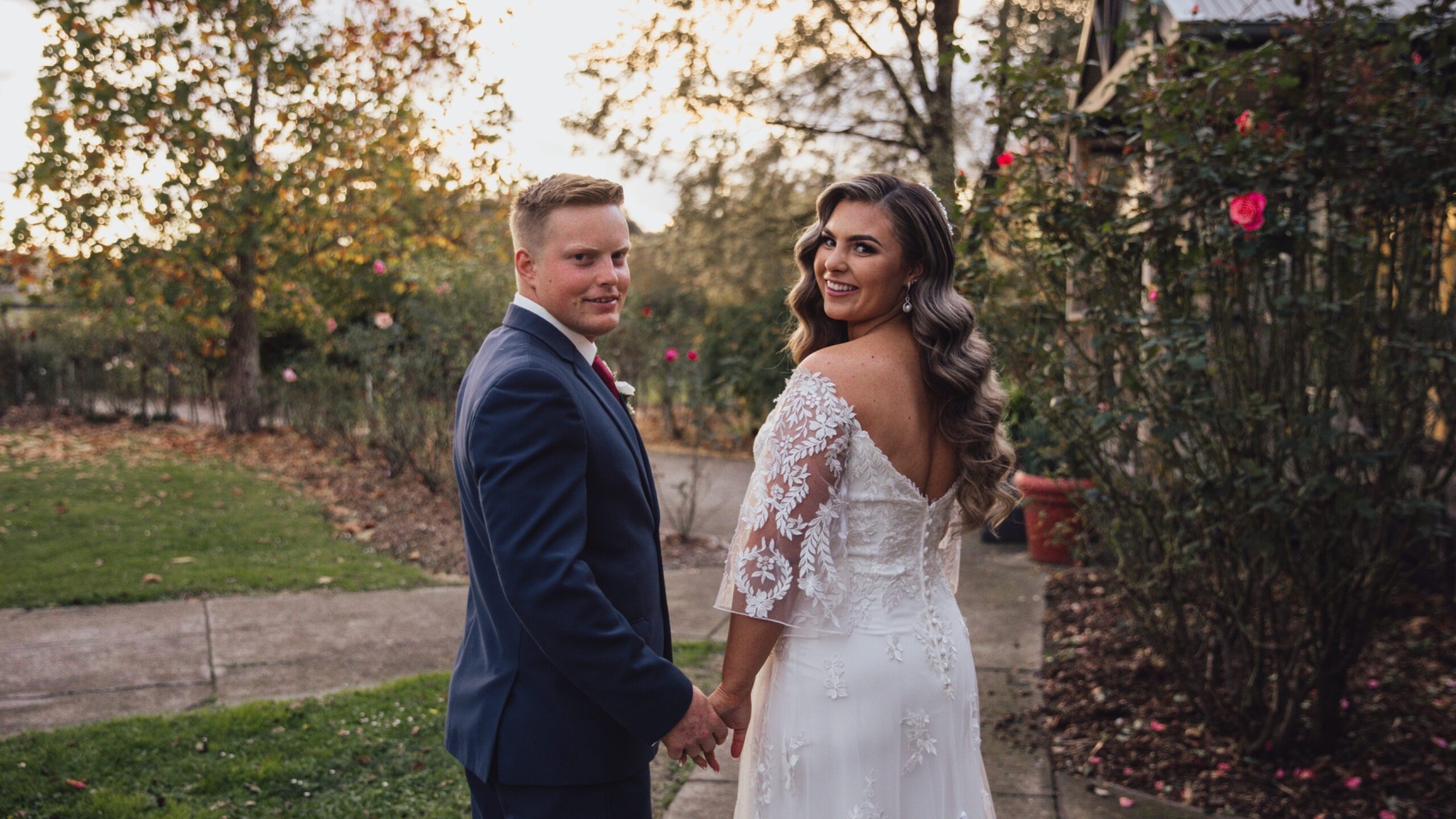
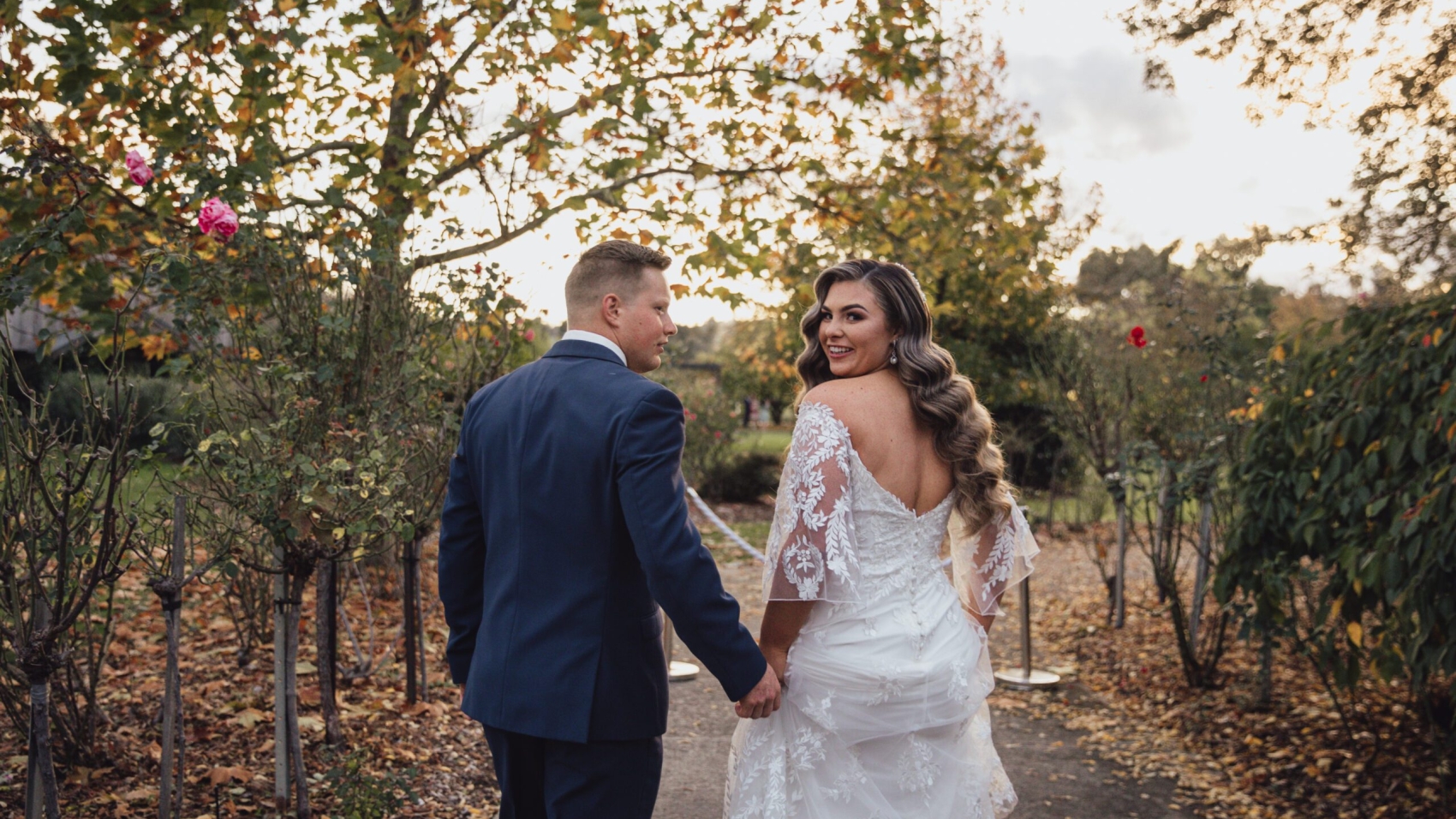
Melbourne’s autumn wedding photography featuring golden falling leaves

Melbourne Autumn Wedding Photography Golden Fallen Leaves Shoots: The Most Magical Season for Wedding Photos

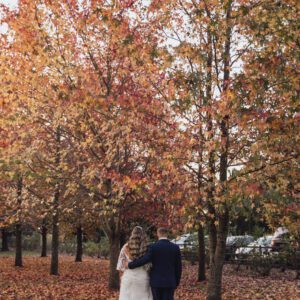
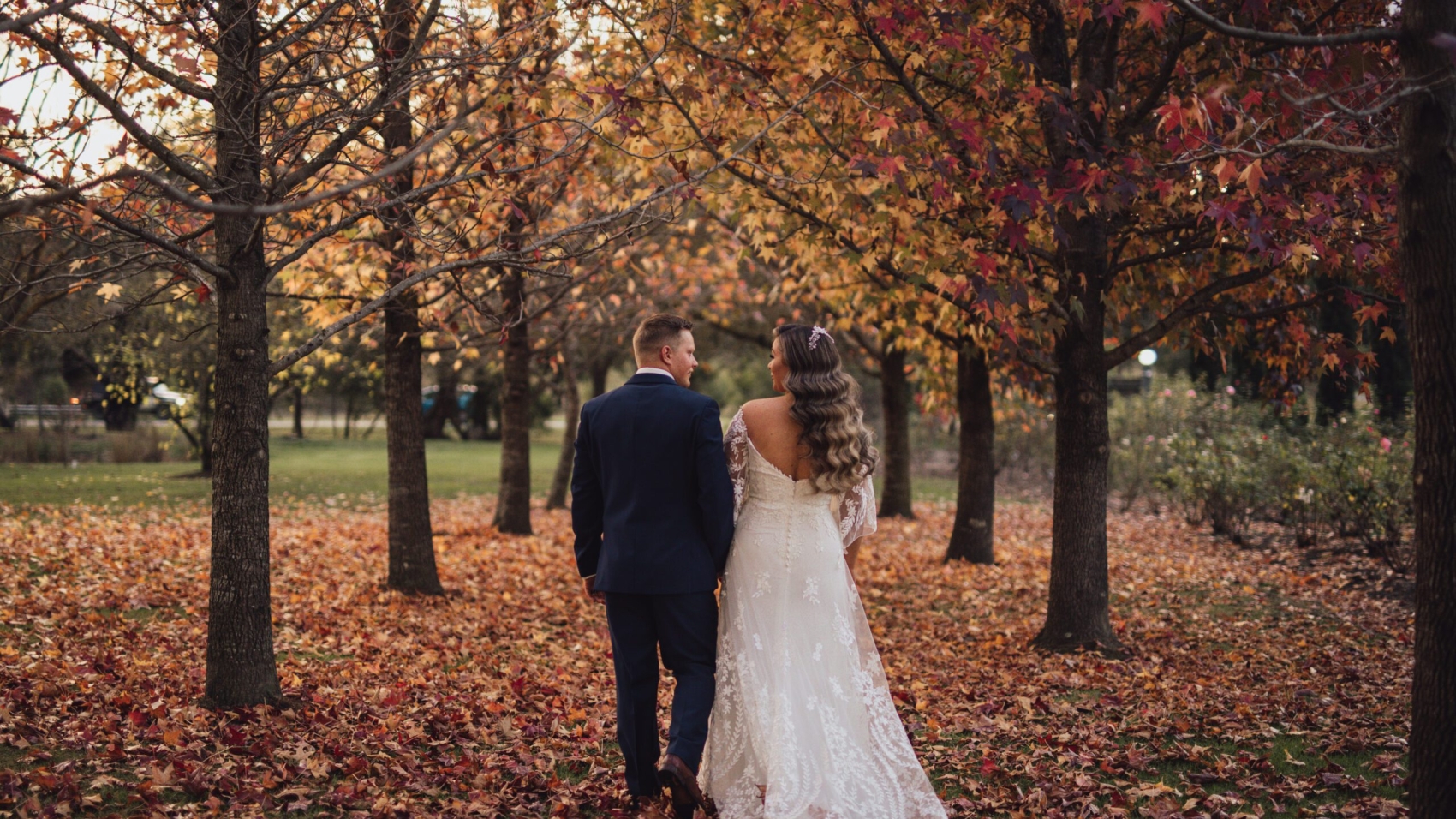
There’s a window in Melbourne every year when the city becomes something out of a film. The trees along every street turn gold, the parks fill with crunchy leaves, and the light takes on this warm, amber tone that makes everything look like it’s been dipped in honey. Autumn in Melbourne is short — maybe six to eight weeks — but it’s the season every wedding photographer looks forward to the most. The leaves do the styling. The light does the rest. And the photos that come out of a golden-leaf shoot in Melbourne look like nothing else you’ll see all year.

wedding photography melbourne

Why Autumn Is Melbourne’s Best-Kept Secret for Wedding Photography

The Colours Are Unreal and They’re Free

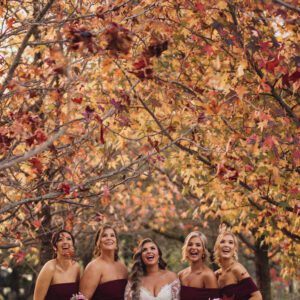
Let’s talk about what autumn actually looks like in Melbourne. The elms along St Kilda Road turn this deep, burnt orange. The maples in the Royal Botanic Gardens go scarlet. The oaks in Fitzroy drop leaves in shades of gold, copper, and bronze that look almost artificial — except they’re not. They’re real, they’re everywhere, and they’re free to shoot in.

This matters because the backdrop is already doing eighty percent of the visual work. You don’t need a fancy venue. You don’t need a built set. You just need a tree, some leaves, and a couple willing to stand under it. The environment creates the palette, the texture, and the mood without you lifting a finger.

Google searches for “Melbourne autumn wedding photography” and “fall leaves wedding shoot Victoria” spike hard between March and May every year. Couples have figured out that autumn shoots give them something no other season can match: a natural, warm, richly coloured backdrop that looks expensive but costs nothing.

The Light in Autumn Melbourne Is Something Else Entirely

Summer light in Melbourne is harsh. Winter light is flat and grey. Spring light is lovely but unpredictable. Autumn light sits right in the middle — warm, golden, low in the sky, and soft enough to forgive almost any imperfection.

The sun drops earlier in autumn, which means golden hour starts around 4pm instead of 5:30pm. That gives you a longer window of beautiful light before sunset. And the quality of that light is different from summer. It’s warmer, more diffused, more forgiving on skin. It smooths out textures, warms up tones, and makes every colour in the frame look richer.

This is why Melbourne autumn wedding photos have that specific glow you can’t replicate in any other season. It’s not the dress. It’s not the makeup. It’s the light hitting golden leaves and bouncing warm tones back onto the couple’s face. The season does the work. You just have to show up.

Best Melbourne Locations for Golden Leaf Wedding Shoots

Carlton Gardens: The Classic Autumn Wedding Spot

Carlton Gardens in autumn is one of the most photographed locations in all of Melbourne. The elm trees lining the paths create a tunnel of gold that stretches for hundreds of metres. When the leaves fall, they cover the ground in a thick carpet of orange and brown that crunches underfoot and looks incredible in every frame.

The advantage of Carlton Gardens is the variety. You can shoot along the tree-lined paths for that classic autumn tunnel look. You can move to the open lawns for wider frames with the city skyline in the background. You can find a quiet bench under a single massive tree for intimate close-ups. The location gives you options without requiring you to travel anywhere.

Go on a weekday morning if you can. Carlton Gardens gets busy on weekends, especially in April when the leaves are at peak colour. A Tuesday morning shoot means empty paths, no joggers in the background, and the light coming through the trees at a low angle that makes everything glow.

Fitzroy and Collingwood: Urban Autumn With Edge

Fitzroy and Collingwood in autumn are a different vibe entirely. The streets are lined with deciduous trees that drop leaves onto the bluestone footpaths, the brick walls, and the iron lace balconies. The contrast between the warm golden leaves and the cool grey architecture creates a visual tension that photographs beautifully.

This is where you go if you want an autumn shoot that doesn’t look like every other autumn shoot. The urban setting adds grit and texture that a park simply can’t match. A couple walking down a leaf-covered lane in Fitzroy with brick walls on either side looks like a scene from an indie film. It’s not pretty in a traditional sense — it’s interesting. And interesting photos get saved, shared, and remembered longer than pretty ones.

The laneways around Brunswick Street and Johnston Street are particularly good. The narrow paths create natural framing, the overhead trees filter the light, and the fallen leaves on the ground add colour without looking staged.

The Dandenong Ranges and Yarra Valley: Deep Autumn in the Country

If you want to escape the city and shoot in a forest that looks like it was designed for a wedding, head east to the Dandenong Ranges or the Yarra Valley. These areas have some of the most dramatic autumn foliage in Victoria — maple trees turning red, oaks going gold, and entire hillsides covered in a patchwork of warm colours.

The advantage of shooting here is scale. In the city, you’re working with individual trees and small pockets of colour. In the Ranges, the entire landscape is the backdrop. Rolling hills of gold and red stretching to the horizon. A couple standing on a ridge with the valley below them and the autumn canopy above — that’s a frame that feels cinematic without any effort.

The practical downside is travel time. It’s about an hour from the CBD, which means an earlier start and a longer day. But the photos you get are worth every extra minute in the car.

Styling Your Autumn Wedding Shoot in Melbourne

Colours That Sing Against Golden Leaves

The biggest mistake couples make with autumn leaf shoots is wearing colours that blend into the background. Browns, tans, and dark oranges might seem like a good match — but they don’t work. They make you disappear into the leaves. Your outfit needs to contrast with the golden backdrop, not merge with it.

Deep jewel tones are the answer. A rich burgundy, a dark emerald, a deep navy, a plum purple — these colours pop against gold and orange in a way that white or cream never can. A burgundy dress against a tunnel of golden elm leaves is one of those colour combinations that looks like it was painted, not photographed.

If you prefer lighter colours, go with dusty blue or soft lavender. These cool-toned pastels create a beautiful complementary contrast with the warm leaves. They don’t fight the backdrop — they dance with it.

Avoid yellow and orange dresses entirely. They’ll blend into the leaves and you’ll vanish in every frame. The whole point of an autumn shoot is the contrast between your outfit and the environment. If they match, you lose that contrast and the photos go flat.

Fabric and Texture That Complement the Season

Autumn in Melbourne is cool — not freezing, but cool enough that you’ll feel it, especially in the shade. This means fabric choice matters more than you think.

Velvet is the obvious pick and for good reason. It photographs beautifully in warm light, it has texture that reads on camera, and it comes in every jewel tone you could want. A deep green velvet dress against golden leaves is a combination that has been working for decades and it still works.

Wool and heavy cotton also work well. They have weight, they drape nicely, and they don’t flutter around in the wind like chiffon does. Speaking of wind — Melbourne autumn is windy. Leaves are falling everywhere, and the breeze will catch lightweight fabrics and make them billow uncontrollably. Heavier fabrics stay put and look intentional instead of chaotic.

For grooms, a tweed jacket in grey or brown works beautifully. A wool overcoat in navy or charcoal adds texture and warmth to the frame. Avoid lightweight linen — it wrinkles too easily and it doesn’t have the visual weight that an autumn shoot demands.

Hair and Makeup for the Golden Light

The makeup for an autumn shoot should lean warm. Not orange — warm. Think peachy blush, bronze eyeshadow, brown liner instead of black, and a lip colour in the terracotta or warm rose family. The golden light will amplify every warm tone on your face, so keep everything in the same colour family.

Avoid cool-toned makeup. Blue-based pinks, icy eyeshadows, and blue-toned lipsticks will clash with the amber light and make your face look ashy in photos. Everything should be warm. Everything should be golden. Match the season.

Hair should look natural but intentional. Loose waves work best — they add texture without adding volume, and they move beautifully in the wind. A few face-framing pieces that catch the light add dimension to close-up shots. Avoid anything too slick or too structured. The autumn look is about warmth and softness, not precision.

Working With the Leaves: Practical Stuff That Matters

Timing Your Shoot Around Peak Colour

Melbourne autumn colour peaks between late April and mid-May. That’s your window. Before that, the leaves are still green or just starting to turn. After that, they’ve fallen and the trees look bare. You want the sweet spot — when the trees are at maximum colour and the ground is covered but the branches are still full.

Check the leaves before you book. Drive past your chosen location a day or two before the shoot. If the trees are mostly bare, move the date. There’s nothing worse than showing up to an autumn shoot and finding half the trees already stripped.

The best colour usually comes after a cold snap. A few nights of frost will push the leaves from green to gold almost overnight. If the forecast shows a cold week ahead, that’s your signal to book the shoot immediately.

Dealing With Wind and Falling Leaves

Wind is constant in Melbourne autumn. It blows leaves everywhere — into your hair, onto your dress, across the lens. This can be beautiful in photos — leaves caught mid-air, hair blowing across your face, a train trailing behind you with leaves swirling around it. But it can also be annoying if you’re not prepared.

Bring a small brush or lint roller for the dress. Leaves stick to fabric and they show up in every close-up. A quick pass with a lint roller between setups keeps the dress clean.

For hair, use a strong hold spray and bobby pins. Loose hair in wind looks romantic for about thirty seconds and then it looks like a mess. Pin it back enough to stay in place but leave enough face-framing pieces to catch the light.

Shoot with the wind when you can. A slight breeze moving your hair and dress toward the camera creates natural movement in the frame. Fighting the wind creates tension in your posture and it shows in every photo.

Wet Leaves Are Slippery and They Stain

This is the practical detail nobody talks about. Wet leaves on the ground are slippery. Especially on bluestone paths or uneven park terrain. If you’re wearing heels, you will slip. If you’re wearing a long train, it will drag through wet leaves and pick up mud.

Wear shoes with grip. Flat boots, block-heel sandals, or even clean sneakers work better than stilettos on a leaf-covered path. And if your dress has a long train, have someone carry it while you walk between setups. A mud-stained train at the end of a shoot is not the souvenir you want.

The leaves also stain. Green and golden leaves leave dye on white fabric. If you’re wearing a light-coloured dress, be careful about kneeling or sitting on the ground. The green dye from fresh leaves will transfer to your dress and it won’t wash out easily.

What Makes Melbourne Autumn Wedding Photos Different From Anywhere Else

It’s not just the leaves. It’s not just the light. It’s the way everything comes together in Melbourne specifically — the way the golden light hits the bluestone paths, the way the leaves contrast against the brick buildings, the way the city’s mix of urban and natural creates a backdrop that feels both romantic and real.

Couples who shoot in Melbourne autumn aren’t getting generic fall photos. They’re getting photos that look like Melbourne. The architecture, the trees, the light, the wind — it all belongs to this city. And that specificity is what makes the images feel personal instead of generic.

The autumn window is short. Maybe six weeks. Maybe less if the wind strips the trees early. But the photos you get in that window are worth more than anything you’ll shoot in the rest of the year. The leaves know it. The light knows it. And the couples who book their shoot at the right time know it too.

81688-Sample-143

Melbourne Summer Wedding Photography: Beach Sunset Shooting

Melbourne Summer Wedding Photography Beach Sunset Shoots: Chasing Golden Light on the Coast

There’s a reason every wedding photographer in Melbourne starts booking beach sunset slots in October. The light in summer is unlike anything else — low, golden, warm, and gone in under thirty minutes. It turns the ocean into liquid copper, makes skin glow without any filter, and gives every couple that cinematic look they spent hours scrolling Pinterest for. A Melbourne beach at sunset isn’t just a backdrop. It’s a co-star in every frame. And couples who shoot here in summer know exactly what they’re getting into: the best light of the year, and the pressure to use it before it disappears.

wedding photography melbourne

Why Melbourne Summer Sunsets Are Worth the Chaos

The Light Window Is Brutally Short — And That’s the Point

Let’s be honest about something. A golden hour beach sunset shoot in Melbourne gives you roughly twenty to thirty minutes of usable light. Maybe forty if you’re lucky and the clouds cooperate. That’s it. The sun drops fast over Port Phillip Bay, and once it dips below the horizon, the warm tones vanish and you’re left with flat, grey light that kills every mood you just built.

This short window is actually what makes the photos so good. There’s no time to overthink. No time to do fifteen setups. You pick two or three spots, you move fast, and you shoot with intention. The urgency creates energy in the photos — couples are laughing, running, kissing, not standing stiffly in front of a backdrop. That energy is what separates a great sunset shoot from a mediocre one.

Photographers who shoot Melbourne beaches in summer will tell you the same thing: the couples who panic about the time are the ones who get the worst photos. The couples who roll with it, who trust the light, who stop trying to control everything — those are the ones who walk away with images that make people stop scrolling.

The Ocean Does Half the Styling Work

You don’t need a lot of accessories when you’re shooting against the ocean at sunset. The water, the sky, the sand — they’re already doing so much visual work that anything you add needs to earn its place. A simple dress against a dramatic sky reads better than a heavily beaded gown against the same sky. The environment is loud enough. Your outfit should whisper.

This is why Melbourne’s summer beach wedding photography has shifted toward minimal, clean styling. The location is the star. The couple is the story. Everything else is just getting in the way.

Picking the Right Melbourne Beach for Your Sunset Shoot

St Kilda Beach: Iconic but Crowded

St Kilda is the obvious pick and for good reason. The pier, the palais, the skyline across the bay — it’s all there. The sunset from the end of the pier is one of the most photographed angles in Melbourne, and it’s easy to see why. The light hits the water at a low angle, the pier creates a leading line, and the city skyline in the background gives the shot depth.

But here’s the catch. St Kilda in summer is packed. Every evening from December to February, the beach is full of people, dogs, street performers, and food trucks. Getting clean frames with no strangers in the background requires either an early start or a very skilled photographer who knows how to crop tight.

If you go with St Kilda, shoot on the sand closer to the waterline where the crowds thin out. The reflections in the wet sand at sunset are incredible and they give you a mirror effect that the pier shots can’t match.

Brighton Beach: The Colourful Alternative

Brighton Beach with its bathing boxes is one of the most visually interesting stretches of coastline in Melbourne. The pastel-coloured boxes against the orange sunset create a palette that no filter can replicate. The light here is slightly more sheltered than St Kilda because of the angle of the coast, which means you get a few extra minutes of golden light before the sun dips.

The sand at Brighton is firmer than St Kilda, which matters if you’re wearing heels or a long train. You won’t sink. You won’t stumble. You can actually walk and move naturally instead of shuffling sideways to avoid sinking ankle-deep.

The bathing boxes also give you something to shoot against besides just water and sky. A couple leaning against a pink or blue box at sunset with the ocean behind them is a frame that feels Melbourne-specific in a way that a generic beach shot never will.

Port Melbourne and Williamstown: Quieter, More Intimate

If you want the sunset without the crowds, head west. Port Melbourne and Williamstown along the bay have long stretches of beach that are far less trafficked in summer evenings. The light is the same — golden, warm, dramatic — but you have space to breathe.

Williamstown especially has a beautiful industrial feel with the cranes and the shipping containers in the background. A couple walking along the waterfront at sunset with those silhouettes behind them creates a mood that’s more raw, more real, less postcard-perfect. And sometimes that’s exactly what you want.

Styling for a Beach Sunset Shoot in Melbourne Summer

Fabric Choices That Move With the Wind

Melbourne beaches in summer are windy. Not occasionally windy — consistently, annoyingly windy. The wind comes off the bay and it doesn’t care about your hair, your dress, or your train. This means fabric choice matters more than you think.

Lightweight fabrics are your best friend. Chiffon, silk, linen, lightweight cotton — these all catch the wind beautifully and create movement in every frame. A train blowing behind you in the breeze at sunset is one of the most photographed moments in Melbourne wedding photography. It looks effortless. It looks cinematic. It looks like a movie still.

Avoid heavy satin, thick lace, or anything with structure. Heavy fabric fights the wind and makes you look stiff. It also gets sand everywhere, which is a nightmare for anyone who cares about keeping their dress clean.

For grooms, a linen shirt with the sleeves rolled up is the move. It’s relaxed, it photographs well, and it handles the wind without looking wrinkled or messy. A simple cotton shirt in white or cream works just as well. Avoid polyester — it clings when you sweat and it photographs cheaply under golden light.

Colours That Absorb Sunset Light

Pure white is the most common mistake couples make for beach sunset shoots. In golden hour light, pure white turns yellow, then orange, then muddy. It loses all its brightness and starts to blend into the sand.

Warm ivory, champagne, soft cream, dusty rose — these colours pick up the golden tones instead of fighting them. They glow. They look intentional. They photograph like they were made for sunset even though they’re just colours that happen to work with warm light.

For grooms, a light tan or warm grey suit absorbs the sunset beautifully. A white linen suit works too, but it needs to be a warm white, not a cool blue-white. Cool white under warm sunset light creates a colour clash that looks wrong even if you can’t explain why.

Deep jewel tones also work surprisingly well at sunset. A rich emerald, a deep navy, a burgundy — these colours look dramatic against the orange sky and the blue water. They create contrast that makes the couple pop instead of blending in.

Bare Feet Are the Best Shoe Choice

This is not a suggestion. This is a rule. Heels on sand at a Melbourne beach sunset are a disaster. They sink, they tilt your ankles, they make you walk awkwardly, and they show in every frame because you’ll be lifting them constantly to keep them from burying themselves.

Go barefoot. Seriously. The sand is warm in summer, it feels good, and it photographs better than any shoe. A bride walking barefoot on the wet sand at sunset with her train trailing behind her is one of those images that defines Melbourne wedding photography. It’s simple, it’s real, and it looks better than any posed shoe shot ever could.

If you absolutely can’t go barefoot, bring flat leather sandals. Clean, simple, easy to walk in. Leave the heels in the car. They’ll still be there when the shoot is done and you’re back on solid ground.

Makeup That Survives the Ocean Air

Dewy Wins, Everything Else Loses

The humidity at a Melbourne beach in summer is no joke. It sits right on your skin and it doesn’t leave. Matte makeup will slide off within an hour. Powder will cake. Foundation will separate. The only thing that actually survives ocean air is dewy, skin-first makeup.

Start with a hydrating primer. Use a lightweight tinted moisturiser or a sheer foundation that matches your actual skin tone. Set it with a dewy setting spray, not powder. Let the skin breathe. Let it glow. The sunset light will catch that dewiness and make your skin look lit from within.

For the eyes, keep it minimal. A wash of warm brown or champagne shadow, a tightline of brown pencil, and one coat of waterproof mascara. That’s it. No glitter, no cut crease, no dramatic wing. The light is doing the drama. Your face just needs to be clean enough to let it show.

Lips should be a tinted balm or a sheer glossy lipstick in a warm rose or peach. Glossy finishes catch the golden light and create dimension that matte lips can’t match. Avoid anything dark or bold — it’ll read as harsh against the soft, warm tones of a sunset beach.

Sunscreen Is Not Optional

You’re going to be in direct sunlight for the best part of an hour. Melbourne’s UV in summer is extreme — not the kind of extreme where you get a tan, the kind where you get burned in fifteen minutes. Apply sunscreen before you start shooting. Reapply between setups. Your photographer will wait. Your skin will thank you.

A sunburn doesn’t just hurt — it shows in photos. Red, peeling skin under golden light looks terrible in every frame. Protect yourself now so you’re not editing redness out of your wedding album later.

Working With the Photographer During Golden Hour

Trust the Process and Move Fast

The best sunset shoots in Melbourne happen when the couple stops directing and starts reacting. Your photographer knows where the light is. They know when it’s about to shift. They know which angle works right now but won’t work in ten minutes. Your job is to listen, move, and be present.

Don’t ask to see the photos on the back of the camera. Don’t stop every five minutes to check your hair. Don’t try to recreate a pose you saw online. The light is moving too fast for any of that. Just be with your partner, let the photographer guide you, and trust that the frames are happening even when you can’t see them yet.

The Last Ten Minutes Are the Best Ten Minutes

Here’s something most couples don’t realise. The ten minutes after the sun actually dips below the horizon are often the most beautiful. The sky turns deep orange, then pink, then purple. The light goes from golden to rose to blue in a way that feels like the sky is putting on a show just for you.

Don’t pack up when the sun disappears. Stay. Those last ten minutes produce some of the most stunning frames of the entire shoot. The couple silhouetted against a pink and purple sky with the city lights starting to come on in the background — that’s the kind of image that gets shared thousands of times. And it only happens if you’re still there when everyone else has left.

What Makes Melbourne Beach Sunset Shots Different From Anywhere Else

It’s not just the light. It’s not just the ocean. It’s the combination — the way Melbourne’s summer sky turns colours that don’t exist in other cities, the way the bay reflects everything and doubles the drama, the way the wind moves your hair and dress at the exact moment the shutter clicks.

Couples who shoot beach sunsets in Melbourne in summer aren’t just getting wedding photos. They’re getting a record of what it felt like to stand on that sand, in that light, with that person, on that specific evening. And that’s something no studio, no backdrop, no amount of editing can ever replicate. The beach knows it. The sunset knows it. And the photos prove it every single time.

wedding photography melbourne

Spring wedding photography in Melbourne, with scenes set in a flower field

Melbourne Spring Wedding Photography Floral Field Shoots: Capturing the Season When Everything Blooms

There’s a narrow window in Melbourne every year when the city turns into something almost unrecognisable. The parks explode with colour, the gardens go wild, and for about six to eight weeks, you can stand in the middle of a flower field and forget you’re in a metropolis. Spring in Melbourne is when wedding photographers book their most ambitious outdoor sessions — and for good reason. The light is softer, the crowds are thinner, and the flowers are doing all the styling work for you. If you’ve been planning a Melbourne wedding shoot and haven’t considered a floral field location yet, you’re leaving some of the best frames of your life on the table.

wedding photography melbourne

Why Melbourne Spring Is the Sweet Spot for Floral Wedding Shoots

The Light Is Doing Something No Other Season Can Match

Melbourne’s spring light sits in a sweet spot that summer and winter simply can’t replicate. The sun is lower in the sky than it will be by December, but it’s not as harsh as the peak summer UV. The result is a warm, diffused glow that makes colours pop without blowing them out. Petals look saturated but not artificial. Skin looks golden but not orange. Shadows are soft enough to be forgiving but defined enough to give your photos depth.

This matters enormously when you’re shooting in a floral field. Flowers are all about colour, and the wrong light will either wash them out or make them look neon. Spring light in Melbourne hits that perfect middle ground — vivid enough to show every petal, gentle enough to keep everything looking natural.

Google searches for “Melbourne spring wedding photography flowers” and “floral field wedding shoot Victoria” peak between September and November every year. Couples are wise to this now. They know that booking a spring shoot means better light, fewer tourists, and flowers that are actually in peak bloom instead of fading.

The Crowds Are Thinner and the Locations Are More Accessible

Summer in Melbourne means everyone is outside. Every park, every garden, every waterfront is packed. Spring is different. The weather is still pleasant — warm enough for outdoor shoots without the brutal heat — but the crowds haven’t arrived yet. You can actually move through a flower field without strangers walking into every frame.

This gives your photographer room to work. They can shoot from low angles without worrying about a jogger in the background. They can spread out the train of a dress without someone stepping on it. They can take their time with each setup instead of rushing because the location is about to get busy.

Best Floral Locations Around Melbourne for Spring Wedding Shoots

The Royal Botanic Gardens: The Obvious Choice That Actually Delivers

The Royal Botanic Gardens sit right next to the Yarra River and the city skyline, which means you get flowers and urban drama in the same frame. In spring, the gardens fill with tulips, daffodils, jasmine, and native wildflowers that create a layered, textured backdrop without looking like a botanical illustration.

The key to shooting here is timing. Go early — around 8 or 9am — when the light is still low and the gardens are empty. By 10am, the tour groups arrive and the magic fades. Early morning also means the flowers are at their freshest, dew is still on the petals, and the light hasn’t started flattening everything out.

The lakeside area near the ornamental lake is particularly good for bride-and-groom portraits. The water reflects the sky and the flowers, which gives your photos a sense of depth that flat ground simply can’t provide.

Fitzroy Gardens and the Surrounding Green Spaces

Fitzroy Gardens in spring are a riot of colour — rose beds, lavender rows, and native flora that change every year. What makes this location special for wedding photography is the variety. You can shoot in the formal rose garden for structured, elegant frames, then walk five minutes to the wilder native garden for something more relaxed and bohemian.

The paths through Fitzroy are lined with mature trees that create dappled light — spots of sun filtering through leaves and landing on the ground, on the dress, on the face. This kind of light is incredibly flattering and almost impossible to replicate in a studio. It adds movement and texture to every photo without any effort on your part.

The Outer Suburbs: Where the Real Flower Fields Live

If you’re willing to drive 30 to 45 minutes from the CBD, the spring flower fields in Melbourne’s outer suburbs are something else entirely. Rows of tulips, poppies, and daisies stretching to the horizon — it looks like the Netherlands, but with Melbourne’s dramatic sky above it.

Locations around Coldstream, Silvan, and the Dandenong Ranges have flower farms that open to the public during spring. The rows create natural leading lines that draw the eye into the frame. A couple walking down a row of red poppies with the mountains in the background is the kind of image that doesn’t need any editing. It’s already perfect.

The practical advantage of these outer locations is privacy. There are no other couples, no tourists, no dogs off-leash. Just you, your partner, your photographer, and an endless field of colour. For a wedding shoot where you want intimate, undisturbed moments, this is hard to beat.

Styling Your Look for a Floral Field Shoot

Dress Colours That Pop Against Flowers Without Clashing

The biggest mistake couples make with floral field shoots is wearing white. White against white flowers is a recipe for a photo where the dress disappears into the background. Your outfit needs to contrast with the flowers, not compete with them.

Soft pastels work beautifully — dusty pink, lavender, pale blue, mint green. These colours sit next to flowers without fighting them. A dusty pink dress in a field of yellow tulips creates a warm, romantic palette that photographs like a painting. A lavender dress in a poppy field creates a complementary contrast that makes both the dress and the flowers stand out.

If you want something bolder, deep jewel tones work surprisingly well. A rich emerald green or a deep burgundy against a field of white daisies or yellow canola creates a dramatic, editorial look that most couples are too scared to try but always regret not doing.

Avoid busy patterns. Floral prints on your dress against real flowers creates visual chaos. The eye doesn’t know where to look. Solid colours let the flowers be the stars.

Hair and Makeup: Fresh, Dewy, and Effortless

The makeup for a floral field shoot should feel like you just stepped out of a dewy morning — because you basically did. A light, dewy base with minimal coverage. Soft brown eyeshadow, a touch of mascara, and a lip colour that’s one shade warmer than your natural tone. Nothing heavy, nothing matte, nothing structured.

The hair should look wind-touched and natural. Loose waves or a soft braid with pieces falling out work perfectly. Flowers in your hair are a nice touch — a single stem of jasmine tucked behind the ear, a small sprig of wildflowers woven into a low bun. But don’t overdo it. One or two stems maximum. A full flower crown in a field of flowers is redundant — the location is already the crown.

Practical Tips That Will Save Your Shoot

Watch the Wind and Plan Around It

Melbourne spring is windy. Not summer-storm windy, but enough to move hair, shift fabric, and scatter petals across your dress. This can be beautiful in photos — petals caught mid-air, hair blowing across the face, a train trailing behind you in the breeze. But it can also be a nightmare if you’re not ready for it.

Bring bobby pins. Lots of them. Secure every piece of hair that could move. If you’re wearing a train, have someone hold it during windy shots. And shoot with the wind, not against it. A slight breeze moving your hair and dress toward the camera creates natural movement in the frame. Fighting the wind creates tension and discomfort that shows in every photo.

Shoot Mid-Morning, Not Noon

The golden window for floral field shoots in Melbourne spring is roughly 9am to 11am. After that, the sun climbs too high, the light flattens, and the flowers start closing up as the temperature rises. Many spring flowers — tulips especially — open fully in the cool morning and start to droop by midday.

If you want the flowers at their most vibrant and the light at its most flattering, you need to be on location by 8:30am. This means early hair and makeup, early travel, and early everything. But the photos you get in that two-hour window are worth more than a full afternoon of mediocre light.

Watch Your Step and Protect the Dress

Flower fields are not manicured lawns. There are uneven patches, hidden irrigation lines, and muddy spots between the rows. A long train will pick up dirt in minutes. A pair of heels will sink into soft ground and twist your ankle.

Wear flat shoes for walking between setups. Bring the heels only for the specific shots where you’re standing still on firm ground. And if your dress has a long train, have someone carry it while you walk. This isn’t about being difficult — it’s about keeping your dress clean for the photos that matter.

What Makes Floral Field Photos Different From Every Other Wedding Shoot

There’s something about standing in a field of flowers that changes how you move, how you hold each other, how you smile. It’s not forced. The environment does the work. You don’t have to pose — you just have to be there.

Melbourne’s spring floral shoots capture something that studio photography never can: a sense of place. The flowers, the light, the wind, the specific quality of Melbourne air in September — it all becomes part of the photo. Years from now, when you look at those images, you won’t just remember what you wore. You’ll remember what it felt like to stand in that field, in that light, with that person. And that’s the whole point.

wedding photography melbourne

Melbourne wedding photography – grand style royal-style costume combination

Melbourne Wedding Photography Royal Palace-Style Grand Look: The Heavy-Detail Styling That Commands Every Frame

There’s a certain kind of wedding photo that stops you mid-scroll. Not because it’s quirky or minimal or candid. Because it’s overwhelming. The kind of image where you can see every stitch, every bead, every deliberate choice, and it still feels effortless. That’s the royal palace look — and Melbourne has quietly become one of the best cities on earth to shoot it. The architecture alone does half the work. The rest is up to the styling, and the styling here doesn’t hold back.

What Makes the Palace Look Work in Melbourne

Melbourne doesn’t have a real palace. But it has buildings that play one on camera. The Parliament House, the Royal Exhibition Building, the grand hotel lobbies along Collins Street, the colonial mansions in Toorak — all of these spaces were built to make people feel small. And that’s exactly what the palace-style look needs. A grand outfit against a grand backdrop creates scale, drama, and a sense of occasion that no beach or garden can match.

Photographers in Melbourne who specialise in this aesthetic understand something most don’t: heavy detailing only works when the environment can hold it. A beaded gown in a simple studio looks cluttered. The same gown in front of the Exhibition Building’s domed ceiling looks like it was always meant to be there. The location validates the look. Without it, the look collapses under its own weight.

Google searches for “royal wedding photography Melbourne” and “palace style wedding shoot Victoria” have spiked in the last two years. Couples are drawn to this look because it feels like a movie. It feels expensive. It feels like the kind of wedding photo that gets framed and hung on a wall, not buried in a phone album.

The Dress: Where the Heavy Lifting Actually Happens

Beading, Lace, and Structure — Pick Your Weapon

The palace look lives or dies on the dress. This isn’t the place for a simple slip dress or a clean A-line. We’re talking full-on construction. Heavy beading from the bodice to the hem. Intricate lace that covers every inch of fabric. Structured corsetry that defines the waist and lifts the silhouette. Layers of tulle that create volume without looking messy.

The key is density. Every square inch of the dress should have something happening — a bead, a sequin, a lace motif, an embroidered detail. When you step back, the dress should shimmer. When you move closer, you should still find more detail. That’s the standard.

For Melbourne shoots, ivory and champagne work better than pure white. Pure white blows out in the harsh Australian sun and loses all that beautiful detail you paid for. Warm ivory picks up the golden light and makes the beading pop. Champagne adds a vintage depth that photographs like an oil painting against Melbourne’s classical architecture.

The Train Needs to Be Long and It Needs to Move

A short hemline in a palace-style shoot is a contradiction. The train is part of the drama. It trails behind you, it catches the light, it creates movement in every frame. A cathedral-length train against the marble floors of the Parliament House or the stone steps of the Exhibition Building creates a visual that no other dress silhouette can match.

But here’s the practical thing Melbourne photographers will tell you: the train needs to be manageable. Melbourne’s outdoor locations aren’t always smooth — cobblestones, grass, sand, uneven pathways. A train that’s too long or too heavy will drag, get dirty, and limit where you can shoot. Work with your photographer to find locations where the train can spread out naturally instead of bunching up under your feet.

Hair and Headpieces: The Crown Moment

The Headdress Is Non-Negotiable

You cannot do a palace look without a headpiece. This isn’t optional. This isn’t a “nice to have.” The headpiece is what separates a fancy dress from a royal moment. And in Melbourne, where the backdrops are already grand, skipping the headpiece is like showing up to a ball in jeans.

Tiaras work — but only if they’re substantial. A tiny delicate tiara gets lost against a heavy beaded dress. You need something with height, with structure, with presence. A full crystal crown, a gold filigree headpiece, a beaded cap that covers the top of the head — these are the options that actually read on camera.

For grooms, a military-style peaked cap, a gold-trimmed hat, or a structured fedora with a jewel brooch all work within this aesthetic. The headpiece for the groom should match the scale of the bride’s — not compete with it, but not disappear either.

Updos That Match the Grandeur

Loose waves are out. Messy buns are out. The hair needs to be sculpted, pinned, and held in place like architecture. A high chignon, a braided updo, a sleek French twist — something that looks intentional from every angle.

The reason is practical as much as aesthetic. When you’re wearing a heavy headpiece and a beaded dress that weighs several kilograms, your hair needs to support all of it. Loose hair will slip, fall, and create a mess in photos. A tight updo keeps everything in place and lets the headpiece sit exactly where it should.

Add a few face-framing pieces if you want softness — but keep them minimal. The overall silhouette should be clean and structured, not wild and romantic.

Makeup That Matches the Intensity of the Look

Bold Lips Are the Only Acceptable Lip Choice

A nude lip in a palace-style shoot is invisible. The dress is heavy, the headpiece is dramatic, the location is grand — and your lips are bare? That doesn’t work. The lip needs to match the energy of everything else.

A deep red, a rich berry, a dark mauve, or a classic wine shade — these are the colours that hold their own against a beaded gown. They create a focal point on the face that balances the visual weight of the dress. Avoid anything too bright or too pink. Those read as casual, not regal.

Matte finishes photograph better than glossy for this look. Glossy lips catch too much light and can look out of place against the structured, matte textures of heavy beading and lace. A matte lipstick in a bold shade keeps the face looking polished and intentional.

Eyes Need Definition Without Being Drama

The eyes in a palace look should be defined but not smoky. A structured eye with clean lines — a subtle cat-eye in dark brown or black, defined brows, and mascara that lengthens without clumping. The goal is to make the eyes look sharp and alert, not sultry or dreamy.

Eyeshadow should stay in the neutral-to-warm family — gold, bronze, warm brown. No glitter, no shimmer, no cut crease. The dress is already doing the shimmering. The face needs to provide contrast, not competition.

Contouring is more important here than in any other look. The palace aesthetic is about structure and definition — cheekbones, jawline, nose. Use a matte contour to sculpt the face so it matches the architectural feel of the dress and the location. Under Melbourne’s bright light, heavy contour can look muddy, so keep it subtle. A light hand, well-blended, is all you need.

Styling the Groom to Match the Royal Energy

Military and Formal Are the Only Directions

A groom in a palace-style shoot cannot wear a casual suit. It breaks the entire illusion. The options are military-inspired formal wear or classic black-tie. A dark navy or black military jacket with gold buttons, epaulettes, and structured shoulders. A formal tailcoat with a crisp white shirt and a silk tie. These are the silhouettes that match a bride in a beaded gown.

The colour palette for the groom should be dark and rich — navy, black, deep burgundy, forest green. Avoid light grey or tan. Those read as daytime, not palace. The groom’s outfit should feel like it belongs in the same building as the bride’s dress, not a different event entirely.

Accessories That Signal Rank

Groom’s accessories in this look are about signal. A gold pocket watch chain. Cufflinks with a crest or gemstone. A brooch on the lapel. A leather belt with a metal buckle. These small details communicate formality without being flashy. They say “this matters” without shouting it.

A boutonniere is expected, but it should be structured — not a loose wildflower arrangement. A single rose, a sprig of eucalyptus with a gold pin, or a small crystal brooch as a floral alternative. Keep it tight, keep it clean, keep it matched to the bride’s bouquet in colour if possible.

Melbourne Locations Built for This Look

The Royal Exhibition Building and Carlton Gardens

This is the obvious choice and it’s obvious for a reason. The domed ceiling, the marble floors, the grand staircase — it was literally built for moments like this. A bride in a heavy beaded gown descending those steps is the kind of image that defines a wedding gallery.

Shoot here in the morning when the light comes through the windows and hits the dome. The natural light inside is soft and diffused, which is perfect for capturing every bead and every lace detail without harsh shadows.

Parliament House and the Treasury Building

The interior of Parliament House is one of the most photogenic spaces in Melbourne. The stained glass, the timber panelling, the sweeping staircases — it all screams old-world grandeur. A palace-style couple here looks like they belong in a period drama, not a wedding album.

The Treasury Building next door offers a different texture — marble, stone, grandeur without the colour. It works beautifully for a more monochromatic, high-contrast palace look.

The Grand Hotel and Heritage Venues

Melbourne’s heritage hotels — the Windsor, the Langham, the InterContinental — have lobbies and ballrooms that were designed for exactly this kind of styling. Crystal chandeliers, velvet drapes, gold-leaf ceilings. The interior does the work so you don’t have to force it.

These venues also have the advantage of being indoor, which means no wind, no weather, no light changes. You get consistent conditions for the entire shoot, which matters when you’re dealing with heavy dresses and elaborate headpieces that don’t tolerate chaos well.

Practical Realities Nobody Warns You About

The dress is heavy. Genuinely heavy. A fully beaded gown with a long train can weigh five to eight kilograms. You will be tired by the end of the shoot. Plan for it. Sit down between setups. Have someone carry the train when you’re walking between locations. This isn’t a suggestion — it’s survival advice.

The headpiece will give you a headache. A substantial crystal crown or gold filigree piece puts real pressure on your scalp after an hour. Wear it beforehand. Build up tolerance. Have ibuprofen in your touch-up kit.

Melbourne’s wind will destroy your train if you shoot outdoors. Even a light breeze will catch a long train and whip it around, creating motion blur and making it impossible to control. If you want outdoor palace shots, choose a sheltered location — a courtyard, a covered walkway, a spot protected by buildings. Open spaces like beaches or hilltops are not your friend with this look.

And the heat. Melbourne summers can push past 35 degrees, and a heavy beaded dress in direct sunlight is essentially wearing a blanket made of glass. Schedule outdoor shots for early morning or late afternoon. Midday palace shoots in Melbourne are miserable for everyone involved, including the photographer.

The Couples Who Actually Pull This Off

The couples who nail the palace look in Melbourne aren’t the ones who just want to look expensive. They’re the ones who commit to the entire vision — the dress, the hair, the makeup, the groom’s styling, the location, the attitude. It’s a full production, and it only works when every element matches.

Half-committal palace looks are the worst. A beaded dress with casual sneakers. A tiara with loose beachy hair. A military groom with a standard suit. These mismatches read as costume, not style. The look demands consistency from head to toe, and when you get it right, the photos look like they belong in a museum — not a social media feed.

That’s the appeal. That’s why couples keep choosing it. And that’s why Melbourne, with its grand architecture and its dramatic light, keeps being the perfect city to make it happen.

wedding photography melbourne

Melbourne wedding photography featuring simple and elegant designs without accessories, presenting a transparent and refined look.

Melbourne Wedding Photography Minimal No-Accessory Clean Makeup Look: When Less Is Actually Everything

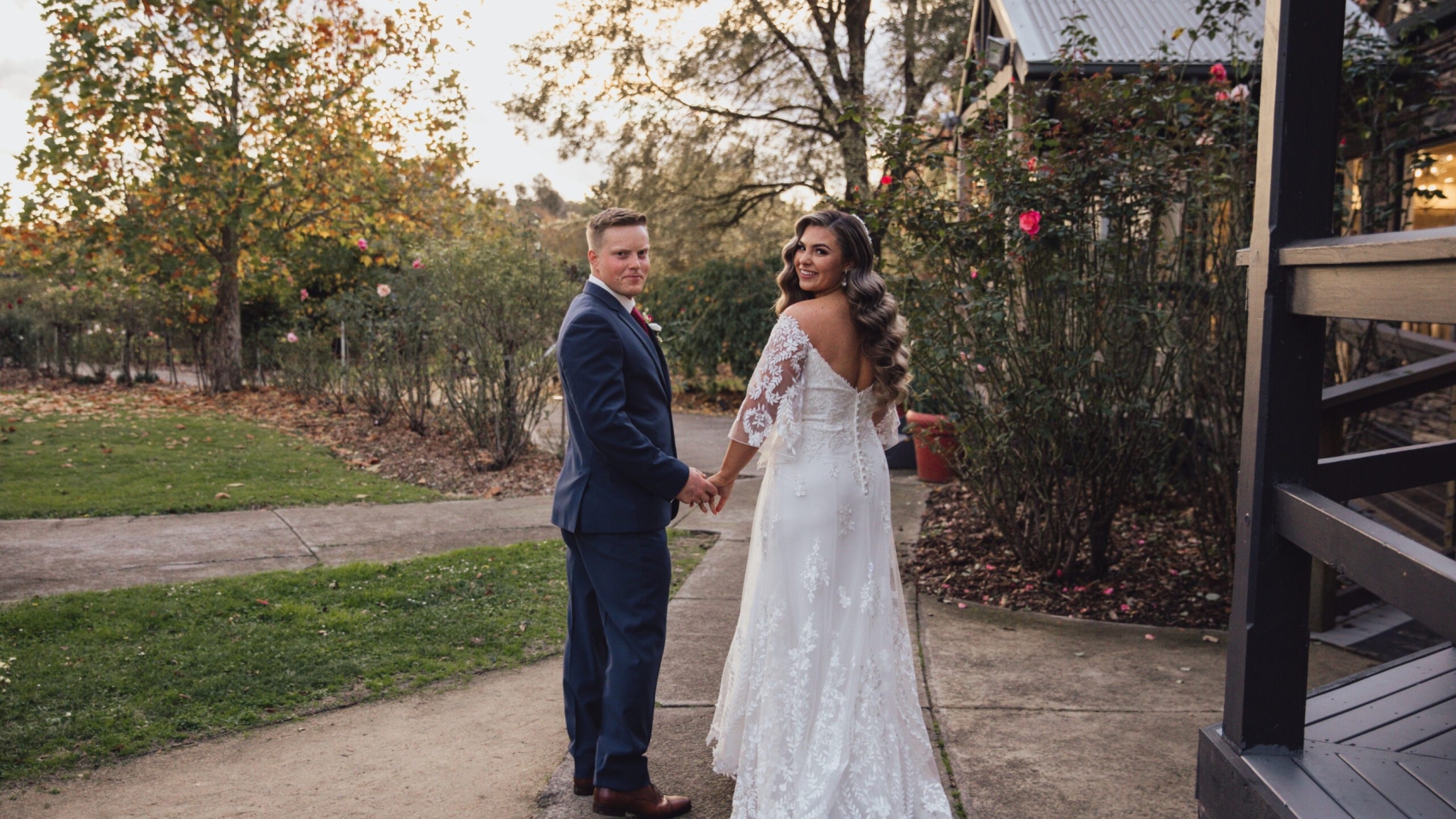
Some couples walk into a Melbourne wedding shoot drowning in accessories — statement earrings, layered necklaces, brooches, veils, bouquets, hats, the whole thing. And then there are the couples who show up with almost nothing. No jewellery. No headpiece. No dramatic anything. Just skin, hair, and a quiet confidence that fills every frame. Those are the photos that stop people scrolling. Melbourne’s best photographers have been saying this for years: the cleanest looks often win the hardest.

wedding photography melbourne

Why the No-Accessory Look Is Taking Over Melbourne Wedding Photography

There’s a shift happening in Melbourne’s wedding scene, and it’s not subtle. Couples are moving away from the “more is more” approach that dominated the last decade. The heavy beading, the oversized earrings, the layered everything — it’s giving way to something quieter. Something that lets the face breathe.

The reason is simple: Melbourne’s light is already doing so much work. When you’re shooting in golden hour along the Yarra River, or in the soft diffused light of a Fitzroy studio, or against the clean lines of a brutalist building in the CBD, you don’t need accessories to create visual interest. The light creates it for you. All you need is a face that looks like a face — not a costume.

Google searches for “minimal wedding makeup Melbourne” and “clean bridal look no accessories” have been climbing fast. People are tired of overdone. They want photos that look like them, not like a styled shoot for a magazine they’ll never read.

Building the Clean Makeup Look That Reads as Skin, Not Paint

The Foundation Rule: If They Can See It, It’s Too Much

This is the foundation of the entire look — literally. The skin should look like skin. Not like a filter. Not like a mask. Not like someone airbrushed you in post. The goal is a face that looks healthy, rested, and naturally luminous under any light Melbourne throws at it.

Start with a skin-first approach. Hydrating primer, then a sheer tinted moisturiser or a very light coverage foundation that matches your actual skin tone — not your hand, not your neck in a different light, your actual face. If you need to cover anything, use a concealer only where necessary. Under the eyes, on any blemishes, around the nose. That’s it.

Set it with a translucent powder only on the areas that tend to shine — the T-zone, the chin. Leave the cheeks alone. The cheeks should look alive, not matte. In Melbourne’s natural light, matte skin reads flat and lifeless. Dewy skin reads as glowing, youthful, and real.

Eyes: Barely There, But Intentional

The no-accessory look doesn’t mean no eye makeup. It means the eye makeup should be so subtle that nobody notices it’s there — but everyone notices how good your eyes look.

A wash of warm neutral shadow across the lid. Something in the peach-brown-champagne family. Blend it out so there are no harsh lines. Add a tiny bit of definition in the crease with a slightly deeper shade — brown, not black. Tightline the upper lash line with a brown pencil instead of black liquid liner. Black liner is too harsh for a clean look. Brown is softer, more natural, and it photographs beautifully in every light condition.

Mascara is the only product you should be able to see on your eyes. One coat of lengthening mascara on the upper lashes. Maybe a light coat on the lower lashes if you want, but don’t overdo it. The point is open, bright eyes — not dramatic lashes.

No glitter. No shimmer. No cut crease. No wing. If you can see the eye makeup from three feet away, it’s too much for this look.

Lips: Your Real Colour, Just Better

The cleanest lip look is the one that looks like your lips but slightly more polished. A tinted lip balm in a warm rose or soft peach. A sheer lipstick in your natural shade but one tone warmer. A lip oil that adds a hint of colour and a lot of shine.

Avoid anything bold. No red, no berry, no dark mauve. Those colours compete with the face in a minimal look. They demand attention, and the whole point of this styling is that the face already has all the attention it needs.

Glossy finishes are better than matte for this look. They catch Melbourne’s light, they make your lips look full and healthy, and they photograph with a natural dimension that matte lipsticks simply can’t match.

Hair Styled to Disappear Into the Look

The Hair Should Frame, Not Compete

In a no-accessory look, your hair is the only styling element you have. That means it needs to do its job quietly. No elaborate updos with pins and combs sticking out. No dramatic curls that look like they took two hours. The hair should look like it just fell into place — even though it didn’t.

Soft waves are the safest bet. They add texture without adding volume, they frame the face beautifully, and they move naturally in Melbourne’s wind. A middle part or a soft side part keeps things relaxed. Avoid slicked-back styles — they read as too formal for a clean look.

If you have thin hair, a simple blowout with volume at the roots and soft ends works perfectly. If you have thick hair, a textured bob or a low ponytail with face-framing pieces keeps it clean without looking flat.

No Pins, No Clips, No Headband

This is the rule that separates a true minimal look from a “mostly minimal” look. No hair accessories. No decorative pins. No headbands. No clips. Nothing in the hair at all.

The hair itself is the accessory. If you need to pin something back for the shoot, use bobby pins that match your hair colour and hide them completely. The final photo should show zero evidence that anything was used to style the hair.

For grooms, this means no pocket squares, no boutonnieres, no watch chains, no cufflinks. A clean face, styled hair, and a simple outfit. That’s the entire look. It sounds boring until you see the photos. They look effortlessly cool.

How Melbourne’s Locations Shape the Clean Look

Urban Shoots Demand Even More Restraint

When you’re shooting in Melbourne’s city — the laneways, the concrete, the glass, the iron lace — the clean look becomes even more powerful. The architecture is already graphic, already bold. Your face needs to match that energy without adding clutter.

A couple standing against a bluestone wall in Fitzroy with no jewellery, no hat, no nothing — just clean skin and simple clothes — looks like they belong in an architectural magazine. The simplicity of the look against the complexity of the backdrop creates a tension that’s incredibly photogenic.

This is why Melbourne’s urban wedding photography has leaned so hard into minimal styling. The city doesn’t need help. Your look just needs to get out of its way.

Coastal and Garden Shoots: Let the Nature Do the Work

At the beach, in the Botanic Gardens, along the Great Ocean Road — the environment is already lush, already textured, already full of colour. Adding accessories to these locations feels redundant. A wide-brimmed hat against the ocean is a classic move, but a bare face with wind-blown hair against the same ocean is something else entirely.

The clean look in nature reads as pure. Unfiltered. Real. And that’s exactly what Melbourne couples want their wedding photos to feel like. Not staged. Not overproduced. Just two people in a beautiful place, looking like themselves.

The Confidence Factor Nobody Talks About

Here’s the thing that actually makes or breaks the no-accessory look: how you feel wearing it. If you’re the kind of person who feels naked without earrings, this look will make you uncomfortable. And discomfort shows in photos. Your jaw tightens, your smile gets stiff, your eyes lose that spark.

The couples who nail this look are the ones who genuinely feel better without the extras. They don’t miss the necklace. They don’t feel underdressed. They feel like themselves — just cleaner, simpler, more focused.

That confidence is the single most photogenic thing you can bring to a Melbourne wedding shoot. No accessory, no product, no styling trick can replace it. And ironically, the look that seems like it has the least going on is usually the one that has the most — because the most important thing in the frame is always the person, not the stuff around them.

wedding photography melbourne

Melbourne wedding photography featuring vintage hat styling and accessories

Melbourne Wedding Photography Vintage Hat Styling: The Retro Look That Still Turns Heads

There’s something about a hat in a wedding photo that just hits different. Not a fascinator — those feel too formal, too race-day. And not a flower crown — that’s a whole other aesthetic. We’re talking proper vintage hats. The wide-brimmed ones, the structured ones, the ones that look like they belonged to someone’s grandmother and somehow still manage to look completely modern on camera. Melbourne has become one of the best cities in the world to pull this off, and couples are finally catching on.

wedding photography melbourne

Why Vintage Hats Work So Well in Melbourne Wedding Shoots

Melbourne’s architecture is basically a vintage hat’s best friend. The bluestone lanes, the Victorian facades, the art deco buildings along Collins Street, the weathered wooden verandas in Fitzroy — all of these backdrops were practically designed for a wide-brimmed hat to sit in front of. The contrast between old and new is what makes the photos feel editorial instead of costumey.

Photographers here have noticed the shift. Couples who show up with a vintage hat instead of a veil or a standard bouquet instantly stand out in a gallery. The hat becomes the anchor of the entire shoot — it frames the face, it adds dimension, and it gives the photographer something dramatic to work with in every composition.

Google searches for “vintage hat wedding photography Melbourne” and “retro wedding styling Melbourne” have been growing steadily over the past few years. It’s not a passing trend. It’s a real styling direction that couples are committing to because the results genuinely look different from anything else out there.

Picking the Right Vintage Hat for Your Face and Your Location

Wide Brim Versus Structured Crown: Knowing the Difference

Not all vintage hats are created equal, and picking the wrong one can completely throw off your photo. A wide-brimmed hat with a floppy edge works best for outdoor shoots — beaches, gardens, vineyards, the Great Ocean Road. The brim creates natural shade on your face, which actually helps with squinting in bright Melbourne sunlight, and it frames your features beautifully in close-up shots.

A structured hat with a defined crown — think pillbox, boater, or a small-brimmed cloche — works better for urban shoots. The laneways of Collingwood, the streets of the CBD, the industrial spaces of South Melbourne. These hats sit closer to the head and create a sharp, graphic silhouette against architectural backgrounds. They photograph like a fashion editorial, not a wedding album.

The mistake people make is wearing a wide-brimmed beach hat in an urban setting. It looks disconnected. Or wearing a tiny structured hat on a windswept beach. It looks ridiculous. Match the hat to the location first, then match it to your face.

What Actually Flatters Your Face Shape

Round faces need hats with height and angular lines — a tall crown, a structured brim that angles outward. It elongates the face and creates definition. Avoid round, bowl-shaped hats. They’ll make your face look wider.

Long faces need the opposite — wider brims, softer angles, hats that add width rather than height. A floppy sun hat or a wide-brimmed fedora balances out the proportions beautifully.

Square jaws look stunning in soft, rounded hats — a cloche, a rounded boater, anything with a curved brim that softens the jawline. Avoid anything too angular or too structured on top.

Oval faces? You’re lucky. Almost everything works. But a medium-brimmed hat with a slight tilt tends to photograph the best because it adds personality without overwhelming your natural proportions.

Styling the Rest of Your Look Around the Hat

The Outfit Needs to Step Back, Not Compete

This is the single most important rule of vintage hat styling for wedding photography: the hat is the statement. Everything else needs to support it, not fight it. If you’re wearing a dramatic wide-brimmed hat in dusty rose, your dress should be simple — clean lines, minimal detail, solid colour. A slip dress in ivory or a simple A-line in warm cream lets the hat do all the talking.

If your hat is neutral — black, tan, grey — then you can add more personality to the outfit. A patterned dress, a bold lip colour, interesting earrings. But the hat still leads. Always.

For grooms, a vintage fedora or a flat cap in tweed or felt works beautifully with a simple suit or even just a shirt and trousers. The key is keeping the rest of the look understated. A three-piece suit with a vintage hat reads as old Hollywood. A linen shirt with rolled sleeves and a straw boater reads as relaxed Melbourne summer. Both work. Neither should have more than one statement piece.

Hair Under the Hat Matters More Than You Think

You can’t just throw a hat on and hope for the best. Your hair needs to be styled with the hat in mind, not after. If you’re wearing a wide-brimmed hat, loose waves or a low messy bun work best because they peek out from under the brim and add softness to the frame. A sleek updo under a wide brim can look too severe — like you’re trying too hard.

For a structured hat like a cloche or boater, a sleek low bun or a vintage finger wave is the move. It echoes the era the hat comes from and creates a cohesive retro look that photographs like a 1940s film still.

If you’re shooting in wind — and in Melbourne, you probably will be — pin everything down. Bobby pins, hair grips, a strong hold spray. A hat that flies off mid-shot at St Kilda Pier is not the content you want in your wedding gallery.

Melbourne Locations Where Vintage Hats Absolutely Shine

The Coastal Shoot: Brighton Beach and Beyond

Brighton Beach with its colourful bathing boxes is one of the most photographed spots in Melbourne, and a vintage wide-brimmed hat takes those shots to another level. The hat against the pastel boxes, the ocean behind you, the wind catching the brim — it’s cinematic without trying to be.

Half Moon Bay and the cliffs along the Great Ocean Road are equally good. The dramatic landscape doesn’t need much styling help, but a hat adds a human element that makes the scale feel personal instead of overwhelming. A wide brim in natural straw or cream against the grey-blue ocean is one of those combinations that just works every single time.

The Urban Shoot: Fitzroy, Collingwood, and the CBD

In the city, go smaller and more structured. A vintage boater in black or navy against a brick wall in Fitzroy. A small pillbox hat with a veil detail against the iron lace balconies of Carlton. A tweed flat cap against the concrete walls of Hosier Lane. These combinations feel intentional, editorial, and completely different from the beach-boho look everyone else is doing.

The trick in urban Melbourne is contrast. The hat should feel slightly out of time against the modern backdrop. That tension is what makes the photos interesting. A brand-new-looking hat against a new building reads as costume. A worn, vintage hat against the same building reads as style.

The Garden and Vineyard Shoot: Yarra Valley and Mornington Peninsula

Vineyards and gardens are where vintage hats feel most natural. The greenery, the soft light, the rolling hills — it all leans into a pastoral, romantic mood that a vintage hat amplifies without forcing it.

A wide-brimmed hat in cream or soft brown against rows of grapevines at sunset is the kind of image that gets saved to Pinterest boards for years. Add a simple linen dress, a bouquet of dried wildflowers, and you’ve got a look that feels timeless instead of trendy.

Accessories That Complete the Vintage Hat Look

Gloves Are Not Optional — They’re Essential

This is the detail most couples skip, and it’s the one that makes the biggest difference. A pair of vintage leather gloves — elbow-length for a 1940s look, wrist-length for something softer — instantly elevates the entire outfit. They add elegance, they protect your hands during outdoor shoots, and they photograph beautifully in detail shots.

For grooms, leather gloves are equally effective. A pair of tan or brown leather gloves with a vintage watch and a fedora creates a look that’s equal parts classic and modern. It’s the kind of styling that makes a photographer’s job easier because every frame has texture and depth.

Sunglasses: The Underrated Vintage Accessory

A pair of vintage sunglasses — round frames, cat-eye, or classic aviators — under a wide-brimmed hat creates a look that’s effortless, cool, and incredibly photogenic. They protect your eyes from Melbourne’s harsh UV, they add a layer of mystery to close-up shots, and they break up the formality of a wedding outfit just enough to keep things feeling real.

Avoid anything too modern or too sporty. The sunglasses should match the era of the hat. Vintage frames against a vintage hat reads as curated. Modern frames against a vintage hat reads as random.

Brooches and Pins: The Tiny Details That Matter

A small vintage brooch pinned to the hat itself, or to the collar of your dress, or to a lapel — these are the details that separate a good photo from a great one. They add a focal point, they create visual interest in close-ups, and they tie the entire look together.

A pearl brooch on a wide-brimmed hat. A small enamel pin on a fedora band. A vintage cameo brooch on a simple dress. These are the kind of details that photographers notice and love because they give them something specific to shoot — not just a couple standing in front of a building, but a couple with intention, with personality, with a story told through the small things they chose to wear.

Practical Things to Know Before You Commit to the Hat Look

Wind is the enemy. Melbourne is one of the windiest cities in Australia, especially near the coast and on hilltops. If you’re shooting outdoors, you need a hat that stays on. Wider brims catch more wind, so they need a stronger internal frame or a hat pin to secure them to your hair. A chin strap might not look glamorous, but it will save you from chasing your hat across a beach at sunset.

Lighting matters too. A dark-coloured hat absorbs light and can cast a shadow over your face, especially in midday sun. If you’re shooting around noon, go with a lighter-coloured hat — cream, tan, light grey. If you’re shooting in golden hour, darker hats work beautifully because the warm light wraps around them and creates a gorgeous silhouette.

And finally, wear the hat before the shoot. Not for five minutes in the mirror. Wear it for an hour. Walk around. Sit down. See how it feels. A hat that looks amazing in photos but gives you a headache after twenty minutes will show in your expression by the end of the session. Comfort and style aren’t opposites — they just need to be tested together before the camera comes out.

wedding photography melbourne

Melbourne wedding photography featuring unique and individual accessories

Melbourne Wedding Photography Niche Accessory Styling: The Details That Make Your Photos Unforgettable

Most couples spend weeks picking the dress, the suit, the venue. Then they show up on shoot day with the same old pearl earrings and a basic bouquet everyone else is carrying. The result? Photos that look like every other wedding gallery on the internet. Melbourne’s wedding photography scene has moved past that. Photographers here are actively encouraging couples to think smaller — not bigger. The magic isn’t in the gown anymore. It’s in the weird little details nobody else thought to wear.

wedding photography melbourne

Why Accessories Matter More Than You Think in Melbourne Shoots

There’s a reason Melbourne photographers keep talking about “details” in their blogs and portfolios. The city’s backdrops are already doing so much visual work — the laneways, the coastline, the heritage buildings, the laneways. When the environment is this strong, your outfit needs to complement it, not compete. And accessories are the easiest way to do that without changing your entire look.

A single unexpected piece can transform a plain white dress into something editorial. A vintage brooch on a lapel can turn a simple blazer into a statement. The key is picking things that feel like you, not like a Pinterest board you saved at 2am.

Google searches for “unique wedding accessories Melbourne” and “alternative wedding styling” have been climbing steadily. Couples are tired of looking the same. They want photos that feel like theirs — not a template. And honestly, that starts with what you pin to your dress, put in your hair, or slip onto your wrist.

Statement Earrings That Actually Photograph Well

Go Big or Go Home — But Keep It Light

Oversized earrings are having a massive moment in Melbourne wedding photography right now. Not the delicate drop kind everyone wears. We’re talking sculptural, architectural, slightly unconventional pieces that catch the light and create movement in every frame.

The trick is weight. Heavy earrings pull on your earlobes, distort your jawline in photos, and make you tilt your head uncomfortably. For a full day of shooting across multiple locations — say, starting in the CBD and ending at a beach — you need something that looks dramatic but weighs almost nothing. Resin, lightweight metal, and woven natural fibres are your friends here.

Avoid anything that dangles below your jawline. In windy Melbourne conditions, especially near the coast or on hilltops, long earrings will swing wildly and create motion blur. Keep them at or above the jaw for cleaner shots.

Mismatched Is Better Than Matched

Here’s something that feels counterintuitive but works beautifully on camera: wear two different earrings. One stud, one drop. One gold, one silver. It sounds chaotic, but under Melbourne’s eclectic aesthetic, it reads as intentional and cool. Photographers love it because it adds visual interest to close-up shots without overwhelming the frame.

This works especially well if your dress is simple. A clean slip dress with mismatched earrings creates a balance — minimal outfit, maximum personality. It also gives your photographer more to work with when shooting details like getting-ready shots or close-ups of your face.

Hair Accessories That Go Beyond the Basic Veil

Forget the Tiara — Try Something Unexpected

The traditional tiara has its place, but it’s not the only option anymore. Melbourne’s alternative wedding scene has opened the door to hair accessories that feel more personal and far more photogenic.

Thin gold chains draped across a low bun. A single fresh flower tucked behind the ear. A vintage hair comb with pearl details. A simple velvet ribbon tied loosely at the nape of the neck. These small things create texture and depth in photos that a tiara simply can’t match.

For grooms, don’t skip this entirely. A simple floral boutonniere is expected. But a vintage pocket watch chain, a woven leather bracelet, or even a small enamel pin on the lapel can add character without looking like you’re trying too hard.

Fresh Flowers Versus Dried — What Actually Works

Fresh flowers look gorgeous but they wilt fast. Melbourne summers can hit 35 degrees, and a peony in your hair by noon will be a sad brown mess by 3pm. Dried flowers, on the other hand, hold their shape, their colour, and their texture all day.

Dried pampas grass, baby’s breath, and small wildflowers all photograph incredibly well against Melbourne’s natural light. They add a bohemian, editorial quality that fresh flowers sometimes can’t achieve, especially in golden hour shots along the coast or in the gardens at Fitzroy.

If you do go with fresh flowers, pick hardy varieties — ranunculus, small roses, or eucalyptus sprigs. They last longer and they don’t drop petals all over your dress during the shoot.

Belts, Scarves, and the Forgotten Middle Ground

A Belt Can Change Your Entire Silhouette

Most brides completely forget about belts. That’s a mistake. A simple leather or woven belt cinched at the waist of a flowy dress does something incredible in photos — it defines your shape, adds a focal point, and breaks up a large area of fabric so the eye has somewhere to land.

In Melbourne’s urban shoots — think bluestone buildings, concrete laneways, industrial warehouses — a belt adds a grounded, editorial edge. In garden or vineyard shoots, a woven or braided belt keeps the bohemian feel alive without looking costumey.

For grooms, a belt in a contrasting leather tone against neutral trousers is one of the easiest style upgrades you can make. It takes five seconds to add and it completely changes how your outfit reads in photos.

Scarves Are Not Just for Winter

A lightweight silk or linen scarf draped over the shoulders, tied loosely at the neck, or even used as a headband — these are all styling moves that Melbourne photographers recommend for outdoor shoots. They add colour, movement, and texture without requiring you to change your entire outfit.

A scarf in a warm terracotta or dusty blue against a white dress creates an instant colour story. It also photographs beautifully in wind — the fabric moves naturally and adds life to otherwise static poses. Just make sure it’s secured well enough that it won’t fly off mid-shot at St Kilda Beach.

Vintage and Secondhand Pieces: The Secret Weapon

Borrowed Jewellery Hits Different

There’s something about vintage jewellery that modern pieces can’t replicate. A 1940s brooch, a grandmother’s locket, a set of antique cufflinks — these pieces carry history and personality that no new accessory can match. And they photograph beautifully because they have texture, patina, and character that mass-produced items simply don’t.

Melbourne has no shortage of vintage shops and markets where you can find these pieces. The Melbourne Museum markets, Fitzroy op shops, and local antique fairs are goldmines for wedding accessories that nobody else will have.

The best part? Vintage pieces tend to be more unique, more photogenic, and far less likely to show up in someone else’s wedding photos. That’s the whole point of going niche.

Brooches Are Back and They’re Everywhere

If there’s one accessory trend dominating Melbourne wedding photography right now, it’s the brooch. Pinned to a lapel, attached to a bouquet, clipped to a veil, or even placed on the waist of a dress — brooches add a vintage, intentional detail that elevates any look.

A single ornate brooch on a simple blazer transforms it from boring to editorial. A small pearl brooch on a veil adds romance without the overwhelming sparkle of a full crystal headpiece. They’re small, they’re light, they don’t move around in the wind, and they photograph incredibly well in close-up detail shots.

Shoes and Feet: The Overlooked Detail

Nobody talks about wedding shoes enough. And yet, photographers shoot feet constantly — walking shots, sitting shots, dancing shots, details on the beach. Your shoes are in the frame whether you want them there or not.

Bare feet on sand at Brighton Beach. Leather sandals on cobblestones in Carlton. White sneakers on grass in the Botanic Gardens. Each one tells a different story and creates a completely different mood.

If you’re doing a sunset shoot, skip the heels entirely. They’ll sink into the sand, they’ll look awkward on uneven ground, and they’ll make your posture stiff. Flat sandals, clean white sneakers, or going barefoot — these are the options that actually work in Melbourne’s outdoor locations.

For grooms, leather loafers or clean desert boots photograph better than dress shoes in almost every Melbourne setting. They’re more relaxed, more textured, and they don’t look out of place on grass, sand, or concrete.

The Real Rule Behind All of This

There’s no single right way to accessorise for a Melbourne wedding shoot. What works for a beach sunset at St Kilda won’t work for a laneway shoot in Collingwood. What looks stunning on one couple will look wrong on another. The only rule that actually matters is this: every piece you wear should feel like something you’d actually choose again on a normal Tuesday. Not something you picked because a blog told you to. The best accessory is the one that makes you feel like yourself — because that’s what the camera sees anyway.

81688-Sample-140

Melbourne Wedding Photography – Sunset Warm Tone Makeup Design

Melbourne Wedding Photography Sunset Warm Tone Makeup and Styling: The Golden Hour Blueprint

There’s a reason every Melbourne wedding photographer chases the last two hours before sunset. The light does something no studio can replicate — it turns skin golden, softens every hard edge, and makes even the most ordinary location look like a painting. But here’s the thing most couples don’t realise: your makeup and styling need to be built specifically for that light. What looks flawless under indoor fluorescents can fall completely flat when the sun dips low over Port Phillip Bay. Getting the warm tone right isn’t optional. It’s the whole game.

wedding photography melbourne

Why Sunset Light Changes Everything About Your Look

The Light Itself Is Doing Half the Work

Melbourne’s golden hour hits differently depending on the season and where you’re shooting. In summer, it stretches long and lazy, bathing everything in a deep amber glow that turns white fabric into gold. In winter, it’s shorter but more intense — a fiery orange that saturates colours and casts long dramatic shadows across the Yarra River or the cliffs at Point Ormond.

This matters because the light will interact with your makeup in ways you can’t predict indoors. A cool-toned foundation that looks perfect in a mirror can turn ashy and lifeless under warm sunset light. A lip colour that reads “perfect nude” in the studio might disappear entirely against golden skin. The trick is building your entire look around the light you’ll actually be shooting in, not the light you’re standing in right now.

Warm Tone Doesn’t Mean Orange Everything

One of the biggest misconceptions couples have is that “warm tone” means slathering on bronzer and calling it a day. That’s not warm tone. That’s a sunburn. Real warm-tone styling is about shifting your entire colour palette two to three shades warmer than you’d normally wear. Your foundation should lean peachy or honey instead of pink. Your blush should be terracotta or warm rose, not cool pink. Your eyeshadow should live in the amber-bronze-copper family, not the silver-taupe-mauve one.

It’s a subtle shift, but under sunset light, it’s the difference between looking like you belong in the scene and looking like you were pasted into it.

Building the Makeup Look That Glows at Sunset

Skin First: Dewy Wins, Matte Loses

Forget matte. I mean it. In golden hour light, matte skin absorbs the warm tones and can end up looking flat or even muddy. Dewy skin, on the other hand, catches the light and bounces it back. It creates that lit-from-within glow that photographers actually love because it reads as healthy, radiant, and alive on camera.

Use a hydrating primer, a light-coverage foundation one to two shades deeper than your usual match (the sunset light will brighten you up), and a liquid highlighter on the cheekbones, bridge of the nose, and cupid’s bow. Avoid powder entirely on the high points of your face. Let the light do what it does best.

Setting spray with a dewy finish is non-negotiable. Melbourne evenings can get humid, especially near the coast, and you need your makeup to last from the first shot at 5pm to the last one at 8pm without melting into a greasy mess.

Eyes: Go Amber, Bronze, and Everything in Between

This is where the warm-tone look really comes alive. Cool-toned eyeshadows — think greys, silvers, icy pinks — will fight the sunset light and make your eyes look washed out. Warm metallics and earthy mattes are what you want.

A single wash of champagne or soft gold across the lid, blended into a warm brown in the crease, with a touch of copper on the lower lash line. That’s it. You don’t need a full cut crease or a dramatic smoky eye. The light will add the drama. Keep the liner thin and brown instead of black — black liner under warm light can look harsh and out of place.

Mascara should be waterproof and lengthening, not volumising. Thick clumpy lashes cast shadows under the eyes in golden hour light, and that’s not the look you’re going for.

Lips: Pick the Shade That Survives the Light

Nude lips are tricky at sunset. A true nude can vanish against warm-toned skin, making your mouth look like it disappeared in the photo. The fix is to go one to two shades warmer than your natural lip colour. A warm terracotta, a spicy rose, or a brownish-mauve all read beautifully under golden light.

Avoid anything with blue undertones — those will clash with the amber light and make your lips look cool-toned in a warm photo. Glossy finishes photograph better than matte for sunset shoots because they catch the light and create dimension. A tinted lip oil or a sheer glossy lipstick is ideal.

Hair Styling That Complements the Warm Glow

Loose Waves Are the Only Answer

Tight curls, sleek updos, and structured styles all have their place — just not in a sunset shoot. Loose, undone waves are what photographers consistently recommend for golden hour sessions in Melbourne, and there’s a practical reason: they move. The wind off the coast at St Kilda or the breeze through the treetops at the Royal Botanic Gardens will catch loose waves and make them flow naturally in frame. That movement is what makes sunset photos feel alive instead of stiff.

Ask your stylist for a textured blowout with a large barrel iron, then finger-comb through it so it looks effortless. If your hair is fine, add a volumising mousse at the roots before blow-drying. If it’s thick, skip the mousse and let the natural texture do the work.

What Actually Works Against the Light

Dark, jet-black hair can look stunning in sunset photos — the warm light creates a beautiful contrast. But if you have very dark hair and very warm-toned makeup, you can end up looking heavy. A subtle warm highlight or a few face-framing pieces in honey or caramel can soften that contrast and tie your hair into the same colour story as your makeup.

Blonde hair in golden hour is basically cheating. The light makes it glow like it’s lit from inside. If you’re blonde, keep the styling minimal — a simple half-up or a low messy bun with loose pieces around the face. Don’t over-style it. The light is already doing the work.

Avoid heavy hairspray that makes your hair look lacquered. In golden hour, that shine reads as greasy, not glossy. Use a flexible hold spray and let the wind help you.

Outfit Colours That Absorb Sunset Light Instead of Fighting It

The Palette That Actually Works

White is the obvious choice for a wedding, but pure white under sunset light can blow out and lose all detail in your photos. A warm ivory, champagne, or soft cream reads much better because it picks up the golden tones instead of reflecting them away.

For grooms, a light tan or warm grey suit absorbs the sunset beautifully. Navy works too, but it leans cooler, so pair it with a warm cream or peach shirt to keep the overall tone unified. Avoid black suits for sunset shoots — they absorb too much light and can make you look like a silhouette instead of a subject.

Earthy tones are where this aesthetic really shines. Think dusty rose, terracotta, sage green, warm clay, and mustard. These colours exist naturally in Melbourne’s landscapes — the sandstone buildings, the autumn leaves in Fitzroy Gardens, the dry grass of the Mornington Peninsula. When your outfit matches the environment, the photos look like they belong there.

Fabrics That Move With the Light

Linen, chiffon, lightweight cotton, and silk all behave beautifully in golden hour. They catch the warm light, they move in the breeze, and they don’t look stiff or staged. Avoid heavy satin, thick lace, or anything with a lot of structure. Those fabrics fight the light and make you look like you’re wearing a costume instead of getting married.

If you’re shooting on the beach at Brighton or along the cliffs at the Great Ocean Road, lightweight fabrics will also keep you comfortable. Melbourne summer evenings can still be warm, and you’ll be moving around for hours. Comfort matters more than you think, because when you’re comfortable, you smile more naturally, and that’s what the camera actually captures.

A Few Things Nobody Tells You About Sunset Shoots in Melbourne

The golden hour window is shorter than you think. In Melbourne, especially in winter, you might have 40 minutes of truly good light. That’s it. Every minute of pre-shoot preparation you skip is a minute of light you lose. Have your makeup done, your hair styled, and your outfits on before you arrive at the location. Not after.

Also, the sun sets fast. If you’re shooting at a coastal location, the light can shift from perfect golden to flat grey in under ten minutes once the sun dips below the horizon. Your photographer will know this, but you should too. The best frames usually come in the 15 to 20 minutes right before the sun actually disappears. That’s when the light is warmest, the shadows are longest, and everything looks like a movie.

Don’t be afraid of a little wind. A little mess in the hair, a dress shifting slightly, a tie blowing to the side — those imperfections are what make sunset wedding photos feel real instead of manufactured. The couples who get the most stunning Melbourne sunset photos aren’t the ones who stood perfectly still. They’re the ones who leaned into the light and let it do what it does.