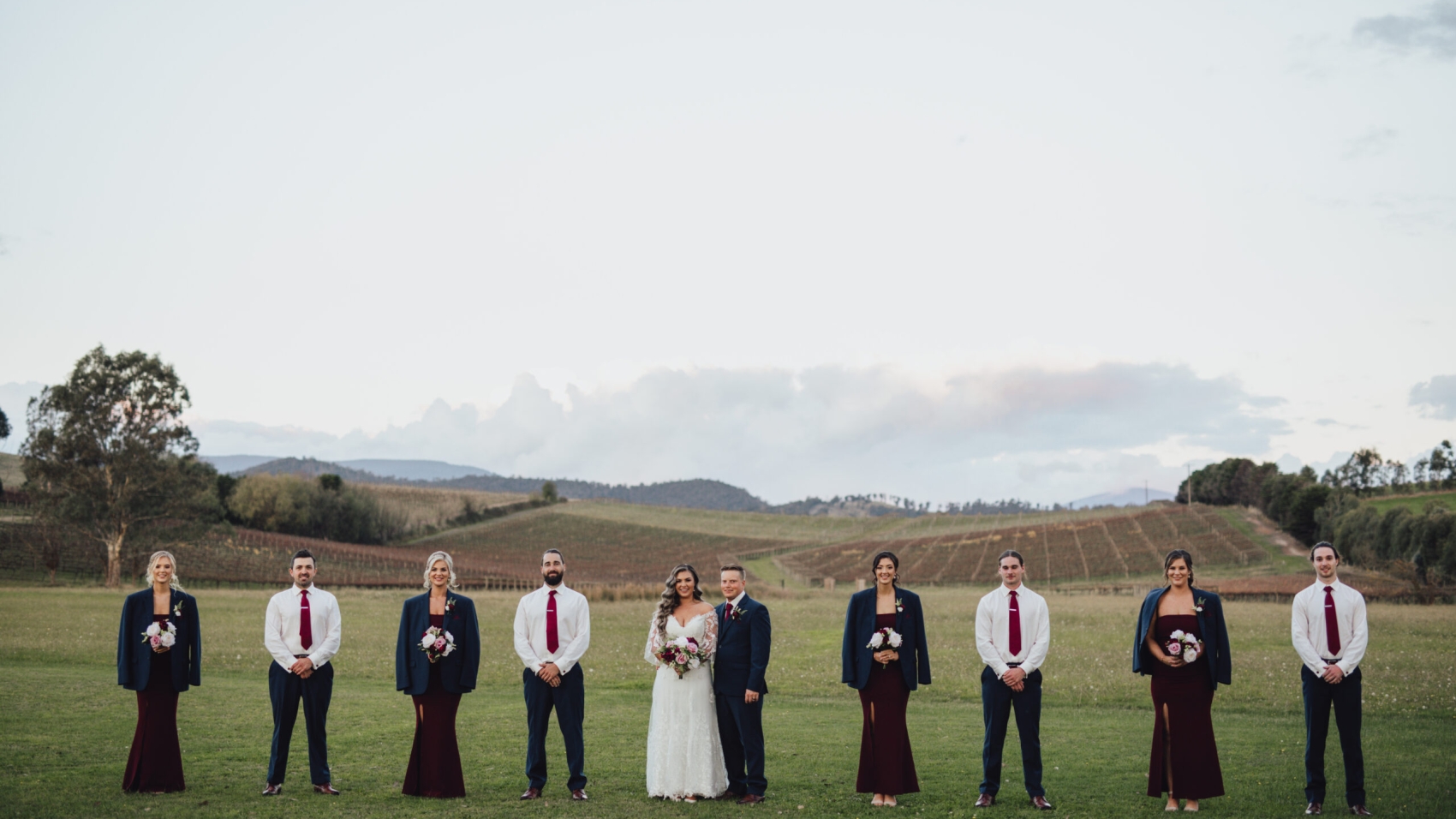
81688-Sample-140

Melbourne Wedding Photography – Sunset Warm Tone Makeup Design

Melbourne Wedding Photography Sunset Warm Tone Makeup and Styling: The Golden Hour Blueprint

There’s a reason every Melbourne wedding photographer chases the last two hours before sunset. The light does something no studio can replicate — it turns skin golden, softens every hard edge, and makes even the most ordinary location look like a painting. But here’s the thing most couples don’t realise: your makeup and styling need to be built specifically for that light. What looks flawless under indoor fluorescents can fall completely flat when the sun dips low over Port Phillip Bay. Getting the warm tone right isn’t optional. It’s the whole game.
wedding photography melbourne

Why Sunset Light Changes Everything About Your Look

The Light Itself Is Doing Half the Work

Melbourne’s golden hour hits differently depending on the season and where you’re shooting. In summer, it stretches long and lazy, bathing everything in a deep amber glow that turns white fabric into gold. In winter, it’s shorter but more intense — a fiery orange that saturates colours and casts long dramatic shadows across the Yarra River or the cliffs at Point Ormond.

This matters because the light will interact with your makeup in ways you can’t predict indoors. A cool-toned foundation that looks perfect in a mirror can turn ashy and lifeless under warm sunset light. A lip colour that reads “perfect nude” in the studio might disappear entirely against golden skin. The trick is building your entire look around the light you’ll actually be shooting in, not the light you’re standing in right now.

Warm Tone Doesn’t Mean Orange Everything

One of the biggest misconceptions couples have is that “warm tone” means slathering on bronzer and calling it a day. That’s not warm tone. That’s a sunburn. Real warm-tone styling is about shifting your entire colour palette two to three shades warmer than you’d normally wear. Your foundation should lean peachy or honey instead of pink. Your blush should be terracotta or warm rose, not cool pink. Your eyeshadow should live in the amber-bronze-copper family, not the silver-taupe-mauve one.

It’s a subtle shift, but under sunset light, it’s the difference between looking like you belong in the scene and looking like you were pasted into it.

Building the Makeup Look That Glows at Sunset

Skin First: Dewy Wins, Matte Loses

Forget matte. I mean it. In golden hour light, matte skin absorbs the warm tones and can end up looking flat or even muddy. Dewy skin, on the other hand, catches the light and bounces it back. It creates that lit-from-within glow that photographers actually love because it reads as healthy, radiant, and alive on camera.

Use a hydrating primer, a light-coverage foundation one to two shades deeper than your usual match (the sunset light will brighten you up), and a liquid highlighter on the cheekbones, bridge of the nose, and cupid’s bow. Avoid powder entirely on the high points of your face. Let the light do what it does best.

Setting spray with a dewy finish is non-negotiable. Melbourne evenings can get humid, especially near the coast, and you need your makeup to last from the first shot at 5pm to the last one at 8pm without melting into a greasy mess.

Eyes: Go Amber, Bronze, and Everything in Between

This is where the warm-tone look really comes alive. Cool-toned eyeshadows — think greys, silvers, icy pinks — will fight the sunset light and make your eyes look washed out. Warm metallics and earthy mattes are what you want.

A single wash of champagne or soft gold across the lid, blended into a warm brown in the crease, with a touch of copper on the lower lash line. That’s it. You don’t need a full cut crease or a dramatic smoky eye. The light will add the drama. Keep the liner thin and brown instead of black — black liner under warm light can look harsh and out of place.

Mascara should be waterproof and lengthening, not volumising. Thick clumpy lashes cast shadows under the eyes in golden hour light, and that’s not the look you’re going for.

Lips: Pick the Shade That Survives the Light

Nude lips are tricky at sunset. A true nude can vanish against warm-toned skin, making your mouth look like it disappeared in the photo. The fix is to go one to two shades warmer than your natural lip colour. A warm terracotta, a spicy rose, or a brownish-mauve all read beautifully under golden light.

Avoid anything with blue undertones — those will clash with the amber light and make your lips look cool-toned in a warm photo. Glossy finishes photograph better than matte for sunset shoots because they catch the light and create dimension. A tinted lip oil or a sheer glossy lipstick is ideal.

Hair Styling That Complements the Warm Glow

Loose Waves Are the Only Answer

Tight curls, sleek updos, and structured styles all have their place — just not in a sunset shoot. Loose, undone waves are what photographers consistently recommend for golden hour sessions in Melbourne, and there’s a practical reason: they move. The wind off the coast at St Kilda or the breeze through the treetops at the Royal Botanic Gardens will catch loose waves and make them flow naturally in frame. That movement is what makes sunset photos feel alive instead of stiff.

Ask your stylist for a textured blowout with a large barrel iron, then finger-comb through it so it looks effortless. If your hair is fine, add a volumising mousse at the roots before blow-drying. If it’s thick, skip the mousse and let the natural texture do the work.

What Actually Works Against the Light

Dark, jet-black hair can look stunning in sunset photos — the warm light creates a beautiful contrast. But if you have very dark hair and very warm-toned makeup, you can end up looking heavy. A subtle warm highlight or a few face-framing pieces in honey or caramel can soften that contrast and tie your hair into the same colour story as your makeup.

Blonde hair in golden hour is basically cheating. The light makes it glow like it’s lit from inside. If you’re blonde, keep the styling minimal — a simple half-up or a low messy bun with loose pieces around the face. Don’t over-style it. The light is already doing the work.

Avoid heavy hairspray that makes your hair look lacquered. In golden hour, that shine reads as greasy, not glossy. Use a flexible hold spray and let the wind help you.

Outfit Colours That Absorb Sunset Light Instead of Fighting It

The Palette That Actually Works

White is the obvious choice for a wedding, but pure white under sunset light can blow out and lose all detail in your photos. A warm ivory, champagne, or soft cream reads much better because it picks up the golden tones instead of reflecting them away.

For grooms, a light tan or warm grey suit absorbs the sunset beautifully. Navy works too, but it leans cooler, so pair it with a warm cream or peach shirt to keep the overall tone unified. Avoid black suits for sunset shoots — they absorb too much light and can make you look like a silhouette instead of a subject.

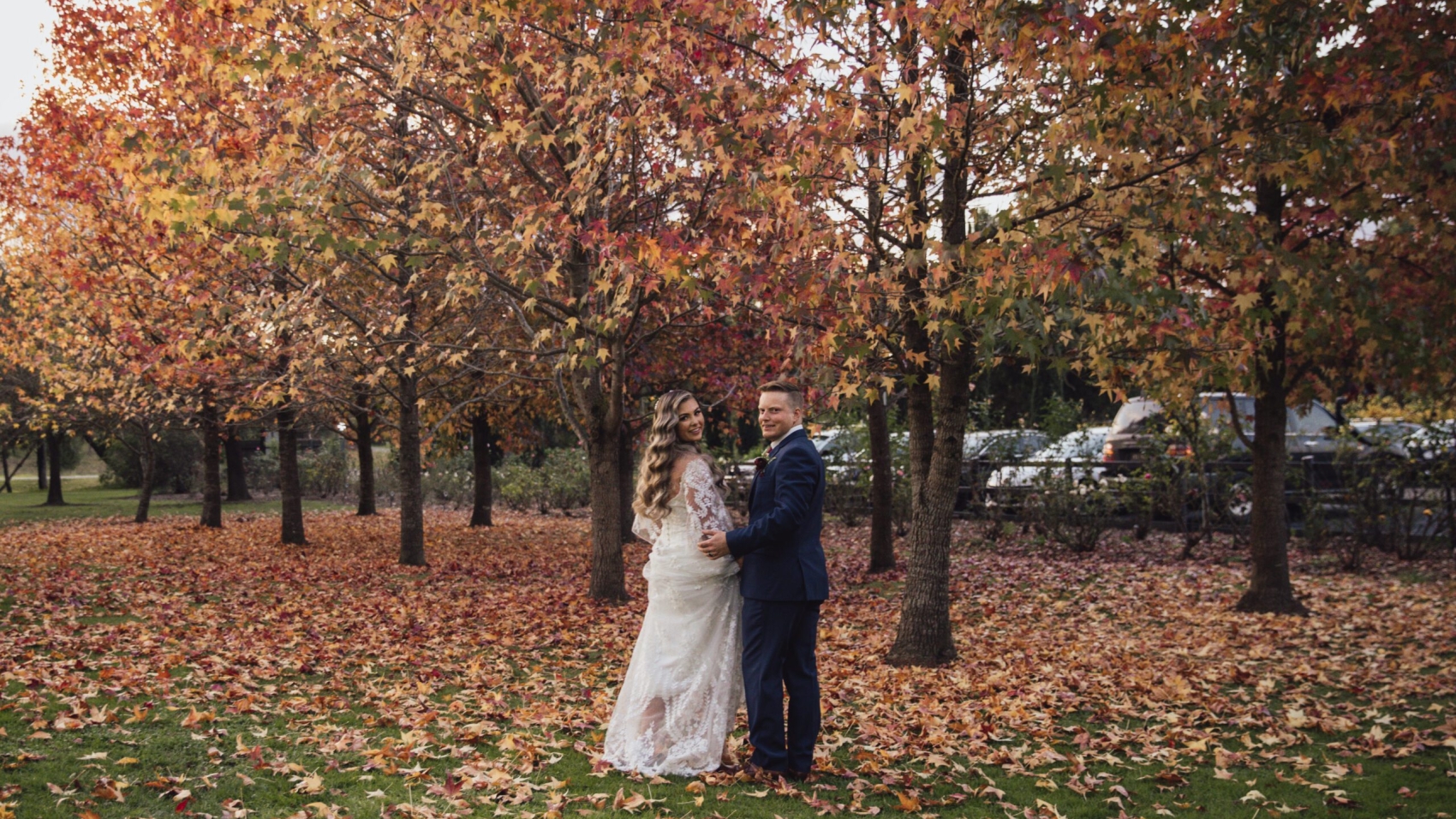
Earthy tones are where this aesthetic really shines. Think dusty rose, terracotta, sage green, warm clay, and mustard. These colours exist naturally in Melbourne’s landscapes — the sandstone buildings, the autumn leaves in Fitzroy Gardens, the dry grass of the Mornington Peninsula. When your outfit matches the environment, the photos look like they belong there.

Fabrics That Move With the Light

Linen, chiffon, lightweight cotton, and silk all behave beautifully in golden hour. They catch the warm light, they move in the breeze, and they don’t look stiff or staged. Avoid heavy satin, thick lace, or anything with a lot of structure. Those fabrics fight the light and make you look like you’re wearing a costume instead of getting married.

If you’re shooting on the beach at Brighton or along the cliffs at the Great Ocean Road, lightweight fabrics will also keep you comfortable. Melbourne summer evenings can still be warm, and you’ll be moving around for hours. Comfort matters more than you think, because when you’re comfortable, you smile more naturally, and that’s what the camera actually captures.

A Few Things Nobody Tells You About Sunset Shoots in Melbourne

The golden hour window is shorter than you think. In Melbourne, especially in winter, you might have 40 minutes of truly good light. That’s it. Every minute of pre-shoot preparation you skip is a minute of light you lose. Have your makeup done, your hair styled, and your outfits on before you arrive at the location. Not after.

Also, the sun sets fast. If you’re shooting at a coastal location, the light can shift from perfect golden to flat grey in under ten minutes once the sun dips below the horizon. Your photographer will know this, but you should too. The best frames usually come in the 15 to 20 minutes right before the sun actually disappears. That’s when the light is warmest, the shadows are longest, and everything looks like a movie.

Don’t be afraid of a little wind. A little mess in the hair, a dress shifting slightly, a tie blowing to the side — those imperfections are what make sunset wedding photos feel real instead of manufactured. The couples who get the most stunning Melbourne sunset photos aren’t the ones who stood perfectly still. They’re the ones who leaned into the light and let it do what it does.
wedding photography melbourne

Melbourne wedding photography: Couples’ matching color scheme styling combination

Melbourne Wedding Photography Matching Color Palettes: How Couples Are Nailing the Coordinated Look

There’s something quietly powerful about a couple who shows up wearing the same colour story. Not identical outfits — that’s costume party territory — but a shared palette that ties everything together without screaming “we planned this.” Melbourne has become one of the top destinations for this exact aesthetic, and for good reason. The city’s natural light, its mix of urban grit and coastal softness, and the way couples here lean into individuality all make colour-coordinated wedding photography feel less like a trend and more like a natural choice.

wedding photography melbourne

Why Matching Colours Photograph So Well in Melbourne

Melbourne’s light is deceptive. It shifts from cool and silvery in the morning to warm amber by late afternoon, especially along the coast or in the botanical gardens. When a couple wears a unified colour palette, that light wraps around both of them instead of competing. You get harmony in every frame without needing to overthink composition.

Photographers who shoot in Fitzroy’s colourful laneways or along the Yarra River know this instinctively. A couple in dusty rose and warm clay tones against a brick wall just works. The same couple in navy and ivory against a grey sky looks equally cinematic. The colour does the heavy lifting so the pose doesn’t have to.

This is also why Google searches for “Melbourne wedding photography matching outfits” and “couple colour coordination wedding photos” keep climbing. People aren’t just looking for ideas — they’re looking for a look that feels cohesive without feeling forced. And colour is the fastest way to get there.

Building Your Shared Palette Without Looking Like Twins

Start With One Anchor Colour, Then Branch Out

The mistake most couples make is picking two completely separate outfits that happen to share a random colour. That doesn’t read as coordinated. It reads as coincidence.

The better approach: pick one anchor colour — something like warm white, dusty blue, sage green, or terracotta — and build everything else around it. The bride might wear an off-white flowy dress while the groom goes with a cream linen shirt and khaki trousers. Same family, different expressions. It reads as intentional because it is.

Melbourne’s autumn tones are incredible for this. Think burnt sienna, mustard yellow, deep olive, and warm sand. These colours exist everywhere in the city — in the leaves of the Royal Botanic Gardens, in the painted facades of Collingwood, in the sunset over Port Phillip Bay. Your outfit literally belongs to the location.

Tone-on-Tone Versus Contrast: Pick Your Lane

There are two directions you can go, and both work in Melbourne.

Tone-on-tone means you stay in the same colour family but vary the shades. She wears a blush pink midi dress, he wears a pale pink oxford shirt with grey trousers. It’s soft, romantic, and photographs beautifully in golden hour light. This works especially well for garden shoots, vineyard sessions, or anything near the Dandenong Ranges.

Contrast within a palette means you pick two colours from the same family and split them. She wears sage green, he wears forest green. She wears dusty blue, he wears navy. There’s still unity but more visual interest. This approach pops more in urban settings — the concrete and glass of Southbank, the street art of Hosier Lane, the industrial warehouses of Docklands.

Neither is better. It depends entirely on where you’re shooting and what mood you want.

The Role of Texture in Making Colours Feel Connected

Here’s something most styling guides skip: colour alone isn’t enough. Texture is what actually makes a coordinated look feel real instead of staged.

If the bride is in a silk slip dress in champagne, the groom shouldn’t wear a smooth cotton shirt in the same shade. That’s too matchy. Instead, he could wear a textured linen blazer in a slightly deeper tone. The silk and linen create visual contrast while staying in the same colour family. The eye reads it as “they belong together” without being able to point to exactly why.

This matters a lot in Melbourne because the city’s backdrops are already textured — exposed brick, weathered wood, ocean spray, dry grass. Your clothes need to play off that, not fight it.

Where to Shoot Your Colour-Coordinated Session in Melbourne

Coastal Spots That Love Warm Palettes

The Great Ocean Road, Brighton Beach, and Half Moon Bay are obvious picks, but here’s the thing — they don’t just look good with any colour. They love warm, earthy tones. Terracotta, sand, warm white, olive. These colours don’t compete with the ocean or the sand. They melt into it.

If you’re going with a cool palette — dusty blue, slate grey, icy white — skip the beach and head to St Kilda Pier at dusk or the Melbourne CBD skyline at blue hour. Cool tones against cool light is where that palette earns its keep.

Urban Melbourne and Muted Tones

Fitzroy, Carlton, and the CBD are where muted, desaturated palettes come alive. Think charcoal and cream, dusty rose and grey, olive and off-white. The city’s architecture — the bluestone buildings, the iron lace balconies, the concrete laneways — gives these colours a gritty, editorial edge that you simply can’t get in a studio.

Couples who shoot here often report that their photos look like they belong in a magazine spread, not a wedding album. That’s the power of letting the location inform your colour choice instead of the other way around.

Accessories: The Final Piece That Ties It All Together

This is where a lot of couples either nail it or completely miss the mark.

If your outfits are already colour-coordinated, your accessories should echo the palette — not introduce new colours. A simple leather bag in tan works with a warm palette. A woven clutch in natural fibre works with an earthy one. For the groom, a woven belt, a linen pocket square, or a simple woven bracelet all reinforce the look without adding visual noise.

Avoid anything shiny or metallic unless your entire palette is built around it. A gold watch against a dusty rose dress creates tension, not harmony. A matte brown leather watch against the same dress? That’s the kind of detail that makes a photographer nod approvingly.

Flowers and bouquets should follow the same rule. If the palette is warm, go with dried pampas, ranunculus in burnt orange, or wildflowers in muted yellow. If it’s cool, eucalyptus, white roses, or blue thistle. The bouquet is part of the colour story, not a separate element.

A Few Honest Things to Keep in Mind

Melbourne weather will test you. Wind can destroy a carefully styled look in seconds, especially near the coast or on hilltops. If your palette includes lightweight fabrics — linen, chiffon, cotton voile — they’ll move beautifully in the breeze, which is great for photos. But they’ll also wrinkle, fly up, and stick to you in humidity. Have a plan for that.

Also, don’t force a palette you don’t actually like just because it photographs well. You’ll be wearing these clothes for hours, walking, sitting, climbing, laughing. If you hate the colour, it’ll show in your face. And no amount of colour coordination can fix that.

The couples who get the best photos in Melbourne aren’t the ones with the most expensive outfits or the most perfect palette. They’re the ones who picked colours they genuinely feel good in, trusted the light, and stopped trying to look like someone else.

wedding photography melbourne

Melbourne wedding photography – casual light outfit styling combination

Melbourne Wedding Photography Casual Outfit Pairing: Effortless Elegance Down Under

Melbourne is one of those cities where every laneway, coastline, and garden feels like it was built for a love story. When it comes to wedding photography here, more and more couples are ditching the stiff, over-the-top looks and leaning into something real — casual, relaxed, and full of personality. The key to nailing this aesthetic? It all starts with how you dress.

wedding photography melbourne

Why Casual Styling Works So Well in Melbourne

The city’s photography scene has shifted dramatically. Studios and photographers across Melbourne now excel in what they call “natural” and “artistic” shooting styles — capturing raw emotions, unposed moments, and the kind of candid joy you can’t fake. Think stolen glances, laughter mid-conversation, and golden hour strolls along the coast.

This approach demands clothing that moves with you, not against you. A flowing lightweight dress paired with a simple white shirt and rolled-up sleeves tells a completely different story than a heavy ballgown. The vibe is effortless, the energy is alive, and the photos end up looking like frames from an indie film rather than a catalogue shoot.

Location plays a huge role too. Whether you’re shooting at Brighton Beach with its colourful bathing boxes, the dramatic cliffs along the Great Ocean Road, or the heritage grandeur of the Royal Exhibition Building and Carlton Gardens — your outfit needs to feel at home in that setting. Casual doesn’t mean sloppy. It means intentional.

Picking the Right Pieces for a Relaxed Wedding Look

For the Bride: Light Fabrics, Clean Lines

The go-to choice for a casual Melbourne shoot is a lightweight sheer dress or a simple slip-style gown in ivory, champagne, or soft blush. These fabrics breathe in the wind and photograph beautifully against natural backdrops like the beaches at Half Moon Bay or the green expanses of the Mornington Peninsula.

Avoid anything with heavy embroidery, long cathedral trains, or overly structured bodices. They’ll fight you on uneven terrain and kill the spontaneous energy you’re going for. A mini or tea-length hem works better for running, walking, and climbing over rocks at places like the Twelve Apostles.

Colour-wise, stick to low-saturation tones. Pure white can wash out in bright sunlight, while a warm ivory or dusty rose blends seamlessly with Melbourne’s golden light. If you’re shooting in a garden or near the Yarra Valley, soft greens and muted pastels create that dreamy, editorial feel.

For the Groom: Ditch the Full Suit

A full tuxedo feels out of place when the whole concept is “let’s just be ourselves.” Instead, opt for a well-fitted blazer in navy or charcoal paired with a crisp white shirt — no tie, or a loose knit tie if you want a touch of formality. Rolled sleeves, an open collar, and clean leather shoes strike the perfect balance between polished and relaxed.

For beach or coastal shoots, linen trousers with a simple oxford shirt work wonders. The texture of linen photographs incredibly well, and it moves naturally in the ocean breeze. If you’re heading to the urban laneways of Fitzroy or Collingwood, a fitted crew-neck sweater with dark jeans and Chelsea boots gives off that effortlessly cool Melbourne vibe.

Matching Without Matching

Here’s a trick most photographers swear by: coordinate your colour palette without wearing identical outfits. If the bride is in ivory and blush, the groom can wear navy and white. If she’s in sage green, he can go with olive or warm grey. The connection is subtle but visible, and it makes the couple look like a unit without looking costumey.

Patterns should be minimal. A solid-colour dress for her, a solid-colour shirt for him. If you both want a little pattern, keep it small — maybe a subtle textured weave on his blazer that echoes the lace detail on her dress. That’s enough.

Accessories and Details That Make or Break the Look

Less is genuinely more when you’re going for a casual aesthetic. Aim for no more than two to three accessories total. A delicate pendant necklace, simple stud earrings, and a thin bracelet — that’s the ceiling.

For the bride, a short veil or a floral hairpiece works better than a grand cathedral-length veil. It keeps the silhouette clean and lets your face be the focus. Sunglasses are actually a brilliant prop for outdoor shoots — they add attitude and protect your eyes during those harsh Melbourne UV rays.

Footwear matters more than people think. Skip the stilettos entirely for outdoor sessions. A pair of clean white sneakers, leather sandals, or even bare feet on the sand at Brighton Beach will look far more authentic in the final images. Bring your heels only for the indoor or studio portion if you have one.

For the groom, a simple watch and a pocket square in a complementary tone are all you need. No cufflinks, no boutonniere unless the setting calls for it.

Hair and Makeup: Keep It Real

Melbourne weather is unpredictable — windy, dry, and the UV is no joke. Heavy contour and flawless matte foundation will melt by noon. The smart move is a dewy, skin-first makeup look with waterproof mascara, a tinted lip balm, and a light dusting of setting powder.

Hair should look lived-in. Loose waves, a messy low bun, or a half-up style with face-framing pieces all photograph beautifully and won’t fight the wind. Use a strong hold hairspray and bobby pins, and avoid anything that requires constant touching up.

If you’re shooting across multiple locations in one day — say, starting at Carlton Gardens in the morning and ending at a beach sunset — pack a small touch-up kit with blotting papers, lip balm, and a travel-size setting spray. It takes two minutes and saves your photos from looking greasy by 4pm.

Nailing the Unposed Energy in Front of the Camera

The whole point of a casual shoot is that it shouldn’t look posed. Melbourne photographers who specialise in this natural style will guide you through simple actions — walking hand in hand, laughing at something off-camera, leaning against a wall, sharing a coffee. You don’t need to perform. You just need to be present.

The best frames from these sessions are the ones where you forgot the camera was there. So pick outfits you actually feel comfortable in. If you can’t run in your dress or sit cross-legged on the grass without worrying about wrinkling it, choose something else. Comfort translates directly into confidence, and confidence is the single most photogenic thing you can wear.