Melbourne wedding photography: Couples' matching color scheme styling combination
Melbourne wedding photography: Couples' matching color scheme styling combination
Melbourne Wedding Photography Matching Color Palettes: How Couples Are Nailing the Coordinated Look
There’s something quietly powerful about a couple who shows up wearing the same colour story. Not identical outfits — that’s costume party territory — but a shared palette that ties everything together without screaming “we planned this.” Melbourne has become one of the top destinations for this exact aesthetic, and for good reason. The city’s natural light, its mix of urban grit and coastal softness, and the way couples here lean into individuality all make colour-coordinated wedding photography feel less like a trend and more like a natural choice.
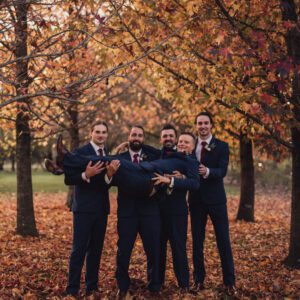
Why Matching Colours Photograph So Well in Melbourne
Melbourne’s light is deceptive. It shifts from cool and silvery in the morning to warm amber by late afternoon, especially along the coast or in the botanical gardens. When a couple wears a unified colour palette, that light wraps around both of them instead of competing. You get harmony in every frame without needing to overthink composition.
Photographers who shoot in Fitzroy’s colourful laneways or along the Yarra River know this instinctively. A couple in dusty rose and warm clay tones against a brick wall just works. The same couple in navy and ivory against a grey sky looks equally cinematic. The colour does the heavy lifting so the pose doesn’t have to.
This is also why Google searches for “Melbourne wedding photography matching outfits” and “couple colour coordination wedding photos” keep climbing. People aren’t just looking for ideas — they’re looking for a look that feels cohesive without feeling forced. And colour is the fastest way to get there.
Building Your Shared Palette Without Looking Like Twins
Start With One Anchor Colour, Then Branch Out
The mistake most couples make is picking two completely separate outfits that happen to share a random colour. That doesn’t read as coordinated. It reads as coincidence.
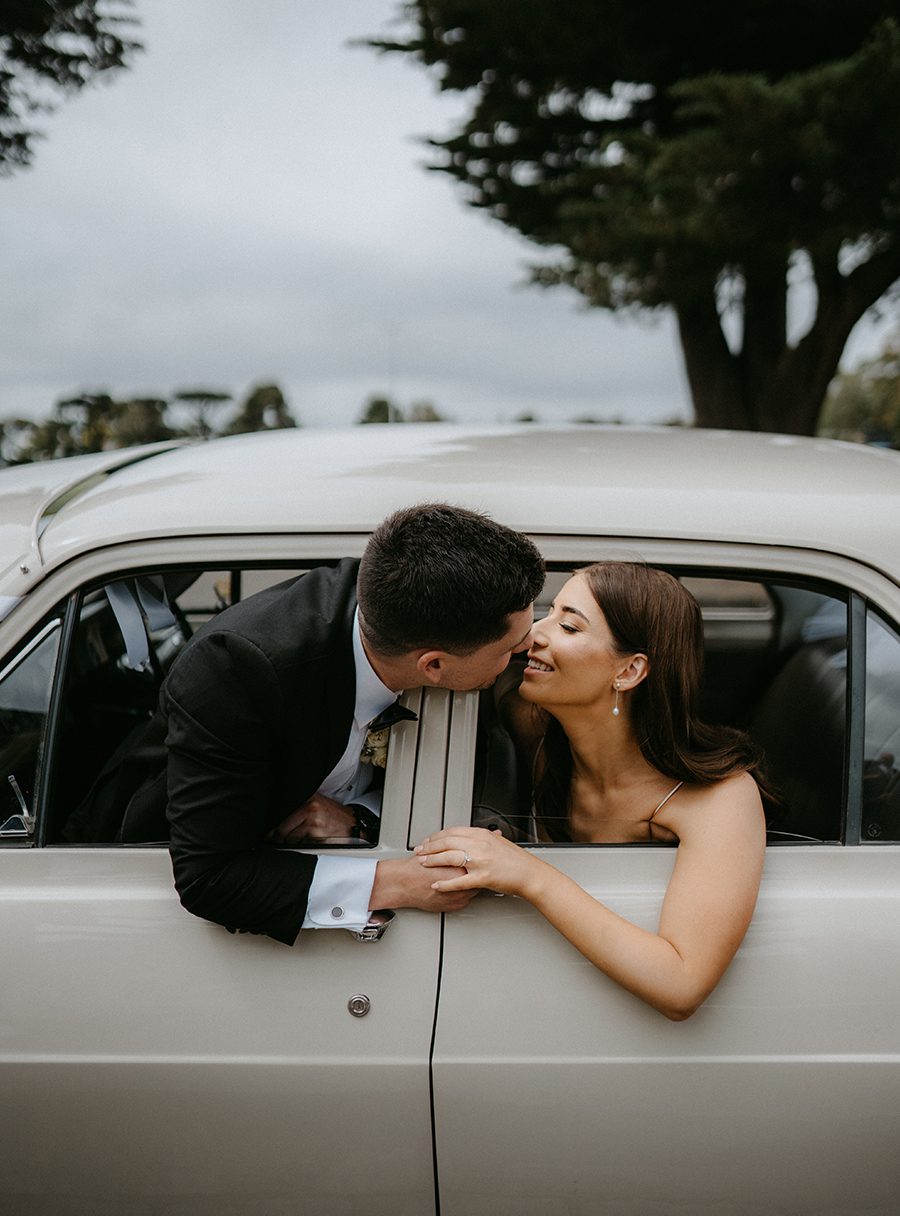
The better approach: pick one anchor colour — something like warm white, dusty blue, sage green, or terracotta — and build everything else around it. The bride might wear an off-white flowy dress while the groom goes with a cream linen shirt and khaki trousers. Same family, different expressions. It reads as intentional because it is.
Melbourne’s autumn tones are incredible for this. Think burnt sienna, mustard yellow, deep olive, and warm sand. These colours exist everywhere in the city — in the leaves of the Royal Botanic Gardens, in the painted facades of Collingwood, in the sunset over Port Phillip Bay. Your outfit literally belongs to the location.
Tone-on-Tone Versus Contrast: Pick Your Lane
There are two directions you can go, and both work in Melbourne.
Tone-on-tone means you stay in the same colour family but vary the shades. She wears a blush pink midi dress, he wears a pale pink oxford shirt with grey trousers. It’s soft, romantic, and photographs beautifully in golden hour light. This works especially well for garden shoots, vineyard sessions, or anything near the Dandenong Ranges.
Contrast within a palette means you pick two colours from the same family and split them. She wears sage green, he wears forest green. She wears dusty blue, he wears navy. There’s still unity but more visual interest. This approach pops more in urban settings — the concrete and glass of Southbank, the street art of Hosier Lane, the industrial warehouses of Docklands.
Neither is better. It depends entirely on where you’re shooting and what mood you want.
The Role of Texture in Making Colours Feel Connected
Here’s something most styling guides skip: colour alone isn’t enough. Texture is what actually makes a coordinated look feel real instead of staged.
If the bride is in a silk slip dress in champagne, the groom shouldn’t wear a smooth cotton shirt in the same shade. That’s too matchy. Instead, he could wear a textured linen blazer in a slightly deeper tone. The silk and linen create visual contrast while staying in the same colour family. The eye reads it as “they belong together” without being able to point to exactly why.
This matters a lot in Melbourne because the city’s backdrops are already textured — exposed brick, weathered wood, ocean spray, dry grass. Your clothes need to play off that, not fight it.
Where to Shoot Your Colour-Coordinated Session in Melbourne
Coastal Spots That Love Warm Palettes
The Great Ocean Road, Brighton Beach, and Half Moon Bay are obvious picks, but here’s the thing — they don’t just look good with any colour. They love warm, earthy tones. Terracotta, sand, warm white, olive. These colours don’t compete with the ocean or the sand. They melt into it.
If you’re going with a cool palette — dusty blue, slate grey, icy white — skip the beach and head to St Kilda Pier at dusk or the Melbourne CBD skyline at blue hour. Cool tones against cool light is where that palette earns its keep.
Urban Melbourne and Muted Tones
Fitzroy, Carlton, and the CBD are where muted, desaturated palettes come alive. Think charcoal and cream, dusty rose and grey, olive and off-white. The city’s architecture — the bluestone buildings, the iron lace balconies, the concrete laneways — gives these colours a gritty, editorial edge that you simply can’t get in a studio.
Couples who shoot here often report that their photos look like they belong in a magazine spread, not a wedding album. That’s the power of letting the location inform your colour choice instead of the other way around.
Accessories: The Final Piece That Ties It All Together
This is where a lot of couples either nail it or completely miss the mark.
If your outfits are already colour-coordinated, your accessories should echo the palette — not introduce new colours. A simple leather bag in tan works with a warm palette. A woven clutch in natural fibre works with an earthy one. For the groom, a woven belt, a linen pocket square, or a simple woven bracelet all reinforce the look without adding visual noise.
Avoid anything shiny or metallic unless your entire palette is built around it. A gold watch against a dusty rose dress creates tension, not harmony. A matte brown leather watch against the same dress? That’s the kind of detail that makes a photographer nod approvingly.
Flowers and bouquets should follow the same rule. If the palette is warm, go with dried pampas, ranunculus in burnt orange, or wildflowers in muted yellow. If it’s cool, eucalyptus, white roses, or blue thistle. The bouquet is part of the colour story, not a separate element.
A Few Honest Things to Keep in Mind
Melbourne weather will test you. Wind can destroy a carefully styled look in seconds, especially near the coast or on hilltops. If your palette includes lightweight fabrics — linen, chiffon, cotton voile — they’ll move beautifully in the breeze, which is great for photos. But they’ll also wrinkle, fly up, and stick to you in humidity. Have a plan for that.
Also, don’t force a palette you don’t actually like just because it photographs well. You’ll be wearing these clothes for hours, walking, sitting, climbing, laughing. If you hate the colour, it’ll show in your face. And no amount of colour coordination can fix that.
The couples who get the best photos in Melbourne aren’t the ones with the most expensive outfits or the most perfect palette. They’re the ones who picked colours they genuinely feel good in, trusted the light, and stopped trying to look like someone else.