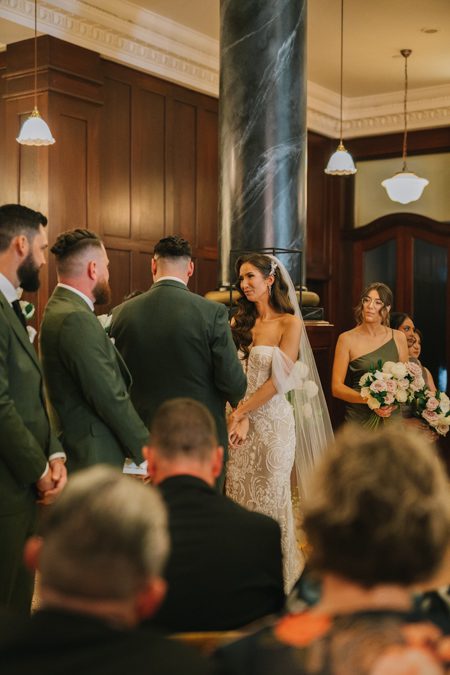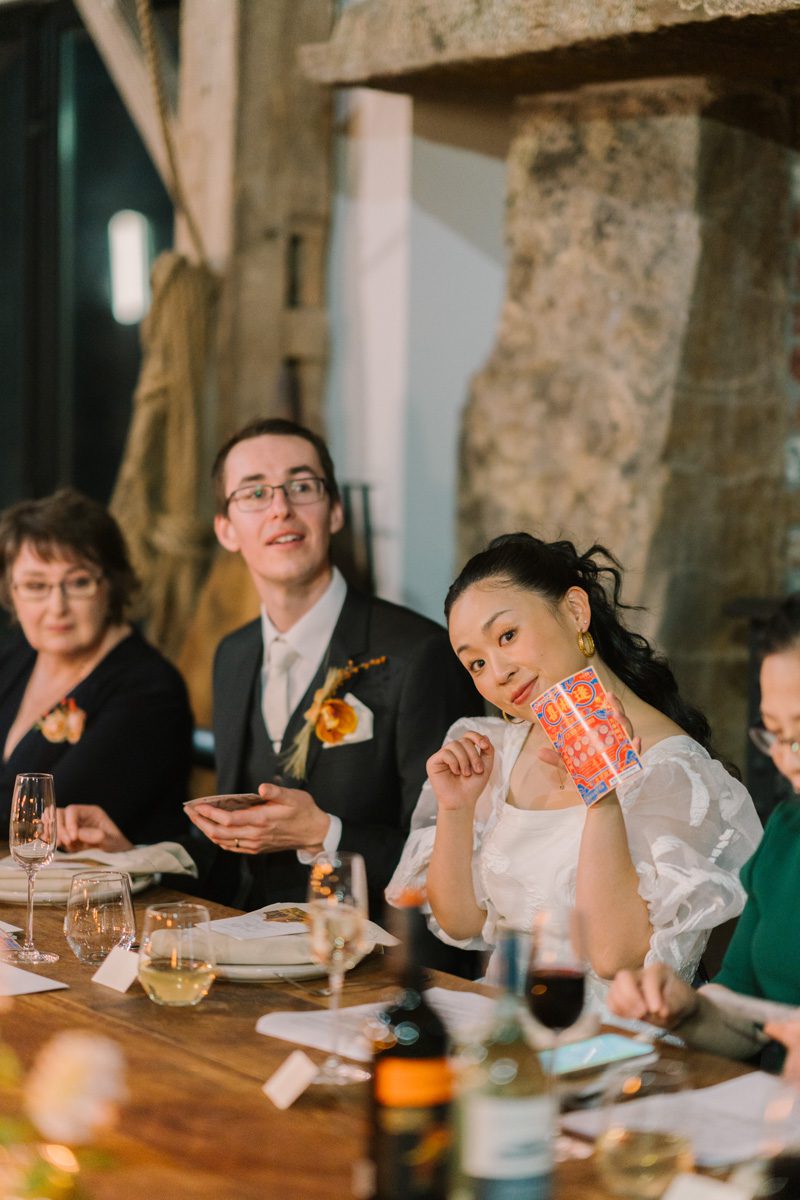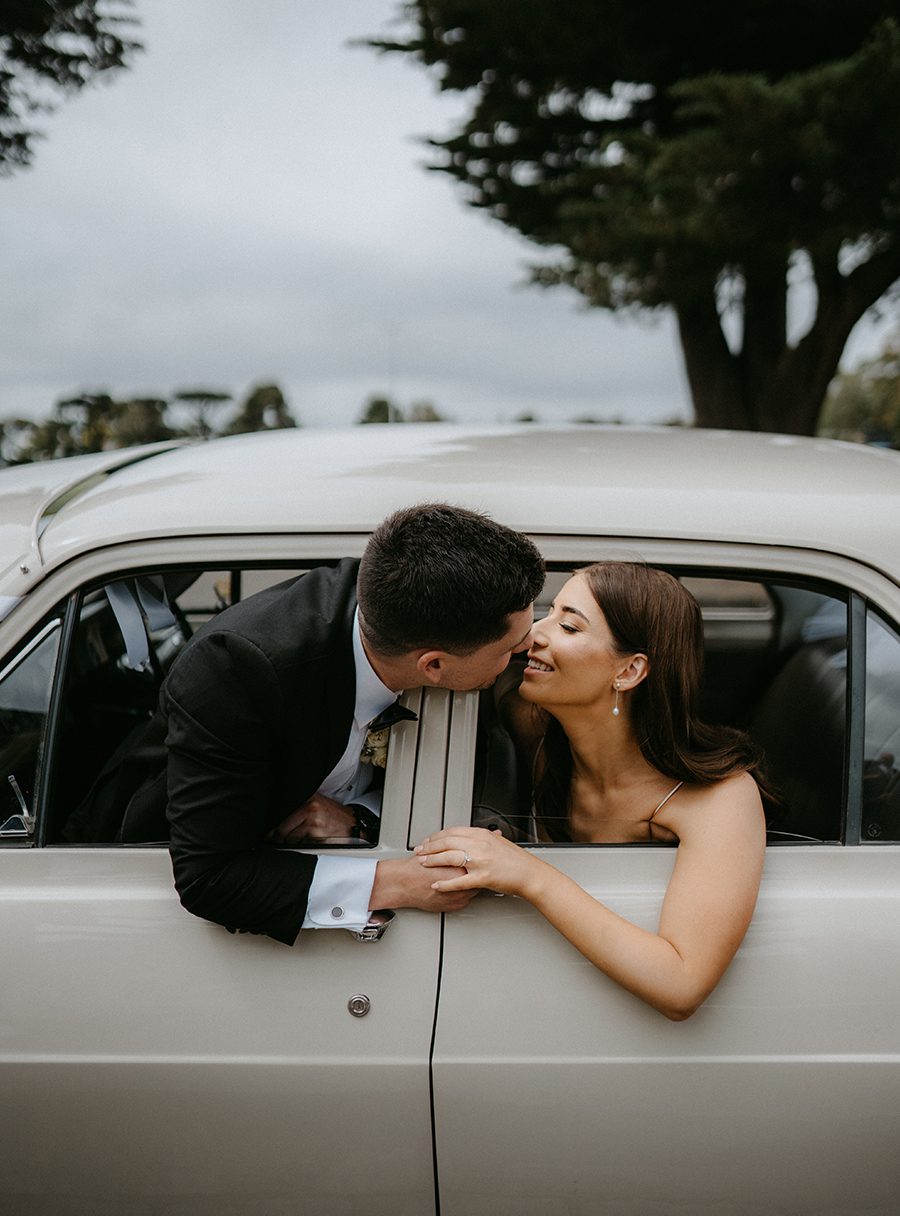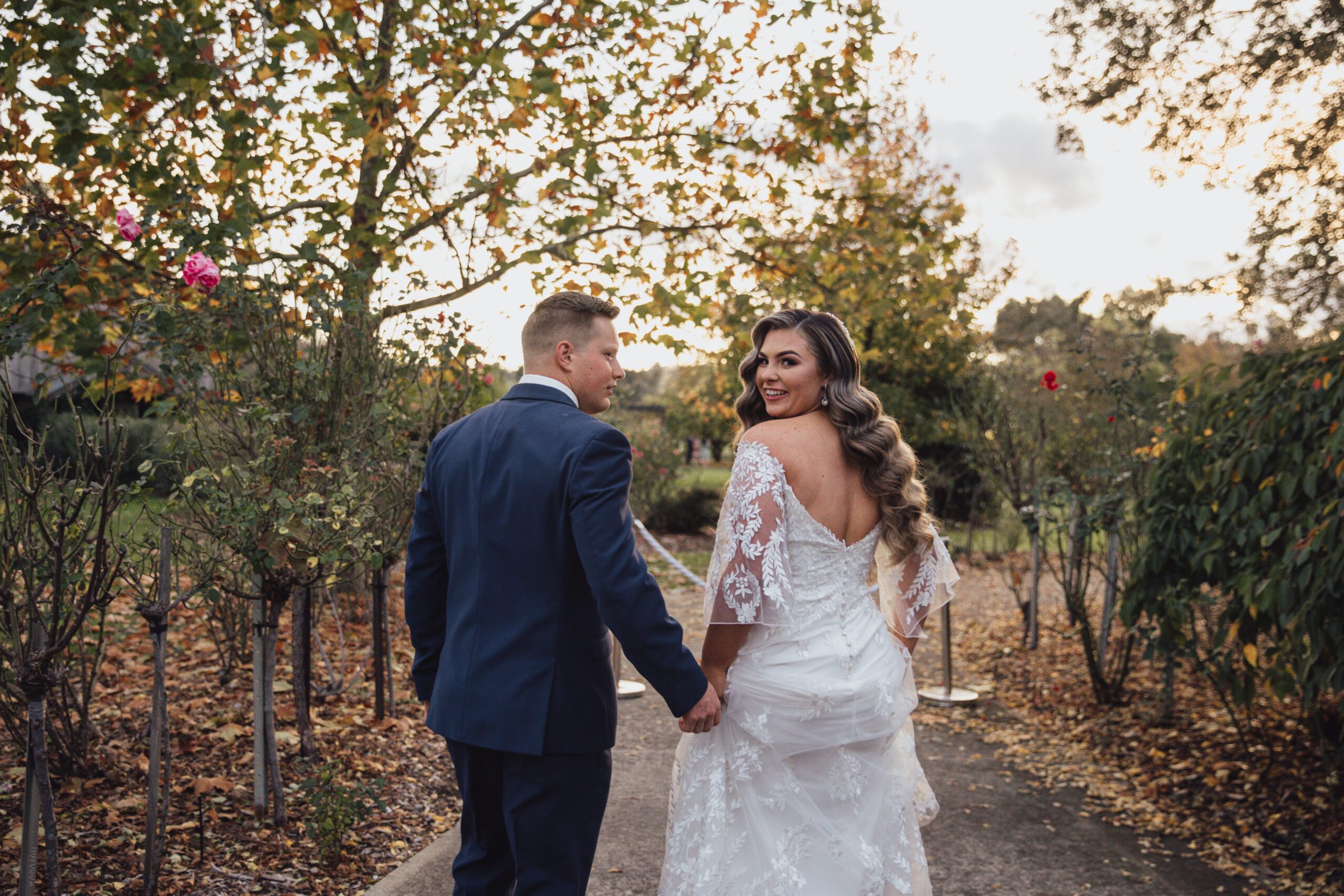
Spring wedding photography in Melbourne, with scenes set in a flower field
Spring wedding photography in Melbourne, with scenes set in a flower field
Melbourne Spring Wedding Photography Floral Field Shoots: Capturing the Season When Everything Blooms
There’s a narrow window in Melbourne every year when the city turns into something almost unrecognisable. The parks explode with colour, the gardens go wild, and for about six to eight weeks, you can stand in the middle of a flower field and forget you’re in a metropolis. Spring in Melbourne is when wedding photographers book their most ambitious outdoor sessions — and for good reason. The light is softer, the crowds are thinner, and the flowers are doing all the styling work for you. If you’ve been planning a Melbourne wedding shoot and haven’t considered a floral field location yet, you’re leaving some of the best frames of your life on the table.
Why Melbourne Spring Is the Sweet Spot for Floral Wedding Shoots
The Light Is Doing Something No Other Season Can Match
Melbourne’s spring light sits in a sweet spot that summer and winter simply can’t replicate. The sun is lower in the sky than it will be by December, but it’s not as harsh as the peak summer UV. The result is a warm, diffused glow that makes colours pop without blowing them out. Petals look saturated but not artificial. Skin looks golden but not orange. Shadows are soft enough to be forgiving but defined enough to give your photos depth.
This matters enormously when you’re shooting in a floral field. Flowers are all about colour, and the wrong light will either wash them out or make them look neon. Spring light in Melbourne hits that perfect middle ground — vivid enough to show every petal, gentle enough to keep everything looking natural.
Google searches for “Melbourne spring wedding photography flowers” and “floral field wedding shoot Victoria” peak between September and November every year. Couples are wise to this now. They know that booking a spring shoot means better light, fewer tourists, and flowers that are actually in peak bloom instead of fading.
The Crowds Are Thinner and the Locations Are More Accessible
Summer in Melbourne means everyone is outside. Every park, every garden, every waterfront is packed. Spring is different. The weather is still pleasant — warm enough for outdoor shoots without the brutal heat — but the crowds haven’t arrived yet. You can actually move through a flower field without strangers walking into every frame.
This gives your photographer room to work. They can shoot from low angles without worrying about a jogger in the background. They can spread out the train of a dress without someone stepping on it. They can take their time with each setup instead of rushing because the location is about to get busy.
Best Floral Locations Around Melbourne for Spring Wedding Shoots
The Royal Botanic Gardens: The Obvious Choice That Actually Delivers
The Royal Botanic Gardens sit right next to the Yarra River and the city skyline, which means you get flowers and urban drama in the same frame. In spring, the gardens fill with tulips, daffodils, jasmine, and native wildflowers that create a layered, textured backdrop without looking like a botanical illustration.
The key to shooting here is timing. Go early — around 8 or 9am — when the light is still low and the gardens are empty. By 10am, the tour groups arrive and the magic fades. Early morning also means the flowers are at their freshest, dew is still on the petals, and the light hasn’t started flattening everything out.
The lakeside area near the ornamental lake is particularly good for bride-and-groom portraits. The water reflects the sky and the flowers, which gives your photos a sense of depth that flat ground simply can’t provide.
Fitzroy Gardens and the Surrounding Green Spaces
Fitzroy Gardens in spring are a riot of colour — rose beds, lavender rows, and native flora that change every year. What makes this location special for wedding photography is the variety. You can shoot in the formal rose garden for structured, elegant frames, then walk five minutes to the wilder native garden for something more relaxed and bohemian.
The paths through Fitzroy are lined with mature trees that create dappled light — spots of sun filtering through leaves and landing on the ground, on the dress, on the face. This kind of light is incredibly flattering and almost impossible to replicate in a studio. It adds movement and texture to every photo without any effort on your part.
The Outer Suburbs: Where the Real Flower Fields Live
If you’re willing to drive 30 to 45 minutes from the CBD, the spring flower fields in Melbourne’s outer suburbs are something else entirely. Rows of tulips, poppies, and daisies stretching to the horizon — it looks like the Netherlands, but with Melbourne’s dramatic sky above it.
Locations around Coldstream, Silvan, and the Dandenong Ranges have flower farms that open to the public during spring. The rows create natural leading lines that draw the eye into the frame. A couple walking down a row of red poppies with the mountains in the background is the kind of image that doesn’t need any editing. It’s already perfect.
The practical advantage of these outer locations is privacy. There are no other couples, no tourists, no dogs off-leash. Just you, your partner, your photographer, and an endless field of colour. For a wedding shoot where you want intimate, undisturbed moments, this is hard to beat.
Styling Your Look for a Floral Field Shoot
Dress Colours That Pop Against Flowers Without Clashing
The biggest mistake couples make with floral field shoots is wearing white. White against white flowers is a recipe for a photo where the dress disappears into the background. Your outfit needs to contrast with the flowers, not compete with them.
Soft pastels work beautifully — dusty pink, lavender, pale blue, mint green. These colours sit next to flowers without fighting them. A dusty pink dress in a field of yellow tulips creates a warm, romantic palette that photographs like a painting. A lavender dress in a poppy field creates a complementary contrast that makes both the dress and the flowers stand out.
If you want something bolder, deep jewel tones work surprisingly well. A rich emerald green or a deep burgundy against a field of white daisies or yellow canola creates a dramatic, editorial look that most couples are too scared to try but always regret not doing.
Avoid busy patterns. Floral prints on your dress against real flowers creates visual chaos. The eye doesn’t know where to look. Solid colours let the flowers be the stars.
Hair and Makeup: Fresh, Dewy, and Effortless
The makeup for a floral field shoot should feel like you just stepped out of a dewy morning — because you basically did. A light, dewy base with minimal coverage. Soft brown eyeshadow, a touch of mascara, and a lip colour that’s one shade warmer than your natural tone. Nothing heavy, nothing matte, nothing structured.
The hair should look wind-touched and natural. Loose waves or a soft braid with pieces falling out work perfectly. Flowers in your hair are a nice touch — a single stem of jasmine tucked behind the ear, a small sprig of wildflowers woven into a low bun. But don’t overdo it. One or two stems maximum. A full flower crown in a field of flowers is redundant — the location is already the crown.
Practical Tips That Will Save Your Shoot
Watch the Wind and Plan Around It
Melbourne spring is windy. Not summer-storm windy, but enough to move hair, shift fabric, and scatter petals across your dress. This can be beautiful in photos — petals caught mid-air, hair blowing across the face, a train trailing behind you in the breeze. But it can also be a nightmare if you’re not ready for it.
Bring bobby pins. Lots of them. Secure every piece of hair that could move. If you’re wearing a train, have someone hold it during windy shots. And shoot with the wind, not against it. A slight breeze moving your hair and dress toward the camera creates natural movement in the frame. Fighting the wind creates tension and discomfort that shows in every photo.
Shoot Mid-Morning, Not Noon
The golden window for floral field shoots in Melbourne spring is roughly 9am to 11am. After that, the sun climbs too high, the light flattens, and the flowers start closing up as the temperature rises. Many spring flowers — tulips especially — open fully in the cool morning and start to droop by midday.
If you want the flowers at their most vibrant and the light at its most flattering, you need to be on location by 8:30am. This means early hair and makeup, early travel, and early everything. But the photos you get in that two-hour window are worth more than a full afternoon of mediocre light.
Watch Your Step and Protect the Dress
Flower fields are not manicured lawns. There are uneven patches, hidden irrigation lines, and muddy spots between the rows. A long train will pick up dirt in minutes. A pair of heels will sink into soft ground and twist your ankle.
Wear flat shoes for walking between setups. Bring the heels only for the specific shots where you’re standing still on firm ground. And if your dress has a long train, have someone carry it while you walk. This isn’t about being difficult — it’s about keeping your dress clean for the photos that matter.
What Makes Floral Field Photos Different From Every Other Wedding Shoot
There’s something about standing in a field of flowers that changes how you move, how you hold each other, how you smile. It’s not forced. The environment does the work. You don’t have to pose — you just have to be there.
Melbourne’s spring floral shoots capture something that studio photography never can: a sense of place. The flowers, the light, the wind, the specific quality of Melbourne air in September — it all becomes part of the photo. Years from now, when you look at those images, you won’t just remember what you wore. You’ll remember what it felt like to stand in that field, in that light, with that person. And that’s the whole point.