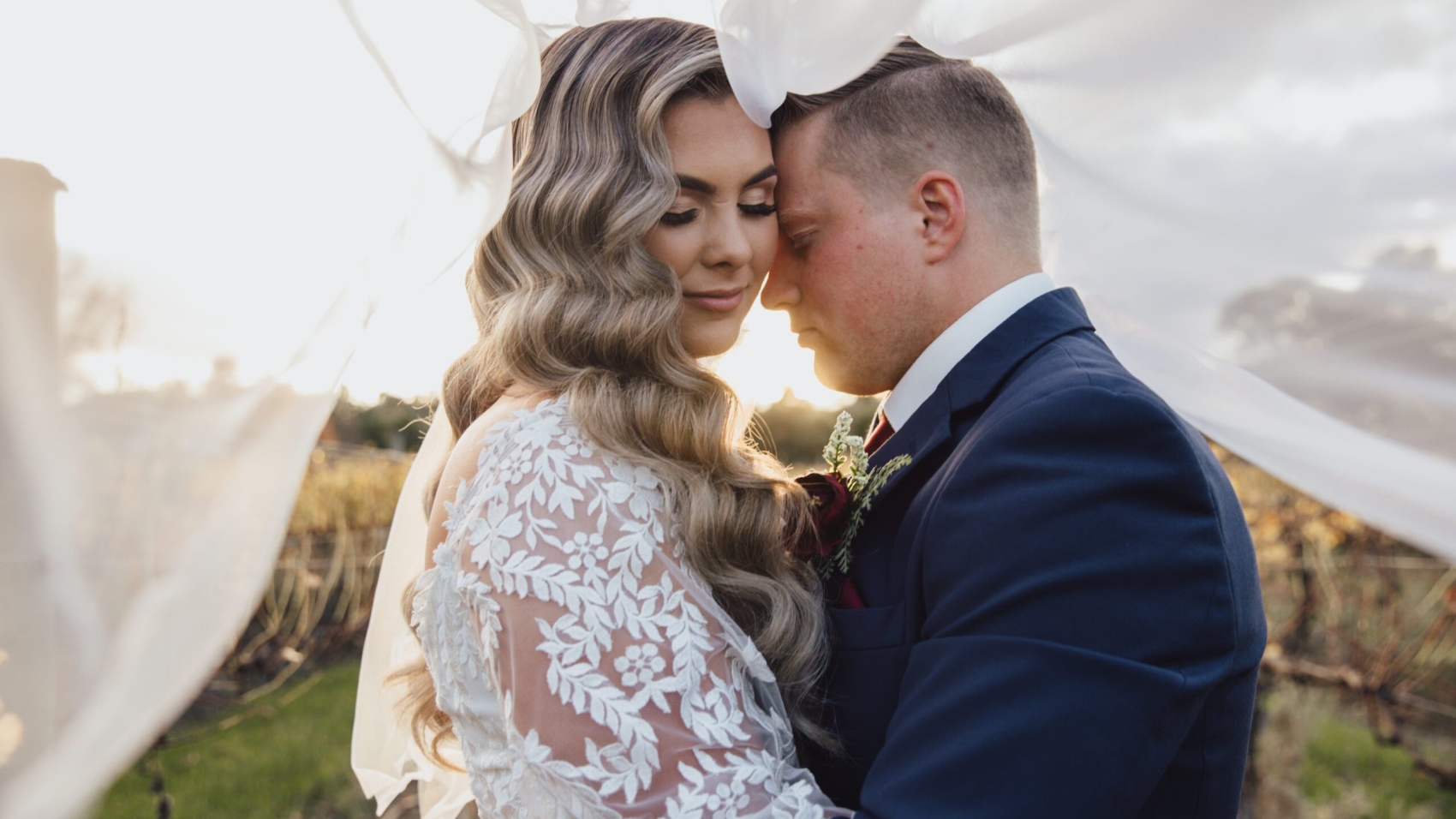
Melbourne Spring Breeze Wedding Photography: Capturing That Effortless Flow
Spring in Melbourne comes with something most couples do not plan for: wind. Not the kind that ruins your hair and sends your veil flying into traffic. The kind that moves just enough to make everything look alive. The dress lifts. The hair shifts. The fabric dances. And if you know how to work with it instead of fighting it, you get wedding photos that feel like they are breathing. This is the look every couple wants but almost nobody knows how to shoot. Flowing fabric, soft movement, that sense of weightlessness. It looks accidental but it is not. It takes timing, patience, and a deep understanding of how wind and light work together in a Melbourne spring.
Why Spring Wind Is Your Secret Weapon
Most photographers treat wind as the enemy. They see a breeze coming and start panicking. They clamp down on the veil, hold the dress still, and shoot everything as fast as possible before the wind messes up the frame. And they end up with stiff, lifeless photos that look like they were taken in a studio.
But wind is actually one of the most dynamic elements you can have in a wedding photo. It adds motion to still images. It creates shape in fabric that would otherwise hang flat. It makes hair look wild and romantic instead of posed and perfect. And in Melbourne spring, the wind is usually gentle enough to control but strong enough to create movement. That sweet spot is what separates boring wedding photos from ones that make people stop scrolling.
The breeze also interacts with light in a way that is hard to replicate indoors. When sunlight hits moving fabric, it catches different angles and creates shifting highlights and shadows across the material. A white dress in the wind with spring sun behind it looks like it is made of light. That is not something you can fake with a reflector or a strobe. It only happens when wind and sun and fabric all meet at the same time.
The Specific Quality Of Melbourne Spring Wind
Melbourne spring wind is not the same as spring wind anywhere else. The city sits on a bay, and the temperature difference between the land and the water creates a consistent, gentle breeze that rolls in from the south or southwest most afternoons. It is not gusty. It does not come in bursts. It is a steady, rolling movement that lasts for hours.
This consistency is what makes it so useful for photography. You can predict it. You can plan for it. You can position your couple so the wind hits the fabric at the exact angle you want and it will stay there for 20 or 30 minutes instead of changing every 10 seconds like it would in a mountain valley or on an open plain.
The wind also picks up in specific spots around the city. Waterfront locations like St Kilda, Williamstown, and Southbank get the full bay breeze. Open parks like the Botanic Gardens and Royal Park get the land breeze, which is slightly softer but still strong enough to move fabric. And elevated spots like Arthur’s Seat get wind from every direction, which can be chaotic but also creates the most dramatic movement if you know how to use it.
Melbourne Locations Where Spring Wind Creates Magic
Not every spot in Melbourne handles wind the same way. Some places are too sheltered and the breeze dies before it reaches your couple. Others are too exposed and the wind becomes uncontrollable. You need to find the middle ground.
St Kilda Esplanade And The Beach
The Esplanade is the best wind location in Melbourne for wedding photography and it is not even close. The bay breeze rolls in unobstructed, the palm trees sway in a way that adds movement to the background without dominating the frame, and the open space gives you room to work with fabric that is moving in every direction.
The grass along the Esplanade is wide and flat, which means the wind hits your couple from the side or from behind with nothing blocking it. A long veil trailing behind your couple in the breeze looks like it goes on forever. A flowing dress caught mid-lift creates a shape that no pose can replicate. The palm trees in the background sway gently, which adds subtle motion to the frame without distracting from your couple.
Go in the late afternoon between 3pm and 5pm. The wind is strongest during this window, and the sun is low enough to backlight the fabric and make it glow. The light catches every fold and ripple in the moving material, which creates highlights that shift and change with every gust. It looks alive in a way that still photos should not be able to capture, but they do.
The Royal Botanic Gardens Near The Lake
The Botanic Gardens have a microclimate that makes them perfect for windy spring shoots. The lake creates its own breeze that rolls across the open lawns, and the trees along the edges block the wind just enough to give you a calmer pocket in the middle. Your couple stands in the open with the wind hitting them full-on, but the background trees are only swaying slightly, which gives you movement without chaos.
The ornamental lake is the real star. The wind ripples the water surface, which creates a shimmering, textured backdrop that moves in every frame. Your couple standing near the water with the breeze catching their dress and the lake shimmering behind them looks like a scene from a period film. The reflections on the water break up and reform with every gust, which adds a layer of motion that static backgrounds never have.
Shoot near the edge of the lake where the wind is unobstructed. The trees on the far side of the lake sway in the breeze, which gives you a moving background that frames your couple without competing with them. The combination of moving water, moving trees, and moving fabric creates a photo that feels like the whole world is in motion, even though your couple is standing perfectly still.
Williamstown Waterfront
Williamstown gives you wind plus drama. The bay is wide open here, which means the breeze is stronger and more consistent than in sheltered spots. The old boat sheds and jetties add texture and character, and the view across the bay toward the city skyline gives you depth and scale.
The wind hits the waterfront head-on, which means your couple’s hair, veil, and dress all move in the same direction. This creates a unified sense of motion that looks intentional and cinematic. The old wooden structures along the waterfront have textures that the wind brings to life. Rusty metal creaks, weathered wood glows in the spring sun, and the water behind them churns with whitecaps.
Position your couple at the end of a jetty or on the grass near the water. The wind comes from behind them, which means the fabric lifts and flows away from the camera. This creates leading lines that draw the eye into the frame and gives the photo a sense of forward motion. The city skyline across the bay provides a static backdrop that contrasts with the moving foreground, which makes the wind look even more dramatic.
How To Shoot Moving Fabric Without Losing Sharpness
Wind creates movement, and movement creates blur. That is the challenge. You want the fabric to look like it is flowing, but you want your couple’s faces to be tack sharp. Getting both in the same frame takes some deliberate technique.
Shutter Speed For Motion Without Blur
The mistake most photographers make is shooting too slow. They see the wind moving the dress and think they need a slow shutter to capture the motion. But a slow shutter blurs everything, including faces, hands, and eyes. The result is a dreamy but unusable photo.
Shoot at 1/250th of a second or faster. This freezes your couple’s faces and hands while still allowing the fabric to show some movement. The dress will have a slight softness at the edges, which actually looks more natural than a completely frozen fabric. Completely still fabric in a windy shot looks fake. A little motion at the edges tells the viewer that wind is present without destroying the sharpness where it matters.
If you want more dramatic motion, drop to 1/125th of a second. The fabric will blur more, the veil will trail, and the dress will lift with visible movement. But your couple needs to hold completely still. Any movement from them and the whole frame goes soft. This works for artistic shots where the motion is the point, but it does not work for every frame in the gallery.
Using Continuous Autofocus To Track Moving Subjects
When fabric is moving, your camera’s autofocus can hunt. The dress shifts, the veil moves, and the camera gets confused about where to focus. Switch to continuous autofocus mode and set your focus point on your couple’s nearest eye. Let the camera track them as they move.
If your couple is turning or walking in the wind, pre-focus on where they will be in a second. Focus on the spot, not on them. When they step into that spot, the shutter fires and they are sharp. This takes practice but it is the only way to get consistently sharp faces in a windy shoot.
Back-button focus helps here. Separate the focus function from the shutter button so you can lock focus and recompose without the camera refocusing every time you half-press. It sounds technical but it makes a massive difference when everything is moving.
Letting The Wind Do The Work Instead Of Forcing It
The biggest mistake in windy wedding photography is trying to control every piece of fabric. Holding the veil in place, pinning the dress down, wrapping the hair so it does not move. This kills the whole point. The wind is what makes these photos special. If you remove the wind, you remove the magic.
Let the veil fly. Let the dress lift. Let the hair move. Your only job is to keep your couple’s faces in the light and their expressions natural. The wind handles the rest.
Sometimes the wind does something you did not plan. The veil wraps around the couple’s face. The dress billows out to one side. The hair covers one eye. These accidents are often the best shots in the entire gallery. Do not stop the shoot every time the wind does something unexpected. Keep shooting. The unplanned moments are usually the ones that look the most real.
Working With Spring Light And Wind Together
The light in Melbourne spring is bright but not harsh. The sun is lower than in summer, which means it comes in at an angle that creates dimension even on open, windy locations. When that angled light hits moving fabric, it catches every fold and creates shifting highlights that make the material look almost liquid.
Backlighting For The Glow Effect
The best light for windy spring shoots is backlight. Position your couple so the sun is behind them. The light hits the fabric from behind and makes it glow. Every piece of moving material becomes a light source. The veil turns into a halo. The dress edges light up. The hair catches the sun and shines.
This only works when the wind is moving the fabric. If everything is still, backlight just creates a silhouette. But when the fabric is flowing, backlight turns it into something ethereal. The light passes through the sheer material and makes it translucent. The folds and ripples catch the sun at different angles, which creates a shifting, glowing effect that is impossible to replicate in any other way.
The downside is that backlighting makes faces dark. Expose for the highlights on the fabric, not for your couple’s faces. Their faces will be underexposed, but you can lift them in post. The fabric needs to be bright and glowing. If you expose for the faces, the backlight washes out and you lose the entire effect.
Side Light For Texture And Dimension
If backlight is too dramatic for your couple’s taste, try side light. The sun hits the fabric from one side, which creates shadows in the folds and highlights on the ridges. This gives the material texture and dimension that front light cannot.
Side light also catches the wind more visibly than backlight. When the sun is to the side, the moving fabric casts shifting shadows on the ground and on your couple’s body. Those shadows move with the wind, which adds another layer of motion to the image. It is subtle but it makes the photo feel alive.
Shoot between 3pm and 4:30pm for the best side light in spring. The sun is low enough to create long shadows and warm tones, but still high enough to light your couple’s faces without making them too dark. This window gives you about 90 minutes of usable light, which is plenty of time if you have a plan.
Directing Your Couple In The Wind
Wind changes how your couple moves. Their instincts tell them to hold still, to grip their dress, to brace against the gusts. That is the opposite of what you want. You need them to lean into it.
Movement That Works With The Breeze
Have your couple walk slowly into the wind. Not fast, not running, just a slow, deliberate walk. The fabric trails behind them, the veil lifts, and the hair moves. It looks effortless because it is. The wind is doing all the work.
Have them turn their heads with the wind. If the breeze is coming from the left, have them turn their head to the right. The hair sweeps across their face, the veil lifts on one side, and the photo has a sense of direction and motion that static poses never achieve.
Have them lift their arms. Even a small movement like raising one hand to adjust their hair creates a ripple in the fabric that the wind amplifies. The sleeve flows, the dress shifts, and the whole frame comes alive. These small movements are more effective than big dramatic poses because they look natural instead of performed.
Keeping Expressions Natural When Everything Is Moving
The wind is distracting. Your couple’s hair is in their face, their dress is lifting, and they cannot stop thinking about how they look. That self-consciousness shows up in their photos as stiff smiles and forced expressions.
The fix is simple: give them something to focus on besides the wind. Talk to them. Ask them questions that make them laugh. Tell them a story. The moment they forget about the camera, their expressions go natural and the wind does its thing in the background. The best windy photos are the ones where your couple does not know they are being photographed. The wind adds the drama. Their genuine reactions provide the emotion.
Practical Things To Know Before A Windy Spring Shoot
Check the wind forecast the night before. Melbourne spring wind usually comes from the south or southwest, and it picks up between 11am and 4pm. If the forecast shows winds above 30km/h, you might want to pick a more sheltered location. Above 40km/h and you are fighting the wind instead of working with it.
Bring hair clips and bobby pins. Not to control the hair, but to give your couple options. Sometimes they want the hair down and flowing. Sometimes they want it pinned back so the wind does not cover their face. Let them choose. Giving them control makes them more relaxed, and relaxed couples give you better photos.
Shoot in bursts. When the wind catches the fabric at the right angle, you have maybe two seconds before it shifts. Burst mode at 5 to 10 frames per second gives you a sequence of shots where the fabric is in the perfect position. Pick the best one from the sequence. One perfect frame is worth more than 20 almost-perfect ones.
And embrace the mess. The wind will do things you did not plan. The veil will wrap around the groom’s head. The bouquet will blow sideways. The dress will lift higher than expected. These moments are the ones your couple will remember most. The planned poses are nice. The windy accidents are the ones they will frame and hang on the wall.