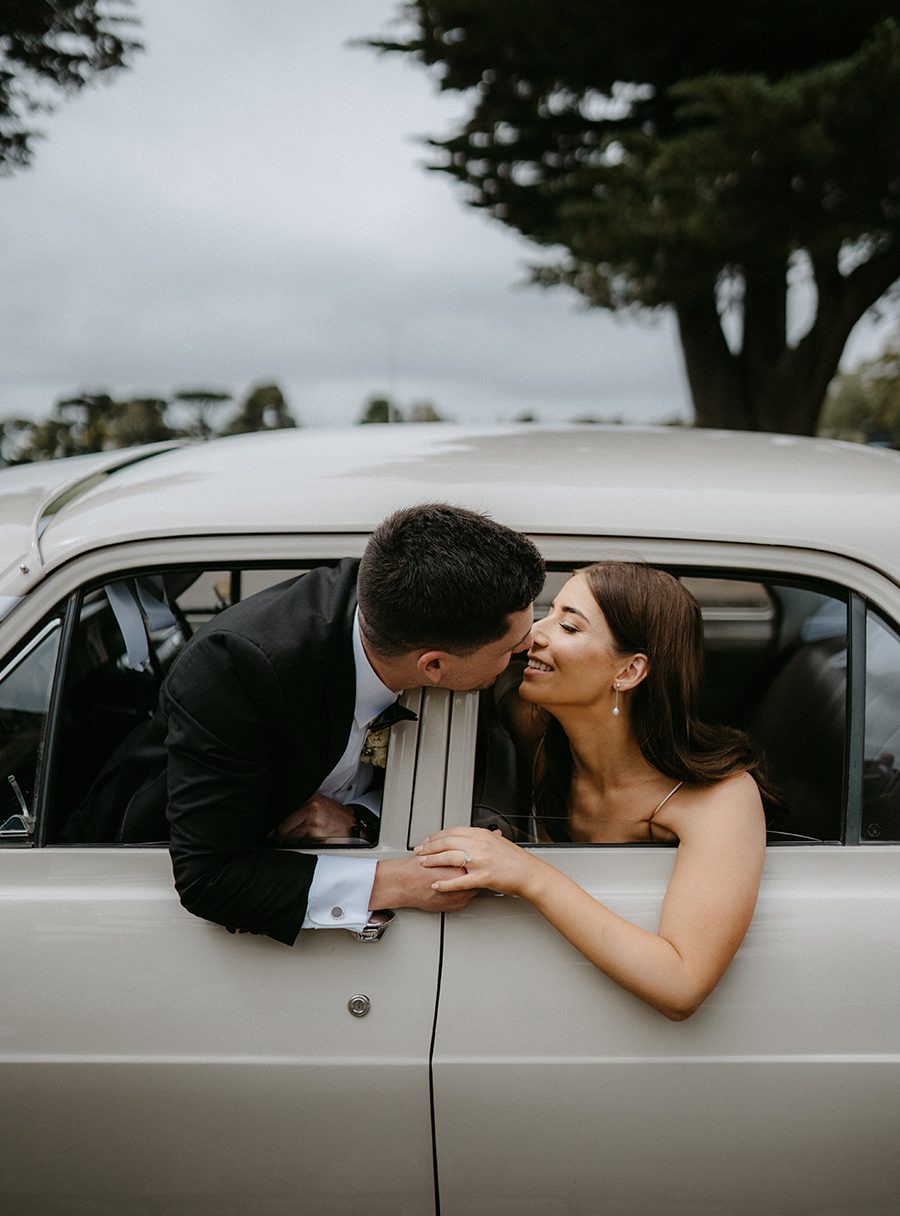
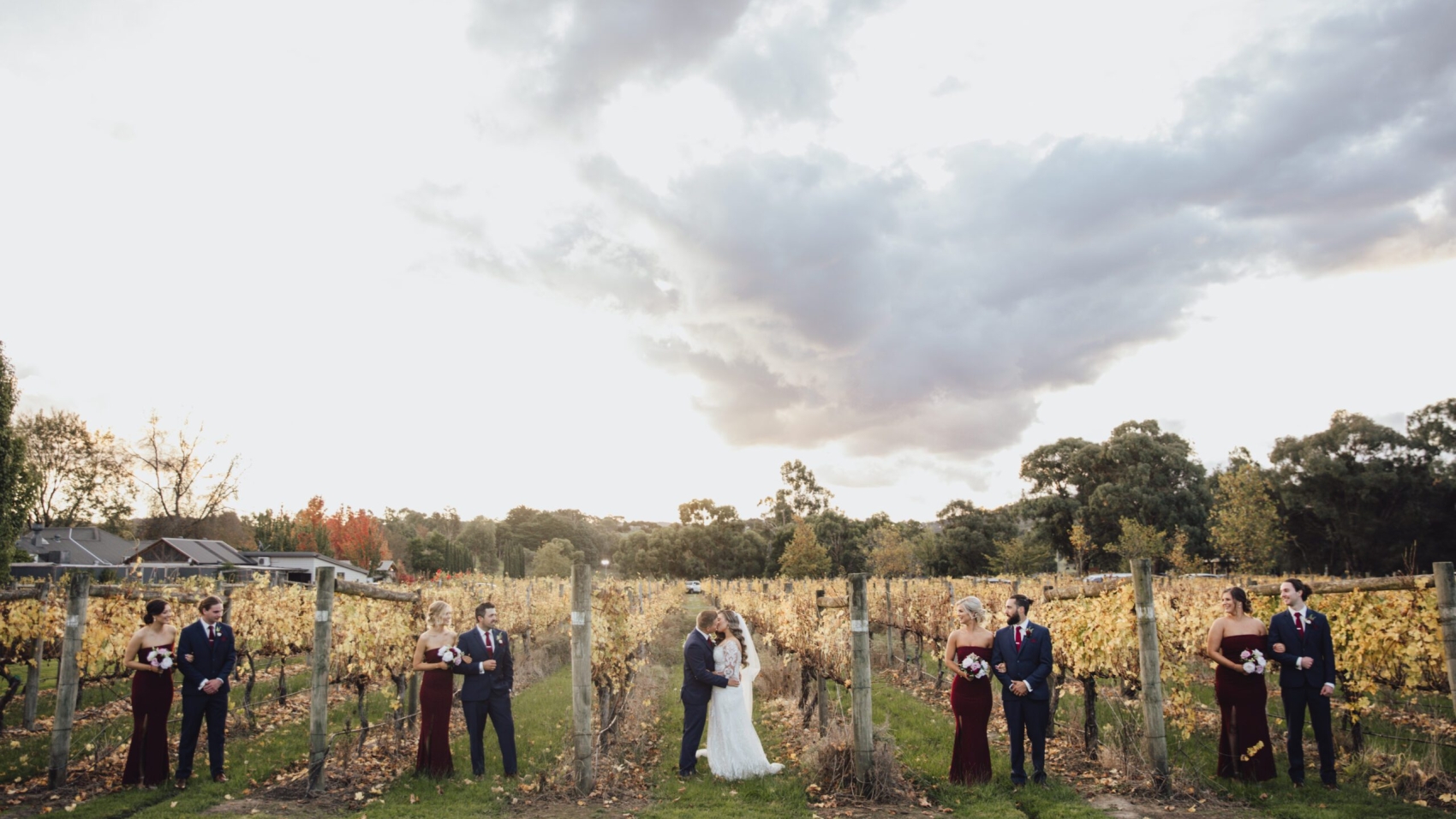
Melbourne Sunny Day Wedding Photography: How To Shoot Clean, Airy, Natural Light Portraits
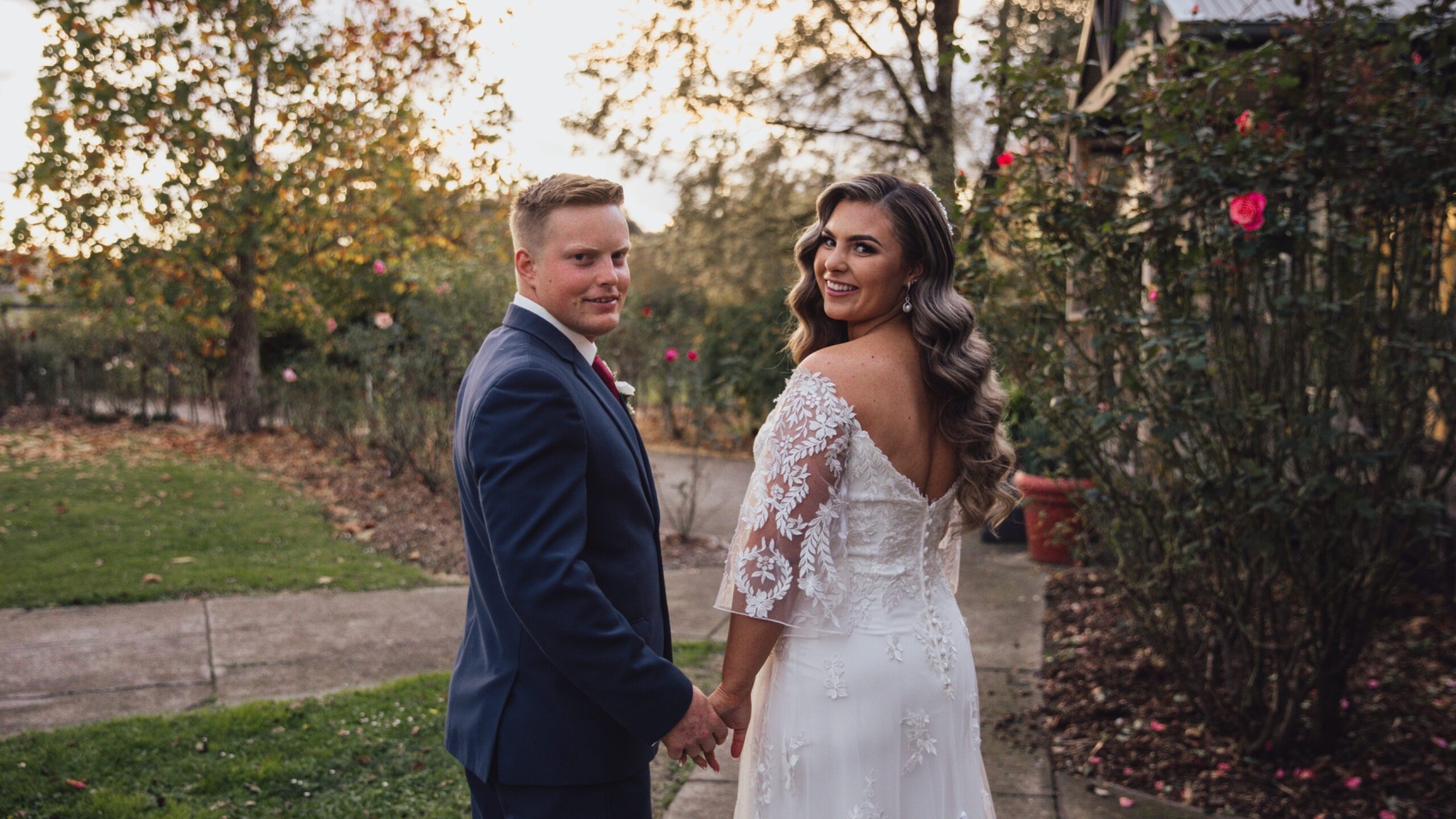
There is something deceptively simple about shooting weddings on a clear, sunny day in Melbourne. No fog, no drama, no golden hour games. Just bright, honest light pouring over everything. And yet, this is the look that most couples actually want when they flip through their final gallery. Clean skin, bright eyes, white dresses that actually look white, and a sense of air and space that makes every photo feel like a deep breath. The problem is, most photographers overcomplicate it. They chase shadows, they add gels, they fight the sun. But the truth is, Melbourne’s midday sun on a clear day is already your best light source. You just need to know how to use it without wrecking it.

Why Clear Sunlight Gets A Bad Reputation In Wedding Photography
Walk into any photography forum and you will hear the same thing over and over: never shoot weddings at midday. The light is too harsh, the shadows are too deep, the colors are too flat. And that advice is not entirely wrong. If you are shooting in open field with no shade and no plan, midday sun will absolutely destroy your photos. Harsh shadows under the eyes, blown-out highlights on the dress, skin that looks washed out and overexposed.
But that is not what happens when you shoot with intention. Clear sunlight in Melbourne is different from clear sunlight in, say, Dubai or Phoenix. Melbourne sits at a southern latitude where the air is cleaner, the humidity is lower, and the light has a quality to it that feels almost European on a good day. The sun is bright but it is not oppressive. The shadows are sharp but they are not black. And when you learn to work with the light instead of against it, the results are portraits that look cleaner, brighter, and more alive than anything you get during golden hour.
What Actually Makes Sunlight Look Airy Instead Of Harsh
The difference between a harsh midday photo and an airy, clean one comes down to three things: direction, diffusion, and exposure. If the sun is hitting your couple straight on from above, you get flat light with no dimension. If the sun is coming from the side or from behind, you get shape, texture, and that glowing rim light that makes skin look incredible.
Direction matters more than anything. Front light is the enemy of dimension. Side light creates shadows that define cheekbones, jawlines, and the folds of a dress. Backlight creates that halo effect around hair and shoulders that makes every portrait look ethereal. The sun is your friend when it is not staring your couple directly in the face.
Diffusion is the second piece. Melbourne’s clear sky acts like a giant softbox, but it is still too direct for close-up portraits. You need something between the sun and your couple. A sheer curtain, a tree canopy, a white wall bouncing light back, even a large white reflector held just out of frame. These things soften the light just enough to smooth out skin without killing the brightness.
Exposure is the third piece. Most photographers underexpose midday sun because they are afraid of blowing out the highlights. But underexposing kills the airy feeling. You want the image to feel bright, not dark. Expose for the highlights, let the shadows go a little deep, and lift them in post. The result is a photo that feels light and open instead of heavy and moody.
Melbourne Locations Where Clear Sunlight Shines The Brightest
Not every spot in Melbourne handles midday sun the same way. Some places turn into ovens with no shade. Others have architecture and landscape that work with the light instead of fighting it.
The Royal Botanic Gardens In Full Sun
The Botanic Gardens on a clear day are stunning in a way that most people do not expect. The open lawns give you nowhere for harsh shadows to hide, which sounds like a problem but is actually an advantage. The light wraps around your couple evenly from every direction because there are no tall buildings or dense trees blocking it. The result is a bright, even illumination that makes skin look flawless.
The lake area is even better. The water reflects the sunlight back up onto your couple’s faces, acting as a natural fill light that no reflector can match. Stand your couple near the water’s edge with the lake behind them and the sun in front or to the side. The light hits their faces, bounces off the water, and fills in every shadow. It is clean, it is bright, and it looks effortless.
The glasshouses in the gardens also work beautifully in clear sun. The glass diffuses the light just enough to soften it while keeping everything bright and airy. Your couple walking through a glasshouse on a sunny day looks like they are floating in light. The green plants inside add color without competing with the brightness.
Go between 10am and 12pm when the sun is high but still angled enough to create some dimension. After 1pm, the light starts to flatten out and the shadows get shorter. You still get brightness but you lose the shape that makes midday portraits interesting.
Melbourne’s White-Walled Heritage Buildings
This is the secret weapon that most photographers overlook. Melbourne is full of old buildings with white or cream-colored walls, and on a clear day, those walls become giant natural reflectors. The sun hits the wall and bounces back onto your couple, filling in shadows and softening the light without any equipment.
The National Gallery of Victoria has these massive white columns and walls that throw light everywhere. Stand your couple near a column and the light wraps around them from multiple directions. The shadows are soft, the skin looks glowing, and the white architecture gives you a clean, minimal backdrop that does not distract from your couple.
Federation Square works the same way. The geometric white panels reflect light in interesting patterns that create natural dappled light on the ground and on your couple. The angular surfaces throw light at different angles, which means you get dimension even in what should be flat midday sun.
Old churches and cathedrals with white stone walls are goldmines for this kind of shooting. The light bounces off the stone and fills every corner of the frame. Your couple standing in front of a white church wall on a sunny day looks bright, clean, and almost angelic. The contrast between the dark doorway and the bright wall creates natural framing that draws the eye directly to your couple.
Open Rooftops And Elevated City Spots
Melbourne’s skyline gives you something few other cities can match: open, elevated spaces with unobstructed views and clear sky in every direction. Rooftop bars, hotel terraces, and elevated parks all give you wide-open light with no shadows from buildings or trees.
The view from a rooftop on a clear day is breathtaking for wedding photos. The sky is deep blue, the light is bright and even, and the city sprawls out behind your couple without any visual clutter. The wind is usually stronger up there, which means hair and veils move naturally, adding life to every frame.
Shoot these spots around 11am to 1pm when the sun is at its highest. The light is directly overhead, which means minimal shadows on faces. Your couple looks bright and even from every angle. The blue sky behind them pops against white dresses and creates that clean, airy look that couples go crazy for.
How To Shoot Natural Light That Looks Clean And Not Blown Out
The technique is simple but it requires discipline. Most photographers see bright sun and panic, underexposing everything to death. That is the wrong move.
Exposing For Brightness Without Losing Detail
Set your camera to spot meter mode. Point the meter at your couple’s face, not the sky, not the dress, their face. Lock that exposure. The sky might blow out a little. That is fine. A pure white sky looks clean and airy, not ruined. A blown-out sky with your couple properly exposed looks intentional and bright. A properly exposed sky with your couple underexposed looks dark and muddy.
If the dress is blowing out, that is a different problem. White fabric reflects a lot of light, and the camera’s meter does not know it is looking at a dress. It thinks the whole scene is brighter than it actually is and underexposes. Compensate by adding about one stop of positive exposure compensation. This keeps the dress white and bright instead of letting it turn gray.
Shoot RAW. This is non-negotiable for sunny day wedding photography. RAW files give you enormous latitude to recover highlights and lift shadows without destroying the image. You can pull back a blown-out sky, brighten a dark shadow under the chin, and adjust the white balance all in post. JPEG doesn’t give you that flexibility.
Using Shadows As Compositional Tools
In clear sunlight, shadows are not the enemy. They are your compositional tools. A sharp shadow from a tree branch across your couple’s dress adds texture and interest. A diagonal shadow from a building creates a leading line that draws the eye into the frame. A shadow under a hat brim frames the face and adds mystery.
The key is to not let shadows fall across your couple’s eyes. A shadow over the eyes kills the portrait instantly. But shadows on the neck, the shoulders, the dress, the ground, all of that is gold. It adds dimension to an otherwise flat, bright image.
Look for dappled light under trees. The leaves break up the direct sunlight and create patches of bright light and soft shadow across your couple. This is the most flattering light you can get on a sunny day because it gives you dimension without harshness. The light is bright but it is broken up, which means the shadows are soft-edged instead of hard-edged.
White Balance That Keeps Everything Feeling Fresh
Auto white balance on a sunny day will try to cool everything down, which turns the warm sunlight into a flat, neutral tone. That is not what you want. Set your white balance manually to around 5200K to 5600K. This keeps the sunlight warm and golden while still letting the white dress look white and the blue sky look blue.
If you want a cooler, more editorial look, push it toward 4800K. The sunlight will take on a slight blue cast that contrasts beautifully with warm skin tones. This is the look you see in a lot of high-end wedding magazines, and it works incredibly well in Melbourne’s clear, blue-sky environment.
Do not go above 6000K. That turns the sunlight yellow and makes skin look sickly. Do not go below 4500K. That turns the sky purple and the shadows blue, which looks unnatural. Stay in that 5000K to 5600K range and you will get clean, fresh, natural-looking color every time.
Making The Most Of A Clear Day Session
Clear days are predictable, which is both a blessing and a curse. The light does not change much from hour to hour, which means you have a long, stable window to work with. But it also means you need to bring energy and creativity because the light is not doing the dramatic work for you.
Pacing Your Session Around The Sun
Start when the sun is still angled, around 9am to 10am. The light has direction and dimension, which gives your photos shape and texture. Shoot your widest, most scenic shots during this window. The couple is fresh, the energy is high, and the light is doing interesting things.
Move into tighter portraits around 11am to 1pm. The sun is overhead, the light is bright and even, and this is your clean, airy window. Shoot close-ups, detail shots, and tight portraits where the brightness works in your favor. The lack of harsh shadows on faces makes this the best time for headshots and ring shots.
Wrap up around 2pm to 3pm with relaxed, candid shots. The light is still bright but the couple is looser and more natural. Shoot them walking, laughing, interacting. The clean, bright light makes every candid moment look like a magazine cover.
Keeping The Energy Up When The Light Is Flat
The biggest challenge of a clear day shoot is that the light does not change much, which means you cannot rely on the light to create variety. You have to create it yourself. Move your couple constantly. Change locations every 20 to 30 minutes. Shift from wide shots to tight shots to detail shots. Keep the camera moving and the couple engaged.
Bring props that interact with the light. A sheer veil catches the sunlight and glows. A white bouquet reflects light onto the couple’s faces. A linen suit moves in the breeze and catches the sun. These small things add movement and life to a shoot that could otherwise feel static.
And shoot more than you think you need. On a clear day, the light is forgiving, which means you can afford to take more shots. The couple will have more options in the final gallery, and you will have more keepers to choose from. A clear day shoot should produce twice as many images as a golden hour shoot because the conditions are stable and the light is consistent.