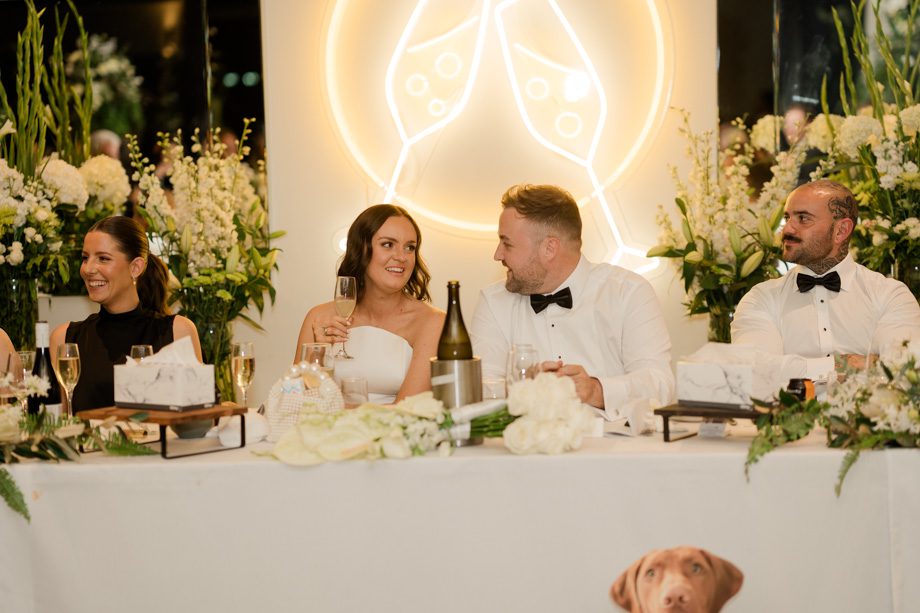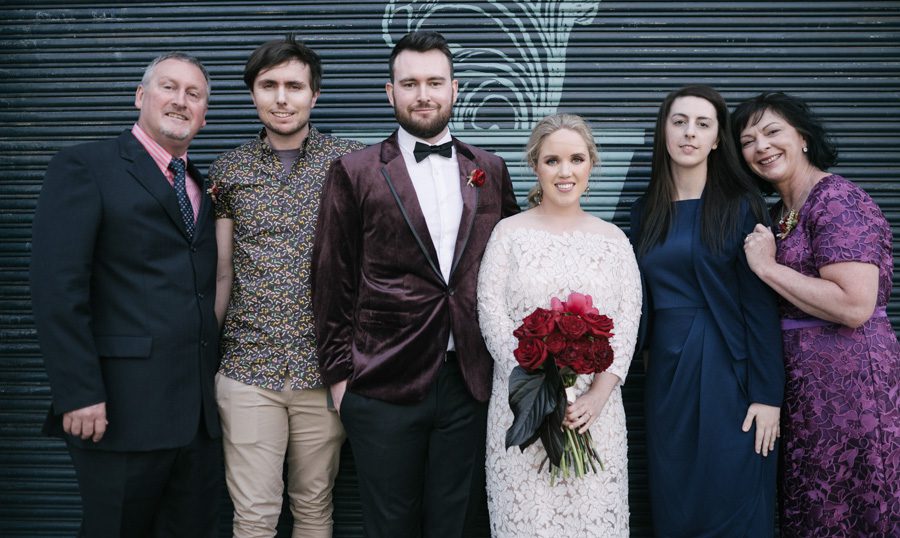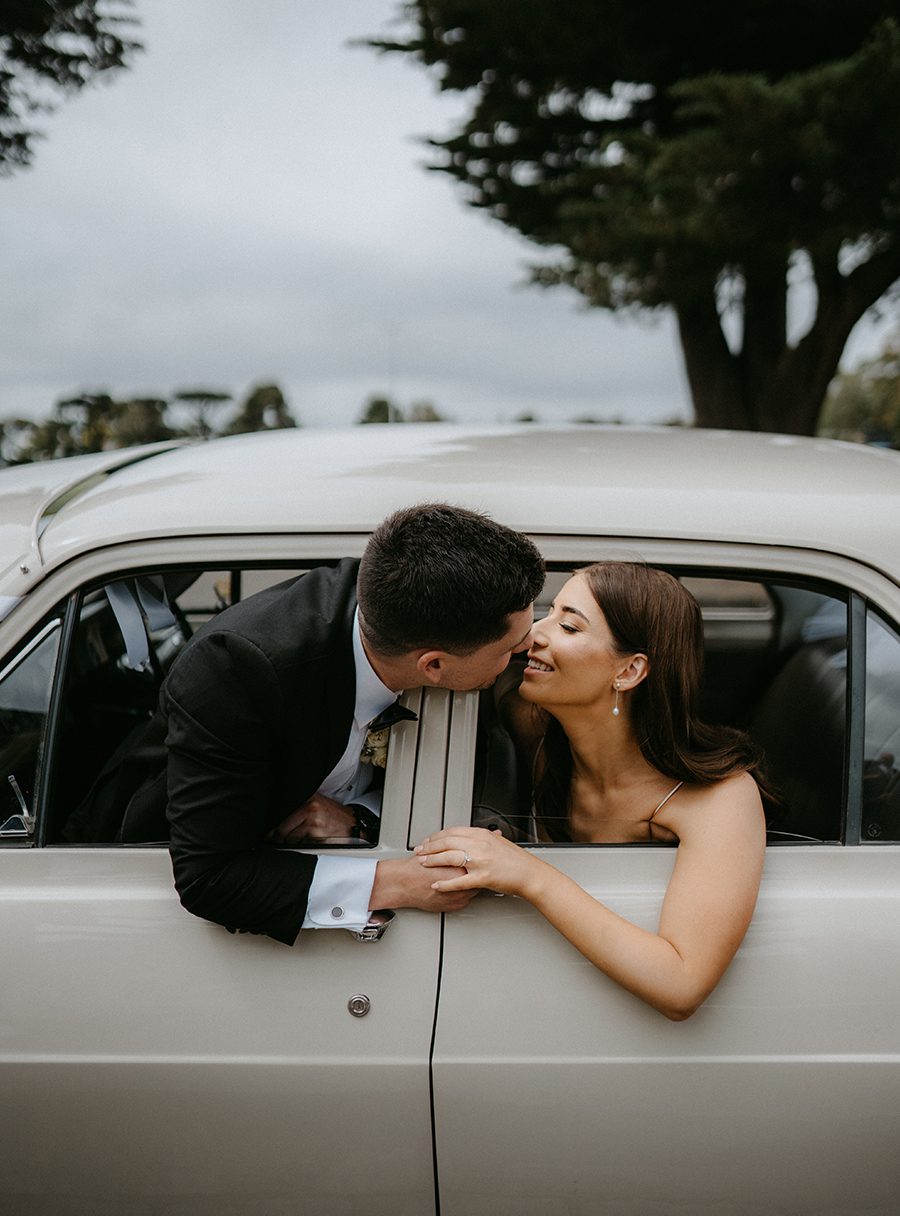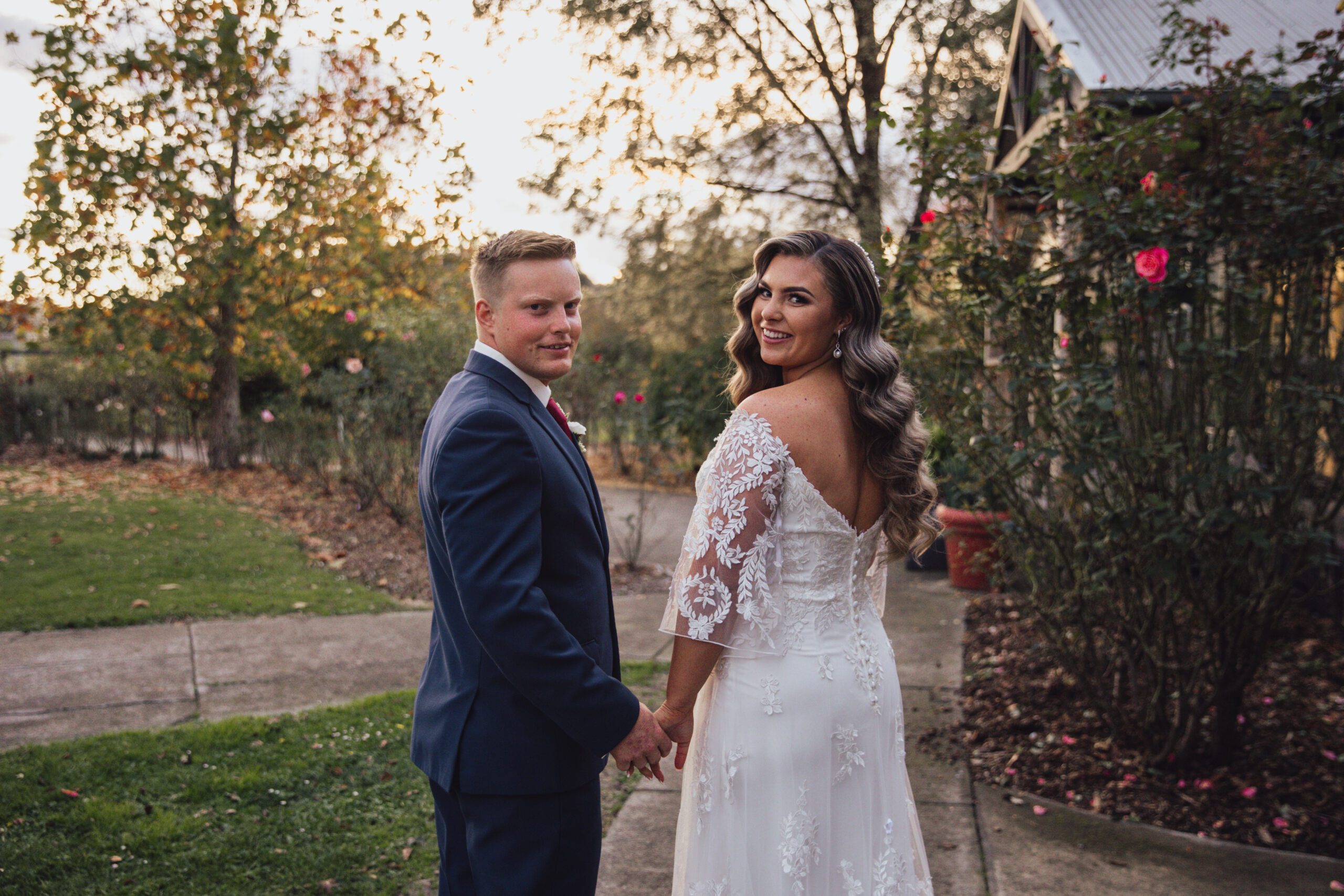
Winter wedding photography in Melbourne, featuring an elegant and warm interior style.
Winter wedding photography in Melbourne, featuring an elegant and warm interior style.
Melbourne Winter Wedding Photography: The European Indoor Warm Tone Everyone Wants
Melbourne in winter is cold, gray, and windy outside. But step indoors and something magical happens. The city is full of heritage buildings, old churches, grand hotels, and intimate venues that were built a century ago with high ceilings, arched windows, dark wood, and stone walls. These spaces were never designed for wedding photography, but they were built for exactly this kind of light. The low winter sun barely reaches through the tall windows, and what comes in is soft, golden, and warm. Pair that with tungsten lamps, candlelight, and vintage fixtures, and you get a color palette that feels like it belongs in a European film. This is the look couples are searching for when they say they want something timeless, and Melbourne delivers it better than almost anywhere else.
Why Winter Is The Best Season For Indoor Wedding Photos
Most couples book their wedding photography in spring or summer because the weather is nice. That makes sense for outdoor sessions. But for indoor work, winter is secretly the better choice. The light behaves differently. The sun sits lower in the sky, which means it streams through windows at a shallow angle and paints everything in warm gold instead of harsh white. The days are shorter, so you are not fighting bright midday light that blows out every window in the frame. And the crowds are thinner, which means you get more time in the space without strangers walking through your shots.
There is also something about the mood. Winter weddings feel intimate by nature. The couple is inside, away from the wind and the cold, surrounded by warmth and light. That feeling translates directly into the photos. The portraits look closer, softer, more connected. Summer indoor shoots can feel stuffy and bright by comparison. Winter indoor shoots feel like a secret.
The Warm Tone That Makes Indoor Photos Feel Expensive
Warm tone is not just a color. It is a feeling. When you walk into an old Melbourne church with stained glass windows and candlelight, the light that hits your skin is amber and honeyed. It smooths out imperfections, warms up skin tones, and makes everything look like it belongs in a Renaissance painting. That is the warm tone people are chasing, and it is almost impossible to replicate outdoors in summer because the light is too bright and too cool.
Indoors in winter, the light source is controlled. Windows give you directional warm light. Lamps give you soft ambient glow. Candles give you flickering, intimate warmth. When you combine all three, you get a layered, multidimensional light that wraps around your couple in a way that feels effortless but is actually very deliberate. This is why the best indoor wedding photos look like they were lit by a professional film crew, even when they were shot with natural light and a few candles.
Melbourne Venues That Give You That European Indoor Look
Melbourne has more heritage architecture per capita than almost any city in the world. And in winter, these spaces become your private studio. You do not need to travel to Europe. The look is already here.
Historic Churches And Cathedrals
St Paul’s Cathedral in the CBD is the obvious one, but there are dozens of smaller churches that are just as beautiful and far less crowded. Old St Patrick’s in East Melbourne has these incredible Gothic arches and tall narrow windows that throw long beams of golden light across the stone floor. The light moves slowly throughout the day, which means you get a different look every hour.
Smaller churches in Fitzroy, Carlton, and Richmond often have wooden pews, stained glass, and high vaulted ceilings that create natural depth in every frame. The dark wood absorbs light and creates rich shadows, while the windows let in just enough warm light to illuminate your couple. The contrast between the dark interior and the golden window light is exactly the European look people want.
Book a mid-morning slot around 10am to 11am. The sun is high enough to reach through the windows but still at an angle that creates long beams of light across the floor. By midday, the light gets too direct and washes out the details. After 2pm, it starts fading fast. That two-hour window is your goldmine.
Grand Hotels And Heritage Ballrooms
Melbourne’s old hotels were built in an era when everything was oversized and ornate. The Windsor Hotel, the Langham, the National, the Treasury Building, all of them have ballrooms and foyers with marble floors, crystal chandeliers, and walls of dark wood paneling. These spaces were designed to impress, and they still do.
The Langham on Collins Street has a lobby with these massive arched windows and a grand staircase that looks like it belongs in a period drama. The light that comes through those windows in winter is low and golden, and it hits the marble floor and bounces back up as a soft, warm fill. Your couple standing on that staircase with the light wrapping around them looks like they just stepped out of a 1940s film.
The Treasury Building has these incredible corridors with vaulted ceilings and stone columns. The light filters in from high windows and creates this cathedral-like glow that is perfect for dramatic portraits. The darker corners of these spaces give you natural vignettes that frame your couple without any editing.
Intimate Restaurants And Private Dining Rooms
Not every indoor shoot needs to be grand. Some of the most beautiful winter wedding photos come from small, intimate spaces. A private dining room in a Fitzroy restaurant with candlelight on the table and a single window letting in warm afternoon light. A cozy corner in a Carlton wine bar with exposed brick and Edison bulbs hanging from the ceiling. These spaces feel personal and real, and the photos reflect that.
The key is to find a space with warm-toned surfaces. Wood, brick, stone, velvet, leather, all of these materials absorb and reflect warm light in ways that make skin tones look incredible. Avoid spaces with white walls and fluorescent lighting. They will kill the warm tone no matter what you do.
How To Shoot Warm Indoor Tones Without Losing The Mood
Indoor light is tricky. It is dim, it is mixed, and it changes constantly. But when you get it right, the results are unmatched.
White Balance And Exposure For Indoor Warmth
Auto white balance will ruin your warm tones every time. The camera sees the mixed indoor light and tries to neutralize it, which cools everything down and kills the golden glow. Set your white balance manually to around 3800K to 4500K. This keeps the light warm and rich instead of letting the camera turn it blue.
Expose for the highlights. Indoor spaces usually have bright windows and dark corners. If you let the camera meter for the whole scene, it will underexpose the windows and overexpose the dark areas. Spot meter on your couple’s face or on the brightest window and lock that exposure. The dark corners will go deeper, which actually helps the mood. Dark backgrounds with warm-lit subjects look dramatic and cinematic.
If the windows are blowing out, use a graduated neutral density filter to bring the highlights down. This keeps the detail in the window light while letting your couple stay properly exposed. Without it, you lose the beautiful golden light that makes the whole shot work.
Using Available Light Creatively
The best indoor wedding photos use only the light that is already there. Windows, lamps, candles, chandeliers, all of it. Do not bring flash unless you absolutely have to. Flash indoors looks artificial and kills the warm tone. The whole point of shooting indoors in winter is to let the existing light do the work.
Position your couple near the windows. The light that comes through is your main source. It is directional, warm, and soft. If the light is too strong on one side of their face, move them a few feet to the left or right until the light wraps around both sides evenly. If the light is too dim, bring them closer to the window. The falloff from a window is rapid, so even a small move can make a big difference.
Use lamps and candles as fill light. A table lamp on a side table throws warm light across your couple’s faces and fills in the shadows that the window light creates. Candles on a table create flickering, intimate light that looks incredible in close-up portraits. The key is to let these secondary sources add warmth without competing with the window light. They should complement it, not overpower it.
Composing With Architecture In Mind
Indoor spaces give you something outdoor locations never will: natural frames. Arched doorways, window frames, staircases, columns, all of these create compositions that draw the eye directly to your couple. Use them. Do not fight the architecture, work with it.
Shoot through doorways. Frame your couple inside an arch or between two columns. The dark foreground creates depth and the warm light in the background draws the eye forward. This technique works in almost every heritage building in Melbourne because they were all designed with frames in mind.
Use the leading lines of the space. A long corridor, a row of columns, a staircase, all of these draw the viewer’s eye into the frame and toward your couple. The architecture does the composing for you. You just have to stand in the right spot.
Get tight sometimes. Indoor spaces are perfect for close-up detail shots. Hands holding each other by a window. Rings catching the candlelight. The hem of a dress against a marble floor. These small shots in warm indoor light are often the most emotional images in the entire gallery.
Working With Mixed Light Sources
Indoor winter light is never just one color. You have cool daylight from the windows mixing with warm tungsten from the lamps and candles. This mixed light can look messy if you do not manage it, but it can look incredibly rich if you embrace it.
Balancing Cool And Warm Tones
The trick is to let one tone dominate. If the window light is your main source, set your white balance to match it and let the lamps and candles add warmth as a secondary tone. The result is a natural, layered look that feels real. If you try to balance both perfectly, the image ends up looking flat and neutral, which is the opposite of what you want.
Let the warm tones win. The windows might be slightly cool, but the lamps and candles will warm up the shadows and midtones. Your couple’s skin will look golden and rich, and the cool window light will create a subtle contrast that adds depth. This is the look that makes indoor winter wedding photos feel like they belong in a magazine.
Shooting In Low Light Without Noise
Indoor winter light is dim. Your camera will want to push the ISO high, and high ISO means noise. But a little noise actually helps the warm tone. It adds texture and grain that looks film-like and vintage, which is exactly the aesthetic most couples want for their indoor winter shots.
Shoot at ISO 1600 to 3200 if you have to. Modern cameras handle this well. If you are shooting on a tripod, you can go even higher because you do not have to worry about motion blur. A slightly noisy image with rich warm tones looks better than a clean image with flat, cool tones.
Use a wide aperture like f/1.4 to f/2.8 to let in as much light as possible. This also gives you that shallow depth of field with creamy bokeh in the background lights. The chandeliers and lamps behind your couple turn into soft, warm orbs that frame them beautifully.
Practical Tips For A Winter Indoor Shoot
Dress your couple in layers. Heritage buildings are beautiful but they are not heated for comfort. The stone floors are cold, the air is still, and standing in one spot for an hour will make anyone shiver. Bring blankets, scarves, and warm drinks. A couple that is cold will not look relaxed in the photos.
Arrive early. Walk the space before your couple gets there. Note where the light falls, where the shadows pool, and where the best compositions are. Scout the background for anything distracting. A fire exit sign, a random chair, a messy table, all of these will show up in the frame if you do not move them.
Shoot in the morning when the light is freshest. The low winter sun comes through the windows at a shallow angle and creates those long beams of golden light that define the whole look. By afternoon, the sun is higher and the light gets flatter. You still get warmth, but the drama is gone.
And do not forget to shoot outside the main space. The hallways, the staircases, the entrance doors, the courtyards, all of these have their own light and their own mood. A couple walking down a dimly lit corridor with warm light spilling from a room at the end looks like a scene from a novel. Those in-between moments are often the most beautiful shots of the entire session.