Evermore_weddings_registry-92

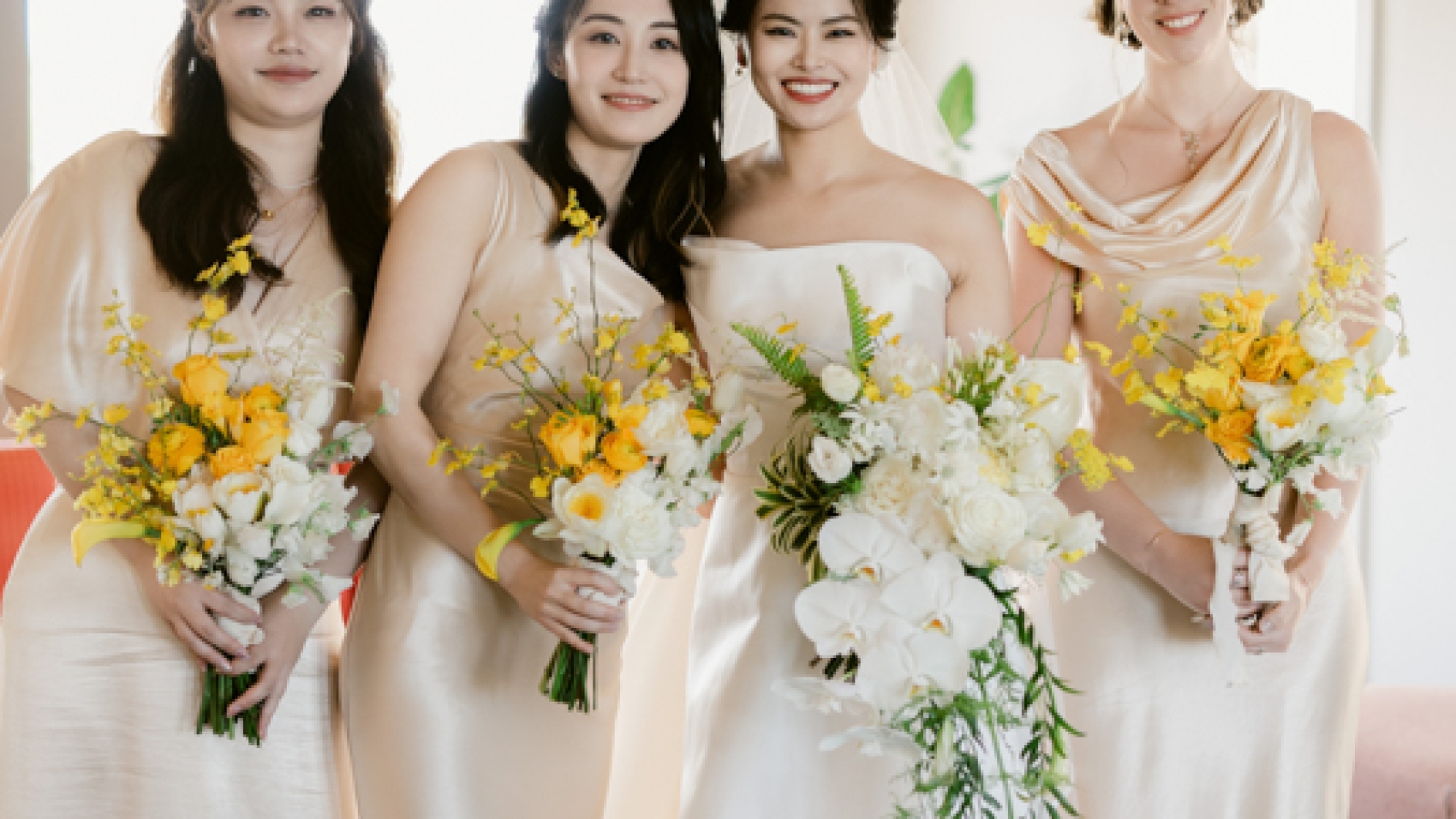
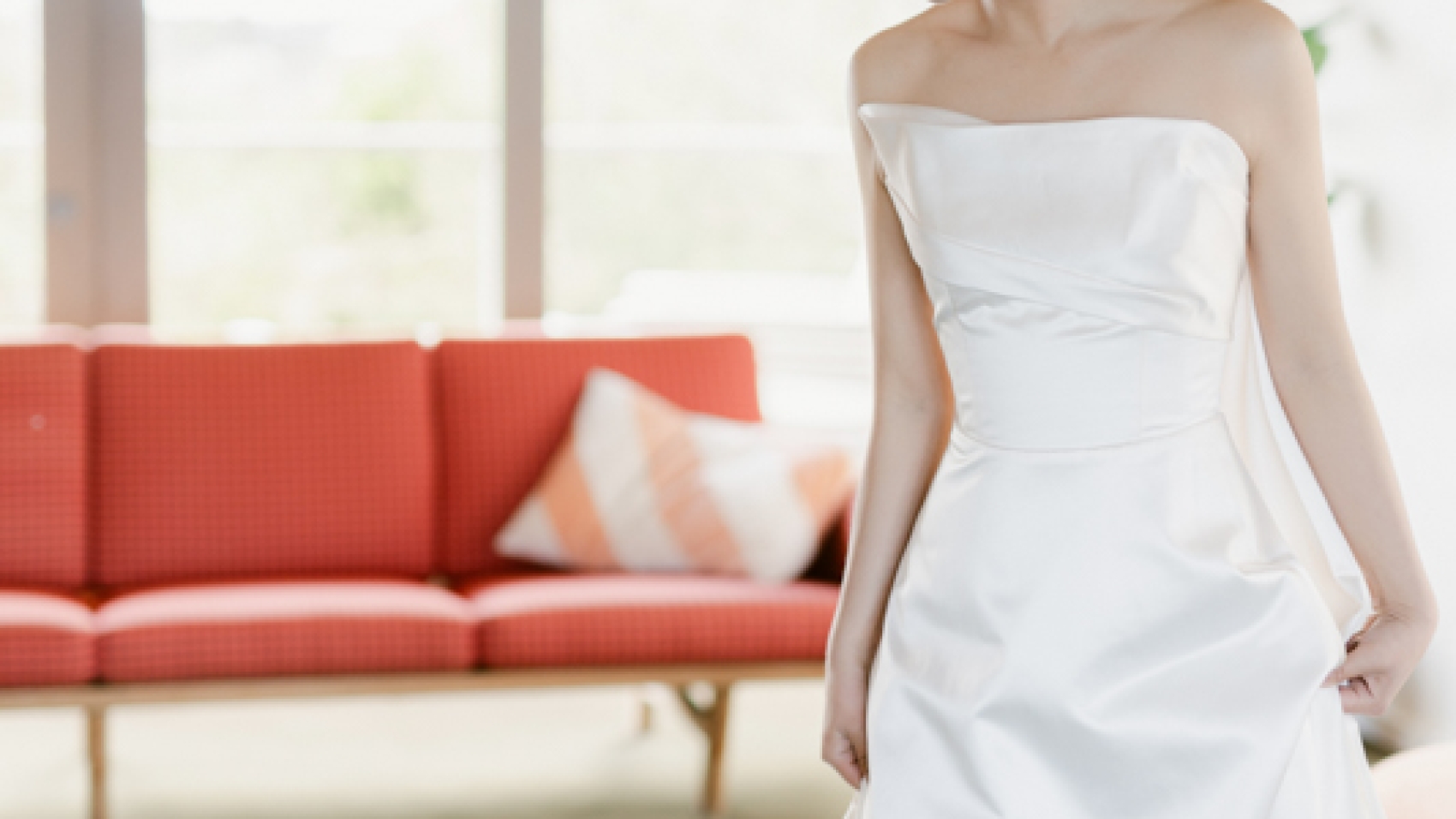
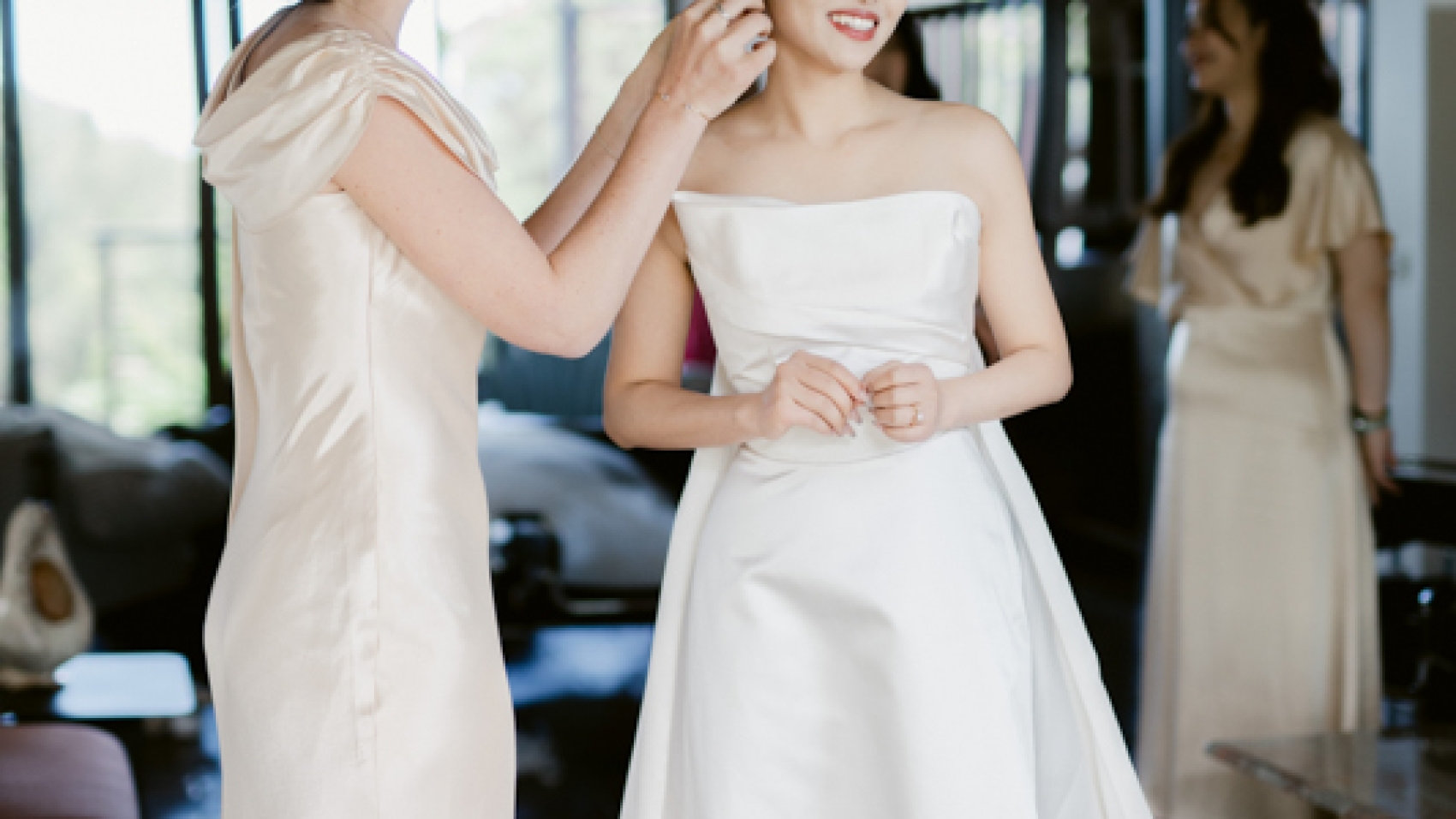
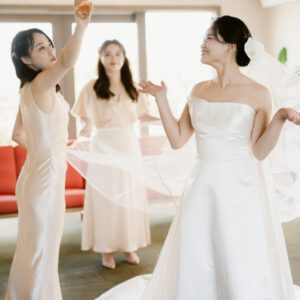
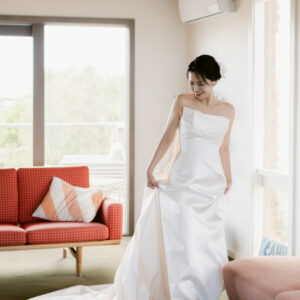
Melbourne wedding photography – simple veil styling with an atmosphere-filled look

Melbourne Bridal Photography: The Minimalist Veil and Moody Aesthetic That Brides Are Obsessed With

There is something quietly powerful about a bride who walks into a shoot with nothing but a simple veil and the kind of calm that fills the room. In Melbourne, where the light shifts between golden and grey within the same hour, this understated approach has become the go-to for couples who want their wedding photos to feel real rather than staged. The minimalist veil paired with a moody, atmospheric style is not just a trend — it is a mood that suits this city perfectly.

wedding photography melbourne

Why Minimalist Veils Are Reshaping Bridal Looks in Melbourne

The old bridal playbook said more is more. Layers of tulle, cathedral lengths, beaded everything. But something shifted. Brides in Melbourne started gravitating toward shorter veils, clean edges, and sheer fabrics that move with the wind instead of fighting it. The reason is simple — these veils photograph better in natural light, and they let the face do the talking.

A minimalist veil does not compete with the dress or the setting. It sits there, barely noticeable in some shots, and then catches the light in a way that makes the whole image breathe. For photographers working across Melbourne’s laneways, rooftops, and coastlines, this kind of simplicity is a gift. Less to manage, more emotion to capture.

The Quiet Confidence Behind the Look

Choosing a minimal veil is not about doing less. It is about being intentional. Brides who go this route usually know exactly what they want — a photo that feels like a moment, not a performance. There is a confidence in that restraint, and it reads on camera. The veil becomes a frame, not a costume.

How to Build a Moody Atmosphere Around Your Veil

Atmosphere is not something you add at the end. It starts with the decision of where to shoot and how to light the scene. Melbourne gives you options — an overcast day in Fitzroy, a dim studio with one window, a rooftop at dusk with the city blurring behind you. Each of these settings pushes the mood in a different direction, and the veil responds to all of them.

Lighting That Makes the Veil Work for You

Soft, diffused light is your best friend here. Harsh midday sun will wash out a sheer veil and kill the mood. But a cloudy afternoon or golden hour with indirect light? That is when the veil glows without looking forced. Many Melbourne photographers prefer shooting in the early morning or late afternoon specifically for this reason. The light wraps around the fabric instead of blowing through it.

Backlighting can also create a halo effect around the veil, which adds that dreamy, almost cinematic quality. It does not need to be dramatic — even a slight rim of light behind the head can change the entire feel of a portrait.

Hair and Makeup That Complement the Minimalist Veil

The veil sets the tone, but hair and makeup either match it or break it. For a moody minimalist look, the hair should feel effortless. Loose waves, a low bun with face-framing pieces, or even a slightly undone updo all work. The goal is to make it look like she did not spend two hours in a chair, even if she did.

Makeup leans into skin texture rather than full coverage. A dewy base, soft brows, and a muted lip — think rose or mauve, never bright red. The eyes stay simple. This keeps the focus on the veil and the expression, not the products.

What Makes This Style Work So Well in Melbourne Specifically

It is not just the veils or the mood. It is the city itself. Melbourne has a way of making everything look slightly cinematic without trying. The architecture, the unpredictable weather, the way light hits the Yarra River in the evening — all of it feeds into this aesthetic naturally.

Couples who choose the minimalist veil and moody atmosphere are not chasing a look they saw on social media. They are responding to something about how Melbourne feels. The city rewards restraint. It rewards the kind of bridal photography where less becomes more and the veil is just the beginning of the story.

If you are planning a bridal shoot in Melbourne and want something that ages well, that does not scream “wedding” in every frame, this is the direction worth exploring. A simple veil, the right light, and a mood that matches the city — that is all it takes.

DSC05172

Melbourne wedding photography – seaside light fabric styling combination

Melbourne Beach Wedding Photography: How to Style Light Tulle Dresses for Stunning Coastal Shoots

There’s something about standing on a Melbourne beach in a flowing tulle dress that just works. The wind catches the fabric, the light wraps around it, and the whole thing looks like it belongs in a film. Melbourne’s coastline — from Brighton Beach to St Kilda, from Portsea to Frankston — gives you some of the most photogenic wedding backdrops in the country. But getting the styling right for a beach shoot is a completely different game from a garden or urban session. The wind, the sand, the salt air, the harsh midday sun — all of it changes how your dress behaves and how your photos turn out.

wedding photography melbourne

A light tulle dress on a Melbourne beach is the move right now. It’s not the heavy, structured ballgown of the past. It’s airy, it’s effortless, and it photographs like nothing else when the light hits it right. But only if you style everything around it correctly.

Why Light Tulle Works Better Than You Think on Melbourne Beaches

Most people assume beach weddings mean short dresses or sundresses. That’s outdated. A full-length tulle dress on a Melbourne beach creates a contrast that photographs incredibly well — the softness of the fabric against the raw, wind-swept coast. The tulle catches sea breeze and creates movement that stiff fabrics simply cannot achieve.

Melbourne’s beaches have a specific quality that works with tulle. The sand is dark — not white Caribbean sand, but deep grey-brown volcanic sand. This dark backdrop makes light-colored tulle pop in a way that it wouldn’t on a white sand beach. The contrast is built into the environment.

The light on Melbourne’s coast is another advantage. Even on overcast days, the reflected light from the water creates a soft, diffused glow that wraps around tulle fabric beautifully. There’s no harsh direct sun blowing out delicate details the way you’d get in tropical locations. The light is gentle, which means the tulle looks ethereal instead of washed out.

Choosing the Right Tulle Dress for a Melbourne Beach Shoot

Not all tulle is the same, and not all tulle behaves the same way on a windy Melbourne beach. The weight, the layering, and the color all affect how the dress moves and how it photographs.

Single-Layer Versus Multi-Layer Tulle

Single-layer tulle is sheer and lightweight. It moves beautifully in wind but it’s also see-through, which means you need a solid slip underneath. Multi-layer tulle has more body and opacity but can look heavy and bulky in strong wind.

For Melbourne beaches, a two-to-three layer tulle is the sweet spot. It has enough body to not blow up completely in a gust, but it’s still light enough to move and flow. A five-layer tulle ballgown on Brighton Beach in a 30-knot wind is not romantic — it’s a disaster. The dress will billow in every direction, cover your face, and create chaos in every frame.

The slip underneath matters just as much as the tulle. A fitted slip in a nude or ivory tone keeps the tulle from being transparent while adding a smooth base layer that helps the dress drape properly. A loose slip creates bunching and awkward lines under the tulle that show up in every photo.

Color Choices That Stand Out Against Melbourne’s Coast

White is the obvious choice, but it’s not always the best one for Melbourne beaches. The grey sand, the grey-blue water, the overcast sky — all of it is cool-toned. A pure white dress can blend into the background and look flat.

Ivory, champagne, soft blush, and even pale dusty blue photograph better against Melbourne’s coastal backdrop. These warmer tones create contrast against the cool environment without looking forced. A champagne tulle dress against the dark sand and grey water looks rich and warm in a way that pure white never could.

For sunset shoots — and Melbourne sunsets over the bay are something else — a soft blush or warm peach tulle catches the golden light and glows. The fabric picks up the warm tones of the sunset and creates an almost otherworldly effect that looks incredible in photos.

Avoid black tulle on a Melbourne beach. It looks gothic in urban settings, but on a beach it reads as funeral, not fashion. Unless that’s the vibe you’re going for, skip it entirely.

Hair That Survives Melbourne’s Coastal Wind

Beach wind is the enemy of every hairstyle. But it’s also the thing that makes beach photos look alive. The trick is working with the wind instead of fighting it.

Loose Waves With Strategic Pinning

The most photogenic beach hairstyle is loose waves — not tight curls, not a sleek updo, but messy, wind-blown waves that look like you just walked off the shore.

Use a curling iron to create loose, irregular waves. Don’t make them uniform. Some tight, some loose, some going in different directions. This is the look — effortless and undone. Then pin the top section back loosely so your face stays visible in every shot. The bottom waves stay loose and let the wind do its thing.

The pinning is non-negotiable. Without it, the wind will push your hair across your face in every single photo. Use bobby pins hidden deep in the hair — not visible ones that show up in close-ups. Have your stylist use at least eight to ten pins in the top section alone.

The Half-Up Beach Wave

If you want something slightly more structured but still wind-friendly, try a half-up style. Pull the top third of your hair back and secure it loosely at the crown. Leave the rest down in waves.

This style keeps hair off your face while still looking natural. The half-up section adds height, which balances the volume of a tulle dress and keeps the proportions right in photos. The loose bottom section catches the wind and creates movement that photographs beautifully from every angle.

For Melbourne beach shoots, avoid any hairstyle that requires product to stay in place. The wind will destroy it within minutes. Embrace the mess. The wind-blown look is the beach look.

Makeup That Holds Up to Salt Air and Wind

Beach makeup is a different beast than indoor makeup. The salt air, the wind, the humidity — all of it breaks down makeup faster than you’d expect. Getting it right means using the right products and the right techniques.

Dewy Base That Won’t Slide Off

A dewy base is the move for beach photography. The reflected light from the water creates a natural glow that a matte base can’t match. But dewy doesn’t mean oily. There’s a difference.

Use a lightweight, luminous foundation or tinted moisturizer. Set it with a dewy setting spray, not powder. Powder will cake in the humidity and look flaky in close-up shots. The setting spray keeps the base intact while maintaining that lit-from-within glow.

Highlighter goes on the high points — cheekbones, nose bridge, cupid’s bow, inner eye corners. Use a champagne or soft gold shade. The highlighter catches the natural light on the beach and creates a glow that looks expensive without trying.

Blot before every shot. Even with setting spray, the humidity will make your skin shiny within twenty minutes. Keep blotting sheets in your bag and touch up between setups. It takes thirty seconds and saves every photo.

Eyes That Read in Bright Light

Beach light is intense. Even on overcast days, the reflected light from the sand and water is enough to wash out subtle eye makeup. You need colors that read clearly in bright conditions.

Warm peach, soft copper, or dusty rose eyeshadow works best. These colors have enough pigment to show up in bright light without looking heavy. Apply a single wash across the lid and blend upward. Add a touch of shimmer to the center of the lid — not glitter, shimmer. Glitter looks chunky on camera. Shimmer looks like light reflecting off your skin.

Mascara should be waterproof. Non-waterproof mascara will smudge in the humidity within an hour. Use a lengthening, waterproof formula. One or two coats max. The eyes should look awake and bright, not clumpy.

For Melbourne sunset beach shoots, a wash of warm gold eyeshadow catches the last light in a way that’s genuinely stunning. The gold picks up the sunset tones and creates a cohesive look across the entire photo.

Lips That Don’t Bleed in the Wind

Wind-chapped lips are the silent killer of beach photos. The wind dries out lip color within minutes, and cracked lips show up in every close-up shot.

Use a tinted lip balm with SPF as your base. This protects the lips from wind and sun while adding a natural flush. Layer a sheer lipstick in soft pink or warm peach on top. The finish should be satin — not matte, not glossy. Matte dries out in wind. Glossy blows around and looks messy.

Reapply between every setup. The wind and salt air will strip lip color fast. Keep the lipstick in your pocket and touch up before each new location. It takes ten seconds and makes a massive difference in the final images.

Accessories That Work on the Beach Without Looking Ridiculous

Beach accessories need to be minimal. The environment is already full of visual elements — sand, water, sky, wind. Adding too many accessories creates clutter in the frame.

Bare Feet or Simple Sandals

Bare feet are the most natural choice for a Melbourne beach shoot, and they photograph beautifully. The contrast between a flowing tulle dress and bare feet on dark sand creates a visual tension that’s genuinely striking.

If you can’t do barefoot, simple flat sandals in gold or nude work. Avoid heels — they sink into sand, look awkward on uneven ground, and create an ugly angle in full-body shots. For Melbourne’s rocky beaches like Brighton, sandals with a flat sole are the only safe option.

Minimal Jewelry That Won’t Get Lost in the Sand

One or two pieces max. A thin gold anklet catches light beautifully in beach photos. Delicate stud earrings stay in place even in wind. A simple chain necklace adds a touch of elegance without competing with the dress.

Avoid anything heavy or dangling. The wind will swing it around and it’ll show up as a blur in every photo. Avoid anything with stones that can fall out in the sand. You don’t want to spend your shoot looking for a lost earring in the surf.

Fresh Flowers That Complement the Tulle

A small bouquet in soft whites, creams, and greens is the perfect beach accessory. The flowers should match the dress color, not clash with it. A champagne dress with a white and cream bouquet looks cohesive. A blush dress with soft pink and white flowers looks intentional.

Avoid bright, bold flowers. Red roses on a beach look jarring against the natural backdrop. Stick to soft, muted tones that blend with the environment. Native Australian flowers — waxflowers, eucalyptus, baby’s breath — work beautifully and connect the look to the location.

Working With Melbourne’s Beach Light

Melbourne’s coastal light changes fast. Understanding how it behaves helps you plan your shoot around the best moments.

Golden Hour Is Everything

The hour before sunset on a Melbourne beach is when the light is at its best. The sun drops low, the light turns warm and golden, and the tulle dress catches every bit of it. The fabric glows. The sand turns gold. The water reflects warmth. It’s the single best time to shoot on any Melbourne beach.

Plan your most important shots for this window. The couple portraits, the wide shots with the dress flowing, the silhouette shots against the sunset — all of these should happen in the last sixty minutes before the sun drops. Everything else can wait.

Overcast Days Are Actually Better Than You Think

Melbourne beaches are overcast more often than they’re sunny. Most couples see this as a problem. It’s not. Overcast light is the best light for tulle photography.

The diffused light wraps around the fabric evenly. There are no harsh shadows. No blown-out highlights. No dark spots where the sun doesn’t reach. The tulle looks soft and even from every angle, and the skin looks flawless without heavy retouching.

Overcast light also makes colors more saturated. The champagne dress looks richer. The blush bouquet looks deeper. The whole photo has a warmth that sunny days sometimes lack. Don’t reschedule for sun. The overcast beach is where the best photos happen.

Midday Sun: What to Avoid

Midday sun on a Melbourne beach is harsh and unflattering. The overhead light creates shadows under the eyes, washes out the tulle, and makes everyone squint. If you have to shoot at midday, find shade — under a pier, behind a dune, near a rock formation.

Shade creates soft, even light that mimics overcast conditions. The tulle still moves in the wind, but the light is gentle enough that the photos look polished instead of harsh. This is a good backup plan for any Melbourne beach shoot that gets pushed into the middle of the day.

Location-Specific Tips for Melbourne’s Best Beach Wedding Spots

Each Melbourne beach has a different personality, and the styling should adapt.

Brighton Beach and the Bay

Brighton has the iconic bathing boxes, the pier, and the dark volcanic sand. It’s the most photographed Melbourne beach for a reason.

The bathing boxes add color and structure to the background. A light tulle dress in front of the pastel-colored boxes creates a contrast that’s instantly recognizable as Melbourne. Shoot near the boxes in the late afternoon when the light is warm and the colors pop.

The pier extends into the water and gives you depth in photos. Walking shots along the pier with the dress trailing behind you create leading lines that draw the eye into the frame. The wind is stronger near the water, so pin everything down tight.

St Kilda and the Esplanade

St Kilda has a more urban beach vibe — the Esplanade, the palais, the city skyline in the background. It’s less natural and more cosmopolitan.

A tulle dress here works best with a more modern hairstyle and makeup look. The urban backdrop calls for a cleaner, more editorial style. Avoid overly romantic styling — it clashes with the city environment. A sleek half-up wave, minimal makeup, and a simple bouquet keep the look cohesive.

Shoot at sunset with the city skyline behind you. The tulle catches the warm light while the city lights start to come on in the background. The contrast between the soft dress and the hard cityscape creates a tension that photographs beautifully.

Portsea and the Mornington Peninsula

Portsea is quieter, wilder, and more dramatic than Melbourne’s inner-city beaches. The surf is rougher, the sand is darker, and the dunes are taller.

This is where you can go bigger with the tulle. A full, multi-layer dress in champagne or ivory against the dark sand and wild surf looks cinematic. The wind is stronger here, so secure everything — hair, dress, accessories. The photos where the wind catches the dress mid-billow are the ones that define the whole album.

Shoot in the early morning when the beach is empty. The soft, diffused light of a Portsea morning wraps around the tulle and creates a glow that’s almost unreal. The empty beach also means no distractions in the background — just sand, water, and the dress.

Practical Stuff That Saves Your Shoot

The beach is beautiful but it’s also messy. Sand gets everywhere, wind destroys everything, and salt air ruins hair and makeup faster than you’d expect.

Sand Is the Enemy of Tulle

Sand sticks to wet tulle and creates dark spots that are visible in every photo. Keep the hem of the dress off the sand as much as possible. When walking, lift the front slightly. When standing, find a dry patch. Between setups, shake the dress out thoroughly and brush off any sand that’s accumulated.

Bring a lint roller and a soft brush. The lint roller picks up sand from the tulle without damaging the fabric. The brush removes finer particles that the roller misses. Use these between every location change.

Wind Management

You can’t control the wind, but you can work with it. Position yourself so the wind is coming from behind or from the side — never directly into your face. A head-on wind pushes hair into your face and makes the dress billow forward, covering your body.

For couple shots, have the groom stand slightly upwind of the bride. This creates a natural windbreak that keeps her hair and dress more controlled. It also creates a subtle visual effect where his jacket or shirt moves in the wind while she stays relatively still.

Have a plan for gusts. When a strong gust hits, don’t fight it — lean into it. The photos where the dress is caught mid-flight by the wind are always the most dynamic. Tell your photographer to keep shooting during gusts. The best frames often come from the moments you’re not posing.

Salt Air and Hair

Salt air makes hair frizzy and sticky within an hour. Use a texturizing spray with salt protection before the shoot. It creates a barrier between the hair and the salt air that keeps frizz under control for longer.

Bring a small bottle of water and a misting spray. Spritz the hair lightly between setups to refresh it. Don’t use too much — wet hair in wind looks flat and limp. A light mist is enough to reset the texture without weighing it down.

For Melbourne beach shoots, the hair will never look as polished as it did in the chair. Accept that. The wind-blown, slightly messy look is the beach look. Trying to keep it perfect will only lead to frustration and bad photos.

wedding photography melbourne

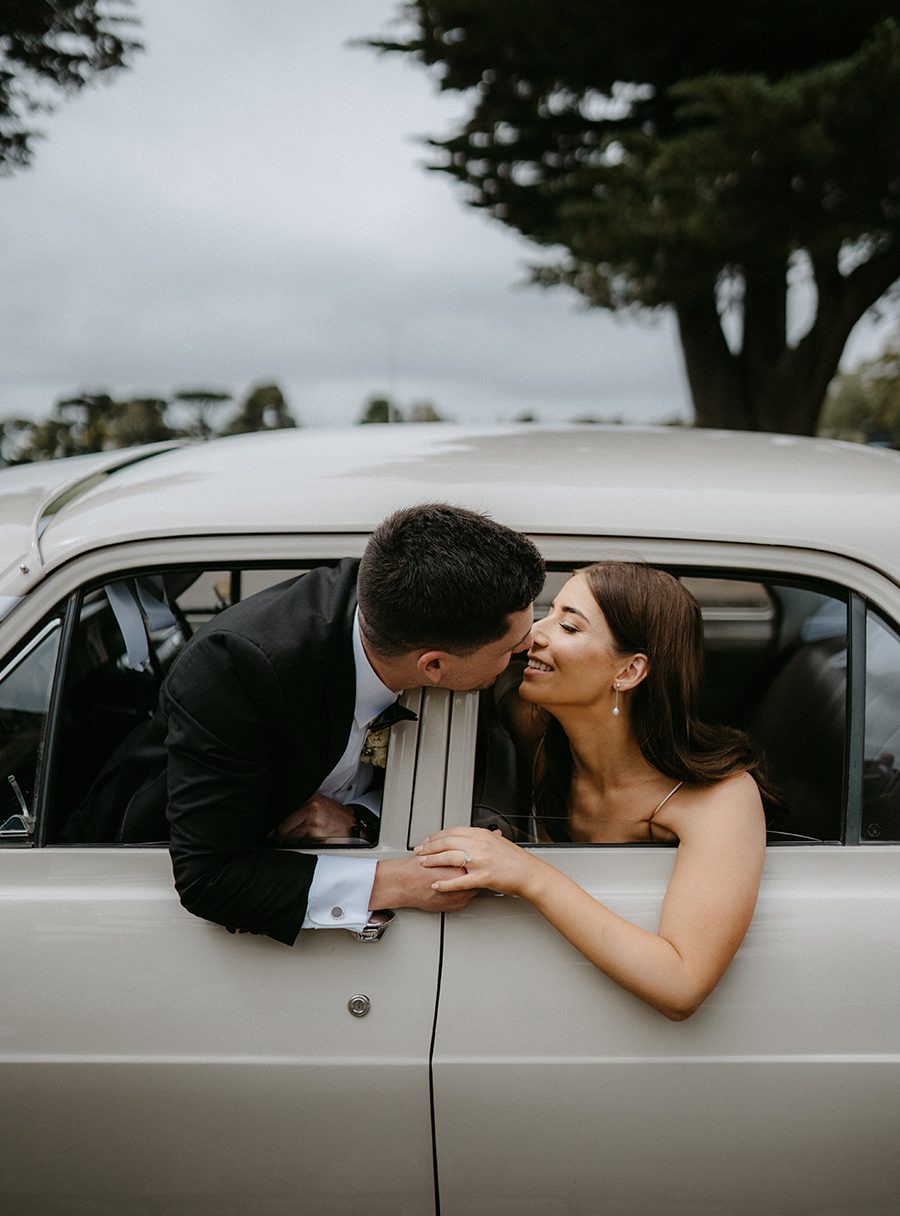
Melbourne wedding photography featuring a light retro suit styling and matching accessories

Light Suit Styling for Melbourne Wedding Photography: How Grooms Are Ditching the Traditional Tux and Looking Incredible

Something shifted in Melbourne’s wedding scene over the past few years. Grooms stopped showing up in identical black tuxedos and started wearing light suits — linen, cotton, even unstructured blazers in soft tones. And the photos look better for it. A light suit photographs with more texture, more depth, and more personality than a black tux ever could. Especially in Melbourne, where the backdrop is never just a plain wall — it’s bluestone laneways, heritage buildings, botanical gardens, and city skylines that demand a look with some character.
wedding photography melbourne

But a light suit is not a casual suit. There’s a line between “effortlessly cool” and “I forgot to dress up.” Getting it right takes attention to fit, fabric, color, and how everything works together under Melbourne’s unpredictable light.

Why Light Suits Are Winning in Melbourne Right Now

The black tuxedo is not ugly. It’s classic. But it photographs flat in most Melbourne environments. Against a dark heritage building, a black suit disappears. Under overcast skies, it looks heavy. In the botanical gardens, it clashes with the greenery. A light suit solves all of these problems simultaneously.

A light-colored suit reflects Melbourne’s soft, diffused light instead of absorbing it. The fabric shows texture. The color creates contrast against the backdrop. And the overall look feels modern without trying too hard — which is exactly the vibe Melbourne couples are going for.

The trend also aligns with how Melbourne grooms actually live. Most of them don’t own a tuxedo. They own a good blazer, a couple of dress shirts, and nice trousers. A light suit lets them use what they already have and still look like a groom. That practicality matters, and it shows in the photos — the groom looks comfortable, not stiff.

Choosing the Right Fabric for Melbourne’s Climate

Fabric is the single most important decision. Melbourne’s weather swings from cool mornings to warm afternoons to windy evenings, and the wrong fabric will make you miserable by the second hour of the shoot.

Linen and Cotton Blends: The Melbourne Staple

Linen is the go-to fabric for Melbourne grooms, and for good reason. It breathes in the heat, it wrinkles in a way that looks intentional rather than sloppy, and it photographs with a texture that smooth fabrics simply can’t match.

A linen-cotton blend is even better. Pure linen wrinkles too much and can look messy in close-up shots. A blend — usually 55% linen, 45% cotton — gives you the texture of linen with the structure of cotton. It holds its shape better, it photographs cleaner, and it still looks relaxed.

The weight matters too. A heavy linen suit works for autumn and winter weddings. A lightweight linen-cotton blend is better for spring and summer. In Melbourne’s December heat, a heavy suit will have you sweating through every photo. The fabric clings, the color darkens, and the whole look falls apart.

For Melbourne night shoots, linen behaves differently than you’d expect. Under city light, the fabric takes on a warm, slightly golden tone that looks richer than it does in daylight. This is one of those happy accidents that makes linen the smartest choice for grooms who want their suit to work from ceremony to reception without changing.

Unstructured Blazers: The Modern Edge

The unstructured blazer — no padding, no stiff shoulders, no internal framework — has become the defining piece of the modern groom’s wardrobe. And in Melbourne, it photographs better than anything else.

The lack of structure means the blazer moves with the body. It drapes instead of sitting. It creates soft lines instead of sharp angles. In photos, this translates to a look that’s relaxed but still clearly formal. The groom looks like he chose this outfit, not like he was handed it.

For Melbourne’s urban locations — Fitzroy laneways, Degraves Street, the CBD — an unstructured blazer in a soft grey, light blue, or warm beige creates a visual contrast with the gritty, colorful backgrounds that a structured tux never could. The softness of the fabric against the hardness of the architecture is what makes these photos pop.

The fit is critical here. An unstructured blazer that’s too big looks like you borrowed it from someone taller. Too small and it pulls at the buttons and creates awkward lines. Get it tailored — not off the rack, not altered by a regular tailor, but fitted by someone who understands how unstructured garments should sit on the body.

Color Choices That Photograph Well in Melbourne

Black is safe. It’s also boring in photos, especially in a city as visually rich as Melbourne. The color you choose for your light suit determines how you interact with every backdrop in the city.

Warm Neutrals: The Safe Bet That Still Looks Good

Warm beige, sand, light tan, and soft khaki are the most versatile light suit colors for Melbourne wedding photography. They complement the city’s bluestone buildings, the green gardens, and the grey skies without clashing with any of them.

A warm beige suit against Melbourne’s bluestone walls creates a contrast that’s subtle but effective. The warm tones of the suit pop against the cool tones of the stone without looking forced. In the botanical gardens, the beige blends with the natural tones of the environment and creates a cohesive, earthy look.

For night photography, warm neutrals catch city light beautifully. Street lamps and neon signs add a golden cast to beige fabric that looks almost cinematic. The suit doesn’t disappear into the darkness like a black tux does — it glows.

Light Grey: The Most Photographed Groom Color in Melbourne

Light grey has quietly become the most popular groom suit color in Melbourne. It’s not as bold as beige, not as safe as navy, and it photographs incredibly well in every light condition.

A light grey suit reads as formal without being heavy. It works in heritage buildings, in gardens, on the waterfront, and in the CBD. The color is neutral enough to match any bridal look but distinct enough to stand out in photos.

The key with light grey is the shade. Too dark and it looks like a regular suit, not a wedding suit. Too light and it washes out in photos, especially under overcast skies. Aim for a medium-light grey with a slight warm undertone. This shade photographs cleanly in every Melbourne light condition and pairs with virtually any shirt and tie combination.

Soft Blue and Dusty Pink: The Bold Choices

Soft blue and dusty pink are not for every groom. But for the right couple, in the right Melbourne location, they can be stunning.

A soft blue suit in the botanical gardens or along the Yarra River creates a color harmony with the sky and water that looks almost painterly. The blue doesn’t compete with the environment — it completes it.

Dusty pink works best in urban Melbourne settings. Against the concrete and glass of the CBD, a dusty pink suit creates a contrast that’s unexpected and eye-catching. It photographs especially well in black-and-white conversions, where the pink tone translates into a beautiful mid-grey that adds depth to every image.

Both of these colors require confidence. If you’re not comfortable wearing color, don’t force it. A warm neutral will always look better on someone who’s self-conscious than a bold color will on someone who’s not.

The Shirt and Tie Combination That Actually Works

The suit is only half the equation. The shirt and tie — or lack of tie — complete the look, and getting this wrong can undo everything the suit is doing right.

No Tie: When It Works and When It Doesn’t

The no-tie look is the default for light suit grooms in Melbourne, and it works beautifully when done right. An open-collar dress shirt with the top button undone creates a relaxed, modern vibe that matches the unstructured suit perfectly.

But it only works if the shirt is good. A cheap white shirt with a flimsy collar looks lazy, not relaxed. Invest in a shirt with a structured collar — one that stands up on its own even without a tie. Oxford cloth or a dense cotton poplin in white or very light blue are the best choices.

The no-tie look works best in outdoor Melbourne locations. In the gardens, on the waterfront, in the laneways — it feels natural. In a formal heritage venue, it can look underdressed. Read the room. If the venue is grand and traditional, a tie might be the safer call. If it’s a garden or a warehouse, skip it.

The Right Tie for When You Want One

If you’re wearing a tie, the width matters more than the color. A narrow tie — 2 to 2.5 inches — looks modern and works with unstructured blazers. A wide tie looks dated and clashes with the relaxed vibe of a light suit.

The color should complement the suit, not match it. A beige suit with a cream tie looks like you ran out of ideas. A beige suit with a dusty rose tie, a soft blue tie, or even a patterned tie in muted tones creates contrast and visual interest.

For Melbourne night shoots, a silk tie in a deep burgundy or navy catches city light and adds a richness to the photos that a matte cotton tie can’t achieve. The silk has a subtle sheen that reflects light, which makes the tie stand out in every shot without looking flashy.

The Shirt Color Mistake Most Grooms Make

White shirt, light suit, overcast sky — everything blends together. The groom disappears into the background. This is the most common mistake in Melbourne wedding photography.

A very light blue shirt, a soft lavender shirt, or even a pale pink shirt creates enough contrast against a light suit to keep the groom visible in every photo. The difference is subtle, but it’s the difference between a photo where the groom stands out and one where he’s just part of the scenery.

For night photography, a white shirt actually works better because the flash and city light create enough contrast on their own. But for daytime shoots in Melbourne’s soft light, a colored shirt is always the smarter choice.

Shoes That Complete the Look Without Ruining It

Groom’s shoes are the most neglected part of wedding styling, and they show up in more photos than most people realize. Low-angle shots, walking shots, detail shots — the shoes are always there.

Loafers and Derbys: The Modern Groom’s Choice

For a light suit in Melbourne, loafers or derby shoes in tan, light brown, or even a clean white are the best options. They’re comfortable for walking through gardens and laneways, they photograph well, and they match the relaxed vibe of the suit.

Avoid oxford shoes with a light suit. They’re too formal, too structured, and they clash with the unstructured aesthetic. Oxfords belong with a tuxedo, not with a linen blazer.

The color should complement the suit. A tan shoe with a beige suit creates a monochromatic look that’s clean and modern. A brown shoe with a grey suit adds warmth and contrast. A white shoe works with almost anything but shows dirt easily — so if you’re shooting in the gardens, bring a cloth to wipe them down between shots.

When Sneakers Actually Work

Melbourne has normalized sneakers with wedding suits, and honestly, it works. Clean white leather sneakers with a light suit look sharp in urban settings — laneways, rooftops, waterfront locations. They add a casual edge that contrasts with the formality of the suit in a way that feels intentional.

But sneakers only work if they’re clean. Scuffed sneakers, dirty soles, worn-out laces — all of these show up in photos and cheapen the entire look. If you’re going the sneaker route, buy a fresh pair specifically for the wedding. Not your everyday sneakers. A new pair.

For garden or heritage venue shoots, stick to leather shoes. Sneakers look out of place on bluestone steps and in formal settings. Save them for the urban portions of the shoot.

Accessories That Add Character Without Overdoing It

A light suit gives you more room for accessories than a tuxedo does. But more room doesn’t mean fill it.

The Pocket Square: Small But Powerful

A pocket square is the single best accessory for a light suit groom. It adds a pop of color, it creates a focal point at chest height, and it photographs beautifully in close-up shots.

The fold should be casual — not a stiff presidential fold, not a puffed mess. A simple one-point fold or a loose puff sits naturally in a light suit’s breast pocket and looks effortless. The fabric can be linen, cotton, or silk depending on the suit fabric. Linen on linen looks cohesive. Silk on linen adds contrast.

For Melbourne wedding photography, the pocket square color should either match the tie or complement the suit. A dusty rose pocket square with a beige suit and a blue tie creates a color story that ties the whole look together. Random colors look accidental. Matching colors look intentional.

The Watch: Functional and Photogenic

A simple watch — leather strap, clean face, no diamonds — is the only other accessory most grooms need. It adds a masculine detail that balances the softness of a light suit, and it photographs well in detail shots.

Avoid smartwatches. They look modern in a way that clashes with the vintage-leaning aesthetic of most Melbourne wedding photography. A classic analog watch with a brown or tan leather strap matches the warm tones of a light suit and looks timeless in every photo.

Boutonniere: Keep It Simple

If the bride is wearing flowers, the groom should have a boutonniere that matches. One small bloom — a rosebud, a sprig of eucalyptus, a small ranunculus — pinned to the lapel. That’s it. No feathers, no ribbons, no oversized arrangements.

For Melbourne’s garden and outdoor locations, native flowers work beautifully. A small waratah, a eucalyptus sprig, or a wattle bloom connects the groom to the environment and creates a visual link between the couple and their surroundings. In urban settings, a simple white rosebud in a neutral tone keeps the look clean.

How the Light Suit Interacts With Melbourne’s Most Popular Backdrops

The same light suit looks different in every Melbourne location. Understanding these interactions helps you choose the right outfit for the right spot.

Bluestone Laneways and Heritage Buildings

Fitzroy, Collingwood, Carlton — these neighborhoods have warm, textured walls that make light suits pop. A beige or light grey suit against bluestone creates a color contrast that’s instantly pleasing. The suit stands out without looking forced.

Shoot in the late afternoon when the light is warm and directional. The side lighting creates shadows on the suit fabric that reveal texture and depth. A smooth tuxedo looks flat in this light. A textured linen suit looks alive.

Avoid shooting at midday. The overhead sun washes out light colors and creates harsh shadows under the eyes. Morning or late afternoon light is always more flattering for light suits in heritage settings.

The Botanic Gardens and Waterfront

The Royal Botanic Gardens, Carlton Gardens, the Yarra River — these locations are green, open, and full of natural light. A light suit in warm beige or soft grey blends with the environment in a way that feels harmonious.

The wind is a factor here. An unstructured blazer moves beautifully in a breeze. A structured tuxedo fights the wind and looks stiff. Let the blazer do its thing. The photos where the jacket is slightly open, caught by the wind, are always the best ones.

For waterfront shots at golden hour, a light suit in warm tones catches the sunlight and glows. The groom looks warm, approachable, and genuinely happy — which is exactly what these photos are trying to capture.

Night Shoots in the CBD and Laneways

Melbourne’s night photography is where light suits reveal their secret weapon. Under city light, the fabric takes on a richness that it doesn’t have in daylight. The texture becomes more pronounced. The color deepens. The whole look becomes more cinematic.

A light grey suit under neon signs looks moody and editorial. A beige suit under warm street lamps looks golden and romantic. The suit doesn’t disappear into the darkness like a black tux — it interacts with the light and becomes part of the scene.

For night shoots, lean into the accessories. A silk tie catches light. A pocket square in a bold color stands out against the dark background. The watch face reflects city light. These small details become the focal points of the photos, and they only work because the suit itself is light enough to let them shine.

Common Mistakes That Undermine the Light Suit Look

The suit is too formal for the setting. A structured tuxedo in the botanical gardens looks like you wore the wrong outfit. A light suit in a grand heritage hall can look underdressed. Match the formality of the suit to the formality of the location.

The suit is the wrong fit. An ill-fitting light suit looks worse than an ill-fitting dark suit because every flaw is visible. Loose shoulders, too-long sleeves, a blazer that gaps at the waist — these issues are amplified in light fabric. Get it tailored properly before the shoot.

Ignoring the underwear. A white shirt with visible undershirt or wrong-color underwear shows up in every photo, especially in outdoor shots where you might take the jacket off. Wear the right undershirt — skin-toned for white shirts, white for colored shirts — and make sure it’s smooth and wrinkle-free.

Forgetting about wrinkles. Linen wrinkles. That’s the point. But there’s a difference between “effortlessly wrinkled” and “slept in a suit.” Steam the suit the morning of the shoot. Control the wrinkles so they look intentional, not accidental. A few strategic wrinkles add character. Uncontrolled wrinkles add chaos.

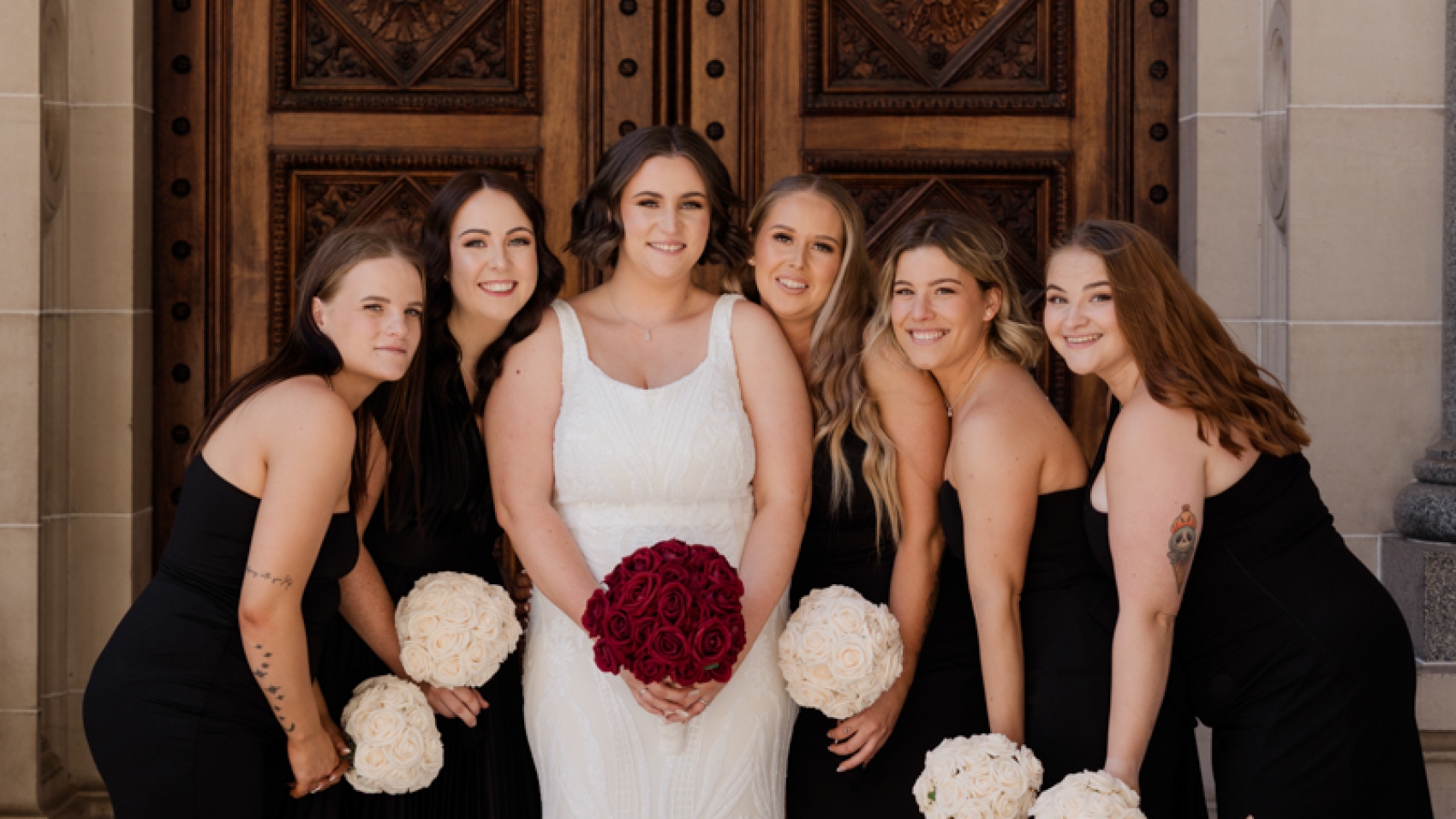
DSC05210

Melbourne wedding photography – Retro wedding dress styling and outfit搭配

Vintage Wedding Dress Styling for Melbourne Photography: How to Make Old-World Glamour Work in a Modern City

There’s a reason vintage wedding dresses keep dominating Melbourne’s bridal scene. They photograph differently than anything else. The fabric has weight. The silhouette has shape. The details — lace, beading, buttons, trains — give the photographer something to work with that a simple modern gown just can’t offer.

wedding photography melbourne

But wearing a vintage dress is not the same as wearing a modern one. The fit is different. The fabric behaves differently. The way it moves in wind, catches light, and interacts with a backdrop is completely unique. Getting the styling right around a vintage dress is what turns a beautiful photo into an unforgettable one.

Melbourne is arguably the best city in Australia for vintage bridal photography. The heritage architecture, the bluestone laneways, the overcast skies, the golden hour light over the Yarra River — all of it was built for dresses that look like they belong in another era. The trick is making sure everything else matches.

What Makes a Vintage Dress Photograph So Well in Melbourne

Modern wedding dresses tend to be minimal. Clean lines, simple silhouettes, smooth fabrics. They look great in studios, but outdoors they can disappear against the background. A vintage dress does the opposite. It has texture. It has detail. It has presence.

The lace on a 1940s-inspired gown catches Melbourne’s soft, diffused light in a way that modern fabrics can’t. The beading on a 1920s flapper-style dress picks up city light at night and creates sparkle that looks genuine, not manufactured. The full skirt of a 1950s ballgown creates movement in wind that a slim modern silhouette simply cannot achieve.

Melbourne’s weather plays into this too. The city’s frequent overcast skies create even, soft light that wraps around vintage fabric beautifully. There’s no harsh direct sun to blow out delicate details. No strong shadows to flatten lace patterns. The light does the work for you.

Choosing the Right Vintage Silhouette for Your Melbourne Shoot

Not every vintage style works in every Melbourne location. The silhouette you choose should match the environment, not fight it.

The 1920s Flapper Drop-Waist Dress

The drop-waist silhouette is having a serious moment right now, and Melbourne’s laneways are its natural habitat. The beaded fringe, the geometric patterns, the short hemline — it all screams old Hollywood, and it photographs incredibly well against the gritty, colorful walls of Hosier Lane and Degraves Street.

This silhouette works best for couples who want something edgy and different. It’s not traditional. It’s not safe. But when it’s done right, the photos look like they were taken on a film set, not at a wedding.

For Melbourne night shoots, the 1920s dress is a secret weapon. The beading catches every point of city light — neon signs, street lamps, car headlights — and creates a shimmering effect that modern dresses can’t replicate. The short hemline also shows off shoes and legs, which adds visual interest to full-body shots.

The downside: this dress requires a specific body type to pull off, and it’s not forgiving. The drop waist sits low on the hips, which shortens the torso visually. If you’re petite, this can make you look even smaller. Pair it with heels — at least two inches — to elongate the legs and balance the proportions.

The 1940s Tea-Length Dress With Lace Sleeves

The 1940s silhouette is the most versatile vintage option for Melbourne wedding photography. The fitted bodice, the nipped waist, the tea-length skirt with a soft flare — it’s feminine without being overwhelming, and it photographs beautifully in every Melbourne location.

The lace sleeves are the star of this look. They add texture to the upper body, frame the face, and create a romantic quality that works in both daylight and night photography. In Melbourne’s botanic gardens, the lace sleeves soften the overall look against the green backdrop. In the CBD, they add a vintage edge that contrasts with the modern architecture.

This silhouette works for almost every body type. The nipped waist creates definition without being tight. The tea-length skirt hits below the knee, which is universally flattering. And the modest neckline means you don’t have to worry about wardrobe malfunctions during movement shots.

For Melbourne’s windy conditions, a tea-length dress is more practical than a full-length gown. The hemline sits above the ankle, so it won’t drag through dirt or get caught on things. The skirt still moves in the wind, but it’s manageable.

The 1950s Full Ballgown

If you want drama, the 1950s ballgown delivers. The full skirt, the cinched waist, the sweetheart neckline — it’s the most romantic vintage silhouette that exists, and Melbourne’s grand heritage venues were practically built for it.

This dress photographs best in wide shots where the full skirt can be seen. Melbourne’s Parliament House, the State Library, the Royal Exhibition Building — these locations have the scale to match the dress. In a tight laneway, a full ballgown looks crowded. In a grand hall, it looks like it belongs there.

The challenge with the 1950s gown is movement. The skirt is heavy and wide, which means it doesn’t flow the way a modern chiffon dress does. It swings. It sways. It creates a different kind of movement — more structured, more deliberate. Work with your photographer to capture the swing at the right moment. The shot where the skirt is mid-swing is always the best one.

For night photography in Melbourne, a full ballgown in a rich color — ivory, champagne, soft gold — catches city light in a way that’s almost theatrical. The skirt becomes a canvas for light and shadow, and the photos look like they belong in a museum.

Hair and Makeup That Match a Vintage Dress

The dress sets the era. The hair and makeup need to match it, or the whole look falls apart.

Hair: Structured But Not Stiff

Vintage hair is never casual. It’s always intentional. But “intentional” doesn’t mean “stiff.” The best vintage bridal hair has structure with softness.

For a 1920s dress, finger waves are the obvious choice. They’re dramatic, they’re period-accurate, and they photograph beautifully from every angle. The key is making them look loose, not sculpted. Tight finger waves look like a costume. Soft finger waves look like old Hollywood.

For a 1940s dress, victory rolls or a soft updo with face-framing curls works best. The victory roll sits on top of the head and creates height, which balances the fitted bodice of the dress. The face-framing curls soften the jawline and add romance without looking overdone.

For a 1950s ballgown, a classic chignon or a French twist is the move. The hair should be pulled back completely to show off the neckline and let the dress be the focus. A few loose pieces around the face add softness, but the overall effect should be polished and elegant.

In Melbourne’s wind, vintage hairstyles can be a nightmare. Finger waves get destroyed. Loose curls turn into frizz. Use strong-hold products and plenty of pins. Have your hair styled as close to the shoot time as possible. And always have a backup style that’s simpler but still period-appropriate.

Makeup: Bold Lips, Soft Eyes, Defined Brows

Vintage bridal makeup follows a simple rule: bold lips, soft eyes, strong brows. The lips are always the focal point. The eyes support. The brows frame.

For a 1920s look, red lips are non-negotiable. A true red — not coral, not berry, red. The rest of the makeup should be minimal. Defined brows, a touch of mascara, and that’s it. The red lip does all the work.

For a 1940s look, soft pink or muted rose lips work better. The eyes get a bit more attention here — a wash of warm brown eyeshadow, thin liner, and defined lashes. The brows should be arched and groomed, not blocky.

For a 1950s look, classic red or deep berry lips pair with cat-eye liner and soft blush. The cat-eye is the defining feature of 1950s makeup, and it photographs incredibly well in Melbourne’s mix of natural and artificial light.

In all cases, the foundation should be matte or satin — never dewy. Dewy skin reads as modern. Matte skin reads as vintage. The difference is subtle but it matters enormously on camera.

Accessories That Complete the Vintage Look

Accessories for a vintage dress need to be period-appropriate. A modern diamond necklace on a 1920s dress looks wrong. A boho flower crown on a 1950s gown looks wrong. Everything has to match the era.

The Right Jewelry for Each Decade

1920s: Long beaded necklaces, art deco earrings, headbands with jewels. Think geometric shapes, think black and gold, think Gatsby.

1940s: Pearl earrings, a simple strand of pearls, a small brooch on the shoulder. Understated elegance. Nothing too flashy.

1950s: Statement earrings, a crystal bracelet, a beaded clutch. This era embraced sparkle, so don’t be afraid to let the accessories shine.

For Melbourne wedding photography, the jewelry should complement the dress without competing with it. If the dress has heavy beading, keep the jewelry simple. If the dress is clean and minimal, the jewelry can be more prominent. The rule is always: one statement piece, not five.

Gloves, Veils, and Other Period Details

Long opera gloves are a 1940s and 1950s staple, and they photograph beautifully in Melbourne. They add elegance to every pose, they create beautiful lines in the hands, and they look incredibly cinematic in black-and-white conversions.

A birdcage veil works best with 1920s and 1940s dresses. A longer, blusher-length veil works with 1950s gowns. The veil should match the dress era — a modern tulle veil on a vintage dress looks jarring.

For Melbourne night shoots, a sheer lace glove catches city light in a way that bare hands can’t. The lace creates patterns of light and shadow on the skin that add depth to every image. It’s a small detail that makes a big difference.

Shoes That Match the Era and the Location

Shoes are the most overlooked part of vintage bridal styling, and they can make or break the photos.

For a 1920s dress, T-strap heels or Mary Janes in black or nude are the right choice. The heel should be chunky — not stiletto. The 1920s heel was architectural, not sleek.

For a 1940s dress, classic pumps in nude or soft pink work best. Keep the heel moderate — two to three inches. Too high and the proportions look off with the tea-length skirt.

For a 1950s ballgown, you can go higher. The full skirt hides the shoes in most shots, so a three-inch heel in ivory or gold adds height without being visible in every frame.

In Melbourne’s garden locations, avoid stilettos entirely. They sink into grass and create awkward angles in photos. A low block heel or a wedge keeps you stable and photographs better on uneven ground.

For laneway shoots in the CBD, a vintage-inspired shoe adds to the overall aesthetic. But make sure the sole is clean. A scuffed sole shows up in every photo, especially in low-angle shots.

Location Matching in Melbourne

The vintage dress and the Melbourne location need to feel like they belong together. Random pairing creates disjointed photos. Intentional pairing creates magic.

Heritage Buildings and Bluestone Laneways

Fitzroy, Collingwood, Carlton — Melbourne’s heritage neighborhoods are the obvious choice for vintage bridal photography. The bluestone walls, the iron lacework, the wooden doors — all of it echoes the old-world quality of a vintage dress.

Shoot in the late afternoon when the light is warm and directional. Vintage dresses photograph best in golden hour because the warm tones in the fabric come alive. The lace glows. The beading sparkles. The whole dress looks like it’s from another time.

Avoid modern glass buildings for vintage shoots. The contrast between old and new can work, but only if it’s intentional. A random vintage dress in front of a glass tower looks confused, not curated.

Waterfront and Garden Settings

The Yarra River, St Kilda Pier, Royal Botanic Gardens — these locations work with vintage dresses, but the styling needs to adjust.

In garden settings, a 1940s tea-length dress is the safest bet. The shorter hemline keeps the dress clean in the foliage, and the lace sleeves add texture against the green backdrop. A full 1950s ballgown can get lost in the greenery — the dress and the environment blur together.

At the waterfront, a 1920s drop-waist dress photographs incredibly well at night. The beading catches the city lights reflecting off the water, and the short hemline shows off the river in full-body shots. The contrast between the vintage dress and the modern skyline creates a tension that’s genuinely cinematic.

Night Shoots and City Lights

Melbourne’s night photography is where vintage dresses truly come alive. The warm city light interacts with vintage fabric in ways that daylight never could.

Lace becomes translucent under street lamps. Beading creates points of light that look like stars. Satin develops a rich, deep glow that modern fabrics can’t achieve. The dress doesn’t just sit in the night — it participates in it.

For night shoots, lean into the drama. A vintage dress in a dark setting with a single strong light source creates chiaroscuro effects that look like Renaissance paintings. Position yourself under a street lamp or near a lit window. Let the light do the work. The vintage dress was made for this kind of lighting.

Practical Considerations Nobody Talks About

Vintage dresses are not modern dresses. They have different needs, different limitations, and different quirks that can affect your shoot.

Fit Is Everything

A vintage dress that doesn’t fit properly will show it in every photo. Gaps at the waist. Pulling at the bust. A hemline that’s too long or too short. These issues are impossible to fix in post-production.

Get the dress altered by a professional who understands vintage construction. Not a regular tailor — a vintage specialist. The seams, the boning, the fabric all behave differently than modern materials, and a regular alteration can destroy the dress.

Have the fitting done at least two weeks before the shoot. This gives you time to make adjustments and to break in the dress so it moves naturally on the day.

Fabric Care on Shoot Day

Vintage fabric is delicate. Lace tears. Beading comes loose. Silk wrinkles instantly. Treat the dress like the fragile piece of history it is.

Steam it the morning of the shoot. Don’t iron lace — steam it. Ironing can flatten the texture and create shine that looks wrong on camera. For beaded dresses, check every seam before leaving the house. A loose bead can fall off during the shoot and you won’t notice until you’re reviewing the photos.

Bring a small emergency kit: safety pins, extra beads, a travel steamer, and a lint roller. These tools can save a shoot when something goes wrong — and with vintage dresses, something always goes wrong.

Movement and Posing

Vintage dresses restrict movement differently than modern ones. A full 1950s skirt limits how far you can step. A 1920s drop waist changes how you sit. A 1940s fitted bodice means you can’t twist as freely.

Work with your photographer to plan poses that work with the dress, not against it. Sitting shots need to be planned — you can’t just plop down in a ballgown. Walking shots need space — you can’t stride in a tea-length dress with a narrow skirt. The more you communicate with your photographer beforehand, the smoother the shoot goes.

In Melbourne’s wind, vintage dresses behave unpredictably. A full skirt can billow in a way that looks beautiful or chaotic depending on the angle. A light 1920s dress can flip inside out. Know your dress’s tendencies and plan accordingly. Shoot with the wind when possible, not against it. The photos will look more natural and the dress will behave better.

DSC06280

Melbourne wedding photography – serene and beautiful style combination

Forest Fairy Bridal Styling for Melbourne Wedding Photography: How to Nail the Ethereal Woodland Look

There’s something about a bride standing barefoot in a forest, flowers tangled in her hair, dress flowing through the ferns, that just hits different. The forest fairy look has become one of the most searched bridal aesthetics in Melbourne — and for good reason. It’s romantic, it’s otherworldly, and it photographs like a dream in the city’s most beautiful green spaces.

But here’s the thing most people get wrong. They think “forest fairy” means throwing on a flower crown and calling it a day. It doesn’t. The look requires a specific approach to makeup, hair, dress, and accessories — and every element has to work together or the whole thing falls apart and starts looking like a costume party instead of a wedding.

wedding photography melbourne

Melbourne gives you some of the best forest-adjacent locations on earth. The Dandenong Ranges, the Royal Botanic Gardens, Carlton Gardens, Yarra Bend Park — all of these places have that lush, green, slightly magical quality that the fairy aesthetic was built for. Getting the styling right for these locations is what separates a stunning photo from a forgettable one.

What the Forest Fairy Look Actually Means in 2025

The fairy bridal trend has evolved a lot from the early 2010s version — think heavy flower crowns, messy boho everything, and bare feet in mud. The modern forest fairy look is more refined. It’s still ethereal, still nature-inspired, but it’s cleaner, more intentional, and far more photogenic.

The skin is dewy and glowing. The hair is loose and slightly undone. The dress is flowing and simple. The accessories are minimal — a few fresh flowers, maybe a delicate vine headpiece, nothing heavy. The overall effect is that you look like you just stepped out of a painting — not like you raided a craft store.

This refined version photographs significantly better than the old boho-maximalist approach. Less clutter in the frame means the focus stays on you. And in Melbourne’s forest settings, where the background is already full of texture and detail, a clean bridal look lets the environment do half the work.

Makeup for the Forest Fairy Look

The makeup is where most of the magic happens. This isn’t a heavy-contour, bold-lip situation. It’s the opposite. Everything is soft, warm, and glowing — like light is coming from inside your skin.

The Glowing Skin Base

Forest fairy makeup starts with skin that looks alive. Not covered, not matte, not flat — alive. The base is sheer and dewy, with just enough coverage to even out the tone without hiding any texture.

A tinted moisturizer or a very light foundation is all you need. Set it with a dewy setting spray — never powder. Powder kills the glow and makes skin look artificial under the dappled forest light that Melbourne’s garden locations are famous for.

Highlighter goes on the cheekbones, the bridge of the nose, the cupid’s bow, and the inner corners of the eyes. Use a champagne or soft gold shade — not white, not silver. White highlighter looks harsh in natural light. Gold blends into warm-toned skin and catches the sunlight in a way that looks genuinely magical.

In Melbourne’s forest settings, this dewy base catches the filtered light that comes through the tree canopy. The result is a soft, diffused glow that looks like you’re literally radiating light. It’s the kind of thing that makes a photographer stop and say “don’t move.”

Eyes: Warm, Soft, Slightly Glittery

The eyes in a forest fairy look are warm and soft with just a hint of shimmer. Think sunset colors — peach, warm copper, soft gold, dusty rose. No black liner. No dramatic smoky eye. Just warmth and glow.

Apply a single warm eyeshadow shade across the lid and blend it up into the crease. Add a touch of shimmer — not glitter, shimmer — to the center of the lid. The difference matters. Glitter looks chunky on camera. Shimmer looks like light reflecting off your skin.

Mascara should be lengthening, not volumizing. You want separated, natural-looking lashes — not thick clusters. One or two coats max. The eyes should look awake and bright, not heavy.

For Melbourne night shoots in forest-adjacent locations, a wash of warm gold eyeshadow catches candlelight and fairy lights in a way that’s genuinely stunning. Keep it minimal, but don’t skip it entirely — the eyes need something to catch the light.

Lips and Cheeks: The Blushed Fairy

The lips are soft pink or warm peach — never red, never nude. A tinted lip balm or a sheer lipstick in dusty rose works perfectly. The finish should be dewy, not matte. Blot slightly before the shoot so it doesn’t look too wet, but keep the sheen.

The blush is where the fairy look really comes together. Apply a warm peach or soft coral blush high on the cheeks — on the apples, blending up toward the temples. This placement creates a lifted, flushed look that mimics the natural flush you get from walking through a forest. It’s not contouring. It’s not sculpting. It’s just warmth.

In Melbourne’s green, leafy locations, this warm blush creates a beautiful contrast against the cool tones of the foliage. Your face pops without looking overdone. It’s the kind of color harmony that happens naturally when you get the tones right.

Hair That Looks Like It Belongs in the Forest

Forest fairy hair is loose, textured, and slightly wild. Not messy-messy, but undone in a way that looks intentional. Like the wind just did its thing and you didn’t fight it.

Loose Waves With Fresh Flowers Woven In

The most iconic forest fairy hairstyle is loose waves with real flowers woven throughout. Not a flower crown sitting on top — actual blooms tucked into the hair at different heights, scattered naturally.

Use a curling iron to create loose, irregular waves. Don’t make them uniform — the forest fairy look thrives on imperfection. Some waves tight, some loose, some going in different directions. It should look like your hair has a mind of its own.

For the flowers, use fresh blooms that match your bouquet. Small white roses, baby’s breath, eucalyptus sprigs, wildflowers — whatever feels natural to the season. Tuck them deep into the hair so they’re not sitting on top. They should look like they grew there.

In Melbourne’s wind, loose hair with flowers can become a tangled nightmare in minutes. Use bobby pins liberally — not visible ones, but strong ones hidden deep in the hair. And have someone hold a section of hair away from your face during still shots so the flowers don’t cover your eyes.

The Half-Up Vine Style

If you want something slightly more structured but still fairy-inspired, try a half-up style with a delicate vine or branch woven through it. This works beautifully in Melbourne’s garden locations because the vine mirrors the actual vines and branches in the background, creating a visual connection between you and the environment.

Pull the top section of hair back loosely. Don’t smooth it — keep it textured. Weave a thin flexible vine or a few eucalyptus stems through the gathered section. Secure with pins hidden inside the hair. Let the rest fall loose.

This style photographs incredibly well from the side and from behind. The vine adds an architectural element that frames the face without competing with it. For Melbourne wedding photography, the side profile shot with the vine visible is one of the most requested angles — and for good reason.

The Dress: Flowing, Simple, Made for Movement

The forest fairy dress is not a mermaid gown with a cathedral train. It’s something that moves. Something that flows. Something that looks like it was made for walking through ferns, not for standing still on a red carpet.

Fabrics That Move With You

Chiffon, tulle, lightweight crepe, and soft lace are the fabrics that work best for this look. They catch the wind, they drape naturally, and they create movement in photos that stiff fabrics simply can’t achieve.

Avoid satin. It’s too structured for the forest fairy aesthetic. Avoid heavy lace — it looks too formal against the casual, natural backdrop. The dress should feel like an extension of the environment, not something foreign to it.

For Melbourne’s often-windy garden locations, a dress with some weight to it is smarter than something ultra-light. A breeze that looks romantic in one photo can turn into a wardrobe disaster in the next. A mid-weight chiffon or a double-layer tulle gives you movement without chaos.

Color and Silhouette

White is classic, but ivory, champagne, soft blush, and even pale sage green are all beautiful options for the forest fairy look. These softer tones blend with the natural environment instead of standing out against it.

The silhouette should be simple. A-line, flowy sheath, or a soft empire waist. Avoid anything too fitted — it fights the ethereal vibe. The dress should skim the body, not cling to it.

For Melbourne night shoots, a slightly deeper tone — dusty rose, warm champagne, or even a muted gold — catches city light and fairy lights in a way that pure white doesn’t. White tends to blow out under artificial light. Warmer tones hold up better and look richer in the final images.

Accessories That Complete the Look Without Overwhelming It

Less is more with forest fairy accessories. One or two pieces max. Everything else is noise.

Fresh Flowers Over Everything Else

Fresh flowers are the number one accessory for this look. A small bouquet in soft whites, creams, and greens. Maybe a single stem tucked behind the ear. A few loose petals scattered in the hair.

Avoid silk flowers. They look fake on camera, especially in close-up shots. Real flowers have texture, imperfection, and natural color variation that no artificial version can match. Plus, they wilt slightly over the course of the shoot, which actually adds to the romantic, slightly melancholic fairy vibe.

Delicate Jewelry That Disappears

If you wear jewelry, keep it tiny. A thin gold chain with a small pendant. Delicate stud earrings. Maybe a thin bracelet. Nothing chunky, nothing that catches too much light. The jewelry should be barely visible — just enough to add a touch of elegance without competing with the flowers and the dress.

For Melbourne wedding photography, heavy jewelry creates visual clutter in the frame. The photographer has to work around it, and the final images often look busy. Delicate pieces disappear into the shot and let the rest of the look breathe.

Bare Feet or Simple Sandals

Bare feet are the most fairy-appropriate footwear choice, and they photograph beautifully in Melbourne’s garden locations. Grass, soft dirt, wooden paths — all of these textures look incredible under bare feet in a wedding photo.

If you can’t go fully barefoot, simple flat sandals in gold or nude work. Avoid heels — they sink into grass, look wrong on dirt paths, and create an awkward visual contrast with the ethereal dress. For urban Melbourne shoots, a clean white flat or a simple gold sandal keeps the look cohesive.

Location-Specific Styling Tips for Melbourne

Melbourne’s forest-adjacent locations each have their own personality, and the styling should adapt accordingly.

Royal Botanic Gardens and Carlton Gardens

These locations are lush, green, and full of dappled light. The forest fairy look was practically invented for places like this.

Shoot in the morning when the light is soft and filtered through the trees. The dew on the grass adds to the fairy atmosphere. Let the dress trail through the foliage — the interaction between the fabric and the environment creates shots that feel alive.

Avoid the midday sun. It’s too harsh for the soft, dewy makeup and creates unflattering shadows under the eyes. Morning or late afternoon is always the better choice here.

Dandenong Ranges and Outer Forest Locations

The Dandenongs give you actual forest — tall trees, ferns, moss-covered ground. This is where the fairy look reaches its full potential.

The moss and ferns create a natural green backdrop that makes white and ivory dresses pop. The filtered light through the canopy creates dappled shadows on the skin that look incredible in photos. Work with the light, don’t fight it.

For these locations, the hair should be extra loose. The wind in the Ranges is stronger than in the city gardens, and it will move your hair naturally. Let it. The movement is what makes these shots feel magical.

Yarra Bend Park and Riverside Locations

Yarra Bend has that wild, untamed quality — tall grasses, river views, open sky. It’s less “enchanted forest” and more “free spirit.”

For this location, lean into the bohemian side of the fairy look. A flowing dress with a long train that drags through the grass. Loose hair with wildflowers. Bare feet. The contrast between the soft bridal look and the wild, open environment creates a tension that photographs beautifully.

Common Mistakes That Ruin the Forest Fairy Look

Trying to make it too perfect is the biggest mistake. The whole point of the forest fairy aesthetic is that it looks effortless. If every hair is in place and every flower is perfectly positioned, it looks staged, not fairy.

Over-accessorizing kills the look fast. A flower crown plus a bouquet plus flowers in the hair plus a vine headpiece plus earrings plus a necklace — that’s too much. Pick one or two floral elements and let the rest be simple.

Wearing the wrong underwear is another silent disaster. A white dress in a forest setting with visible bra straps or bunched fabric under the dress will ruin every shot. Get the dress fitted properly with seamless undergarments before the shoot.

And finally, ignoring Melbourne’s weather. The city can go from sunny to rainy in twenty minutes. A forest fairy look in pouring rain is not romantic — it’s miserable. Have a backup plan. A clear umbrella can actually make a great prop in the rain. Embrace it instead of fighting it.

Working With Your Photographer and Team in Melbourne

The forest fairy look requires a photographer who understands natural light and movement. Not every photographer is comfortable shooting in uncontrolled environments with changing light and wind.

Tell your photographer exactly where you want to shoot and what kind of shots you’re after. The more specific you are, the better they can plan. If you want dappled light shots, they’ll know to position you under the canopy. If you want wide shots with the dress flowing, they’ll know to give you space to move.

For Melbourne wedding photography, the best forest fairy shots happen when the couple stops posing and starts moving. Walk through the ferns. Twirl slowly. Let the wind catch the dress. The candid moments — the ones where you’re laughing or looking at each other or getting lost in the environment — those are the shots that define the whole album.

DSC05871

Melbourne wedding photography – French-style retro makeup design

French Vintage Bridal Makeup for Melbourne Wedding Photography: The Effortless Romance That Stops Traffic

There’s a reason French bridal makeup keeps showing up in Melbourne wedding photography. It looks like the bride barely tried — but every detail is intentional. The skin is luminous but not shiny. The lips are rosy but not red. The eyes are soft but not boring. It’s the kind of look that makes people stop scrolling and stare.

wedding photography melbourne

Melbourne is the perfect city for this aesthetic. The bluestone laneways, the heritage buildings, the overcast skies — everything about this city leans into that old-world, slightly moody romance that French vintage makeup was built for. It’s not about looking like a painting. It’s about looking like the most beautiful version of yourself on a lazy Sunday morning in Paris. Except you’re standing in Fitzroy, and the photographer is capturing every second.

What French Vintage Bridal Makeup Actually Looks Like

Forget the heavy contour, the bold lip, the dramatic false lashes. French bridal makeup is the opposite of all of that. It’s quiet. It’s warm. It’s the kind of face that makes you lean in closer rather than standing back to admire.

The foundation is sheer — almost invisible. The skin looks like skin, not like a filter. The cheeks have a flush of warm pink, like you just came in from a walk. The eyes are defined but soft, with just enough depth to create shape without looking done. The lips are the star — always a soft, blurred rose or muted berry, never sharp or bright.

This look photographs differently than almost any other bridal style. It doesn’t fight the light. It works with it. In Melbourne’s soft, diffused daylight, French vintage makeup looks natural and glowing. At night, under city lights, it takes on a warm, cinematic quality that feels like a scene from a film.

The Skin: Dewy, Not Greasy

French bridal skin is the foundation of everything. Get this wrong and the whole look collapses.

The No-Makeup Makeup Base

French vintage makeup starts with a base that looks like you have perfect skin — not like you’re wearing perfect makeup. The difference matters enormously on camera.

A tinted moisturizer or a very sheer foundation is all you need. The goal is to even out the tone, not to cover it. Any texture, any freckle, any natural imperfection — leave it. That’s what makes the look feel real instead of plastic.

Set the base with a dewy setting spray, never powder. Powder kills the glow. Powder makes skin look flat under flash. Dewy skin catches light naturally and creates that soft, lit-from-within effect that French bridal makeup is famous for.

Highlighter goes on the high points — cheekbones, nose bridge, cupid’s bow, inner eye corners — but it’s subtle. A champagne or rose-gold shade, not white. White highlighter looks harsh on camera. Champagne blends into the skin and creates warmth instead of shine.

For Melbourne’s overcast days, this dewy base is perfect. The diffused light wraps around the skin and makes the glow look natural. On sunny days, blot slightly with a tissue before the shoot — too much dew under direct sun can look oily in photos.

Blush: The Secret Weapon

French bridal makeup lives and dies by its blush. This is where the look gets its personality.

The blush placement is high — on the apples of the cheeks, blending up toward the temples. Not low on the cheeks like Western contouring. High blush creates a lifted, youthful effect that photographs beautifully from every angle.

The color is warm pink, soft coral, or dusty rose. Never orange. Never fuchsia. The shade should look like a natural flush — like you’re embarrassed or excited or just came in from the cold.

Apply with a cream or liquid blush and blend upward with your fingers. Powder blush sits on top of the skin and looks artificial. Cream blush melts into the base and looks like it’s coming from within.

In Melbourne wedding photography, this warm blush is incredibly flattering against the city’s cool-toned backdrop. The bluestone buildings, the grey skies, the green gardens — all of these cool tones make warm blush pop without looking overdone.

The Eyes: Soft, Warm, Slightly Smoky

French bridal eye makeup is not dramatic. But it’s not boring either. It sits in that sweet spot between “I woke up like this” and “I definitely spent time on this.”

Eyeshadow: One Shade, Blended Well

French vintage eyes use one or two shades max. A warm taupe, a soft brown, or a muted rose — applied across the lid and blended upward into the crease. That’s it. No cut crease. No glitter. No shimmer.

The technique is everything. The color should be barely visible — just enough to add depth and warmth. Blend it so thoroughly that there are no harsh lines. The eye should look soft and slightly sleepy, not sculpted and defined.

For Melbourne night shoots, a single warm brown shade works incredibly well. It catches the city light without competing with it. The eye looks defined but not heavy, which is exactly what you want when the background is already full of light and detail.

Eyeliner: Thin, Brown, Slightly Smudged

Forget black liquid liner. French bridal makeup uses a soft brown pencil or a brown gel liner, applied close to the lash line but not perfectly sharp. The line should look slightly smudged — like it’s been there all day and softened by time.

This smudged quality is what makes the look feel vintage instead of modern. A sharp black line reads as contemporary. A soft brown line reads as timeless.

For Melbourne wedding photography, brown liner photographs warmer than black under every light condition. Black liner can look harsh in flash and wash out in natural light. Brown liner blends seamlessly and creates definition without drawing attention to itself.

Lashes: Natural, Curled, Separated

No false lashes. No dramatic clusters. French bridal lashes are your real lashes — curled, separated, and coated with one or two layers of lengthening mascara.

The goal is lashes that look like lashes, not like fans. Each lash should be visible and separated. Clumpy lashes look heavy on camera and compete with the rest of the makeup.

For Melbourne outdoor shoots, waterproof mascara is non-negotiable. Melbourne weather is unpredictable — a sudden drizzle can destroy non-waterproof mascara in seconds. Waterproof formulas hold up in wind, rain, and humidity without smudging or flaking.

The Lips: Blurred, Rosy, Unforgettable

The lips are the defining feature of French vintage bridal makeup. Everything else is supporting cast. The lips are the lead.

The Blurred Lip Technique

French bridal lips are never sharply lined. The edges are blurred — smudged outward with a finger or a brush so there’s no hard line between the lip and the skin. This creates a soft, bitten-lip effect that looks natural and romantic.

The color is a muted rose, dusty pink, or soft berry. Never bright red. Never nude. The shade should look like your lips but better — like they’re naturally flushed and slightly stained.

Apply a tinted lip balm or a sheer lipstick in the center of the lips, then press your lips together and blot slightly. Repeat once. The result is a gradient — darker in the center, fading out toward the edges — that photographs beautifully in every light.

Why This Lip Look Dominates Melbourne Wedding Photography

Melbourne’s color palette is cool — grey skies, bluestone walls, green gardens. A warm, rosy lip creates a contrast that makes the face pop without looking aggressive.

In night photography, the blurred lip picks up city light and creates a soft glow that looks almost editorial. The lack of sharp edges means the lip doesn’t compete with the background — it complements it.

For daytime shoots in the Botanic Gardens or along the Yarra River, the rosy lip adds warmth to an otherwise cool-toned environment. It’s the kind of detail that makes a photo feel cohesive rather than chaotic.

Hair: Undone, Romantic, Slightly Messy

French bridal hair is never perfectly styled. That’s the whole point. It should look like you rolled out of bed, ran a comb through it, and somehow ended up looking incredible.

Loose Waves or a Soft Low Bun

The two most popular French bridal hairstyles are loose waves and a soft low bun. Both work beautifully for Melbourne wedding photography, but for different reasons.

Loose waves work best for outdoor shoots — the Botanic Gardens, Carlton Gardens, St Kilda Beach. The wind plays with the waves and creates natural movement in photos. No product can fake that kind of motion.

A soft low bun works best for urban shoots — Fitzroy laneways, CBD streets, heritage venues. It keeps hair out of the face while still looking romantic. The key is “soft” — not tight, not sleek. Pull a few pieces loose around the face. Let the bun be slightly off-center. Perfection is the enemy here.

The Veil: Optional but Powerful

A French bridal veil is usually short — fingertip length or birdcage style. Long cathedral veils feel too formal for this look. The veil should add a touch of vintage charm without overwhelming the simplicity of the makeup and hair.

Lace is the best fabric for a French vintage veil. Fine, delicate lace with a scalloped edge photographs beautifully in Melbourne’s soft light. Avoid tulle — it’s too modern for this aesthetic.

For night shoots in Melbourne, a sheer lace veil catches city light and creates a halo effect that’s genuinely stunning. The veil becomes a lighting tool, not just an accessory.

Styling the Full Look for Melbourne Locations

The makeup and hair are only half the equation. How everything works together in the specific Melbourne environment determines whether the photos look intentional or accidental.

Bluestone Laneways and Heritage Buildings

Fitzroy, Collingwood, Carlton — Melbourne’s bluestone neighborhoods are the natural home of French vintage bridal makeup. The warm, textured stone contrasts beautifully with the soft, dewy skin and rosy lips.

For these locations, keep the dress simple. A clean silk or crepe gown in ivory, champagne, or soft white. No heavy beading. No dramatic trains. The makeup and the architecture do the talking.

Shoot in the late afternoon when the light is warm and directional. French vintage makeup thrives in golden hour — the warm tones in the makeup blend with the warm light and create a cohesive, cinematic look.

Waterfront and Garden Settings

The Yarra River, St Kilda Pier, Royal Botanic Gardens — these locations call for a softer, more romantic approach to the French vintage look.

Let the hair down. Loose waves with a few pieces blowing in the wind create movement that feels organic. The dewy skin catches natural light and looks luminous against the green backdrop. The rosy lips add a pop of warm color that contrasts with the cool tones of the water and foliage.

Avoid heavy makeup in these settings. The French vintage look is already soft — adding more product will make it look overdone against the natural environment. Less is always more outdoors.

Night Shoots and City Lights

Melbourne’s night photography is where French vintage makeup truly comes alive. The warm city light — street lamps, neon signs, car headlights — interacts with the dewy skin and rosy lips in ways that daytime light never could.

For night shoots, lean into the warmth. A slightly deeper lip color — muted berry or warm mauve — works better than daytime pink under artificial light. The blush can be a touch more pronounced because flash and city light tend to wash out color.

The hair should be up. Loose hair at night catches wind and creates shadows on the face that compete with the makeup. A soft low bun keeps everything clean and lets the makeup be the star.

Common Mistakes That Break the French Vintage Look

The most common mistake is trying too hard. French vintage makeup is about restraint. Every element should look effortless — even though nothing about it is.

Overlining the lips is the number one offender. A sharp lip line looks modern, not vintage. Blur the edges. Smudge them outward. Let the lip color fade into the skin.

Using the wrong foundation shade is another silent killer. French bridal skin should match the neck and chest, not just the face. A foundation that’s too light creates a visible line at the jaw that looks terrible in close-up shots.

Ignoring the weather is the third mistake. Melbourne’s wind will destroy loose hair in minutes. The dew on your skin will turn greasy in humidity. Blot before every shot. Pin every loose strand. The look is supposed to be effortless — but getting there requires effort.

Working With Your Makeup Artist in Melbourne

Not every makeup artist understands French vintage bridal makeup. It’s a specific skill, not just a style. If your artist leans Western or Korean, you need to communicate clearly.

Show reference photos. Be specific about what you don’t want. No contour. No false lashes. No sharp lip lines. No heavy foundation. Say “dewy, not matte.” Say “soft pink, not red.” Say “blurred, not lined.”

The best French vintage bridal makeup artists in Melbourne will ask you about your skin type, your preferred lip color, and the locations you’re shooting at. They’ll adjust the makeup based on the light and the environment — not just apply the same look regardless of context.

Bring your own lip color and setting spray. This ensures consistency even if the artist uses different products than you’re used to. A tinted lip balm in your exact shade means the lips look right in every photo, not just the first one.

The French Vintage Look and Melbourne’s Unique Light

Melbourne’s light is unlike anywhere else. The city gets long stretches of overcast sky, sudden bursts of sun, and dramatic golden hours that last longer than you’d expect. French vintage bridal makeup was practically designed for this kind of light.

On overcast days, the dewy skin looks naturally luminous. The diffused light wraps around the face and creates a soft glow that retouchers spend hours trying to achieve. The rosy cheeks pop against the grey sky without looking overdone.

On sunny days, the sheer base prevents the makeup from looking cakey. There’s no heavy foundation to separate or crease. No thick powder to cake under heat. The layered, lightweight approach moves with the skin and looks natural in direct sun.

At night, the warm city light turns the dewy skin into something almost cinematic. The blush glows. The lips look richer. The eyes look softer. It’s the same makeup, but the light transforms it into something entirely different — and entirely beautiful.

DSC06000

Simple Korean-style makeup and styling for wedding photography in Melbourne

Minimalist Korean Bridal Makeup for Melbourne Wedding Photography: The Clean Look That Photographs Like a Dream

Korean bridal makeup has quietly taken over Melbourne’s wedding scene. Not the heavy contouring, dramatic false lashes, and overdrawn brows of a decade ago. The new Korean look is barely-there skin, soft pink lips, and eyes that look like they’re glowing from within. It’s minimal, it’s dewy, and it photographs beautifully in every light Melbourne throws at you.

wedding photography melbourne

The reason this style works so well for wedding photography is simple: less is more on camera. Heavy makeup flattens under flash. Bold lips wash out in natural light. But that Korean glass-skin effect? It catches every bit of light and turns it into something that looks almost unreal — in the best possible way.

What Makes Korean Bridal Makeup Different From Western Styles

Most Western bridal makeup leans toward full coverage, defined contours, and bold features. The goal is to look flawless from across a room. Korean bridal makeup flips that entirely. The goal is to look like you have perfect skin that happens to be wearing makeup.

This difference matters enormously for photography. Western bridal makeup can look cakey under harsh light, especially in Melbourne’s unpredictable outdoor conditions. Korean makeup, with its emphasis on skin texture and luminosity, actually improves under camera. The dewy finish catches natural light and creates a soft glow that retouchers spend hours trying to fake.

The Glass Skin Base

Everything starts with the base. Korean bridal makeup doesn’t aim for a matte, airbrushed finish. It aims for glass skin — that translucent, dewy look where your skin looks hydrated and lit from within.

For Melbourne wedding photography, this is a massive advantage. Glass skin reflects light naturally, which means your face doesn’t look flat in photos. It has dimension. It has life. Even in overcast conditions, which Melbourne has plenty of, glass skin keeps your complexion looking fresh rather than dull.

The technique involves layering a lightweight, luminous primer with a sheer foundation or tinted moisturizer. No heavy powder. No full coverage. The idea is to even out your skin tone while letting your natural texture show through. A tiny bit of concealer under the eyes and on any blemishes, then set everything with a dewy setting spray — never matte powder.

Highlighter goes on the high points: the bridge of the nose, the tops of the cheekbones, the cupid’s bow, and the inner corners of the eyes. But it’s subtle — a soft sheen, not a glitter bomb. In Melbourne’s night shoots, this highlight catches city light and creates a natural glow that looks expensive without trying too hard.

Eyes That Whisper Instead of Shout

Korean bridal eye makeup is the polar opposite of the smoky, dramatic Western look. No harsh black liner. No heavy false lashes. No bold eyeshadow palettes. Instead, it’s all about soft definition and warmth.

The eyeshadow is usually a single wash of warm peach, soft coral, or muted rose — applied lightly across the lid and blended upward. The crease gets a slightly deeper shade of the same tone, just enough to add depth without creating harsh lines. The lower lash line gets a touch of the lightest shade to open up the eyes.

Eyeliner is thin and close to the lash line, often in soft brown instead of black. It defines the eye without drawing attention to itself. Some Korean bridal looks skip liner entirely and use a tight line of individual lash clusters along the upper lash line for definition.

Mascara is the only place where you can add a bit more. But even then, Korean style favors separated, natural-looking lashes — not the thick, spidery clusters that dominate Western bridal makeup. One or two coats of a lengthening mascara, curled lashes, and that’s it. The eyes look awake and bright without looking overdone.

This approach photographs incredibly well in Melbourne because it doesn’t compete with the background. In a busy laneway or a detailed garden setting, heavy eye makeup draws attention away from the environment. Soft, warm eyes let the location do the talking while your face stays the focal point.

Lips: The Soft Pink Revolution

Forget red lips. Forget nude lips. Korean bridal makeup lives in the soft pink and coral spectrum. The lip look is gradient — darker in the center, fading out toward the edges — which creates a natural, bitten-lip effect that’s incredibly flattering on camera.

A tinted lip balm or a sheer lipstick in dusty rose, warm pink, or peachy coral is all you need. The finish should be satin or slightly dewy — never matte. Matte lips photograph flat, especially in Melbourne’s mix of harsh sun and soft overcast. A dewy lip catches light and looks three-dimensional in every shot.

For night photography in Melbourne, a slightly deeper pink or even a muted berry tone works beautifully. It picks up the warm city light and creates a rich color that doesn’t overpower the rest of the makeup. The key is keeping it soft. Sharp lip lines look harsh under flash. Blurred, gradient lips look natural and romantic.

How to Style Hair the Korean Way for Melbourne Shoots

Korean bridal hair is just as intentional as the makeup, and it follows the same philosophy: clean, simple, effortless.

Low Bun or Soft Chignon

The most popular Korean bridal hairstyle is a low bun — not the tight, sleek ballerina bun, but a soft, slightly messy chignon positioned at the nape of the neck. A few loose strands frame the face. The overall effect is polished but not stiff.

This style works beautifully across every Melbourne location. In the Botanic Gardens, the soft bun lets the wind play with the loose strands, creating natural movement in photos. In the CBD laneways, it keeps hair out of your face while still looking elegant. At night, near the Yarra River, the clean silhouette against the city skyline is striking.

The secret is texture. A perfectly smooth bun looks too formal for the Korean aesthetic. Use a texturizing spray or dry shampoo to add grip and volume, then pull a few pieces loose before pinning. The result looks like you spent twenty minutes on it when you actually spent five.

Slicked-Back Hair With a Middle Part

For couples who want something more modern, slicked-back hair with a clean middle part is the Korean bridal alternative. It’s sleek, it’s architectural, and it photographs incredibly well in urban Melbourne settings.

This style works best with shorter veils or no veil at all. The hair itself becomes the statement. Use a strong-hold gel or pomade to keep everything in place — Melbourne wind will test you, so don’t skimp on product.

The middle part is non-negotiable for this look. It creates symmetry, which cameras love. Off-center parts can look great too, but they’re harder to get right and easier to mess up under pressure.

Matching Your Outfit to the Korean Minimalist Look

The makeup and hair are only half the equation. Your dress and overall styling need to match the clean, understated vibe or the whole thing falls apart.

Dress Silhouettes That Complement Korean Makeup

Korean bridal makeup calls for clean, simple dress silhouettes. A-line gowns, sheath dresses, and minimal slip dresses all work. Avoid anything with heavy beading, excessive ruffles, or dramatic trains — they compete with the makeup and create visual clutter.

In Melbourne, the Royal Botanic Gardens and Carlton Gardens are perfect for clean-line dresses. The natural greenery provides a soft backdrop that lets the makeup and the dress shine without fighting for attention. For urban shoots in Fitzroy or Collingwood, a simple satin or crepe dress in ivory, champagne, or soft white keeps the look cohesive.

Fabric matters here too. Satin has a subtle sheen that matches the dewy skin finish. Crepe is matte and understated. Lace can work but should be delicate — heavy lace looks too busy next to minimal makeup.

Accessories: Less Really Is More

Korean bridal styling is famous for its restraint when it comes to accessories. One or two pieces max. A simple pearl earring. A thin delicate necklace. Maybe a small hairpin if you’re wearing a veil. That’s it.

For Melbourne wedding photography, this minimalism is a gift to the photographer. Fewer accessories mean fewer distractions in the frame. The focus stays on your face, your expression, and the moment. Everything else is noise.

If you’re doing a night shoot, a single crystal earring or a small hair clip that catches light is enough. Don’t go overboard. One sparkle point is elegant. Ten sparkle points is a Christmas tree.

Why This Look Works So Well in Melbourne Specifically

Melbourne’s photography environment is uniquely suited to the Korean minimalist bridal look, and it’s not just because the trend started there.

The Light in Melbourne Favors Dewy Skin

Melbourne gets a lot of overcast days, and that diffused, soft light is exactly what glass skin was made for. On a bright, sunny day, dewy skin can look too shiny. But under Melbourne’s cloudy skies, it looks naturally luminous — like your skin is generating its own light.

Even on sunny days, the Korean makeup holds up because it’s not heavy. There’s no thick foundation to separate or crease. No heavy powder to cake. The sheer, layered approach moves with your skin instead of sitting on top of it, which means it looks natural in every photo regardless of the light.

The Locations Match the Aesthetic

Melbourne’s most popular wedding photography spots — the laneways, the gardens, the waterfront — all have a clean, modern, slightly understated quality. A heavy Western bridal look can feel out of place in these settings. The Korean minimalist look belongs there. It matches the architecture, the color palette, and the overall vibe of the city.

The bluestone buildings of Fitzroy. The glass towers of Southbank. The green canopy of the Botanic Gardens. All of these backdrops are asking for a clean, soft, luminous look — and that’s exactly what Korean bridal makeup delivers.

Practical Tips for Getting the Look Right on Shoot Day

The Korean bridal look seems simple, but getting it right requires a few non-obvious steps that most people skip.

Skincare the Night Before Matters More Than the Makeup

Glass skin starts the night before. Exfoliate, use a hydrating serum, and sleep on a silk pillowcase. Wake up with damp skin and apply your skincare while it’s still slightly wet — this locks in moisture and creates that dewy base that makeup alone can’t achieve.

Skip any harsh actives the night before. No retinol, no strong acids. Your skin needs to be calm and hydrated, not irritated. Melbourne’s dry air can wreck skin overnight, so a rich moisturizer and a humidifier in your hotel room make a real difference.

Tell Your Makeup Artist Exactly What You Want

Not every makeup artist understands Korean bridal makeup. If yours leans Western, be specific. Show reference photos. Say “glass skin, not matte.” Say “soft pink lips, not red.” Say “minimal eye makeup, no false lashes.” The more precise you are, the less chance of a mismatch on the day.

Bring a small bag with your skincare and any products you want used. Foundation shade, setting spray, lip color — having your own products means consistency regardless of who’s applying them.

Test the Look in Melbourne’s Light Before the Shoot

If possible, do a quick test shoot in the actual location before the main session. Melbourne’s light changes fast — what looks perfect indoors can look completely different outdoors. A five-minute test in natural light lets you adjust the makeup before it’s too late.

Pay attention to how the dewy skin looks under direct sun versus overcast. You might need to blot slightly for sun shots and add a touch more highlighter for cloudy ones. These small adjustments make a huge difference in the final images.

wedding photography melbourne

Melbourne wedding photography – Retro veil styling and accessories combination

Vintage Veil Styling for Melbourne Wedding Photography: How to Pull Off the Retro Look Without Looking Costume-y

There’s something about a vintage veil that changes everything. It softens the jawline, adds a layer of mystery, and turns a regular wedding portrait into something that looks like it belongs in a film. In Melbourne, where the cityscape mixes old bluestone buildings with modern glass towers, a retro veil doesn’t just work — it thrives.

wedding photography melbourne

But pulling off a vintage veil isn’t as simple as grabbing an old lace piece and pinning it to your hair. The wrong length, the wrong fabric, the wrong placement — and suddenly you look like you’re dressing up for Halloween instead of getting married. Getting it right takes attention to detail, and that’s exactly what separates a timeless photo from a dated one.

Why Vintage Veils Are Having a Moment in Melbourne

The past few years have seen a massive shift away from the cathedral-length, ultra-puffy tulle veils that dominated the 2010s. Couples in Melbourne are moving toward shorter, simpler, more understated veils — the kind that whisper instead of shout.

This trend lines up perfectly with Melbourne’s photography scene. The city favors editorial, natural, and slightly moody aesthetics over the bright, glossy, over-the-top looks you see in other markets. A vintage veil fits that vibe like a glove. It adds texture without overwhelming the image. It creates movement without looking theatrical. And it photographs beautifully in both natural light and the warm glow of Melbourne’s night shoots.

The key word here is “vintage” — not “antique.” There’s a difference. A vintage-style veil is designed to look old but is made with modern materials that hold up better on camera. An actual antique veil from the 1940s might yellow under flash, fray at the edges, and fall apart mid-shoot. Know what you’re working with before you pin it in.

Choosing the Right Veil Length for Your Face Shape and Shoot Style

Veil length is the single biggest decision you’ll make, and it affects everything — how you move, how the photographer shoots you, and how the final image reads.

Fingertip Veils: The Sweet Spot for Most Brides

A fingertip veil — one that falls just past your fingertips when your arms are at your sides — is the most versatile option for Melbourne wedding photography. It’s long enough to create movement in wind and to frame your face in portraits, but short enough that it won’t get caught on things or drag through dirt during outdoor shoots.

This length works especially well in Melbourne’s laneways and urban settings. Hosier Lane, Degraves Street, Centre Place — these locations are tight, busy, and full of visual noise. A long cathedral veil would disappear into the chaos. A fingertip veil adds just enough softness to balance the grittiness without getting lost.

For outdoor garden shoots at the Royal Botanic Gardens or Carlton Gardens, a fingertip veil catches the breeze beautifully. It flutters just enough to add motion to the photo without covering your entire body.

Elbow-Length Veils: The Drama Option

If you want more presence, an elbow-length veil is the way to go. This is the length that screams old Hollywood — think Grace Kelly, think Audrey Hepburn. It creates a longer silhouette and adds a sense of grandeur to every shot.

But here’s the thing: elbow-length veils demand space. They need room to move, room to flow, and room to be seen. Shooting one in a cramped Melbourne laneway will look cluttered. Shooting one in a wide-open garden or along the Yarra River waterfront? Absolutely stunning.

This length also works incredibly well for night photography. The veil catches city light — street lamps, neon reflections, the glow from the river — and creates a halo effect that’s almost impossible to achieve with a shorter veil.

Birdcage Veils: The Bold Choice

A birdcage veil covers just the face — sometimes just the eyes — and stops above the chin. It’s the most daring option, and it’s not for everyone. But when it works, it works hard.

In Melbourne, birdcage veils have become a favorite for couples doing urban or edgy shoots. They add a vintage edge without the romantic softness of a longer veil. Paired with a modern dress and bold makeup, a birdcage veil creates a look that feels intentionally retro — not accidentally old-fashioned.

The downside: birdcage veils are unforgiving. They sit right on your face, so your makeup needs to be flawless. Any smudge, any uneven contour, and the veil highlights it. They also don’t photograph well in wind — they shift constantly and can end up covering one eye in every other shot.

Fabric Matters More Than You Think

A veil is only as good as its fabric. The material determines how it moves, how it catches light, and how it photographs — especially in Melbourne’s mix of harsh sun, soft overcast, and dramatic night lighting.

Lace vs. Tulle vs. Silk: What Photographs Best

Lace is the classic vintage choice, and for good reason. It has texture, it has pattern, and it creates beautiful shadows on the face in side-lit shots. But not all lace is equal. Heavy, thick lace can look bulky on camera and flatten your features. Fine, delicate lace — the kind with small floral motifs — photographs much better because it lets light pass through and creates a soft, diffused glow.

Tulle is lighter and more airy. It moves beautifully in wind and creates a dreamy, ethereal look that works perfectly for outdoor Melbourne shoots. The problem? Tulle can look cheap on camera if it’s too shiny or too stiff. Matte tulle is always the better choice. It diffuses light naturally and doesn’t create harsh reflections under flash.

Silk veils are the underrated option. They have a subtle sheen that catches light in a way that lace and tulle can’t. In night photography, a silk veil picks up ambient city light and creates a luminous effect that’s genuinely cinematic. The downside is that silk wrinkles easily and needs to be steamed right before the shoot.

Edge Details That Make or Break the Photo

The edge of the veil matters more than most brides realize. A raw, cut edge looks modern and minimal. A scalloped lace edge looks romantic and vintage. A beaded or embroidered edge adds sparkle and weight.

For Melbourne wedding photography, the edge you choose should match the overall vibe of the shoot. A raw edge works for urban, editorial shoots in the CBD or laneways. A scalloped lace edge is perfect for garden or waterfront locations. A beaded edge shines in night photography where it catches every point of light.

Avoid heavy beadwork on a long veil. The weight pulls the fabric down, creates uneven draping, and can actually distort the shape of your head in photos. If you want sparkle, keep it to the edges — not the entire surface.

How to Style a Vintage Veil With Modern Hair

The veil and the hairstyle need to work together, not against each other. This is where most couples go wrong. They pick a gorgeous veil and then pair it with a hairstyle that either hides it completely or fights with it.

Updos That Let the Veil Shine

A vintage veil looks best when your hair is pulled back and out of the way. A low chignon, a soft French twist, or a slicked-back bun all work beautifully because they give the veil room to drape without competing with loose strands.

For Melbourne’s windy conditions, an updo is also the practical choice. A down hairstyle with a long veil will turn into a tangled mess in minutes. Pin the veil close to the crown of your head — not the back — so it falls forward over your face. This creates a framing effect that photographs incredibly well from every angle.

If you want a half-up style, keep the veil attached at the back of the head and let it fall behind your shoulders. This works for shorter veils but can look awkward with longer ones because the fabric bunches where it meets the hair.

Loose Hair With a Veil: When It Works and When It Doesn’t

Some brides want to wear their hair down with a vintage veil. It can look stunning — think bohemian, think 1970s, think effortless romance. But it only works if the veil is short.

A fingertip or birdcage veil with loose hair creates a beautiful layered look. The veil adds structure while the hair adds softness. But a cathedral-length veil with loose hair? It tangles, it hides your face, and it looks messy in every photo.

For Melbourne outdoor shoots, if you’re going with loose hair, choose a shorter veil and use bobby pins to secure the veil at multiple points along the hairline. This keeps it in place without creating visible pins that show up in close-up shots.

Night Photography and the Vintage Veil

Melbourne’s night shoots are some of the most popular in the country, and a vintage veil transforms completely after dark. During the day, it’s a soft accessory. At night, it becomes a lighting tool.

How Veils Behave Under Artificial Light

Street lamps, neon signs, car headlights — Melbourne’s night light is warm, directional, and dramatic. A vintage veil catches this light in ways that daylight never could. The fabric glows. The lace pattern creates shadows on your face. The edges pick up rim light and separate you from the background.

The best veils for night shoots are sheer or semi-sheer. A heavy opaque veil blocks light and looks flat under flash. A sheer veil lets light pass through, creating a diffused glow around your face that’s incredibly flattering.

Pairing the Veil With Night Makeup

Night makeup for a vintage veil look is different from daytime. You need more contrast, more definition, because the veil softens everything. Stronger eyeliner, bolder lips, more contouring — these compensate for the diffusing effect of the veil and make sure your features still read on camera.

Avoid matte foundation at night. Dewy or luminous foundation works better because it catches the same light that the veil catches, creating a cohesive glow across the entire image.

Common Mistakes That Ruin the Vintage Veil Look

The veil is too far back on the head. This is the most common mistake. When the veil sits at the back of the crown, it falls behind you in every photo and you might as well not be wearing one. Place it forward — right at the hairline or just behind it — so it frames your face from the front.

The veil doesn’t match the dress era. A 1920s-style beaded veil with a 1950s ballgown creates visual confusion. Pick a veil style that matches the decade or aesthetic of your dress. If you’re unsure, go with a simple fingertip lace veil — it works with literally everything.

Forgetting about wind. Melbourne is windy. A veil that looks perfect indoors will flip inside out the second you step outside. Practice walking with the veil before the shoot. Get used to how it moves. Have someone hold the edge during still shots. And always have a backup pin ready.

The veil is wrinkled. This sounds obvious, but it happens more than you’d think. A vintage veil that’s been sitting in a box for months will have creases that show up in every photo. Steam it the morning of the shoot, not the night before. Steam removes wrinkles without damaging delicate fabrics, and it takes about ten minutes.

Matching the Veil to Melbourne’s Iconic Backdrops

Different locations in Melbourne call for different veil styles. Getting this right makes the photos feel intentional rather than random.

Bluestone Buildings and Heritage Venues

Melbourne’s bluestone lanes — Fitzroy, Collingwood, Carlton — have a warm, textured quality that pairs beautifully with lace veils. The rough stone contrasts with the delicate fabric, creating a visual tension that photographs incredibly well. A mid-length lace veil with a scalloped edge is the ideal match here.

Waterfront and Garden Settings

The Yarra River, St Kilda, Brighton Beach, the Botanic Gardens — these locations are soft, open, and full of natural light. A tulle veil in fingertip or elbow length catches the breeze and creates movement that feels organic. Avoid heavy lace here — it looks too formal against the casual, natural backdrop.

Laneways and Urban Night Shoots

Hosier Lane, AC/DC Lane, Degraves Street at night — these are edgy, colorful, and full of artificial light. A birdcage veil or a short lace veil with raw edges works best. It adds vintage charm without overpowering the urban grit. Long veils get lost in these tight spaces and create visual clutter.

DSC06184

Melbourne wedding photography – Light wedding dress styling and matching

Light Wedding Dress Styling for Melbourne Photoshoots: How to Nail the Effortless Look

The traditional white gown is beautiful, but it’s not the only way to look stunning on your wedding day. Light wedding dresses — think flowing chiffon, delicate lace, shorter hemlines, and softer silhouettes — have taken over Melbourne’s photography scene for good reason. They move better in the wind, they photograph beautifully in natural light, and they let your personality show through instead of hiding behind layers of tulle.

wedding photography melbourne

But here’s the catch: a light dress only works if the styling around it is right. The wrong shoes, the wrong hair, the wrong accessory — and the whole look falls apart. Getting the balance right is what separates a casual-chic wedding photo from a messy one.

What Makes a Light Wedding Dress Work for Photography

Not every “light” dress photographs the same way. The fabric, the cut, and the color all play a role in how the image turns out — especially in Melbourne’s mix of urban backdrops and natural landscapes.

Fabric Choices That Photograph Beautifully

Chiffon and crepe are the go-to fabrics for light wedding dresses, and for good reason. They drape naturally, they catch the wind without looking stiff, and they create movement in photos that static fabrics like satin simply can’t match.

Lace works too, but it’s trickier. Heavy lace can look busy on camera, especially in close-up shots. Delicate, sheer lace with a solid lining underneath gives you the texture without the visual noise. Tulle is another popular choice, but it tends to poof up in ways that don’t always photograph well — unless you’re going for a very specific fairy-tale look.

For Melbourne’s often windy conditions, fabrics with some weight to them are smarter than ultra-light options. A breeze that looks romantic in person can turn into a wardrobe malfunction on camera if the dress is too flimsy.

Color Trends That Stand Out in Melbourne Settings

White is still the most popular, but it’s no longer the only option. Ivory, champagne, blush pink, and even soft sage green are showing up more and more in Melbourne wedding shoots — and they photograph incredibly well against the city’s backdrop.

The Royal Botanic Gardens, with all that green, makes a blush or sage dress pop in a way that white sometimes doesn’t. The bluestone buildings of the CBD create a warm contrast against champagne tones. And at night, near the Yarra River or in the laneways, a soft pink dress catches the ambient light in a way that feels almost cinematic.

The key rule: avoid pure white if you’re shooting in bright midday sun. It blows out on camera and loses all detail. Off-white and ivory tones hold up better in harsh light and give the photos a warmer, more editorial feel.

Styling the Look: Hair, Shoes, and Accessories

The dress is only half the equation. How you style everything around it determines whether the photos look cohesive or like you threw things together five minutes before the shoot.

Hair That Complements a Lighter Dress

With a light wedding dress, the hair should feel equally effortless. Tight updos can look too formal and clash with the casual vibe of the dress. Loose waves, a soft low bun, or even half-up half-down styles work much better.

For outdoor shoots in Melbourne — think the Botanic Gardens, Brighton Beach, or Fitzroy Gardens — wind is a factor. Hair that’s too polished will get destroyed in minutes. A loose, textured style not only survives the wind but actually looks better when it moves.

If you’re doing a night shoot, consider adding a hair accessory that catches light. A crystal pin, a delicate chain, or even small fresh flowers will show up beautifully in flash photography and give the image a focal point.

Shoes That Match the Mood

This is where most couples make a mistake. They pick a gorgeous light dress and then pair it with strappy heels that sink into the grass. For Melbourne wedding photography, your shoes need to work with the location.

For garden or park shoots, flat sandals or low block heels are the move. They keep you stable on uneven ground, they won’t leave footprints in the dirt, and they photograph just as well as heels — sometimes better, because your legs look longer when you’re not teetering.

For urban shoots in the CBD or laneways, a low heel or even a clean white sneaker can work surprisingly well. The contrast between a delicate dress and casual shoes creates an editorial look that’s very popular in Melbourne right now. Just make sure the shoes are clean and in good condition — scuffed sneakers ruin the shot.

Location-Based Outfit Pairing for Melbourne

Melbourne’s diversity is one of its biggest advantages for wedding photography. But each location demands a slightly different approach to your light dress styling.

Urban Laneways and Street Shoots

Hosier Lane, Degraves Street, Centre Place — Melbourne’s laneways are iconic, but they’re also gritty. A flowy light dress can get lost against the busy walls if the styling isn’t intentional.

Keep accessories minimal. One statement earring. A simple clutch. Let the dress be the star. Avoid anything too bohemian — it clashes with the urban edge of the laneways. A more structured light dress with clean lines works better here than a super flowy, romantic one.

Footwear matters most in the laneways. The ground is uneven, often wet, and covered in paint. Closed-toe shoes are safer, and a shorter hemline — just above the ankle — keeps the dress from dragging through puddles.

Waterfront and Garden Locations

The Yarra River, St Kilda Pier, Royal Botanic Gardens, Carlton Gardens — these locations call for a softer, more romantic styling approach.

Longer hemlines work beautifully here, especially in wide shots where the dress interacts with the environment. A train that trails behind you on the grass or along the waterfront creates a stunning silhouette. But make sure someone is holding the train during the shoot, or it’ll end up in every single frame.

For these locations, bare feet or simple flat sandals photograph incredibly well. The natural, relaxed vibe matches the setting, and you avoid the awkward “heel stuck in mud” shots that plague outdoor shoots.

Night Shoots and City Lights

A light dress at night behaves completely differently than during the day. The fabric picks up ambient light — street lamps, neon signs, car headlights — and creates a glow that’s hard to replicate.

For night shoots, go with fabrics that have some sheen. Satin, silk, or a dress with subtle sequins will catch the city light and make you stand out against the dark background. Matte fabrics tend to disappear at night.

Accessories should sparkle. Crystal earrings, a beaded headpiece, a clutch with metallic detail — anything that reflects light will add dimension to the photos. Keep the rest simple. Too many shiny elements compete with each other on camera.

Working With Your Partner’s Look

Your light dress doesn’t exist in a vacuum. How your partner dresses affects how your photos look together, and getting this right takes more thought than most couples realize.

Matching Without Matching

The old rule was that the couple should coordinate colors. That still works, but it doesn’t have to be literal. If you’re in a blush dress, your partner doesn’t need a blush tie. A neutral suit — charcoal, navy, or even a light grey — creates a softer contrast that photographs more cleanly.

Avoid both of you wearing white. It looks washed out in photos, especially outdoors. One person in white and the other in a darker tone creates depth and makes both of you stand out.

Groom’s Styling for a Casual Bride

If you’re going the light dress route, your partner’s outfit should lean slightly more relaxed too. A full three-piece suit with a stiff collar can feel too formal next to a flowy, casual dress. A two-piece suit with an open collar, no tie, or even a linen blazer over a simple shirt creates a visual balance that feels intentional rather than mismatched.

In Melbourne’s summer weddings, linen is your best friend. It photographs well, it’s comfortable in the heat, and it has a texture that looks great in close-up shots. Avoid shiny synthetic fabrics — they reflect flash harshly and look cheap on camera.

Common Styling Mistakes to Avoid

Even with a beautiful light dress, a few styling missteps can tank your photos.

Over-accessorizing is the number one problem. One or two statement pieces max. Everything else should stay simple. The camera should land on you, not on a dozen competing details.

Wearing the wrong undergarments is another silent killer. Visible bra straps, bunched fabric, awkward lines — these show up in every photo, especially in back shots and side angles. Get a dress fitted properly with the right undergarments before the shoot, not during.

And finally, ignoring the weather. Melbourne’s weather can shift in an hour. If it’s windy, don’t wear a dress with a massive train. If it’s going to rain, a light chiffon dress will cling to your body in ways that aren’t flattering. Check the forecast, plan your outfit around it, and bring a backup layer — even if it’s just a simple wrap that photographs well when draped over the shoulders.

wedding photography melbourne

Melbourne wedding photography: High-quality shooting results delivered in multiple formats

Melbourne Wedding Photography Delivery: What You Actually Get and Why Format Matters

You spent months picking the venue, the flowers, the dress. The photos are done, they look incredible, and then you get a hard drive in the mail. Or maybe a link to a gallery. Or a box of prints. But what exactly should you expect when your Melbourne wedding photos are delivered? And more importantly, which formats actually matter for how you’ll use those images in ten, twenty, thirty years?

wedding photography melbourne

The delivery process is one of the most overlooked parts of wedding photography. Couples focus so hard on the shoot itself that they forget to ask what comes after. That’s a mistake. Because the format your photos are delivered in determines how long they last, how they look on your wall, and whether your kids will ever actually see them.

What Multi-Format Delivery Actually Means

When photographers talk about multi-format delivery, they’re not just handing you a folder of JPEGs. A proper delivery package covers multiple use cases — digital files for sharing, print-ready files for albums and canvases, and sometimes even video or slideshow formats. Each serves a completely different purpose, and skipping any of them means losing something.

Digital Files: The Foundation of Everything

Every delivery should start with high-resolution digital files. These are the originals — usually in JPEG and sometimes RAW — that give you the freedom to do whatever you want with the images. Print them yourself. Share them on social media. Send them to family overseas.

The resolution matters more than people think. A standard JPEG from a camera is fine for Instagram, but if you want to print a 24×36 inch canvas or a double-page album spread, you need files with enough pixel density to hold up at that size. Most Melbourne wedding photographers deliver files in the 300 DPI range for print work, which is the minimum you should accept.

File organization also matters. A messy folder with 800 unnamed images is useless. A well-structured delivery separates the images by category — ceremony, reception, portraits, details — and uses consistent naming. It saves hours of sorting later.

Print-Ready Files for Albums and Wall Art

Digital files are great, but they don’t hang on your wall. For that, you need print-ready files — images that have been color-corrected, cropped, and resized specifically for print.

This is where most couples get confused. A photo that looks perfect on a phone screen can look completely different when printed. Colors shift. Contrast drops. Skin tones go muddy. Print-ready files are pre-adjusted for the specific medium — whether that’s a matte album page, a glossy canvas, or a metal print.

In Melbourne, many couples opt for large-format prints of their favorite shots. A single image blown up to 40×60 inches needs a file that’s been prepared with exact bleed and crop marks. Without that, the print will look amateur no matter how good the original photo was.

Why One Format Is Never Enough

Relying on a single delivery format is like keeping all your eggs in one basket. Hard drives fail. Cloud links expire. Prints fade. The whole point of multi-format delivery is redundancy — making sure your photos survive no matter what happens.

Online Gallery: The Easy Sharing Option

Almost every Melbourne wedding photographer includes an online gallery as part of the delivery. This is the fastest way to share photos with family, especially guests who weren’t at the wedding. Parents overseas, friends in other states, cousins who couldn’t make it — they all get a link and can browse at their own pace.

Galleries also let you download individual images, which is handy for social media posts or sending to a printer. But here’s the catch: galleries expire. Most are set to go offline after 30 to 90 days. If you don’t download your favorites before that window closes, they’re gone. Always grab the high-res files first, then use the gallery for quick sharing.

Slideshow and Video Formats: The Emotional Layer

Photos tell a story. But a slideshow set to music tells it faster. Many Melbourne wedding photographers now include a video slideshow or a short cinematic film as part of the delivery. These aren’t replacements for the photos — they’re a complement.

A 3-to-5-minute highlight reel gives you something you can play at anniversaries, send to relatives, or post online without sifting through 500 images. It captures the energy of the day in a way that static photos can’t. The laughter, the dancing, the tearful vows — it all comes alive in motion.

Some teams also deliver a full-length edited film, not just a highlight reel. This runs 15 to 30 minutes and covers the entire day from start to finish. It’s the closest thing to reliving the wedding, and it’s becoming a standard expectation in Melbourne.

Print Products: What’s Worth Ordering and What’s Not

Not every print product is worth the investment. Here’s how to think about it.

The Album: Still the Most Important Print Product

Despite everything going digital, a wedding album remains the one thing couples actually treasure. It’s physical. It’s tangible. You can hold it, pass it around, and hand it to your kids someday.

Melbourne couples tend to favor lay-flat albums with thick pages — the kind that open completely flat so the image spans both sides without a gap in the middle. This format works best for wide shots of venues like the Royal Botanic Gardens or the Yarra River waterfront, where you want the full scene visible.

A good album should have between 40 and 60 spreads. More than that and it becomes a slog to flip through. Less than that and you’re missing too many moments. The sequencing matters too — it should follow the day chronologically, not just group similar shots together.

Canvas and Wall Art: Pick Your Best Single Images

Canvas prints are popular in Melbourne for a reason. They’re affordable, they look modern, and they make a statement. But the mistake most couples make is printing too many. One or two large canvases of your absolute favorite shots will always look better than five mediocre ones crowding the wall.

For wall art, go with images that have strong composition and don’t rely on context. A close-up of intertwined hands works. A wide shot of a crowded dance floor does not — it looks flat and confusing without the story behind it.

Metal prints are another option gaining traction in Melbourne. They have a sleek, contemporary look that works well in modern apartments and lofts. The colors pop more than on canvas, and they don’t fade as quickly under UV light. If your home gets a lot of sun, metal prints are the safer bet.

How to Organize Your Delivery Like a Pro

Getting the files is only half the battle. If you don’t organize them properly, you’ll lose track of everything within a year.

Naming Conventions That Actually Work

When you receive your files, rename them immediately. Don’t leave them as DSC_0047.jpg. Use a system that makes sense: YYYY-MM-DD_Ceremony_001, YYYY-MM-DD_Reception_015, and so on. This way, when you search for a specific moment five years from now, you’ll actually find it.

Create folders by category and by date. One master folder for the wedding, subfolders for each segment of the day. Back everything up in at least two places — an external hard drive and a cloud service. Hard drives die. Clouds get hacked. Two backups means you’re covered either way.

What to Do With Files You Don’t Use Right Away

Most couples get 400 to 800 images from a full Melbourne wedding day. You’ll post maybe 50 on social media. You’ll print 20. The rest? They sit on a hard drive and never get seen.

Don’t let that happen. Set a reminder for six months after the wedding to go through the full gallery and pick your favorites for a second album or a parent album. Many couples do a smaller, more affordable album specifically for their parents — just 20 to 30 pages of the moments that mattered most to the family. It’s one of the best gifts you can give, and it uses photos that would otherwise sit forgotten.

The Format Question Nobody Asks Until It’s Too Late

Here’s the thing most couples don’t think about until after the wedding: file formats degrade. JPEGs compress every time you save them. Hard drives fail without warning. Cloud services change their terms and delete old content.

The safest long-term strategy is this: keep your original high-res files in at least two physical locations, convert a set of prints or a metal print for display, and order an album within the first year while the memories are still sharp. Don’t wait five years and wonder where everything went.

Melbourne wedding photographers who deliver in multiple formats aren’t just being thorough — they’re thinking about how you’ll actually use these images for the rest of your life. The shoot captures the day. The delivery makes sure you never lose it.