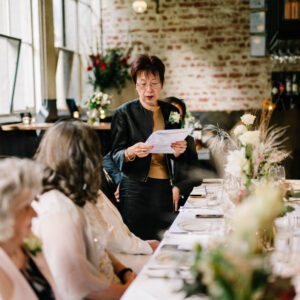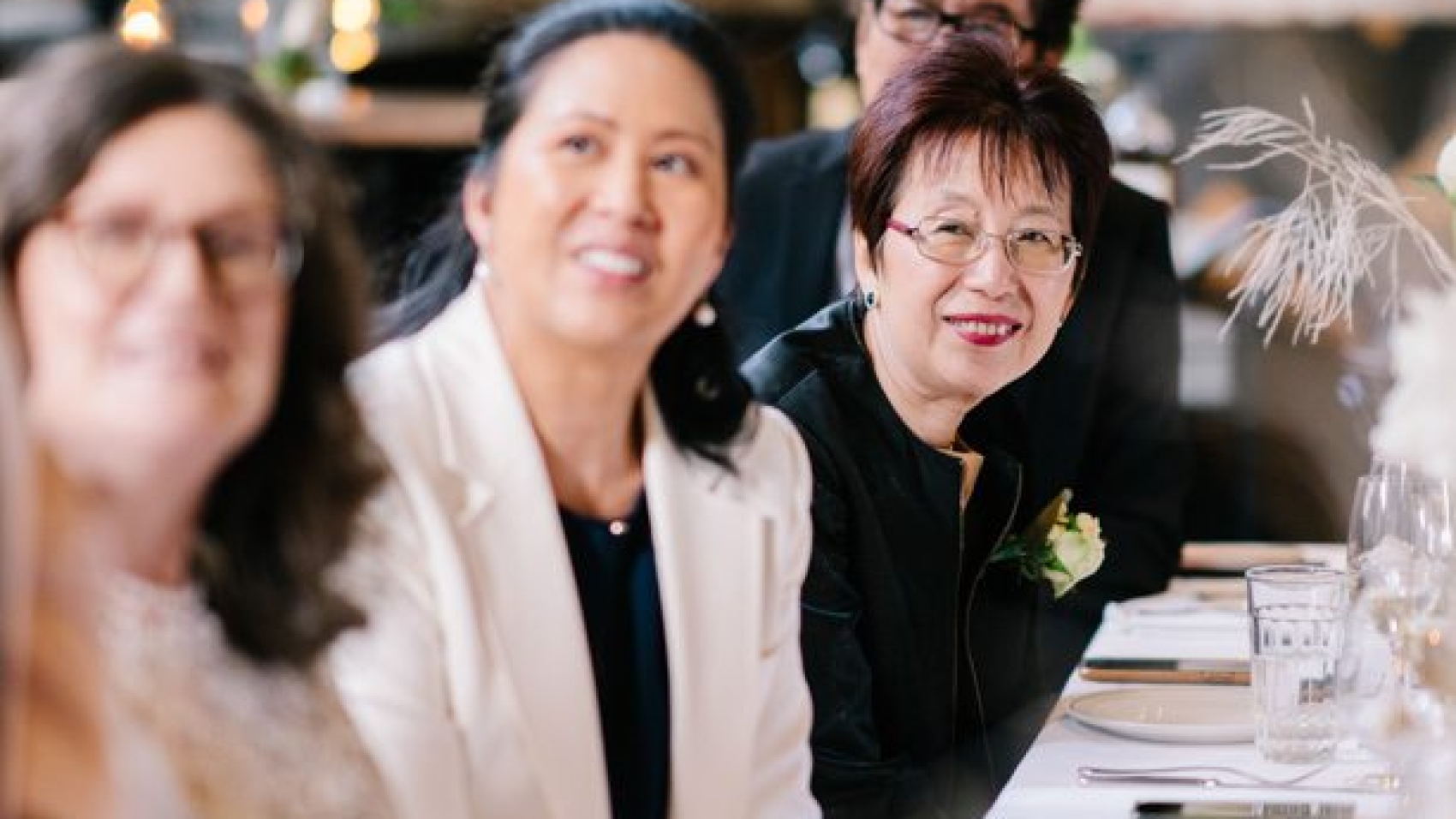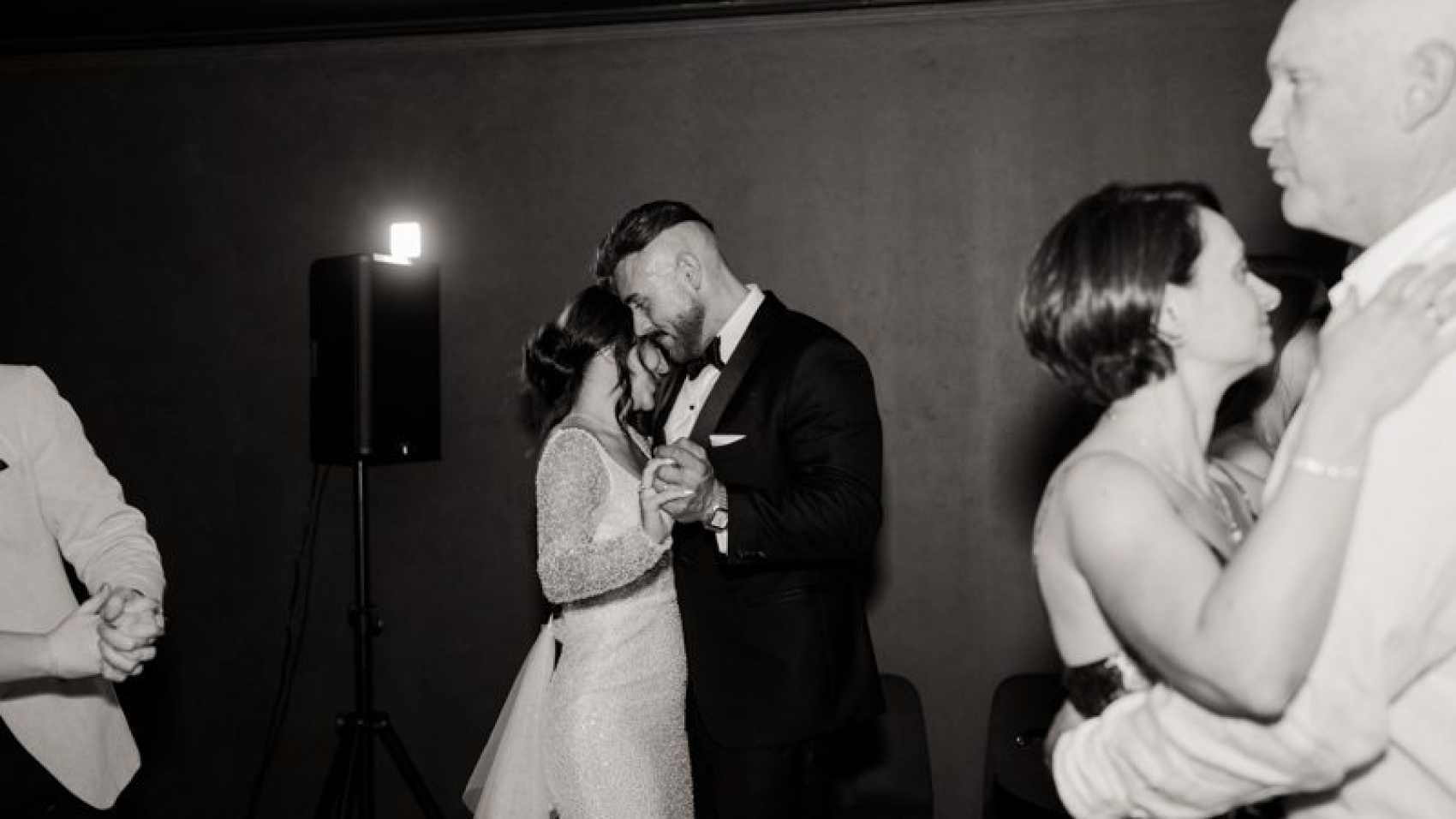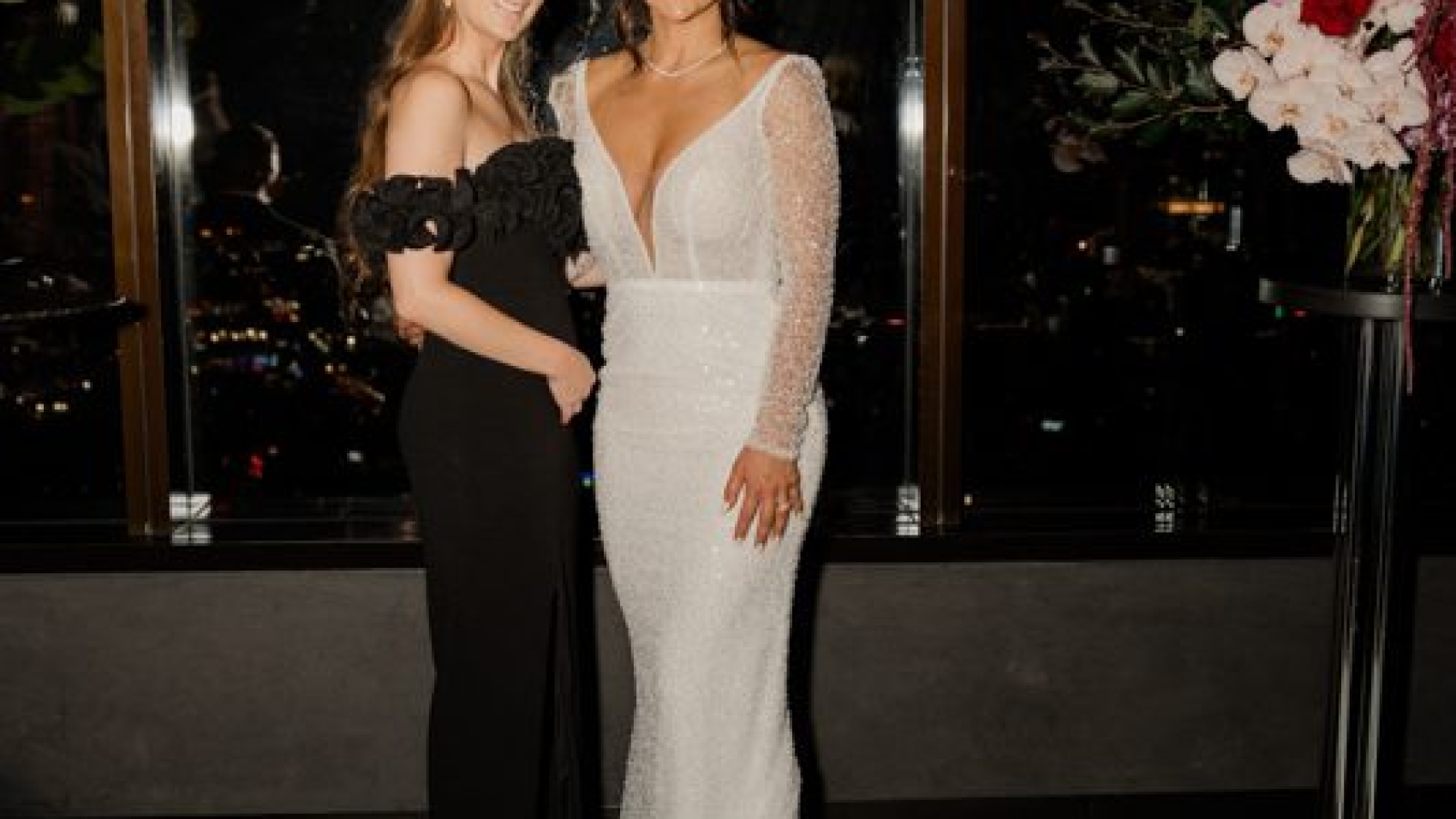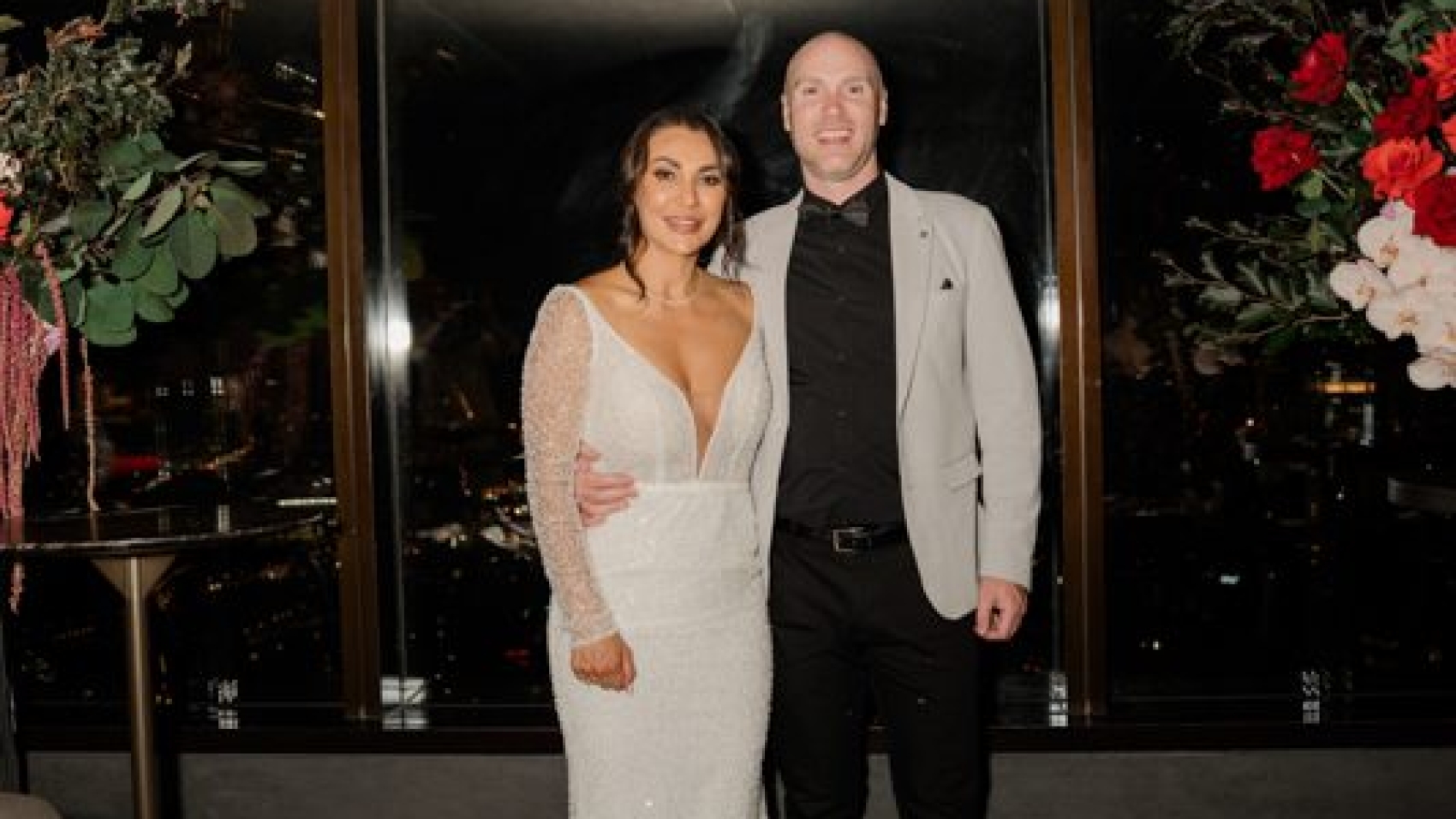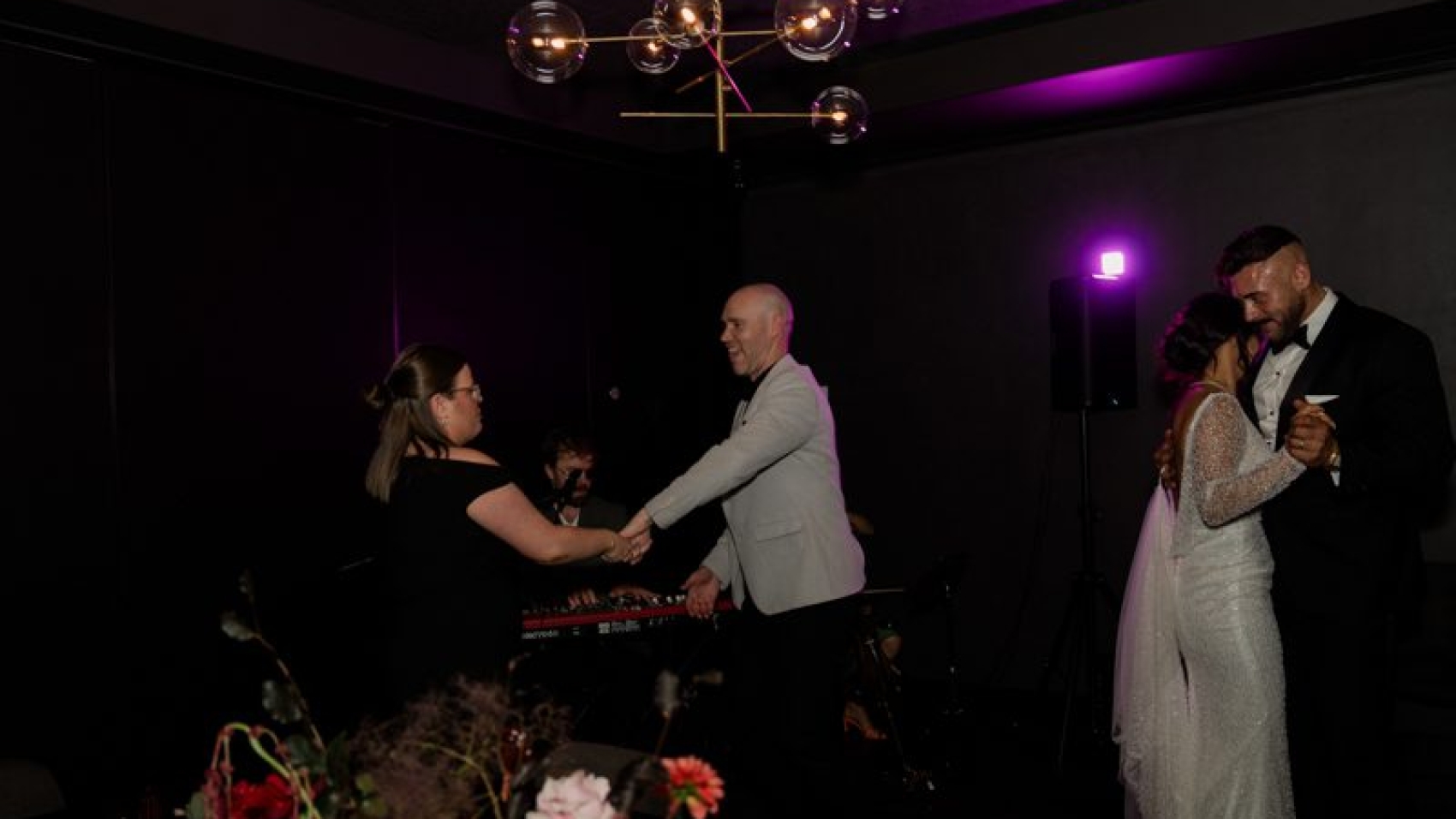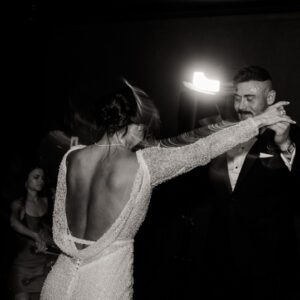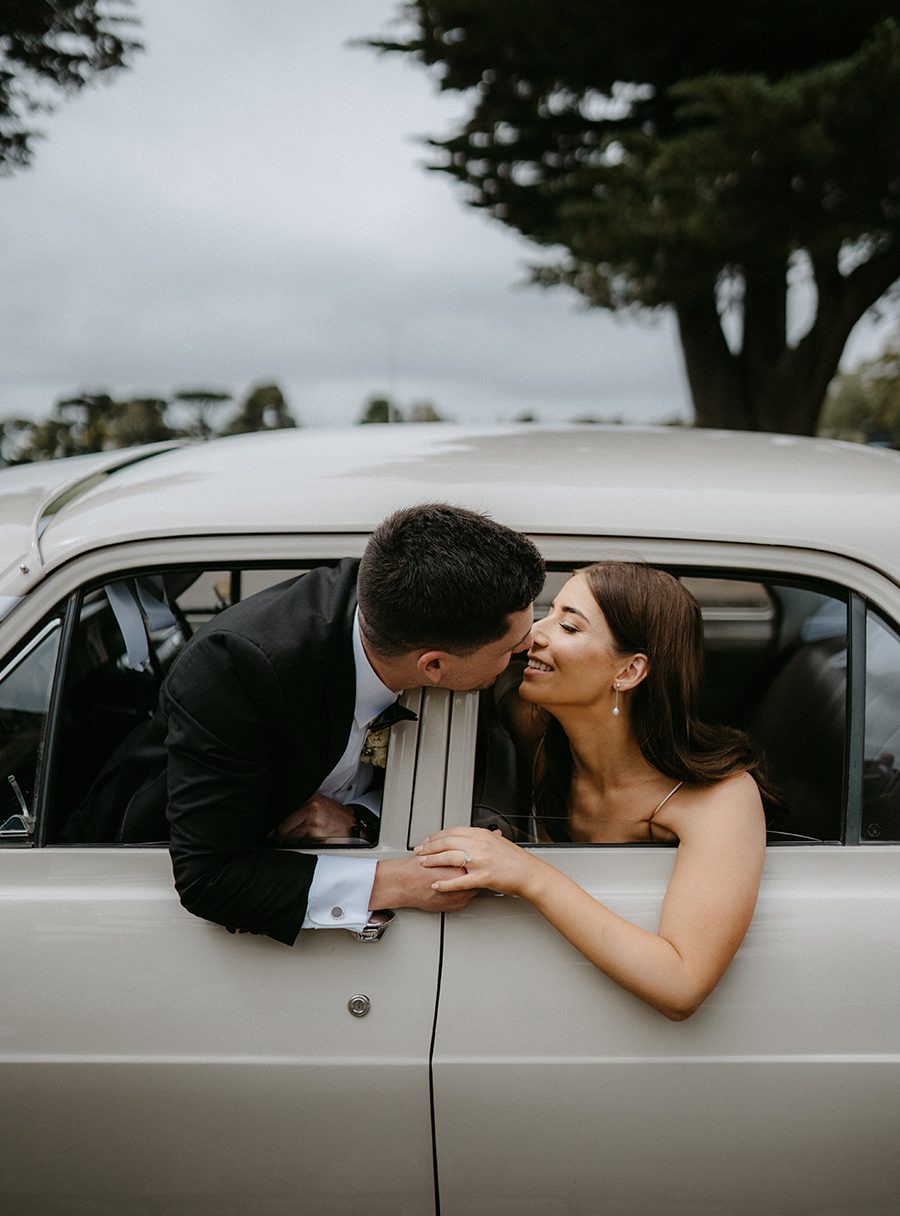
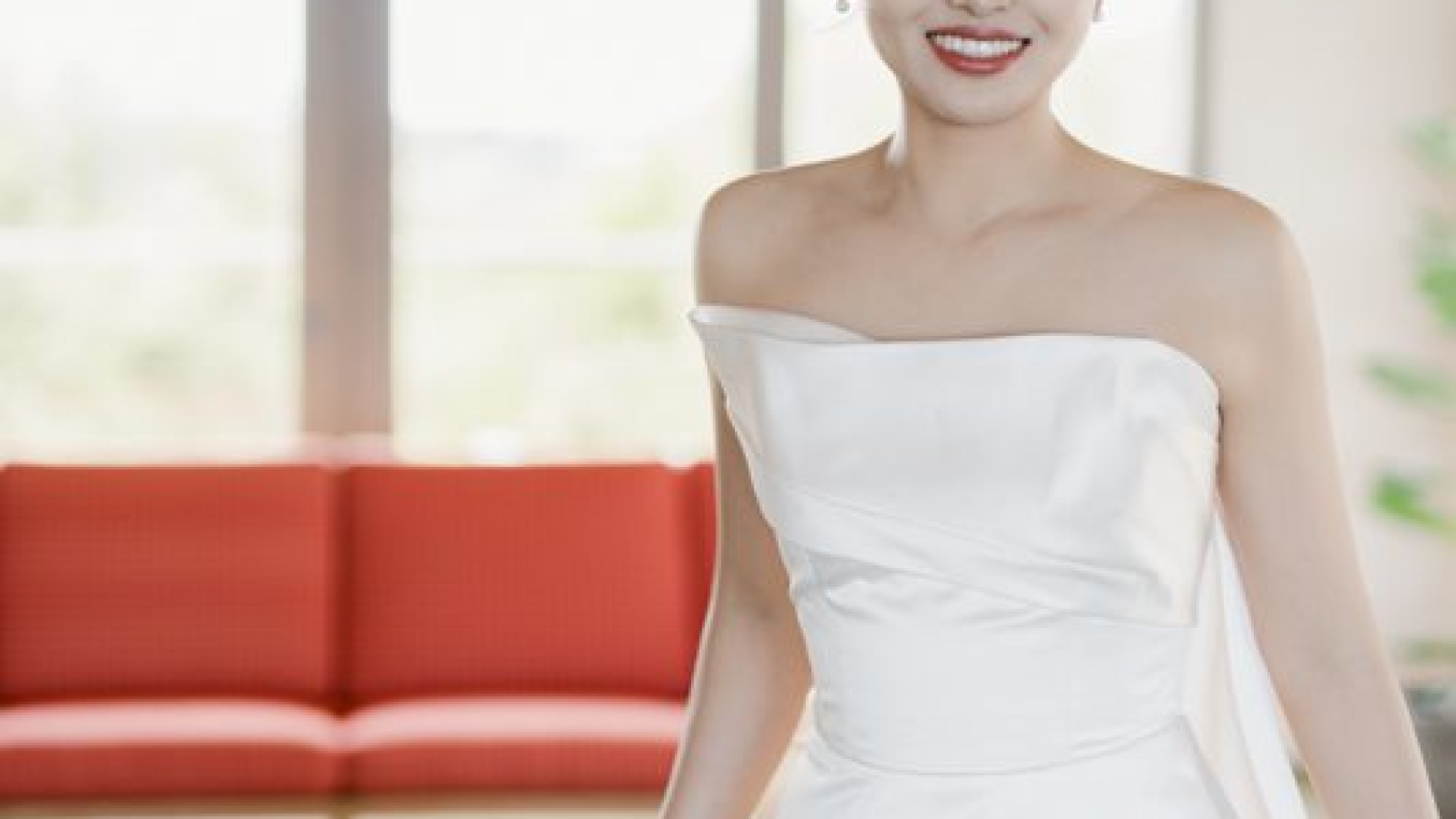
wedding photography melbourne

Melbourne Wedding Photography Multi-Professional Team Service

Why More Photographers Means Better Wedding Photos in Melbourne

There’s a common myth that one photographer with one camera is all you need for wedding day coverage. The truth? Weddings are chaotic, fast-moving, and full of moments that happen in two places at the same time. One person simply cannot be everywhere. That’s where a multi-photographer team comes in — and in Melbourne, where weddings often span multiple venues across the city, having more than one set of eyes behind a lens isn’t a luxury. It’s a necessity.

A well-coordinated team of photographers doesn’t just get more shots. They get better shots — from angles a single shooter would never think of, in moments that would otherwise disappear entirely.
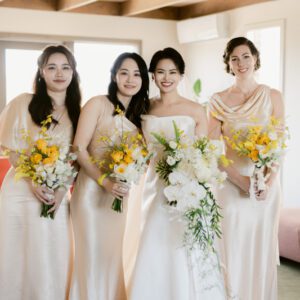
wedding photography melbourne

What a Multi-Photographer Team Actually Looks Like on Wedding Day

It’s not just two guys with cameras standing around. A real team operates like a well-oiled machine, and the difference shows in the final images.

Lead Photographer and Second Shooter Roles

The lead photographer is your main point of contact. They handle the couple — the ceremony, the portraits, the key moments. They set the creative tone for the entire day. But while they’re doing that, the second shooter is somewhere else entirely.

The second shooter covers everything the lead misses. Guests arriving. The bride’s mother crying during the vows. The groom laughing with his best man in the hallway. The table decorations. The cake. The ring details. These are the shots that fill an album and give it depth, and one person cannot physically capture all of them while also being in front of the couple.

In Melbourne specifically, this division of labor matters even more. A typical wedding might start at a church in Fitzroy, move to a reception in Southbank, and end with a night shoot near the Yarra River. One photographer driving between all three locations would spend half the day in a car. A team splits the coverage and keeps the momentum going.

The Role of a Third Shooter and Video Hybrid

Some teams go even further with a third photographer who focuses purely on candid guest reactions and atmospheric detail shots. This person rarely interacts with the couple. They float through the room, capturing the stuff nobody poses for — a grandmother clapping, kids dancing, someone wiping a tear with a napkin.

Many modern teams also blend photography with videography. A hybrid shooter captures both stills and moving footage, which means the coverage feels more complete without needing a separate video crew. For couples who want a cinematic wedding film alongside their photos, this setup saves time and keeps the visual style consistent across both mediums.

How a Team Changes the Actual Shooting Experience

Having multiple photographers around doesn’t just affect the images. It changes how the day feels.

Less Posing, More Living

One of the biggest advantages of a team is that the couple gets to actually enjoy their wedding. With a single photographer, every moment requires stopping, positioning, and directing. “Stand here. Look at me. Now turn. Now smile.” It gets exhausting fast.

With a team, the lead handles the posed shots while the second shooter documents everything in between. The couple doesn’t have to pause every five minutes because someone else is already capturing the natural moments. The result is an album that feels lived-in rather than staged.

This matters a lot in Melbourne, where many couples choose outdoor or urban venues that demand constant movement. Walking through the Royal Botanic Gardens, crossing the Yarra River footbridges, navigating laneway shots — a team keeps up with the energy while a solo photographer falls behind.

Multiple Angles of the Same Moment

Think about the first kiss. A single photographer gets one angle — usually from the front, slightly to the side. A team gets five or six angles from different distances and positions. One shoots wide to capture the crowd reaction. One gets tight on the hands. One catches the officiant smiling in the background.

When you flip through the album later, that single moment tells a complete story instead of a flat one. It’s the difference between a photo and a scene.

Coordination Is the Real Secret

More photographers doesn’t automatically mean better coverage. A disorganized team can actually make things worse — duplicate shots, missed moments, conflicting directions. The magic is in how they work together.

Communication and Shot Lists

Good teams have a shot list agreed on before the wedding day. Everyone knows who covers what. Lead handles the couple. Second shooter handles guests and details. Third shooter handles atmosphere and candid moments. No overlap, no gaps.

They also communicate in real time. A quick text message — “I’m heading to the bridal suite now” — keeps everyone aligned. In a city like Melbourne where traffic between venues can eat up thirty minutes, this kind of coordination is what separates a smooth day from a stressful one.

Matching Style Without Losing Individuality

One concern couples often have: will the photos look like they were taken by different people? The answer is yes — slightly. And that’s actually a good thing.

A great team shares a consistent editing style and color palette, but each photographer brings their own eye. One might be better at wide landscapes. Another excels at tight emotion shots. The variety adds richness to the album rather than making it feel disjointed. The key is a shared creative vision established well before the wedding day.

When a Multi-Photographer Team Makes the Most Sense

Not every wedding needs a full team. But if any of these apply to you, it’s worth seriously considering one.

Large Guest Counts and Multiple Venues

If you’re expecting over 150 guests or moving between more than two locations, a single photographer will struggle to cover everything meaningfully. Melbourne’s spread-out geography makes this even more critical. The distance between a ceremony in St Kilda and a reception in the CBD is not walkable, and trying to cover both solo means sacrificing quality at one or both.

Cultural Weddings with Parallel Events

Melbourne hosts a huge number of multicultural weddings — Indian, Chinese, Vietnamese, Greek, Italian — many of which include parallel ceremonies or events happening simultaneously. A team can split up and cover both sides without missing a thing. This kind of coverage is impossible for a solo shooter.

Couples Who Want a Documentary Feel

If you hate posing and want your photos to feel like a visual diary of the day, a team is the only way to achieve that. Documentary-style wedding photography requires constant movement, constant observation, and constant readiness. One person can’t do all of that while also directing the couple. Two or three can.


The bottom line is simple: weddings are big, messy, beautiful events. The more skilled eyes you have capturing them, the more of that beauty survives. Melbourne’s unpredictable weather, sprawling layout, and vibrant atmosphere demand coverage that goes beyond what one camera can deliver. A team doesn’t just double your photos. It multiplies the moments you’ll actually remember.
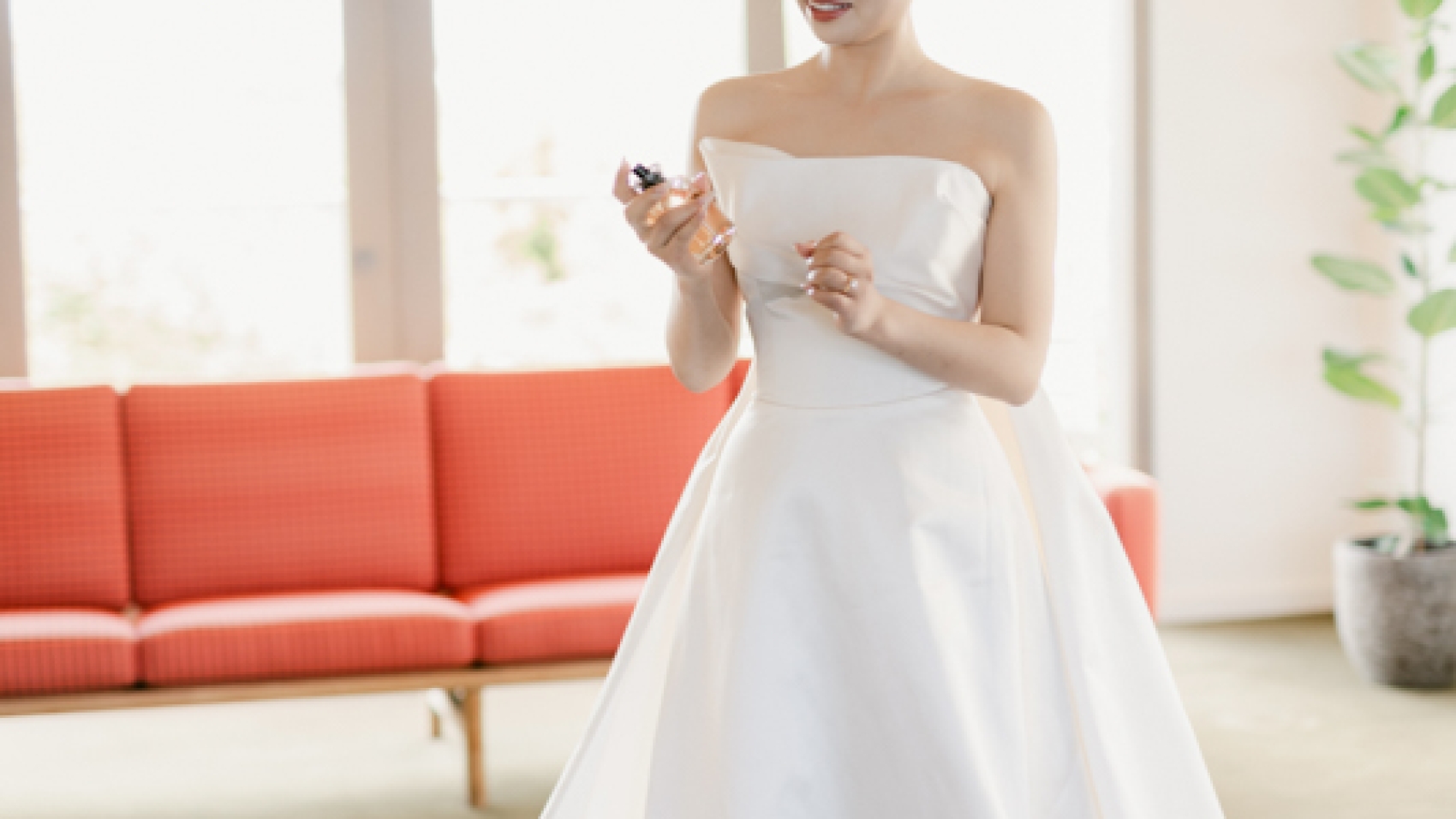

wedding photography melbourne

Details of the Melbourne wedding photography were precisely captured.

Capturing Every Detail: The Art of Precise Moment Photography in Melbourne Weddings

The difference between a good wedding photo and a great one often comes down to millimeters. A hand barely touching. A tear caught mid-fall. The way light hits a ring at exactly the right angle. These are the details that make a photo feel alive, and Melbourne — with its eclectic architecture, moody weather, and endless texture — is one of the best cities on earth to capture them.

wedding photography melbourne

But nailing these moments isn’t luck. It’s about knowing what to look for, when to shoot, and how to read the light. Here’s how the best wedding photographers in Melbourne turn small details into unforgettable images.

The Moments That Actually Matter

Most couples obsess over the big shots — the first kiss, the ceremony exit, the group photo. Those are important. But the images people cry over years later? They’re almost always the quiet ones.

The way a groom adjusts his bride’s veil without her noticing. A father squeezing his daughter’s hand while trying not to cry. The exact second a couple laughs so hard they forget the camera exists. These unscripted, fleeting moments are gold — and they last maybe two seconds.

The key is being ready before the moment happens. Experienced wedding photographers in Melbourne don’t wait for the magic. They anticipate it. They know that the emotional peak usually hits right after the ceremony, during the first few minutes of the couple’s private time together. That’s when the adrenaline fades and the real emotion surfaces.

Reading Light and Texture in Melbourne’s Unique Environment

Melbourne throws curveballs at photographers constantly. One minute it’s blazing sun, the next it’s overcast, then golden hour hits like a spotlight. That unpredictability is actually a massive advantage — if you know how to use it.

Using Natural Light to Reveal Texture

Melbourne’s light has a quality that’s hard to replicate anywhere else. The sun sits low on the horizon for longer stretches, creating long shadows and warm tones that wrap around every surface. This is when texture becomes everything.

The grain of a wooden door. The weave of a linen suit. The lace pattern on a bodice. Side lighting — where the light comes from the side rather than head-on — is the secret weapon here. It creates micro-shadows across every surface, making fabrics, skin, and architecture pop with dimension. Front lighting flattens everything. Side lighting brings it to life.

Overcast days in Melbourne are secretly the best days for detail work. The clouds act like a giant softbox, wrapping light evenly around every subject without harsh shadows. Pores, fabric threads, the fine stitching on a bouquet — everything renders with clinical sharpness. Most photographers dismiss cloudy days. The smart ones schedule their detail shots for them.

Finding Micro-Moments in Urban Melbourne Settings

Melbourne’s laneways, arcades, and hidden courtyards are packed with visual detail. But capturing it requires slowing down. Literally.

Instead of sweeping through a location in five minutes, spend twenty on one corner. The ironwork on a building facade. The way light filters through a glass canopy. A puddle reflecting neon signage. These are the kinds of shots that fill an album with visual interest and give it a sense of place that generic studio photos never will.

The Royal Arcade, Block Arcade, and even the smaller laneways like Degraves Street offer endless opportunities. The trick is shooting tight — fill the frame with one detail rather than trying to capture the whole scene. A close-up of intertwined hands against a bluestone wall tells a better story than a wide shot of the same location.

The Technical Side of Detail Capture

You can have the perfect moment in front of you, but if your settings are wrong, the detail disappears. Here’s what actually matters when you’re chasing precision.

Focus Stacking and Sharpness

For detail shots — rings, bouquets, dress embroidery, shoes — a single focus point isn’t always enough. Depth of field at wide apertures like f/1.4 or f/1.8 is razor thin. The ring might be sharp but the flowers right next to it are soft.

This is where focus stacking comes in. Take multiple shots at slightly different focus distances and blend them in post. The result? Everything from front to back is tack sharp. Alternatively, stop down to f/4 or f/5.6 for detail shots. You lose some of that creamy bokeh, but every element in the frame lands crisp.

For candid moments, autofocus with eye-tracking is non-negotiable. The human eye is the sharpest point in any portrait. If the eyes are sharp, the brain accepts the rest of the image as sharp — even if it technically isn’t. But for detail work, manual focus gives you full control.

Shutter Speed and the Freeze Factor

A tear rolling down a cheek happens fast. A dress twirling in the wind is even faster. To freeze these moments, you need shutter speeds of at least 1/500th of a second — ideally 1/1000th or faster.

This is where the light challenge hits. Fast shutter speeds need bright light, and at night or in dark laneways, that means pushing ISO up. Modern cameras handle ISO 3200 to 6400 remarkably well. Don’t be afraid to push it. A slightly noisy image with a perfectly frozen moment beats a clean image where the moment is blurred beyond recognition.

For motion you want to keep — like a veil flowing in the wind or a train moving during a long exposure — drop the shutter speed to 1/30th or slower and use a tripod. The contrast between sharp and blurred elements creates a sense of movement that static shots can never achieve.

Working with Couples to Create Natural Detail Shots

The best detail shots don’t feel posed. They feel stolen. And that requires trust between the photographer and the couple.

In Melbourne, many photographers use a documentary-style approach — they hang back, observe, and shoot only when something real happens. No “look at me and smile.” No “now kiss.” Just watching and waiting for the moment that reveals itself.

This approach works because couples eventually forget the camera is there. And that’s exactly when the real details emerge. The nervous laugh. The deep breath before walking down the aisle. The way someone tucks a strand of hair behind their ear without thinking.

Giving couples simple, natural prompts helps too. Instead of “hold hands and look at each other,” try “tell me about the first time you knew.” The conversation creates genuine emotion, and the emotion creates genuine detail. The camera just has to be fast enough to catch it.

Post-Processing: Where Detail Gets Polished

The shoot is only half the battle. How the images are processed determines whether those captured details actually shine.

Melbourne wedding photographers who specialize in detail work tend to favor a restrained editing style. They don’t crush the blacks or blow out the highlights. They preserve the tonal range because that’s where texture lives. Over-edited photos look clean but feel flat. The grain in a film-style edit, the subtle warmth in the shadows — these are what make a photo feel tactile.

For detail shots specifically, clarity and texture sliders are your best friends. A modest boost in local contrast makes fabric weave, skin texture, and architectural detail pop without looking artificial. The sweet spot is usually between +15 and +30. Past that, and everything starts to look over-processed.

Color grading also plays a role. Melbourne’s natural palette leans warm — think golden stone, green parks, blue sky. Pushing those tones slightly further in post gives the images a cohesive, place-specific feel that generic color profiles can’t touch.


The thing about detail photography is that it rewards patience. The couple that slows down, the photographer that waits one extra second, the editor that resists the urge to over-process — those are the people who end up with images that still matter twenty years from now. Melbourne gives you the backdrop. The rest is about paying attention to the small things.

wedding photography melbourne

Melbourne wedding photography – outdoor night scene combination shooting

Nighttime Wedding Photography in Melbourne: The Ultimate Guide to Stunning Outdoor Shoots

There’s something undeniably magnetic about saying “I do” under the glow of city lights. Melbourne, with its laneways, riverfronts, and skyline that transforms after dark, has become one of the most sought-after destinations for couples who want their wedding photos to feel cinematic rather than conventional.

If you’re planning a nighttime outdoor wedding shoot in Melbourne, you’re in the right place. This guide covers everything — from the best locations to practical tips that will make or break your shots.

Why Nighttime Wedding Photos Hit Different

Daylight gives you consistency. Nighttime gives you mood. The soft glow of street lamps, the shimmer of neon reflections on wet pavement, the way the Yarra River catches the city skyline — these are the kinds of backgrounds no studio can replicate.

The golden window for nighttime wedding photography is that brief window just after sunset, when the sky still holds a faint blush of color but the city lights have already come alive. This is when the color temperature sits right between day and night, giving you that dreamy, warm atmosphere without losing all ambient light. Shooting too early and your sky looks washed out. Too late and you’re fighting pure darkness.

One thing to keep in mind: white wedding dresses tend to look flat and washed out under artificial lighting. Darker gowns, jewel tones, or warm-colored dresses — think deep red, midnight blue, or even a rich purple — pop dramatically against a night backdrop. Add some sparkle with sequins or beading, and you’ll catch every point of light beautifully.

Top Melbourne Locations for Nighttime Wedding Shoots

Melbourne delivers when it comes to night photography. The city is compact enough to hit multiple spots in one evening, yet diverse enough that each location feels completely different.

Webb Bridge and the Yarra River Waterfront

Webb Bridge in Docklands is arguably the single most popular nighttime wedding spot in Melbourne. Its winding, sculptural design creates leading lines that draw the eye, and when lit up against the Yarra River, the results are jaw-dropping. The reflections on the water add a layer of depth that daytime shoots simply can’t match. This spot works especially well with a wide-angle lens to capture the full sweep of the bridge.

Eureka Skydeck 88

Standing at 88 floors up, Eureka Skydeck 88 is the tallest observation deck in the Southern Hemisphere — and the views after dark are absolutely unreal. The entire CBD spreads out beneath you like a sea of golden light. For couples who want that grand, sweeping cityscape behind them, this is the place. Arrive around dusk so you can catch the transition from sunset to full night. The deck is open until 10 PM on most nights, giving you plenty of time.

Hosier Lane and the CBD Laneways

Melbourne’s famous laneways come alive at night. Hosier Lane, with its ever-changing street art, offers a gritty, urban contrast to the polished elegance of a wedding gown. Croft Alley is another solid choice for couples who lean toward artistic, edgy vibes. These spots work best when you keep the composition tight — use the colorful walls as a frame rather than trying to capture everything.

Flinders Street Station and Federation Square

The iconic Flinders Street Station looks majestic under its warm lighting, and Federation Square right across the way adds modern architecture to the mix. This area is incredibly walkable, so you can move between spots without losing momentum. Southbank Foot Bridge nearby also rewards nighttime shooters with stunning river views from multiple angles.

Brighton Beach and the Bayside

Brighton Beach with its colorful bathing boxes is a surprisingly romantic nighttime location. The juxtaposition of playful, bright structures against the dark sky and ocean creates a look that’s both quirky and beautiful. Weekends tend to be busier, so if you want a quieter shoot, aim for a weekday evening.

Essential Tips for Nailing Your Nighttime Shoot

Getting gorgeous night wedding photos isn’t just about picking the right spot. The technical side matters just as much.

Lighting Is Everything

At night, your light sources are street lamps, neon signs, car headlights, and maybe the moon. The key rule: match your artificial light to the direction of the existing light. If the ambient light is coming from the left, don’t blast your flash from the right — it’ll look unnatural.

Use a tripod. There’s no way around it. Night photography means slower shutter speeds, and even the steadiest hands will introduce blur. A solid tripod keeps everything sharp and lets you use lower ISO settings, which means less noise in your final images.

For a romantic glow, consider asking your photographer to use a star filter or cross filter on the lens. It turns point light sources into starbursts — instant magic.

Keep Movements Slow and Deliberate

This is where a lot of couples get tripped up. At night, shutter speeds drop dramatically. If you twirl, spin, or make big gestures, you’ll get motion blur that ruins the shot. Instead, go for slow, intentional movements — a gentle turn of the head, a soft glance over the shoulder, walking hand in hand at a leisurely pace. The stillness actually adds to the romantic mood.

Watch Your Exposure

One of the biggest mistakes in night wedding photography is overexposing the sky. If the sky turns bright gray or white, you’ve lost the entire nighttime atmosphere. Dial exposure down by about one-third to one-half stop from what your meter suggests. The sky should be a deep, rich black — not daylight in disguise.

Shoot in RAW format. This gives you far more flexibility in post-processing, especially for white balance adjustments and pulling detail out of shadows. Night shots tend to push ISO high, which introduces noise — RAW files handle this much better than JPEG.

Safety First, Always

Night shoots mean reduced visibility. Pick locations that are well-lit, flat, and away from heavy traffic. Avoid shooting on active roads or in areas where you can’t see what’s around you. A beautiful photo isn’t worth a trip to the emergency room. Let your photographer scout the area beforehand so everyone knows where the hazards are.

Getting the Most Out of Your Evening Session

Timing your shoot right can be the difference between good photos and unforgettable ones. Start about 30 to 45 minutes before sunset. That gives you the blue hour — that magical period when the sky is deep blue and the city lights are just starting to glow. You’ll get a mix of natural and artificial light that’s incredibly flattering.

For makeup, go bolder than you would for daytime. Night lighting eats detail, so you need stronger contouring, more defined eyes, and a lip color that reads on camera. Matte foundation with dewy highlights works best under mixed lighting.

Hair and accessories also matter more at night. Add some sparkle — a crystal hairpiece, a beaded veil, or statement earrings will catch the light and add dimension to your photos.

Melbourne after dark is a different city. The streets quiet down, the lights come up, and everything feels a little more intimate. That’s exactly the energy you want in your wedding photos. Pick your spots, trust your photographer, and let the night do the rest.

Melbourne|wedding|photo|Cumulus|Inc|Evermore|-147

Melbourne wedding photography: Full-process communication for shooting style

Melbourne Wedding Photography: How to Talk About Your Shooting Style Without Getting It Wrong

Most couples book a Melbourne wedding photographer, show up on the day, and hope for the best. The result is a mixed bag — half the photos look like a magazine spread, the other half look like someone’s cousin took them on a phone. The problem was never the photographer. It was the communication. Or rather, the lack of it.

Shooting style is not something you can leave to chance. It has to be talked about, confirmed, and revisited at every stage of the process. The couples who get exactly what they want are the ones who say exactly what they want — early, often, and without being vague.

wedding photography melbourne


Why Style Communication Fails Before the Shoot Even Starts

Photographers use words like editorial, cinematic, classic, documentary, and fine art. Couples hear those words and nod. But what the photographer means by “editorial” and what the couple imagines are often two completely different things.

A photographer might think editorial means moody, desaturated, high-contrast black and white. The couple thinks editorial means Vogue magazine — bright, polished, runway-perfect. Neither is wrong. But without a clear conversation, both walk away disappointed.

This mismatch happens because most couples rely on Pinterest boards. And Pinterest is a trap. A board full of fifty images from ten different photographers does not communicate a style. It communicates a vibe. And vibes are not enough to direct a shoot.

The fix is simple but uncomfortable: you have to describe what you want in words, not just pictures. And you have to do it before you pay the deposit, not after.


The First Conversation: What to Actually Say

When you first contact a Melbourne photographer, do not just send a Pinterest link and ask if they can do that. Sit down — or get on a video call — and walk through these three things.

What Do You Want the Photos to Feel Like?

This is not about lighting or poses. It is about emotion. Do you want the photos to feel romantic and soft? Bold and dramatic? Fun and candid? Quiet and intimate?

Say it out loud. “I want the photos to feel like a quiet Sunday morning, not a party.” That sentence tells the photographer more than any Pinterest board. It sets the tone for everything — the color grading, the posing, the moments they choose to capture.

What Do You Hate?

This is just as important as what you love. Tell the photographer what you do not want. No overly posed shots where everyone is staring at the camera. No heavy filters that make everyone look orange. No cropped heads. No standing in a straight line.

Photographers appreciate this more than you think. It narrows their decision-making during the shoot and saves you from getting fifty images you will delete.

What Is Your Venue and What Time Are You Shooting?

Style does not exist in a vacuum. A shoot at the Royal Botanic Gardens at golden hour demands a different approach than a rooftop session in Southbank at midday. A church ceremony with dark interiors requires different lighting decisions than a beach ceremony in bright sun.

Share the venue address and the planned timeline early. The photographer needs this to plan their equipment, their angles, and their shot list. If you hold this back until the week before, they are guessing — and guesses are rarely right.


The Engagement Shoot: Your Style Test Run

Many Melbourne photographers offer an engagement or pre-wedding session. This is not just for practice. It is the single most valuable communication tool you have.

Think of it as a dress rehearsal for your wedding day. The photographer gets to see how you move, how you react to direction, what you do naturally and what feels forced. You get to see how they shoot, how they edit, and whether their style actually matches what you asked for.

Use This Session to Correct Course

If the engagement shoot comes back and the edits feel too dark, say so. If the posing feels stiff, tell them. If you love the candid moments but hate the formal ones, point it out clearly.

This is the time to adjust. The photographer will take your feedback and apply it to the wedding day shoot. Couples who skip the engagement session and only give feedback after the wedding are asking for trouble. By then, the photos are taken. There is no do-over.

Share the Edited Images With Your Photographer

Do not just look at the images. Tell the photographer which ones you love and why. “I love this one because it feels natural, not posed.” “This one feels too staged — can we avoid that look on the day?”

Specific feedback is gold. Vague feedback like “these are nice” helps no one.


The Week Before: Confirming Everything in Writing

One week before the wedding, send a message to your photographer. Not a long essay. Just a few bullet points.

Confirm the shot list. If you have must-have shots — family group, the dress detail, the first look — list them. If you have shots you definitely do not want — no drone shots, no trash the dress — say that too.

Confirm the timeline. When are you getting ready? When is the ceremony? When is the reception? When do you want portraits? The photographer builds their entire day around this. If the timeline changes last minute, their shooting style changes with it.

Confirm the weather plan. Melbourne weather is unpredictable. If it rains, do you want to move the outdoor session indoors or push through with umbrellas? This decision changes the entire look of the shoot. Make it together, not on the day.


On the Day: Let the Photographer Lead, But Speak Up

The wedding day is chaotic. You are nervous. Your aunt is crying. The florist is late. In the middle of all that, the photographer needs to do their job — and they can only do it if they know what you want.

Trust the Photographer’s Eye, But Give Direction

A good Melbourne wedding photographer knows how to light a scene, how to pose a couple, and how to capture a moment. Let them do that. But if something feels off, say something. “Can we try that again but a little more relaxed?” “I do not like that angle — can we move to the left?”

Photographers would rather get feedback in real time than discover after the edit that you hated every shot from the ceremony. One sentence of direction saves an hour of editing and a hundred deleted files.

Do Not Pose Everyone Yourself

This is the number one style killer on wedding day. The couple tries to direct every single guest, every family member, every bridesmaid into position. The result looks forced. The photographer knows how to group people naturally. Let them handle it. Your job is to be in the photos, not to direct them.


After the Shoot: Giving Feedback That Actually Helps

The photos are back. You open the gallery. Some are perfect. Some are not. Now what?

Be Specific, Not Emotional

Do not say: I do not like these. That tells the photographer nothing.

Say: I love the candid shots from the ceremony but the posed portraits feel too stiff. Can we re-edit those with a softer pose? Or: the color grading on the reception shots is too warm — can you cool it down to match the getting-ready shots?

Specific feedback lets the retoucher make targeted changes. Vague complaints lead to round two edits that still miss the mark.

Ask for a Style Consistency Check

If you received a preview set and a full gallery, compare them. Do the colors match? Is the editing style consistent across both sets? Sometimes photographers edit the preview quickly and the full set with more care, and the two look like different shoots. Point this out. Ask for consistency.


The Biggest Mistake Couples Make With Style Communication

They assume the photographer should just know. They booked someone whose portfolio they loved, so they figure the photographer will automatically deliver that same look on their day.

It does not work that way. Every couple is different. Every venue is different. Every light condition is different. The photographer’s portfolio shows what they are capable of. Your communication tells them what to actually do.

The couples who get stunning, consistent, on-brand wedding photos are not luckier than everyone else. They just talked more. They said what they wanted. They showed what they hated. They confirmed everything in writing. And they trusted the process.

Style is not a secret. It is a conversation. Have it early. Have it often. Have it honestly. That is the only way to walk away with photos that actually look like your wedding.

Melbourne|wedding|photo|Cumulus|Inc|Evermore|-161

Emergency production of wedding photography prints in Melbourne

Rush Wedding Photo Delivery in Melbourne: What You Need to Know Before You Book

Your wedding is over. The dress is packed away. The venue deposit is gone. Now you are staring at your phone waiting for the photographer to deliver your images. Three weeks. Four weeks. Six weeks. That is the standard turnaround in Melbourne. But what if you cannot wait?

wedding photography melbourne

Maybe the wedding is next month and you need prints for the reception. Maybe you are flying overseas and want the album in hand before you leave. Maybe the parents are calling every day asking when the photos will be ready. Whatever the reason, rush delivery exists in Melbourne wedding photography — but it works differently than most couples expect.


How Rush Delivery Actually Works in Melbourne

Most Melbourne wedding photographers shoot hundreds of weddings a year. Their workflow is built around batch processing. They shoot on Saturday, edit the following week, deliver in three to four weeks. That is the rhythm. Rush delivery breaks that rhythm, and it costs something — not always money, but always priority.

When you ask for expedited delivery, your shoot gets moved to the front of the editing queue. The photographer or their editing team pulls your files before other couples. This means your retoucher is working on your images while someone else’s shoot sits untouched.

The actual speed depends on how many images you have. A full-day wedding with two photographers can produce two thousand to four thousand raw files. Editing that many images takes time no matter how fast the retoucher is. Rush delivery on a full album might get you your final gallery in seven to ten days instead of twenty-one. It will not get you five hundred edited images in twenty-four hours. That is not realistic, and anyone who promises it is lying.


What Rush Delivery Typically Covers

The Edited Gallery

This is what most couples mean when they say they want photos fast. The full retouched gallery — every image from getting ready through the reception — delivered as a downloadable link or online album.

Standard turnaround: three to four weeks. Rush turnaround: five to ten days. Some photographers can push it to three to five days if they have capacity. But that requires asking early, not the day after the wedding.

A Short Preview Set

If you do not need the full album but want something to share on social media or send to family, ask for a preview set. This is usually twenty to forty images — the best shots from the day, retouched and ready to post.

Preview sets are the fastest option. Many Melbourne photographers can deliver these in forty-eight to seventy-two hours. Some do it in twenty-four hours. This is the most common rush request and the easiest one to fulfill.

Prints and Albums

This is where things get complicated. Prints take time. Physical albums take even more time. A rush album in Melbourne typically still needs ten to fourteen days minimum because the printing and binding process cannot be compressed much.

If you need prints for a specific date — say, a farewell dinner or a family gathering — tell your photographer the date at least three weeks before the event. They can prioritize your order, but the printer still needs time to cut, color-correct, and bind.


When Rush Delivery Makes Sense

Not every couple needs to rush. But some situations make it a genuine necessity rather than a luxury.

You Are Leaving Melbourne

If you are moving overseas after the wedding, you probably want your photos before you go. Shipping an album internationally takes weeks. Getting the digital files fast means you can upload them to a cloud service and access them from anywhere.

You Need Prints for a Secondary Event

Some couples have a wedding in Melbourne and a reception in another city or country. They need prints for the second event. Rush delivery of a curated set of fifty to one hundred images can make this work.

The Parents Are Waiting

This sounds trivial but it is real. In many cultures, the family expects to see photos within days of the wedding. A quick preview set delivered in forty-eight hours keeps everyone happy and stops the daily phone calls.


What Most Photographers Will Not Tell You

Rush delivery is not free. Even when no extra fee is charged, there is a trade-off.

Editing Quality Takes a Hit

When a retoucher is under pressure to deliver fast, the level of detail drops. Skin smoothing gets more aggressive. Color grading becomes less nuanced. Background distractions that would normally be cloned out get left in. You still get beautiful photos — but they are not the same quality as the standard delivery.

This is not a secret. It is just not something photographers advertise. If quality matters more than speed, stick to the normal timeline. If speed matters more, accept that the edits will be good but not perfect.

Your Photographer Might Outsource the Rush Work

Some studios handle rush editing in-house. Others send the files to an external retouching team. External teams can work fast, but they do not know your style. They have never seen your venue, your lighting, or your color preferences. The result can look technically correct but feel disconnected from the rest of your gallery.

Ask who is doing the editing. If it is not the photographer’s usual retoucher, request a few test edits before they process the full set.


How to Ask for Rush Delivery Without Looking Difficult

Couples worry that asking for rush delivery will annoy their photographer. It will not — as long as you ask the right way and at the right time.

Ask Before the Wedding, Not After

The worst time to request rush delivery is the day after your wedding. The photographer has already queued your files behind twenty other couples. By then, it is too late to jump the line.

Mention it during the booking conversation. Say something like: we need the gallery in ten days because we are traveling. Most photographers will note it and plan accordingly. Some will adjust their workflow to accommodate you. A few will charge a rush fee — typically a flat amount on top of the package.

Be Specific About What You Need

Do not say: I need everything fast. That is vague and unhelpful.

Say: I need a preview set of thirty images in three days and the full gallery in ten days. That gives the photographer a clear target. They know exactly what to prioritize and what can wait.

Do Not Ask for Everything to Be Rushed

If you want the full gallery rushed, the prints rushed, and the album rushed, you are asking for three different production lines to move at once. That is a lot. Pick one or two priorities. Let the rest follow the normal timeline.


Melbourne-Specific Factors That Affect Rush Speed

Melbourne weather is the silent killer of fast delivery. A wedding shoot scheduled for Saturday can get washed out by rain. If the outdoor session gets moved to Sunday or rescheduled entirely, the photographer’s editing queue shifts. Your rush request suddenly sits behind a rescheduled shoot that was booked months ago.

This is why flexible couples get their rush delivery more reliably. If you tell your photographer that you can accept the indoor shots on a rainy day without complaining, they can keep the workflow on track. A stressed photographer who is also managing a disappointed couple does not edit faster. They edit slower.

Peak season makes rush delivery harder too. October through December is wedding season in Melbourne. Photographers are booked solid. Asking for rush delivery in November is like asking a restaurant to serve you first during a Friday night dinner rush. It can happen, but do not be surprised if they say no or charge extra.


The Fastest Realistic Timeline in Melbourne

Here is what you can actually expect if you plan ahead:

Preview set of twenty to forty images: twenty-four to seventy-two hours after the shoot.

Full edited gallery: five to ten days with rush priority.

Prints: seven to ten days if the lab is local and the order is prioritized.

Physical album: ten to fourteen days minimum, even with rush.

Anything faster than these numbers requires either a smaller image count or a photographer who has capacity at the time. Both are possible but not guaranteed.


One Mistake That Ruins Rush Delivery

Do not change your mind after the shoot. The fastest way to kill a rush order is to email the photographer three days later saying you also want the drone footage edited, the video highlights done, and the raw files included. Every addition is another task. Every task adds time.

Decide what you need before the wedding. Write it down. Send it to your photographer. Then let them work. The less you ask for, the faster you get it.

Melbourne|wedding|photo|Cumulus|Inc|Evermore|-171

Free rental of shooting props for Melbourne wedding photography.

Melbourne Wedding Photography: Props That Come Free With Your Shoot

Planning a wedding in Melbourne means juggling venues, weather, and timing. One thing you do not need to stress about is props. Most photographers in Melbourne include a wide range of shooting props at no extra cost. Bouquets, vintage suitcases, floral arches, lanterns — all of it shows up on the day and gets packed away when you leave.

This guide breaks down what you typically get for free, how to use them effectively, and what to ask for before you sign anything.

wedding photography melbourne


What Free Props Actually Look Like in Melbourne

Melbourne photographers compete hard for bookings. One of the easiest ways to stand out is offering a solid prop collection included in the package. What you get depends on the studio and the photographer’s style, but the basics are pretty consistent across the board.

Floral Arrangements and Bouquets

Dried flower bouquets, fresh peony clusters, and eucalyptus garlands are standard inclusions. Most photographers carry at least five to eight different bouquet styles — ranging from rustic wildflower to clean white rose. These get used for bridal portraits, detail shots, and couple poses.

Fresh flowers are more common in spring and summer shoots. Dried arrangements dominate the rest of the year because they hold up better in Melbourne’s unpredictable wind.

Vintage and Retro Items

Old suitcases, antique clocks, vintage typewriters, and lace doilies show up in almost every Melbourne photographer’s prop kit. These are especially popular for couples who want a nostalgic or editorial feel. A worn leather suitcase works great for a travel-themed shoot. A vintage bicycle adds movement and personality to outdoor sessions.

The quality varies. Some photographers invest in genuinely antique pieces. Others use well-sourced reproductions. Either way, these props are included free — you just need to ask what is available before the shoot.

Signage and Letters

Mr and Mrs signs, LOVE letters in wood or neon, custom name boards — these are everywhere in Melbourne wedding photography. They are lightweight, easy to transport, and make for excellent detail shots. Most studios have a dozen or more sign options in different fonts and materials.


How to Get the Most Out of Free Props

Having props available is one thing. Using them well is another. A few simple moves make a huge difference in how your photos turn out.

Match Props to Your Venue

Melbourne has everything from laneway brick walls to botanical gardens to seaside cliffs. Your props should complement the location, not fight it.

A rustic wooden sign looks amazing against a Federation-era building in Fitzroy. The same sign on a clean modern rooftop in Southbank looks out of place. A floral arch works beautifully in the Royal Botanic Gardens but feels forced on a busy city street.

Tell your photographer your venue early. Let them pull the right props from the kit. Most photographers will do this automatically if you share the location ahead of time.

Do Not Overload the Shot

The biggest mistake couples make is cramming too many props into one frame. One bouquet, one sign, one vintage item — that is enough. Two or three and the photo starts to look cluttered. The eye does not know where to land.

Your photographer should guide you here. But if they do not, keep it simple. One strong prop beats five weak ones every time.

Use Props for Detail Shots, Not Just Poses

Props are not just for holding while you smile at the camera. They are incredible for detail and flat-lay shots. Ring on a lace doily. Shoes next to a vintage suitcase. Bouquet resting on an old book. These images fill your album and look stunning in a framed print.

Ask your photographer to shoot at least twenty to thirty minutes of detail shots with props. Most will do this naturally if you remind them.


What You Should Ask Before the Shoot

Do not assume everything is included. Some photographers list props as free but charge extra for specific items. A few quick questions save you from surprises on the day.

Confirm What Is Included in the Package

Send a message before booking. Ask directly: what props are included at no extra cost? Get it in writing. Some photographers include everything. Others have a base collection and charge for premium items like custom neon signs or large floral installations.

Ask About Fresh vs. Dried Flowers

If you want fresh flowers, confirm this early. Fresh blooms cost more and wilt fast in Melbourne heat. Most photographers default to dried arrangements unless you specifically request fresh. If you do want fresh, book a spring or autumn shoot when the weather is milder.

Check if You Can Bring Your Own

Most Melbourne photographers are fine with you bringing personal props — a family heirloom, a pet, a special blanket. Some charge a small handling fee. Others include it for free. Ask before you show up with a trunk full of stuff.


Outdoor Shoots in Melbourne: Props That Work Best

Melbourne’s outdoor locations are the reason couples choose to shoot here. But wind, light, and background clutter can ruin a photo if the props are not right.

Wind-Resistant Options

Melbourne wind is no joke. A light paper sign will fly away in seconds. A wooden board or metal letter stays put. For outdoor sessions, ask your photographer for heavier props. Weighted signs, metal lanterns, and stone-based arrangements handle wind much better than paper or fabric.

If you are shooting at the beach — St Kilda, Brighton, or Port Melbourne — skip anything lightweight entirely. The wind off the water will destroy delicate props in minutes.

Props That Play Well With Natural Light

Golden hour in Melbourne is short but magical. Transparent props like glass vases, crystal lanterns, and sheer fabric catch the light beautifully. Opaque props like dark wood signs and metal letters create strong contrast and read well even in harsh midday sun.

Avoid white props in direct sunlight. They blow out and become invisible in the photo. Your photographer should know this, but it does not hurt to mention your preferred shooting time so they can pull the right items.


Indoor Studio Shoots: Props That Shine

Studio sessions in Melbourne usually happen in converted warehouses, loft spaces, or dedicated photography studios. The controlled environment means you can use more delicate and elaborate props.

Fabric and Texture Props

Indoors is where the lace, tulle, velvet, and silk props come alive. Draped fabric backgrounds, textured rugs, and embroidered cushions add depth to studio portraits. These items are rarely used outdoors because wind and dirt destroy them fast. But inside a studio, they look incredible.

Most Melbourne studios keep a rotation of fabric backdrops and textured surfaces. Ask to see their collection before booking. You might find exactly the look you want already in their kit.

Furniture and Seating Props

Vintage chairs, wooden crates, ladders, and chaise lounges are common studio props. They give the couple somewhere to sit, lean, or interact. A rustic wooden ladder with flowers draped over it is one of the most photographed setups in Melbourne studios.

These are almost always free to use. They are heavy and hard to transport, so photographers prefer you use theirs rather than bring your own.


Props That Are Not Always Free

A few items show up less often in the free kit. If you want these, expect to pay extra or source them yourself.

Custom name signs in neon or wood lettering sometimes carry a surcharge. Large floral arches and installations are almost always a paid add-on. Smoke machines and fog effects are rental items, not props. Confetti cannons and sparklers fall into a gray area — some photographers include them, some do not.

The rule is simple: if it is big, fragile, or custom-made, it probably costs extra. Ask upfront so there are no awkward conversations on the day.


Making Your Free Props Look Expensive

You do not need to spend money to make the free props look high-end. A few tricks elevate every shot.

Hold the bouquet at waist height, not chest height. It frames your face better and looks more natural. Lean on a vintage suitcase instead of standing next to it. Interaction sells the photo.

For signage, angle it slightly toward the camera. A flat-facing sign reads well but looks stiff. A slight tilt adds dimension and makes the text pop.

And always let your photographer direct the prop placement. They have shot hundreds of sessions with these exact items. They know what works. Trust their eye.


One Thing Most Couples Forget

The best prop in any Melbourne wedding shoot is you. The rings, the dress, the way you look at each other — that is what the photos are really about. Props are there to support the moment, not replace it.

Pick three or four favorites from the free collection. Use them for a few key shots. Then put them down and just be together. Those unposed, unpropped moments are the ones you will hang on your wall ten years from now.

Evermore_weddings_Vue_De_Monde-453

Exclusive planning of wedding photography shooting routes in Melbourne

Melbourne Wedding Photography: How to Plan a Shooting Route That Actually Works

Every Melbourne wedding photographer knows this — the best shots don’t happen by accident. They happen because someone spent real time thinking about where to go, when to go, and why that specific spot at that specific hour matters.

A great shooting route isn’t just a list of locations. It’s a story. It has a beginning, a middle, and an end. And when it’s planned right, every frame your photographer captures feels intentional without ever looking forced.

wedding photography melbourne

Why a Custom Shooting Route Beats a Generic One

Most couples pick three or four locations and hope for the best. That works sometimes. But more often than not, you end up rushing between spots, fighting traffic, and arriving at your golden hour location ten minutes too late.

A custom route is built around your day. Not someone else’s template. It takes into account where you’re getting ready, where the ceremony is, how far apart things are, and — most importantly — how the light moves across Melbourne throughout your specific date.

Because here’s the thing: Melbourne’s light doesn’t care about your schedule. It does what it wants. And a smart route works with that, not against it.

How to Build a Route That Flows Naturally

Planning a shooting route isn’t about cramming in as many spots as possible. It’s about picking the right spots in the right order so that everything feels effortless.

Start Where the Light Is Best in the Morning

Most Melbourne wedding photo sessions begin in the morning, and that’s not random. The light between 7am and 10am is soft, warm, and incredibly flattering — especially in spots with open shade like tree-lined streets in Carlton or the quiet corners of Fitzroy Gardens.

If your getting-ready location has decent natural light, start there. Your photographer can capture candid moments while you’re putting on your dress, doing your hair, sharing a quiet moment with your partner. These shots are golden — literally — and they set the tone for the entire day.

Group Locations by Area, Not by Preference

One of the biggest mistakes couples make is picking locations that are beautiful but scattered across the city. You don’t want to spend your entire wedding day in a car.

Instead, cluster your spots. If your ceremony is in the Yarra Valley, do your couple portraits nearby — maybe a vineyard, a quiet road, a lookout with a view. If your reception is in the CBD, find pockets of character within walking distance — a laneway, a rooftop, a riverfront path.

This keeps your photographer moving smoothly, keeps you relaxed, and keeps the energy of the day intact. Rushed couples don’t take good photos. Calm couples do.

Save the Best Light for the Final Stop

Every good route saves something special for the end. Golden hour in Melbourne hits differently depending on the season, but it’s always the most magical light of the day.

Whether it’s the cliffs at St Kilda, the boardwalk at Brighton Beach, or a quiet street in Richmond where the sun dips low and turns everything amber — that last stop should be the one you’ve been building toward all day. Your photographer will know exactly when to start heading there, so you arrive right as the light is at its peak.

What Makes Melbourne’s Geography So Good for Wedding Routes

Melbourne is one of the few cities where you can go from urban grit to coastal calm to rolling green hills in under an hour. That variety is a photographer’s dream — and it’s wasted if you don’t plan for it.

Urban Spots That Don’t Feel Like a Photoshoot

The laneways of Melbourne are world-famous for a reason. Hosier Lane, Degraves Street, the graffiti-covered walls of Brunswick — these places have texture, color, and energy that make photos pop without any styling at all.

But the trick is timing. These spots are crowded during the day. Early morning or late afternoon, when the tourists thin out and the light goes sideways, is when they really shine. A good route accounts for that.

Coastal and Waterfront Locations for Wide-Open Shots

If you want photos that feel expansive and cinematic, Melbourne’s coastlines deliver. Williamstown, Port Melbourne, the pier at St Kilda — these spots give your photographer room to work with wide angles, dramatic skies, and that beautiful horizon line that makes every couple look epic.

The wind can be a challenge, but it also makes your dress move, your hair flow, and your photos feel alive. That’s not something you can fake in a studio.

Hinterland and Vineyard Options for Couples Who Want Something Different

Not every couple wants city shots. Some want trees, hills, and silence. The Dandenong Ranges, the Yarra Valley, and the Mornington Peninsula all offer locations that feel miles away from the city — even when you’re only forty minutes out.

These spots work best mid-morning or late afternoon, when the light filters through the leaves and creates those dappled patterns that look incredible on camera. Pair them with a relaxed timeline and you get photos that feel like a film, not a session.

The Route Is Only Half the Equation

Having the perfect locations means nothing if the timing is off. And timing isn’t just about when the sun sets — it’s about when you feel most comfortable, when the crowds are thinnest, and when your photographer can actually work without rushing.

That’s why the best couples sit down with their photographer weeks before the wedding and map the day together. Not down to the minute, but with a clear sense of flow. Where you start. Where you end. What’s in between.

When everyone knows the plan, the day runs itself. And that’s when the photos stop looking like pictures and start looking like memories.

Evermore_weddings_Vue_De_Monde-391

Melbourne wedding photography team provides full-time makeup services for the shoot.

Melbourne Wedding Photography With On-Location Makeup: Why It Matters More Than You Think

Most couples spend months picking their venue, their flowers, their playlist. But when it comes to makeup on the wedding day, a lot of people still treat it like a separate appointment — drive to a studio, get done, drive to the ceremony, hope it lasts.

That approach is changing. More couples in Melbourne are opting for a makeup artist who stays with them the entire day, moving from location to location, touch-up to touch-up. And when you pair that with a photographer who shoots candid, documentary-style images, the result is a set of photos where you actually look like you — at 9am, at 3pm, at midnight.

wedding photography melbourne

Why Having a Makeup Artist on Set Changes Everything

Here’s something nobody tells you: makeup done at 7am does not look the same at 4pm. Not even close.

Melbourne weather alone can wreck a flawless look in under an hour. The humidity, the wind, the sudden rain that rolls through Fitzroy without warning — all of it takes a toll. Add in crying during vows, laughing until your eyes water, dancing until you’re sweating, and your face goes through more in eight hours than it does in eight months.

When your makeup artist is there the whole time, they’re not just fixing problems. They’re keeping your look consistent across every single frame your photographer captures. That continuity matters more than people realize, especially when you’re scrolling through hundreds of photos months later and every single one of them looks like you.

What On-Location Bridal Makeup Actually Looks Like on Your Wedding Day

It’s not what you think. It’s not someone standing over you with a powder brush every five minutes. Good on-location makeup is subtle, strategic, and mostly invisible.

Touch-Ups Between Shots Keep Everything Fresh

A skilled makeup artist reads the light, reads your skin, and knows exactly when to step in. Maybe it’s a quick blot of the T-zone before the first look. Maybe it’s reapplying lipstick after the ceremony. Maybe it’s fixing a smudged eyeliner after you’ve been laughing for twenty minutes straight.

These touch-ups take seconds. But they make the difference between a photo that looks candid and alive and one that looks like it was taken three hours too late.

Matching Makeup to Changing Light and Locations

Melbourne weddings move. You start indoors, move outdoors, maybe hit a rooftop for golden hour, then end up in a dimly lit reception hall. Each of those environments throws completely different light on your face.

An on-location makeup artist adjusts for that. Slightly more definition for outdoor shots. Softer blending for indoor portraits. They’re thinking about how your face reads on camera the entire time — not just how it looks in a mirror under studio lighting.

This is the kind of detail that separates good wedding photos from great ones. The makeup doesn’t fight the light. It works with it.

How to Make the Most of Your Makeup Team on the Day

The biggest mistake couples make is treating their makeup artist like a vendor they barely interact with. They show up, sit down, and go silent for forty-five minutes. Then they’re gone.

That’s a wasted opportunity.

Talk to your makeup artist before the day. Share reference photos, but also be honest about what you actually wear daily. If you never wear foundation, don’t start on your wedding day. If you always do your own brows, tell them. The goal is to look like the best version of yourself — not a stranger.

On the day itself, keep your makeup artist in the loop. If you’re switching venues, let them know. If the schedule shifts, let them know. The more they know, the better they can keep your look locked in across every location and every lighting condition your photographer is working with.

The Quiet Advantage Nobody Talks About

There’s a psychological side to this that doesn’t get enough attention. When your makeup artist is there all day, you stop worrying about your face.

You stop checking your reflection in your phone. You stop asking your bridesmaid if your lipstick is smudged. You stop thinking about how you look and start actually being in the moment. And that mental freedom? It shows in every photo.

Your expression loosens up. Your body language opens. You laugh harder, move more naturally, and stop performing. That’s when the photographer catches the shots that matter — the ones that don’t look posed, don’t look forced, and don’t look like anything other than two people completely in love on the best day of their lives.

Melbourne’s light is unpredictable. The weather is unpredictable. The emotions are unpredictable. But when your makeup is handled by someone who’s been with you since the first shot, at least one thing stays steady.

Evermore_weddings_Vue_De_Monde-382

Melbourne wedding photography offers natural, candid shots without any staged elements.

Natural Wedding Photography in Melbourne: The Art of Capturing Real Moments

There’s a shift happening in Melbourne weddings. Couples are done with stiff smiles and forced poses. They want photos that feel like them — raw, unfiltered, and alive. The demand for candid, documentary-style wedding photography has exploded, and Melbourne, with its ever-changing light and eclectic backdrops, is the perfect playground for it.

wedding photography melbourne

If you’re planning a wedding in Melbourne and you want images that don’t look like a photoshoot, this is what you need to know.

Why Candid Wedding Photography Works So Well in Melbourne

Melbourne is not a city that sits still. The light shifts every twenty minutes. The laneways shift from golden hour glow to moody overcast in a blink. And that unpredictability? It’s exactly what makes documentary-style wedding photography thrive here.

Photographers who specialize in this approach don’t direct every single frame. They move quietly through the day, watching, waiting, and catching the moments that happen when nobody’s performing for a camera. A laugh between the bride and her maid of honor. The groom tearing up during vows. A stolen kiss during the cocktail hour. These are the shots that make you cry ten years later — not because they’re perfectly lit, but because they’re honest.

The philosophy is simple: your wedding day is not a photoshoot. It’s a once-in-a-lifetime experience. And the real story lives in the in-between moments — the chaos, the stillness, the joy, the intimacy.

How to Get Natural Photos Without Looking Awkward

Getting candid shots doesn’t mean abandoning structure entirely. It means building the right conditions so that natural moments can actually happen on camera.

Give Your Timeline Room to Breathe

Here’s the thing most couples overlook: rushed timelines kill natural photos. When you’re sprinting from one location to the next, worried about what comes next, it shows. Build buffer time into your schedule — not just for portrait sessions, but for unscripted moments throughout the day. A few extra minutes between ceremony and reception can be the difference between a tense photo and a genuinely relaxed one.

Calm couples equal beautiful, natural photos. Every time.

Stay Together as Much as Possible

This sounds obvious, but it’s the single most effective thing you can do. Walk between venues hand in hand. Mingle during drinks together. Do a lap of the tables during dinner. When you’re actually with each other, candid moments happen organically. You don’t need to be told what to do — you just need to be together.

Photos of you being you are infinitely more powerful than photos of you performing for a lens.

Let Movement Do the Work

Still photos come alive when there’s motion in them. A slow walk. A spontaneous spin. A shared laugh that catches you mid-breath. These small, natural movements loosen you up and create images that feel like they’re breathing. You don’t need to know how to pose. You just need to move.

What Makes Melbourne Venues Perfect for This Style

One of the biggest advantages of shooting in Melbourne is the sheer variety of locations that lend themselves to documentary photography. From iconic city laneways and rooftop views to hidden gardens and heritage buildings, there’s a raw, real energy everywhere you look.

Indoor venues like historic ballrooms and waterfront spaces offer dramatic natural light and beautiful pockets of shade — perfect for relaxed, in-the-moment shooting. Outdoor spots along the Mornington Peninsula, the Yarra Valley, and bayside locations like Sandringham Yacht Club bring wind, golden light, and wide-open space that make candid photography feel effortless.

Experienced photographers who know these venues inside out can read the light, anticipate the chaos, and position themselves exactly where the magic happens — so you never waste a single minute posing when you could be living your day.

The Documentary Approach: Less Staging, More Storytelling

The best wedding photos don’t look staged. They look like something you’d remember, not something you were told to do.

Documentary wedding photography in Melbourne has become the go-to style for couples who want their images to feel personal, not polished to the point of unrecognizability. Minimal posing. Maximum emotion. The photographer becomes almost invisible — present enough to catch everything, distant enough to let the day unfold on its own terms.

Whether it’s a micro-wedding with ten people or a full celebration with hundreds, the principle stays the same: focus on genuine connections, embrace the quirks, and let the story tell itself.

And that’s what makes these photos timeless. Not because they follow a trend, but because they don’t follow anything at all — they just are.

Evermore_weddings_Vue_De_Monde-444

Melbourne professional wedding photography with night scene lighting and post-production

Melbourne Wedding Photography Night Shoot With Professional Lighting: When The Sun Goes Down, The Magic Starts

Most wedding photographers in Melbourne stop shooting when the light fades. The sun drops behind the skyline, the sky turns grey, and they start packing up. The couple is left with a handful of golden hour shots and a whole evening of darkness they never thought to capture.

wedding photography melbourne

That is a massive missed opportunity.

Night photography is one of the most underrated styles in Melbourne wedding photography. The city comes alive after dark. Neon signs glow. Streetlights cast warm pools of light. The Yarra River reflects the skyline like a mirror. And with professional lighting, a skilled photographer can turn any of these scenes into something that looks like it belongs in a film — not a wedding album.

If you have been searching for “night wedding photography Melbourne” or “professional lighting wedding shoot Melbourne,” you already know this is what you want. The evening, not just the day. The dark, not just the light.

Why Night Photography Changes Everything

Let us be real. Daytime wedding photos are beautiful. But they are also everywhere. Every couple in Melbourne shoots in the Botanic Gardens at 4 PM. Every couple stands in front of the same heritage building with the same golden light. Every gallery starts to look the same after the fiftieth scroll.

Night photography breaks that pattern completely. The backgrounds change. The moods change. The entire energy of the shoot shifts. Instead of soft and romantic, it becomes cinematic and dramatic. Instead of bright and airy, it becomes moody and intimate. The photos stop looking like every other wedding gallery and start looking like something entirely different.

The Melbourne Skyline After Dark Is Unreal

Melbourne at night is one of the most photogenic cities in the world. The CBD skyline glows with thousands of lights. The Flinders Street Station clock tower stands out against the dark sky. The Yarra River turns into a ribbon of reflected light. Southbank becomes a corridor of neon and shadow.

A photographer who knows how to use professional lighting can harness all of this. They do not just point the camera and hope for the best. They bring gear that turns the night into a studio — right there on the street, on the rooftop, on the bridge. The result is photos that look impossible. Like they were shot with a massive crew and a Hollywood budget. Except it was just one photographer, one couple, and the right lights.

What Professional Night Lighting Actually Involves

This is not about holding up a phone flashlight and calling it a night shoot. Professional night lighting for wedding photography is a completely different skill set. It requires gear, knowledge, and experience. And not every photographer in Melbourne has it.

The Gear That Makes Night Shoots Possible

A professional night shoot needs more than a camera and a lens. It needs off-camera flashes. It needs continuous lights. It needs modifiers — softboxes, grids, flags, diffusers — that shape the light exactly how the photographer wants it. It needs triggers, stands, batteries, and a bag full of accessories that most couples have never seen.

The photographer also needs to know how to balance artificial light with ambient light. Too much flash and the photo looks fake. Too little and the couple disappears into the dark. The sweet spot is somewhere in between — and finding it takes practice.

A photographer who offers professional night lighting has invested in this gear. They have tested it. They have failed with it. They have learned exactly how much light to put where so the photo looks natural — even though it is completely artificial.

Reading the Night Scene

Professional night photography is not just about gear. It is about seeing light that other people miss. A good photographer looks at a dark street and sees opportunity. That streetlight over there? Perfect for a rim light. That neon sign around the corner? Great for color contrast. That dark alley? Ideal for a dramatic silhouette.

This kind of visual thinking does not come from a tutorial. It comes from shooting hundreds of night sessions. It comes from knowing Melbourne after dark — every street, every corner, every pocket of light that most people walk past without noticing.

The Locations in Melbourne That Come Alive at Night

Melbourne is not just a daytime city. After dark, it transforms. And the locations that work best for night photography are completely different from the ones that work during the day.

The CBD and Southbank After Hours

The CBD at night is a photographer’s playground. The glass towers reflect light. The laneways go dark except for a single neon sign. The river walk along Southbank becomes a long corridor of soft, warm light.

A professional photographer can set up a light kit on the river walk and shoot the couple against the skyline. The background glows. The couple is lit perfectly from the front. The water catches the light and adds a layer of depth that you simply cannot get during the day.

This is the kind of shot that makes people stop scrolling. It is dark. It is dramatic. It looks expensive. And it was shot on a Tuesday night in Melbourne with the right gear and the right eye.

Fitzroy and Collingwood Laneways

Fitzroy at night has a completely different energy. The street art disappears into shadow. The bars spill warm light onto the pavement. The laneways become narrow tunnels of contrast — dark on one side, lit on the other.

A photographer with professional lighting can use this contrast to create incredible images. One light on the couple. The rest of the frame falls into darkness. The result is moody, cinematic, and raw. It does not look like a wedding photo. It looks like a movie still.

Collingwood works the same way. The industrial buildings, the graffiti walls, the narrow streets — all of it becomes more dramatic after dark. The photographer uses the environment as part of the lighting setup, not just the backdrop.

Rooftops With City Views

A rooftop shoot at night is the ultimate night photography move. The couple stands on a rooftop with the entire Melbourne skyline behind them. The city glows. The sky is dark. The photographer lights the couple from the side with a soft flash, and the result is a frame that looks like it belongs on a magazine cover.

The key here is balance. The city lights are bright. The couple needs to be lit just enough to match — not overpower the background, not disappear into it. A professional photographer knows exactly how to dial in that balance. They have done it a hundred times. They know where to put the light, how much power to use, and what modifier to choose.

This is not something you can figure out on the fly. It takes skill. It takes gear. It takes someone who has actually done this before — not someone who watched a YouTube video and thinks they are ready.

The Difference Between Amateur Night Shoots and Professional Ones

Anyone can take a photo at night. Not everyone can take a good one. The difference is massive.

What Amateur Night Photos Look Like

An amateur night photo is usually dark, grainy, and flat. The couple’s faces are shadows. The background is a blurry mess of lights. The image looks like it was taken on a phone at midnight after three drinks.

This happens because the photographer did not bring proper lighting. They relied on the available light — which at night is almost nothing. The camera cranked up the ISO to compensate, and the result is noise, not detail. The couple is underexposed. The background is overexposed. Nothing works.

What Professional Night Photos Look Like

A professional night photo is sharp, clean, and intentional. The couple is lit perfectly — their faces are visible, their skin tones are natural, their expressions are clear. The background is visible but not distracting. The light looks like it belongs there — not like it was added in post.

The photo looks like it was taken during the day. Except it was not. It was taken at 10 PM on a dark street in Fitzroy. And the only reason it looks that good is because the photographer brought professional lighting and knew exactly how to use it.

This is the gap between amateur and professional. And it is the gap that most couples do not realize exists — until they see the difference side by side.

How Professional Lighting Affects the Final Gallery

Night photos do not just add variety to a gallery. They change the entire feel of it. A gallery that has daytime shots and nighttime shots tells a bigger story. It shows the full day — not just the sunny parts.

Night Shots Add Drama and Depth

Daytime wedding photos are beautiful but they are also safe. Soft light. Bright colors. Everyone looks good. Night photos are different. They are bolder. They have shadows. They have contrast. They have mood.

A couple that only has daytime photos looks great. A couple that has daytime AND nighttime photos looks unforgettable. The night shots add a layer of cinematic quality that daytime shots simply cannot match.

They Capture Moments That Would Otherwise Be Lost

The reception. The first dance. The late-night laughs on the dance floor. The quiet moment on the balcony at midnight when the party is winding down. These moments happen after dark. And without professional lighting, they are lost forever.

A photographer who shoots at night captures all of it. The energy of the reception. The intimacy of the late-night moments. The quiet beauty of the city after everyone else has gone home. These are the frames that make a gallery feel complete — not just a collection of pretty daytime portraits.

What to Look for in a Night Photography Specialist in Melbourne

Not every photographer who says they do night shoots actually does them well. Some bring a single flash and call it professional lighting. That is not professional. That is barely adequate.

Check Their Night Portfolio

Open their gallery and look for night shots. Not one or two — a whole section. If they have a solid collection of night photos that look sharp, well-lit, and cinematic, they know what they are doing. If their night shots look dark, grainy, or flat, they do not.

A real night photography specialist will have night shots that look as good as their daytime shots. Maybe even better. The lighting should be invisible — you should not be able to tell where the light is coming from. That is the mark of a pro.

Ask About Their Gear and Process

During the consultation, ask directly: “What lighting do you use for night shoots?” A professional will tell you. Off-camera flashes. Continuous lights. Softboxes. Grids. They will explain how they balance artificial light with ambient light. They will sound confident, not vague.

If they say “I just use the available light,” that is not professional night photography. That is hoping for the best. You want a photographer who plans the lighting before the shoot — not one who figures it out on the spot.

Read Reviews for Mention of Night Shots

Google reviews are honest. Search the photographer’s name plus “night photos” or “evening shoot” or “dark lighting.” If couples mention that the night shots were incredible, that is exactly what you are looking for. If no one mentions night photography at all, that tells you something too.

Couples who search for “professional night wedding photography Melbourne” or “night lighting wedding shoot Melbourne” are not looking for a gamble. They are looking for a photographer who has done this before — and done it well.

The Emotional Weight of Night Photography

There is something about a night photo that hits different. It feels more intimate. More real. More like a memory and less like a portrait. The darkness around the couple makes them stand out. The light on their faces makes them glow. The city behind them makes the moment feel big — even if it is just the two of them on a quiet rooftop.

This is why couples who get night shots in their gallery always talk about them first. Not the ceremony photos. Not the golden hour shots. The night ones. The ones where the city is dark and the light is perfect and they look like they belong in a film.

That is what professional night lighting delivers. Not just technically good photos. Emotionally unforgettable ones. The kind that make you stop and stare — not because they are perfect, but because they feel real. And in a city like Melbourne, where the nights are as beautiful as the days, that is a story worth telling.