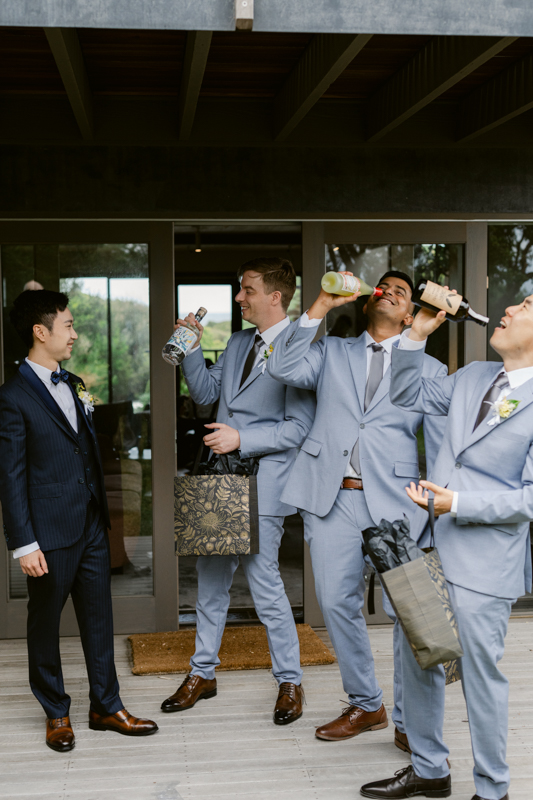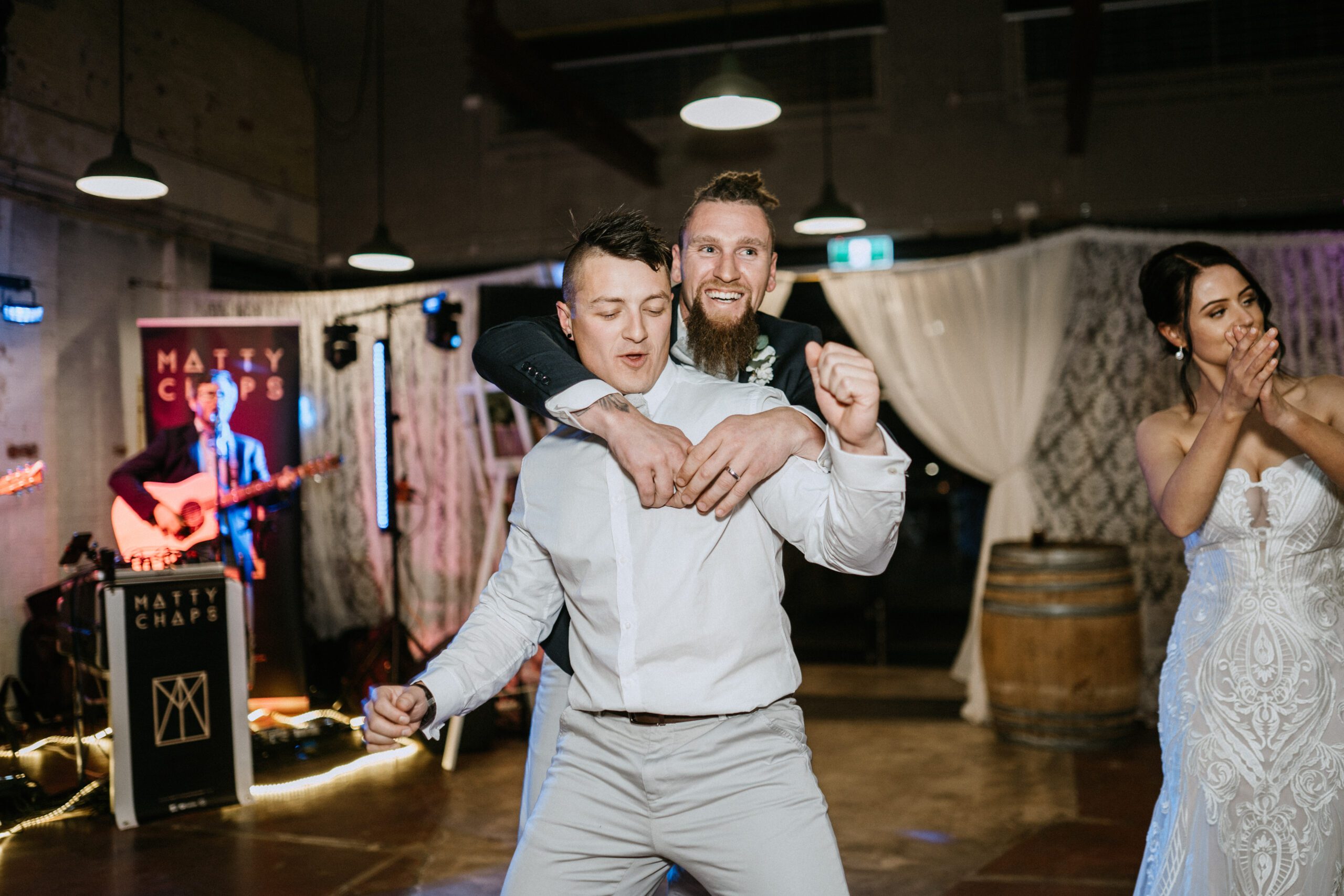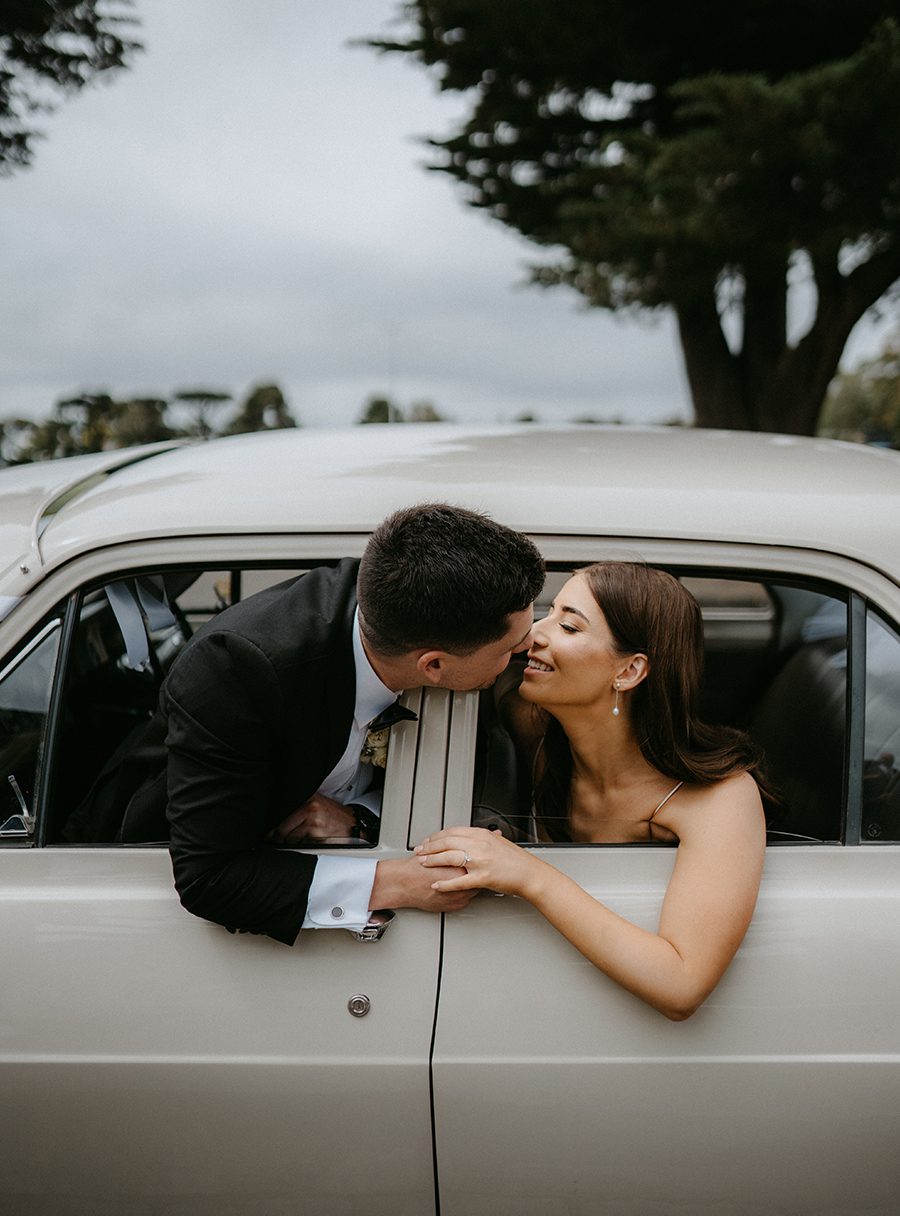
Details of the Melbourne wedding photography were precisely captured.
Details of the Melbourne wedding photography were precisely captured.
Capturing Every Detail: The Art of Precise Moment Photography in Melbourne Weddings
The difference between a good wedding photo and a great one often comes down to millimeters. A hand barely touching. A tear caught mid-fall. The way light hits a ring at exactly the right angle. These are the details that make a photo feel alive, and Melbourne — with its eclectic architecture, moody weather, and endless texture — is one of the best cities on earth to capture them.

But nailing these moments isn’t luck. It’s about knowing what to look for, when to shoot, and how to read the light. Here’s how the best wedding photographers in Melbourne turn small details into unforgettable images.
The Moments That Actually Matter
Most couples obsess over the big shots — the first kiss, the ceremony exit, the group photo. Those are important. But the images people cry over years later? They’re almost always the quiet ones.
The way a groom adjusts his bride’s veil without her noticing. A father squeezing his daughter’s hand while trying not to cry. The exact second a couple laughs so hard they forget the camera exists. These unscripted, fleeting moments are gold — and they last maybe two seconds.
The key is being ready before the moment happens. Experienced wedding photographers in Melbourne don’t wait for the magic. They anticipate it. They know that the emotional peak usually hits right after the ceremony, during the first few minutes of the couple’s private time together. That’s when the adrenaline fades and the real emotion surfaces.
Reading Light and Texture in Melbourne’s Unique Environment
Melbourne throws curveballs at photographers constantly. One minute it’s blazing sun, the next it’s overcast, then golden hour hits like a spotlight. That unpredictability is actually a massive advantage — if you know how to use it.
Using Natural Light to Reveal Texture
Melbourne’s light has a quality that’s hard to replicate anywhere else. The sun sits low on the horizon for longer stretches, creating long shadows and warm tones that wrap around every surface. This is when texture becomes everything.
The grain of a wooden door. The weave of a linen suit. The lace pattern on a bodice. Side lighting — where the light comes from the side rather than head-on — is the secret weapon here. It creates micro-shadows across every surface, making fabrics, skin, and architecture pop with dimension. Front lighting flattens everything. Side lighting brings it to life.
Overcast days in Melbourne are secretly the best days for detail work. The clouds act like a giant softbox, wrapping light evenly around every subject without harsh shadows. Pores, fabric threads, the fine stitching on a bouquet — everything renders with clinical sharpness. Most photographers dismiss cloudy days. The smart ones schedule their detail shots for them.
Finding Micro-Moments in Urban Melbourne Settings
Melbourne’s laneways, arcades, and hidden courtyards are packed with visual detail. But capturing it requires slowing down. Literally.
Instead of sweeping through a location in five minutes, spend twenty on one corner. The ironwork on a building facade. The way light filters through a glass canopy. A puddle reflecting neon signage. These are the kinds of shots that fill an album with visual interest and give it a sense of place that generic studio photos never will.
The Royal Arcade, Block Arcade, and even the smaller laneways like Degraves Street offer endless opportunities. The trick is shooting tight — fill the frame with one detail rather than trying to capture the whole scene. A close-up of intertwined hands against a bluestone wall tells a better story than a wide shot of the same location.
The Technical Side of Detail Capture
You can have the perfect moment in front of you, but if your settings are wrong, the detail disappears. Here’s what actually matters when you’re chasing precision.
Focus Stacking and Sharpness
For detail shots — rings, bouquets, dress embroidery, shoes — a single focus point isn’t always enough. Depth of field at wide apertures like f/1.4 or f/1.8 is razor thin. The ring might be sharp but the flowers right next to it are soft.
This is where focus stacking comes in. Take multiple shots at slightly different focus distances and blend them in post. The result? Everything from front to back is tack sharp. Alternatively, stop down to f/4 or f/5.6 for detail shots. You lose some of that creamy bokeh, but every element in the frame lands crisp.
For candid moments, autofocus with eye-tracking is non-negotiable. The human eye is the sharpest point in any portrait. If the eyes are sharp, the brain accepts the rest of the image as sharp — even if it technically isn’t. But for detail work, manual focus gives you full control.
Shutter Speed and the Freeze Factor
A tear rolling down a cheek happens fast. A dress twirling in the wind is even faster. To freeze these moments, you need shutter speeds of at least 1/500th of a second — ideally 1/1000th or faster.
This is where the light challenge hits. Fast shutter speeds need bright light, and at night or in dark laneways, that means pushing ISO up. Modern cameras handle ISO 3200 to 6400 remarkably well. Don’t be afraid to push it. A slightly noisy image with a perfectly frozen moment beats a clean image where the moment is blurred beyond recognition.
For motion you want to keep — like a veil flowing in the wind or a train moving during a long exposure — drop the shutter speed to 1/30th or slower and use a tripod. The contrast between sharp and blurred elements creates a sense of movement that static shots can never achieve.
Working with Couples to Create Natural Detail Shots
The best detail shots don’t feel posed. They feel stolen. And that requires trust between the photographer and the couple.
In Melbourne, many photographers use a documentary-style approach — they hang back, observe, and shoot only when something real happens. No “look at me and smile.” No “now kiss.” Just watching and waiting for the moment that reveals itself.
This approach works because couples eventually forget the camera is there. And that’s exactly when the real details emerge. The nervous laugh. The deep breath before walking down the aisle. The way someone tucks a strand of hair behind their ear without thinking.
Giving couples simple, natural prompts helps too. Instead of “hold hands and look at each other,” try “tell me about the first time you knew.” The conversation creates genuine emotion, and the emotion creates genuine detail. The camera just has to be fast enough to catch it.
Post-Processing: Where Detail Gets Polished
The shoot is only half the battle. How the images are processed determines whether those captured details actually shine.
Melbourne wedding photographers who specialize in detail work tend to favor a restrained editing style. They don’t crush the blacks or blow out the highlights. They preserve the tonal range because that’s where texture lives. Over-edited photos look clean but feel flat. The grain in a film-style edit, the subtle warmth in the shadows — these are what make a photo feel tactile.
For detail shots specifically, clarity and texture sliders are your best friends. A modest boost in local contrast makes fabric weave, skin texture, and architectural detail pop without looking artificial. The sweet spot is usually between +15 and +30. Past that, and everything starts to look over-processed.
Color grading also plays a role. Melbourne’s natural palette leans warm — think golden stone, green parks, blue sky. Pushing those tones slightly further in post gives the images a cohesive, place-specific feel that generic color profiles can’t touch.
The thing about detail photography is that it rewards patience. The couple that slows down, the photographer that waits one extra second, the editor that resists the urge to over-process — those are the people who end up with images that still matter twenty years from now. Melbourne gives you the backdrop. The rest is about paying attention to the small things.