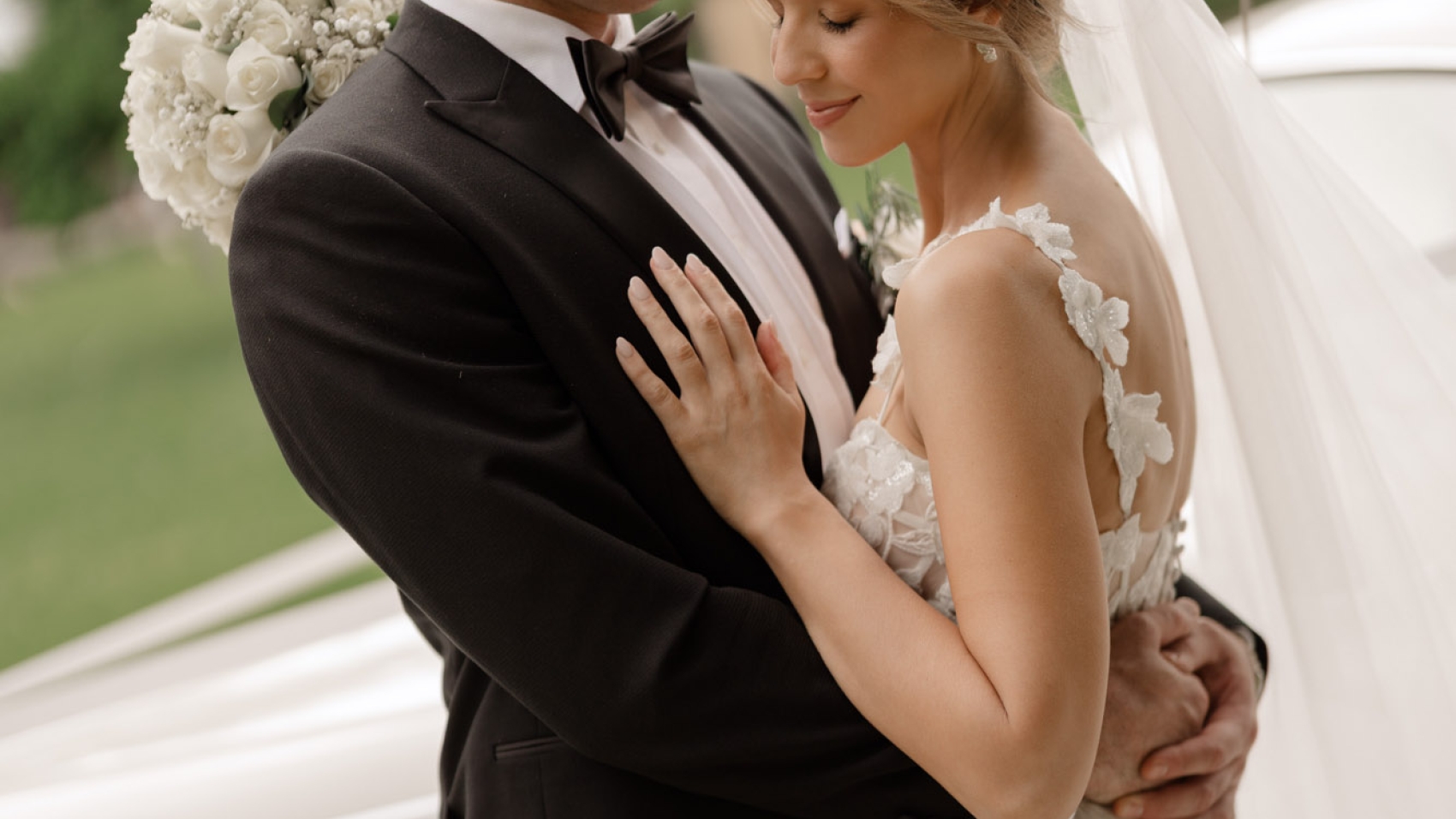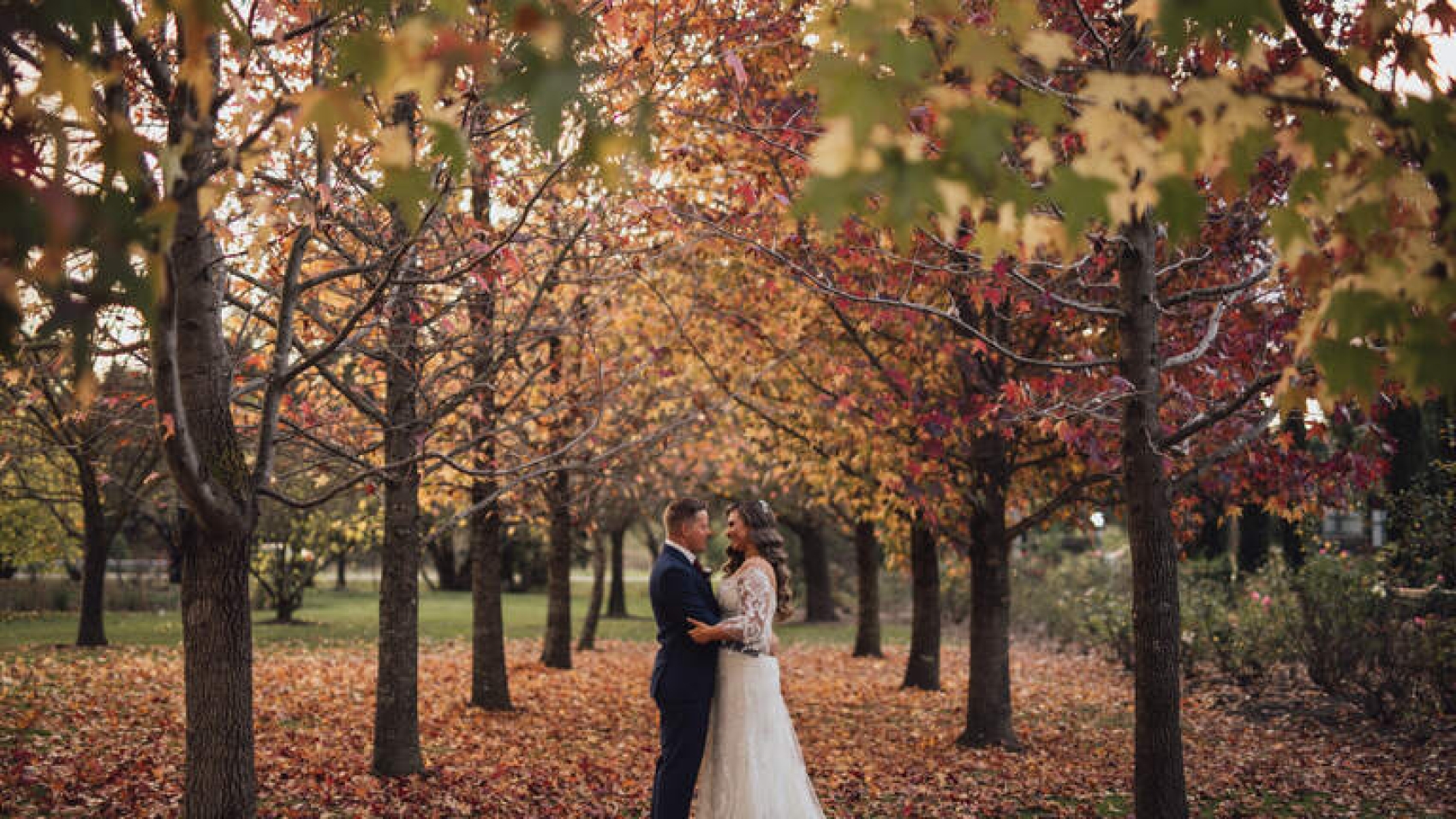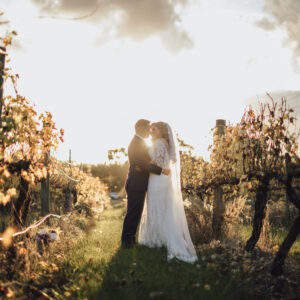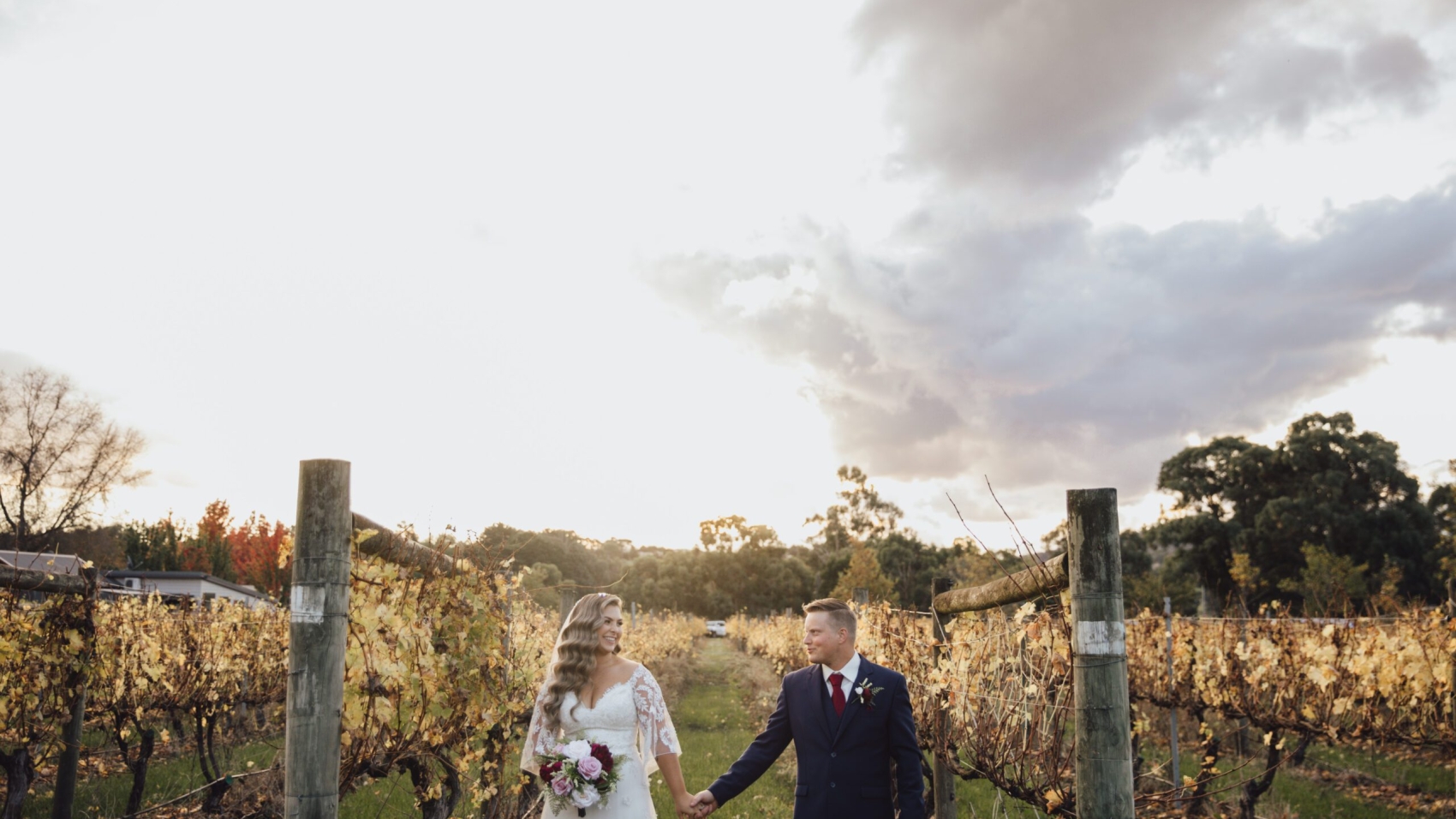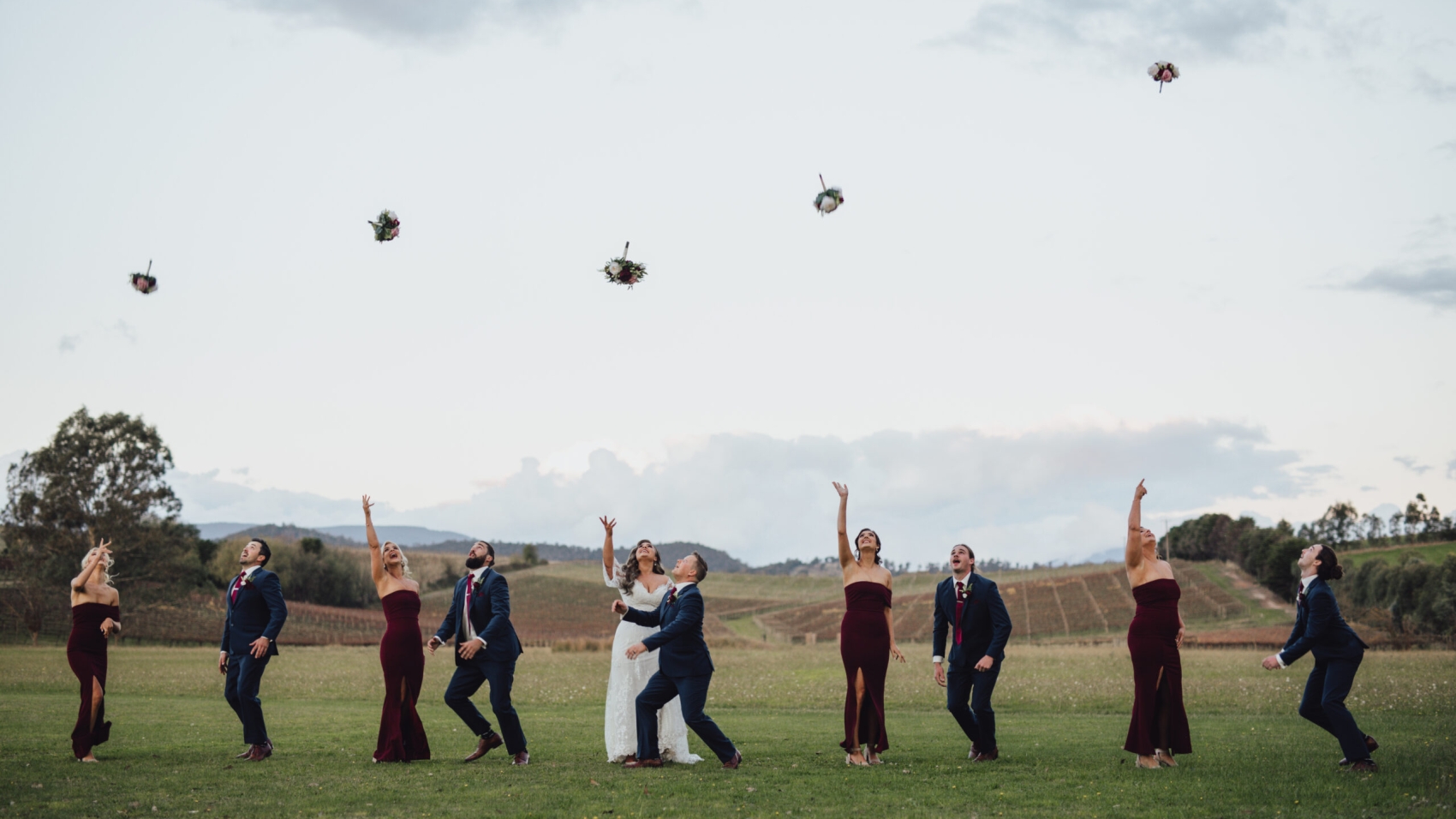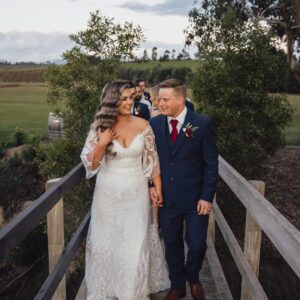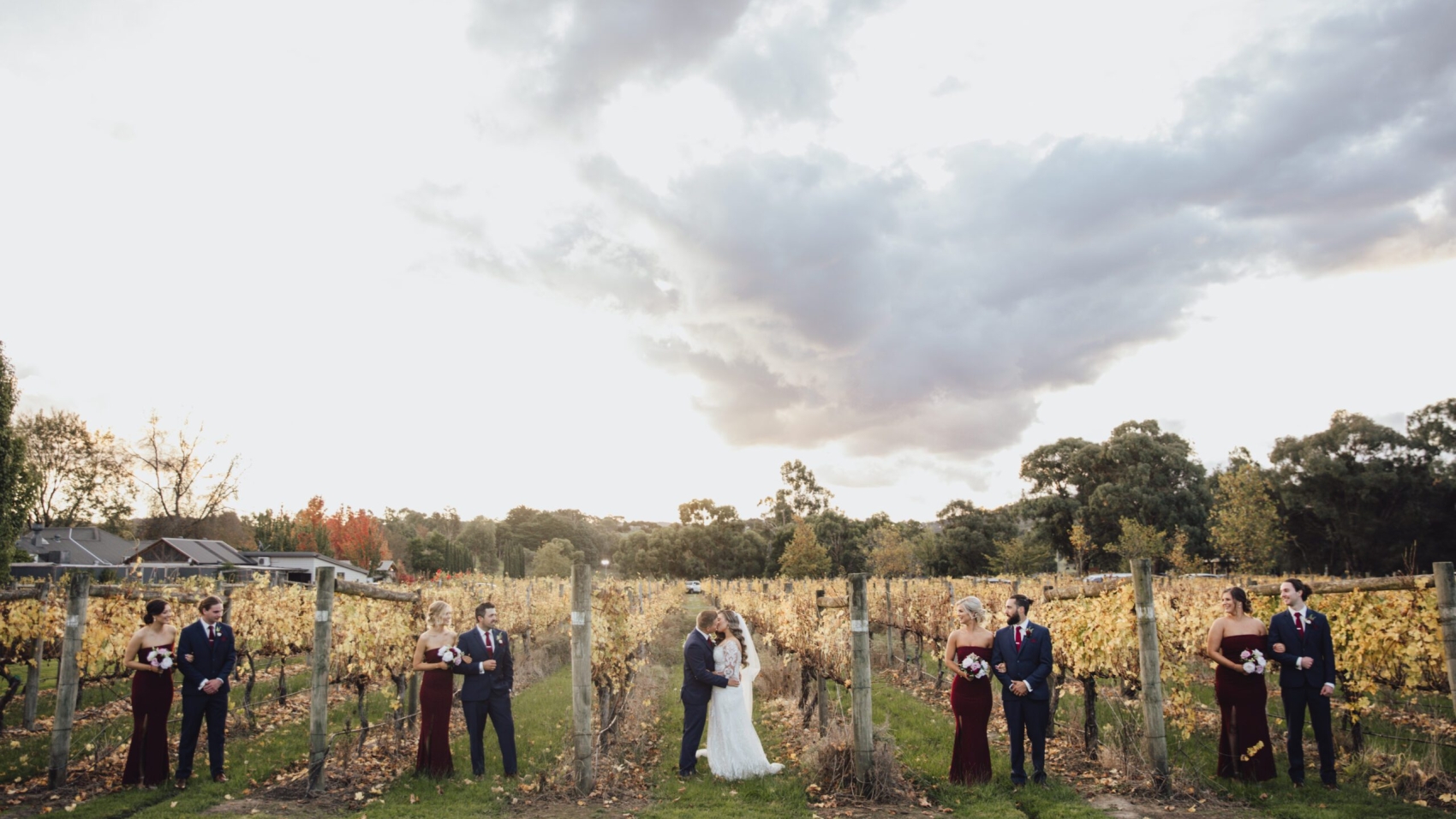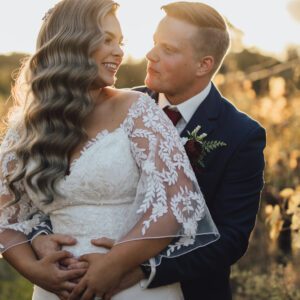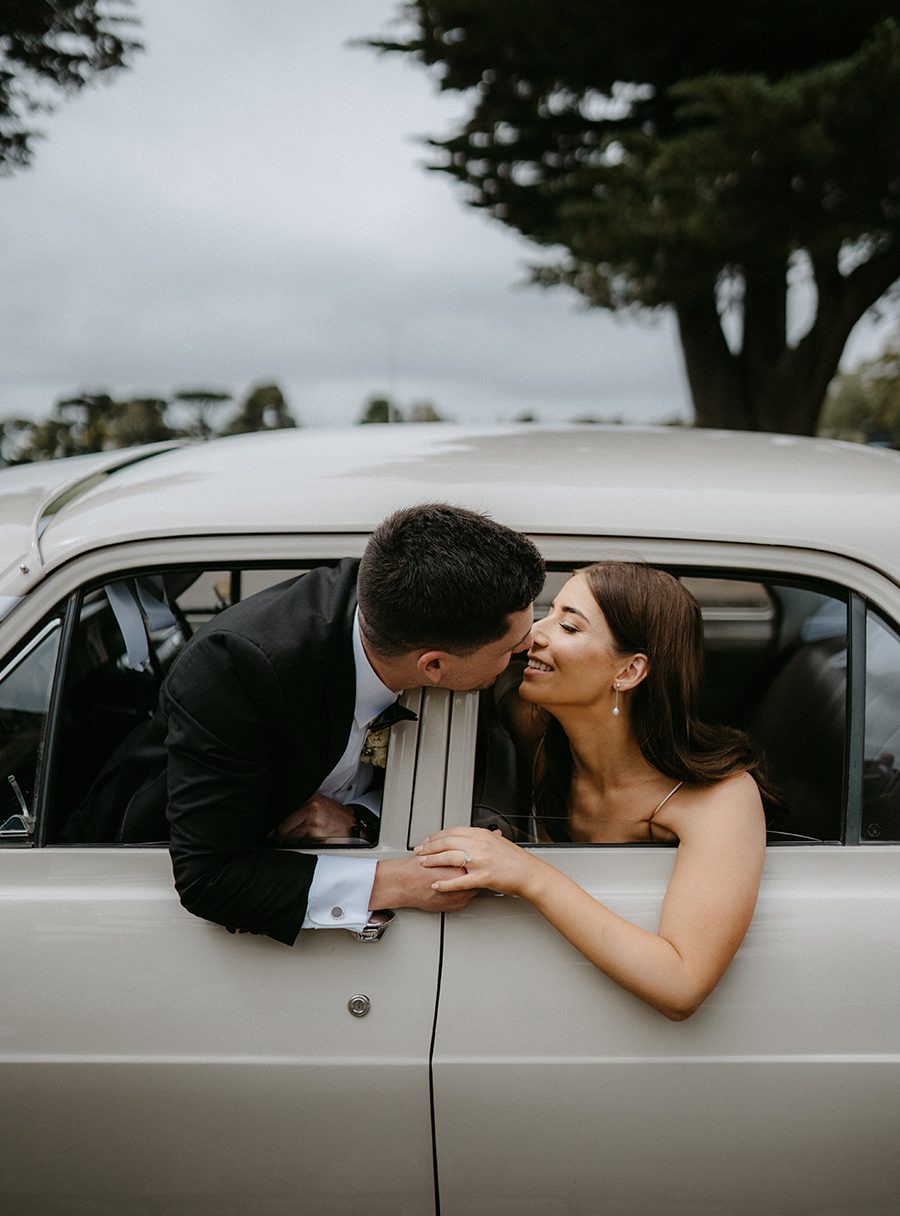
71576 - Slaven & Vesna - Preview-26

Melbourne Maple Leaf Season Wedding Photography – Red Maple Atmosphere Feeling

Melbourne Maple Season Wedding Photography – That Deep Red Autumn Atmosphere

There is a two-week window every April in Melbourne when the city stops being grey and starts being on fire. Not literally, but close. The maple trees along the streets, in the parks, and scattered across the suburbs turn this deep, almost violent red that looks like someone spilled paint across the entire city. And if you are getting married during this window, your wedding photos can look like nothing else you have ever seen.

wedding photography melbourne

Red maple season in Melbourne does not last long. Maybe ten days to two weeks at most before the leaves start dropping and the color fades into brown. That brevity is exactly what makes it so valuable for wedding photography. Everyone knows it is coming, but nobody can predict the exact peak. You either catch it or you miss it.

Why Red Maple Season Is Melbourne’s Most Underrated Wedding Window

Most couples plan their Melbourne wedding around summer or autumn in general. But they overlook the specific magic of late April. The red maples are not the same as the golden elms or the orange oaks that dominate the rest of the season. Red is a bolder color. It demands attention. It photographs differently than any other foliage.

Where golden leaves give you warmth, red leaves give you drama. The contrast against a white dress is sharper. The tones are richer. And the emotional weight of red in a photo is something that golden autumn cannot replicate. Red says something. It says intensity. It says passion. It says this moment matters.

The Color Science Behind Red Maple Photos

Here is something most people do not think about. Red is one of the hardest colors for a camera to render accurately. It either shifts toward orange or toward magenta depending on the white balance. But when you shoot in natural light during maple season, the red stays true. The overcast skies that Melbourne is famous for in April act as a giant diffuser, which means the red does not blow out or lose saturation.

Your skin tones also benefit. Red foliage reflects warm light back onto your face, which gives you a natural glow that you would normally need a reflector to achieve. It is free lighting. And it looks incredible.

Best Melbourne Locations for Red Maple Wedding Portraits

Not every street with a maple tree is a good photo spot. You need density. You need color. You need a backdrop that is almost entirely red so the couple stands out instead of blending in.

The Royal Botanic Gardens is the obvious choice. The lake edge has a row of mature maples that turn a deep crimson in late April. The reflection in the water doubles the red and creates this surreal, almost painterly effect. Go early in the morning when the lake is still and the light is soft.

Fitzroy Gardens along the southern edge near the lake also works well. The maples there are slightly less dense but the setting is more open, which gives you room to move and shoot from different angles without feeling cramped.

Hidden Spots Most Photographers Overlook

Everyone goes to the Botanic Gardens. That means crowds. If you want something quieter, try the residential streets in Kew or Balwyn. These suburbs have mature maple-lined streets that are almost empty on weekday mornings. The trees form a natural tunnel of red overhead, and the quiet streets mean no distractions in the background.

Carlton Gardens near the University of Melbourne campus has another solid cluster of red maples that most wedding couples ignore because they do not know about them. The light there is good in the late morning, and the mix of historic buildings with red foliage gives you something that feels European without leaving Melbourne.

How to Work with Red Foliage Without Looking Like a Christmas Card

Red is a powerful color. That is also its danger. If you are not careful, your wedding photos can start looking like a holiday greeting card instead of a romantic portrait. The trick is balance.

You do not want red everywhere. You want red as a frame, not as a flood. Position your couple so the maples are behind them or to the sides, not wrapping around them completely. Let the red create depth, not overwhelm the image.

Dress Color Choices That Work with Red Maples

White still works. It always works. But against deep red foliage, ivory or cream actually photographs better because it picks up the warmth of the leaves instead of clashing with them. A stark white dress against red maples can look too high contrast in some lighting conditions.

If you want color, go muted. Dusty rose, champagne, soft gold, even a deep burgundy can work. Avoid bright blues or greens. They will fight the red and create color chaos in the frame. The goal is harmony, not contrast for contrast’s sake.

Using Falling Leaves as a Natural Effect

The best red maple photos have movement in them. Leaves falling. Petals drifting. Fabric catching the wind. During peak season, a light breeze will send red leaves cascading down around you, and that is the shot.

Do not stage it. Do not throw leaves yourself. Just stand there and let the wind do its thing. A slow shutter speed can blur the falling leaves into soft red streaks while keeping the couple sharp. That effect looks incredible and it is entirely natural.

The Lighting Reality of Melbourne in April

Let us be honest about the weather. April in Melbourne is unpredictable. You can get a perfect overcast morning that gives you even, diffused, flawless light. Or you can get rain, wind, and grey skies that make everything look flat.

The overcast days are actually your best friend for red maple photography. Direct sun will create hot spots on the leaves and blow out the red in some areas while leaving others in shadow. Overcast light keeps the color even across the entire frame. It also eliminates harsh shadows on faces, which means your portraits look softer and more flattering without any post-processing.

Shooting in Rain Is Not the End of the World

Rain during maple season sounds like a disaster. It is not. Wet leaves are more saturated than dry ones. The red gets deeper. The ground turns into a mirror of color. And couples standing under an umbrella with red leaves plastered to the pavement around them create one of the most atmospheric wedding images you can get.

The key is having a photographer who is comfortable working in wet conditions. A clear umbrella can actually work as a diffuser if positioned correctly. Rain streaks on a lens can add texture if used intentionally. The couples who embrace the rain instead of waiting it out always end up with the most interesting photos.

Timing Your Shoot Around the Peak

The peak of red maple season in Melbourne usually hits between mid-April and early May, but it shifts every year depending on the weather. A warm spring pushes it earlier. A cold snap delays it. You cannot control the trees, but you can control your flexibility.

Book your photographer for a window of five to seven days rather than a single date. Give them room to move the shoot based on where the color is at its best. The couples who get the most stunning red maple photos are not the ones who picked the perfect date. They are the ones who stayed flexible and shot when the trees were actually at their peak.

The Morning Advantage Nobody Talks About

Shoot early. 6am to 9am is the sweet spot. The light is low and warm, the streets are empty, and the leaves have not been disturbed by wind or foot traffic yet. They are still on the branches, full and dense, giving you that thick canopy of red overhead.

By midday, the wind picks up, leaves start falling, and the light gets harsher. You lose the soft morning glow and gain crowds. The couples who shoot at dawn during maple season get photos that look completely different from everyone else’s. Same trees. Same city. Completely different energy.

What Makes Red Maple Wedding Photos Age So Well

There is a reason red is one of the most enduring colors in photography. It does not go out of style. It does not look dated in five years or ten years. Golden autumn photos can start to feel overly warm after a while. But red? Red stays bold. Red stays relevant.

When you open your wedding album twenty years from now, those red maple photos will still stop you in your tracks. The color will still be vivid. The emotion will still be there. And you will remember that morning in April when the whole city turned red just for you. That is not something you can plan for. But when it happens, you want a photographer who knows how to capture it before the leaves fall.
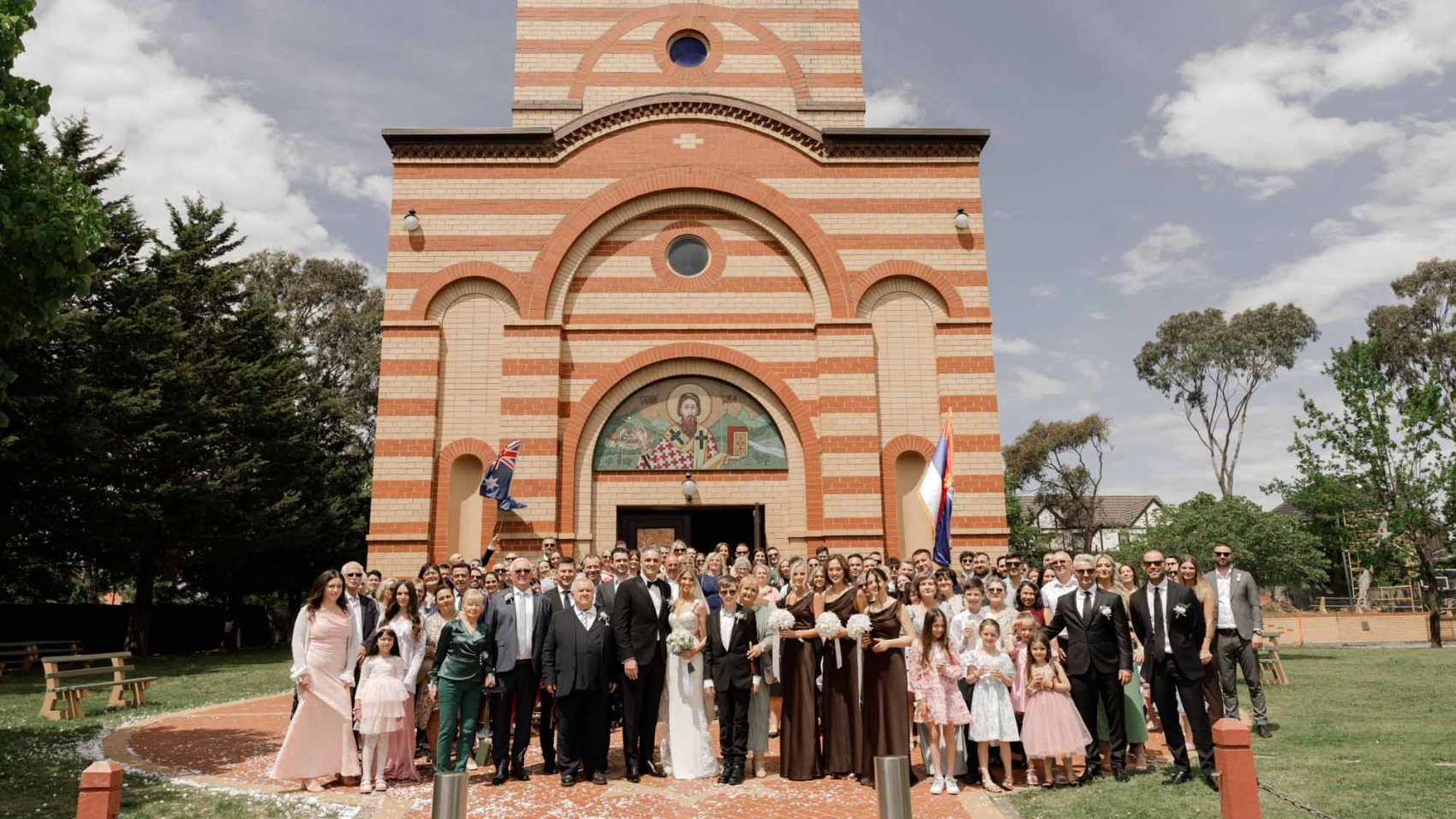
71576 - Slaven & Vesna - Preview-35

Melbourne Cherry Blossom Season Wedding Photography – Pink Flower Field Scenery

Melbourne Cherry Blossom Wedding Photography – Shooting in That Dreamy Pink Flower Sea

Every year, Melbourne turns pink. For a few short weeks in late August through early September, cherry blossoms explode across the city and the warmth creeps back in. It is the one time of year when the whole city feels like it stepped out of a Japanese film. And couples who plan their wedding photos during this window get something no other season can offer. A sea of pink. Soft petals falling like snow. Warm light filtering through branches. It is the kind of backdrop that makes every single photo look effortless.

wedding photography melbourne

Cherry blossom season in Melbourne is short. Maybe two to three weeks at most. The trees bloom, they peak, and then they are gone. That urgency is actually what makes this season so special for wedding photography. There is no time to waste. Every shoot has to count.

Why Cherry Blossom Season Is the Most Photographed Time in Melbourne

You see it every September. Couples everywhere dragging photographers to the same spots. But there is a reason for that. Cherry blossoms do something to a photo that no other flower can replicate. The color is soft. It is not the bold red of roses or the bright yellow of sunflowers. It is this pale, dusty pink that looks like watercolor on a canvas. It flatters every skin tone. It complements every dress color. And it photographs beautifully in both direct sun and overcast light.

Melbourne has some of the best cherry blossom locations in the Southern Hemisphere. The Royal Botanic Gardens, Fitzroy Gardens, Carlton Gardens, Alexandra Gardens, and various spots along the Yarra River all bloom around the same time. But each one gives you a slightly different look. Some have dense canopies. Others have wide open paths. Some sit next to water. The variety means you can find a spot that matches your vision without driving all day.

The Lighting During Cherry Blossom Season Is Surprisingly Good

Most people assume that because it is still technically winter in Melbourne during late August, the light will be flat and grey. That is sometimes true. But cherry blossom season also happens to coincide with one of the driest stretches of the year. The skies are often clear, and when the sun comes out, it hits those pink petals in a way that makes them almost glow.

The light in late morning and early afternoon is warm enough to add golden tones to the pink without washing it out. Late afternoon gives you that long, soft directional light that creates depth in the branches and makes the petals look three-dimensional instead of flat. Morning light, especially on a misty day, gives you something even better. The fog mixes with the pink and creates this hazy, romantic look that feels almost surreal.

Best Spots in Melbourne for Pink Cherry Blossom Wedding Shots

Not all cherry blossom spots are created equal. Some are crowded. Some have ugly backgrounds. Some have terrible light. You need to know where to go.

The Royal Botanic Gardens near the lake is probably the most popular spot for a reason. The trees line the water, and when the petals fall, they land on the surface and create a pink carpet on the lake. It looks incredible. But it gets busy on weekends, so go early.

Fitzroy Gardens has a more intimate feel. The trees are scattered, not planted in perfect rows, which means you get more natural-looking shots. The lake there is smaller, but the reflections are cleaner because there is less wind.

How to Use the Petals in Your Photos Without Looking Cheesy

Throwing petals in the air is the most cliche thing you can do at a cherry blossom shoot. Everyone does it. And most of the time it looks forced. The trick is to be subtle. Let the wind do the work. Stand under a branch and let a few petals land on your shoulder. Walk slowly through a path where petals have already fallen and let your dress trail through them. Hold a single branch close to your face and let the camera focus on the flowers while you blur into the background.

These small, quiet moments look a hundred times better than the dramatic petal throw. They feel real. They feel intentional. And they use the blossoms as texture, not as a gimmick.

What to Wear for a Cherry Blossom Wedding Shoot

Color choice matters more here than in any other season. White works, but it can get lost against the pale pink. Ivory or cream actually pops better because it has enough warmth to stand out without clashing.

Soft pastels are the obvious move. Blush pink, lavender, pale blue, mint green. All of these sit beautifully against the cherry blossoms. Avoid anything dark or bold. Black dresses photograph fine in any other setting, but against a sea of pink, they can feel too heavy and kill the softness of the scene.

Fabric and Movement Matter More Than You Think

Cherry blossom photography is all about movement. Petals falling, fabric flowing, hair catching the breeze. If your dress is stiff and structured, it will fight the scene instead of blending into it. Go for something light. Chiffon, tulle, organza. Something that moves when you walk and catches the wind when it blows.

The same goes for your hair. Loose waves or a soft updo work best. Anything too tight or too perfect will look out of place in a setting that is supposed to feel natural and effortless.

Getting the Shot When Everyone Else Is There

Here is the uncomfortable truth. Cherry blossom season in Melbourne means crowds. You will not have the location to yourself. There will be other couples, other photographers, other people with tripods. That is just the reality.

The couples who get the best photos are the ones who work around the crowds instead of fighting them. Arrive early. We are talking 7am early. The light is better anyway, and you will have the first hour to yourself before everyone else shows up. Shoot upward into the canopy instead of straight on. That eliminates most of the background crowd and gives you a ceiling of pink petals instead. Use a shallow depth of field to blur out the people behind you.

The Rainy Day Cherry Blossom Secret

If it rains during your shoot, do not panic. Rain on cherry blossoms is actually one of the most beautiful things you can photograph. Wet petals stick to everything. They cling to your skin, your dress, the ground. The colors get deeper and more saturated. The whole scene looks richer and more dramatic.

Most couples cancel when it rains. That means the locations are empty. You get the whole park to yourself, the light is soft and diffused, and the blossoms look better than they do on a sunny day. If your photographer is willing to shoot in the rain, you might end up with the best photos of your entire wedding day.

The Narrow Window That Makes Cherry Blossom Wedding Photos Feel Urgent

There is something about knowing the blossoms will be gone in a week that changes how you shoot. You do not waste time on setup. You do not overthink poses. You just show up, stand under the trees, and let the moment happen. That urgency creates energy in the photos that you cannot fake.

The couples who plan their cherry blossom shoot treat it like an event, not a casual session. They pick the date based on the bloom forecast, not their convenience. They book their photographer months in advance because everyone wants the same window. And they show up ready to make the most of every single minute.

That is what separates a good cherry blossom wedding album from a forgettable one. It is not the location. It is not the dress. It is the fact that you were there, in that moment, when the city turned pink, and you decided to make it count.

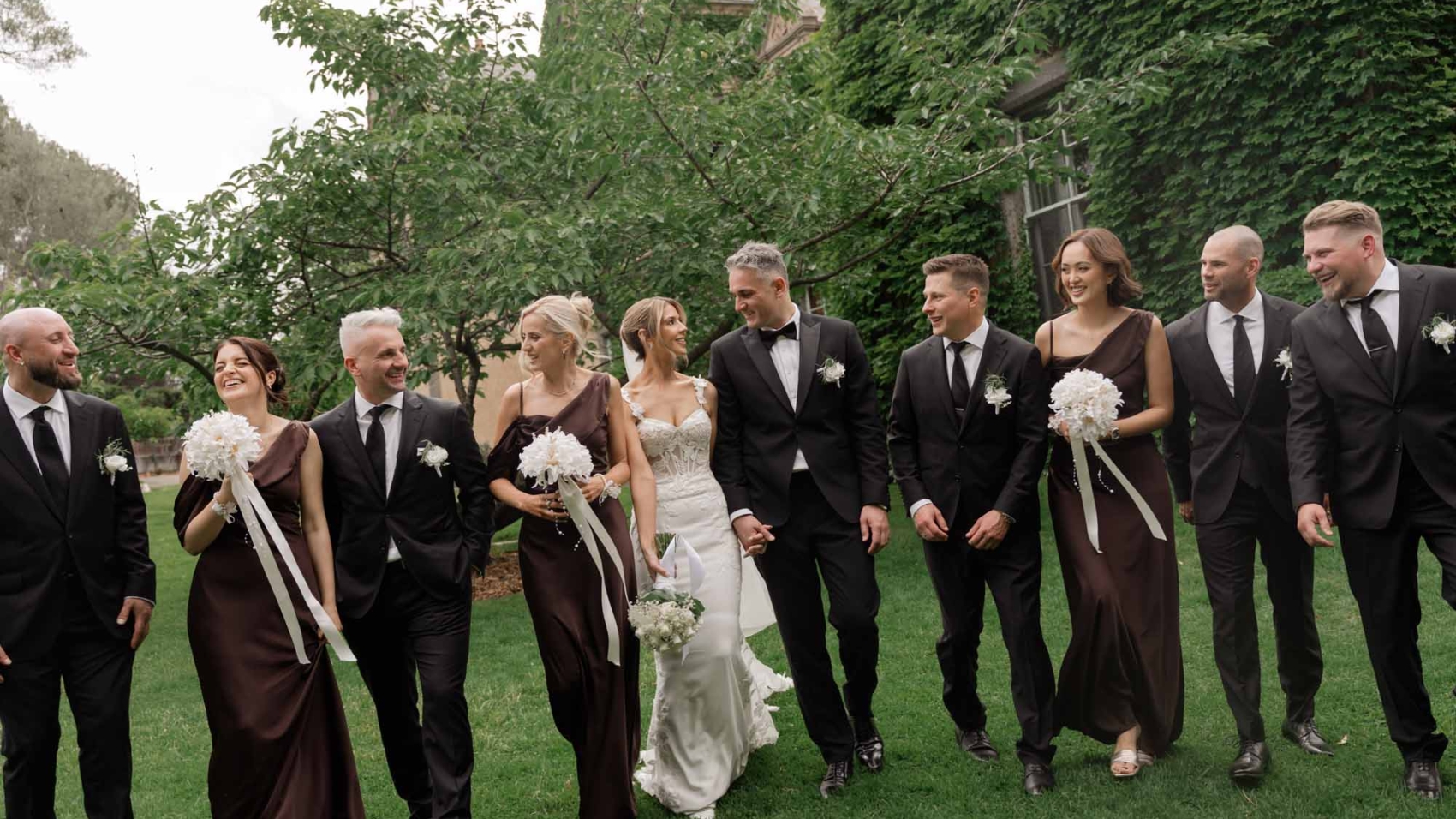
71576 - Slaven & Vesna - Preview-42

The atmosphere of Melbourne’s early morning blues hour wedding photography

Melbourne Blue Hour Wedding Photography – That Quiet, Moody Magic Before Dawn

There is a window of time in Melbourne that most people sleep through. Somewhere between 4:30am and 5:45am, depending on the season, the sky turns this deep, saturated blue that does not exist at any other hour. Photographers call it blue hour. Couples who shoot during this window call it the most emotional part of their entire wedding day.

The city is still asleep. The streets are empty. The air is cool and quiet. And the light is doing something that no flash, no filter, no post-processing trick can ever fake. It is painting everything in shades of indigo and cobalt while the first hints of warmth start creeping in from the east. That is when the best pre-dawn wedding portraits get made.

wedding photography melbourne

What Blue Hour Actually Looks Like in Melbourne

Most people imagine blue hour as a flat, boring blue. It is not. In Melbourne, especially in winter and early spring, the sky during blue hour has layers. Deep navy at the top, fading into steel blue, then a thin band of pale peach or lavender right along the horizon where the sun is about to break. The city lights are still on, which means warm tungsten glows from streetlamps and windows mix with that cool natural light.

The result is a color palette that no one plans for but everyone loves. Cool blues against warm golds. Silent streets against intimate moments. It looks like a film still. It feels like the world paused just for you.

This is not golden hour. Golden hour is warm, bright, and everyone wants it. Blue hour is quieter. It asks you to slow down. And that is exactly why it works so well for wedding photography. There is no rushing. There is no crowd. There is just the two of you and a sky that looks like it was made for this.

Why the Pre-Dawn Timing Changes Everything About Your Photos

Shooting at 5am sounds insane until you see the results. Your skin looks smoother because the light is so soft and diffused. There are no harsh shadows, no squinting, no blown-out highlights. The cool tones make white dresses look almost ethereal, and they make skin look clean and even without any heavy editing.

But the real magic is the mood. You are both tired in the best way. The adrenaline of the day has not kicked in yet. You are not performing. You are just standing there, holding each other, maybe a little cold, maybe a little sleepy, and the camera captures something raw and real. Those are the photos that make people cry when they see them years later.

Best Melbourne Locations for Blue Hour Bridal Portraits

The location you choose at blue hour matters because you are working with very specific light conditions. You need open skies to the east so you can catch that horizon glow. You need minimal light pollution so the blue stays deep and rich. And you need a backdrop that does not compete with the sky.

The Yarra River banks work incredibly well. The water reflects the blue sky and any remaining city lights, giving you a mirror effect that doubles the drama. Princes Bridge or the riverside walk near Southbank gives you that open eastern view with the skyline as a silhouette behind you.

St Kilda Beach is another strong option. The flat horizon over the water means nothing blocks the light. You get that endless blue stretching out behind you, and the wet sand from an early tide adds reflections that look almost surreal.

How City Lights Become Part of the Frame

One thing people overlook with blue hour photography is the artificial light. In Melbourne, the city does not go fully dark until well after blue hour ends. That means streetlamps, cafe signs, car headlights, and window glows are all still visible. And they are all warm-toned.

A good photographer will use these lights intentionally. A couple standing under a single streetlamp with the blue sky behind them creates a natural spotlight effect. Walking down a laneway with warm light spilling from doorways on one side and cool blue sky on the other gives you that cinematic split-tone look without touching a single slider in editing.

Working with the Cold Without Letting It Ruin the Shoot

Let us not pretend. It is cold at 5am in Melbourne, especially from May to September. Your fingers will be numb. Your breath will be visible. And that is actually a good thing.

Visible breath in blue hour light looks stunning. It adds atmosphere. It adds proof that the moment was real. A couple laughing with clouds of breath between them, lit by that deep blue sky, is one of the most iconic winter wedding images you can get.

Bring warm layers for between shots. A blanket, a flask of something hot, thick socks under your dress. But do not overdress for the actual photos. You want the cold to show just a little. It keeps things honest.

The Ten-Minute Rule for Blue Hour Shoots

Blue hour does not last long. You have maybe 20 to 30 minutes of usable light, and the absolute peak is closer to ten minutes. That is it. This is not a session where you wander around and see what happens. You need a plan.

Pick two or three spots max. Know exactly what you want at each one. Communicate with your photographer before you arrive so everyone is moving fast when the light shows up. The couples who get the best blue hour photos are not the ones with the most time. They are the ones who used their ten minutes the best.

The Edit That Blue Hour Almost Writes Itself

Here is the thing most couples do not expect. Blue hour wedding photos need very little editing. The color contrast is already there. The mood is already baked in. A good photographer might push the blues a little deeper, warm up the highlights just slightly, and that is it.

Compare that to a midday summer shoot where you need to fight harsh light, blow out the background, and spend hours in post trying to make everything look cohesive. Blue hour gives you 80 percent of the final image straight out of camera. The remaining 20 percent is just fine-tuning.

That is why so many couples who shoot blue hour say it was the easiest part of their entire wedding day. You show up, you stand there, the light does everything, and you walk away with photos that look like they belong on a magazine cover. No drama. No stress. Just quiet, blue, perfect light.

DSC06229

Melbourne Winter: Combination of Indoor and Outdoor Scenery for Wedding Photography

Melbourne Winter Wedding Photography – Blending Indoor Warmth with Outdoor Drama

Melbourne winters are cold, grey, and unpredictable. That is the reputation anyway. But for wedding photographers who know what they are doing, winter is one of the most visually exciting seasons to shoot in. The contrast between a warm, intimate indoor space and the moody, overcast outdoors creates something that no other season can match. Dark skies, wet streets, soft diffused light, and golden interiors all in one shoot. That is a story worth telling.

wedding photography melbourne

Couples who choose winter for their Melbourne wedding often worry about the weather. Rain, wind, short daylight hours. All fair concerns. But the photographers who specialize in this season do not see winter as a problem. They see it as a creative advantage. The challenge is blending both worlds, indoor and outdoor, so the album feels cohesive instead of disjointed.

Why Mixing Indoor and Outdoor Shots Works So Well in Winter

The biggest mistake couples make with winter wedding photography is staying inside the whole time. Sure, it is warm. Sure, the venue looks beautiful. But you lose something important, the mood that only an overcast Melbourne sky can give you.

When you step outside, even for ten minutes, the photos change completely. The flat, soft light from a grey sky eliminates harsh shadows. It wraps around faces evenly. It makes skin look smooth and even without any retouching. Then you walk back inside, and the warm tungsten or candlelight hits you from a completely different angle. That contrast, cold blue outside, warm gold inside, is what makes a winter wedding album feel cinematic.

The Lighting Contrast That Sells Itself

You do not need to explain this in your album. The photos do it for you. A portrait taken near a rain-streaked window with soft grey light pouring in looks completely different from the same couple standing under warm indoor lighting. The color temperature shift tells a story. It says, we were warm together, even when the world outside was cold.

This is the kind of visual narrative that summer weddings struggle to achieve. Summer gives you beautiful light everywhere. Winter gives you contrast. And contrast is what makes people stop scrolling.

Finding the Right Indoor Spaces That Complement Winter Light

Not every indoor venue works for a winter shoot. You want spaces with character, not just spaces with heat. A bland ballroom with fluorescent lighting will kill the mood. But a heritage building with tall windows, exposed brick, wooden beams, or vintage fixtures, that is gold.

Melbourne has no shortage of these. Old churches in Fitzroy or Carlton. Converted warehouses in Collingwood. Historic mansions in Toorak or Kew. These spaces have bones. They have texture. And when winter light comes through the windows, it interacts with those surfaces in a way that looks effortless and timeless.

How Window Light Becomes Your Main Light Source

In winter, overcast sky light through a large window is basically a giant softbox. It is free, it is even, and it is incredibly flattering. Position your couple near the window, and let the natural light do most of the work. Add a small reflector on the opposite side to fill in any shadows, and you have a portrait that looks like it was lit by a professional studio setup.

The key is shooting during midday when the sky is at its brightest, even if it is grey. That is your peak window light window. Early morning and late afternoon in winter are too dark for reliable indoor-only shots, so plan your indoor portraits around noon.

Outdoor Winter Shots That Actually Work in Melbourne

Let us be honest. Most couples do not want to stand outside in the cold for an hour. And they should not have to. The best outdoor winter wedding shots are short, intentional, and focused.

You do not need a long outdoor session. You need five to ten minutes in the right spot. A laneway with wet cobblestones reflecting the sky. A park with bare trees and a grey backdrop that makes your dress pop. A rooftop with the city skyline behind you and cold air visible in every breath. These are the shots that define a winter wedding album.

Embracing the Rain Instead of Fighting It

Rain is not the enemy. It is the secret weapon. Wet surfaces reflect light in ways that dry surfaces never will. Puddles on the ground mirror the sky and your silhouette. Raindrops on a window create bokeh that looks like scattered diamonds. And couples standing under an umbrella, close together, laughing at the weather, that is the kind of candid moment that no posed shot can ever replace.

The photographers who shoot winter well do not wait for the rain to stop. They shoot in it. They shoot through it. They use it as a texture, a mood, a visual element that makes the album feel alive.

How to Sequence Your Shoot for Maximum Impact

The order of your indoor and outdoor shots matters more than people think. If you shoot all your outdoor shots first while you are still fresh and not freezing, then move inside for the warm, relaxed indoor session, the album flows naturally. It starts with energy and drama, then settles into warmth and intimacy. That arc mirrors the actual wedding day.

Shooting outdoors first also means your makeup and hair have not been ruined by wind or rain yet. You look your best when the stakes are highest. Then you go inside, warm up, reset, and shoot the softer, more emotional portraits when you are actually comfortable.

The Transition Shots That Tie Everything Together

The best winter wedding albums have a few frames that bridge the two worlds. A couple walking from a doorway out into the street. A silhouette framed by an indoor arch with the grey sky visible beyond. A close-up of hands holding, with a blurred window and rain in the background. These in-between shots are what make the album feel like one continuous story instead of two separate photo sessions stitched together.

What Makes Winter Wedding Photography Stand Out Year After Year

Ten years from now, when you open your album, you will not remember whether it was 25 degrees or 12 degrees on your wedding day. But you will remember how the photos made you feel. And winter wedding photos have a feeling that is hard to replicate in any other season.

There is a rawness to them. A moodiness. A sense that the world outside was cold and grey, but you two were somewhere warm, somewhere real, somewhere that mattered. That emotional weight shows up in every frame. It is not about perfect weather. It is about perfect moments captured in imperfect conditions. And that is exactly what makes them unforgettable.

81688-Sample-150

The warm light atmosphere of wedding photography in Melbourne’s autumn afternoons

Melbourne Autumn Afternoon Wedding Photography – Chasing That Warm Golden Glow

There is a reason so many couples choose autumn for their Melbourne wedding. The light changes in a way that summer never gives you. It slows down. It warms up. And by mid-afternoon, the whole city gets wrapped in this honey-colored haze that makes everything look like a memory you want to keep forever.

wedding photography melbourne

Shooting wedding photos in that window, between roughly 1pm and 4pm in March through May, gives you something no other season can replicate. The air is crisp but not cold. The trees along the Yarra or scattered across Fitzroy Gardens are turning amber and rust. And the sun sits low enough to flood every frame with that deep, buttery warmth that photographers spend their whole careers chasing.

Why Autumn Afternoon Light Is the Most Flattering for Wedding Portraits

Summer light in Melbourne is beautiful, but it is also harsh. It blows out highlights and creates hard shadows under your eyes. Autumn afternoon light does the opposite. It wraps around faces gently. It fills in wrinkles you did not know you had. It makes skin look like it is glowing from the inside.

This is the kind of light that does not need heavy editing. You get it naturally when the sun drops to about 30 degrees above the horizon and the atmosphere scatters the shorter blue wavelengths, leaving only the warm golds and oranges. Your photographer does not have to fight the light. They just have to be there when it arrives.

The Magic Hour That Lasts Two Hours

In summer, golden hour is maybe 20 minutes before the sun disappears. In autumn, you get a much longer window. The light stays warm and directional from early afternoon well into late afternoon. That gives you flexibility. You are not rushing. You can shoot ceremony photos, then move to a garden for couple portraits, then head to a laneway for something urban, and the light is still working for you the entire time.

This is a huge advantage for couples who want variety in their album without changing locations constantly. One stretch of afternoon light can cover three or four completely different looks.

Best Melbourne Spots for Warm Autumn Wedding Shots

The location you pick in autumn changes everything. You want places where the light can hit you directly, where there are warm-toned backgrounds, and where the season shows.

The Royal Botanic Gardens in late March and early April is hard to beat. The elm trees create a canopy of gold overhead, and the light filters through in a way that looks almost painted. Fitzroy Gardens gives you something more open, with the lake reflecting the warm sky and the rotunda adding a classical frame to your shots.

If you want something more urban, the bluestone laneways of Collingwood or Carlton catch the afternoon light beautifully. The warm stone walls bounce light back onto your face, and the narrow alleys create natural leading lines that draw the eye right to you.

How Falling Leaves Become Your Best Prop

Autumn gives you something no other season does, free styling. Dry leaves on the ground, branches overhead shedding gold, the occasional leaf caught mid-fall by a breeze. These are not distractions. They are texture. They are color. They are movement.

A good photographer will use them. Tossing leaves in the air during a candid moment, walking through a pile with your shoes dragging, holding a single leaf up to the light. These small details turn a standard portrait into something that feels like it belongs in a film.

Getting the Warm Tone Right Without Overdoing It

One thing couples worry about with autumn wedding photos is that everything will look too orange. It is a valid concern. But when you shoot in the right window and choose your backgrounds wisely, the warmth feels natural, not forced.

Wear colors that complement the season without competing with it. Cream, ivory, champagne, dusty rose, forest green, deep burgundy. These all sit beautifully against autumn foliage and golden light. Avoid bright white, which can look washed out in warm tones, and avoid neon anything, which will clash with every background the season offers.

The Role of Backlight in Creating That Dreamy Feel

Autumn afternoon light is perfect for backlit shots. When the sun is behind you and slightly to the side, it creates a rim of light around your hair and shoulders. It makes veils glow. It turns breath visible in the cool air, which sounds strange but looks incredible in photos.

This is the technique that gives autumn wedding albums that soft, dreamy, almost nostalgic quality. It is not a filter. It is physics. And it only works when the sun is at the right angle, which in Melbourne autumn, happens reliably every single afternoon.

The Emotional Tone That Autumn Brings to Wedding Photos

There is something about autumn that makes people slow down. The wedding day does not feel frantic. It feels intimate. The light is softer, the air is cooler, and there is a quiet warmth to the whole experience that shows up in every photo.

Couples look at each other differently in this light. The urgency of the morning is gone. The party has not started yet. It is just the two of you, standing somewhere beautiful, with the sun doing all the work. That is the feeling you want your photos to hold. Not just what you looked like, but what it felt like to be there.

81688-Sample-143

Melbourne Summer Evening Wind Wedding Photography – The Coolness of the Beach

Melbourne Summer Evening Wedding Photography by the Sea – That Cool Coastal Feeling

There is something about a Melbourne summer evening that just hits different. The sun starts to dip, the heat finally lets go, and a soft breeze rolls in off the coast. That is exactly when some of the most breathtaking wedding photos get taken. Not under the harsh midday glare, but in that golden, cooling window where everything feels effortless and alive.

If you are planning a seaside wedding in Melbourne and you want your photos to capture that relaxed, cool-toned vibe, timing and location matter more than you think.

wedding photography melbourne

Why Summer Evenings Are the Sweet Spot for Coastal Wedding Shots

Melbourne summers can be brutal. We all know that. But the evening flips the script completely. Around 6pm to 8pm, the light turns warm and diffused, and the ocean breeze actually makes standing still for photos bearable. Your dress moves naturally, your hair does not stick to your face, and the whole mood shifts from “surviving the heat” to “actually enjoying this.”

Photographers who shoot in this window know it. The light wraps around you instead of flattening you out. Shadows get long and soft. The water catches everything and throws it back in shades of amber and pale blue. It is honestly the most flattering light you will get all day.

The Color Palette You Get Naturally

You do not need to force a cool tone in editing when you shoot at the right time. The evening sky over Port Phillip Bay or along the Mornington Peninsula gives you pastel pinks, soft lavenders, and that deep teal where the water meets the sand. Your skin looks warm against the cool background. That contrast is what makes these photos feel cinematic without trying too hard.

Picking the Right Beach for That Breezy, Relaxed Energy

Not every Melbourne beach gives you the same feeling. Some are crowded and loud. Others are wide open and quiet. For wedding photography with a cool, breezy mood, you want space and wind.

Brighton Beach has that iconic feel, but it can get busy. If you want something more secluded, drive south to Sorrento or Rye. The piers there add structure to the frame, and the wind is almost guaranteed. You get that effortless movement in your veil and gown that looks incredible in photos.

How Wind Actually Helps Your Photos

Most couples worry about wind ruining their shots. But a light to medium breeze is your best friend. It lifts fabric, creates movement in hair, and keeps things from looking stiff or posed. The trick is working with it, not against it. A good photographer will use the wind to add life to every frame. Your dress flowing behind you as you walk along the shoreline? That is the shot.

What to Wear and Bring for That Cool Evening Vibe

This is where a lot of couples overthink it. For a summer evening seaside shoot, you want fabrics that move. Chiffon, tulle, lightweight silk, anything that catches the breeze. Avoid heavy satin or structured gowns unless you want to fight the wind the entire time.

Color-wise, white still works beautifully against the sunset, but soft blues, blush pinks, and even sage green pop against the coastal background in a way that feels fresh and modern.

Bring a light shawl or wrap not because you will be cold, but because it doubles as a styling prop. And if you have a handheld fan or a wide-brim hat, those can add character to candid shots without looking forced.

Time Your First Look for Golden Hour

If you want that signature cool-toned, wind-blown, golden-light photo, schedule your couple portraits right before sunset. That 30-minute window is everything. The light is low, the temperature drops, and the ocean behind you turns into a glowing backdrop. It is the kind of photo that does not need much editing at all.

The Mood That Sets These Shoots Apart

What makes Melbourne summer evening beach wedding photography stand out is not just the location. It is the feeling. There is a calmness to it. The rush of the day is over. Guests are relaxed. The air smells like salt. You are not posing under pressure, you are just existing in a beautiful moment and letting the camera catch it.

That is the energy you want in your photos. Not perfection, but presence. Not stiff smiles, but real laughter with the wind in your hair.

If you are searching for a photographer who understands this specific vibe, look for portfolios filled with evening light, moving fabric, and genuine emotion. That is how you know they have shot in this window before and they know exactly what it takes to make it work.

81688-Sample-112

Melbourne Spring Gentle Breeze Wedding Photography – A Flowing and Euphoric Atmosphere

Melbourne Spring Breeze Wedding Photography: Capturing That Effortless Flow

Spring in Melbourne comes with something most couples do not plan for: wind. Not the kind that ruins your hair and sends your veil flying into traffic. The kind that moves just enough to make everything look alive. The dress lifts. The hair shifts. The fabric dances. And if you know how to work with it instead of fighting it, you get wedding photos that feel like they are breathing. This is the look every couple wants but almost nobody knows how to shoot. Flowing fabric, soft movement, that sense of weightlessness. It looks accidental but it is not. It takes timing, patience, and a deep understanding of how wind and light work together in a Melbourne spring.

wedding photography melbourne

Why Spring Wind Is Your Secret Weapon

Most photographers treat wind as the enemy. They see a breeze coming and start panicking. They clamp down on the veil, hold the dress still, and shoot everything as fast as possible before the wind messes up the frame. And they end up with stiff, lifeless photos that look like they were taken in a studio.

But wind is actually one of the most dynamic elements you can have in a wedding photo. It adds motion to still images. It creates shape in fabric that would otherwise hang flat. It makes hair look wild and romantic instead of posed and perfect. And in Melbourne spring, the wind is usually gentle enough to control but strong enough to create movement. That sweet spot is what separates boring wedding photos from ones that make people stop scrolling.

The breeze also interacts with light in a way that is hard to replicate indoors. When sunlight hits moving fabric, it catches different angles and creates shifting highlights and shadows across the material. A white dress in the wind with spring sun behind it looks like it is made of light. That is not something you can fake with a reflector or a strobe. It only happens when wind and sun and fabric all meet at the same time.

The Specific Quality Of Melbourne Spring Wind

Melbourne spring wind is not the same as spring wind anywhere else. The city sits on a bay, and the temperature difference between the land and the water creates a consistent, gentle breeze that rolls in from the south or southwest most afternoons. It is not gusty. It does not come in bursts. It is a steady, rolling movement that lasts for hours.

This consistency is what makes it so useful for photography. You can predict it. You can plan for it. You can position your couple so the wind hits the fabric at the exact angle you want and it will stay there for 20 or 30 minutes instead of changing every 10 seconds like it would in a mountain valley or on an open plain.

The wind also picks up in specific spots around the city. Waterfront locations like St Kilda, Williamstown, and Southbank get the full bay breeze. Open parks like the Botanic Gardens and Royal Park get the land breeze, which is slightly softer but still strong enough to move fabric. And elevated spots like Arthur’s Seat get wind from every direction, which can be chaotic but also creates the most dramatic movement if you know how to use it.

Melbourne Locations Where Spring Wind Creates Magic

Not every spot in Melbourne handles wind the same way. Some places are too sheltered and the breeze dies before it reaches your couple. Others are too exposed and the wind becomes uncontrollable. You need to find the middle ground.

St Kilda Esplanade And The Beach

The Esplanade is the best wind location in Melbourne for wedding photography and it is not even close. The bay breeze rolls in unobstructed, the palm trees sway in a way that adds movement to the background without dominating the frame, and the open space gives you room to work with fabric that is moving in every direction.

The grass along the Esplanade is wide and flat, which means the wind hits your couple from the side or from behind with nothing blocking it. A long veil trailing behind your couple in the breeze looks like it goes on forever. A flowing dress caught mid-lift creates a shape that no pose can replicate. The palm trees in the background sway gently, which adds subtle motion to the frame without distracting from your couple.

Go in the late afternoon between 3pm and 5pm. The wind is strongest during this window, and the sun is low enough to backlight the fabric and make it glow. The light catches every fold and ripple in the moving material, which creates highlights that shift and change with every gust. It looks alive in a way that still photos should not be able to capture, but they do.

The Royal Botanic Gardens Near The Lake

The Botanic Gardens have a microclimate that makes them perfect for windy spring shoots. The lake creates its own breeze that rolls across the open lawns, and the trees along the edges block the wind just enough to give you a calmer pocket in the middle. Your couple stands in the open with the wind hitting them full-on, but the background trees are only swaying slightly, which gives you movement without chaos.

The ornamental lake is the real star. The wind ripples the water surface, which creates a shimmering, textured backdrop that moves in every frame. Your couple standing near the water with the breeze catching their dress and the lake shimmering behind them looks like a scene from a period film. The reflections on the water break up and reform with every gust, which adds a layer of motion that static backgrounds never have.

Shoot near the edge of the lake where the wind is unobstructed. The trees on the far side of the lake sway in the breeze, which gives you a moving background that frames your couple without competing with them. The combination of moving water, moving trees, and moving fabric creates a photo that feels like the whole world is in motion, even though your couple is standing perfectly still.

Williamstown Waterfront

Williamstown gives you wind plus drama. The bay is wide open here, which means the breeze is stronger and more consistent than in sheltered spots. The old boat sheds and jetties add texture and character, and the view across the bay toward the city skyline gives you depth and scale.

The wind hits the waterfront head-on, which means your couple’s hair, veil, and dress all move in the same direction. This creates a unified sense of motion that looks intentional and cinematic. The old wooden structures along the waterfront have textures that the wind brings to life. Rusty metal creaks, weathered wood glows in the spring sun, and the water behind them churns with whitecaps.

Position your couple at the end of a jetty or on the grass near the water. The wind comes from behind them, which means the fabric lifts and flows away from the camera. This creates leading lines that draw the eye into the frame and gives the photo a sense of forward motion. The city skyline across the bay provides a static backdrop that contrasts with the moving foreground, which makes the wind look even more dramatic.

How To Shoot Moving Fabric Without Losing Sharpness

Wind creates movement, and movement creates blur. That is the challenge. You want the fabric to look like it is flowing, but you want your couple’s faces to be tack sharp. Getting both in the same frame takes some deliberate technique.

Shutter Speed For Motion Without Blur

The mistake most photographers make is shooting too slow. They see the wind moving the dress and think they need a slow shutter to capture the motion. But a slow shutter blurs everything, including faces, hands, and eyes. The result is a dreamy but unusable photo.

Shoot at 1/250th of a second or faster. This freezes your couple’s faces and hands while still allowing the fabric to show some movement. The dress will have a slight softness at the edges, which actually looks more natural than a completely frozen fabric. Completely still fabric in a windy shot looks fake. A little motion at the edges tells the viewer that wind is present without destroying the sharpness where it matters.

If you want more dramatic motion, drop to 1/125th of a second. The fabric will blur more, the veil will trail, and the dress will lift with visible movement. But your couple needs to hold completely still. Any movement from them and the whole frame goes soft. This works for artistic shots where the motion is the point, but it does not work for every frame in the gallery.

Using Continuous Autofocus To Track Moving Subjects

When fabric is moving, your camera’s autofocus can hunt. The dress shifts, the veil moves, and the camera gets confused about where to focus. Switch to continuous autofocus mode and set your focus point on your couple’s nearest eye. Let the camera track them as they move.

If your couple is turning or walking in the wind, pre-focus on where they will be in a second. Focus on the spot, not on them. When they step into that spot, the shutter fires and they are sharp. This takes practice but it is the only way to get consistently sharp faces in a windy shoot.

Back-button focus helps here. Separate the focus function from the shutter button so you can lock focus and recompose without the camera refocusing every time you half-press. It sounds technical but it makes a massive difference when everything is moving.

Letting The Wind Do The Work Instead Of Forcing It

The biggest mistake in windy wedding photography is trying to control every piece of fabric. Holding the veil in place, pinning the dress down, wrapping the hair so it does not move. This kills the whole point. The wind is what makes these photos special. If you remove the wind, you remove the magic.

Let the veil fly. Let the dress lift. Let the hair move. Your only job is to keep your couple’s faces in the light and their expressions natural. The wind handles the rest.

Sometimes the wind does something you did not plan. The veil wraps around the couple’s face. The dress billows out to one side. The hair covers one eye. These accidents are often the best shots in the entire gallery. Do not stop the shoot every time the wind does something unexpected. Keep shooting. The unplanned moments are usually the ones that look the most real.

Working With Spring Light And Wind Together

The light in Melbourne spring is bright but not harsh. The sun is lower than in summer, which means it comes in at an angle that creates dimension even on open, windy locations. When that angled light hits moving fabric, it catches every fold and creates shifting highlights that make the material look almost liquid.

Backlighting For The Glow Effect

The best light for windy spring shoots is backlight. Position your couple so the sun is behind them. The light hits the fabric from behind and makes it glow. Every piece of moving material becomes a light source. The veil turns into a halo. The dress edges light up. The hair catches the sun and shines.

This only works when the wind is moving the fabric. If everything is still, backlight just creates a silhouette. But when the fabric is flowing, backlight turns it into something ethereal. The light passes through the sheer material and makes it translucent. The folds and ripples catch the sun at different angles, which creates a shifting, glowing effect that is impossible to replicate in any other way.

The downside is that backlighting makes faces dark. Expose for the highlights on the fabric, not for your couple’s faces. Their faces will be underexposed, but you can lift them in post. The fabric needs to be bright and glowing. If you expose for the faces, the backlight washes out and you lose the entire effect.

Side Light For Texture And Dimension

If backlight is too dramatic for your couple’s taste, try side light. The sun hits the fabric from one side, which creates shadows in the folds and highlights on the ridges. This gives the material texture and dimension that front light cannot.

Side light also catches the wind more visibly than backlight. When the sun is to the side, the moving fabric casts shifting shadows on the ground and on your couple’s body. Those shadows move with the wind, which adds another layer of motion to the image. It is subtle but it makes the photo feel alive.

Shoot between 3pm and 4:30pm for the best side light in spring. The sun is low enough to create long shadows and warm tones, but still high enough to light your couple’s faces without making them too dark. This window gives you about 90 minutes of usable light, which is plenty of time if you have a plan.

Directing Your Couple In The Wind

Wind changes how your couple moves. Their instincts tell them to hold still, to grip their dress, to brace against the gusts. That is the opposite of what you want. You need them to lean into it.

Movement That Works With The Breeze

Have your couple walk slowly into the wind. Not fast, not running, just a slow, deliberate walk. The fabric trails behind them, the veil lifts, and the hair moves. It looks effortless because it is. The wind is doing all the work.

Have them turn their heads with the wind. If the breeze is coming from the left, have them turn their head to the right. The hair sweeps across their face, the veil lifts on one side, and the photo has a sense of direction and motion that static poses never achieve.

Have them lift their arms. Even a small movement like raising one hand to adjust their hair creates a ripple in the fabric that the wind amplifies. The sleeve flows, the dress shifts, and the whole frame comes alive. These small movements are more effective than big dramatic poses because they look natural instead of performed.

Keeping Expressions Natural When Everything Is Moving

The wind is distracting. Your couple’s hair is in their face, their dress is lifting, and they cannot stop thinking about how they look. That self-consciousness shows up in their photos as stiff smiles and forced expressions.

The fix is simple: give them something to focus on besides the wind. Talk to them. Ask them questions that make them laugh. Tell them a story. The moment they forget about the camera, their expressions go natural and the wind does its thing in the background. The best windy photos are the ones where your couple does not know they are being photographed. The wind adds the drama. Their genuine reactions provide the emotion.

Practical Things To Know Before A Windy Spring Shoot

Check the wind forecast the night before. Melbourne spring wind usually comes from the south or southwest, and it picks up between 11am and 4pm. If the forecast shows winds above 30km/h, you might want to pick a more sheltered location. Above 40km/h and you are fighting the wind instead of working with it.

Bring hair clips and bobby pins. Not to control the hair, but to give your couple options. Sometimes they want the hair down and flowing. Sometimes they want it pinned back so the wind does not cover their face. Let them choose. Giving them control makes them more relaxed, and relaxed couples give you better photos.

Shoot in bursts. When the wind catches the fabric at the right angle, you have maybe two seconds before it shifts. Burst mode at 5 to 10 frames per second gives you a sequence of shots where the fabric is in the perfect position. Pick the best one from the sequence. One perfect frame is worth more than 20 almost-perfect ones.

And embrace the mess. The wind will do things you did not plan. The veil will wrap around the groom’s head. The bouquet will blow sideways. The dress will lift higher than expected. These moments are the ones your couple will remember most. The planned poses are nice. The windy accidents are the ones they will frame and hang on the wall.

81688-Sample-122

Melbourne Sunset Golden Hour Wedding Photography Session

Melbourne Golden Hour Wedding Photography: How To Shoot The Sunset Window That Everyone Chases

There is a reason golden hour is the most booked time slot for wedding photography in Melbourne. The light does something no other time of day can do. It turns skin to gold, makes white dresses glow, and wraps the whole city in this warm, honeyed tone that feels like the world is holding its breath. Melbourne’s golden hour in particular has a quality to it that photographers from overseas constantly talk about. The air is cleaner here, the light is softer, and the city skyline catches the last sun in a way that creates silhouettes and reflections you will not find anywhere else. But here is the thing most couples do not realize: golden hour in Melbourne is only about 20 minutes of usable light, and if you do not plan for it, you will spend the whole session chasing a sun that already set.

wedding photography melbourne

What Makes Melbourne’s Golden Hour Different From Everywhere Else

Golden hour exists in every city on earth. But Melbourne gives you something most places do not: a long, low-angle sunset that stretches the warm tones across the sky for nearly half an hour. In cities closer to the equator, the sun drops fast and the golden window is 10 minutes, maybe 15. In Melbourne, especially in summer, the sun hangs low on the horizon from about 7:15pm to 8pm, and the light shifts through amber, orange, peach, and pink in a slow, gradual way that gives you time to actually shoot instead of panicking.

The other thing Melbourne has going for it is the Yarra River. Water reflects the sunset and doubles the warm tones in every frame. The city skyline across the river catches the last light and turns gold while the sky behind it burns orange and pink. That combination of reflected light and direct light creates a layered, multidimensional glow that flat-land cities simply cannot match.

The air quality in Melbourne also plays a role. The city sits far from heavy industry, and on a clear evening, the atmosphere is clean enough that the light travels through without getting muddied by haze or pollution. The result is a golden tone that is rich and saturated instead of washed out and pale. You get deep amber instead of pale yellow. That difference shows up in every photo.

The Color Shifts You Need To Watch For

Golden hour is not one color. It is a sequence. The first 10 minutes after the sun hits the horizon, the light is deep orange and the shadows are long and warm. This is the most dramatic window. Skin looks bronze, dresses look gold, and every shadow has a rich, saturated tone.

The next 10 minutes, the light shifts to peach and pink. The orange fades and the sky turns into a gradient of warm pastels. This is the most romantic window but it is also the shortest. The light is softer, the contrast is lower, and the tones are more delicate. This is when you want tight portraits, close-ups, and detail shots.

The last 5 to 10 minutes, the light goes blue and purple. This is not golden hour anymore, this is blue hour, and it is a completely different look. The sky turns deep blue, the city lights start popping, and the warm tones are gone. Some photographers love this window for its moody, cinematic feel. But if you came for golden hour, you need to be done before this starts.

The Best Melbourne Spots For Golden Hour Wedding Photos

You cannot shoot golden hour just anywhere. You need a location that faces west, has an unobstructed view of the horizon, and gives you something interesting to put in the frame besides a flat sky. Melbourne has a handful of spots that nail this every time.

St Kilda Beach And The Pier

St Kilda is the classic golden hour spot in Melbourne and it is classic for a reason. The pier extends west into Port Phillip Bay, which means you get open sky on one side and water reflecting the sunset on the other. The reflection doubles the orange. The pier itself gives you leading lines that draw the eye straight to your couple.

The palm trees along the Esplanade catch the golden light and create silhouettes that frame your couple without any effort. The beach crowds thin out by 6pm, so you get clean backgrounds. The sand turns gold in the low light, which means even the ground becomes part of the color palette.

Position your couple at the end of the pier or on the grass near the kiosk. The sun sets behind them, which means you get that rim light around their hair and shoulders that makes every portrait look editorial. The water in front of them reflects the sky, which fills in the shadows on their faces with soft, warm light. It is the kind of lighting setup that looks like it took a crew of ten people to build, but it is just the sun and the bay doing their thing.

Williamstown And The Bay

If you want a wider, more dramatic backdrop, head to Williamstown. The beach faces west and the view across the bay toward the city skyline gives you something St Kilda cannot. The sun sets over the water, and the city buildings catch the last light and turn gold one by one as the sun drops lower.

The old boat sheds along the waterfront add texture and character. Rusty metal, weathered wood, peeling paint, all of it looks incredible in golden light. Your couple can lean against a shed, walk along the jetty, or stand on the sand with the city behind them. Every angle works because the light is coming from behind and wrapping around everything.

The rocky outcrop near the point gives you foreground elements that anchor the frame. Dark rocks against an orange sky is one of the most reliable compositions in wedding photography. It never gets old because the light is different every single evening.

The Yarra River And Southbank

Southbank gives you something the beach cannot: urban golden hour. The river acts as a mirror, doubling every light in the skyline. The promenade is wide and open, which gives you room to breathe compositionally. The lights from the arts center, the casino, and the buildings across the water create a layered backdrop that looks incredible in any frame.

The pedestrian bridges are the real play here. Standing on a bridge with the river below and the city behind you gives you depth, leading lines, and reflections all in one shot. The bridge railings create natural frames. The water catches every color and turns it into a painted surface.

Get to Southbank by 6:30pm in summer. The light starts shifting around 7pm, and you want to be set up and shooting before the sun hits the horizon. The first 10 minutes of direct golden light on the river are the best. After that, the light softens and the reflections get more diffuse, which is beautiful but a different look.

How To Actually Shoot Golden Hour Without Wasting The Window

The light is gorgeous but it moves fast. If you show up at 7pm and start scouting locations, you are already too late. You need a plan before you arrive.

Scouting The Day Before

Walk your location the evening before your shoot. Find the exact spot where the sun will set relative to your backdrop. Note where the shadows will fall. Check if there are any obstructions like trees, buildings, or cranes that will block the sun at the critical moment.

Mark your spots with tape or a pin on your phone. Know exactly where your couple will stand, where you will stand, and what the composition will look like before the sun even comes up on shoot day. Golden hour does not give you time to figure things out. It gives you time to execute a plan you already made.

Check the exact sunset time. Weather apps give this down to the minute. Work backward from there. If sunset is at 7:45pm, you need to be shooting by 7:15pm at the latest. The best light is between 7:15pm and 7:35pm. After that, you are chasing a fading glow.

Camera Settings For Golden Hour

Shoot manual. There is no other option. The light is changing too fast for auto anything.

Start with an aperture of f/2.8 to f/4. You want the background to glow but you also want your couple sharp. Going wider than f/2.8 risks missing focus on eyes, especially if your couple is moving. Stopping down past f/5.6 lets in less light and you will need to compensate with ISO, which adds noise.

Shutter speed depends on whether you are handheld or on a tripod. Handheld, do not go below 1/125th of a second or you will get motion blur from your own hands. On a tripod, you can go as slow as you need. For walking shots, 1/60th to 1/100th usually works if your couple moves slowly.

ISO is where golden hour gets tricky. The light is dimming fast, which means you will need to push ISO higher as the session goes on. Start at ISO 400 to 800 and work your way up to 1600 or 3200 by the end of the window. Modern cameras handle this well. A little grain actually adds to the warm, film-like quality of golden hour photos. It looks intentional, not sloppy.

White balance is critical. Set it manually to around 5000K to 5500K. This keeps the orange tones warm and rich instead of letting the camera cool them down. If you shoot RAW, you can adjust this later, but getting it close in-camera gives you a better starting point. Auto white balance will try to neutralize the warm light and turn your golden hour into a flat, gray mess.

Backlighting Your Couple The Right Way

The move for golden hour is backlighting. Put the sun directly behind your couple and let it rim their hair, their shoulders, the edges of their dress. This creates that glowing outline that separates them from the background and makes them look like they are lit from within.

Do not put the sun dead center behind their head. That creates a blown-out white hole. Offset it slightly to one side. Let it peek out from behind a shoulder or through the branches of a tree. This gives you a controlled flare that adds warmth without washing out the image.

Expose for your couple’s faces, not the sky. The sky will be bright. That is fine. Let it be bright. Your couple’s faces are what matter. If the sky blows out to pure white, it looks clean and intentional. If your couple’s faces are dark because you exposed for the sky, the photo is ruined.

Use lens flare intentionally. A small amount of flare in the corner of the frame adds to the golden mood. Too much and it looks cheap. Find the balance by changing your angle slightly until the flare sits where you want it.

Common Mistakes That Kill Golden Hour Shoots

The first mistake is showing up late. I mean late. Golden hour in Melbourne moves fast, especially in summer when the sun drops quickly. If you arrive at 7pm for a 7:30pm sunset, you have lost your setup time. Arrive at least 45 minutes before sunset. Use that time to scout, compose, and let your couple settle in.

The second mistake is overshooting. You have maybe 20 minutes of peak golden light. Do not waste it taking 500 frames of the same pose. Take 20 good ones, then move on. Change the location, change the pose, change the composition. The light is shifting every minute, so every frame should look different from the last.

The third mistake is ignoring the couple. Golden hour is stressful. The light is fading, the clock is ticking, and everyone is rushing. But your couple needs to feel relaxed. If they are tense, the photos will look tense. Talk to them. Make them laugh. Give them something to do with their hands. The golden light will do the rest, but only if your couple is actually enjoying themselves.

The fourth mistake is not shooting into the sun. The best golden hour portraits have the sun behind or beside your couple, never in front of them. Front light in golden hour is flat and unflattering. Side light and backlight are where the magic lives. The sun should be your backlight, not your key light.

What To Do After The Sun Goes Down

Golden hour ends. The orange fades, the sky turns blue, and the city lights come on. Most photographers pack up and leave. But the next 15 to 20 minutes, called blue hour, is its own window.

The sky turns deep blue and the city lights turn warm yellow. That contrast between cool blue and warm yellow is one of the most beautiful color combinations in photography. Your couple stands in the blue light with the warm city glowing behind them, and the photo looks like it belongs in a film.

Shoot wide during blue hour. The city skyline is fully lit, the sky is still visible, and the light is soft and even. Your couple becomes a silhouette against the glowing city, or they are lit by a nearby streetlamp with the blue sky behind them. Either way, the photos are stunning and completely different from the golden hour shots.

You get two moods from one session. The warm, orange, romantic golden hour. And the cool, blue, cinematic blue hour. Tell your couple to expect both. The golden hour shots are what they came for. The blue hour shots are what they will not stop posting on Instagram.

81688-Sample-145

Melbourne cloudy-day wedding photography with a soft mist atmosphere effect

Melbourne Overcast Wedding Photography: The Soft Mist Mood That Makes Every Portrait Feel Like A Dream

Everyone wants golden hour. Everyone chases the sun. But the best wedding photographers in Melbourne know a secret that most couples never hear: overcast days are where the magic actually lives. The sky turns into one giant softbox. The light wraps around everything evenly. Shadows disappear. Skin looks flawless. And the whole city takes on this quiet, misty, almost cinematic quality that no amount of post-processing can fake. Melbourne gets more overcast days than most people realize, and if you learn to shoot in that light, you unlock a look that is cleaner, softer, and more emotional than anything bright sun can give you.

wedding photography melbourne

Why Overcast Light Is The Most Underrated Wedding Light Source

Most couples hear the word overcast and think disaster. Gray sky, flat light, boring photos. That is what they have been told. But that advice comes from people who do not understand how light actually works. Overcast sky is not the absence of light. It is the presence of perfect light. The clouds act as a massive diffuser, scattering the sunlight in every direction so it hits your couple from all angles at once. No harsh shadows. No blown-out highlights. No squinting. Just soft, even, wraparound illumination that makes every face look its best.

The color temperature on an overcast day in Melbourne sits around 6500K to 7500K, which is cooler than golden hour but warmer than you might think. It gives skin a natural, rosy tone without any orange cast. White dresses look clean and bright instead of yellow. And the overall mood of the image feels calm, intimate, and timeless. This is the look that ages well. Ten years from now, these photos will still feel fresh. Golden hour shots from the same year will already look dated.

The Mist Factor That Makes Melbourne Overcast Days Special

Melbourne is not just overcast. It is misty. The city sits close to the coast, the humidity fluctuates wildly, and on a gray day, that humidity turns the air into a natural fog machine. Buildings fade into the background. Trees become silhouettes. The Yarra River disappears into a white haze. And your couple stands in the middle of it all, sharp and clear against a world that has gone soft.

This is not something you can replicate in Los Angeles or Miami or any other sunny city. Melbourne’s overcast mist has a specific quality to it. It is not heavy fog that kills visibility. It is a light, airy haze that reduces contrast in the background while keeping your couple in focus. The result is portraits that look like they were shot in a studio with professional lighting, except you used nothing but the sky.

The mist also affects color. It desaturates the background, which means the colors in your couple’s clothing, their skin, their flowers, all of it pops against the muted gray. A red bouquet against a misty Melbourne skyline is one of the most striking color combinations you will ever see in a wedding photo. The mist does the work for you.

Melbourne Locations That Deliver Overcast Magic

Not every spot handles overcast light the same way. Some places look flat and gray. Others look like a painting. You need to pick your ground carefully.

The Yarra River And Southbank On A Gray Day

Southbank on an overcast day is something else entirely. The river turns silver-gray and reflects the sky like a mirror. The city skyline across the water fades into the mist, which means your couple becomes the clear focal point of every frame. The promenade is wide and open, the light is even, and there are no harsh shadows anywhere.

The pedestrian bridges are incredible in this light. Standing on a bridge with the river below and the misty skyline behind you gives you depth, reflection, and atmosphere all at once. The bridge railings create leading lines that draw the eye toward your couple. The water below catches the gray sky and turns it into a smooth, reflective surface that doubles every element in the frame.

Go in the morning when the mist is still low. By midday, the clouds often break and the light gets patchy. The early morning overcast window, roughly 8am to 10am, is when the mist is thickest and the light is most even. That is your golden window, ironically.

Carlton Gardens And The University Precinct

The old sandstone buildings at the University of Melbourne look incredible on a gray day. The warm tones of the stone contrast with the cool gray sky, which creates a color tension that makes every photo feel editorial. The elm trees along the paths create a canopy that diffuses the light even further, and the grass stays green and vibrant while everything else goes muted.

The lawns here are wide and open, which means you get clean backgrounds without any visual clutter. Your couple walks across the grass with the old buildings behind them and the gray sky above, and the photo looks like it belongs in an architecture magazine. The mist adds a layer of depth that makes the buildings feel distant and dreamy instead of flat and boring.

Shoot near the old buildings with the warm stone visible. The contrast between the warm stone and the cool gray sky is one of the most reliable color combinations in wedding photography. It works every time, no matter the season.

Fitzroy Gardens And The Tree-Lined Paths

Fitzroy Gardens on an overcast day has this quiet, melancholic beauty that is perfect for wedding portraits. The elm trees form a tunnel overhead, and in the mist, the canopy becomes a soft gray ceiling that diffuses the light even further. Walking down these paths with your couple feels like walking through a memory.

The ornamental lake is the star here. On a gray day, the water turns pewter-colored and reflects the mist like a foggy mirror. Your couple standing by the lake with the water and the mist behind them looks like they are standing at the edge of the world. The reflections are soft and muted, which adds to the dreamlike quality of the image.

The rose gardens are quieter on overcast days, which means you get the space to yourselves. No crowds, no distractions, just your couple and the mist and the old trees. That is when the best photos happen.

How To Shoot Overcast Light So It Looks Intentional And Not Flat

Overcast light is forgiving, but it can also look boring if you do not push it. A few deliberate choices will separate good overcast photos from great ones.

Exposing For The Mood Instead Of The Meter

Your camera’s light meter will see all that gray sky and think the scene is darker than it actually is. It will want to overexpose, which kills the mood. The whole point of shooting overcast is the soft, muted tone. If you let the camera brighten everything up, you lose that.

Underexpose by about one-third to one-half of a stop. This keeps the gray sky rich and moody instead of washing it out to white. Your couple will be slightly darker, but you can lift them in post without losing the overcast atmosphere. The key is to protect the mood first and fix the exposure second.

If you shoot RAW, you have even more control. Pull the highlights down slightly to keep the sky from blowing out. Lift the shadows just enough to see your couple’s faces clearly. The result should feel dim and soft, not bright and flat. That is the overcast look.

Using The Mist As A Natural Filter

The mist is not a problem. It is your best tool. It reduces contrast in the background, which means distant elements fade away and your couple stands out without any artificial vignette. It softens edges, which means harsh architectural lines become gentle and the whole image feels cohesive.

Position your couple so the mist is behind them, not in front of them. Back mist creates depth and separation. Front mist creates a soft, dreamy foreground that frames your couple. Both work, but back mist is more dramatic and front mist is more intimate.

If the mist is too thick and your couple is losing contrast, move them closer to the camera. The mist affects distant objects more than nearby ones, so even a few feet of distance can make a big difference in how sharp your couple looks against the background.

White Balance That Keeps The Cool Tone Without Going Blue

Auto white balance on an overcast day will push the image toward blue, which can make skin look cold and lifeless. Set your white balance manually to around 6000K to 6500K. This keeps the cool tone that makes overcast photos feel moody but prevents the image from going fully blue.

If you want a warmer overcast look, push toward 5500K. The skin tones will look rosier and the overall image will feel more inviting. This works especially well if your couple is wearing warm-toned clothing like ivory, champagne, or blush. The warm clothes against the cool gray sky create a beautiful color contrast.

Do not go above 7000K. That turns the image clinical and cold. Do not go below 5000K. That warms everything up too much and kills the overcast mood. Stay in that 5500K to 6500K range and you will get the soft, cool, dreamy tone that makes overcast wedding photos so special.

Working With The Lack Of Shadows

The biggest technical challenge of overcast photography is the absence of shadows. Shadows give photos dimension. Without them, faces can look flat and features can disappear. You need to create dimension in other ways.

Using Direction And Positioning Instead Of Shadows

Since the light is coming from everywhere, you have to create direction by positioning your couple relative to the environment. Turn your couple so the light hits one side of their face more than the other. Even a slight angle creates enough contrast to define cheekbones and jawlines.

Use the environment to create depth. A row of trees receding into the mist gives you layers even without shadows. A path leading into the distance creates perspective. A building on one side of the frame creates a visual anchor. These compositional elements replace the shadows that overcast light removes.

Get low sometimes. Shooting from waist height or below changes the perspective and creates dimension that overhead flat light cannot. Your couple looks powerful, the background becomes a wash of gray, and the lack of shadows stops mattering because the composition is doing the work.

Embracing The Flatness As A Style Choice

Here is something most photographers will not tell you: flat light is a style. It is not a limitation. Japanese wedding photography, Scandinavian editorials, Korean wedding trends, all of them use flat, soft, shadowless light on purpose. It looks clean, modern, and minimal. It feels calm instead of dramatic. And it ages better than high-contrast golden hour shots because there is less to look dated.

If your couple wants a modern, editorial look, lean into the flatness. Do not fight it. Let the light wrap around everything evenly and let the composition and the emotion carry the photo. The result will look intentional and stylish instead of like you forgot to check the weather.

Practical Things To Know Before Your Overcast Shoot

Overcast days in Melbourne can turn rainy without warning. Bring an umbrella. Not for your couple, for your gear. A light drizzle will not ruin the shoot, but a downpour will. Check the radar the night before and have a backup indoor location ready.

The light on an overcast day does not change much from morning to afternoon. You have a long, stable window, which means you do not need to rush. Use that time to move slowly, scout compositions, and let your couple relax into the session. The lack of dramatic light means the mood has to come from them, not the sky.

Dress your couple in colors that contrast with the gray. White dresses pop against a misty skyline. Deep red, navy, or forest green all stand out beautifully. Avoid gray or beige clothing because it will blend into the background and your couple will disappear.

And shoot more than you think you need. Overcast light is forgiving, which means your hit rate will be high. Almost every frame will be usable. Take advantage of that and give your couple twice as many options as you would on a golden hour shoot. They will thank you when they see the gallery.

81688-Sample-127

Melbourne sunny-day wedding photography with natural light penetrating the scene

Melbourne Sunny Day Wedding Photography: How To Shoot Clean, Airy, Natural Light Portraits

There is something deceptively simple about shooting weddings on a clear, sunny day in Melbourne. No fog, no drama, no golden hour games. Just bright, honest light pouring over everything. And yet, this is the look that most couples actually want when they flip through their final gallery. Clean skin, bright eyes, white dresses that actually look white, and a sense of air and space that makes every photo feel like a deep breath. The problem is, most photographers overcomplicate it. They chase shadows, they add gels, they fight the sun. But the truth is, Melbourne’s midday sun on a clear day is already your best light source. You just need to know how to use it without wrecking it.

wedding photography melbourne

Why Clear Sunlight Gets A Bad Reputation In Wedding Photography

Walk into any photography forum and you will hear the same thing over and over: never shoot weddings at midday. The light is too harsh, the shadows are too deep, the colors are too flat. And that advice is not entirely wrong. If you are shooting in open field with no shade and no plan, midday sun will absolutely destroy your photos. Harsh shadows under the eyes, blown-out highlights on the dress, skin that looks washed out and overexposed.

But that is not what happens when you shoot with intention. Clear sunlight in Melbourne is different from clear sunlight in, say, Dubai or Phoenix. Melbourne sits at a southern latitude where the air is cleaner, the humidity is lower, and the light has a quality to it that feels almost European on a good day. The sun is bright but it is not oppressive. The shadows are sharp but they are not black. And when you learn to work with the light instead of against it, the results are portraits that look cleaner, brighter, and more alive than anything you get during golden hour.

What Actually Makes Sunlight Look Airy Instead Of Harsh

The difference between a harsh midday photo and an airy, clean one comes down to three things: direction, diffusion, and exposure. If the sun is hitting your couple straight on from above, you get flat light with no dimension. If the sun is coming from the side or from behind, you get shape, texture, and that glowing rim light that makes skin look incredible.

Direction matters more than anything. Front light is the enemy of dimension. Side light creates shadows that define cheekbones, jawlines, and the folds of a dress. Backlight creates that halo effect around hair and shoulders that makes every portrait look ethereal. The sun is your friend when it is not staring your couple directly in the face.

Diffusion is the second piece. Melbourne’s clear sky acts like a giant softbox, but it is still too direct for close-up portraits. You need something between the sun and your couple. A sheer curtain, a tree canopy, a white wall bouncing light back, even a large white reflector held just out of frame. These things soften the light just enough to smooth out skin without killing the brightness.

Exposure is the third piece. Most photographers underexpose midday sun because they are afraid of blowing out the highlights. But underexposing kills the airy feeling. You want the image to feel bright, not dark. Expose for the highlights, let the shadows go a little deep, and lift them in post. The result is a photo that feels light and open instead of heavy and moody.

Melbourne Locations Where Clear Sunlight Shines The Brightest

Not every spot in Melbourne handles midday sun the same way. Some places turn into ovens with no shade. Others have architecture and landscape that work with the light instead of fighting it.

The Royal Botanic Gardens In Full Sun

The Botanic Gardens on a clear day are stunning in a way that most people do not expect. The open lawns give you nowhere for harsh shadows to hide, which sounds like a problem but is actually an advantage. The light wraps around your couple evenly from every direction because there are no tall buildings or dense trees blocking it. The result is a bright, even illumination that makes skin look flawless.

The lake area is even better. The water reflects the sunlight back up onto your couple’s faces, acting as a natural fill light that no reflector can match. Stand your couple near the water’s edge with the lake behind them and the sun in front or to the side. The light hits their faces, bounces off the water, and fills in every shadow. It is clean, it is bright, and it looks effortless.

The glasshouses in the gardens also work beautifully in clear sun. The glass diffuses the light just enough to soften it while keeping everything bright and airy. Your couple walking through a glasshouse on a sunny day looks like they are floating in light. The green plants inside add color without competing with the brightness.

Go between 10am and 12pm when the sun is high but still angled enough to create some dimension. After 1pm, the light starts to flatten out and the shadows get shorter. You still get brightness but you lose the shape that makes midday portraits interesting.

Melbourne’s White-Walled Heritage Buildings

This is the secret weapon that most photographers overlook. Melbourne is full of old buildings with white or cream-colored walls, and on a clear day, those walls become giant natural reflectors. The sun hits the wall and bounces back onto your couple, filling in shadows and softening the light without any equipment.

The National Gallery of Victoria has these massive white columns and walls that throw light everywhere. Stand your couple near a column and the light wraps around them from multiple directions. The shadows are soft, the skin looks glowing, and the white architecture gives you a clean, minimal backdrop that does not distract from your couple.

Federation Square works the same way. The geometric white panels reflect light in interesting patterns that create natural dappled light on the ground and on your couple. The angular surfaces throw light at different angles, which means you get dimension even in what should be flat midday sun.

Old churches and cathedrals with white stone walls are goldmines for this kind of shooting. The light bounces off the stone and fills every corner of the frame. Your couple standing in front of a white church wall on a sunny day looks bright, clean, and almost angelic. The contrast between the dark doorway and the bright wall creates natural framing that draws the eye directly to your couple.

Open Rooftops And Elevated City Spots

Melbourne’s skyline gives you something few other cities can match: open, elevated spaces with unobstructed views and clear sky in every direction. Rooftop bars, hotel terraces, and elevated parks all give you wide-open light with no shadows from buildings or trees.

The view from a rooftop on a clear day is breathtaking for wedding photos. The sky is deep blue, the light is bright and even, and the city sprawls out behind your couple without any visual clutter. The wind is usually stronger up there, which means hair and veils move naturally, adding life to every frame.

Shoot these spots around 11am to 1pm when the sun is at its highest. The light is directly overhead, which means minimal shadows on faces. Your couple looks bright and even from every angle. The blue sky behind them pops against white dresses and creates that clean, airy look that couples go crazy for.

How To Shoot Natural Light That Looks Clean And Not Blown Out

The technique is simple but it requires discipline. Most photographers see bright sun and panic, underexposing everything to death. That is the wrong move.

Exposing For Brightness Without Losing Detail

Set your camera to spot meter mode. Point the meter at your couple’s face, not the sky, not the dress, their face. Lock that exposure. The sky might blow out a little. That is fine. A pure white sky looks clean and airy, not ruined. A blown-out sky with your couple properly exposed looks intentional and bright. A properly exposed sky with your couple underexposed looks dark and muddy.

If the dress is blowing out, that is a different problem. White fabric reflects a lot of light, and the camera’s meter does not know it is looking at a dress. It thinks the whole scene is brighter than it actually is and underexposes. Compensate by adding about one stop of positive exposure compensation. This keeps the dress white and bright instead of letting it turn gray.

Shoot RAW. This is non-negotiable for sunny day wedding photography. RAW files give you enormous latitude to recover highlights and lift shadows without destroying the image. You can pull back a blown-out sky, brighten a dark shadow under the chin, and adjust the white balance all in post. JPEG doesn’t give you that flexibility.

Using Shadows As Compositional Tools

In clear sunlight, shadows are not the enemy. They are your compositional tools. A sharp shadow from a tree branch across your couple’s dress adds texture and interest. A diagonal shadow from a building creates a leading line that draws the eye into the frame. A shadow under a hat brim frames the face and adds mystery.

The key is to not let shadows fall across your couple’s eyes. A shadow over the eyes kills the portrait instantly. But shadows on the neck, the shoulders, the dress, the ground, all of that is gold. It adds dimension to an otherwise flat, bright image.

Look for dappled light under trees. The leaves break up the direct sunlight and create patches of bright light and soft shadow across your couple. This is the most flattering light you can get on a sunny day because it gives you dimension without harshness. The light is bright but it is broken up, which means the shadows are soft-edged instead of hard-edged.

White Balance That Keeps Everything Feeling Fresh

Auto white balance on a sunny day will try to cool everything down, which turns the warm sunlight into a flat, neutral tone. That is not what you want. Set your white balance manually to around 5200K to 5600K. This keeps the sunlight warm and golden while still letting the white dress look white and the blue sky look blue.

If you want a cooler, more editorial look, push it toward 4800K. The sunlight will take on a slight blue cast that contrasts beautifully with warm skin tones. This is the look you see in a lot of high-end wedding magazines, and it works incredibly well in Melbourne’s clear, blue-sky environment.

Do not go above 6000K. That turns the sunlight yellow and makes skin look sickly. Do not go below 4500K. That turns the sky purple and the shadows blue, which looks unnatural. Stay in that 5000K to 5600K range and you will get clean, fresh, natural-looking color every time.

Making The Most Of A Clear Day Session

Clear days are predictable, which is both a blessing and a curse. The light does not change much from hour to hour, which means you have a long, stable window to work with. But it also means you need to bring energy and creativity because the light is not doing the dramatic work for you.

Pacing Your Session Around The Sun

Start when the sun is still angled, around 9am to 10am. The light has direction and dimension, which gives your photos shape and texture. Shoot your widest, most scenic shots during this window. The couple is fresh, the energy is high, and the light is doing interesting things.

Move into tighter portraits around 11am to 1pm. The sun is overhead, the light is bright and even, and this is your clean, airy window. Shoot close-ups, detail shots, and tight portraits where the brightness works in your favor. The lack of harsh shadows on faces makes this the best time for headshots and ring shots.

Wrap up around 2pm to 3pm with relaxed, candid shots. The light is still bright but the couple is looser and more natural. Shoot them walking, laughing, interacting. The clean, bright light makes every candid moment look like a magazine cover.

Keeping The Energy Up When The Light Is Flat

The biggest challenge of a clear day shoot is that the light does not change much, which means you cannot rely on the light to create variety. You have to create it yourself. Move your couple constantly. Change locations every 20 to 30 minutes. Shift from wide shots to tight shots to detail shots. Keep the camera moving and the couple engaged.

Bring props that interact with the light. A sheer veil catches the sunlight and glows. A white bouquet reflects light onto the couple’s faces. A linen suit moves in the breeze and catches the sun. These small things add movement and life to a shoot that could otherwise feel static.

And shoot more than you think you need. On a clear day, the light is forgiving, which means you can afford to take more shots. The couple will have more options in the final gallery, and you will have more keepers to choose from. A clear day shoot should produce twice as many images as a golden hour shoot because the conditions are stable and the light is consistent.