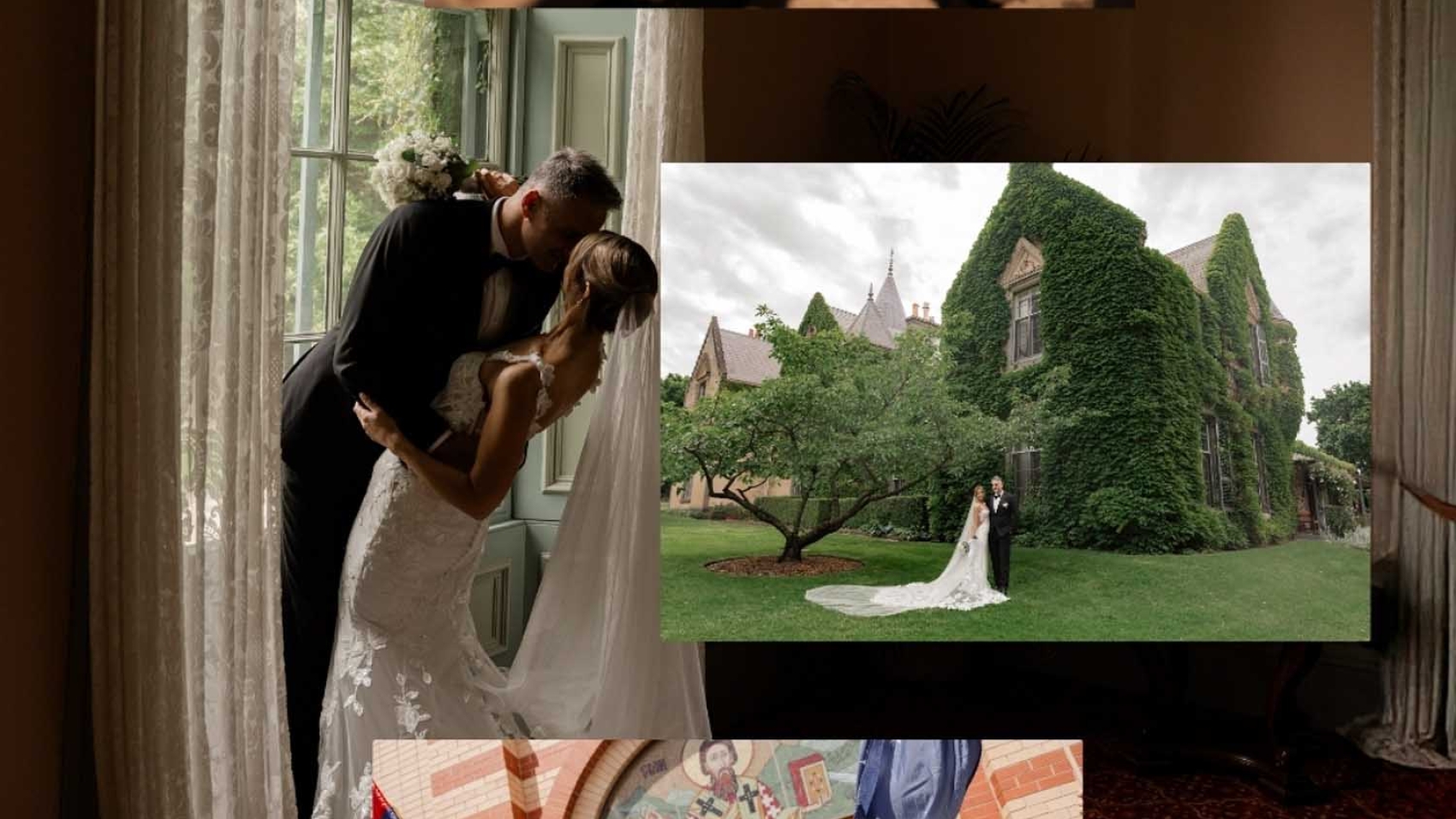
Untitled design - 1

Melbourne Holiday Wedding Photography – Few People, Beautiful Scenery, Ideal Shooting Location

Melbourne Honeymoon Wedding Photography – Stunning Spots With Almost No One Around

Let us be real. Most Melbourne wedding photography locations are a nightmare on weekends. You show up to what you thought was a quiet garden and find four other couples, two photographers, and a guy with a drone. The magic is gone. The photos look like every other wedding album on Instagram.

But Melbourne has dozens of spots that look just as good, sometimes better, and nobody knows about them. These are the places where you can stand in the middle of the frame and the background is just you and the scenery. No crowds. No distractions. No strangers photobombing your first kiss.

This is where the best honeymoon wedding photos come from. Not the famous spots. The forgotten ones.

wedding photography melbourne

Why Uncrowded Locations Change Everything About Your Photos

When there are no other people in the frame, something shifts. The couple becomes the only thing that matters. The background breathes. The light does not have to compete with anything. And the mood goes from “we are posing for a camera” to “we are actually here, in this place, right now.”

That difference is visible in every single photo. The expressions are more natural. The body language is more relaxed. The whole album feels like it belongs to you instead of looking like a stock image.

Crowded locations also limit your angles. You can only shoot from so many directions before someone walks into the frame. An empty location gives you 360 degrees of freedom. You can shoot low. You can shoot high. You can walk in any direction and the background stays clean.

The Psychological Side of Shooting Alone

There is something about having a location to yourself that changes how you act in front of the camera. You stop performing. You start existing. Conversations happen naturally. Laughs happen without being forced. And those moments are the ones that end up being your favorite photos years later.

Couples who shoot in crowded spots often look stiff in their portraits. Not because they are not comfortable with each other, but because they are aware of the audience. Take the audience away, and the whole energy shifts.

Melbourne’s Most Overlooked Waterfront Spots

Everyone goes to St Kilda and Brighton Beach. Those beaches are beautiful, but on any given weekend, they are packed. The waterfront spots that actually give you privacy are the ones most tourists never find.

Williamstown Beach Past the Pier

Most people stop at the Williamstown pier and turn around. Keep walking. Past the pier, past the kiosk, along the esplanade toward Point Gellibrand, the beach opens up into a long, wide stretch of sand with almost no one on it. The view across the bay to the city skyline is one of the best in Melbourne, and you can get it without a single person in the background.

The light here faces west, which means late afternoon and sunset shots are incredible. The sand is golden, the water is calm, and the city across the bay gives you a backdrop that looks expensive without costing a thing.

Elwood Beach and the Kiosk Area

Elwood is quieter than St Kilda but still close to the city. The beach near the kiosk has a row of colorful bathing boxes that give you texture and color without the crowds. On weekday mornings, you can have the entire beach to yourself. The light in the morning is soft and even, which makes it perfect for close-up portraits and detail shots.

The rocky breakwater at the south end of Elwood also gives you something unique. Wet rocks, crashing waves, and a dramatic coastline that looks nothing like the typical Melbourne beach photo. It is moody. It is raw. And it is almost always empty.

Hidden Gardens That Feel Like Private Estates

Melbourne has more gardens than most people realize. And the ones that are not on the main tourist trail are where you get the best photos.

Fitzroy Gardens Early Morning Before 8am

Everyone goes to Fitzroy Gardens in the afternoon. Nobody goes at 7am. That is your window. The gardens are empty. The light is low and golden. The lake is still and reflects the trees like a mirror. You can walk anywhere you want. Sit on any bench. Stand under any tree. There is no one to rush you.

The northern end near the Conservatory is especially quiet. The glass walls give you indoor-quality light without being indoors. The pathways are lined with mature elms that create a canopy overhead, and in the early morning, the light filters through in a way that looks almost unreal.

Carlton Gardens and the Medicine Garden

Most people walk through Carlton Gardens on their way to somewhere else. They never stop. The Medicine Garden at the back is one of the most photographed spots in Melbourne, but almost nobody visits it before 10am. Go at sunrise and you have the entire garden to yourself.

The raised beds, the curved pathways, the old stone walls, all of it looks European and timeless. The light in the morning is soft and directional, which means every plant and every wall casts a gentle shadow that adds depth to your photos without looking harsh.

Treasury Gardens and the Shrine of Remembrance Steps

Treasury Gardens sits right next to Parliament House, which means most people walk past it without noticing. But the garden itself is beautiful. The lawns are wide and green, the trees are mature, and the view toward the Shrine of Remembrance gives you a classical backdrop that works for any style of shoot.

On a weekday morning, you can stand in the middle of the lawn and have zero people in the frame. The light hits the Shrine from the east in the morning, which gives you warm, golden light on the stone while the gardens stay soft and green. It is one of the most underrated spots in the entire city.

Laneways and Streets That Nobody Uses for Wedding Photos

Laneways are Melbourne’s secret weapon for wedding photography. But not the famous ones. Not Hosier Lane. Not Degraves Street. The quiet ones. The ones where the graffiti has not been painted over yet and the light comes in at weird angles that make everything look cinematic.

Nicholson Street in Fitzroy Before 10am

Nicholson Street is the main drag in Fitzroy. It is busy all day. But before 10am, it is dead. The tram tracks run down the middle, the buildings on either side create a natural corridor, and the light comes in from the east and hits the facades in a way that makes the whole street glow.

Shoot here in the morning and you get that classic Melbourne laneway look without a single tourist in the frame. The tram tracks give you leading lines. The shop fronts give you color. And the empty street gives you freedom to move and pose without anyone watching.

Bluestone Streets in North Fitzroy

North of Gertrude Street, Fitzroy gets quieter. The residential streets are lined with bluestone pathways, old brick houses, and mature trees. These streets look like they belong in a film. The light in the late afternoon catches the bluestone and turns it warm gold.

Walk down any of these streets at 4pm on a weekday and you will find yourself alone. The houses provide texture. The trees provide shade. The bluestone provides color. And the silence provides peace. It is the kind of location where your photographer can actually focus on you instead of dodging pedestrians.

Rooftop and Elevated Spots With Zero Foot Traffic

Getting high above the streets solves the crowd problem instantly. Most people do not think to go up. That is why these spots stay empty.

Southbank Rooftop Walks Near the Arts Centre

The elevated walkways along Southbank give you views of the Yarra River, the city skyline, and the bridges without ever touching the ground. On weekday mornings, these walkways are completely empty. The light is open and even. The river below gives you reflections and movement.

The angle from up here also means you can shoot downward into the city, which gives your photos a sense of scale that street-level shots never have. You look small against the skyline. The river winds below you. And the whole frame feels expansive and cinematic.

Queen Victoria Market Rooftop and Surrounding Lanes

Most people shoot Queen Vic from the ground, fighting through the crowd. But the rooftops and the surrounding service lanes are almost always empty. The brick walls, the metal awnings, the narrow corridors between buildings, all of it gives you an urban texture that looks incredible in photos.

Go early. 6am to 7am. The market is not open yet. The lanes are quiet. The light is low and warm. And you have one of Melbourne’s most iconic backdrops all to yourself.

The Time-of-Day Trick That Guarantees Empty Locations

Here is the simplest hack in this entire guide. Go early. Not early as in 8am. Early as in 6am. The difference between 6am and 9am at any Melbourne location is staggering. At 6am, you have the place to yourself. At 9am, you are sharing it with everyone else.

The light at 6am is also the best light of the day. It is low, warm, and directional. It creates long shadows that add drama to every frame. It wraps around faces instead of flattening them. And it does not get harsh until well past 10am, which means you have hours of perfect light before the crowds arrive.

Weekday Mornings Are Your Best Friend

If you can schedule your shoot on a Tuesday or Wednesday morning, do it. Every location in this guide is empty on a weekday morning. Every single one. The parks, the beaches, the laneways, the rooftops. Nobody is there. The light is still good. And you get to shoot without anyone rushing you or walking into the frame.

Most couples cannot do weekday mornings because of work. But if you are doing a pre-wedding or honeymoon shoot, you have the flexibility. Use it. The photos you get on a quiet Tuesday morning at 7am will be better than anything you could get on a Saturday afternoon at the same location.

How to Find Your Own Empty Spot in Melbourne

The locations in this guide are starting points. But the real skill is learning how to find your own. Here is the formula.

Look for places with structural interest but low foot traffic. A building with good windows but no cafe attached. A street with character but no shops. A park with a lake but no playground. If a place has something interesting to photograph but no reason for people to hang out there, it is your spot.

Check Google Maps at different times. Look at the satellite view. If you see a path, a waterfront, or a garden that does not have a pin on it, that means nobody is tagging it. Nobody is tagging it because nobody is going there. And nobody is going there because nobody knows about it. Until now.
71576 - Slaven & Vesna - Preview-52

Suitable wedding photography scenes for all seasons in Melbourne

Melbourne Wedding Photography Locations That Work in Every Season

Planning a Melbourne wedding means accepting one uncomfortable truth. The weather here does not care about your timeline. You can book a summer ceremony and get rain. You can schedule an autumn shoot and hit 35 degrees. The good news is that Melbourne has enough indoor and outdoor locations that actually work year-round to make this manageable. You just need to know which spots deliver no matter what the sky looks like.

wedding photography melbourne

Some locations are seasonal wonders. They are incredible for three weeks and then they are done. But the best spots in Melbourne give you something usable in January, April, July, and October. That is what this guide is about. Places that do not depend on perfect weather. Places that look good in any light. Places that never go out of style.

Indoor Locations That Photograph Beautifully All Year

Let us start with the obvious. When Melbourne weather turns, you need a backup. But the best indoor venues are not just backups. They are main events. The right heritage building or converted space can give you better photos than any outdoor location on a grey day.

The key is finding spaces with large windows. Natural light from a big window is better than any studio setup. It wraps around faces. It fills rooms. And it changes throughout the day, which means you get different moods from the same room without moving an inch.

Heritage Buildings with Character Walls

Melbourne is full of old buildings that were never meant to be wedding venues but photograph like they were. Think exposed brick. Tall ceilings. Wooden floors that creak in the best way. Original fireplaces. Stained glass windows.

These details do not look dated. They look timeless. And they work in every season because they are not dependent on weather at all. A couple standing in front of a heritage fireplace in winter looks completely different from the same couple in front of that same fireplace in summer, but both versions are stunning. The brick absorbs light differently in each season. The window light shifts. The mood changes. Same room. Four different albums.

Converted Warehouses and Industrial Spaces

The industrial spaces in Collingwood, Fitzroy, and Southbank have become wedding staples for a reason. High ceilings mean no harsh shadows from overhead lighting. Concrete walls and polished floors reflect light in ways that make every frame look clean and modern.

These spaces also have one huge advantage. They are big. You can shoot ceremony photos, couple portraits, and group shots all in the same room without it feeling cramped or repetitive. And because they are indoors, a thunderstorm outside does not change a single thing about your shoot.

Outdoor Spots That Actually Deliver in Any Season

Not every outdoor location in Melbourne is seasonal. Some work because of their geometry, not their foliage. These are the spots you can return to in December and they still look incredible.

The Yarra River and Its Bridges

The river does not change with the seasons. The water is always there. The bridges always frame the skyline. And the light hits the river differently every single month, which means you never get the same photo twice.

In summer, the water reflects bright blue sky and the light is harsh and clean. In winter, the water turns steel grey and the mood gets darker and more dramatic. In autumn, fallen leaves drift on the surface and add texture. In spring, the light is soft and the reflections are gentle. Same river. Four completely different visual stories.

Walking along the Southbank promenade gives you open sky to the west, which means sunset shots are possible from almost any point. And the city skyline behind you never looks bad. It is always there. Always working. Always giving you something to frame against.

Bluestone Laneways and Hidden Streets

Melbourne is famous for its laneways. And for good reason. The narrow corridors of bluestone and brick create natural leading lines that draw the eye straight to the couple. The walls bounce light in unpredictable ways. And because the lanes are sheltered, wind is rarely a problem.

Hosier Lane gets all the attention, but it is crowded and the graffiti changes constantly, which can date your photos. Look instead at the quieter lanes in Fitzroy, Carlton, or Richmond. Degraves Street. Centre Place. ACDC Lane. These give you the same narrow-corridor look without the tourist crowds.

The best part about laneway photography is that it works in rain. Wet bluestone reflects light like a mirror. The colors get deeper. The mood gets moodier. Most people avoid laneways when it rains. That means you have the whole place to yourself.

Parks and Gardens That Are Not Just Spring Destinations

Everyone assumes parks are spring and summer locations. That is wrong. Melbourne parks look completely different in every season, and some of the best versions happen when nobody else is shooting.

Royal Botanic Gardens Beyond the Cherry Blossom Window

Yes, the gardens are famous for cherry blossoms in late winter. But the rest of the year, they are still one of the best outdoor wedding locations in the city. The lake gives you reflections in every season. The mature trees provide shade in summer and bare branches that create interesting silhouettes in winter. The lawns are wide open for group shots, and the historic buildings along the edges give you architectural variety without leaving the park.

Go in winter and the gardens are almost empty. The light is low and golden in the late afternoon. The trees are bare, which means the sky is visible through the branches and your photos feel open instead of cluttered. It is the most underrated season to shoot there.

Fitzroy Gardens and the Ornamental Lake

Fitzroy Gardens has a more intimate feel than the Botanic Gardens. The ornamental lake is smaller, which means the reflections are tighter and more controlled. The rotunda gives you a classical frame that works in any season. And the mix of open lawns and dense tree cover means you can find shade or sun depending on what the day gives you.

In autumn, the elm trees turn gold and the lake reflects it all. In winter, the bare trees against a grey sky create something almost melancholic and beautiful. In spring, the gardens are green and fresh. In summer, the shade under the big trees is a lifesaver when the temperature hits 35.

Waterfront Locations That Never Get Old

Melbourne is a waterfront city. And the water does something to photos that land-based locations simply cannot replicate. It reflects. It softens. It adds depth.

St Kilda and the Pier

St Kilda Beach works in every season. The pier gives you a strong horizontal line that anchors every frame. The open horizon to the west means sunset shots are reliable almost every evening, even through clouds. And the amusement park buildings add color and texture that work year-round.

In winter, the beach is empty and the wind is strong, which creates dramatic movement in fabric and hair. In summer, the light is bright and the sand is golden. In autumn, the skies are moody and the water turns dark. In spring, everything is green and the light is soft. Same pier. Four different moods.

Brighton Beach and the Bathing Boxes

The bathing boxes are one of the most photographed landmarks in Melbourne. And they look good in every season. The colorful facades stand out against the water no matter what the sky is doing. The wooden jetties give you leading lines that point straight to the horizon.

The best time to shoot here is early morning. The light is low, the beach is empty, and the boxes cast long shadows on the sand. This works in summer when the sun rises early and in winter when the light is golden by 8am. You do not need perfect weather. You just need to show up before the crowds.

How to Pick a Location That Does Not Depend on One Season

The mistake most couples make is picking a location based on what it looks like in one season. They see a photo from spring and book it for their autumn wedding. Then they show up and the trees are bare, the flowers are gone, and the whole vibe is different.

The fix is simple. Look for locations that have structural elements, not just seasonal ones. A building with good windows works in every season. A river does not change. A laneway looks the same in July as it does in January. A pier is always a pier.

If the location relies on foliage, flowers, or weather to look good, it is a seasonal spot. If it relies on architecture, water, or light, it works year-round. That is the difference. And it is the difference between an album that looks dated in two years and one that still stops you in your tracks a decade later.

The Backup Plan That Saves Every Shoot

No matter how good your primary location is, always have a secondary spot within 20 minutes. Melbourne weather can shift in an hour. You can start shooting outdoors in perfect sun and get hit with a downpour by 3pm. If your backup is an indoor venue or a covered laneway, you lose nothing. If your backup is another outdoor spot, you just traded one weather risk for another.

The couples who have the smoothest wedding days are not the ones with the best weather. They are the ones who planned for the worst and still ended up with incredible photos. That is not luck. That is preparation. And it starts with choosing locations that give you options instead of ultimatums.

71576 - Slaven & Vesna - Preview-43

Melbourne sunny sunset wedding photography – dual atmosphere effect

Melbourne Sunny Sunset Wedding Photography – Capturing That Dual Light Magic

There is something about a clear Melbourne sunset that makes everything stop. The sky goes from blue to gold to pink to deep purple in the span of about 40 minutes. And if you time your wedding photos right, you get two completely different looks in one session. The bright, warm, sun-drenched afternoon shots. Then the moody, dramatic, fire-in-the-sky golden hour portraits. Two vibes. One shoot. One album that tells two stories.

Melbourne Sunny Sunset Wedding Photography – Capturing That Dual Light Magic
There is something about a clear Melbourne sunset that makes everything stop. The sky goes from blue to gold to pink to deep purple in the span of about 40 minutes. And if you time your wedding photos right, you get two completely different looks in one session. The bright, warm, sun-drenched afternoon shots. Then the moody, dramatic, fire-in-the-sky golden hour portraits. Two vibes. One shoot. One album that tells two stories.

This is the window every Melbourne wedding photographer dreams about. A clear sky, a low sun, and a couple willing to stay out past dinner. It does not happen every day. But when it does, the results are unlike anything you can get on an overcast afternoon or a harsh midday shoot.

Why Sunny Sunset Wedding Shoots Give You Two Albums in One
Most couples think of sunset wedding photography as one thing. Golden hour. Warm light. Pretty sky. But if you start shooting at 3pm and keep going until 7pm, you are actually getting three distinct lighting phases. The afternoon sun gives you bright, clean, high-contrast portraits with sharp shadows and vivid color. Then around 5pm, the light starts softening. Shadows get longer. The color shifts from white-gold to deep amber. Then at 6pm, the sun hits the horizon and everything turns pink, orange, and purple.

That means one session gives you three completely different moods. Bright and energetic. Warm and romantic. Dramatic and cinematic. Most couples only plan for one of these. The smart ones plan for all three.

The Afternoon Sun Is Better Than You Think
Everyone chases golden hour. But the afternoon sun, from about 1pm to 4pm on a clear day in Melbourne, gives you something golden hour cannot. Sharpness. Contrast. Clean lines. The light is directional and strong, which means your features get defined instead of washed out.

This is the window for detailed shots. The dress. The rings. The bouquet. The architecture of the venue. Everything looks crisp and alive. And because the sun is still high, you are not squinting. Your eyes are open. Your expressions are natural. You look like yourself, not like a silhouette.

Best Melbourne Locations for Sunny Sunset Double-Feature Shoots
The location you pick determines whether you get both moods or just one. You need a spot that faces west so you can catch the sunset directly, but also has open space or interesting architecture for the afternoon shots.

St Kilda Beach is the classic choice. The pier gives you structure in the afternoon, and the open western horizon means the sun drops right into the water at sunset. The reflections on the sand during golden hour are unreal.

The Yarra River banks near Southbank work beautifully too. The glass buildings catch the afternoon light and throw it back in interesting ways. Then at sunset, the river turns gold and the city skyline silhouettes behind you.

Rooftop Spots That Give You 360-Degree Sunset Access
If you want the sun to dominate your frame, get high. Rooftop venues in Melbourne give you an unobstructed western view that street-level locations simply cannot match. No trees blocking the horizon. No buildings cutting off the sky. Just you, the light, and an endless gradient of color.

The afternoon light on a rooftop is also incredible because there are no shadows from surrounding structures. The sun hits you from every angle, which means even your backlit shots look good. You do not need a reflector. The whole roof is your light modifier.

How to Sequence Your Shoot for Both Moods
The order matters. Start with the afternoon shots first. Your energy is high. Your makeup is fresh. The light is forgiving. Get all your detailed shots, all your venue photos, all your group shots done while the sun is still up.

Then as the light starts softening around 5pm, transition to couple portraits. This is the in-between phase. The light is warm but not dramatic yet. It is the most flattering window for faces. Skin looks golden without being orange. Shadows are long but soft.

Then at sunset, let go. Stop posing. Start walking. Start talking. The light is doing the work now. Your photographer just needs to follow you and capture whatever happens.

The 20-Minute Sunset Window Is Everything
Here is the truth nobody tells you. The actual sunset, the part where the sun touches the horizon and the sky explodes with color, lasts about 20 minutes. Maybe 25 on a good day. That is it. After that, the light fades fast. The pink turns to grey. The gold turns to blue.

This means you need to be in position before the sun starts dropping. Do not waste those 20 minutes setting up. Know exactly where you are standing. Know exactly what you want. The couples who nail their sunset shots are not the ones with the best equipment. They are the ones who were already in place when the light arrived.

The Color Shift That Makes These Photos Unique
What makes a sunny sunset wedding shoot different from any other is the color progression. In the afternoon, everything looks clean and bright. Whites are white. Greens are green. The sky is blue. Then as the sun drops, the white balance shifts. Everything gets warmer. The whites turn cream. The greens turn olive. The blue sky turns gold.

That shift is what gives the album its narrative arc. You open the book and it is bright and happy. You turn the page and it is warm and soft. You turn another page and it is dramatic and moody. One wedding day. Three completely different visual stories. No editing trick can fake that progression. It has to be captured in real time.

Working with Lens Flare Without Ruining Your Shots
Shooting directly into the sun sounds like a bad idea. And sometimes it is. But when you do it right, lens flare becomes one of the most beautiful effects in wedding photography. That warm haze that washes across the frame. The light wrapping around your hair. The soft glow that makes everything look like a memory.

The key is angle. Do not shoot straight into the sun. Shoot at about 30 to 45 degrees off the sun's position. That way you get the flare without losing contrast in the image. Your photographer should know this. If they do not, find someone who does.

What to Wear for a Dual-Light Sunset Shoot
Your outfit needs to work in two completely different light conditions. In the afternoon, bright white or ivory will look clean and sharp. But at sunset, that same white dress will pick up all the warm tones and turn golden, which is beautiful but very different from the afternoon look.

If you want consistency across both moods, go with a warm tone. Cream, champagne, soft gold. These colors look good in bright afternoon light and they glow even more at sunset. Avoid pure white if you want the two moods to feel connected. Avoid dark colors because they will kill the sunset portraits.

How Hair and Makeup Hold Up Across Both Windows
This is the practical stuff nobody talks about. Your makeup needs to survive from 2pm to 7pm. That is five hours. In Melbourne sun. With wind. Possibly humidity.

Go matte. Everything matte. Foundation, powder, eyeshadow, lipstick. Anything dewy will melt by 4pm. And anything that is not smudge-proof will be gone by sunset. Your hair should be done in a way that looks good when it is perfect and also looks good when it gets messy. Loose waves work. Tight curls do not. Wind will destroy tight curls by golden hour.

The Emotional Difference Between Afternoon and Sunset Shots
Afternoon photos feel joyful. They are bright. They are sharp. They capture the energy of the day. Everyone is smiling. The light is high and everything feels open.

Sunset photos feel intimate. The light is low. The shadows are long. The colors are deep. Couples look at each other differently in sunset light. There is a quietness to it. A heaviness. Not sad, but real. The kind of photos that make you stop scrolling and just stare.

That emotional contrast is what makes a dual-light wedding album so powerful. It is not just pretty pictures. It is a story that moves from energy to stillness. From brightness to depth. From the day to the night. And it all happens in one shoot, in one location, with one photographer who knows how to read the light.

This is the window every Melbourne wedding photographer dreams about. A clear sky, a low sun, and a couple willing to stay out past dinner. It does not happen every day. But when it does, the results are unlike anything you can get on an overcast afternoon or a harsh midday shoot.

Why Sunny Sunset Wedding Shoots Give You Two Albums in One

Most couples think of sunset wedding photography as one thing. Golden hour. Warm light. Pretty sky. But if you start shooting at 3pm and keep going until 7pm, you are actually getting three distinct lighting phases. The afternoon sun gives you bright, clean, high-contrast portraits with sharp shadows and vivid color. Then around 5pm, the light starts softening. Shadows get longer. The color shifts from white-gold to deep amber. Then at 6pm, the sun hits the horizon and everything turns pink, orange, and purple.

That means one session gives you three completely different moods. Bright and energetic. Warm and romantic. Dramatic and cinematic. Most couples only plan for one of these. The smart ones plan for all three.

The Afternoon Sun Is Better Than You Think

Everyone chases golden hour. But the afternoon sun, from about 1pm to 4pm on a clear day in Melbourne, gives you something golden hour cannot. Sharpness. Contrast. Clean lines. The light is directional and strong, which means your features get defined instead of washed out.

This is the window for detailed shots. The dress. The rings. The bouquet. The architecture of the venue. Everything looks crisp and alive. And because the sun is still high, you are not squinting. Your eyes are open. Your expressions are natural. You look like yourself, not like a silhouette.

Best Melbourne Locations for Sunny Sunset Double-Feature Shoots

The location you pick determines whether you get both moods or just one. You need a spot that faces west so you can catch the sunset directly, but also has open space or interesting architecture for the afternoon shots.

St Kilda Beach is the classic choice. The pier gives you structure in the afternoon, and the open western horizon means the sun drops right into the water at sunset. The reflections on the sand during golden hour are unreal.

The Yarra River banks near Southbank work beautifully too. The glass buildings catch the afternoon light and throw it back in interesting ways. Then at sunset, the river turns gold and the city skyline silhouettes behind you.

Rooftop Spots That Give You 360-Degree Sunset Access

If you want the sun to dominate your frame, get high. Rooftop venues in Melbourne give you an unobstructed western view that street-level locations simply cannot match. No trees blocking the horizon. No buildings cutting off the sky. Just you, the light, and an endless gradient of color.

The afternoon light on a rooftop is also incredible because there are no shadows from surrounding structures. The sun hits you from every angle, which means even your backlit shots look good. You do not need a reflector. The whole roof is your light modifier.

How to Sequence Your Shoot for Both Moods

The order matters. Start with the afternoon shots first. Your energy is high. Your makeup is fresh. The light is forgiving. Get all your detailed shots, all your venue photos, all your group shots done while the sun is still up.

Then as the light starts softening around 5pm, transition to couple portraits. This is the in-between phase. The light is warm but not dramatic yet. It is the most flattering window for faces. Skin looks golden without being orange. Shadows are long but soft.

Then at sunset, let go. Stop posing. Start walking. Start talking. The light is doing the work now. Your photographer just needs to follow you and capture whatever happens.

The 20-Minute Sunset Window Is Everything

Here is the truth nobody tells you. The actual sunset, the part where the sun touches the horizon and the sky explodes with color, lasts about 20 minutes. Maybe 25 on a good day. That is it. After that, the light fades fast. The pink turns to grey. The gold turns to blue.

This means you need to be in position before the sun starts dropping. Do not waste those 20 minutes setting up. Know exactly where you are standing. Know exactly what you want. The couples who nail their sunset shots are not the ones with the best equipment. They are the ones who were already in place when the light arrived.

The Color Shift That Makes These Photos Unique

What makes a sunny sunset wedding shoot different from any other is the color progression. In the afternoon, everything looks clean and bright. Whites are white. Greens are green. The sky is blue. Then as the sun drops, the white balance shifts. Everything gets warmer. The whites turn cream. The greens turn olive. The blue sky turns gold.

That shift is what gives the album its narrative arc. You open the book and it is bright and happy. You turn the page and it is warm and soft. You turn another page and it is dramatic and moody. One wedding day. Three completely different visual stories. No editing trick can fake that progression. It has to be captured in real time.

Working with Lens Flare Without Ruining Your Shots

Shooting directly into the sun sounds like a bad idea. And sometimes it is. But when you do it right, lens flare becomes one of the most beautiful effects in wedding photography. That warm haze that washes across the frame. The light wrapping around your hair. The soft glow that makes everything look like a memory.

The key is angle. Do not shoot straight into the sun. Shoot at about 30 to 45 degrees off the sun’s position. That way you get the flare without losing contrast in the image. Your photographer should know this. If they do not, find someone who does.

What to Wear for a Dual-Light Sunset Shoot

Your outfit needs to work in two completely different light conditions. In the afternoon, bright white or ivory will look clean and sharp. But at sunset, that same white dress will pick up all the warm tones and turn golden, which is beautiful but very different from the afternoon look.

If you want consistency across both moods, go with a warm tone. Cream, champagne, soft gold. These colors look good in bright afternoon light and they glow even more at sunset. Avoid pure white if you want the two moods to feel connected. Avoid dark colors because they will kill the sunset portraits.

How Hair and Makeup Hold Up Across Both Windows

This is the practical stuff nobody talks about. Your makeup needs to survive from 2pm to 7pm. That is five hours. In Melbourne sun. With wind. Possibly humidity.

Go matte. Everything matte. Foundation, powder, eyeshadow, lipstick. Anything dewy will melt by 4pm. And anything that is not smudge-proof will be gone by sunset. Your hair should be done in a way that looks good when it is perfect and also looks good when it gets messy. Loose waves work. Tight curls do not. Wind will destroy tight curls by golden hour.

The Emotional Difference Between Afternoon and Sunset Shots

Afternoon photos feel joyful. They are bright. They are sharp. They capture the energy of the day. Everyone is smiling. The light is high and everything feels open.

Sunset photos feel intimate. The light is low. The shadows are long. The colors are deep. Couples look at each other differently in sunset light. There is a quietness to it. A heaviness. Not sad, but real. The kind of photos that make you stop scrolling and just stare.

That emotional contrast is what makes a dual-light wedding album so powerful. It is not just pretty pictures. It is a story that moves from energy to stillness. From brightness to depth. From the day to the night. And it all happens in one shoot, in one location, with one photographer who knows how to read the light.