Melbourne sunny sunset wedding photography - dual atmosphere effect
Melbourne sunny sunset wedding photography - dual atmosphere effect
Melbourne Sunny Sunset Wedding Photography – Capturing That Dual Light Magic
There is something about a clear Melbourne sunset that makes everything stop. The sky goes from blue to gold to pink to deep purple in the span of about 40 minutes. And if you time your wedding photos right, you get two completely different looks in one session. The bright, warm, sun-drenched afternoon shots. Then the moody, dramatic, fire-in-the-sky golden hour portraits. Two vibes. One shoot. One album that tells two stories.
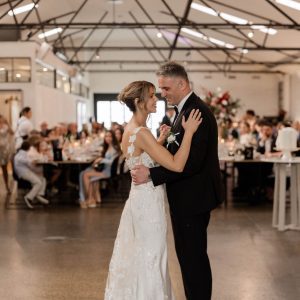
This is the window every Melbourne wedding photographer dreams about. A clear sky, a low sun, and a couple willing to stay out past dinner. It does not happen every day. But when it does, the results are unlike anything you can get on an overcast afternoon or a harsh midday shoot.
Why Sunny Sunset Wedding Shoots Give You Two Albums in One
Most couples think of sunset wedding photography as one thing. Golden hour. Warm light. Pretty sky. But if you start shooting at 3pm and keep going until 7pm, you are actually getting three distinct lighting phases. The afternoon sun gives you bright, clean, high-contrast portraits with sharp shadows and vivid color. Then around 5pm, the light starts softening. Shadows get longer. The color shifts from white-gold to deep amber. Then at 6pm, the sun hits the horizon and everything turns pink, orange, and purple.
That means one session gives you three completely different moods. Bright and energetic. Warm and romantic. Dramatic and cinematic. Most couples only plan for one of these. The smart ones plan for all three.
The Afternoon Sun Is Better Than You Think
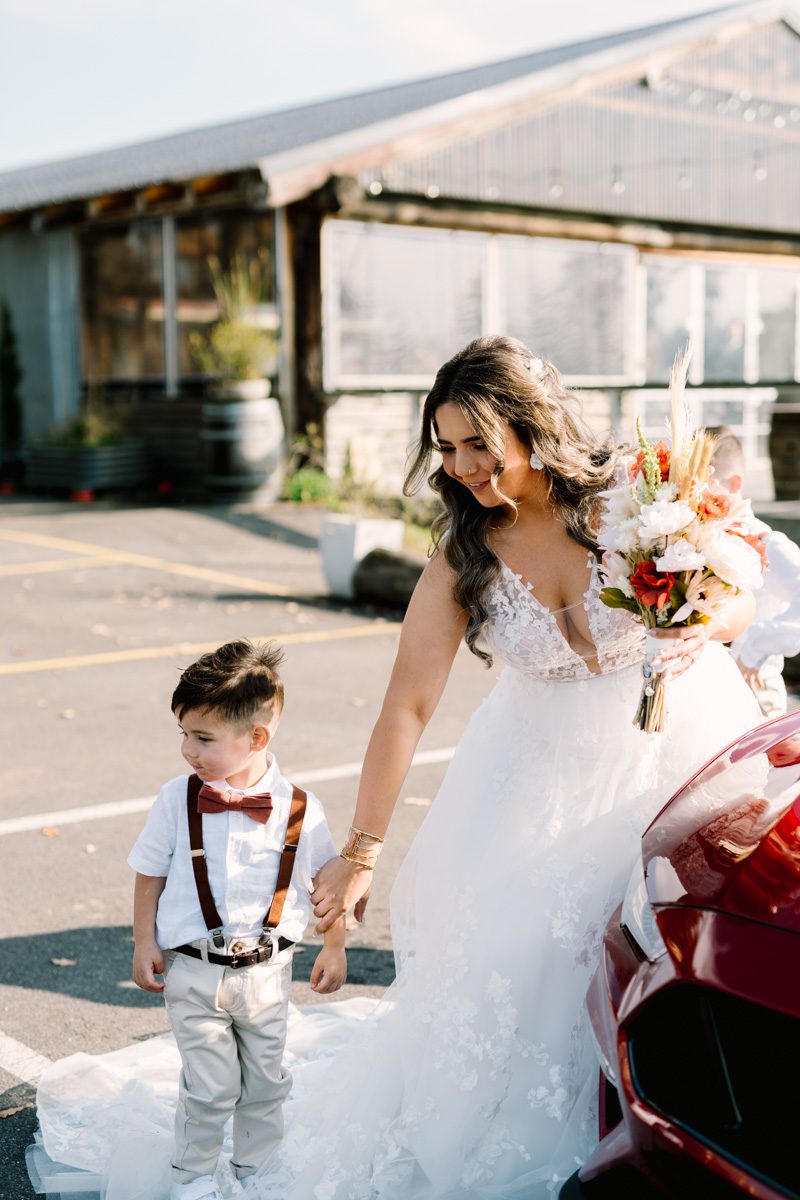
Everyone chases golden hour. But the afternoon sun, from about 1pm to 4pm on a clear day in Melbourne, gives you something golden hour cannot. Sharpness. Contrast. Clean lines. The light is directional and strong, which means your features get defined instead of washed out.
This is the window for detailed shots. The dress. The rings. The bouquet. The architecture of the venue. Everything looks crisp and alive. And because the sun is still high, you are not squinting. Your eyes are open. Your expressions are natural. You look like yourself, not like a silhouette.
Best Melbourne Locations for Sunny Sunset Double-Feature Shoots
The location you pick determines whether you get both moods or just one. You need a spot that faces west so you can catch the sunset directly, but also has open space or interesting architecture for the afternoon shots.
St Kilda Beach is the classic choice. The pier gives you structure in the afternoon, and the open western horizon means the sun drops right into the water at sunset. The reflections on the sand during golden hour are unreal.
The Yarra River banks near Southbank work beautifully too. The glass buildings catch the afternoon light and throw it back in interesting ways. Then at sunset, the river turns gold and the city skyline silhouettes behind you.
Rooftop Spots That Give You 360-Degree Sunset Access
If you want the sun to dominate your frame, get high. Rooftop venues in Melbourne give you an unobstructed western view that street-level locations simply cannot match. No trees blocking the horizon. No buildings cutting off the sky. Just you, the light, and an endless gradient of color.
The afternoon light on a rooftop is also incredible because there are no shadows from surrounding structures. The sun hits you from every angle, which means even your backlit shots look good. You do not need a reflector. The whole roof is your light modifier.
How to Sequence Your Shoot for Both Moods
The order matters. Start with the afternoon shots first. Your energy is high. Your makeup is fresh. The light is forgiving. Get all your detailed shots, all your venue photos, all your group shots done while the sun is still up.
Then as the light starts softening around 5pm, transition to couple portraits. This is the in-between phase. The light is warm but not dramatic yet. It is the most flattering window for faces. Skin looks golden without being orange. Shadows are long but soft.
Then at sunset, let go. Stop posing. Start walking. Start talking. The light is doing the work now. Your photographer just needs to follow you and capture whatever happens.
The 20-Minute Sunset Window Is Everything
Here is the truth nobody tells you. The actual sunset, the part where the sun touches the horizon and the sky explodes with color, lasts about 20 minutes. Maybe 25 on a good day. That is it. After that, the light fades fast. The pink turns to grey. The gold turns to blue.
This means you need to be in position before the sun starts dropping. Do not waste those 20 minutes setting up. Know exactly where you are standing. Know exactly what you want. The couples who nail their sunset shots are not the ones with the best equipment. They are the ones who were already in place when the light arrived.
The Color Shift That Makes These Photos Unique
What makes a sunny sunset wedding shoot different from any other is the color progression. In the afternoon, everything looks clean and bright. Whites are white. Greens are green. The sky is blue. Then as the sun drops, the white balance shifts. Everything gets warmer. The whites turn cream. The greens turn olive. The blue sky turns gold.
That shift is what gives the album its narrative arc. You open the book and it is bright and happy. You turn the page and it is warm and soft. You turn another page and it is dramatic and moody. One wedding day. Three completely different visual stories. No editing trick can fake that progression. It has to be captured in real time.
Working with Lens Flare Without Ruining Your Shots
Shooting directly into the sun sounds like a bad idea. And sometimes it is. But when you do it right, lens flare becomes one of the most beautiful effects in wedding photography. That warm haze that washes across the frame. The light wrapping around your hair. The soft glow that makes everything look like a memory.
The key is angle. Do not shoot straight into the sun. Shoot at about 30 to 45 degrees off the sun’s position. That way you get the flare without losing contrast in the image. Your photographer should know this. If they do not, find someone who does.
What to Wear for a Dual-Light Sunset Shoot
Your outfit needs to work in two completely different light conditions. In the afternoon, bright white or ivory will look clean and sharp. But at sunset, that same white dress will pick up all the warm tones and turn golden, which is beautiful but very different from the afternoon look.
If you want consistency across both moods, go with a warm tone. Cream, champagne, soft gold. These colors look good in bright afternoon light and they glow even more at sunset. Avoid pure white if you want the two moods to feel connected. Avoid dark colors because they will kill the sunset portraits.
How Hair and Makeup Hold Up Across Both Windows
This is the practical stuff nobody talks about. Your makeup needs to survive from 2pm to 7pm. That is five hours. In Melbourne sun. With wind. Possibly humidity.
Go matte. Everything matte. Foundation, powder, eyeshadow, lipstick. Anything dewy will melt by 4pm. And anything that is not smudge-proof will be gone by sunset. Your hair should be done in a way that looks good when it is perfect and also looks good when it gets messy. Loose waves work. Tight curls do not. Wind will destroy tight curls by golden hour.
The Emotional Difference Between Afternoon and Sunset Shots
Afternoon photos feel joyful. They are bright. They are sharp. They capture the energy of the day. Everyone is smiling. The light is high and everything feels open.
Sunset photos feel intimate. The light is low. The shadows are long. The colors are deep. Couples look at each other differently in sunset light. There is a quietness to it. A heaviness. Not sad, but real. The kind of photos that make you stop scrolling and just stare.
That emotional contrast is what makes a dual-light wedding album so powerful. It is not just pretty pictures. It is a story that moves from energy to stillness. From brightness to depth. From the day to the night. And it all happens in one shoot, in one location, with one photographer who knows how to read the light.