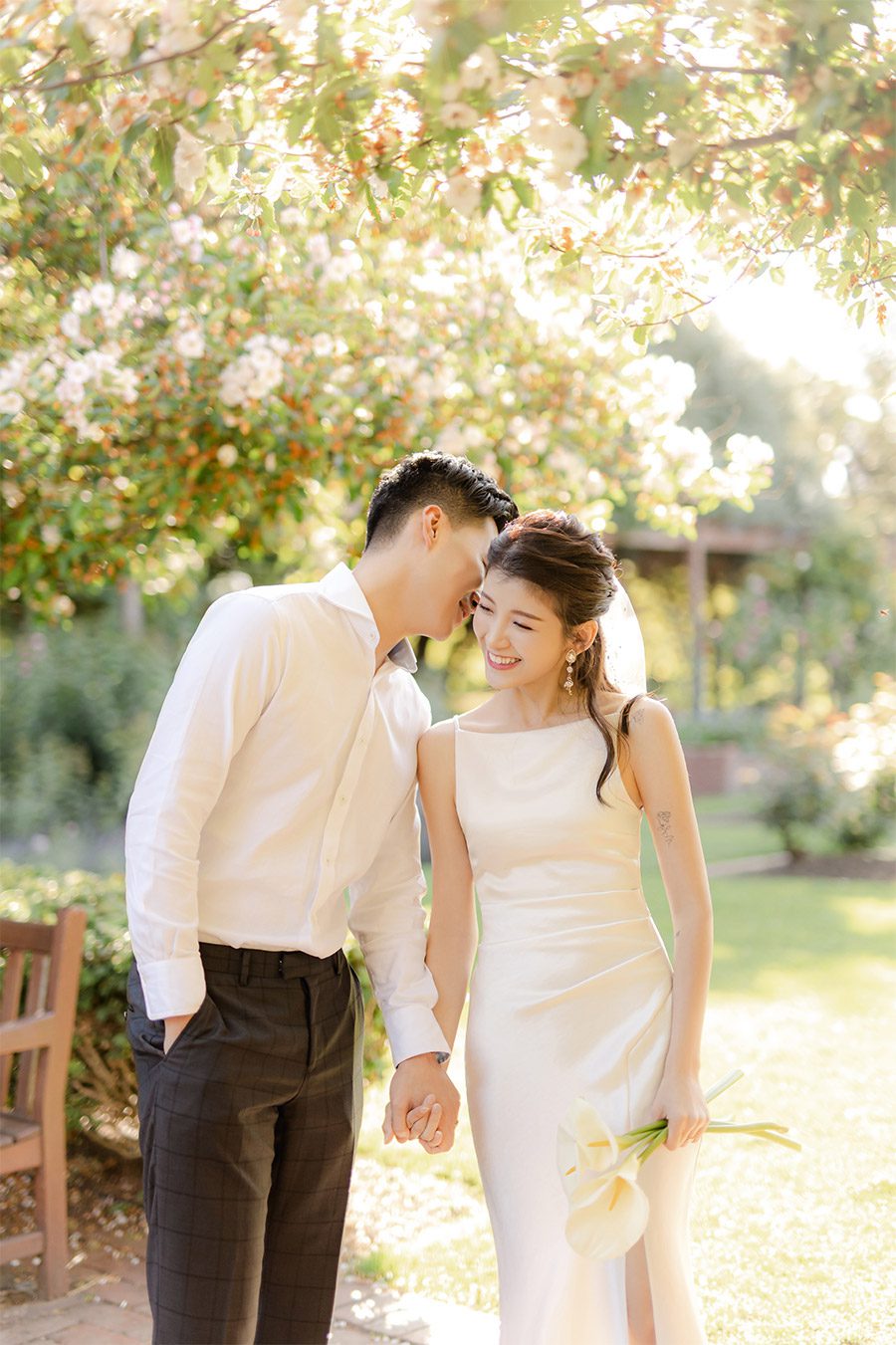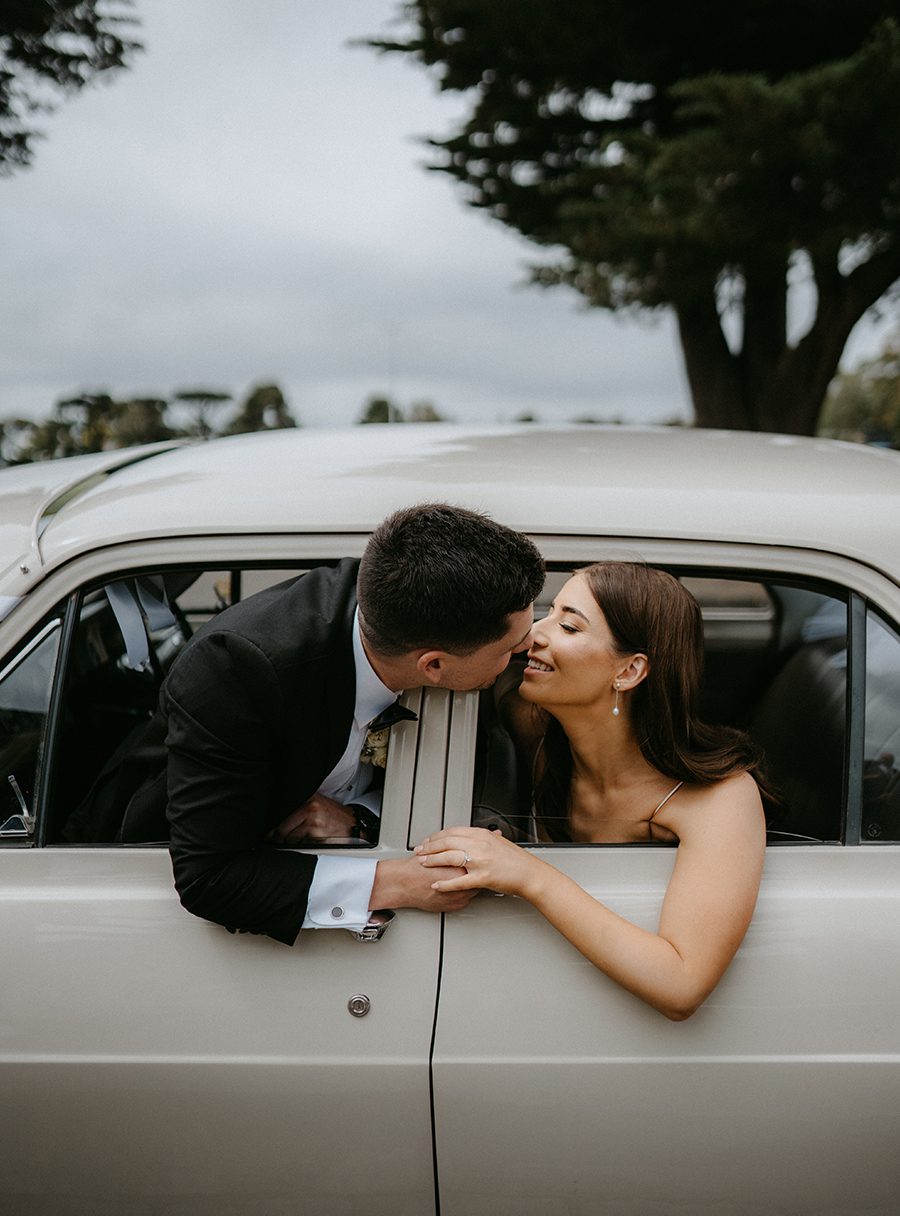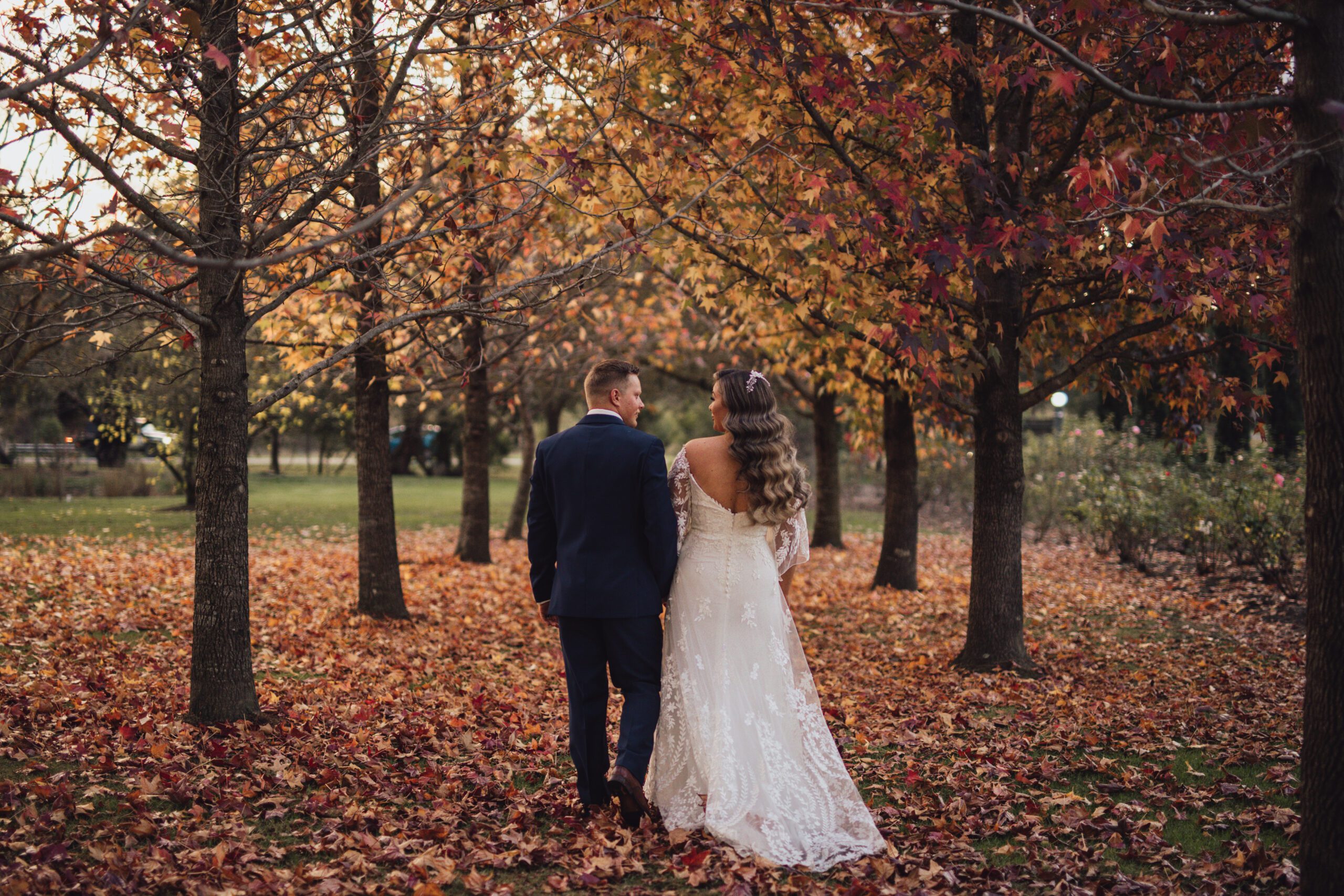
Winter wedding photography in Melbourne, with warm-toned indoor settings
Winter wedding photography in Melbourne, with warm-toned indoor settings
Melbourne Winter Wedding Photography Warm Indoor Shoots: The Cozy Aesthetic That Surprisingly Outperforms Everything Else
Winter in Melbourne is grey, cold, and miserable outdoors. Everyone knows this. The wind cuts through your coat, the rain comes sideways, and the light is flat and unforgiving from 9am to 4pm. So why do some of the best wedding photos in Melbourne happen in the dead of winter? Because indoors, with the right setup, winter becomes the most intimate, warm, and cinematic season you can shoot in. The cold outside makes the warmth inside feel real. And that contrast — frozen streets versus glowing interiors — is what makes Melbourne winter wedding photography hit different from any other city or any other season.
Why Warm Indoor Shoots in Melbourne Winter Actually Work Better Than Outdoor Ones
The Light Indoors Is Controllable and That Changes Everything
Outdoor winter light in Melbourne is a nightmare for photographers. Overcast skies, low sun, grey everything. You can’t fix it with editing. You can’t wait it out. It’s just bad for six hours a day.
Indoors, none of that matters. You control the light. A single warm lamp, a fireplace, a window with soft diffused daylight coming through — all of these create a glow that no outdoor winter light can match. The warmth is built into the scene instead of something you’re trying to fake in post.
This is why Melbourne wedding photographers who specialise in winter shoots almost always recommend indoor locations. The light is consistent, it’s flattering, and it doesn’t change every five minutes because a cloud rolled in. You get the same quality from the first frame to the last.
The Contrast Between Cold Outside and Warm Inside Tells a Story
There’s something about a couple wrapped in warmth while Melbourne freezes outside that makes photos feel alive. You can see the rain on the window. You can see the grey sky through the glass. But inside, everything is golden — the light, the skin, the fabric, the air. That contrast creates tension in a frame that a sunny outdoor shoot simply can’t replicate.
Google searches for “Melbourne winter wedding photography indoor” and “cozy wedding shoot Victoria” climb every year between June and August. Couples are getting smarter. They realise that fighting Melbourne’s winter weather outdoors is a losing battle, but embracing it indoors creates something genuinely beautiful.
Picking the Right Indoor Location for a Warm Winter Shoot
Heritage Buildings and Classic Interiors
Melbourne is full of old buildings with interiors that were never designed for wedding photography but happen to be perfect for it. High ceilings, timber floors, ornate fireplaces, tall windows that let in soft winter light — these spaces were built a hundred years ago and they photograph like they were built yesterday.
The State Library’s reading rooms, the old Treasury Building, heritage hotels along Collins Street, and converted warehouses in Fitzroy all have interiors that glow in winter light. The key is finding a space with warm-toned walls — cream, terracotta, deep wood — instead of cold grey or white. Warm walls reflect warm light. Cold walls kill it.
The advantage of heritage interiors is texture. Every surface has character — the grain of old timber, the patina on brass fixtures, the cracks in plaster walls. These details add depth to photos that a modern, clean studio simply can’t match. Your photographer will love these spaces because every corner has something to shoot.
Cafes and Restaurants With Natural Warmth
Not every couple wants a grand heritage building. Some want something smaller, more intimate, more lived-in. Melbourne’s cafe and restaurant scene in winter is full of spaces that radiate warmth without trying to.
A corner table by a window in a dimly lit cafe. A fireplace in a quiet restaurant after hours. A bakery with warm overhead lighting and flour-dusted surfaces. These locations feel real instead of staged, and that reality shows in photos.
The practical benefit of cafes and restaurants is accessibility. You don’t need to book a venue weeks in advance. You don’t need permits. You just need a quiet hour when the place isn’t busy. Most Melbourne cafes are happy to accommodate a wedding shoot on a weekday morning or a late afternoon when the lunch rush is over.
Home and Airbnb Spaces: The Most Intimate Option
Shooting in someone’s home — or a rented Airbnb — is the most personal indoor option and it’s gaining traction fast in Melbourne. A living room with a fireplace, a kitchen with warm cabinetry, a bedroom with soft lamplight — these spaces feel like actual life instead of a set.
The photos from home shoots have a quality that studio photos never achieve: they look like a moment that happened, not a moment that was arranged. A couple making coffee in a warm kitchen. Laughing on a couch with a blanket. Standing by a window while rain hits the glass. These are the frames that get framed and hung on walls.
The downside is space. Homes are small. You can’t spread out a long train. You can’t shoot wide angles without hitting furniture. But for couples who want intimate, close-up, detail-heavy photos, the limitations of a home actually work in your favour. They force the photographer to get closer, which is where the best winter wedding photos live anyway.
Styling for a Warm Indoor Winter Shoot
The Outfit Needs to Feel Like Warmth You Can See
Indoor winter shoots demand outfits that look warm even when the camera can’t feel the temperature. Velvet, wool, cashmere, chunky knits — these fabrics have texture that reads on camera and they signal warmth without saying a word.
For the bride, a deep jewel-tone velvet dress in emerald, burgundy, or navy works better than anything else in a warm indoor setting. The fabric catches the light, it has depth, and it contrasts beautifully against warm-toned interiors. A cream or ivory knit dress also works — it feels soft, it photographs cleanly, and it glows under warm indoor light.
Avoid anything shiny or satin. Satin reflects light too harshly indoors and it looks cold instead of warm. The whole point of a winter indoor shoot is coziness. Satin is the opposite of cozy.
For the groom, a wool suit in charcoal, brown, or deep green. A cashmere overcoat. A chunky knit scarf. These pieces add texture and warmth to the frame without looking like a costume. Avoid lightweight summer suits — they look wrong in a winter indoor setting. The fabric should match the season even if you’re shooting inside.
Colour Palettes That Thrive in Warm Indoor Light
Warm indoor light shifts everything toward amber and gold. This means your colour choices need to account for that shift or they’ll look wrong in photos.
The safest palette for a warm indoor winter shoot is warm neutrals with one jewel-tone accent. Cream, camel, warm brown as the base. Then one pop of deep colour — a burgundy scarf, an emerald pocket square, a navy tie. The neutrals blend with the warm light and the jewel tone gives the eye somewhere to land.
Earth tones also work beautifully. Terracotta, rust, olive, warm clay — these colours were practically invented for warm indoor photography. They absorb the amber light instead of fighting it, and they create a cohesive, editorial look that feels intentional without being overdone.
Avoid cool tones. Ice blue, silver, grey — these colours look ashy under warm indoor light. They clash with the amber tones of the environment and make the couple look disconnected from the scene. If you want to wear something cool, keep it small — a silver brooch, a grey scarf — and let the rest of the outfit stay warm.
Hair and Makeup for Indoor Warmth
The makeup for an indoor winter shoot should be warmer than you’d normally wear. Not dramatic — just warm. Think peachy blush, bronze eyeshadow, a brown lip liner instead of black, and a lip colour in the terracotta or warm mauve family.
The indoor light will amplify every warm tone on your face, so lean into it. Avoid anything cool-toned. Blue-based pinks, icy eyeshadows, and berry lips will look harsh against the amber glow of the room. Everything should feel like it belongs in the same warm world as the light.
Skin should be dewy, not matte. Indoor light is already soft and diffused — matte skin will look flat and lifeless under it. A dewy finish catches the warm light and makes skin look healthy and glowing. Use a hydrating primer, a light-coverage foundation, and a dewy setting spray. Let the light do the work.
Hair should look soft and natural. Loose waves or a low messy bun work best indoors. Avoid anything too sleek or too structured — the vibe is cozy, not polished. A few face-framing pieces add dimension to close-up shots and they catch the warm light beautifully.
The Details That Make Indoor Winter Shoots Unforgettable
Firelight Is Your Best Friend
If your indoor location has a fireplace, use it. Seriously. Firelight is the single most flattering light source for winter wedding photography. It’s warm, it’s directional, it flickers, and it makes every frame look like a Renaissance painting.
Position the couple near the fire but not so close that the heat is uncomfortable. The light from a fireplace wraps around the face in a way that no lamp or window can replicate. It creates soft shadows, warm highlights, and a glow that makes skin look incredible.
If there’s no fireplace, fake it. Candles, string lights, warm-toned lamps — anything that creates a flickering, warm glow will work. The goal is to make the light feel alive instead of static. A still, flat light source makes indoor photos look like a passport photo. A flickering, warm light source makes them look like a memory.
Props That Add Warmth Without Adding Clutter
Indoor winter shoots benefit from props that reinforce the cozy mood. A chunky knit blanket draped over a chair. A stack of old books on a side table. A ceramic mug with steam rising from it. A wool scarf tossed casually over a railing. These small details add texture and story to the frame without overwhelming it.
The rule is simple: every prop should feel like it belongs in the room. If it looks like you brought it from home, it works. If it looks like you brought it from a prop warehouse, it doesn’t. A real book from a real shelf looks different from a decorative book placed on a table for the camera. The eye can tell the difference.
Flowers also work indoors in winter, but choose the right kind. Dried flowers, pampas grass, eucalyptus, and muted wildflowers all photograph beautifully in warm indoor light. Avoid bright, fresh bouquets — they look too spring-like for a winter setting. The flowers should match the season.
Windows and Rain: The Secret Weapon
A window with rain on it is one of the most powerful elements in a Melbourne winter indoor shoot. The rain on the glass creates a soft, diffused light that fills the room. It also adds a layer of mood that no other element can match — the couple is warm and safe inside while the city is cold and wet outside.
Position the couple near a window but not directly in front of it. Side lighting from a window is more flattering than front lighting, and it creates depth in the frame. The rain on the glass adds texture to the background without distracting from the couple.
If it’s not raining, mist the window with a spray bottle. A few water droplets on the glass catch the indoor light and create the same soft, moody effect. It’s a cheap trick that looks expensive in photos.
Working With Your Photographer in an Indoor Winter Setting
Communication Matters More Indoors Than Outdoors
Outdoor shoots give your photographer room to move, to experiment, to capture candid moments. Indoor shoots are tighter — less space, less movement, more control. This means communication becomes even more important.
Tell your photographer exactly what you want before the shoot starts. Show them reference images. Point out the spots in the room where the light is best. Let them know which angles you love and which ones make you uncomfortable. The more they know before they pick up the camera, the better the photos will be.
Indoor shoots also move faster than outdoor ones. There’s less ground to cover, fewer setups, and the light doesn’t change. This means you have more time for actual shooting instead of walking between locations. Use that time wisely — get the shots that matter, not the shots that are easy.
Let the Room Breathe
The biggest mistake couples make in indoor shoots is trying to fill every frame. They stand in the centre of the room, they pose stiffly, they leave no space around them. The result is a photo that looks cramped and uncomfortable.
Let the room breathe. Use the space. Stand near the window. Sit on the floor. Lean against the wall. Let the architecture frame you instead of fighting it. The best indoor wedding photos use the room as a character, not just a background. The fireplace, the window, the bookshelf, the lamp — these are all part of the story. Let them be part of the frame.
Shoot Details Early, Then Wide Shots Later
Start with the close-ups — the rings, the bouquet, the hands, the fabric details. Get these while the light is fresh and your energy is high. Then move to wider shots. By the time you’re shooting full-body frames, you’ll be more relaxed, more natural, and the photos will reflect that.
The detail shots are what make an indoor winter shoot feel rich and layered. A close-up of a hand holding a warm mug. A shot of a train draped over a velvet chair. A frame of two people’s faces lit by firelight. These small moments are what people remember long after the wide shots fade.
What Makes Melbourne Indoor Winter Shoots Different From Anywhere Else
It’s not just the light. It’s not just the locations. It’s the specific quality of Melbourne in winter — the way the city sounds when it rains, the way the light comes through old windows, the way the cold outside makes the warmth inside feel like something worth protecting.
Couples who shoot indoors in Melbourne winter aren’t getting generic cozy photos. They’re getting photos that feel like Melbourne. The heritage buildings, the cafes, the rain on the window, the grey streets outside — it all belongs to this city. And that specificity is what makes the images feel real instead of staged.
The window is short. Winter in Melbourne is maybe three months of decent indoor light. But the photos you get in those three months are worth more than anything you’ll shoot in the rest of the year. The warmth knows it. The light knows it. And the couples who choose to shoot indoors when everyone else is fighting the cold know it too.