wedding photography melbourne

Melbourne Graffiti Street Wedding Photography – Unique and Trendy Capturing Style

Edgy and Unique: Street Wedding Photography on Melbourne’s Graffiti – Filled Lanes

Melbourne’s graffiti streets are a vibrant and dynamic canvas that offers an unparalleled setting for couples seeking an edgy and unique, in English wedding photography experience. These lanes, adorned with colorful and thought – provoking street art, are a testament to the city’s creative spirit and provide a backdrop that is both unconventional and unforgettable.
wedding photography melbourne

A Visual Feast of Street Art

The graffiti streets of Melbourne are a treasure trove of artistic expression, with each wall telling a different story.

Diverse Art Styles

From bold and abstract murals to detailed and realistic portraits, the street art in Melbourne’s lanes covers a wide range of styles. You’ll find large – scale pieces that dominate entire buildings, as well as smaller, more intricate works hidden in nooks and crannies. Some artworks are full of bright colors and playful patterns, while others use a more muted palette to convey a deeper message. This diversity of styles allows couples to choose a setting that truly reflects their personalities and the mood they want to capture in their wedding photos. For example, a couple with a fun – loving and carefree attitude might opt for a wall covered in bright, cartoon – like characters, while a more serious and artistic couple might prefer a more abstract and thought – provoking piece.

Changing Art Scene

One of the most exciting things about Melbourne’s graffiti streets is that the art is constantly evolving. New pieces are added regularly, and old ones are painted over or transformed. This means that every time you visit these lanes, you’re likely to discover something new and unique. For wedding photography, this adds an element of surprise and exclusivity. The couple can be sure that their photos will be one – of – a – kind, as the backdrop they’re standing in front of may not be there in the same form a few months from now. It also gives photographers the opportunity to explore different areas and find hidden gems that haven’t been over – photographed.

Cultural Significance

The street art in Melbourne is not just about aesthetics; it also has a deep cultural significance. Many of the artworks are a form of social commentary, addressing issues such as politics, the environment, and social justice. By choosing to have their wedding photos taken in front of these artworks, couples can make a statement and show their support for the artistic and cultural values that the street art represents. It also adds a layer of depth and meaning to the photos, making them more than just a visual record of the wedding day.

Incorporating the Urban Environment

To truly capture the essence of Melbourne’s graffiti streets, it’s important to incorporate the urban environment into the wedding photography.

Using the Architecture

The buildings in the graffiti lanes often have unique architectural features that can be used to enhance the photos. Old brick walls, wrought – iron balconies, and large windows can all add texture and character to the images. For example, have the couple stand in front of a brick wall with a large window, and use the window as a framing device to draw attention to the couple. The contrast between the rough texture of the brick and the smooth glass of the window can create an interesting visual effect. You can also use the balconies to create a sense of depth in the photos, by having the couple stand on different levels or look out over the street from the balcony.

Interacting with the Street Elements

Encourage the couple to interact with the street elements around them. This could mean sitting on a bench in front of a graffiti – covered wall, leaning against a lamppost, or even walking through a narrow alleyway. By incorporating these everyday urban elements into the photos, you can create a more natural and relaxed look. The couple will feel more at ease in their surroundings, and the photos will have a more authentic feel. For example, have the bride sit on a bench and the groom stand behind her, resting his hands on her shoulders. The graffiti on the wall behind them will add a pop of color and a unique backdrop to the scene.

Capturing the Street Life

Melbourne’s graffiti streets are not just about the art; they’re also about the people who live and work there. Try to capture some of the street life in the wedding photos to add a sense of energy and vibrancy. This could mean photographing the couple as they walk past a group of street performers, or capturing a moment when a local stops to chat with them. The presence of other people in the photos can make the scene feel more real and alive, and it can also add an element of storytelling to the images. For example, if the couple is walking past a street artist at work, you could capture a series of photos showing the artist creating the art and the couple watching in awe.

Lighting and Composition for Edgy Photos

To create truly edgy and unique wedding photos on Melbourne’s graffiti streets, it’s important to pay attention to lighting and composition.

Natural Light

Natural light can be your best friend when it comes to street wedding photography. Look for areas where the light is streaming in from the side or from above, creating interesting shadows and highlights. The contrast between the bright areas and the dark shadows can add a sense of drama and depth to the photos. For example, if the sun is shining through a narrow alleyway, you could position the couple in the middle of the alley, with the light creating a spotlight effect on them. The graffiti on the walls will be illuminated in some areas and cast in shadow in others, creating a visually striking image.

Artificial Light

In some cases, artificial light can also be used to create an edgy look. Streetlights, neon signs, and the lights from nearby shops can all add a unique glow to the photos. You can use these lights to create a moody and atmospheric setting, especially at night. For example, have the couple stand under a streetlight, with the light casting a soft glow on their faces. The graffiti on the wall behind them will be visible in the dim light, adding a touch of mystery to the scene. You can also use flash to highlight certain elements of the photo, such as the couple’s faces or a particular piece of graffiti.

Dynamic Composition

To make the photos stand out, try to use dynamic composition techniques. This could mean using diagonal lines, leading lines, or unusual angles to create a sense of movement and energy. For example, have the couple stand at an angle to the camera, with their bodies forming a diagonal line. This will add a sense of dynamism to the photo and make it more interesting to look at. You can also use leading lines, such as the lines of a graffiti – covered wall or the edges of a building, to draw the viewer’s eye towards the couple. By experimenting with different composition techniques, you can create wedding photos that are truly unique and eye – catching.

In conclusion, Melbourne’s graffiti streets offer an incredible opportunity for couples to have an edgy and unique wedding photography experience. With their diverse street art, urban environment, and potential for creative lighting and composition, these lanes are a photographer’s dream come true. By embracing the spirit of the streets and incorporating the couple’s personalities into the photos, you can create a set of images that will be cherished for a lifetime.
03082-56

Melbourne Flinders Street Wedding Photography Vintage Street Photography

Timeless Elegance: Vintage – Inspired Street Wedding Photography on Flinders Street, Melbourne

Flinders Street in Melbourne is a bustling thoroughfare that holds a special place in the city’s heart. With its iconic architecture, vibrant atmosphere, and rich history, it offers an ideal backdrop for a vintage – themed street wedding photography session.

wedding photography melbourne

Iconic Architecture as a Timeless Canvas

Flinders Street is lined with architectural marvels that exude a sense of old – world charm, perfect for creating a vintage aesthetic in your wedding photos.

The Flinders Street Station

The Flinders Street Station is undoubtedly the crown jewel of this street. Its grand facade, with its distinctive yellow and red color scheme and intricate clock tower, is an instant attention – grabber. Position the couple in front of the station’s entrance, with the clock tower looming in the background. The large arched windows and the ornate detailing of the building’s exterior will add a touch of grandeur to the images. You can also capture the couple walking up the steps of the station, creating a sense of movement and adventure. The warm tones of the building’s brickwork will complement the couple’s attire, enhancing the overall vintage feel.

Heritage Buildings Along the Street

As you stroll further down Flinders Street, you’ll come across a series of heritage buildings that date back decades. These buildings often feature beautiful facades with decorative moldings, wrought – iron balconies, and large sash windows. Look for a building with a particularly eye – catching facade and have the couple stand beside it. You can use the building’s architectural elements as framing devices, such as having the couple peek out from behind a set of columns or stand under a decorative archway. The aged patina of the buildings’ walls will add a sense of history and authenticity to the photos, making them look like they were taken in a bygone era.

The Underpasses

The underpasses beneath Flinders Street are another unique feature that can be used to create a vintage – inspired look. The dimly lit tunnels, with their tiled walls and arched ceilings, offer a moody and atmospheric setting. Have the couple walk through the underpass, with the light streaming in from the entrances creating interesting shadows and highlights. You can also capture them standing in the middle of the tunnel, looking towards the light at the end, symbolizing the start of their new journey together. The cool tones of the tiles and the soft glow of the light will add a touch of mystery and romance to the images.

Vintage Props to Enhance the Theme

Incorporating vintage props into your wedding photography session can take the vintage aesthetic to the next level, adding depth and character to the images.

Antique Bicycles

An antique bicycle is a classic prop that can instantly transport your photos back in time. Find a well – preserved vintage bicycle and have the couple pose with it. The bride can sit on the bicycle’s seat while the groom stands beside her, holding the handlebars. You can also have the couple ride the bicycle together, capturing the joy and excitement of the moment. The old – fashioned design of the bicycle, with its large wheels and wicker basket, will add a touch of nostalgia to the images, making them look like they were taken from a vintage postcard.

Old – Fashioned Luggage

Old – fashioned luggage, such as leather suitcases and trunks, can be used to create a sense of travel and adventure in your wedding photos. Place a few vintage suitcases beside the couple, as if they are about to embark on a journey together. You can also have the couple open the suitcases and peek inside, revealing old letters, photographs, or other mementos. The worn leather and the brass fittings of the luggage will add a touch of authenticity and character to the images, enhancing the overall vintage theme.

Vintage Hats and Accessories

Vintage hats and accessories can add a finishing touch to the couple’s outfits, making them look like they stepped out of a different era. For the bride, a wide – brimmed hat with a veil or a delicate fascinator can add a touch of elegance and sophistication. For the groom, a fedora or a bowler hat can give him a classic and timeless look. You can also add other vintage accessories, such as a pocket watch, a pair of gloves, or a vintage brooch, to complete the look. These small details will make a big difference in the overall aesthetic of the photos, creating a cohesive and authentic vintage look.

Capturing Candid Moments in the Vintage Setting

While posed photos are important, capturing candid moments in the vintage setting of Flinders Street can add a sense of authenticity and emotion to your wedding photography.

The First Kiss

The first kiss as a married couple is a moment that is full of emotion and significance. Choose a secluded spot on Flinders Street, perhaps beside a quiet alleyway or under a tree, for this special moment. As the couple shares their first kiss, capture the raw emotions on their faces. The vintage surroundings will enhance the intimacy of the moment, making it feel like a scene from a classic romance movie. You can also capture the couple’s reactions after the kiss, such as smiling at each other or holding hands tightly, to show the depth of their love.

Window Shopping

Flinders Street is home to many unique shops and boutiques, making it a great place for the couple to go window shopping. Have the couple stroll along the street, looking at the displays in the shop windows. As they stop to admire something, capture their natural interactions. The bride can point out a beautiful dress in the window, while the groom looks on with a smile. These candid moments will show the couple’s playful and affectionate side, adding a touch of warmth and personality to the images.

Sharing a Coffee

Find a cozy café on Flinders Street and have the couple sit outside, enjoying a cup of coffee together. As they sit at the table, chatting and laughing, capture the relaxed and intimate atmosphere. The vintage decor of the café, such as the old – fashioned chairs and tables, will add to the overall aesthetic of the photos. You can also capture the couple holding hands across the table or sharing a sip of coffee, creating a sense of connection and togetherness.

By using the iconic architecture as a backdrop, incorporating vintage props, and capturing candid moments in the vintage setting, you can create a street wedding photography session on Flinders Street, Melbourne, that is filled with timeless elegance and romantic charm.

wedding photography melbourne

Melbourne Botanical Garden Wedding Photography – Soft and Elegant Scenery Shooting

Enchanting Forest – Themed Wedding Photography at Melbourne Botanic Gardens

Melbourne Botanic Gardens is a haven of natural beauty, offering an idyllic setting for couples seeking a forest – themed wedding photography experience. With its lush greenery, diverse plant species, and serene atmosphere, it provides endless opportunities to capture timeless and romantic images.

wedding photography melbourne

Exploring the Lush Greenery

The gardens are a treasure trove of verdant landscapes that can serve as the perfect backdrop for your wedding photos.

The Fern Gully

One of the most captivating areas in the Melbourne Botanic Gardens is the Fern Gully. As you step into this enchanted space, you’re greeted by a canopy of towering ferns that create a natural tunnel – like effect. The soft, dappled light filtering through the leaves adds a magical touch to the scene. For your wedding photography, have the couple stand in the middle of the path, surrounded by the lush ferns. You can also capture them walking hand – in – hand, their figures partially obscured by the foliage, creating a sense of mystery and intimacy. The earthy tones of the ferns and the moss – covered ground will complement the couple’s attire, adding a natural and organic feel to the images.

The Palm House

The Palm House is another remarkable location within the gardens. Its grand glass structure is filled with a variety of palm trees and other tropical plants, transporting you to a far – off exotic land. The combination of the tall, slender palms and the intricate ironwork of the building creates a striking visual contrast. Position the couple near the entrance of the Palm House, with the glass facade reflecting the surrounding greenery. You can also take them inside and use the natural light streaming through the glass to highlight their features. The vibrant green of the palms and the warm, golden light will create a romantic and dreamy atmosphere in the photos.

The Rose Garden

Although not a traditional forest setting, the Rose Garden can still be incorporated into a forest – themed shoot. The rows of blooming roses, surrounded by hedges and trees, offer a colorful and fragrant backdrop. Have the couple sit on a bench in the middle of the rose garden, with the roses framing them from all sides. You can also capture them walking among the rose bushes, picking a flower or sharing a kiss. The soft petals of the roses and the sweet scent in the air will add a touch of romance and elegance to the images, blending the forest and floral elements seamlessly.

Using Natural Elements as Props

In a forest – themed wedding photography session, nature itself provides the best props. These elements can enhance the overall aesthetic and tell a story within the images.

Fallen Leaves and Branches

The ground of the Melbourne Botanic Gardens is often covered with fallen leaves and branches, especially during autumn. These natural elements can be used in creative ways to add texture and depth to your photos. For example, you can have the couple lie down on a bed of fallen leaves, creating a rustic and romantic scene. You can also use branches as framing devices, holding them up around the couple to draw attention to their faces. The different colors and shapes of the leaves and branches will add visual interest and a sense of seasonality to the images.

Wildflowers

Scattered throughout the gardens are various wildflowers that can be used as delicate props. Pick a few small wildflowers and place them in the bride’s hair or behind her ear for a natural and bohemian look. You can also have the couple hold a bouquet of wildflowers, adding a pop of color to the otherwise green – dominated scene. The wildflowers’ organic shapes and vibrant hues will contrast beautifully with the couple’s formal attire, creating a unique and eye – catching effect.

Moss – Covered Rocks

Moss – covered rocks are a common sight in the forested areas of the gardens. These rocks can serve as natural seating or resting places for the couple. Have the bride sit on a moss – covered rock while the groom stands beside her, gently holding her hand. The soft, green moss will add a touch of softness and natural beauty to the image, making it look like a scene straight out of a fairy tale. You can also use the rocks as a base for placing other props, such as a small lantern or a vintage book, to add a storytelling element to the photos.

Capturing Candid Moments in Nature

One of the key aspects of forest – themed wedding photography is capturing the couple’s genuine emotions and interactions in a natural setting.

The First Look

The first look is a highly anticipated moment in any wedding, and doing it in the Melbourne Botanic Gardens can make it even more special. Choose a secluded spot surrounded by trees and greenery for the first look. As the groom turns around to see the bride for the first time, capture the raw emotions on their faces. The natural surroundings will enhance the intimacy of the moment, making it a truly unforgettable experience. You can also have the couple take a few steps away from each other and then run towards each other, capturing the joy and excitement of the reunion in mid – air.

Walking Hand – in – Hand

A simple yet romantic gesture, walking hand – in – hand through the gardens can create some of the most beautiful and candid photos. Have the couple stroll along a winding path, surrounded by tall trees and lush foliage. As they walk, they can talk, laugh, or simply enjoy each other’s company. Capture these natural interactions from different angles, such as from behind to show their silhouettes against the green backdrop or from the side to capture their facial expressions. The slow and relaxed pace of their walk will convey a sense of peace and contentment, making the images truly heartwarming.

Sharing a Quiet Moment

Find a quiet corner in the gardens, perhaps under a large tree or beside a small pond, and have the couple share a quiet moment together. They can sit close to each other, holding hands or resting their heads on each other’s shoulders. In this moment of stillness, capture the deep connection and love between them. The soft sounds of nature, such as the rustling of leaves or the chirping of birds, will add to the serene atmosphere, making the images feel like a snapshot of a perfect, peaceful moment in time.

By exploring the lush greenery, using natural elements as props, and capturing candid moments in nature, you can create a forest – themed wedding photography session at Melbourne Botanic Gardens that is filled with romance, beauty, and timeless memories.

03082-40

Melbourne Ocean Road Wedding Photography – Road Style Scenery Shooting

Capturing the Essence of Romance: Great Ocean Road Wedding Photography with a Road – Trip Vibe

Melbourne’s Great Ocean Road is a breathtaking stretch of coastline that offers an unparalleled backdrop for wedding photography. With its dramatic cliffs, sweeping ocean views, and winding roads, it provides the perfect setting to create stunning images with a distinct road – trip atmosphere.

wedding photography melbourne

Scenic Stops Along the Great Ocean Road

The Great Ocean Road is dotted with numerous scenic spots that are ideal for wedding photography. Each location has its own unique charm and can add a different dimension to your photos.

Twelve Apostles: A Majestic Marvel

The Twelve Apostles are undoubtedly one of the most iconic landmarks along the Great Ocean Road. These towering limestone stacks rising from the Southern Ocean create a dramatic and awe – inspiring scene. For wedding photography, the best time to visit is during sunrise or sunset when the soft light casts a warm glow over the rocks and the ocean. Position the couple in the foreground, with the apostles as a magnificent backdrop. You can also experiment with different angles, such as shooting from a low angle to emphasize the height and grandeur of the stacks. The changing colors of the sky during these times of day will add a touch of magic to the images, making them truly unforgettable.

Loch Ard Gorge: A Hidden Gem

Loch Ard Gorge is a secluded and picturesque spot that offers a more intimate setting for wedding photos. The gorge is named after the shipwreck of the Loch Ard, and its rugged cliffs and turquoise waters create a striking contrast. Take the couple for a walk along the beach within the gorge, capturing them as they explore the natural beauty around them. You can also use the cliffs as a frame for the couple, adding depth and a sense of scale to the images. The sound of the waves crashing against the rocks and the gentle sea breeze will create a romantic and serene atmosphere, perfect for capturing those special moments.

Apollo Bay: A Coastal Charm

Apollo Bay is a charming coastal town that provides a more relaxed and laid – back setting for wedding photography. The long stretch of sandy beach, the colorful houses in the background, and the peaceful harbor all contribute to its appeal. Have the couple stroll hand – in – hand along the beach, with the waves gently lapping at their feet. You can also capture them sitting on the beach, enjoying the view and each other’s company. The soft light during the golden hour will enhance the colors of the surroundings and create a warm and inviting atmosphere in the photos.

Incorporating the Road – Trip Element

To truly capture the road – trip vibe in your Great Ocean Road wedding photography, you need to incorporate elements that are associated with a journey on the open road.

The Open Road as a Symbol

The Great Ocean Road itself is a symbol of adventure and freedom. Use the winding road as a leading line in your compositions, drawing the viewer’s eye towards the couple. You can have the couple stand in the middle of the road (make sure it’s safe to do so and there’s no oncoming traffic), with the road stretching out behind them into the distance. This creates a sense of anticipation and the feeling that they are embarking on a new journey together. Another idea is to capture the couple from inside a car, looking out at the scenic views as they drive along the road. This perspective adds a dynamic and immersive element to the photos, making the viewer feel like they are part of the road – trip experience.

Vintage or Classic Cars

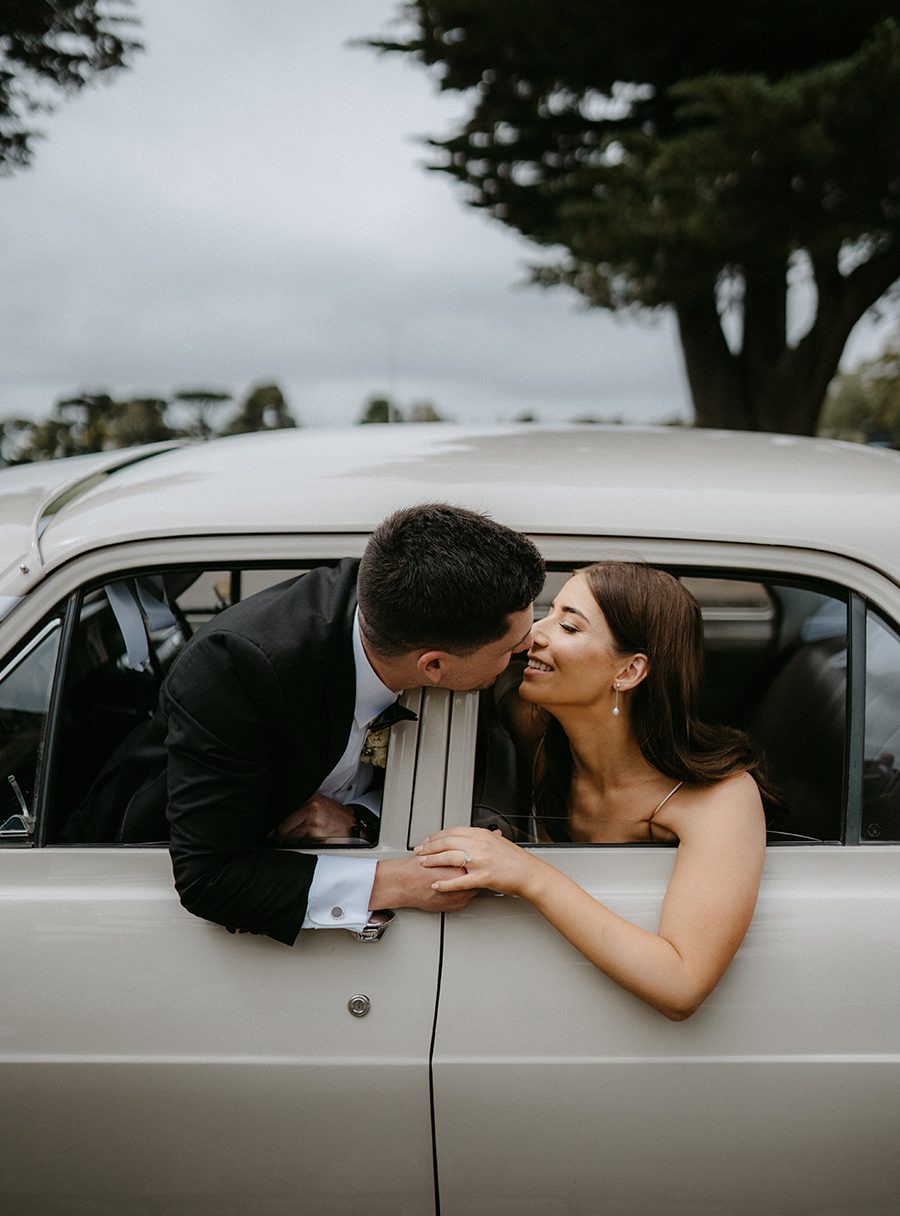
If possible, incorporate a vintage or classic car into your wedding photography session. A convertible car with the top down is perfect for a road – trip – themed shoot. The couple can sit in the car, with the wind in their hair and the ocean views in the background. You can also use the car as a prop for more creative shots, such as having the bride lean out of the window or the couple kissing on the hood of the car. The vintage look of the car will add a nostalgic and romantic touch to the images, enhancing the overall road – trip atmosphere.

Road – Trip Accessories

Don’t forget to include some road – trip accessories in your photos to complete the look. This could include items such as a picnic basket filled with food and drinks, a map of the Great Ocean Road, sunglasses, and hats. These accessories not only add visual interest to the images but also help to tell the story of a romantic road – trip adventure. For example, you can set up a picnic scene on the beach with the couple enjoying a meal together, surrounded by these road – trip essentials. This creates a relaxed and intimate atmosphere, perfect for capturing those candid and heartfelt moments.

Lighting and Timing for Optimal Results

Lighting plays a crucial role in wedding photography, and when it comes to the Great Ocean Road, choosing the right time of day can make all the difference in creating stunning images with a road – trip vibe.

Sunrise Shoots

Starting your wedding photography session at sunrise can offer some of the most beautiful and soft light. The early morning light is gentle and warm, creating a romantic and dreamy atmosphere. The sky often has a range of colors, from soft pinks and oranges to deep blues, which can add a dramatic backdrop to your photos. Sunrise is also a great time to avoid the crowds, allowing you to have the scenic spots all to yourself. This gives you more freedom to experiment with different poses and compositions without feeling rushed or interrupted.

Sunset Magic

Sunset is another magical time for wedding photography on the Great Ocean Road. As the sun begins to set, the light becomes more golden and intense, casting long shadows and creating a warm glow over the landscape. The colors in the sky during sunset are truly breathtaking, with vibrant oranges, reds, and purples. Position the couple in a way that they are facing the setting sun, allowing the light to illuminate their faces and create a beautiful halo effect. You can also use the changing colors of the sky as a backdrop for more creative shots, such as silhouettes of the couple against the colorful horizon.

Overcast Days for a Moodier Look

While sunny days are often preferred for outdoor photography, overcast days can also work in your favor when trying to create a road – trip – themed atmosphere. Cloudy skies diffuse the sunlight, resulting in a softer and more even light that reduces harsh shadows and highlights. This type of light is perfect for capturing intimate and emotional moments, as it creates a more subdued and moody ambiance. You can use the overcast weather to your advantage by focusing on the couple’s expressions and interactions, rather than relying on bright and vibrant colors. The result will be images that have a deeper emotional impact and a unique road – trip feel.

By exploring the scenic stops along the Great Ocean Road, incorporating the road – trip element, and choosing the right lighting and timing, you can capture stunning wedding photos that are filled with romance, adventure, and the essence of a memorable road – trip.

wedding photography melbourne

Marblehead Beach Wedding Photography with a Strong Atmosphere Feeling

Capturing the Enchanting Atmosphere in Melbourne Beach Wedding Photography

Melbourne’s beaches offer a magical setting for wedding photography, with their stunning coastlines, gentle waves, and breathtaking sunsets. To truly make the most of this picturesque location and create images that are filled with atmosphere, photographers need to pay attention to several key elements.

wedding photography melbourne

Leveraging Natural Light for a Dreamy Look

Natural light is the cornerstone of creating a captivating atmosphere in beach wedding photography. Melbourne’s beaches are blessed with a variety of lighting conditions throughout the day, each offering unique opportunities.

Golden Hour Magic

The golden hour, which occurs shortly after sunrise and before sunset, is a photographer’s dream. During this time, the sun is low in the sky, casting a warm, golden glow over the beach. This soft light enhances the natural colors of the sand, sea, and sky, creating a romantic and ethereal atmosphere. To make the most of the golden hour, plan your shoot accordingly. Arrive early to set up and position the couple in a way that the light falls gently on their faces, highlighting their features and creating a flattering glow. The long shadows cast during this time can also add depth and dimension to the images, making them more visually interesting.

Overcast Skies for a Moodier Vibe

While sunny days are often associated with beach photography, overcast skies can also work wonders in creating a unique atmosphere. Cloudy conditions diffuse the sunlight, resulting in a softer, more even light that reduces harsh shadows and highlights. This type of light is perfect for capturing intimate and emotional moments, as it creates a more subdued and moody ambiance. Encourage the couple to embrace the overcast weather and use it to their advantage. For example, they can cuddle up close together, and the soft light will accentuate their connection, making the images feel more genuine and heartfelt.

Backlighting for a Dramatic Effect

Backlighting, where the sun is positioned behind the couple, can add a dramatic and magical touch to beach wedding photos. When the sun is low in the sky, it can create a beautiful rim light around the couple, separating them from the background and giving them a halo – like effect. This technique works especially well during the golden hour or when the sun is setting. To use backlighting effectively, make sure to expose for the couple’s faces to avoid them being underexposed. You may need to use a reflector or fill – flash to add some light to the front of the couple and balance the exposure. The result will be stunning images with a sense of depth and a touch of fairy – tale romance.

Incorporating the Beach Elements into the Composition

The beach itself is a rich source of visual elements that can enhance the atmosphere of your wedding photos. By incorporating these elements into your composition, you can create images that are uniquely tied to the Melbourne beach setting.

The Power of the Ocean

The ocean is the centerpiece of any beach wedding photo. Its vastness and ever – changing nature can add a sense of grandeur and romance to the images. Position the couple near the water’s edge, where the waves gently lap at their feet. This creates a dynamic and lively scene, as the movement of the water adds an element of unpredictability and excitement. You can also capture the couple looking out at the ocean, symbolizing their future together and the endless possibilities that lie ahead. Another great idea is to use the reflection of the couple on the wet sand during low tide, creating a mirror – like effect that doubles the visual impact.

Sand as a Natural Prop

Don’t overlook the potential of the sand as a natural prop in your beach wedding photography. The texture and color of the sand can add warmth and a sense of place to the images. Have the couple write their initials or a love message in the sand, and then capture the moment as they stand beside it. This not only adds a personal touch to the photos but also creates a unique and memorable keepsake. You can also use the sand to create interesting patterns or shapes around the couple, adding a creative and artistic element to the composition.

Beach Vegetation for a Natural Frame

Melbourne’s beaches are often lined with beautiful vegetation, such as sea grasses, dunes, and coastal trees. These natural elements can be used to frame the couple and add depth to the images. Look for opportunities to position the couple among the vegetation, using it as a natural border or backdrop. For example, you can have the couple stand in front of a cluster of sea grasses, with the ocean in the background. The vegetation will not only add visual interest but also create a sense of intimacy and seclusion, making the couple the focal point of the image.

Encouraging Natural and Emotional Poses

The key to capturing the true atmosphere of a beach wedding is to encourage the couple to be themselves and express their emotions naturally. By guiding them into poses that feel authentic and comfortable, you can create images that are filled with love and joy.

Promoting Interaction and Connection

Instead of having the couple pose stiffly for the camera, encourage them to interact with each other in a natural way. This could involve holding hands, walking along the beach, or sharing a kiss. These simple actions can convey a sense of love and intimacy that is difficult to fake. As the photographer, be ready to capture these spontaneous moments, as they often result in the most memorable and atmospheric images. You can also give the couple some prompts or ideas to get them started, such as asking them to share a secret or a funny memory, which will help them relax and be more themselves in front of the camera.

Capturing Candid Moments

Candid moments are the heart and soul of beach wedding photography. These are the unplanned, unposed shots that capture the real emotions and personalities of the couple. Keep your camera ready at all times and be observant of the couple’s interactions and expressions. Look for moments when they are laughing, crying, or simply enjoying each other’s company. These candid shots will add a layer of authenticity and emotion to your photo collection, making them truly special and unique.

Using Movement to Add Energy

Incorporating movement into your beach wedding photos can add a sense of energy and vitality to the images. Encourage the couple to move around, dance, or spin in the wind. The movement of their hair and clothing, combined with the movement of the ocean waves, will create a dynamic and lively scene. You can use a slower shutter speed to capture the motion blur, adding a dreamy and artistic effect to the photos. This technique works especially well during the golden hour or when there is a gentle breeze, as it enhances the overall atmosphere of the beach setting.

By leveraging natural light, incorporating beach elements into the composition, and encouraging natural and emotional poses, you can capture the enchanting atmosphere of Melbourne beach wedding photography. These images will not only be visually stunning but also filled with the love, joy, and romance of the special day.

03082-12

Melbourne Wedding Photography – Group Photos Enhancement and Person Profile Optimization

Enhancing Group Portraits in Melbourne Wedding Photography: Character Optimization

When it comes to Melbourne wedding photography, group portraits hold a special place as they capture the joy and togetherness of the couple with their loved ones. However, getting the perfect group portrait straight out of the camera is rare. Post – production editing plays a crucial role in optimizing the characters in these images to make them truly stand out.

wedding photography melbourne

Understanding the Challenges in Group Portraits

Before diving into the optimization process, it’s essential to recognize the common challenges that group portraits present.

Uneven Lighting on Faces

In a group setting, especially outdoors in Melbourne’s variable lighting conditions, it’s common for different faces to receive varying amounts of light. Some may be in direct sunlight, resulting in harsh shadows and overexposure, while others might be in the shade, appearing underexposed and lacking detail. This uneven lighting can make the group look unbalanced and take away from the overall harmony of the portrait.

Diverse Skin Tones and Textures

A wedding group often consists of people with different skin tones and textures. Some may have fair skin that is prone to redness, while others might have darker skin that can appear dull in certain lighting. Additionally, factors like acne, wrinkles, or blemishes can be more noticeable in a group portrait, affecting the overall aesthetic and the confidence of the individuals in the photo.

Distractions in the Background

Melbourne offers a variety of backdrops for wedding photos, from bustling city streets to serene parks. However, these backgrounds can sometimes contain distractions such as passing pedestrians, vehicles, or unsightly objects. These elements can draw attention away from the group and disrupt the focus of the portrait.

Lighting Optimization for Faces

Balancing the lighting on each face in a group portrait is a key step in character optimization.

Local Exposure Adjustments

Using the brush tool in photo – editing software, you can selectively adjust the exposure of individual faces. For faces that are underexposed, gently increase the exposure to bring out the details in the shadows. Be careful not to overdo it, as this can lead to a loss of contrast and an unnatural look. For overexposed faces, reduce the exposure to recover the highlights and create a more even tone. This targeted approach ensures that each person in the group is properly lit and stands out in the portrait.

Color Correction for Natural Tones

In addition to exposure, color correction is important for achieving natural – looking skin tones. Different lighting conditions can cause skin to appear too warm (yellow) or too cool (blue). By adjusting the white balance locally on each face, you can neutralize these color casts and create a more uniform and flattering appearance. For example, if a face has a yellow tint due to indoor lighting, you can cool it down slightly to match the more natural tones of the other faces in the group.

Highlight and Shadow Enhancement

Enhancing the highlights and shadows on the faces can add depth and dimension to the group portrait. Use the dodge and burn tools to selectively lighten the highlights, such as the tops of the cheeks or the bridge of the nose, to create a sense of volume. Similarly, darken the shadows, like the areas under the chin or around the eyes, to add contrast and make the facial features more defined. This technique helps to make each face in the group look more three – dimensional and lifelike.

Skin Tone and Texture Refinement

Addressing the diverse skin tones and textures in a group portrait requires a delicate touch to ensure that everyone looks their best while maintaining a natural appearance.

Evening Out Skin Tones

To create a more cohesive look in the group, you can use tools like the color balance or selective color adjustments to even out the skin tones. Identify the dominant skin tones in the group and make subtle adjustments to bring the others in line. For example, if most of the group has a warm, olive – toned skin, you can adjust the cooler – toned skin to match more closely, creating a harmonious overall look.

Reducing Blemishes and Imperfections

While it’s important to maintain the natural beauty of each individual, minor blemishes and imperfections can be distracting in a group portrait. Use the spot – healing or clone – stamp tool to gently remove acne, scars, or other small flaws. Be sure to sample from nearby skin areas to ensure a seamless blend and avoid creating an artificial – looking result. For larger imperfections, such as deep wrinkles, you can use the smoothing tool in moderation to soften their appearance without completely erasing them, preserving the character of the person.

Enhancing Skin Texture

A healthy – looking skin texture can add to the overall appeal of a group portrait. Instead of completely smoothing out the skin, which can make it look plastic, you can use techniques to enhance the natural texture. For example, you can slightly increase the clarity or sharpness of the skin to bring out the fine details, such as the pores or the natural glow. This gives the skin a more realistic and vibrant appearance, making each person in the group look alive and radiant.

Background Distraction Removal

A clean and uncluttered background is essential for keeping the focus on the group in the portrait.

Cloning and Healing for Object Removal

If there are unwanted objects in the background, such as a trash can or a sign, you can use the clone – stamp or spot – healing tool to remove them. These tools allow you to sample from a nearby area of the background and paint over the object, effectively replacing it with the surrounding environment. Take your time to ensure a seamless blend, so that the removed object is not noticeable in the final image.

Blurring the Background

In some cases, even after removing visible distractions, the background may still be too busy or detailed, drawing attention away from the group. You can use a blurring effect, such as Gaussian blur or lens blur, to soften the background. Adjust the intensity of the blur to create a shallow depth of field effect, similar to what you would achieve with a wide – aperture lens. This helps to separate the group from the background and make them the clear focal point of the portrait.

Adding a Vignette

A vignette is a darkening of the edges of the image that can further draw the viewer’s eye towards the center, where the group is located. You can add a subtle vignette to the group portrait to create a sense of focus and intimacy. Adjust the size and strength of the vignette to ensure that it enhances the image without being too distracting. This simple technique can make a significant difference in the overall impact of the group portrait.

By following these steps for lighting optimization, skin tone and texture refinement, and background distraction removal, you can transform ordinary group portraits in Melbourne wedding photography into stunning images that capture the beauty and joy of the special day.

03082-79

Melbourne Wedding Photography: Salvaging Bad Shots for Post-Production Retouching

Rescuing Unusable Shots in Melbourne Wedding Photography through Post – Production Editing

Wedding photography in Melbourne is a blend of capturing the city’s unique charm and the couple’s precious moments. However, not every shot turns out perfect during the shoot. There are often so – called “waste shots” that seem unusable at first glance. But with the right post – production editing techniques, these images can be transformed into stunning keepsakes. Here’s how to go about it.

wedding photography melbourne

Identifying the Issues in Waste Shots

Before diving into the editing process, it’s crucial to accurately identify what makes a shot a waste in the first place. This understanding forms the basis for the appropriate corrective actions.

Poor Lighting Conditions

One of the most common problems in wedding photography, especially in outdoor Melbourne settings, is poor lighting. It could be an overexposed sky that makes the subjects look washed out or an underexposed area where details are lost in the shadows. For instance, if a photo was taken during mid – day under harsh sunlight, the bride’s face might have deep shadows, and the overall image could lack warmth. In indoor venues with inadequate artificial lighting, the images may appear flat and lack contrast.

Unflattering Composition

Composition plays a vital role in the visual appeal of a photograph. A waste shot might have a crooked horizon, making the scene look unbalanced. Or, the main subjects, the bride and groom, could be placed in an awkward position within the frame, drawing attention away from the intended focal point. Additionally, cluttered backgrounds can distract from the couple, turning an otherwise good moment into a less – than – ideal shot.

Focus and Sharpness Problems

Blurry images are a frequent issue in wedding photography. This could be due to camera shake, especially when shooting in low – light conditions without a tripod. Out – of – focus shots, where the wrong part of the image is in sharp focus, are also common. For example, the background might be crystal clear while the couple’s faces are blurred, which completely ruins the intended effect of the photograph.

Correcting Lighting Issues

Once the lighting problems are identified, there are several post – production techniques to fix them and bring the image back to life.

Adjusting Exposure and Contrast

For overexposed images, reducing the exposure in post – production can help recover some of the lost details in the highlights. This can be done using the exposure slider in editing software. At the same time, increasing the contrast can add depth to the image, making it look more three – dimensional. For underexposed photos, increasing the exposure can brighten up the dark areas, but care must be taken not to introduce too much noise. Using the shadows slider to selectively lighten the dark regions can also be effective, preserving the details in the highlights.

Balancing Color Temperature

The color temperature of an image can greatly affect its mood. If a photo has a cold, blue – tinted look due to incorrect white balance settings during the shoot, warming it up can create a more inviting and romantic atmosphere. Conversely, if the image appears too warm and yellow, cooling it down can restore a more natural color balance. Most editing software allows for precise adjustment of color temperature, enabling you to fine – tune the look of the image to match the desired aesthetic.

Enhancing Local Lighting

In some cases, only specific areas of the image need lighting adjustments. For example, if the bride’s face is in shadow while the rest of the image is well – lit, you can use local adjustment tools like the brush or gradient tool to selectively brighten up her face. This allows for more targeted and precise lighting corrections, ensuring that the overall image looks natural and balanced.

Improving Composition and Focus

Even if the initial composition or focus of a shot is less than ideal, post – production offers ways to enhance these aspects.

Cropping and Straightening

Cropping is a simple yet powerful tool for improving composition. By removing unnecessary elements from the edges of the image, you can draw more attention to the main subjects. For example, if there is a distracting object in the background, cropping it out can make the couple stand out more. Straightening the horizon is also essential for creating a balanced and visually pleasing image. Most editing software has an automatic straightening feature or a level tool that makes this process quick and easy.

Refocusing with Sharpening

If an image is slightly out of focus, sharpening techniques can help improve its perceived sharpness. However, it’s important to use sharpening sparingly, as over – sharpening can introduce artifacts and make the image look unnatural. Selective sharpening, where you only apply sharpening to the important parts of the image like the couple’s faces, can be more effective than global sharpening. This helps to emphasize the key elements and make them stand out.

Adding Depth with Vignetting

Vignetting is the darkening of the edges of an image, which can draw the viewer’s eye towards the center. This technique can be used to improve the composition of a shot by creating a sense of focus and depth. You can adjust the strength and radius of the vignette to achieve the desired effect, ensuring that it doesn’t overpower the main subjects but rather enhances the overall visual impact of the image.

By following these steps to identify and correct the issues in waste shots, Melbourne wedding photographers can turn seemingly unusable images into beautiful and memorable photographs that the couple will cherish for a lifetime.

WUU00296

Melbourne Wedding Photography Retouching, Layout Design and Production

Crafting Stunning Layout Designs for Melbourne Wedding Photography Final Prints

When it comes to presenting the cherished memories of a couple’s wedding day in Melbourne, the layout design of the final prints plays a pivotal role. A well – thought – out layout not only enhances the visual appeal of the photographs but also tells a cohesive and engaging story. Here’s how to create captivating layout designs for Melbourne wedding photography final prints.

wedding photography melbourne

Understanding the Essence of Melbourne Weddings

Melbourne is a city known for its unique blend of modernity and old – world charm. Its diverse landscapes, from the iconic Yarra River to the lush gardens and historic buildings, provide a rich backdrop for wedding photography. To create a layout that resonates with the spirit of a Melbourne wedding, it’s crucial to understand the couple’s story and the location’s significance.

Incorporating Local Elements

One way to infuse the layout with Melbourne’s essence is by incorporating local elements. For instance, if the wedding took place near the Royal Botanic Gardens, you could use floral motifs or green hues in the design to echo the natural surroundings. If the ceremony was held in a historic venue, adding subtle architectural details or vintage – inspired fonts can add a touch of elegance and nostalgia. These local elements help to create a sense of place and make the layout more meaningful to the couple.

Reflecting the Couple’s Personality

Every couple is unique, and their wedding layout should reflect their personalities. Consider the couple’s style, interests, and the overall theme of the wedding. If they have a love for art, you could incorporate abstract shapes or brush strokes into the design. For a couple who enjoys the outdoors, using earthy tones and nature – inspired patterns can create a warm and inviting layout. By aligning the design with the couple’s personality, you can create a one – of – a – kind keepsake that truly represents them.

Design Principles for Effective Layouts

Creating an effective layout requires a solid understanding of design principles. These principles help to organize the photographs in a visually pleasing way and guide the viewer’s eye through the story.

Balance and Symmetry

Balance is a fundamental principle in layout design. It involves distributing visual elements evenly across the page to create a sense of stability and harmony. Symmetry, on the other hand, creates a more formal and structured look. You can achieve balance by placing larger or more prominent photographs on one side of the page and smaller, complementary images on the other. Symmetry can be used to create a focal point, such as a central image surrounded by smaller ones in a symmetrical pattern. However, don’t be afraid to break the rules occasionally to add a touch of creativity and spontaneity to the layout.

Hierarchy and Emphasis

Hierarchy helps to establish the importance of different elements in the layout. By using size, color, and placement, you can guide the viewer’s attention to the most significant photographs first. For example, you could use a larger, full – page image as the main focal point of the layout, with smaller images arranged around it to support the story. Emphasis can be created by using contrasting colors or bold fonts to highlight key details, such as the couple’s names or the wedding date. This hierarchy ensures that the viewer can quickly understand the narrative of the wedding and appreciate the most memorable moments.

White Space and Negative Space

White space, also known as negative space, is the empty area around and between the photographs and design elements. It may seem counterintuitive, but white space is an essential part of layout design. It helps to reduce visual clutter, making the layout more readable and aesthetically pleasing. By leaving enough white space around the images, you allow them to breathe and stand out. You can also use white space to create a sense of separation between different sections of the layout, such as the ceremony and reception photos. This helps to organize the content and make it easier for the viewer to follow the story.

Storytelling Through Layout Sequencing

A wedding is a story with a beginning, middle, and end, and the layout should reflect this narrative flow. By sequencing the photographs in a logical and engaging way, you can take the viewer on a journey through the couple’s special day.

Starting with the Pre – Wedding Moments

Begin the layout with pre – wedding moments, such as the bride getting ready or the groom and his groomsmen sharing a laugh. These photos set the tone for the wedding day and give the viewer a glimpse into the couple’s emotions and excitement. You can arrange these images in a collage – style layout to show multiple perspectives at once, creating a sense of anticipation.

Highlighting the Ceremony

The ceremony is the heart of the wedding, and it should be given a prominent place in the layout. Use a combination of close – up shots of the couple exchanging vows and wider shots of the venue and guests to capture the significance of the moment. You can also include photos of the ring exchange, the first kiss, and the couple walking down the aisle together. Arrange these images in a chronological order to tell the story of the ceremony clearly.

Showcasing the Reception and Celebration

After the ceremony, the reception is a time for celebration and joy. Include photos of the couple’s first dance, the cutting of the cake, and the guests having a great time on the dance floor. You can use a more dynamic layout for these images, with overlapping photos or diagonal lines to convey the energy and excitement of the party. Don’t forget to include some candid shots of the couple and their guests laughing and enjoying each other’s company, as these moments often capture the true essence of the wedding.

By following these guidelines for understanding Melbourne weddings, applying design principles, and storytelling through layout sequencing, you can create stunning layout designs for Melbourne wedding photography final prints that will be treasured by the couple for a lifetime.

wedding photography melbourne

Melbourne wedding photography – Customized filter post-processing for online popularity

Adapting Popular Filters for Melbourne Wedding Photography Post-Processing

In the age of social media, wedding photography in Melbourne has embraced the trend of using popular filters to give photos a unique and eye-catching look. These filters, often inspired by the aesthetics of Instagram influencers and viral content, can add a touch of magic to your wedding album, making it stand out from the crowd. However, applying these filters effectively requires a thoughtful approach to ensure they complement the natural beauty of Melbourne’s landscapes and the emotions captured in the moment.

wedding photography melbourne

Understanding the Appeal of Popular Filters

Popular filters have gained traction for their ability to transform ordinary photos into visually stunning masterpieces. They often enhance colors, add texture, and create a specific mood or atmosphere that resonates with viewers. For wedding photography, filters can help to evoke feelings of romance, nostalgia, or whimsy, depending on the style you’re aiming for. Before applying any filter, it’s essential to understand its characteristics and how it will affect the overall look of your photos.

Analyzing the Color Palette and Tone

Each popular filter has a distinct color palette and tone that sets it apart. Some filters may emphasize warm tones like reds and oranges, creating a cozy and inviting atmosphere. Others might lean towards cooler tones like blues and greens, giving photos a serene and calming feel. When adapting these filters for Melbourne wedding photography, consider the natural lighting conditions and the colors present in the scene. For example, if you’re shooting during the golden hour, a filter that enhances warm tones can complement the natural sunlight beautifully.

Matching the Filter to the Wedding Theme

The theme of the wedding can also influence your choice of filter. A rustic, outdoor wedding might call for a filter that adds a vintage or aged look, with subtle grain and muted colors. On the other hand, a modern, urban wedding could benefit from a filter that enhances contrast and saturation, creating a bold and vibrant aesthetic. By aligning the filter with the wedding theme, you can ensure that the photos feel cohesive and tell a consistent story.

Techniques for Adapting Filters to Melbourne Wedding Photos

Once you’ve selected a popular filter that aligns with your vision, it’s time to adapt it to your Melbourne wedding photos. Here are some techniques to help you achieve a natural and polished look:

Adjusting the Opacity for Subtlety

One of the most common mistakes when applying filters is using them at full strength, which can result in an overly artificial look. Instead, try reducing the opacity of the filter layer to create a more subtle effect. This allows you to retain some of the original colors and details of the photo while still incorporating the filter’s aesthetic. Experiment with different opacity levels until you find the perfect balance between the original image and the filtered look.

Fine-Tuning Colors with Selective Adjustments

Even the most well-designed filters may not perfectly match the colors in your Melbourne wedding photos. To address this, use selective color adjustments to fine-tune specific hues. For example, if the filter makes the sky look too blue, you can reduce the saturation of the blues in the photo. Similarly, if the filter dulls the colors of the bride’s dress, you can increase the saturation of the relevant color range. These selective adjustments ensure that the filter enhances the photo without distorting its natural colors.

Adding Localized Enhancements for Depth

Popular filters often apply a uniform effect across the entire image, which can sometimes make photos look flat or one-dimensional. To add depth and dimension, consider using localized enhancements. For example, you can use a dodge tool to brighten the couple’s faces or a burn tool to darken the edges of the photo, creating a vignette effect. These localized adjustments help to draw the viewer’s eye to the important elements of the photo and create a more dynamic composition.

Ensuring a Natural and Timeless Look

While popular filters can add a unique and trendy touch to your Melbourne wedding photos, it’s important to ensure that the final result looks natural and timeless. After all, wedding photos are meant to be cherished for a lifetime, and trends come and go. Here are some tips to help you achieve a natural and timeless look:

Avoiding Over-Editing

One of the keys to a natural look is avoiding over-editing. While it can be tempting to keep adding filters and adjustments until the photo looks perfect, this can often lead to an artificial and over-processed appearance. Instead, focus on making subtle enhancements that enhance the photo without changing its fundamental character. Remember, less is often more when it comes to wedding photography post-processing.

Preserving Skin Tones

Skin tones are one of the most important elements of any wedding photo, and they should always look natural and healthy. When applying filters, be mindful of how they affect skin tones. Some filters may make skin look too pale, too tan, or too saturated. Use color balance adjustments to fine-tune skin tones, ensuring they look natural and flattering. You can also use selective color adjustments to target specific skin tones and adjust them as needed.

Maintaining Consistency Across the Album

Finally, it’s essential to maintain consistency across the entire wedding album. While it’s okay to experiment with different filters and styles for individual photos, the overall look and feel of the album should be cohesive. Choose a filter or a set of filters that work well together and apply them consistently throughout the album. This will help to create a unified and professional-looking collection of photos that tell a beautiful story of the couple’s special day.

By following these techniques and tips, you can effectively adapt popular filters for Melbourne wedding photography post-processing, creating photos that are both trendy and timeless. Remember to approach filter application with a thoughtful and creative mindset, and always prioritize the natural beauty of the scene and the emotions captured in the moment.

z&d-sp-0058

Melbourne wedding photography – Backlighting portrait photography and post-production lighting enhancement

Enhancing Backlit Wedding Portraits in Melbourne: Effective Post-Processing Lighting Techniques

Backlit wedding portraits in Melbourne offer a unique and romantic aesthetic, with the sun casting a soft, golden glow around the couple. However, capturing these moments can sometimes result in underexposed subjects, as the intense backlight overwhelms the camera’s sensor. Fortunately, post-processing techniques can help you balance the exposure and bring out the details in the couple’s faces, ensuring your wedding photos are both stunning and well-lit.

wedding photography melbourne

Understanding the Challenges of Backlit Photography

Backlit scenes present several challenges for photographers, especially when it comes to exposure. The strong light source behind the subjects can cause the camera’s metering system to underexpose the foreground, leaving the couple’s faces in shadow. This can result in a loss of detail and a flat, unappealing look. To overcome this, it’s essential to understand how to use post-processing tools to add light and balance the exposure.

Assessing the Image Before Editing

Before diving into post-processing, take a close look at your backlit wedding portrait. Identify the areas that need the most attention, such as the couple’s faces, clothing, and any other important details. Pay attention to the overall tone of the image and the balance between the highlights and shadows. This assessment will guide your editing decisions and help you achieve a natural-looking result.

Techniques for Adding Light in Post-Processing

Once you’ve assessed your image, it’s time to start adding light. Here are some effective techniques to help you enhance backlit wedding portraits:

Using the Dodge Tool for Localized Lighting Adjustments

The dodge tool is a powerful tool for selectively brightening areas of your image. In the case of backlit wedding portraits, you can use it to lighten the couple’s faces, bringing out their features and adding a sense of warmth. Start by selecting a soft brush with a low opacity setting to avoid overdoing it. Then, gently brush over the areas you want to brighten, gradually building up the effect until you achieve the desired result.

Applying Gradient Masks for Balanced Exposure

Gradient masks are another useful technique for adding light to backlit images. They allow you to create a smooth transition between the bright background and the darker foreground, resulting in a more balanced exposure. To use a gradient mask, create a new layer and apply a gradient that fades from white to transparent. Position the gradient so that it covers the area you want to brighten, then adjust the opacity and blend mode of the layer to achieve a natural-looking effect.

Utilizing Curves Adjustments for Overall Tone Control

Curves adjustments are a versatile tool for controlling the overall tone of your image. They allow you to adjust the brightness and contrast of different tonal ranges, giving you precise control over the final look of your photo. For backlit wedding portraits, you can use curves to brighten the midtones and shadows while maintaining the brightness of the highlights. This will help to bring out the details in the couple’s faces and create a more balanced and visually appealing image.

Refining the Lighting Effect for a Natural Look

After adding light to your backlit wedding portrait, it’s important to refine the effect to ensure it looks natural and believable. Here are some tips to help you achieve a polished result:

Paying Attention to Skin Tones

When adding light to the couple’s faces, be mindful of their skin tones. Over-brightening can result in unnatural-looking skin that appears washed out or overly saturated. Use a color balance adjustment layer to fine-tune the skin tones, ensuring they look natural and healthy. You can also use a selective color adjustment to target specific colors in the skin, such as reds and yellows, and adjust them as needed.

Maintaining Detail in the Highlights and Shadows

While it’s important to brighten the couple’s faces, you don’t want to lose detail in the highlights or shadows. Use the highlights and shadows sliders in your editing software to recover any lost detail and ensure a balanced exposure throughout the image. You can also use the clarity slider to add a bit of definition to the edges and textures, enhancing the overall sharpness and detail of the photo.

Adding a Subtle Vignette for Depth

A subtle vignette can help to draw the viewer’s eye to the center of the image, where the couple is located. It can also add a sense of depth and dimension to the photo, making it more visually engaging. Use a vignette tool or create a custom vignette using a radial gradient mask to achieve this effect. Be sure to keep the vignette subtle and natural-looking, avoiding any harsh or distracting edges.

By following these techniques and tips, you can effectively add light to backlit wedding portraits in Melbourne, ensuring your photos are both stunning and well-lit. Remember to take your time and experiment with different adjustments until you achieve the desired result. With practice and patience, you’ll be able to master the art of post-processing backlit images and create beautiful wedding photos that capture the magic of the moment.