80900-WU-585

Melbourne wedding photography – Night scene with added starlight in post-production

Enhancing Melbourne Wedding Photography with Night Sky Star Effects in Post-Processing

Melbourne’s cityscape and waterfront venues provide stunning backdrops for nighttime wedding photography, but capturing the full magic of the stars often requires creative post-processing techniques. Whether you’re shooting under the glow of the city lights or in a secluded natural setting, adding realistic star effects can elevate your images from ordinary to extraordinary. Here’s how to approach this process with a focus on natural beauty and professional results.
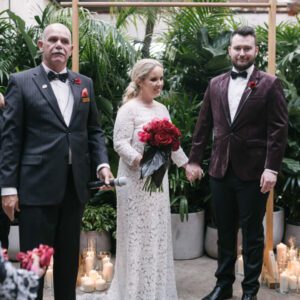
wedding photography melbourne

Understanding the Challenges of Night Wedding Photography

Shooting wedding photos at night presents unique challenges, from limited light to mixed color temperatures. Cityscapes like Federation Square or Southbank introduce artificial lighting that can compete with natural starlight, while darker locations like the Dandenong Ranges may lack ambient light altogether. Balancing these elements is key to creating a cohesive, romantic atmosphere.

Managing Light Pollution and Ambient Glow

Melbourne’s urban areas suffer from light pollution, which can wash out the night sky and make stars difficult to see. When editing, start by reducing the overall brightness of artificial light sources using the brush tool or radial gradients. For example, if a streetlamp is overpowering the scene, lower its exposure while preserving the couple’s faces and surrounding details. This creates a darker, more natural background that makes added star effects look believable.

Preserving Skin Tones Under Artificial Light

Nighttime wedding photos often rely on venue lighting or flash, which can cast unflattering colors on the couple’s skin. Use the white balance tool to neutralize extreme hues, then fine-tune with the temperature and tint sliders. For a photo taken near the Yarra River, where blue-toned city lights might dominate, warming the image slightly can create a more inviting, romantic feel. Adjust the vibrance slider to enhance natural skin tones without making them look artificial.

Creating Realistic Star Effects in Post-Processing

Adding stars to a nighttime wedding photo requires subtlety to avoid a cheesy or overdone look. Here’s how to achieve natural-looking results.

Using the Brush Tool to Paint Stars Manually

For the most authentic results, manually paint stars onto your image using a soft brush with low opacity. Create a new layer and set the blending mode to “Screen” or “Lighten” to ensure the stars blend seamlessly into the sky. Vary the brush size and opacity to mimic the natural variation in star brightness. Focus on areas where stars would naturally appear, such as the upper corners of the frame or around the couple’s silhouette. Avoid clumping stars together, as this can look unrealistic.

Enhancing Existing Stars with Dodge and Burn

If your original photo captures faint stars, you can enhance them using the dodge tool. Set the tool to a low exposure (around 5-10%) and gently brush over existing stars to make them brighter. Use the burn tool to darken the surrounding sky, increasing contrast and making the stars stand out more. This technique works well for photos taken in darker locations like the Royal Botanic Gardens, where light pollution is minimal. Adjust the feathering of your brush to create soft, natural edges around the stars.

Adding Bokeh Lights for a Dreamy Effect

For a softer, more romantic take on star effects, try adding bokeh lights instead of traditional stars. Create a new layer and use a circular brush with a blurred edge to paint small, glowing orbs in the background. Vary the size and opacity of the bokeh lights to mimic the way out-of-focus lights appear in real life. Place them around the couple or along the horizon to create depth and movement. This technique is particularly effective for photos taken near city landmarks like the Eureka Skydeck, where distant lights can be transformed into magical bokeh.

Blending Star Effects with the Overall Scene

The key to successful star enhancement is ensuring the effects complement the rest of the image. Here’s how to integrate stars naturally into your wedding photos.

Matching Star Color to the Ambient Light

Stars in the night sky often have a cool, blueish tone, but city lights can introduce warm hues. Adjust the color of your added stars to match the existing light in the scene. Use the hue slider to shift the star color slightly toward blue or gold, depending on the dominant lighting. For a photo taken near the Melbourne Star Observation Wheel, where artificial lights create a warm glow, adding golden-toned stars can tie the composition together.

Using Layer Masks for Precise Placement

Layer masks allow you to control where star effects appear in your image. After painting stars onto a new layer, add a layer mask and use a black brush to erase stars from areas where they wouldn’t naturally show up, such as directly behind the couple’s faces or over bright light sources. This ensures the stars look like a natural part of the scene rather than an afterthought. For a group photo taken during the reception, this step prevents stars from distracting from the subjects.

Adjusting Opacity for Subtlety

Star effects should enhance the image without overwhelming it. Lower the opacity of your star layer to 50-70% and toggle the visibility on and off to gauge the impact. If the stars look too prominent, reduce the opacity further until they blend seamlessly into the sky. For a formal portrait of the bride and groom under a gazebo, subtle stars can add a touch of magic without detracting from their expressions or the venue’s architecture.

Advanced Techniques for Unique Star Effects

For photographers looking to push their creativity further, these advanced methods can produce one-of-a-kind results.

Creating Star Trails for Dynamic Movement

Star trails add a sense of motion and time to your nighttime wedding photos. Use the path blur tool or a custom brush to create streaks of light that mimic the appearance of stars moving across the sky. Keep the trails subtle and place them in areas with minimal distraction, such as above the couple’s heads or along the horizon. This technique works beautifully for photos taken during long exposures, where the stars naturally blur into trails.

Simulating the Milky Way for Dramatic Impact

If you want to add a truly breathtaking element to your nighttime wedding photos, consider simulating the Milky Way. Find a high-resolution image of the Milky Way (or use a stock photo with permission) and blend it into your scene using the overlay blending mode. Use a layer mask to erase parts of the Milky Way that overlap with the couple or other important elements, then adjust the opacity until it looks natural. This technique is best suited for darker locations like the Mornington Peninsula, where light pollution is minimal.

Adding Shooting Stars for a Whimsical Touch

For a playful, romantic effect, try adding shooting stars to your nighttime wedding photos. Use a thin, white brush to paint a quick streak across the sky, then add a smaller, brighter dot at the end to mimic the tail of a meteor. Vary the direction and length of the shooting stars to create a sense of randomness. Place them in the background or near the edges of the frame to avoid drawing attention away from the couple. This technique is perfect for candid shots taken during the reception’s outdoor dance.

Conclusion: Elevating Night Wedding Photos with Star Effects

Adding star effects to Melbourne wedding photography requires patience, attention to detail, and a commitment to natural-looking results. By understanding the challenges of nighttime shooting, mastering manual painting techniques, and blending effects seamlessly into the scene, you can create images that capture the romance and magic of the couple’s special day. Whether you’re working with urban cityscapes or secluded natural settings, the right approach to star enhancement can turn ordinary night photos into extraordinary keepsakes.

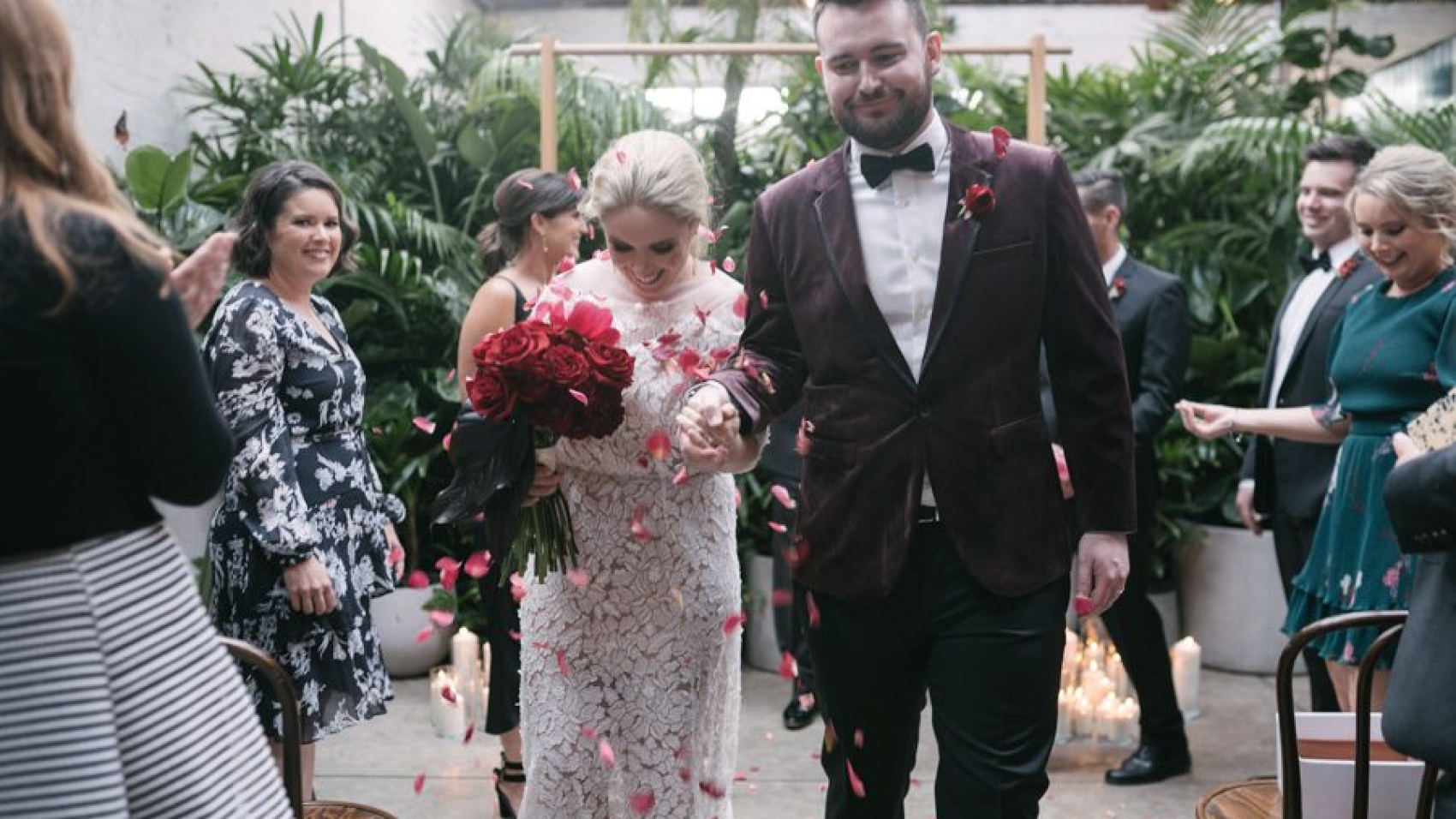
80900-WU-585

Melbourne wedding photography – Post-sunset color grading of the scene

Crafting the Perfect Sunset Glow in Melbourne Wedding Photography Post-Color Grading

Melbourne’s coastline and waterfront venues offer some of the most breathtaking sunset views, making them ideal for wedding photography. However, capturing the full magic of a golden-hour sky often requires careful post-color grading to balance warmth, contrast, and detail. Whether you’re working with a soft pastel sunset or a dramatic fiery horizon, understanding how to enhance these natural tones can transform your wedding photos into timeless works of art.

wedding photography melbourne

Understanding the Science of Sunset Light

Sunset light is unique because of its low angle and long wavelengths, which create warm, golden hues that shift toward pink and purple as the sun dips below the horizon. In Melbourne, coastal locations like St Kilda Beach or Williamstown Pier amplify these colors with reflections off the water, while inland spots such as the Royal Botanic Gardens offer softer, diffused light through foliage.

The Role of White Balance in Capturing Warmth

One of the first steps in post-color grading is adjusting white balance to preserve the natural warmth of the sunset. Many cameras struggle to maintain accurate colors in mixed lighting, especially when artificial lights from venues or street lamps interfere. Start by setting your white balance to “Daylight” or “Shade” in your editing software, then fine-tune the temperature slider to enhance golden tones without making the scene look overly orange. For a sunset photo taken near the Yarra River, a slight increase in temperature can bring out the rich amber glow of the setting sun while keeping the water’s reflections cool and balanced.

Balancing Highlights and Shadows for Depth

Sunset scenes often have extreme contrast between bright sky and dark foreground. To avoid losing detail in either area, use the highlights and shadows sliders to recover information. Lower the highlights to prevent the sky from blowing out into pure white, and raise the shadows to reveal textures in the couple’s clothing or the surrounding landscape. For example, in a photo of a bride and groom standing on Brighton Beach at sunset, reducing highlights can preserve the delicate clouds in the sky while boosting shadows brings out the sand’s grainy texture beneath their feet.

Enhancing Sunset Colors Without Overdoing It

The key to successful sunset color grading is subtlety. Over-saturating the image can make it look artificial, while under-editing may leave the scene flat and lifeless. Here’s how to strike the right balance.

Using the HSL Panel for Targeted Adjustments

The Hue, Saturation, and Luminance (HSL) panel allows you to adjust specific color ranges without affecting the entire image. For sunset photos, focus on the orange, yellow, and red channels. Increase saturation slightly in these areas to deepen the warm tones, then adjust luminance to control brightness. For instance, if the sunset appears too pale, boosting the orange luminance can make it glow more intensely without altering other colors. Conversely, if the sky looks muddy, reducing yellow saturation can clean up the tones and restore clarity.

Adding Vignettes to Draw Focus to the Couple

A subtle vignette can help guide the viewer’s eye toward the center of the image, where the couple is likely positioned. Use a radial gradient mask to darken the edges of the photo, ensuring the effect is gentle and natural. For a sunset wedding portrait, a light vignette can mimic the way light naturally fades at dusk, creating a cozy, intimate atmosphere. Adjust the feathering of the mask to blend the vignette seamlessly into the background, avoiding harsh lines that might distract from the scene.

Refining Skin Tones in Warm Light

Sunset lighting can cast strong orange or pink hues on the couple’s skin, which may look unflattering if not corrected. Use the brush tool to select the bride and groom’s faces, then adjust the temperature and tint sliders to neutralize extreme colors. Aim for a natural, healthy glow that complements the warm background without making them appear sunburned or washed out. For a group photo taken during the reception’s golden hour, this step ensures everyone looks their best against the vibrant sky.

Creative Techniques for Unique Sunset Effects

While realistic color grading is often the goal, adding a touch of creativity can make your wedding photos stand out. Here are some advanced methods to experiment with.

Split Toning for Dramatic Contrast

Split toning involves applying different colors to the highlights and shadows of an image, creating a stylized, artistic effect. For sunset photos, try adding a warm golden tone to the highlights (to enhance the sun’s glow) and a cool blue or purple to the shadows (to mimic the deepening twilight). This contrast adds depth and mood, turning a simple sunset into a cinematic scene. Use the opacity slider to control the intensity of the effect, ensuring it enhances rather than overwhelms the original photo.

Creating Sunset Reflections for Added Romance

If the original photo doesn’t include visible reflections on water, you can simulate them in post-processing. Duplicate the background layer, flip it vertically, and position it below the original image to mimic a reflection. Apply a Gaussian blur filter to soften the duplicated layer, then reduce its opacity to 30-50% for a realistic effect. Use a layer mask to erase parts of the reflection that wouldn’t naturally appear, such as solid objects or distant landscapes. This technique works beautifully for photos taken on Melbourne’s bayside beaches, adding a dreamy, symmetrical quality to the scene.

Using Gradient Maps for Cinematic Color Grading

Gradient maps apply a color gradient to your image based on its tonal values, allowing for precise control over the mood. Choose a gradient that transitions from warm orange or gold in the highlights to deep blue or purple in the shadows. Adjust the blending mode to “Soft Light” or “Overlay” and lower the opacity until the effect looks natural. This method can transform a flat sunset photo into a rich, moody masterpiece, perfect for formal portraits or artistic shots of the wedding venue at dusk.

Conclusion: Elevating Melbourne Sunsets with Thoughtful Color Grading

Sunset wedding photography in Melbourne offers endless opportunities for creativity, but the true magic lies in post-color grading. By mastering techniques like white balance adjustment, HSL targeting, and creative effects like split toning or gradient maps, you can turn ordinary sunset photos into extraordinary memories. Whether you’re capturing a quiet moment between the couple or a grand celebration against a fiery sky, the right approach to color grading ensures every image reflects the beauty and emotion of the day.

wedding photography melbourne

Melbourne wedding photography – Post-processing of blurred background

Mastering Background Blur in Melbourne Wedding Photography Post-Processing

Melbourne’s wedding venues range from historic architecture to lush gardens and modern urban spaces, each offering unique visual opportunities. However, not every background complements the couple perfectly. Background blur, or bokeh, is a powerful post-processing technique that isolates the subjects, draws attention to their emotions, and creates a dreamy, professional aesthetic. Whether you’re working with a busy cityscape or a distracting interior, understanding how to enhance or create background blur can elevate your wedding photos.

wedding photography melbourne

The Role of Background Blur in Wedding Storytelling

Background blur isn’t just about aesthetics—it’s a storytelling tool. By softening or removing distractions, you guide the viewer’s focus to the couple’s expressions, gestures, and connection. In Melbourne’s dynamic environments, this becomes especially important.

Creating Emotional Depth in Busy Settings

Melbourne’s CBD, with its towering buildings and bustling streets, can provide a dramatic backdrop for wedding photos. However, the chaos of traffic, pedestrians, or bright signs might overshadow the couple. Post-processing allows you to blur these elements, turning them into a soft, colorful haze that frames the subjects without competing for attention. For example, a photo taken near Federation Square can be transformed by blurring the crowd and architectural details, leaving the couple in sharp focus against a gentle, impressionistic background.

Enhancing Intimacy in Natural Environments

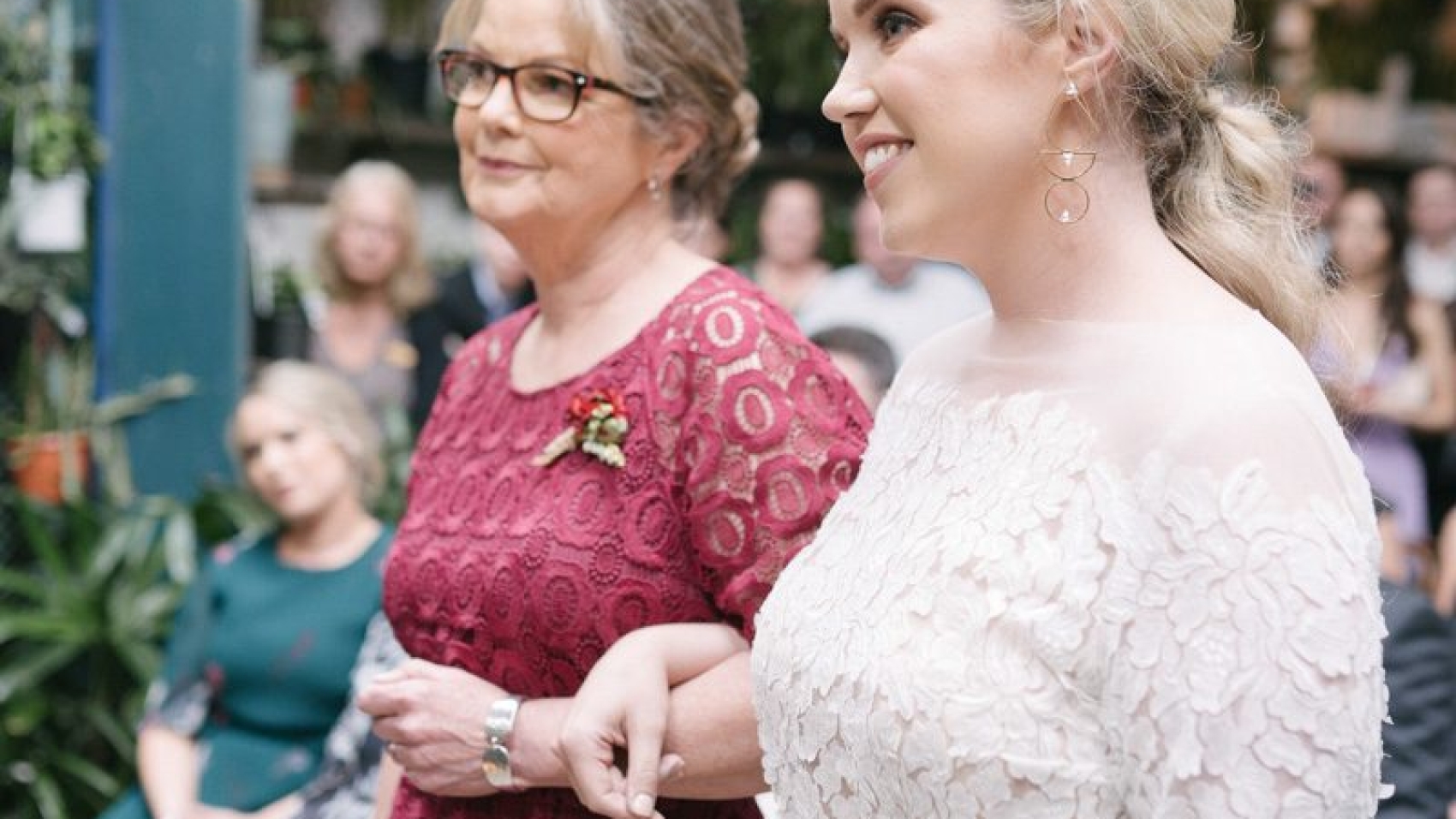
Lush parks like the Royal Botanic Gardens or coastal spots like St Kilda Beach offer stunning natural settings, but even these can have distracting elements—a stray branch, a passing cyclist, or uneven lighting. Background blur helps simplify the scene, emphasizing the couple’s bond. By adjusting the depth of field in post, you can turn a busy garden into a serene, romantic backdrop, with the bride and groom standing out as the clear focal point. This technique works particularly well for close-up portraits or candid moments where the environment plays a supporting role.

Techniques for Achieving Natural-Looking Background Blur

While some cameras can capture shallow depth of field in-camera, post-processing offers greater control, especially when working with mixed lighting or challenging conditions. Here’s how to refine background blur for a polished, professional result.

Using the Lens Blur Filter for Realistic Results

Many photo editing tools include a lens blur filter that mimics the optical properties of a high-end lens. This filter allows you to adjust the amount of blur, the shape of the bokeh (round, hexagonal, etc.), and even the light falloff. Start by creating a depth map—a grayscale image that identifies which areas should remain sharp (the couple) and which should blur (the background). Apply the lens blur filter to the background layer, refining the settings until the transition between sharp and soft areas looks natural. For a wedding photo taken in a warehouse venue, this method can turn harsh fluorescent lights into soft, glowing orbs in the background.

Refining Edges for Seamless Integration

One common issue with background blur is harsh edges around the subjects, especially if the original photo was taken with a wide aperture or in low light. To avoid this, use precise selection tools like the pen tool or quick selection brush to isolate the couple. Feather the edges of the selection by 1-2 pixels to create a smooth transition between the sharp and blurred areas. After applying blur to the background, zoom in to check for artifacts or halos around the subjects. Use the clone stamp or healing brush to clean up any imperfections, ensuring the blur looks organic and unforced.

Balancing Blur with Ambient Light

Background blur isn’t just about softness—it’s about maintaining the mood of the scene. If the original photo was taken during golden hour, the background should retain some of that warm, directional light even after blurring. Adjust the opacity or brightness of the blurred layer to ensure it doesn’t appear flat or disconnected from the subjects. For a nighttime wedding photo with string lights in the background, blurring the lights into soft bokeh spots can enhance the romantic atmosphere without losing the magic of the scene.

Advanced Tips for Customizing Background Blur

Every wedding photo is unique, and sometimes standard blur techniques need a creative twist. Here are some ways to tailor background blur to specific scenarios.

Adding Motion Blur for Dynamic Energy

In action shots—like the couple dancing or walking down the aisle—a completely static background might feel unnatural. Instead of uniform blur, consider adding subtle motion blur to the background elements. Use the radial blur filter in a direction that matches the couple’s movement, such as a slight swirl for a dancing photo or a horizontal streak for a walking shot. This creates a sense of motion while keeping the subjects crisp, adding energy to the image.

Creating Bokeh Overlays for Artistic Effects

For a truly customized look, you can create bokeh overlays from scratch. Take a photo of out-of-focus lights (like city lights at night or fairy lights) and blend them into your wedding photo as a new layer. Adjust the opacity and blending mode (such as screen or overlay) to integrate the bokeh naturally. This technique works well for adding a touch of whimsy to formal portraits or enhancing the festive feel of reception photos.

Using Gradient Masks for Gradual Blur

In some cases, you might want the background blur to increase with distance from the subjects—a effect that mimics how the human eye perceives depth. Create a gradient mask that applies more blur to the far background and less to the mid-ground. This is particularly useful for outdoor wedding photos with layers of scenery, such as a vineyard or mountain view. The gradual blur creates a sense of three-dimensionality, making the couple appear more prominent in the frame.

Conclusion: Elevating Melbourne Weddings with Thoughtful Background Blur

Background blur is more than a technical trick—it’s a way to highlight the couple’s story while managing the complexities of Melbourne’s diverse venues. By mastering post-processing techniques like lens blur filters, edge refinement, and creative overlays, you can transform distracting backgrounds into complementary elements that enhance the emotional impact of the photo. Whether you’re working with a grand cathedral or a hidden laneway, the right approach to background blur ensures the focus remains where it belongs: on the love and joy of the wedding day.