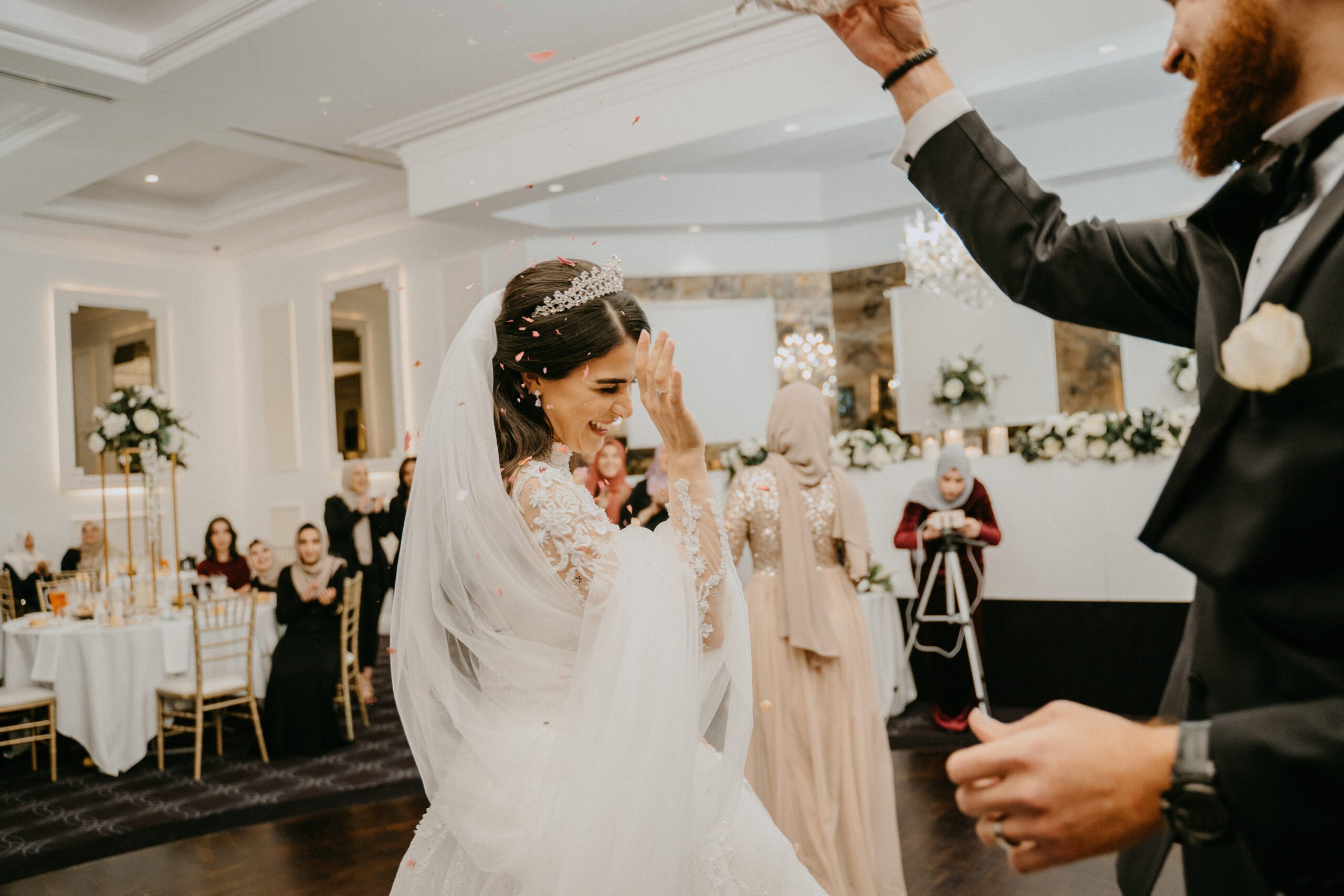
Melbourne Wedding Photography Retouching, Layout Design and Production
Melbourne Wedding Photography Retouching, Layout Design and Production
Crafting Stunning Layout Designs for Melbourne Wedding Photography Final Prints
When it comes to presenting the cherished memories of a couple’s wedding day in Melbourne, the layout design of the final prints plays a pivotal role. A well – thought – out layout not only enhances the visual appeal of the photographs but also tells a cohesive and engaging story. Here’s how to create captivating layout designs for Melbourne wedding photography final prints.
Understanding the Essence of Melbourne Weddings
Melbourne is a city known for its unique blend of modernity and old – world charm. Its diverse landscapes, from the iconic Yarra River to the lush gardens and historic buildings, provide a rich backdrop for wedding photography. To create a layout that resonates with the spirit of a Melbourne wedding, it’s crucial to understand the couple’s story and the location’s significance.
Incorporating Local Elements
One way to infuse the layout with Melbourne’s essence is by incorporating local elements. For instance, if the wedding took place near the Royal Botanic Gardens, you could use floral motifs or green hues in the design to echo the natural surroundings. If the ceremony was held in a historic venue, adding subtle architectural details or vintage – inspired fonts can add a touch of elegance and nostalgia. These local elements help to create a sense of place and make the layout more meaningful to the couple.
Reflecting the Couple’s Personality
Every couple is unique, and their wedding layout should reflect their personalities. Consider the couple’s style, interests, and the overall theme of the wedding. If they have a love for art, you could incorporate abstract shapes or brush strokes into the design. For a couple who enjoys the outdoors, using earthy tones and nature – inspired patterns can create a warm and inviting layout. By aligning the design with the couple’s personality, you can create a one – of – a – kind keepsake that truly represents them.
Design Principles for Effective Layouts
Creating an effective layout requires a solid understanding of design principles. These principles help to organize the photographs in a visually pleasing way and guide the viewer’s eye through the story.
Balance and Symmetry
Balance is a fundamental principle in layout design. It involves distributing visual elements evenly across the page to create a sense of stability and harmony. Symmetry, on the other hand, creates a more formal and structured look. You can achieve balance by placing larger or more prominent photographs on one side of the page and smaller, complementary images on the other. Symmetry can be used to create a focal point, such as a central image surrounded by smaller ones in a symmetrical pattern. However, don’t be afraid to break the rules occasionally to add a touch of creativity and spontaneity to the layout.
Hierarchy and Emphasis
Hierarchy helps to establish the importance of different elements in the layout. By using size, color, and placement, you can guide the viewer’s attention to the most significant photographs first. For example, you could use a larger, full – page image as the main focal point of the layout, with smaller images arranged around it to support the story. Emphasis can be created by using contrasting colors or bold fonts to highlight key details, such as the couple’s names or the wedding date. This hierarchy ensures that the viewer can quickly understand the narrative of the wedding and appreciate the most memorable moments.
White Space and Negative Space
White space, also known as negative space, is the empty area around and between the photographs and design elements. It may seem counterintuitive, but white space is an essential part of layout design. It helps to reduce visual clutter, making the layout more readable and aesthetically pleasing. By leaving enough white space around the images, you allow them to breathe and stand out. You can also use white space to create a sense of separation between different sections of the layout, such as the ceremony and reception photos. This helps to organize the content and make it easier for the viewer to follow the story.
Storytelling Through Layout Sequencing
A wedding is a story with a beginning, middle, and end, and the layout should reflect this narrative flow. By sequencing the photographs in a logical and engaging way, you can take the viewer on a journey through the couple’s special day.
Starting with the Pre – Wedding Moments
Begin the layout with pre – wedding moments, such as the bride getting ready or the groom and his groomsmen sharing a laugh. These photos set the tone for the wedding day and give the viewer a glimpse into the couple’s emotions and excitement. You can arrange these images in a collage – style layout to show multiple perspectives at once, creating a sense of anticipation.
Highlighting the Ceremony
The ceremony is the heart of the wedding, and it should be given a prominent place in the layout. Use a combination of close – up shots of the couple exchanging vows and wider shots of the venue and guests to capture the significance of the moment. You can also include photos of the ring exchange, the first kiss, and the couple walking down the aisle together. Arrange these images in a chronological order to tell the story of the ceremony clearly.
Showcasing the Reception and Celebration
After the ceremony, the reception is a time for celebration and joy. Include photos of the couple’s first dance, the cutting of the cake, and the guests having a great time on the dance floor. You can use a more dynamic layout for these images, with overlapping photos or diagonal lines to convey the energy and excitement of the party. Don’t forget to include some candid shots of the couple and their guests laughing and enjoying each other’s company, as these moments often capture the true essence of the wedding.
By following these guidelines for understanding Melbourne weddings, applying design principles, and storytelling through layout sequencing, you can create stunning layout designs for Melbourne wedding photography final prints that will be treasured by the couple for a lifetime.