80900-WU-501

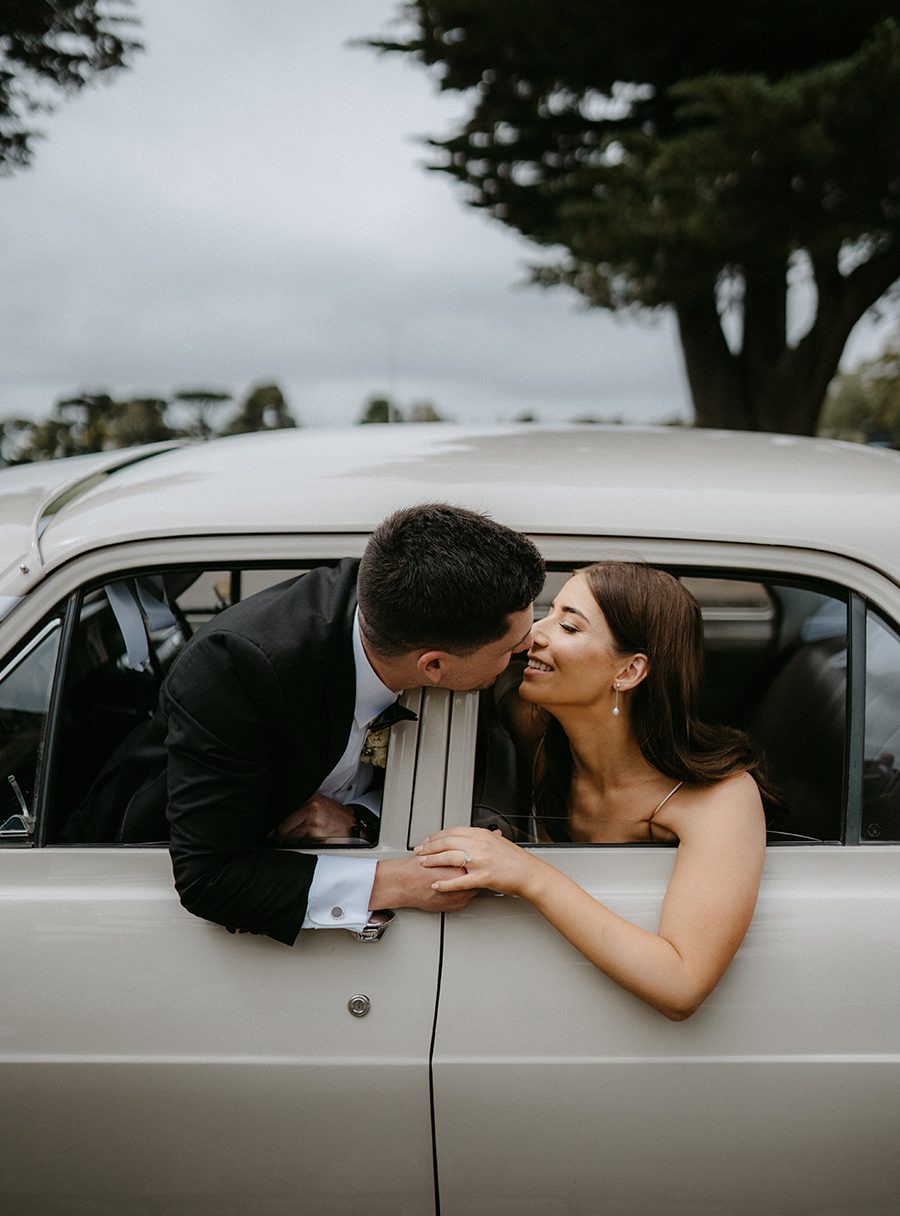
Melbourne wedding photography – post-production with film-like grain effect

Creating a Timeless Film Grain Aesthetic in Melbourne Wedding Photography Post-Production

Melbourne’s eclectic mix of urban charm and natural beauty provides the perfect backdrop for wedding photography that feels both modern and nostalgic. One way to achieve this is by adding a subtle film grain effect during post-production, which can evoke the warmth and authenticity of analog photography. This technique works especially well for couples who want their images to have a classic, enduring quality. Here’s how to master film grain in wedding photo editing without losing the essence of the moment.
wedding photography melbourne

Understanding the Appeal of Film Grain in Wedding Photography

Film grain isn’t just about adding texture—it’s about creating a mood. Unlike digital noise, which often feels harsh or distracting, film grain adds a soft, organic layer that enhances the emotional depth of an image. For Melbourne weddings, this can mean transforming a bright, sunny day at the Royal Botanic Gardens into a dreamy, timeless scene or giving a rainy ceremony at a historic venue like Como House a romantic, moody atmosphere. The key is to use grain sparingly, ensuring it complements rather than overpowers the photo.

When to Use Film Grain

Not every wedding photo needs grain, but certain moments lend themselves beautifully to this effect. Candid shots, such as the couple sharing a laugh during speeches or a quiet moment before the ceremony, often benefit from the added warmth and intimacy. Portraits with soft lighting, like those taken during golden hour at St Kilda Beach, can also take on a magical quality with a light grain overlay. On the other hand, highly detailed images—such as close-ups of the wedding rings or the intricate lace on a dress—might not need grain, as it could obscure important details.

Choosing the Right Type of Grain

Film grain comes in many forms, from fine-grained textures reminiscent of 35mm film to coarser patterns that mimic medium-format or even vintage instant film. The choice depends on the mood you want to convey. For a delicate, romantic feel, opt for a fine, even grain that adds subtle texture without drawing attention to itself. For a more dramatic or retro look, a coarser grain can create a sense of nostalgia or grit. Experiment with different grain patterns to see which one best suits the photo’s lighting, composition, and emotional tone.

Applying Film Grain in Post-Production

Adding film grain is a relatively simple process, but doing it well requires attention to detail and a light touch. Here’s a step-by-step guide to achieving a natural, film-like effect.

Step 1: Start with a Clean Edit

Before adding grain, ensure your photo is properly edited for exposure, color balance, and contrast. Grain works best when applied to an image that already looks polished and balanced. For example, if you’re editing a photo taken during a cloudy day at Brighton Beach Bathing Boxes, first adjust the white balance to remove any bluish tints and brighten the shadows to reveal details in the colorful boxes. Once the colors and tones are accurate, you can move on to adding grain.

Step 2: Add the Grain Layer

Most photo editing software allows you to add grain through a dedicated filter or by creating a new layer with a noise texture. If using a filter, look for options like “grain” or “noise” in the effects panel and adjust the intensity to a low setting—around 5-10% is a good starting point. If creating a noise layer, fill a new layer with 50% gray, then apply the “add noise” filter. Set the layer’s blending mode to “overlay” or “soft light” and reduce the opacity until the grain looks natural.

Step 3: Refine the Grain Distribution

Not all areas of a photo need the same amount of grain. For example, in a portrait of the bride and groom, you might want the grain to be more pronounced in the background to create depth, while keeping the faces smoother to highlight their expressions. Use a layer mask to paint over areas where you want less grain, or adjust the opacity of the grain layer locally using a brush tool. This selective approach ensures the grain enhances the photo without distracting from the main subjects.

Balancing Grain with Other Elements

Film grain is just one part of the equation—it needs to work in harmony with the photo’s lighting, composition, and color palette to create a cohesive look.

Complementing Lighting Conditions

The type of lighting in your photo can influence how grain is perceived. Soft, diffused light—such as that found during golden hour or on an overcast day—pairs well with fine grain, as it adds texture without disrupting the gentle mood. Harsher lighting, like direct sunlight or artificial lights at a reception venue, might call for a slightly coarser grain to balance the contrast and prevent the image from looking too digital.

Enhancing Mood and Atmosphere

Grain can also be used to reinforce the emotional tone of a photo. For a romantic, dreamy feel, combine fine grain with soft focus and muted colors. For a more dramatic or vintage look, pair coarser grain with high contrast and warm tones. In a photo taken during a sunset ceremony at the Yarra River, for example, a light grain overlay with warm color grading can create a warm, nostalgic atmosphere that captures the magic of the moment.

Maintaining Detail and Clarity

While grain adds texture, it’s important not to let it obscure important details. In close-up shots of the wedding rings or the couple’s hands, keep the grain subtle to ensure the intricate details remain visible. You can also use sharpening tools to enhance clarity in key areas before adding grain, ensuring the photo looks polished even with the added texture.

Final Tips for a Natural Film Grain Effect

Achieving a believable film grain aesthetic takes practice, but these tips can help you get started on the right foot.

Use Grain Sparingly

Less is often more when it comes to film grain. Start with a low intensity and gradually increase it until you find the right balance. A heavy-handed approach can make the photo look dated or artificial, while a subtle touch adds timeless charm.

Test Different Grain Patterns

Not all grain is created equal. Experiment with fine, medium, and coarse patterns to see which one best suits the photo’s style and mood. You can even create custom grain textures by scanning real film or using high-resolution grain samples from trusted sources.

View Photos at Different Sizes

Grain can look different depending on how large the photo is displayed. After adding grain, zoom in and out to check how it appears at various sizes. What looks subtle on a small screen might become distracting when enlarged, so adjust accordingly.

By following these guidelines, you can add a beautiful film grain effect to your Melbourne wedding photos that feels authentic, timeless, and emotionally resonant. Whether you’re capturing the energy of a city wedding or the serenity of a coastal ceremony, grain can help turn ordinary moments into extraordinary memories.

wedding photography melbourne

Melbourne Wedding Photography – Simple and Sophisticated High-End Post-Processing Photos

Elevating Melbourne Wedding Photography with Minimalist, High-End Retouching

Melbourne’s diverse landscapes—from its historic architecture to coastal vistas—provide a stunning canvas for wedding photography. For couples seeking a timeless, sophisticated aesthetic, minimalist retouching focuses on enhancing natural beauty while maintaining a clean, polished look. This approach avoids heavy filters or dramatic edits, instead emphasizing subtle adjustments that let the subject and scenery shine. Here’s how to achieve this elegant style in post-processing.

wedding photography melbourne

Embracing Subtlety in Color Grading

Minimalist wedding photography relies on soft, balanced tones that evoke calmness and romance. The goal is to enhance the scene without altering its essence, creating images that feel both modern and classic.

Softening Harsh Lighting for a Gentle Mood

Melbourne’s weather can shift quickly, leading to mixed lighting conditions during outdoor shoots. If harsh sunlight creates strong shadows or overexposed highlights, use the highlights and shadows sliders to balance the exposure. For example, in a photo taken at St Kilda Beach, gently reduce the highlights to prevent the sky from blowing out while lifting the shadows to reveal details in the couple’s attire. This creates a harmonious, airy feel that complements the minimalist aesthetic.

Creating a Cohesive Color Palette

Consistent coloring ties the entire wedding album together. Start by adjusting the white balance to neutralize any unwanted color casts, such as the cool tones of an overcast day or the warm glow of indoor lighting. Then, use the hue/saturation sliders to fine-tune individual colors. For a shoot in the Royal Botanic Gardens, you might desaturate greens slightly to prevent them from overpowering the couple, while boosting the warmth of skin tones for a flattering, natural look. Avoid extreme adjustments—subtle shifts are key to maintaining elegance.

Enhancing Natural Skin Tones

The bride and groom should always be the focal point of any wedding photo. Use the brush tool to selectively brighten their faces, ensuring their skin looks radiant without appearing overly edited. For a portrait taken near Federation Square, where city lights might cast a bluish tint, warm the skin tones slightly using the temperature slider. Reduce redness or blemishes with the spot healing tool, but keep edits minimal to preserve authenticity. A light touch ensures the couple looks their best while maintaining a natural, timeless quality.

Refining Composition and Focus

Minimalist retouching extends beyond color—it also involves refining the image’s structure to draw attention to what matters most.

Cropping for Impact and Balance

A well-composed photo tells a story without distractions. Use the crop tool to eliminate unnecessary elements, such as a stray bystander or a cluttered background. For a candid shot taken during the reception, cropping tightly around the couple’s faces can emphasize their emotions and connection. Alternatively, leaving negative space around the subjects—like the empty sky above a coastal ceremony—can create a sense of grandeur and simplicity. Experiment with different ratios to find the most flattering frame.

Sharpening Details Without Overdoing It

Crisp details add sophistication to wedding photos, but over-sharpening can create harsh edges or noise. Apply sharpening selectively using the masking slider in the details panel. This targets only the areas with important details, such as the lace on a wedding dress or the texture of a suit jacket, while leaving smoother areas like skin untouched. For a close-up of the rings, a light application of sharpening can make the diamonds sparkle without making the metal look artificial.

Removing Distractions Discreetly

Even the most carefully planned shoots can have unexpected interruptions, like a photobombing seagull or a power line in the background. Use the clone stamp or healing brush tool to remove these distractions seamlessly. For a photo taken at Brighton Beach Bathing Boxes, erasing a stray umbrella from the background can keep the focus on the couple and the colorful boxes. Always zoom in to check your work, ensuring the edits blend naturally into the scene.

Achieving a Timeless, Polished Finish

The final touches of minimalist retouching involve refining the image’s overall atmosphere to ensure it feels both current and classic.

Adding a Subtle Matte Effect

A matte finish reduces contrast and gives photos a soft, vintage-inspired look. Create a new adjustment layer and lower the contrast slightly, then increase the blacks slider to add depth without harshness. For a photo taken in the Dandenong Ranges, where lush greenery might look too vibrant, a matte effect can tone down the colors while maintaining their richness. Adjust the opacity of the layer to control the intensity of the effect—a little goes a long way.

Balancing Vignetting for Framing

A gentle vignette can draw the viewer’s eye toward the center of the image, creating a natural frame around the couple. Use the vignette tool in the effects panel to darken the edges slightly, then adjust the feathering to ensure the transition is smooth. For a formal portrait taken at a historic venue like Como House, a subtle vignette can enhance the grandeur of the architecture while keeping the focus on the subjects. Avoid heavy vignetting, which can make the image feel dated or artificial.

Preserving Authenticity in Every Edit

The hallmark of minimalist retouching is its commitment to authenticity. Every adjustment should serve to enhance the natural beauty of the scene and the couple, not to transform them into something unrecognizable. For example, when editing a candid moment during the first dance, focus on refining the lighting and composition rather than altering the couple’s expressions or body language. This approach ensures the photos feel genuine and emotionally resonant, capturing the true spirit of the day.

Conclusion: The Art of Understated Elegance

Minimalist, high-end retouching for Melbourne wedding photography is about striking the perfect balance between refinement and authenticity. By focusing on subtle color adjustments, clean composition, and discreet edits, you can create images that stand the test of time while celebrating the couple’s unique story. Whether shooting in the heart of the city or along the coast, this approach ensures every photo exudes sophistication and grace.

80900-WU-585

Melbourne wedding photography – Night scene with added starlight in post-production

Enhancing Melbourne Wedding Photography with Night Sky Star Effects in Post-Processing

Melbourne’s cityscape and waterfront venues provide stunning backdrops for nighttime wedding photography, but capturing the full magic of the stars often requires creative post-processing techniques. Whether you’re shooting under the glow of the city lights or in a secluded natural setting, adding realistic star effects can elevate your images from ordinary to extraordinary. Here’s how to approach this process with a focus on natural beauty and professional results.

wedding photography melbourne

Understanding the Challenges of Night Wedding Photography

Shooting wedding photos at night presents unique challenges, from limited light to mixed color temperatures. Cityscapes like Federation Square or Southbank introduce artificial lighting that can compete with natural starlight, while darker locations like the Dandenong Ranges may lack ambient light altogether. Balancing these elements is key to creating a cohesive, romantic atmosphere.

Managing Light Pollution and Ambient Glow

Melbourne’s urban areas suffer from light pollution, which can wash out the night sky and make stars difficult to see. When editing, start by reducing the overall brightness of artificial light sources using the brush tool or radial gradients. For example, if a streetlamp is overpowering the scene, lower its exposure while preserving the couple’s faces and surrounding details. This creates a darker, more natural background that makes added star effects look believable.

Preserving Skin Tones Under Artificial Light

Nighttime wedding photos often rely on venue lighting or flash, which can cast unflattering colors on the couple’s skin. Use the white balance tool to neutralize extreme hues, then fine-tune with the temperature and tint sliders. For a photo taken near the Yarra River, where blue-toned city lights might dominate, warming the image slightly can create a more inviting, romantic feel. Adjust the vibrance slider to enhance natural skin tones without making them look artificial.

Creating Realistic Star Effects in Post-Processing

Adding stars to a nighttime wedding photo requires subtlety to avoid a cheesy or overdone look. Here’s how to achieve natural-looking results.

Using the Brush Tool to Paint Stars Manually

For the most authentic results, manually paint stars onto your image using a soft brush with low opacity. Create a new layer and set the blending mode to “Screen” or “Lighten” to ensure the stars blend seamlessly into the sky. Vary the brush size and opacity to mimic the natural variation in star brightness. Focus on areas where stars would naturally appear, such as the upper corners of the frame or around the couple’s silhouette. Avoid clumping stars together, as this can look unrealistic.

Enhancing Existing Stars with Dodge and Burn

If your original photo captures faint stars, you can enhance them using the dodge tool. Set the tool to a low exposure (around 5-10%) and gently brush over existing stars to make them brighter. Use the burn tool to darken the surrounding sky, increasing contrast and making the stars stand out more. This technique works well for photos taken in darker locations like the Royal Botanic Gardens, where light pollution is minimal. Adjust the feathering of your brush to create soft, natural edges around the stars.

Adding Bokeh Lights for a Dreamy Effect

For a softer, more romantic take on star effects, try adding bokeh lights instead of traditional stars. Create a new layer and use a circular brush with a blurred edge to paint small, glowing orbs in the background. Vary the size and opacity of the bokeh lights to mimic the way out-of-focus lights appear in real life. Place them around the couple or along the horizon to create depth and movement. This technique is particularly effective for photos taken near city landmarks like the Eureka Skydeck, where distant lights can be transformed into magical bokeh.

Blending Star Effects with the Overall Scene

The key to successful star enhancement is ensuring the effects complement the rest of the image. Here’s how to integrate stars naturally into your wedding photos.

Matching Star Color to the Ambient Light

Stars in the night sky often have a cool, blueish tone, but city lights can introduce warm hues. Adjust the color of your added stars to match the existing light in the scene. Use the hue slider to shift the star color slightly toward blue or gold, depending on the dominant lighting. For a photo taken near the Melbourne Star Observation Wheel, where artificial lights create a warm glow, adding golden-toned stars can tie the composition together.

Using Layer Masks for Precise Placement

Layer masks allow you to control where star effects appear in your image. After painting stars onto a new layer, add a layer mask and use a black brush to erase stars from areas where they wouldn’t naturally show up, such as directly behind the couple’s faces or over bright light sources. This ensures the stars look like a natural part of the scene rather than an afterthought. For a group photo taken during the reception, this step prevents stars from distracting from the subjects.

Adjusting Opacity for Subtlety

Star effects should enhance the image without overwhelming it. Lower the opacity of your star layer to 50-70% and toggle the visibility on and off to gauge the impact. If the stars look too prominent, reduce the opacity further until they blend seamlessly into the sky. For a formal portrait of the bride and groom under a gazebo, subtle stars can add a touch of magic without detracting from their expressions or the venue’s architecture.

Advanced Techniques for Unique Star Effects

For photographers looking to push their creativity further, these advanced methods can produce one-of-a-kind results.

Creating Star Trails for Dynamic Movement

Star trails add a sense of motion and time to your nighttime wedding photos. Use the path blur tool or a custom brush to create streaks of light that mimic the appearance of stars moving across the sky. Keep the trails subtle and place them in areas with minimal distraction, such as above the couple’s heads or along the horizon. This technique works beautifully for photos taken during long exposures, where the stars naturally blur into trails.

Simulating the Milky Way for Dramatic Impact

If you want to add a truly breathtaking element to your nighttime wedding photos, consider simulating the Milky Way. Find a high-resolution image of the Milky Way (or use a stock photo with permission) and blend it into your scene using the overlay blending mode. Use a layer mask to erase parts of the Milky Way that overlap with the couple or other important elements, then adjust the opacity until it looks natural. This technique is best suited for darker locations like the Mornington Peninsula, where light pollution is minimal.

Adding Shooting Stars for a Whimsical Touch

For a playful, romantic effect, try adding shooting stars to your nighttime wedding photos. Use a thin, white brush to paint a quick streak across the sky, then add a smaller, brighter dot at the end to mimic the tail of a meteor. Vary the direction and length of the shooting stars to create a sense of randomness. Place them in the background or near the edges of the frame to avoid drawing attention away from the couple. This technique is perfect for candid shots taken during the reception’s outdoor dance.

Conclusion: Elevating Night Wedding Photos with Star Effects

Adding star effects to Melbourne wedding photography requires patience, attention to detail, and a commitment to natural-looking results. By understanding the challenges of nighttime shooting, mastering manual painting techniques, and blending effects seamlessly into the scene, you can create images that capture the romance and magic of the couple’s special day. Whether you’re working with urban cityscapes or secluded natural settings, the right approach to star enhancement can turn ordinary night photos into extraordinary keepsakes.

80900-WU-585

Melbourne wedding photography – Post-sunset color grading of the scene

Crafting the Perfect Sunset Glow in Melbourne Wedding Photography Post-Color Grading

Melbourne’s coastline and waterfront venues offer some of the most breathtaking sunset views, making them ideal for wedding photography. However, capturing the full magic of a golden-hour sky often requires careful post-color grading to balance warmth, contrast, and detail. Whether you’re working with a soft pastel sunset or a dramatic fiery horizon, understanding how to enhance these natural tones can transform your wedding photos into timeless works of art.

wedding photography melbourne

Understanding the Science of Sunset Light

Sunset light is unique because of its low angle and long wavelengths, which create warm, golden hues that shift toward pink and purple as the sun dips below the horizon. In Melbourne, coastal locations like St Kilda Beach or Williamstown Pier amplify these colors with reflections off the water, while inland spots such as the Royal Botanic Gardens offer softer, diffused light through foliage.

The Role of White Balance in Capturing Warmth

One of the first steps in post-color grading is adjusting white balance to preserve the natural warmth of the sunset. Many cameras struggle to maintain accurate colors in mixed lighting, especially when artificial lights from venues or street lamps interfere. Start by setting your white balance to “Daylight” or “Shade” in your editing software, then fine-tune the temperature slider to enhance golden tones without making the scene look overly orange. For a sunset photo taken near the Yarra River, a slight increase in temperature can bring out the rich amber glow of the setting sun while keeping the water’s reflections cool and balanced.

Balancing Highlights and Shadows for Depth

Sunset scenes often have extreme contrast between bright sky and dark foreground. To avoid losing detail in either area, use the highlights and shadows sliders to recover information. Lower the highlights to prevent the sky from blowing out into pure white, and raise the shadows to reveal textures in the couple’s clothing or the surrounding landscape. For example, in a photo of a bride and groom standing on Brighton Beach at sunset, reducing highlights can preserve the delicate clouds in the sky while boosting shadows brings out the sand’s grainy texture beneath their feet.

Enhancing Sunset Colors Without Overdoing It

The key to successful sunset color grading is subtlety. Over-saturating the image can make it look artificial, while under-editing may leave the scene flat and lifeless. Here’s how to strike the right balance.

Using the HSL Panel for Targeted Adjustments

The Hue, Saturation, and Luminance (HSL) panel allows you to adjust specific color ranges without affecting the entire image. For sunset photos, focus on the orange, yellow, and red channels. Increase saturation slightly in these areas to deepen the warm tones, then adjust luminance to control brightness. For instance, if the sunset appears too pale, boosting the orange luminance can make it glow more intensely without altering other colors. Conversely, if the sky looks muddy, reducing yellow saturation can clean up the tones and restore clarity.

Adding Vignettes to Draw Focus to the Couple

A subtle vignette can help guide the viewer’s eye toward the center of the image, where the couple is likely positioned. Use a radial gradient mask to darken the edges of the photo, ensuring the effect is gentle and natural. For a sunset wedding portrait, a light vignette can mimic the way light naturally fades at dusk, creating a cozy, intimate atmosphere. Adjust the feathering of the mask to blend the vignette seamlessly into the background, avoiding harsh lines that might distract from the scene.

Refining Skin Tones in Warm Light

Sunset lighting can cast strong orange or pink hues on the couple’s skin, which may look unflattering if not corrected. Use the brush tool to select the bride and groom’s faces, then adjust the temperature and tint sliders to neutralize extreme colors. Aim for a natural, healthy glow that complements the warm background without making them appear sunburned or washed out. For a group photo taken during the reception’s golden hour, this step ensures everyone looks their best against the vibrant sky.

Creative Techniques for Unique Sunset Effects

While realistic color grading is often the goal, adding a touch of creativity can make your wedding photos stand out. Here are some advanced methods to experiment with.

Split Toning for Dramatic Contrast

Split toning involves applying different colors to the highlights and shadows of an image, creating a stylized, artistic effect. For sunset photos, try adding a warm golden tone to the highlights (to enhance the sun’s glow) and a cool blue or purple to the shadows (to mimic the deepening twilight). This contrast adds depth and mood, turning a simple sunset into a cinematic scene. Use the opacity slider to control the intensity of the effect, ensuring it enhances rather than overwhelms the original photo.

Creating Sunset Reflections for Added Romance

If the original photo doesn’t include visible reflections on water, you can simulate them in post-processing. Duplicate the background layer, flip it vertically, and position it below the original image to mimic a reflection. Apply a Gaussian blur filter to soften the duplicated layer, then reduce its opacity to 30-50% for a realistic effect. Use a layer mask to erase parts of the reflection that wouldn’t naturally appear, such as solid objects or distant landscapes. This technique works beautifully for photos taken on Melbourne’s bayside beaches, adding a dreamy, symmetrical quality to the scene.

Using Gradient Maps for Cinematic Color Grading

Gradient maps apply a color gradient to your image based on its tonal values, allowing for precise control over the mood. Choose a gradient that transitions from warm orange or gold in the highlights to deep blue or purple in the shadows. Adjust the blending mode to “Soft Light” or “Overlay” and lower the opacity until the effect looks natural. This method can transform a flat sunset photo into a rich, moody masterpiece, perfect for formal portraits or artistic shots of the wedding venue at dusk.

Conclusion: Elevating Melbourne Sunsets with Thoughtful Color Grading

Sunset wedding photography in Melbourne offers endless opportunities for creativity, but the true magic lies in post-color grading. By mastering techniques like white balance adjustment, HSL targeting, and creative effects like split toning or gradient maps, you can turn ordinary sunset photos into extraordinary memories. Whether you’re capturing a quiet moment between the couple or a grand celebration against a fiery sky, the right approach to color grading ensures every image reflects the beauty and emotion of the day.
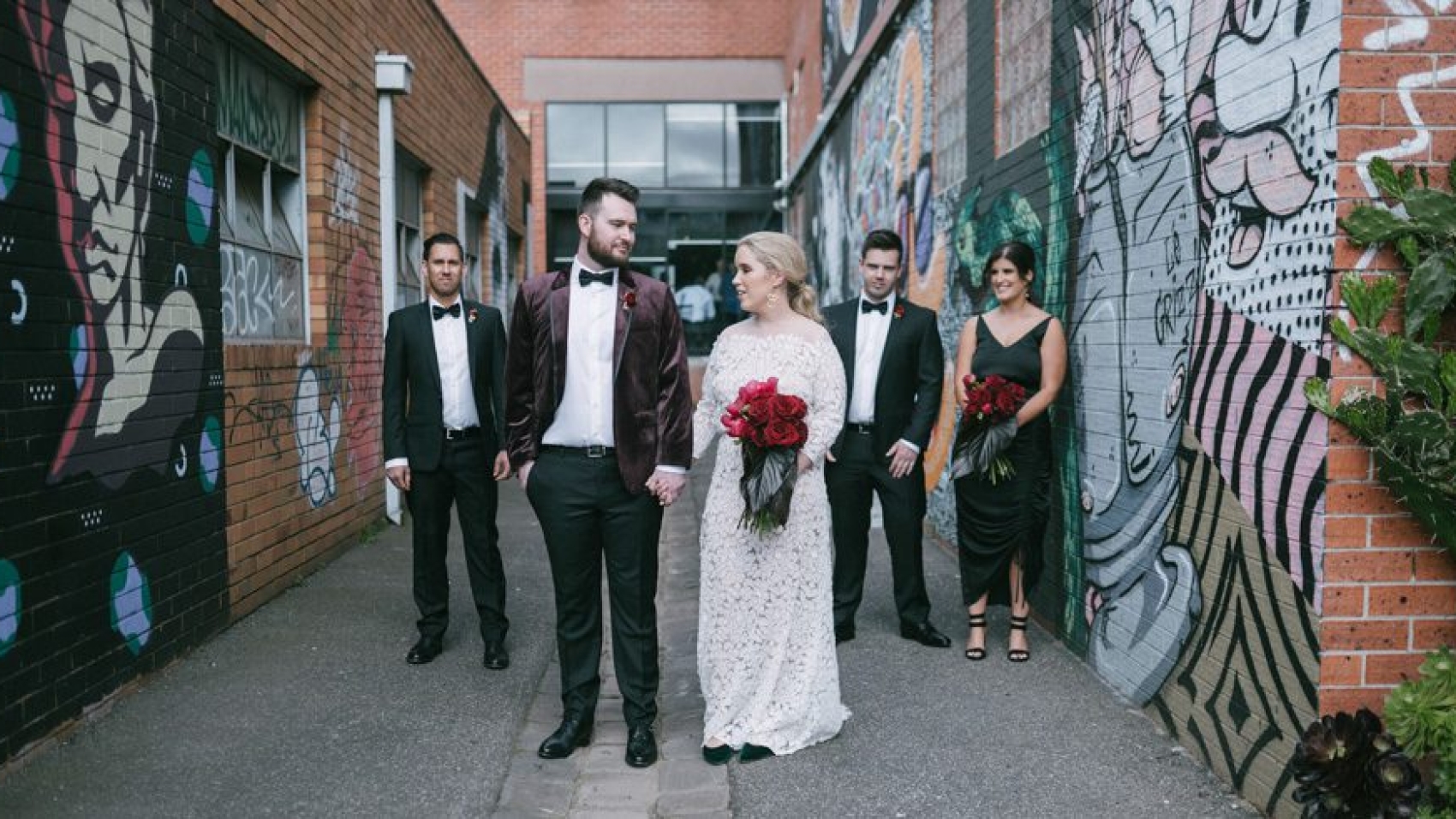
wedding photography melbourne

Melbourne wedding photography – Post-processing of blurred background

Mastering Background Blur in Melbourne Wedding Photography Post-Processing

Melbourne’s wedding venues range from historic architecture to lush gardens and modern urban spaces, each offering unique visual opportunities. However, not every background complements the couple perfectly. Background blur, or bokeh, is a powerful post-processing technique that isolates the subjects, draws attention to their emotions, and creates a dreamy, professional aesthetic. Whether you’re working with a busy cityscape or a distracting interior, understanding how to enhance or create background blur can elevate your wedding photos.

wedding photography melbourne

The Role of Background Blur in Wedding Storytelling

Background blur isn’t just about aesthetics—it’s a storytelling tool. By softening or removing distractions, you guide the viewer’s focus to the couple’s expressions, gestures, and connection. In Melbourne’s dynamic environments, this becomes especially important.

Creating Emotional Depth in Busy Settings

Melbourne’s CBD, with its towering buildings and bustling streets, can provide a dramatic backdrop for wedding photos. However, the chaos of traffic, pedestrians, or bright signs might overshadow the couple. Post-processing allows you to blur these elements, turning them into a soft, colorful haze that frames the subjects without competing for attention. For example, a photo taken near Federation Square can be transformed by blurring the crowd and architectural details, leaving the couple in sharp focus against a gentle, impressionistic background.

Enhancing Intimacy in Natural Environments

Lush parks like the Royal Botanic Gardens or coastal spots like St Kilda Beach offer stunning natural settings, but even these can have distracting elements—a stray branch, a passing cyclist, or uneven lighting. Background blur helps simplify the scene, emphasizing the couple’s bond. By adjusting the depth of field in post, you can turn a busy garden into a serene, romantic backdrop, with the bride and groom standing out as the clear focal point. This technique works particularly well for close-up portraits or candid moments where the environment plays a supporting role.

Techniques for Achieving Natural-Looking Background Blur

While some cameras can capture shallow depth of field in-camera, post-processing offers greater control, especially when working with mixed lighting or challenging conditions. Here’s how to refine background blur for a polished, professional result.

Using the Lens Blur Filter for Realistic Results

Many photo editing tools include a lens blur filter that mimics the optical properties of a high-end lens. This filter allows you to adjust the amount of blur, the shape of the bokeh (round, hexagonal, etc.), and even the light falloff. Start by creating a depth map—a grayscale image that identifies which areas should remain sharp (the couple) and which should blur (the background). Apply the lens blur filter to the background layer, refining the settings until the transition between sharp and soft areas looks natural. For a wedding photo taken in a warehouse venue, this method can turn harsh fluorescent lights into soft, glowing orbs in the background.

Refining Edges for Seamless Integration

One common issue with background blur is harsh edges around the subjects, especially if the original photo was taken with a wide aperture or in low light. To avoid this, use precise selection tools like the pen tool or quick selection brush to isolate the couple. Feather the edges of the selection by 1-2 pixels to create a smooth transition between the sharp and blurred areas. After applying blur to the background, zoom in to check for artifacts or halos around the subjects. Use the clone stamp or healing brush to clean up any imperfections, ensuring the blur looks organic and unforced.

Balancing Blur with Ambient Light

Background blur isn’t just about softness—it’s about maintaining the mood of the scene. If the original photo was taken during golden hour, the background should retain some of that warm, directional light even after blurring. Adjust the opacity or brightness of the blurred layer to ensure it doesn’t appear flat or disconnected from the subjects. For a nighttime wedding photo with string lights in the background, blurring the lights into soft bokeh spots can enhance the romantic atmosphere without losing the magic of the scene.

Advanced Tips for Customizing Background Blur

Every wedding photo is unique, and sometimes standard blur techniques need a creative twist. Here are some ways to tailor background blur to specific scenarios.

Adding Motion Blur for Dynamic Energy

In action shots—like the couple dancing or walking down the aisle—a completely static background might feel unnatural. Instead of uniform blur, consider adding subtle motion blur to the background elements. Use the radial blur filter in a direction that matches the couple’s movement, such as a slight swirl for a dancing photo or a horizontal streak for a walking shot. This creates a sense of motion while keeping the subjects crisp, adding energy to the image.

Creating Bokeh Overlays for Artistic Effects

For a truly customized look, you can create bokeh overlays from scratch. Take a photo of out-of-focus lights (like city lights at night or fairy lights) and blend them into your wedding photo as a new layer. Adjust the opacity and blending mode (such as screen or overlay) to integrate the bokeh naturally. This technique works well for adding a touch of whimsy to formal portraits or enhancing the festive feel of reception photos.

Using Gradient Masks for Gradual Blur

In some cases, you might want the background blur to increase with distance from the subjects—a effect that mimics how the human eye perceives depth. Create a gradient mask that applies more blur to the far background and less to the mid-ground. This is particularly useful for outdoor wedding photos with layers of scenery, such as a vineyard or mountain view. The gradual blur creates a sense of three-dimensionality, making the couple appear more prominent in the frame.

Conclusion: Elevating Melbourne Weddings with Thoughtful Background Blur

Background blur is more than a technical trick—it’s a way to highlight the couple’s story while managing the complexities of Melbourne’s diverse venues. By mastering post-processing techniques like lens blur filters, edge refinement, and creative overlays, you can transform distracting backgrounds into complementary elements that enhance the emotional impact of the photo. Whether you’re working with a grand cathedral or a hidden laneway, the right approach to background blur ensures the focus remains where it belongs: on the love and joy of the wedding day.

80900-WU-747

Melbourne wedding photography with natural skin tones and refined post-processing

Achieving Natural Skin Tones in Melbourne Wedding Photography Post-Processing

Melbourne’s diverse lighting conditions—from the soft, diffused light of overcast days to the golden warmth of late-afternoon sun—create a unique challenge for wedding photographers aiming to capture natural-looking skin tones. Post-processing plays a crucial role in refining these tones, ensuring the couple looks radiant without appearing overly edited. The key lies in balancing technical adjustments with an understanding of how light interacts with skin in different environments.

wedding photography melbourne

Understanding Skin Tone Basics in Melbourne’s Light

Skin is a complex subject, reflecting hues influenced by genetics, lighting, and surroundings. In Melbourne, where weather shifts rapidly, photographers must adapt their approach to post-processing based on the scene’s dominant light source.

Overcast Light and Soft Skin

Cloudy skies are common in Melbourne, especially during winter, and they produce even, flattering light that minimizes blemishes and wrinkles. However, this light can sometimes leave skin looking flat or washed out. During post-processing, gently lift midtones to restore vitality while preserving the natural softness. Use the tone curve tool to add subtle contrast in the shadows, ensuring the skin retains depth without appearing harsh. For example, if photographing a couple in Fitzroy Gardens under cloudy skies, slightly warming the highlights on their faces can counteract the coolness of the light while maintaining a natural glow.

Golden Hour and Warm Glows

Melbourne’s golden hour, particularly in summer, casts a warm, directional light that enhances skin tones with a natural radiance. To preserve this warmth during editing, avoid over-cooling the image. Instead, fine-tune the white balance to emphasize orange and yellow tones in the highlights, ensuring the couple’s skin appears sun-kissed rather than artificially tinted. For a beach wedding at Brighton, boosting the warmth in the sand and water while keeping the sky’s blues cool can create a balanced, harmonious look that highlights the skin’s natural luminosity.

Techniques for Balancing Skin Tone Consistency

Wedding photos often involve multiple subjects with varying skin tones, lighting conditions, and distances from the camera. Achieving consistency across these elements requires careful, localized adjustments.

Addressing Mixed Lighting Scenarios

Melbourne’s venues—from historic ballrooms to modern warehouses—often feature mixed lighting, such as natural window light combined with artificial tungsten or LED sources. This can result in uneven skin tones, with some areas appearing too warm or cool. During post-processing, use selective masking to isolate different parts of the image. For instance, if a bride’s face is lit by warm window light while the groom’s is in shadow, adjust the white balance separately for each region. Cooling the groom’s shadowed skin slightly and warming the bride’s highlighted areas ensures both look natural within the same frame.

Correcting Color Casts from Surroundings

Skin tones can pick up reflections from nearby objects, such as green foliage, red brick walls, or colorful decor. These reflections, known as color casts, can make skin appear unnatural if not addressed. To neutralize unwanted hues, use the hue/saturation tool to target specific colors. For example, if a couple is photographed near a green hedge, their skin might take on a slight green tint. Reducing the saturation of greens in the skin’s midtones—while being careful not to affect other elements like the dress or background—can restore a more neutral, natural appearance.

Maintaining Texture While Smoothing Imperfections

The goal of skin retouching is to enhance the subject’s best features without erasing their natural texture. Overly aggressive smoothing can make skin look plastic or artificial. Instead, use frequency separation techniques to separate texture from color. This allows you to address blemishes or unevenness in the color layer while preserving pores and fine lines in the texture layer. For close-up portraits, such as a bride’s makeup shot, this method ensures her skin looks flawless yet real.

Enhancing Natural Radiance Without Over-Editing

The most compelling wedding photos are those where the couple looks like themselves—just at their best. Subtle enhancements to skin tones can elevate an image without drawing attention to the editing process.

Subtle Dodge and Burn for Dimension

Dodge and burn techniques, when used sparingly, can add depth to skin tones by lightening highlights and darkening shadows. This mimics the way light naturally interacts with the contours of the face. For example, slightly brightening the bride’s cheekbones or the groom’s jawline can create a more sculpted appearance. Use a low-opacity brush and build up the effect gradually to avoid harsh transitions. This approach works particularly well for formal portraits or group shots where you want to emphasize the couple’s features without altering their overall look.

Preserving Natural Highlights and Shadows

Skin has a natural range of tones, from the brightest highlights on the forehead or nose to the deeper shadows under the eyes or neck. Over-editing can flatten these variations, making skin look uniform and lifeless. During post-processing, ensure highlights retain detail without blowing out and shadows maintain depth without becoming muddy. For a reception photo taken under dim lighting, lifting the shadows on the couple’s faces just enough to reveal their expressions—while keeping the background dark—can create a moody, intimate atmosphere that still feels authentic.

Adding a Touch of Warmth for a Healthy Glow

A slight warmth in skin tones can convey health and vitality, especially in portraits. After correcting any color imbalances, consider adding a gentle orange or peach tint to the midtones. This can be done using the split toning tool or by adjusting the hue slider in the calibration panel. Be cautious not to overdo it; the goal is to enhance the skin’s natural color, not to make it look sunburned or artificially tanned. For an outdoor ceremony photo, a subtle warmth in the couple’s skin can complement the golden light of the setting sun, creating a cohesive, natural look.

Conclusion: Elevating Melbourne Weddings with Authentic Skin Tones

Natural-looking skin tones are the foundation of timeless wedding photography. By understanding Melbourne’s unique lighting conditions, mastering localized adjustments, and applying subtle enhancements, photographers can ensure the couple looks their best while preserving the authenticity of the moment. Whether capturing the quiet intimacy of a morning ceremony or the joyful energy of a nighttime reception, thoughtful skin retouching transforms good photos into heirlooms that families will cherish for generations.

80900-WU-351

Melbourne wedding photography – Atmosphere and lighting adjustments for post-production

Creating Atmospheric Light and Shadow in Melbourne Wedding Photography Post-Processing

Melbourne’s ever-changing weather and dramatic landscapes—from the misty mornings along the Yarra River to the golden sunsets at St Kilda Beach—provide a dynamic backdrop for wedding photography. To translate these natural moods into captivating images, photographers must master the art of manipulating light and shadow during post-processing. This approach goes beyond basic corrections, focusing instead on crafting visuals that evoke emotion and tell a story.

wedding photography melbourne

Understanding Melbourne’s Unique Lighting Conditions

The city’s latitude and climate create lighting scenarios that demand adaptability. Overcast skies, common in Melbourne’s winters, diffuse light evenly, reducing harsh shadows but sometimes flattening textures. Conversely, sunny days cast sharp contrasts, highlighting architectural details or natural elements like sandstone cliffs or gum trees. Post-processing should enhance these qualities rather than fight them, ensuring the final image reflects the scene’s true character.

Working with Overcast Light

Cloudy conditions soften facial features and create a serene, romantic mood perfect for intimate portraits. However, flat lighting can lack dimension. To compensate, use the tone curve tool to subtly lift midtones while darkening shadows in the background. This adds depth without introducing harshness. For example, if photographing a couple in Fitzroy Gardens under cloudy skies, slightly deepening the greens in the foliage and warming the highlights on their skin can create a cozy, inviting atmosphere.

Harnessing Golden Hour Magic

Melbourne’s golden hour, particularly during summer, bathes scenes in warm, directional light that accentuates textures and creates long, flattering shadows. During post-processing, emphasize this warmth by adjusting the white balance toward amber tones. Be mindful not to overdo it—subtlety is key. For a beach wedding at Brighton, boosting the orange and yellow hues in the sand and water while maintaining cooler tones in the sky can balance the composition and draw attention to the couple’s silhouette against the horizon.

Crafting Depth Through Shadow Play

Shadows are not just absence of light—they’re storytelling tools. In wedding photography, they can convey intimacy, movement, or the passage of time. Thoughtful shadow manipulation during post-processing can transform a good image into a memorable one.

Enhancing Architectural Shadows

Melbourne’s venues often feature bold architectural elements, such as the Art Deco lines of the Manchester Unity Building or the modernist angles of the Melbourne Recital Centre. These structures cast striking shadows that change throughout the day. During editing, use the dodge-and-burn technique to accentuate these patterns. For instance, lightening shadows on a bride’s dress where it catches light from a stained-glass window, while darkening adjacent areas, can create a sense of drama and focus.

Using Shadows to Frame Subjects

Natural frames—like tree branches, archways, or even the couple’s own bodies—can guide the viewer’s eye toward the focal point. In post-processing, deepen shadows within these frames to make them more pronounced. If photographing a ceremony at the Royal Botanic Gardens, darkening the foliage around the altar while keeping the couple’s faces bright ensures they remain the center of attention. This technique also adds a sense of privacy, as if the world outside the frame fades away.

Balancing Shadows in Group Shots

Group photos pose a challenge: ensuring everyone is evenly lit without losing the scene’s natural ambiance. In Melbourne’s variable light, this often means working with mixed lighting sources. During editing, use local adjustments to brighten faces in shadow while preserving the overall mood. For a reception photo in a dimly lit warehouse venue, slightly raising exposure on the guests’ faces and lowering highlights in the background lighting (like string lights or candles) can maintain the venue’s cozy atmosphere while ensuring clarity.

Evoking Emotion Through Color Grading

While light and shadow form the foundation of atmospheric imagery, color grading adds the final layer of emotion. Melbourne’s diverse settings—from urban rooftops to coastal cliffs—call for tailored approaches to hue and saturation.

Warm Tones for Romantic Scenes

Soft, warm colors evoke feelings of love and nostalgia, making them ideal for portraits or quiet moments. During post-processing, add a gentle orange or peach tint to highlights and midtones, particularly on skin and natural elements like flowers or sand. For a pre-wedding shoot in a sunlit loft, warming the wooden floors and the couple’s clothing while keeping window light cool can create a harmonious, timeless feel.

Cool Tones for Moody Dramatics

Cooler palettes—blues, grays, and teals—suit overcast days or evening ceremonies. These hues add mystery and sophistication, perfect for venues like the Melbourne Museum or a rainy lakeside wedding. To achieve this look, reduce saturation in warm colors and introduce a subtle blue cast to shadows. Be cautious with skin tones; use selective masking to avoid making faces appear washed out. A reception photo taken under twilight skies, with deep blue shadows and muted gold accents on table settings, can feel both elegant and intimate.

Vintage-Inspired Matte Finishes

For couples seeking a nostalgic aesthetic, a matte finish can soften modern digital images and mimic the look of film. Reduce clarity slightly and add a faint grain texture to emulate analog imperfections. This works particularly well for black-and-white conversions or desaturated color photos. A vintage-style edit of a couple dancing in a ballroom with aged wallpaper and chandeliers can transport viewers to another era, enhancing the storytelling aspect of the image.

Conclusion: Elevating Melbourne Weddings Through Light and Mood

Atmospheric post-processing is about more than technical adjustments—it’s about interpreting the scene’s emotional core and translating it into visuals that resonate. By understanding Melbourne’s lighting quirks, using shadows purposefully, and applying thoughtful color grading, photographers can create wedding albums that feel both personal and universal. Whether capturing the quiet joy of a morning ceremony or the electric energy of a nighttime reception, mastering light and shadow ensures every image tells a story worth remembering.

80900-WU-712

Melbourne wedding photography – Classic black-and-white post-processing for images

Timeless Elegance: Mastering Black-and-White Post-Processing for Melbourne Wedding Photography

Melbourne’s architectural grandeur, from the cobblestone lanes of Degraves Street to the historic arches of Flinders Station, provides a dramatic canvas for wedding photography. When stripped of color, these scenes gain a timeless quality that emphasizes emotion, texture, and light. For photographers aiming to create monochrome masterpieces, understanding the nuances of post-processing is essential to translating Melbourne’s unique atmosphere into art.

wedding photography melbourne

The Art of Subtraction: Why Black-and-White Works for Melbourne Weddings

Color photography often distracts from the core elements of a scene—the way sunlight filters through stained glass windows or the interplay of shadows on a bride’s veil. Black-and-white imagery eliminates these distractions, forcing viewers to focus on the raw emotion captured in a couple’s embrace or the architectural lines of a venue.

In Melbourne, where weather shifts rapidly from sunny skies to moody clouds, monochrome processing can amplify these natural contrasts. For example, a rainy wedding at the Royal Botanic Gardens becomes a study in grayscale drama, with wet pavement reflecting soft light and foliage rendered in deep, velvety tones. By removing color, photographers highlight the city’s ever-changing moods, creating images that feel both classic and contemporary.

Crafting Depth Through Contrast and Texture

The key to compelling black-and-white wedding photography lies in manipulating contrast and texture during post-processing. Unlike color images, where hues can create separation between elements, monochrome photos rely on tonal variations to define space and form.

Enhancing Architectural Details

Melbourne’s venues often feature intricate designs—think the geometric patterns of the Melbourne Museum or the weathered brick of heritage-listed buildings. In post-processing, slightly increasing contrast in these areas draws attention to their textures without overpowering the subjects. Using tools like the curves adjustment layer, photographers can darken shadows in brickwork or lighten highlights on wrought-iron railings, creating a three-dimensional effect that anchors the couple within their environment.

Softening Skin Tones for Timeless Portraits

While architectural elements benefit from bold contrast, human skin requires a gentler approach. Overly harsh tonal shifts can make faces appear flat or exaggerate imperfections. To maintain a natural look, use the dodge-and-burn technique to selectively lighten areas like the bride’s collarbone or the groom’s jawline, while darkening shadows under the eyes or along the neck. This subtle sculpting adds depth to portraits without sacrificing the softness associated with wedding imagery.

Balancing Highlights and Shadows in Dynamic Lighting

Melbourne’s unpredictable weather often leads to high-contrast lighting scenarios, such as backlighting during golden hour or harsh midday sun bouncing off concrete. In black-and-white processing, these conditions become assets rather than challenges. For backlit scenes, recover blown-out highlights in the veil or dress by reducing the whites slider, while lifting shadows in the couple’s faces to retain detail. In bright sunlight, embrace the drama by deepening shadows on the ground or in the background, creating a vignette effect that guides the eye toward the subjects.

Telling Stories Through Monochrome Narratives

Black-and-white wedding photography isn’t just about technical adjustments—it’s about crafting a visual story that resonates emotionally. By removing color, photographers encourage viewers to engage with the narrative on a deeper level, interpreting the mood and relationships conveyed through body language and composition.

Capturing Candid Moments

Color can sometimes make candid shots feel overly staged or distract from the spontaneity of the moment. In monochrome, a laugh shared between the couple or a tear rolling down a parent’s cheek becomes the focal point. During post-processing, emphasize these emotions by cropping tightly to eliminate empty space, ensuring the viewer’s attention remains fixed on the interaction.

Creating Cohesion Across Albums

For couples seeking a unified aesthetic, black-and-white processing offers consistency across diverse scenes—from pre-wedding portraits in Fitzroy Gardens to reception dance floors in warehouse venues. By applying similar tonal adjustments to every image, photographers can weave disparate moments into a cohesive narrative. For instance, using a cool blue tint in shadows can evoke a vintage feel, while warm sepia tones lend a nostalgic quality to older venues like the Como House.

Embracing Imperfection

Unlike color photography, where blemishes or grain might be considered flaws, black-and-white imagery often celebrates these elements as part of its charm. A slightly grainy texture can evoke the look of film photography, adding authenticity to images shot in digital formats. Similarly, leaving in subtle motion blur from a dance sequence or the soft focus of a veil in the wind can enhance the dreamlike quality of the final product.

Conclusion: Elevating Melbourne Weddings Through Monochrome Mastery

Black-and-white post-processing isn’t a relic of the past—it’s a powerful tool for modern wedding photographers looking to transcend trends and create images that endure. By understanding how to manipulate contrast, texture, and light, and by approaching each image as a storytelling device, photographers can transform Melbourne’s diverse landscapes into timeless works of art. Whether capturing the grandeur of St. Patrick’s Cathedral or the intimacy of a beachside ceremony, monochrome processing allows couples to relive their special day through a lens of elegance and emotion.

wedding photography melbourne

Melbourne Wedding Photography – Filmic Post-Editing for the Final Cut

Crafting a Cinematic Look in Melbourne Wedding Photography Post-Production

Melbourne’s diverse landscapes—from its historic architecture to its rugged coastlines and lush gardens—offer endless inspiration for wedding photography that feels like a story unfolding. To elevate these images into a cinematic experience, post-production should focus on mood, movement, and emotional storytelling. Here’s how to achieve a film-like aesthetic in your Melbourne wedding photo edits.

wedding photography melbourne

Setting the Tone with Color Grading

Cinematic photography often relies on carefully crafted color palettes to evoke specific emotions. For Melbourne weddings, this means choosing tones that complement the city’s unique blend of urban and natural settings.

Mimicking Film Emulation for Timeless Appeal

Many filmmakers use vintage film stocks to create warmth and nostalgia. You can replicate this effect digitally by:

  • Adjusting White Balance for a Golden Hour Glow: Even if photos weren’t taken during sunset, tweaking the white balance toward orange or yellow can simulate the soft, flattering light of golden hour.
  • Adding a Subtle Teal/Orange Split Tone: This classic cinematic technique involves warming the highlights (orange) and cooling the shadows (teal), creating depth and contrast without looking artificial. Use the split-toning panel in your editing software to apply this effect lightly.
  • Reducing Saturation for a Muted Look: Overly vibrant colors can feel unrealistic. Lower the overall saturation slightly, then selectively boost tones that matter most (like the bride’s dress or the groom’s suit) to keep them from getting lost.

Enhancing Mood with Seasonal Palettes

Melbourne’s changing seasons provide a natural color story. Tailor your edits to match the time of year:

  • Summer Weddings: Embrace warm yellows, soft greens, and golden highlights to reflect the sunlit energy of the season.
  • Autumn Weddings: Deepen reds, oranges, and browns in the foliage for a rich, cozy atmosphere.
  • Winter Weddings: Cool down the blues and whites in the background to evoke the crisp, quiet feeling of a Melbourne winter.
  • Spring Weddings: Brighten pastels and fresh greens to capture the renewal and optimism of the season.

Creating Movement and Depth with Visual Effects

Static images can feel flat, but subtle effects can mimic the dynamic quality of film. These techniques add life to your photos without distracting from the couple.

Simulating Motion Blur for a Dynamic Feel

Even if the camera was perfectly still, adding a hint of motion blur can make the scene feel more alive:

  • Directional Blur for Wind or Movement: If the bride’s dress is blowing in the breeze or the couple is walking, apply a light blur in the direction of movement. Use a low opacity and a small radius to keep it natural.
  • Radial Blur for Focus Shifts: To draw attention to the couple, apply a slight radial blur to the background. This creates a shallow depth-of-field effect, as if the camera is focusing on them while the world blurs around them.
  • Pan Blur for Traveling Shots: If the couple moved between locations during the shoot, mimic the look of a tracking shot by blurring the edges of the frame slightly. This works especially well for photos taken in Melbourne’s trams or along the Yarra River.

Adding Light Leaks and Grain for a Vintage Touch

Film photography often has imperfections that add character. You can replicate these in post:

  • Subtle Light Leaks: Overlay a soft, orange-tinted light leak on the edges of the frame to mimic the look of old film exposed to light. Keep it faint—just enough to add warmth without overwhelming the image.
  • Fine Grain for Texture: A light layer of grain can make digital photos feel more organic, like they were shot on film. Adjust the size and opacity until it looks natural, not noisy.
  • Vignetting for Drama: Darken the corners of the frame slightly to draw the eye toward the center. This classic cinematic technique adds mood and intimacy, especially for close-up portraits.

Telling a Story Through Composition and Pacing

A cinematic wedding album should feel like a narrative, with each photo building on the last. Pay attention to how images flow together to create emotional impact.

Sequencing Photos for Emotional Arcs

Think of your album as a movie reel, with each photo representing a scene:

  • Opening Shots: Start with wide-angle views of Melbourne’s landmarks (like Flinders Street Station or St. Kilda Beach) to establish the setting.
  • Mid-Album Focus: Shift to medium shots of the couple interacting—laughing, dancing, or sharing a quiet moment. These photos should feel personal and emotional.
  • Climactic Moments: Reserve close-ups for the most intimate or dramatic parts of the day, like the first kiss or the exchange of vows. These images should carry the most emotional weight.
  • Closing Frames: End with sweeping views or candid shots of the couple leaving the venue, as if the story is continuing beyond the frame.

Using Leading Lines and Framing for Visual Interest

Cinematic composition relies on guiding the viewer’s eye through the frame. Look for natural lines or shapes in Melbourne’s settings:

  • Architectural Lines: Use the lines of buildings, bridges, or staircases to lead toward the couple. For example, a photo taken from the bottom of a spiral staircase in a historic venue can create a dramatic perspective.
  • Nature’s Frames: Tree branches, doorways, or windows can act as natural frames around the couple, adding depth and focus.
  • Symmetry and Balance: Centered compositions can feel formal and grand, while off-center shots create tension and movement. Mix both styles to keep the album visually engaging.

Pacing the Album with Variety

Avoid monotony by mixing up shot types, angles, and focal lengths:

  • Wide Shots: Establish the scene and show the couple in their environment.
  • Medium Shots: Capture interactions and emotions from a slightly closer perspective.
  • Close-Ups: Focus on details like hands, eyes, or the ring to add intimacy.
  • Candid Moments: Include unposed shots of the couple laughing, hugging, or dancing to show genuine emotion.

Final Touches for a Polished, Film-Inspired Album

Once individual edits are complete, review the entire collection to ensure consistency and flow.

Consistent Color and Lighting

Even if photos were taken in different locations or lighting conditions, they should share a similar color palette and exposure level. Adjust global settings to create a cohesive look.

Balanced Contrast and Sharpness

Check that no image feels too flat or too harsh compared to the others. Subtle adjustments to contrast and sharpness can help maintain a smooth visual rhythm.

Natural-Looking Edits

Step back and view the images as a whole to ensure the effects don’t look forced. The goal is to enhance the story and mood of the wedding day while keeping the focus on the couple’s connection.

By combining thoughtful color grading, dynamic visual effects, and intentional storytelling, you can transform Melbourne’s wedding photos into a cinematic masterpiece that feels both timeless and modern.

80900-WU-712

Melbourne wedding photography with a serene and fresh style, featuring post-production editing.

Creating a Fresh, Forest-Inspired Look in Melbourne Wedding Photography Post-Processing

Melbourne’s lush gardens, sprawling parks, and hidden forest trails provide the perfect backdrop for wedding photography that feels natural, romantic, and effortlessly fresh. To bring out the best in these outdoor settings, post-processing should enhance the organic beauty of the surroundings while keeping the focus on the couple. Here’s how to achieve a forest-fresh aesthetic in your wedding photo edits.

wedding photography melbourne

Embracing Natural Light and Soft Tones

The key to a forest-inspired look is letting the natural environment shine through. This means avoiding heavy edits that overpower the scene and instead focusing on subtle enhancements that highlight the light, colors, and textures of the outdoors.

Balancing Exposure for Gentle Brightness

Forest settings often have mixed lighting, with dappled sunlight filtering through trees and softer shadows in shaded areas. To create a cohesive look:

  • Lift Shadows Carefully: Use the shadows slider to brighten darker areas without making them look flat or washed out. This helps reveal details in the foliage or the couple’s attire while maintaining depth.
  • Tame Highlights: If the sun creates harsh bright spots, gently reduce the highlights to soften the contrast. This prevents overexposure while preserving the natural glow of sunlight.
  • Adjust White Balance for Warmth: Forest light can sometimes feel cool or blue, especially in shaded areas. Warming the white balance slightly (toward yellow/orange) adds a cozy, inviting feel without sacrificing realism.

Enhancing Soft, Natural Colors

Forest photography thrives on earthy greens, muted browns, and soft neutral tones. To keep colors looking fresh and natural:

  • Lower Saturation Selectively: Reduce the vibrancy of overly bright colors (like neon greens or artificial blues) while leaving natural tones intact. This creates a more harmonious palette.
  • Boost Greens and Earth Tones: Use the HSL panel to slightly increase the saturation of greens (for foliage) and browns (for tree trunks or paths). Keep the adjustments subtle to avoid an artificial look.
  • Add a Hint of Warmth to Midtones: A light orange or yellow tint in the midtones can make the image feel sun-kissed, as if the couple is bathed in gentle morning or afternoon light.

Adding Depth with Foliage and Texture

A forest setting is rich with texture—from the rough bark of trees to the delicate veins of leaves. Post-processing should emphasize these details without making them distracting.

Sharpening Foliage for Realism

Soft focus can work well for portraits, but the surrounding environment should still feel sharp and detailed:

  • Use Masking for Precision: Apply sharpening selectively to areas like leaves, grass, or tree branches using a mask or brush tool. This keeps the couple’s faces smooth while enhancing the background’s texture.
  • Avoid Over-Sharpening: Too much sharpening can create harsh edges or noise, especially in shadowed areas. Start with a low amount and increase gradually until the texture looks natural.
  • Clarity for Midtone Definition: A light clarity adjustment can add definition to midtones, making foliage and other natural elements appear more three-dimensional.

Creating Atmosphere with Fog or Haze

For a dreamy, ethereal feel, subtle fog or haze can add depth and mystery to forest photos:

  • Add a Gradient Filter: Use a radial or gradient filter to apply a light dehaze adjustment to the edges of the frame, mimicking the way fog softens distant objects.
  • Lower Contrast in the Background: Reducing contrast in the background (while keeping the couple’s faces sharp) creates a sense of depth, as if the forest stretches endlessly behind them.
  • Use a Soft Brush for Localized Effects: If certain areas (like a pathway or a cluster of trees) need a touch of haze, apply it with a soft brush at low opacity for a natural result.

Perfecting the Couple’s Appearance in Natural Settings

While the focus is on the environment, the couple should still look their best. Subtle retouching ensures they blend seamlessly into the forest while maintaining a polished, natural look.

Smoothing Skin Without Losing Texture

Outdoor lighting can highlight skin imperfections, but heavy retouching can make faces look plastic:

  • Frequency Separation: Use frequency separation to separate skin texture from tone, allowing you to smooth blemishes without flattening pores or fine lines.
  • Spot Healing for Small Distractions: Quickly remove acne, stray hairs, or other minor distractions with the spot healing brush, keeping the tool size small for precision.
  • Dodge and Burn for Contouring: Lightly dodge (brighten) highlights on the face (like the cheekbones or brow bone) and burn (darken) shadows (like under the jawline) to enhance natural contours without looking overdone.

Enhancing Eyes and Hair for a Glowing Look

The couple’s eyes and hair should stand out against the forest backdrop:

  • Brighten Eyes Subtly: Use the adjustment brush to slightly increase exposure and clarity in the eyes, making them look more awake and engaged. Add a touch of warmth to the iris color for a natural sparkle.
  • Define Hair with Texture: If the hair looks flat, use a clarity adjustment or texture brush to add volume and separation between strands. For windblown hair, embrace the movement and enhance it lightly for a dynamic effect.
  • Match Hair Color to Lighting: If the hair reflects sunlight, add a warm tint to the highlights. For shaded areas, a cool tint can mimic the natural play of light and shadow.

Adjusting Clothing to Complement the Environment

The couple’s outfits should harmonize with the forest’s colors and textures:

  • Desaturate Bright Colors: If the dress or suit stands out too much against the greenery, gently lower its saturation to create a more balanced composition.
  • Enhance Natural Tones: For earthy-colored attire (like beige, cream, or muted green), slightly boost the saturation to make it pop without clashing with the background.
  • Remove Wrinkles or Distractions: Use the healing brush to smooth out wrinkles in fabric or remove visible seams, ensuring the clothing looks pristine but natural.

Final Touches for a Cohesive Forest-Fresh Album

Once individual edits are complete, review the entire collection to ensure consistency in style and mood.

Consistent Color Grading Across Images

Even if photos were taken in different parts of the forest or at varying times of day, they should share a similar color palette. Adjust hue, saturation, and luminance globally to create a unified look.

Balanced Exposure and Contrast

Check that no image feels too bright or too dark compared to the others. Subtle adjustments to exposure and contrast can help maintain a smooth flow throughout the album.

Natural-Looking Edits

Step back and view the images as a whole to ensure the edits don’t look forced. The goal is to enhance the forest’s beauty while keeping the couple’s connection at the forefront, creating timeless photos that feel both fresh and authentic.

By focusing on natural light, soft colors, detailed textures, and subtle retouching, you can transform Melbourne’s forest settings into a dreamy, romantic backdrop for wedding photography that feels effortlessly fresh.