Melbourne wedding photography - Classic black-and-white post-processing for images
Melbourne wedding photography - Classic black-and-white post-processing for images
Timeless Elegance: Mastering Black-and-White Post-Processing for Melbourne Wedding Photography
Melbourne’s architectural grandeur, from the cobblestone lanes of Degraves Street to the historic arches of Flinders Station, provides a dramatic canvas for wedding photography. When stripped of color, these scenes gain a timeless quality that emphasizes emotion, texture, and light. For photographers aiming to create monochrome masterpieces, understanding the nuances of post-processing is essential to translating Melbourne’s unique atmosphere into art.

The Art of Subtraction: Why Black-and-White Works for Melbourne Weddings
Color photography often distracts from the core elements of a scene—the way sunlight filters through stained glass windows or the interplay of shadows on a bride’s veil. Black-and-white imagery eliminates these distractions, forcing viewers to focus on the raw emotion captured in a couple’s embrace or the architectural lines of a venue.
In Melbourne, where weather shifts rapidly from sunny skies to moody clouds, monochrome processing can amplify these natural contrasts. For example, a rainy wedding at the Royal Botanic Gardens becomes a study in grayscale drama, with wet pavement reflecting soft light and foliage rendered in deep, velvety tones. By removing color, photographers highlight the city’s ever-changing moods, creating images that feel both classic and contemporary.
Crafting Depth Through Contrast and Texture
The key to compelling black-and-white wedding photography lies in manipulating contrast and texture during post-processing. Unlike color images, where hues can create separation between elements, monochrome photos rely on tonal variations to define space and form.
Enhancing Architectural Details
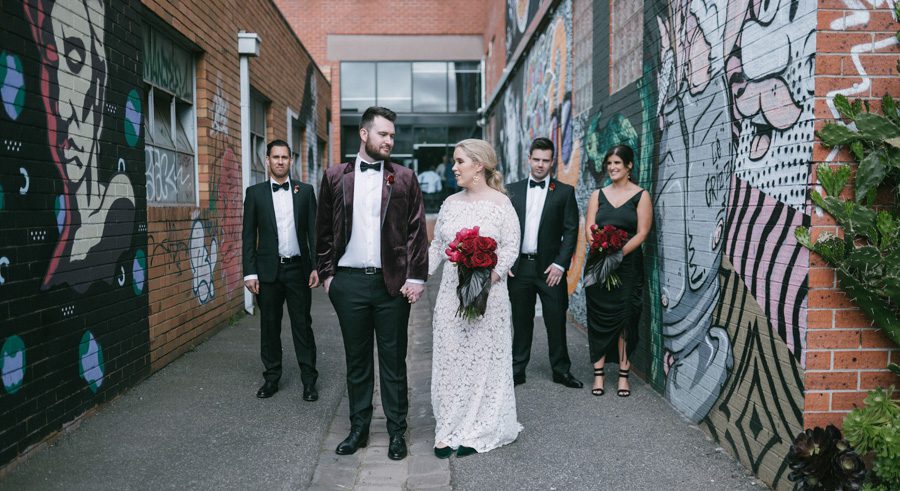
Melbourne’s venues often feature intricate designs—think the geometric patterns of the Melbourne Museum or the weathered brick of heritage-listed buildings. In post-processing, slightly increasing contrast in these areas draws attention to their textures without overpowering the subjects. Using tools like the curves adjustment layer, photographers can darken shadows in brickwork or lighten highlights on wrought-iron railings, creating a three-dimensional effect that anchors the couple within their environment.
Softening Skin Tones for Timeless Portraits
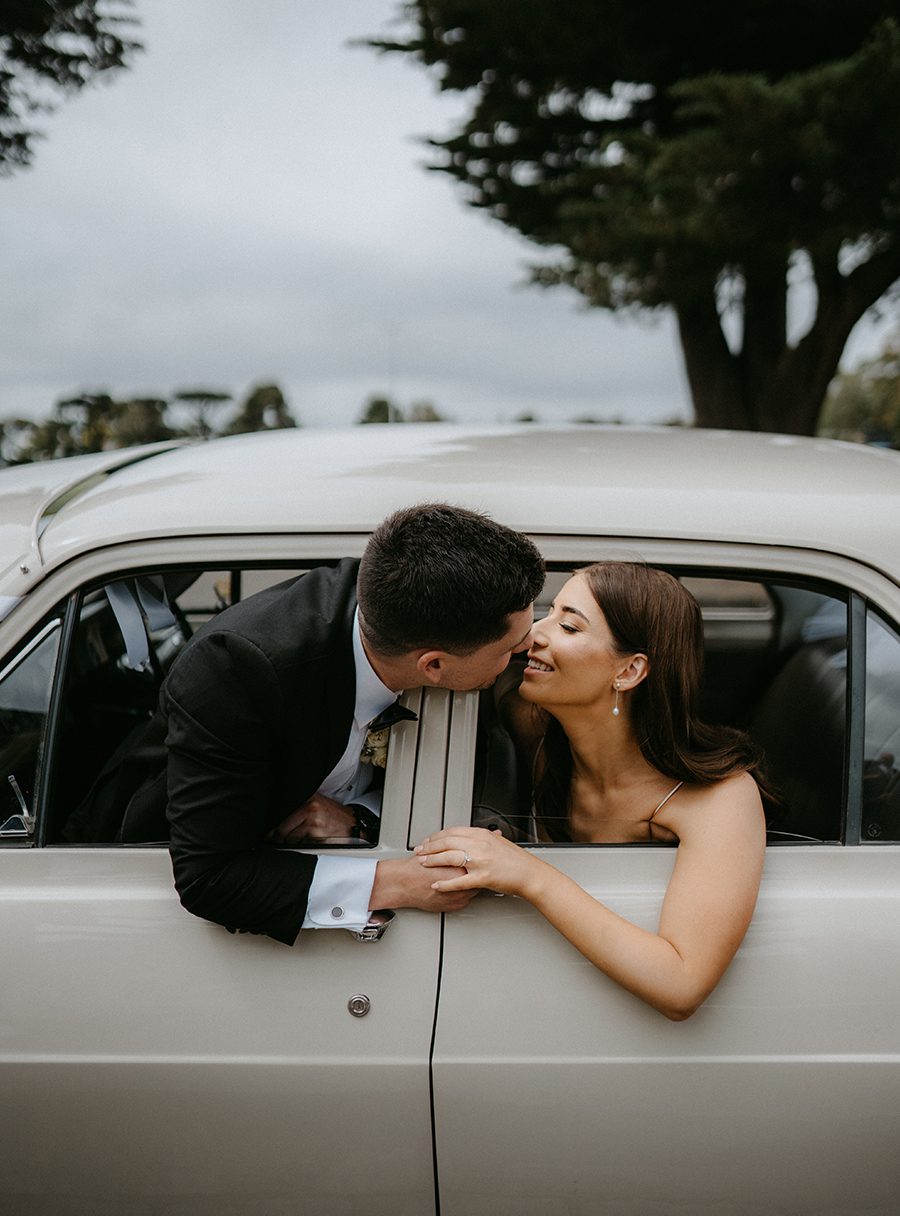
While architectural elements benefit from bold contrast, human skin requires a gentler approach. Overly harsh tonal shifts can make faces appear flat or exaggerate imperfections. To maintain a natural look, use the dodge-and-burn technique to selectively lighten areas like the bride’s collarbone or the groom’s jawline, while darkening shadows under the eyes or along the neck. This subtle sculpting adds depth to portraits without sacrificing the softness associated with wedding imagery.
Balancing Highlights and Shadows in Dynamic Lighting
Melbourne’s unpredictable weather often leads to high-contrast lighting scenarios, such as backlighting during golden hour or harsh midday sun bouncing off concrete. In black-and-white processing, these conditions become assets rather than challenges. For backlit scenes, recover blown-out highlights in the veil or dress by reducing the whites slider, while lifting shadows in the couple’s faces to retain detail. In bright sunlight, embrace the drama by deepening shadows on the ground or in the background, creating a vignette effect that guides the eye toward the subjects.
Telling Stories Through Monochrome Narratives
Black-and-white wedding photography isn’t just about technical adjustments—it’s about crafting a visual story that resonates emotionally. By removing color, photographers encourage viewers to engage with the narrative on a deeper level, interpreting the mood and relationships conveyed through body language and composition.
Capturing Candid Moments
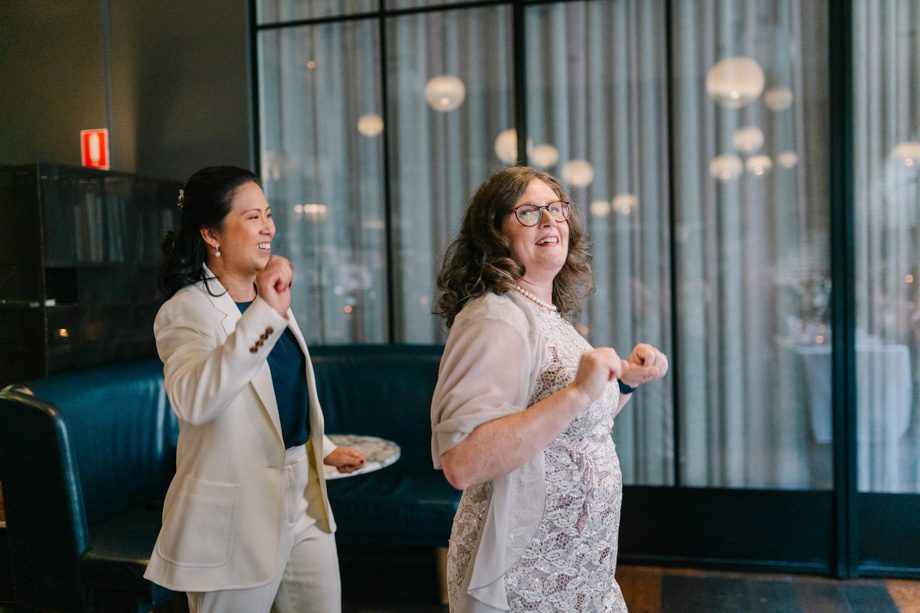
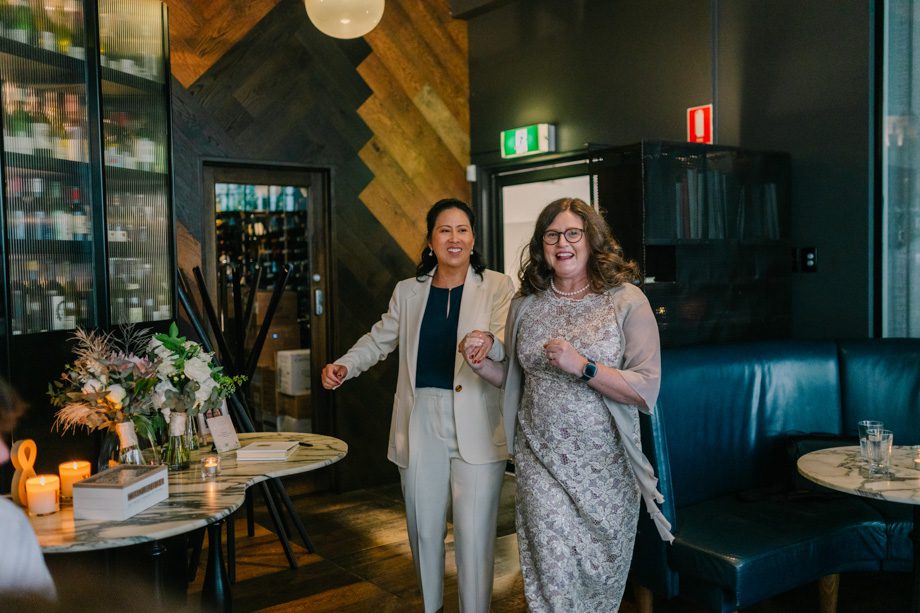
Color can sometimes make candid shots feel overly staged or distract from the spontaneity of the moment. In monochrome, a laugh shared between the couple or a tear rolling down a parent’s cheek becomes the focal point. During post-processing, emphasize these emotions by cropping tightly to eliminate empty space, ensuring the viewer’s attention remains fixed on the interaction.
Creating Cohesion Across Albums
For couples seeking a unified aesthetic, black-and-white processing offers consistency across diverse scenes—from pre-wedding portraits in Fitzroy Gardens to reception dance floors in warehouse venues. By applying similar tonal adjustments to every image, photographers can weave disparate moments into a cohesive narrative. For instance, using a cool blue tint in shadows can evoke a vintage feel, while warm sepia tones lend a nostalgic quality to older venues like the Como House.
Embracing Imperfection
Unlike color photography, where blemishes or grain might be considered flaws, black-and-white imagery often celebrates these elements as part of its charm. A slightly grainy texture can evoke the look of film photography, adding authenticity to images shot in digital formats. Similarly, leaving in subtle motion blur from a dance sequence or the soft focus of a veil in the wind can enhance the dreamlike quality of the final product.
Conclusion: Elevating Melbourne Weddings Through Monochrome Mastery
Black-and-white post-processing isn’t a relic of the past—it’s a powerful tool for modern wedding photographers looking to transcend trends and create images that endure. By understanding how to manipulate contrast, texture, and light, and by approaching each image as a storytelling device, photographers can transform Melbourne’s diverse landscapes into timeless works of art. Whether capturing the grandeur of St. Patrick’s Cathedral or the intimacy of a beachside ceremony, monochrome processing allows couples to relive their special day through a lens of elegance and emotion.