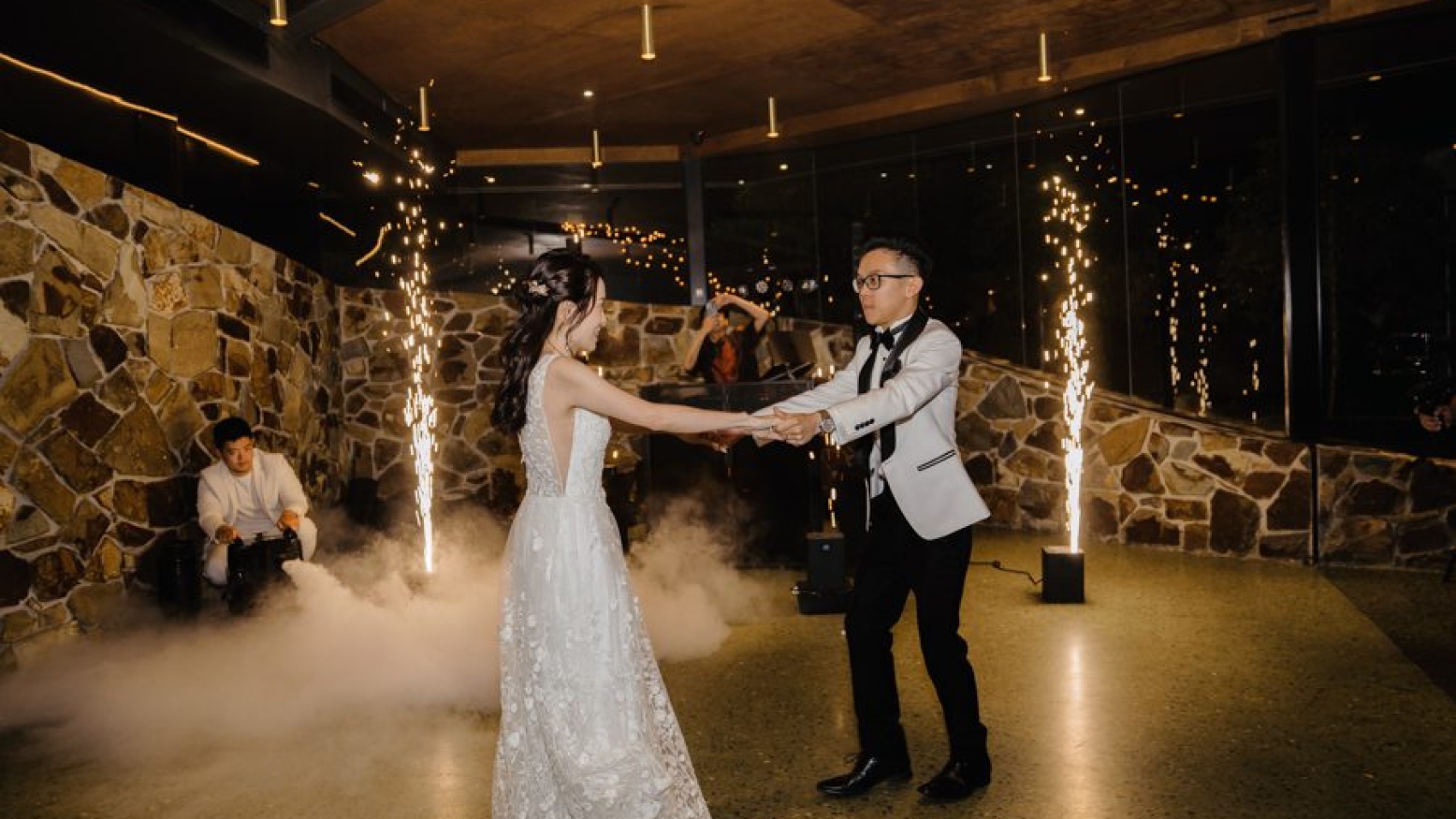
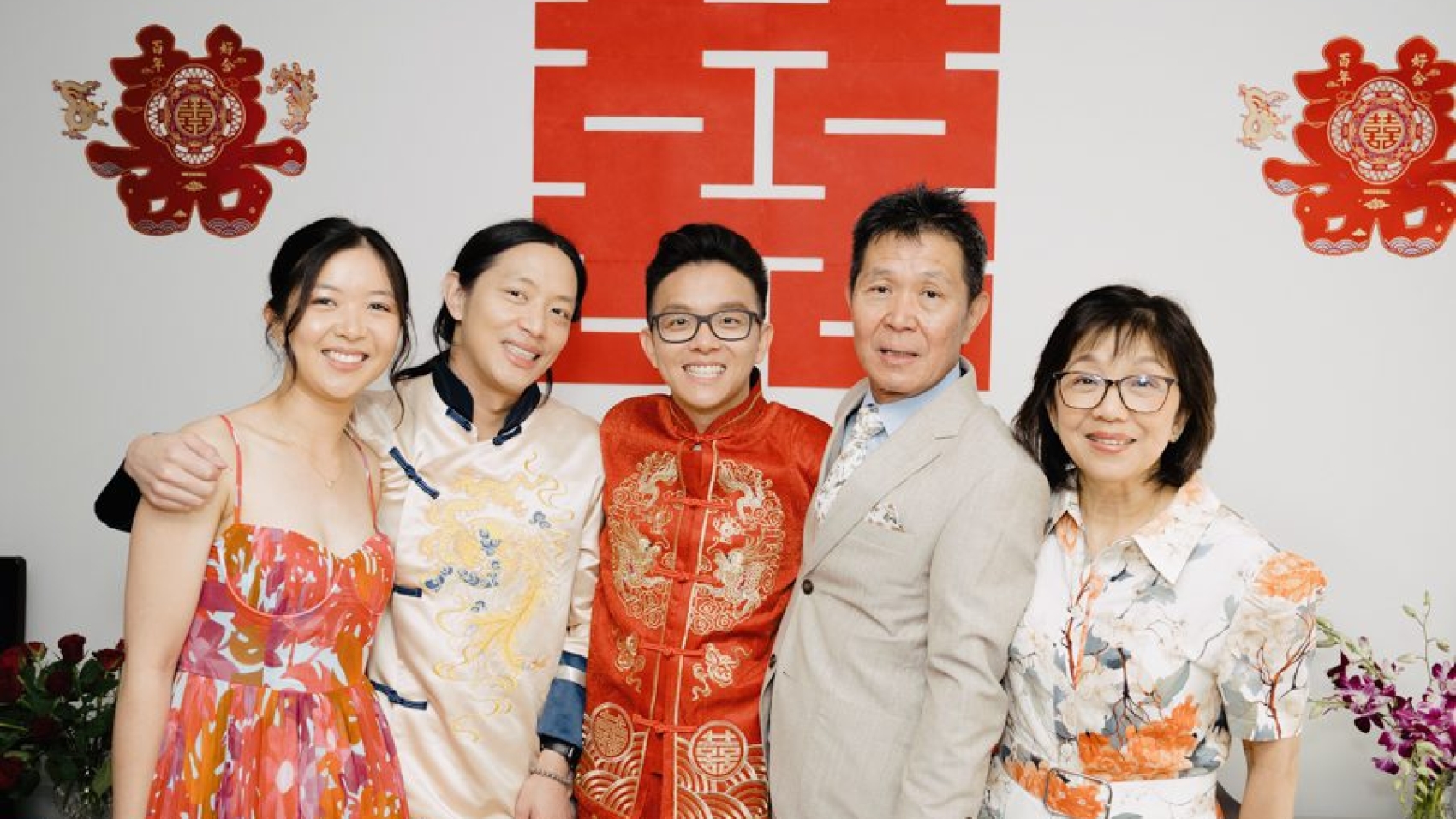
DSC03649

Melbourne wedding photography with a retro film-like texture style

Melbourne Wedding Photography: Capturing That Vintage Film Aesthetic

There is something about grain that makes the heart ache in the best possible way. Film photography does not try to be perfect. It leaks light, it softens edges, it turns ordinary afternoons into something you swear you remember even if you lived through it. Melbourne is one of those rare cities where shooting on film feels not like a stylistic choice but like the natural order of things — the muted palette of the architecture, the way fog rolls through the streets, the coffee-stained wooden tables in every Fitzroy cafe. It all looks like it was shot on Kodak Portra in 1997. And that is exactly why so many couples chasing that warm, analog feel choose Melbourne as their backdrop.
wedding photography melbourne

Why Film and Melbourne Are a Perfect Match

The city was built in the late 1800s, which means almost every street corner has some layer of age to it. Bluestone footpaths worn smooth by a century of boots. Iron lace balconies that have rusted into something beautiful. Tram tracks gleaming in wet light. None of this needs to be styled — it already has the texture that film loves.

Digital cameras try to capture everything with clinical precision. Film skips the details and goes straight for the feeling. A sunset on St Kilda Beach shot on digital looks like a sunset. Shot on film, it looks like a memory of a sunset — warm, slightly hazy, with shadows that lean toward purple instead of black. That is the difference. That is why couples who want their wedding album to feel like a time capsule gravitate toward Melbourne and analog photography in equal measure.

The light here helps too. Melbourne is overcast more often than not, and overcast skies are basically a giant softbox for film. The even, diffused light prevents blown-out highlights and keeps the grain smooth rather than noisy. When the sun does break through — usually for about twenty minutes in the late afternoon — it hits the sandstone buildings and turns everything gold. Film eats that light up and spits it back as something warm and saturated that no preset can replicate.

Locations That Were Practically Made for Analog Film

Not every spot in Melbourne works with film. Some places are too modern, too clean, too sharp. You want textures, patina, and a little bit of mess. The city delivers.

The Bluestone Streets of Carlton and Fitzroy

Walking through Carlton in the late afternoon is like stepping onto a film set that nobody built. The Victorian terraces with their peeling paint and overgrown front gardens. The old churches with their weathered stone. The street lamps that have been standing since before anyone alive today was born. Film loves all of it — every crack in the pavement, every vine crawling up a brick wall, every foggy window reflects back a slightly distorted version of the world that feels honest.

Fitzroy takes it further. Gertrude Street, with its boutique windows and hand-painted signs, photographs like a European side street that got lost in Australia. The light here bounces off old brick and creeps into doorways, creating pools of warmth that 35mm film renders as rich amber tones. Shooting a couple walking down Gertrude Street at dusk — she in a flowing dress, he in a linen jacket, both slightly out of focus because the photographer was too busy looking through the viewfinder — produces images that feel like they were pulled from a shoebox in someone’s attic.

The Yarra River and Its Forgotten Corners

Most people shoot the Yarra from the Southbank promenade, which is fine but a bit obvious for film work. The real magic happens where the river gets quiet. Alexandra Gardens in Yarra Bend has a stretch of riverbank that feels rural despite being ten minutes from the CBD. Old willows, wooden jetties, the sound of water against mud — it is the kind of place where film grain becomes part of the landscape rather than a technical artifact.

The boat sheds along the river in Collingwood and Abbotsford are another secret. Rusted corrugated iron, paint flaking off timber, kayaks stacked haphazardly — it is ugly in the most photogenic way possible. A couple sitting on the steps of a boat shed, backs against the peeling wall, shot on medium format film with a shallow depth of field, creates an image that looks like it belongs in a gallery show about longing.

Iconic Laneways and Hidden Passages

Melbourne’s laneways get a lot of attention, but most people shoot them wide and bright. For film, you want the tight shots — the narrow passages where the walls press in and the light comes from above in a thin stripe. Hosier Lane at 6am, before the tourists arrive, is almost empty. The graffiti layers are dense and colorful, and film renders those colors as muted and dreamy rather than garish. A couple pressed against a painted wall, her head on his shoulder, shot from a low angle — the grain adds texture to the concrete and the colors bleed slightly into each other like watercolor on wet paper.

Degraves Street in the CBD has a different energy — more European, more cafe culture. The old bluestone paving, the wrought iron railings, the awnings that sag slightly with age — all of it photographs beautifully on film. The trick here is to shoot early, when the street is empty and the only light comes from the shop windows. That mixed color temperature — warm tungsten from inside, cool daylight from outside — is exactly the kind of challenging light that film handles better than any digital sensor.

The Technical Side: Choosing Film and Working With It

Not all film stocks are created equal, and picking the right one changes everything about how your Melbourne wedding photos feel.

Portra for Warmth and Skin Tones

Kodak Portra 400 is the workhorse of wedding film photography for good reason. It renders skin tones as warm and creamy without going orange. It handles mixed light gracefully — which matters enormously in Melbourne where you are constantly switching between tungsten cafe lights, overcast daylight, and golden hour sun. Portra also has a lovely latitude, meaning you can underexpose slightly and pull detail back in development without the image falling apart. For outdoor Melbourne shoots, Portra 800 pushes the sensitivity higher for those overcast days when light is scarce, and the grain stays fine rather than chunky.

Ektar for Saturation and Sharpness

If you want the colors to pop — the red of a tram, the green of a fern, the blue of a Melbourne sky when it decides to show up — Fuji Ektar 100 is the stock. It is the most saturated consumer film available, which means Melbourne’s already colorful laneways and gardens go from vivid to almost hallucinatory. The tradeoff is that Ektar has finer grain but less latitude, so you need to nail your exposure. It rewards careful photographers and punishes guesswork.

CineStill for the Night and Neon

When the sun goes down and the city lights come on, CineStill 800T is the secret weapon. Originally designed for motion picture use, it handles tungsten and neon light without the orange cast that normal film would produce. Melbourne at night — the neon signs on Brunswick Street, the string lights in Fitzroy gardens, the glow of trams moving through the dark — all of it looks cinematic on CineStill. The halation effect around bright lights gives images a dreamy, vintage movie quality that digital editors spend hours trying to fake.

Embracing Imperfection as Part of the Story

The whole point of shooting film for a wedding is that things will not be perfect. A frame might be slightly underexposed. The focus might be a touch soft on the edges. There might be a light leak that turns half the image warm orange for no reason. And that is the beauty. Those imperfections are what make film feel human. They are the visual equivalent of a cracked voice during vows — imperfect, raw, and more moving for it.

Couples who choose film for their Melbourne wedding usually understand this. They are not chasing the sharpest image or the most flattering angle. They want something that feels like it was found in a drawer thirty years from now — slightly faded, a little soft, but so full of feeling that it stops you in your tracks.

Melbourne gives you the weather, the architecture, the light, and the streets. Film gives you the grain, the color, and the warmth. Together they make something that no app, no filter, no AI tool will ever replicate. It is slow. It is deliberate. It is a little bit messy. And it is exactly right.
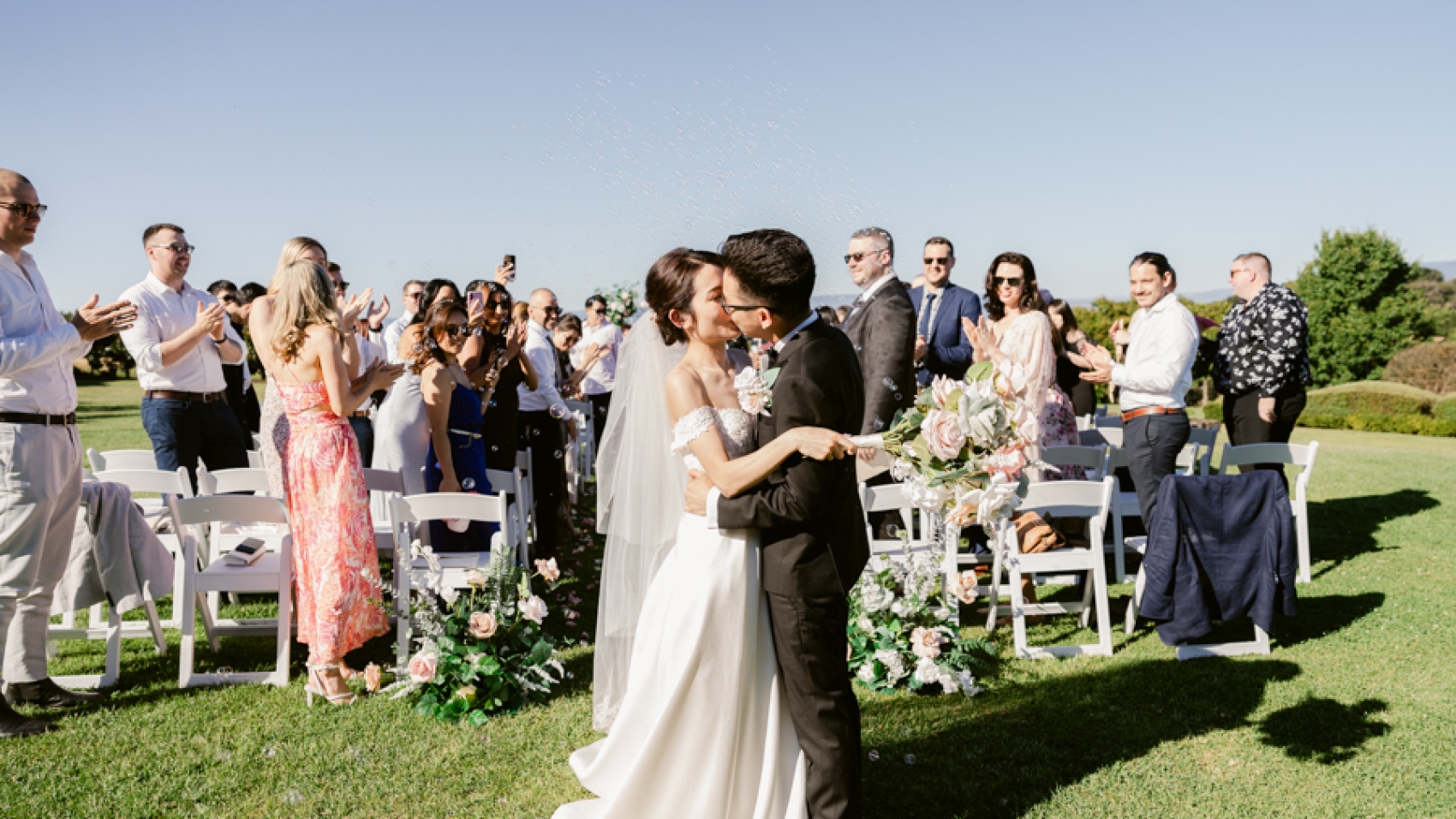
DSC04421

Melbourne wedding photography with a cinematic and story-driven approach

Cinematic Storytelling Wedding Photography in Melbourne: Shoot Your Love Like a Film

Some wedding albums read like a photo shoot. Others read like a movie you never want to end. The difference is not gear or location — it is intention. Cinematic wedding photography is about building tension, capturing silence, and letting small moments carry the weight of big emotions. Melbourne, with its moody light, European bones, and endless variety of textures, is one of the few cities that can genuinely stand in for Paris, London, or Rome without a single plane ticket. Here is how to shoot your wedding day like it matters — because it does.

wedding photography melbourne

Choosing Locations That Already Feel Like a Set

A great cinematic shot starts before you press the shutter. You need a place that already has atmosphere — somewhere the light falls in a certain way, where the walls have a story, where the air feels thick with possibility.

Old Money Interiors and Hidden Mansions

Melbourne is full of interiors that look like they were built for a Merchant Ivory film. Rippon Lea in Elsternwick is the obvious standout — a 1868 mansion with ballroom ceilings, marble fireplaces, and gardens that slope down to the Yarra River. But what makes it cinematic is not the grandeur; it is the quiet corners. The hallway where light falls through a stained glass window onto dusty floorboards. The library where someone once sat reading for hours. These are not backdrops — they are characters in your story.

Como House in South Yarra offers a different flavor — more intimate, more personal, with Art Deco details and a garden that feels private even though it sits minutes from the city. Shooting here at dusk, when the interior lamps come on and the garden goes blue, gives you that warm-inside-cool-outside contrast that cinematographers spend careers chasing.

Lesser-known gems like Coombe Cottage in Yarra Glen or Glenview Mansion in Glenhuntly bring period authenticity without the crowds. Wood paneling, leadlight windows, original fireplaces — these spaces demand that you slow down and let the room breathe. A couple standing in a doorway, backlit by a single window, says more than any posed portrait ever could.

Urban Decay Meets Modern Edge

Cinema is not always pretty. Sometimes the most powerful frames come from places that are rough, unfinished, or slightly forgotten. The abandoned buildings along the Yarra River in Footscray and Yarraville have become a favorite for editorial wedding work. Corrugated iron, shattered glass, wild grass pushing through concrete — it is all raw material for a love story that does not need polishing.

The interior of old churches like St James Old Cathedral on King Street offers dramatic vertical space and shadow play that no studio can replicate. Standing in the nave with nothing but a single shaft of light cutting across the pews creates an image that feels sacred and cinematic at the same time. The echo of footsteps on stone, the smell of old wood and candle wax — these sensory details seep into the photographs even though you cannot see or smell them. It is the kind of place where a whisper feels loud.

Industrial spaces in Newport and Spotswood — old factories, loading docks, railway corridors — bring a grittier narrative. Rust and steel and concrete create a palette that is cold and beautiful. A couple embracing in front of a massive rolling door, backlit by the pale Melbourne sky, reads like the final scene of an indie film. It is unglamorous in the best way — real, textured, honest.

The Art of Building a Visual Narrative

A cinematic wedding album is not a collection of pretty pictures. It is a sequence. It has a beginning, a middle, and an end. It has quiet scenes and loud ones. It has wide establishing shots and tight intimate close-ups. Thinking in terms of story changes everything about how you approach the day.

The Opening: Establishing the World

Start with wide shots that set the scene. A city skyline at dawn. An empty street. A door opening. A hand reaching for a coffee cup. These are your establishing shots — they tell the viewer where we are and what the mood is. In Melbourne, shooting from the Southbank promenade at first light gives you the river, the skyline, and that pale golden glow that looks like it belongs in a Wong Kar-wai film. Or walk through Flinders Street Station before it wakes up — the vast arched ceiling, the empty platforms, the echo of a single suitcase wheel on tile. It is lonely and beautiful and it sets the tone for everything that follows.

The Middle: Tension, Intimacy, and In-Between Moments

This is where most wedding albums fall apart — too many group shots, too many posed smiles, not enough feeling. The cinematic approach fills the middle with the stuff that actually matters. The look between a bride and her father before the ceremony. The groom pacing outside, loosening his tie. A bridesmaid fixing a flower that keeps falling. These are not the moments you plan — they are the moments you notice.

Walking sequences are the backbone of cinematic wedding photography. A couple moving through a space — down a laneway, across a bridge, through a market — creates movement and rhythm that static portraits cannot. Shoot them from behind, from the side, from a distance. Let the environment frame them. In Melbourne, a walk along Alexandra Gardens in Yarra Bend or through the bluestone streets of Carlton gives you tree-lined paths, old fences, and soft dappled light that turns a simple stroll into something poetic.

Rain is your best friend here. Melbourne’s sudden downpours are not a problem — they are a gift. A couple running through a wet street, laughing, coats flapping, water splashing — this is pure cinema. The reflections on wet pavement double the visual interest. The mood shifts from bright to moody in seconds. Shooting in rain requires trust — trust in your photographer, trust in the weather, trust that the messy moments will become the best ones.

The Closing: Emotion Without Words

The final images in a cinematic album should leave the viewer with a feeling, not a fact. Not “they got married at this venue” but “I felt something when I saw this.” This usually means getting close — really close. Hands intertwined. A forehead resting against a forehead. A tear that was not wiped away in time. The camera becomes a witness, not a director.

Golden hour on the beach is the classic closer, and for good reason. St Kilda Pier at sunset or Brighton Beach as the last light hits the water gives you warm side light, long shadows, and an open horizon that makes everything feel vast and tender. A couple silhouetted against a burning sky, standing still while the world moves around them — that is the last frame of a beautiful film.

Light as the Invisible Director

You cannot talk about cinematic photography without talking about light, because light is what separates a snapshot from a scene. Melbourne’s light is particular — it comes in low and slanted, it changes fast, it goes from flat white to deep amber in twenty minutes. Learning to work with it rather than against it is the single biggest skill a cinematic photographer develops.

Chasing Overcast and Moody Skies

Most couples want sunshine. Cinematic photographers want clouds. Overcast skies in Melbourne act as a massive diffuser — soft, even light that wraps around faces and eliminates every harsh shadow. It is the most flattering light for skin tones and the most moody for architecture. A grey sky over the Dandenong Ranges turns the forest into a painting — muted greens, silver trunks, mist hanging between the trees. It looks like the opening scene of a drama nobody wants to end.

The thirty minutes before rain is another sweet spot. The sky goes dark and heavy, the light turns blue-grey, and everything in the frame gets a little more intense. Shooting in Fitzroy or Collingwood during a pre-storm sky gives you that dramatic contrast between the dark clouds and the warm glow of streetlights and shop windows. It is moody without being sad — cinematic without being pretentious.

Window Light and Interior Drama

Indoor cinematic work relies almost entirely on window light. Large sash windows in Victorian terraces along Lygon Street or Drummond Street throw long rectangles of soft light across wooden floors. Position your couple near the window, let the light fall on one side of their face, and let the other side fall into shadow. That half-lit, half-dark look is the visual signature of almost every great film ever made.

Older venues with small windows and high ceilings — think church halls, heritage hotels, converted warehouses — create natural chiaroscuro. The light comes in narrow and directional, painting stripes across walls and faces. It is dramatic and unpredictable and it forces you to be patient. You wait for the cloud to move, for the angle to shift, for the light to hit just right. That waiting is part of the process — and part of the story.

Editing That Feels Like a Film, Not a Filter

The shoot is only half the equation. How the images are treated afterward determines whether they feel like cinema or like a social media post with a vintage filter. Cinematic editing means desaturating selectively — keeping skin tones warm while pulling the greens and blues toward teal. It means adding grain, not because the photo is bad, but because film grain is part of the visual language of cinema. It means cropping wide — 2.39:1 aspect ratio, the anamorphic widescreen that every movie uses — because it forces the viewer to look at the whole frame, not just the faces.

Subtle vignetting draws the eye to the center. Slight color shifts in the shadows — cool blues, warm ambers — create depth that flat editing cannot. The goal is not to make the photos look old. The goal is to make them feel like they belong to a story that is still unfolding.

Melbourne gives you every tool you need — the architecture, the light, the weather, the streets, the people. What it cannot give you is the willingness to be still, to be quiet, to let a moment happen without trying to control it. That part is yours. Walk slowly. Look at each other. Let the city be the set and let your love be the plot. The camera will follow.

DSC05251

Melbourne Wedding Photography – Realistic Documentary Style of Captured Moments

Melbourne Wedding Photography: The Art of Documentary-Style Storytelling

Nobody wants to look back at their wedding album and see people standing like mannequins. The best wedding photos happen when nobody knows the camera is there — when a father blinks back tears during vows, when a bridesmaid laughs so hard she spills champagne, when a couple steals five seconds of silence on a balcony that feels like the whole world has paused. That is the documentary style. It is not a genre — it is a philosophy. Melbourne, with its unpredictable weather, quirky neighborhoods, and wildly diverse corners, is one of the most photogenic cities on earth for this kind of work.

wedding photography melbourne

The Streets of Melbourne Tell Your Story For You

Melbourne’s laneways are famous, but most people photograph them from the outside looking in. A documentary photographer walks through them with a couple and waits for the magic that only happens when you stop trying to control the moment. Hosier Lane is overrated for posed shots but perfect for candid ones — the peeling paint, the layers of stencils, the narrow passage of strangers all create a living backdrop that feels raw and real. A couple walking hand in hand through the graffiti tunnel, coats flapping, laughing at something private, makes for an image that carries actual emotion instead of just composition.

Degraves Street and Flinders Lane in the CBD offer a different kind of street energy. The old bluestone pavements, the iron lace facades, the coffee shops spilling chairs onto the footpath — it all feels lived in. Couples here blend into the crowd naturally, and that blending is exactly what makes documentary photography work. When you cannot tell where the city ends and the moment begins, the photo has succeeded.

Further out, Brunswick Street in Fitzroy delivers that bohemian lived-in charm that staged shoots can never replicate. Laundry hanging between buildings, dogs wandering past, vinyl shop doors propped open — it is visual noise that becomes visual poetry in the right hands. Standing outside a dumpling shop with steam rising behind you, or crossing Johnston Street mid-stride with a smile that was not meant for the camera — these are the frames couples remember decades later.

Markets, Trams, and Public Spaces That Breathe

The documentary style thrives in places where life is happening whether you are there or not. Queen Victoria Market opens before dawn and stays chaotic until late afternoon. The fruit stalls, the fishmongers yelling prices, the vintage clothing vendors folding heaps of old wool coats — it is sensory overload that photographs beautifully. A groom picking up an apple from a stall while his bride argues playfully about the price, caught mid-laugh, is the kind of image that makes people feel something.

Melbourne’s tram network is another goldmine. The Route 96 tram along Swanston Street cuts through the heart of the city and offers dozens of photo opportunities from the inside out. Couples sitting on the tram, looking out at the passing city, or standing on a tram stop platform as a green and yellow tram rolls past behind them — these moments feel cinematic precisely because they are unstaged. The motion blur of the tram, the natural light streaming through old windows, the everyday-ness of it all — that is what makes the images feel honest.

Federation Square and the Yarra Riverbank attract thousands of people daily. Skaters, buskers, tourists taking selfies, joggers — it is a human zoo in the best sense. Documentary photographers love this because the background is never empty and never boring. A couple embracing on the riverbank with a skateboarder mid-trick behind them tells a story about Melbourne itself — young, active, a little chaotic, deeply alive.

Capturing the Unseen Moments Between the Big Ones

The ceremony and the reception get photographed a thousand ways. But the real gold in documentary wedding photography lives in the gaps — the ten minutes before the ceremony when nerves are raw, the quiet walk from the car to the venue, the moment a mother adjusts her daughter’s veil and their eyes meet. These are the images that make people cry when they see them twenty years later.

Getting ready shots work best when they are not getting ready shots at all. Instead of posed mirror selfies, try sitting on a hotel room floor in a robe while a friend does your makeup and you are mid-sentence. Or standing at a window in underwear and a blazer, holding a coffee, looking out at nothing — that liminal space between private and public is where the most interesting portraits live.

During the reception, step away from the dance floor. Go to the hallway where guests are smoking and talking. Find the grandmother sitting alone in a corner watching everything with a soft smile. Catch the best man and the maid of honor having a serious conversation by the bar. These peripheral moments are the connective tissue of a wedding story — without them, the album feels like a highlight reel with no substance.

Light and Weather Are Your Best Collaborators

Melbourne’s weather is famously moody, and for documentary photography that is a blessing, not a curse. Overcast skies act as a giant softbox — even, diffused light that flatters skin and eliminates harsh shadows. Rainy days are even better. A wet street at golden hour in Carlton or South Melbourne turns the pavement into a mirror, reflecting warm streetlights and neon signs. A couple sharing an umbrella, caught mid-stride on a glistening bluestone road, is one of the most romantic images you will ever take — and it required zero staging.

Early morning light in Melbourne has a cool, blue-grey quality that feels cinematic and unposed. The streets around Parliament House or Treasury Gardens before 7am are empty and quiet, and the light is low and directional. Walking through these streets in wedding clothes before anyone else is awake creates a surreal, almost dreamlike atmosphere — two people in formal wear wandering a deserted city like it belongs to them.

Late afternoon in St Kilda or Brighton Beach offers warm side light that rakes across the sand and water. Couples walking along the shore, wind in their hair, the pier stretching behind them — these shots feel like they belong in a film, not a photo album. The documentary approach here is simple: walk, talk, laugh, and let the photographer follow.

Working With a Photographer Who Understands Patience

The single most important factor in documentary wedding photography is not location or gear — it is the relationship between the couple and the person behind the camera. A good documentary photographer does not direct. They observe. They move quietly. They wait for the moment that was never planned. They understand that the best shot of your wedding might be the one where you are not looking at each other — maybe you are both looking at your dog, or at the cake, or at nothing at all.

Melbourne has a deep pool of photographers who work this way, drawn to the city’s unpredictable energy and its willingness to be messy and real. When you are looking for someone, ask to see full wedding galleries — not just the hero shots from the ceremony, but the in-between moments. If you see a gallery full of posed groups and empty corridors, keep looking. If you see a gallery full of tears and laughter and strangers in the background, you have found your person.

The documentary style asks you to trust the process. To let go of the shot list. To stop worrying about whether your hair looks perfect in every frame. Because the whole point — the entire reason this style exists — is that perfection is boring. Real life is not perfect. Real love is not perfect. And the photographs that capture that imperfection are the ones you will keep forever.