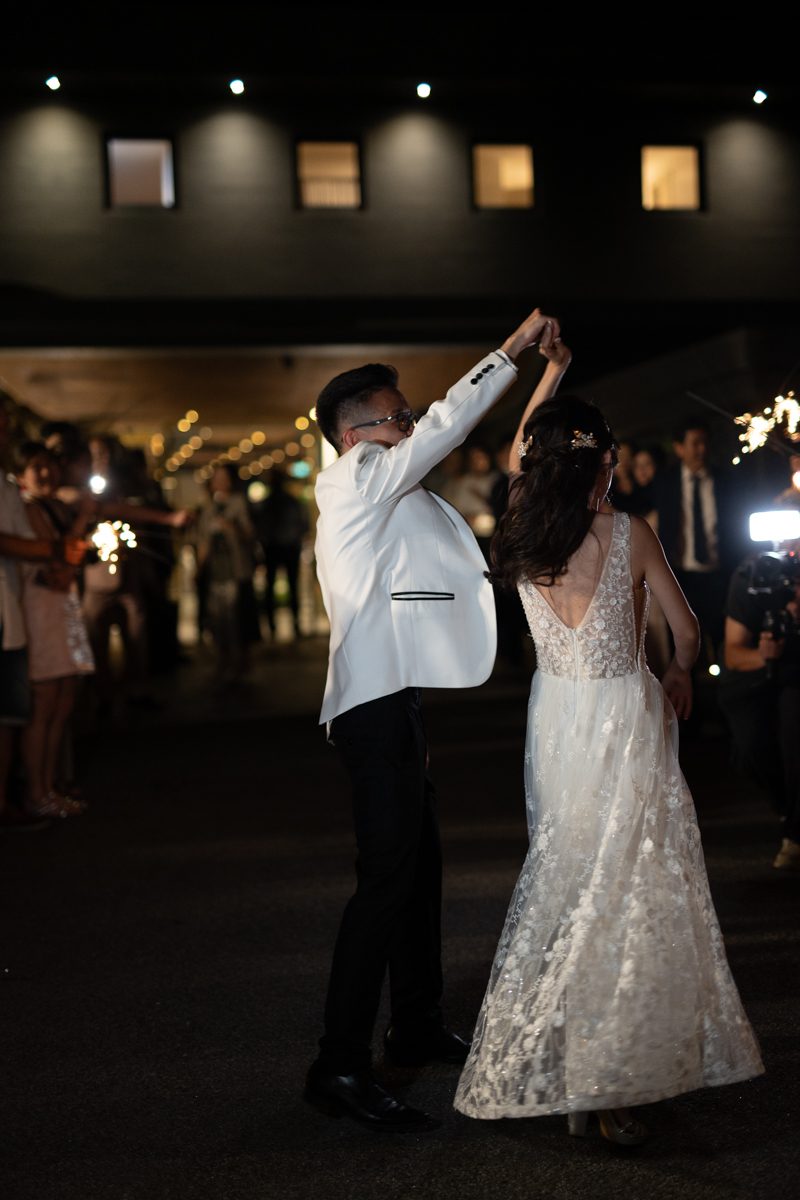
Melbourne wedding photography with a retro film-like texture style
Melbourne wedding photography with a retro film-like texture style
Melbourne Wedding Photography: Capturing That Vintage Film Aesthetic
There is something about grain that makes the heart ache in the best possible way. Film photography does not try to be perfect. It leaks light, it softens edges, it turns ordinary afternoons into something you swear you remember even if you lived through it. Melbourne is one of those rare cities where shooting on film feels not like a stylistic choice but like the natural order of things — the muted palette of the architecture, the way fog rolls through the streets, the coffee-stained wooden tables in every Fitzroy cafe. It all looks like it was shot on Kodak Portra in 1997. And that is exactly why so many couples chasing that warm, analog feel choose Melbourne as their backdrop.
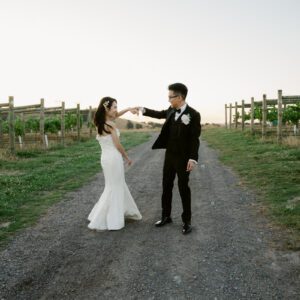
Why Film and Melbourne Are a Perfect Match
The city was built in the late 1800s, which means almost every street corner has some layer of age to it. Bluestone footpaths worn smooth by a century of boots. Iron lace balconies that have rusted into something beautiful. Tram tracks gleaming in wet light. None of this needs to be styled — it already has the texture that film loves.
Digital cameras try to capture everything with clinical precision. Film skips the details and goes straight for the feeling. A sunset on St Kilda Beach shot on digital looks like a sunset. Shot on film, it looks like a memory of a sunset — warm, slightly hazy, with shadows that lean toward purple instead of black. That is the difference. That is why couples who want their wedding album to feel like a time capsule gravitate toward Melbourne and analog photography in equal measure.
The light here helps too. Melbourne is overcast more often than not, and overcast skies are basically a giant softbox for film. The even, diffused light prevents blown-out highlights and keeps the grain smooth rather than noisy. When the sun does break through — usually for about twenty minutes in the late afternoon — it hits the sandstone buildings and turns everything gold. Film eats that light up and spits it back as something warm and saturated that no preset can replicate.
Locations That Were Practically Made for Analog Film
Not every spot in Melbourne works with film. Some places are too modern, too clean, too sharp. You want textures, patina, and a little bit of mess. The city delivers.
The Bluestone Streets of Carlton and Fitzroy
Walking through Carlton in the late afternoon is like stepping onto a film set that nobody built. The Victorian terraces with their peeling paint and overgrown front gardens. The old churches with their weathered stone. The street lamps that have been standing since before anyone alive today was born. Film loves all of it — every crack in the pavement, every vine crawling up a brick wall, every foggy window reflects back a slightly distorted version of the world that feels honest.
Fitzroy takes it further. Gertrude Street, with its boutique windows and hand-painted signs, photographs like a European side street that got lost in Australia. The light here bounces off old brick and creeps into doorways, creating pools of warmth that 35mm film renders as rich amber tones. Shooting a couple walking down Gertrude Street at dusk — she in a flowing dress, he in a linen jacket, both slightly out of focus because the photographer was too busy looking through the viewfinder — produces images that feel like they were pulled from a shoebox in someone’s attic.
The Yarra River and Its Forgotten Corners
Most people shoot the Yarra from the Southbank promenade, which is fine but a bit obvious for film work. The real magic happens where the river gets quiet. Alexandra Gardens in Yarra Bend has a stretch of riverbank that feels rural despite being ten minutes from the CBD. Old willows, wooden jetties, the sound of water against mud — it is the kind of place where film grain becomes part of the landscape rather than a technical artifact.
The boat sheds along the river in Collingwood and Abbotsford are another secret. Rusted corrugated iron, paint flaking off timber, kayaks stacked haphazardly — it is ugly in the most photogenic way possible. A couple sitting on the steps of a boat shed, backs against the peeling wall, shot on medium format film with a shallow depth of field, creates an image that looks like it belongs in a gallery show about longing.
Iconic Laneways and Hidden Passages
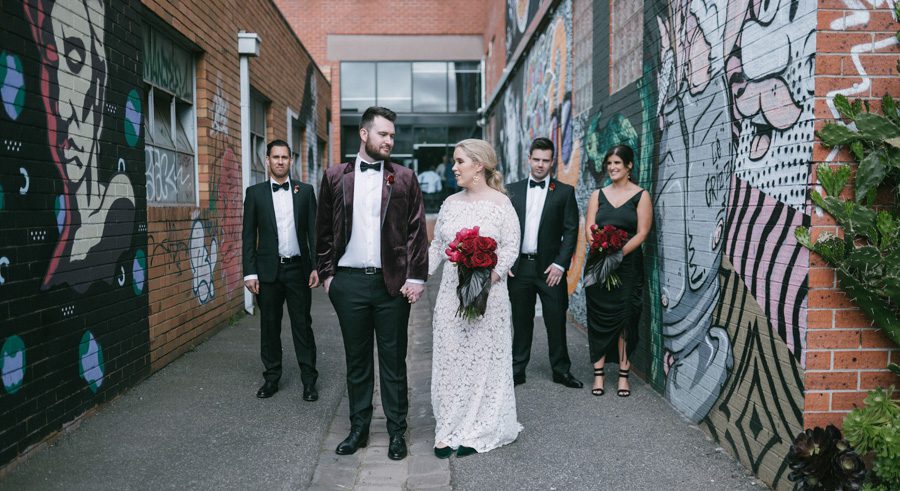
Melbourne’s laneways get a lot of attention, but most people shoot them wide and bright. For film, you want the tight shots — the narrow passages where the walls press in and the light comes from above in a thin stripe. Hosier Lane at 6am, before the tourists arrive, is almost empty. The graffiti layers are dense and colorful, and film renders those colors as muted and dreamy rather than garish. A couple pressed against a painted wall, her head on his shoulder, shot from a low angle — the grain adds texture to the concrete and the colors bleed slightly into each other like watercolor on wet paper.
Degraves Street in the CBD has a different energy — more European, more cafe culture. The old bluestone paving, the wrought iron railings, the awnings that sag slightly with age — all of it photographs beautifully on film. The trick here is to shoot early, when the street is empty and the only light comes from the shop windows. That mixed color temperature — warm tungsten from inside, cool daylight from outside — is exactly the kind of challenging light that film handles better than any digital sensor.
The Technical Side: Choosing Film and Working With It
Not all film stocks are created equal, and picking the right one changes everything about how your Melbourne wedding photos feel.
Portra for Warmth and Skin Tones
Kodak Portra 400 is the workhorse of wedding film photography for good reason. It renders skin tones as warm and creamy without going orange. It handles mixed light gracefully — which matters enormously in Melbourne where you are constantly switching between tungsten cafe lights, overcast daylight, and golden hour sun. Portra also has a lovely latitude, meaning you can underexpose slightly and pull detail back in development without the image falling apart. For outdoor Melbourne shoots, Portra 800 pushes the sensitivity higher for those overcast days when light is scarce, and the grain stays fine rather than chunky.
Ektar for Saturation and Sharpness
If you want the colors to pop — the red of a tram, the green of a fern, the blue of a Melbourne sky when it decides to show up — Fuji Ektar 100 is the stock. It is the most saturated consumer film available, which means Melbourne’s already colorful laneways and gardens go from vivid to almost hallucinatory. The tradeoff is that Ektar has finer grain but less latitude, so you need to nail your exposure. It rewards careful photographers and punishes guesswork.
CineStill for the Night and Neon
When the sun goes down and the city lights come on, CineStill 800T is the secret weapon. Originally designed for motion picture use, it handles tungsten and neon light without the orange cast that normal film would produce. Melbourne at night — the neon signs on Brunswick Street, the string lights in Fitzroy gardens, the glow of trams moving through the dark — all of it looks cinematic on CineStill. The halation effect around bright lights gives images a dreamy, vintage movie quality that digital editors spend hours trying to fake.
Embracing Imperfection as Part of the Story
The whole point of shooting film for a wedding is that things will not be perfect. A frame might be slightly underexposed. The focus might be a touch soft on the edges. There might be a light leak that turns half the image warm orange for no reason. And that is the beauty. Those imperfections are what make film feel human. They are the visual equivalent of a cracked voice during vows — imperfect, raw, and more moving for it.
Couples who choose film for their Melbourne wedding usually understand this. They are not chasing the sharpest image or the most flattering angle. They want something that feels like it was found in a drawer thirty years from now — slightly faded, a little soft, but so full of feeling that it stops you in your tracks.
Melbourne gives you the weather, the architecture, the light, and the streets. Film gives you the grain, the color, and the warmth. Together they make something that no app, no filter, no AI tool will ever replicate. It is slow. It is deliberate. It is a little bit messy. And it is exactly right.