Melbourne Wedding Photography - Realistic Documentary Style of Captured Moments
Melbourne Wedding Photography - Realistic Documentary Style of Captured Moments
Melbourne Wedding Photography: The Art of Documentary-Style Storytelling
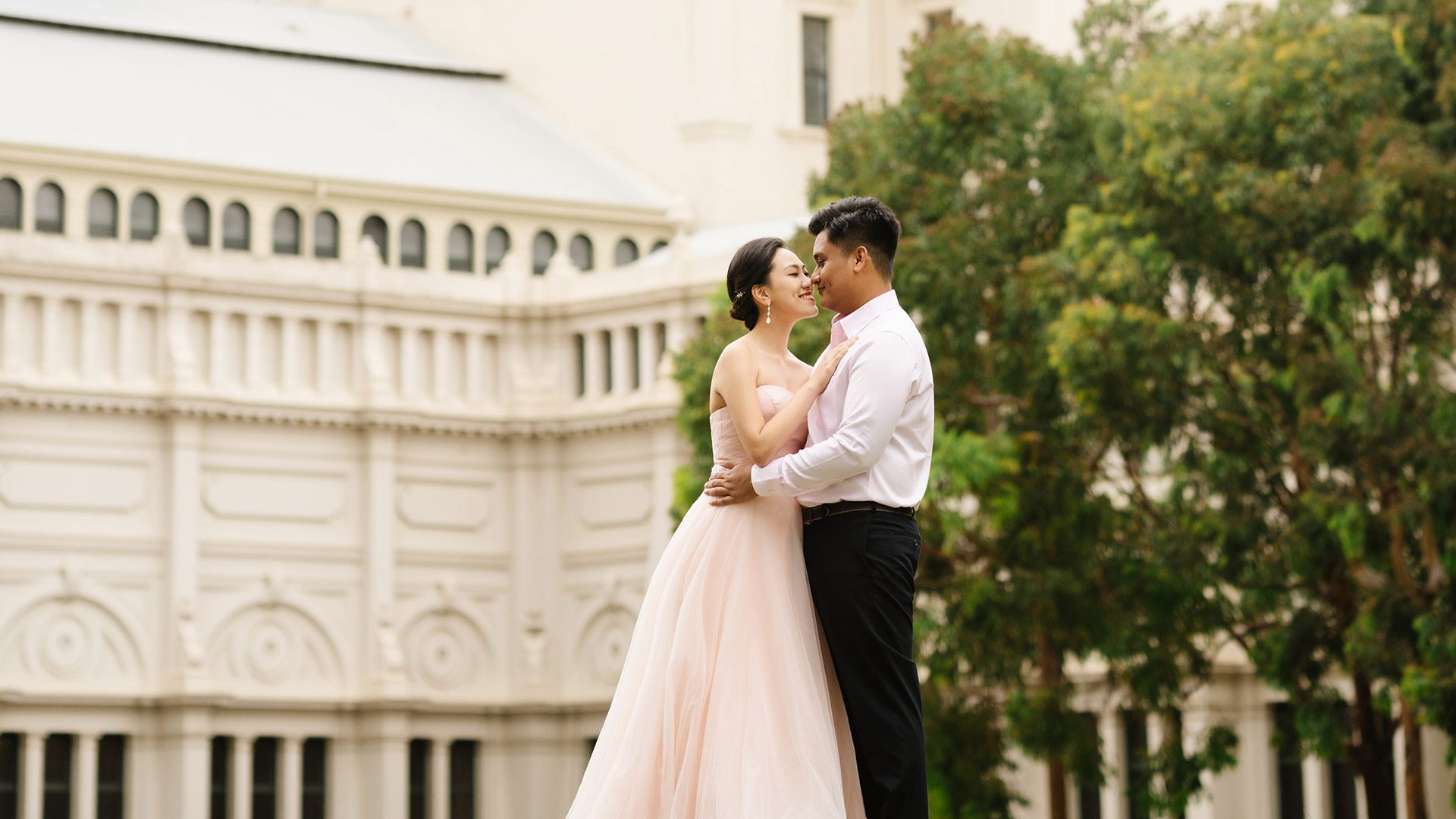
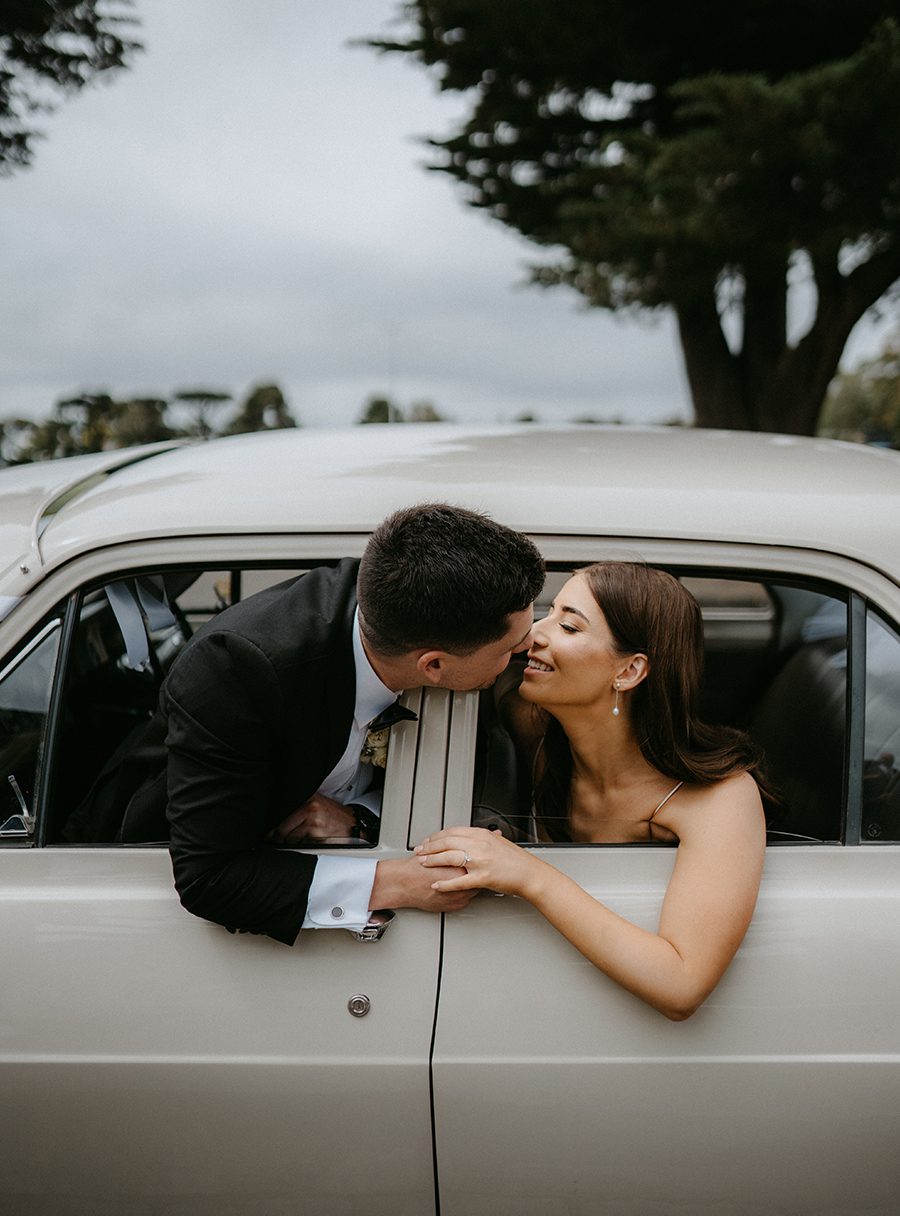
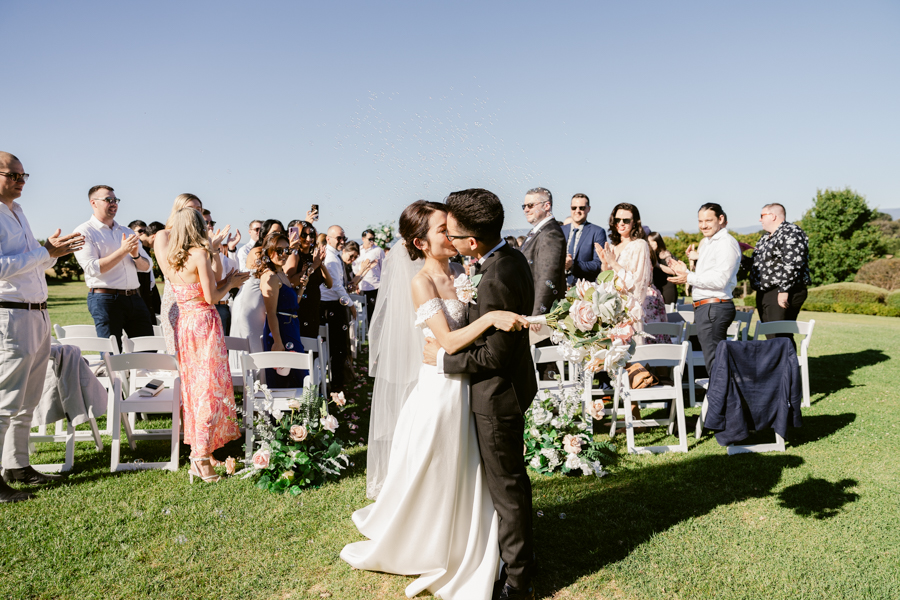
Nobody wants to look back at their wedding album and see people standing like mannequins. The best wedding photos happen when nobody knows the camera is there — when a father blinks back tears during vows, when a bridesmaid laughs so hard she spills champagne, when a couple steals five seconds of silence on a balcony that feels like the whole world has paused. That is the documentary style. It is not a genre — it is a philosophy. Melbourne, with its unpredictable weather, quirky neighborhoods, and wildly diverse corners, is one of the most photogenic cities on earth for this kind of work.
The Streets of Melbourne Tell Your Story For You
Melbourne’s laneways are famous, but most people photograph them from the outside looking in. A documentary photographer walks through them with a couple and waits for the magic that only happens when you stop trying to control the moment. Hosier Lane is overrated for posed shots but perfect for candid ones — the peeling paint, the layers of stencils, the narrow passage of strangers all create a living backdrop that feels raw and real. A couple walking hand in hand through the graffiti tunnel, coats flapping, laughing at something private, makes for an image that carries actual emotion instead of just composition.
Degraves Street and Flinders Lane in the CBD offer a different kind of street energy. The old bluestone pavements, the iron lace facades, the coffee shops spilling chairs onto the footpath — it all feels lived in. Couples here blend into the crowd naturally, and that blending is exactly what makes documentary photography work. When you cannot tell where the city ends and the moment begins, the photo has succeeded.
Further out, Brunswick Street in Fitzroy delivers that bohemian lived-in charm that staged shoots can never replicate. Laundry hanging between buildings, dogs wandering past, vinyl shop doors propped open — it is visual noise that becomes visual poetry in the right hands. Standing outside a dumpling shop with steam rising behind you, or crossing Johnston Street mid-stride with a smile that was not meant for the camera — these are the frames couples remember decades later.
Markets, Trams, and Public Spaces That Breathe
The documentary style thrives in places where life is happening whether you are there or not. Queen Victoria Market opens before dawn and stays chaotic until late afternoon. The fruit stalls, the fishmongers yelling prices, the vintage clothing vendors folding heaps of old wool coats — it is sensory overload that photographs beautifully. A groom picking up an apple from a stall while his bride argues playfully about the price, caught mid-laugh, is the kind of image that makes people feel something.
Melbourne’s tram network is another goldmine. The Route 96 tram along Swanston Street cuts through the heart of the city and offers dozens of photo opportunities from the inside out. Couples sitting on the tram, looking out at the passing city, or standing on a tram stop platform as a green and yellow tram rolls past behind them — these moments feel cinematic precisely because they are unstaged. The motion blur of the tram, the natural light streaming through old windows, the everyday-ness of it all — that is what makes the images feel honest.
Federation Square and the Yarra Riverbank attract thousands of people daily. Skaters, buskers, tourists taking selfies, joggers — it is a human zoo in the best sense. Documentary photographers love this because the background is never empty and never boring. A couple embracing on the riverbank with a skateboarder mid-trick behind them tells a story about Melbourne itself — young, active, a little chaotic, deeply alive.
Capturing the Unseen Moments Between the Big Ones
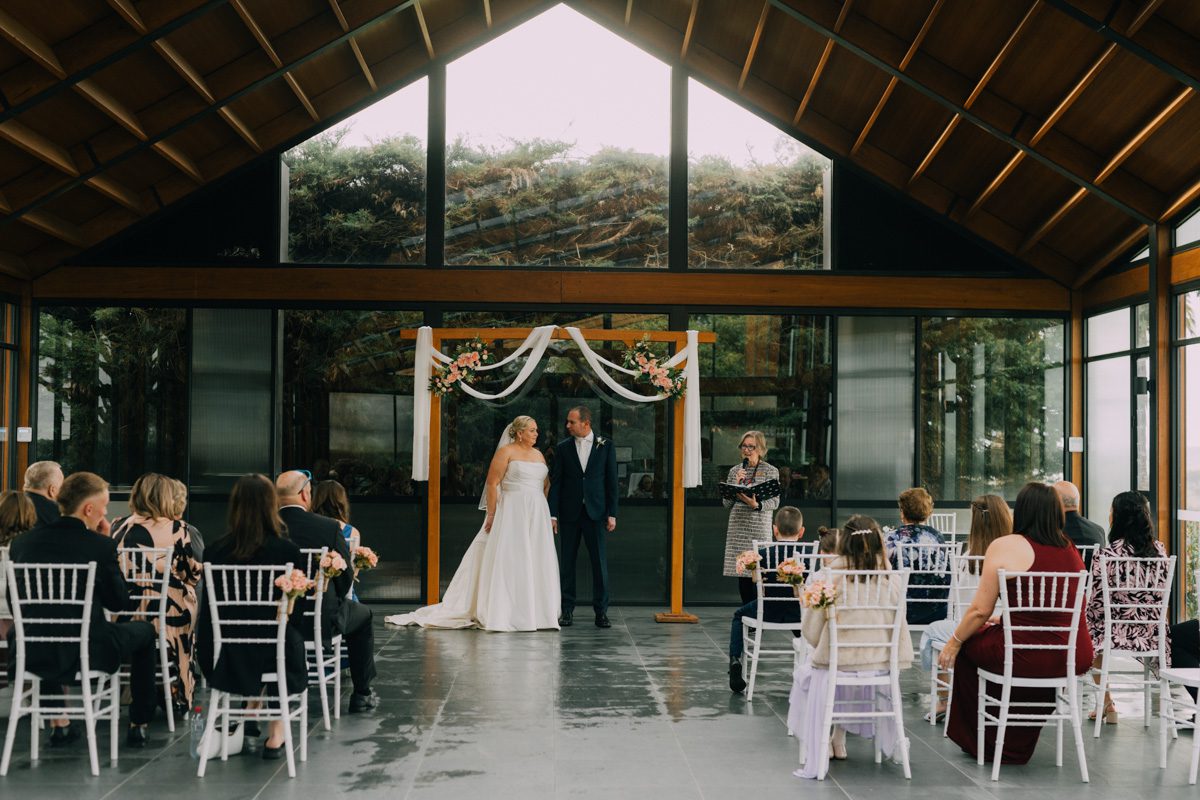
The ceremony and the reception get photographed a thousand ways. But the real gold in documentary wedding photography lives in the gaps — the ten minutes before the ceremony when nerves are raw, the quiet walk from the car to the venue, the moment a mother adjusts her daughter’s veil and their eyes meet. These are the images that make people cry when they see them twenty years later.
Getting ready shots work best when they are not getting ready shots at all. Instead of posed mirror selfies, try sitting on a hotel room floor in a robe while a friend does your makeup and you are mid-sentence. Or standing at a window in underwear and a blazer, holding a coffee, looking out at nothing — that liminal space between private and public is where the most interesting portraits live.
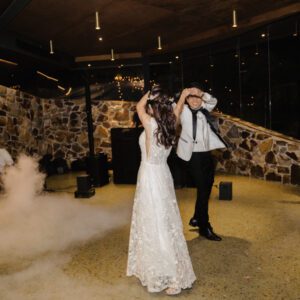
During the reception, step away from the dance floor. Go to the hallway where guests are smoking and talking. Find the grandmother sitting alone in a corner watching everything with a soft smile. Catch the best man and the maid of honor having a serious conversation by the bar. These peripheral moments are the connective tissue of a wedding story — without them, the album feels like a highlight reel with no substance.
Light and Weather Are Your Best Collaborators
Melbourne’s weather is famously moody, and for documentary photography that is a blessing, not a curse. Overcast skies act as a giant softbox — even, diffused light that flatters skin and eliminates harsh shadows. Rainy days are even better. A wet street at golden hour in Carlton or South Melbourne turns the pavement into a mirror, reflecting warm streetlights and neon signs. A couple sharing an umbrella, caught mid-stride on a glistening bluestone road, is one of the most romantic images you will ever take — and it required zero staging.
Early morning light in Melbourne has a cool, blue-grey quality that feels cinematic and unposed. The streets around Parliament House or Treasury Gardens before 7am are empty and quiet, and the light is low and directional. Walking through these streets in wedding clothes before anyone else is awake creates a surreal, almost dreamlike atmosphere — two people in formal wear wandering a deserted city like it belongs to them.
Late afternoon in St Kilda or Brighton Beach offers warm side light that rakes across the sand and water. Couples walking along the shore, wind in their hair, the pier stretching behind them — these shots feel like they belong in a film, not a photo album. The documentary approach here is simple: walk, talk, laugh, and let the photographer follow.
Working With a Photographer Who Understands Patience
The single most important factor in documentary wedding photography is not location or gear — it is the relationship between the couple and the person behind the camera. A good documentary photographer does not direct. They observe. They move quietly. They wait for the moment that was never planned. They understand that the best shot of your wedding might be the one where you are not looking at each other — maybe you are both looking at your dog, or at the cake, or at nothing at all.
Melbourne has a deep pool of photographers who work this way, drawn to the city’s unpredictable energy and its willingness to be messy and real. When you are looking for someone, ask to see full wedding galleries — not just the hero shots from the ceremony, but the in-between moments. If you see a gallery full of posed groups and empty corridors, keep looking. If you see a gallery full of tears and laughter and strangers in the background, you have found your person.
The documentary style asks you to trust the process. To let go of the shot list. To stop worrying about whether your hair looks perfect in every frame. Because the whole point — the entire reason this style exists — is that perfection is boring. Real life is not perfect. Real love is not perfect. And the photographs that capture that imperfection are the ones you will keep forever.