French Romantic Atmosphere Wedding Photography in Melbourne
There is something undeniably captivating about the French aesthetic. It is not about grandeur or extravagance but about effortless elegance, soft light, and moments that feel like they belong in a novel. Melbourne, with its European-influenced architecture, tree-lined boulevards, and hidden courtyard cafes, provides the perfect canvas for couples who want their wedding photography to radiate that particular Parisian charm. The key lies not in recreating France but in capturing its spirit through light, composition, and a certain joie de vivre that makes every frame feel like a love letter.
What Defines the French Romantic Photography Style
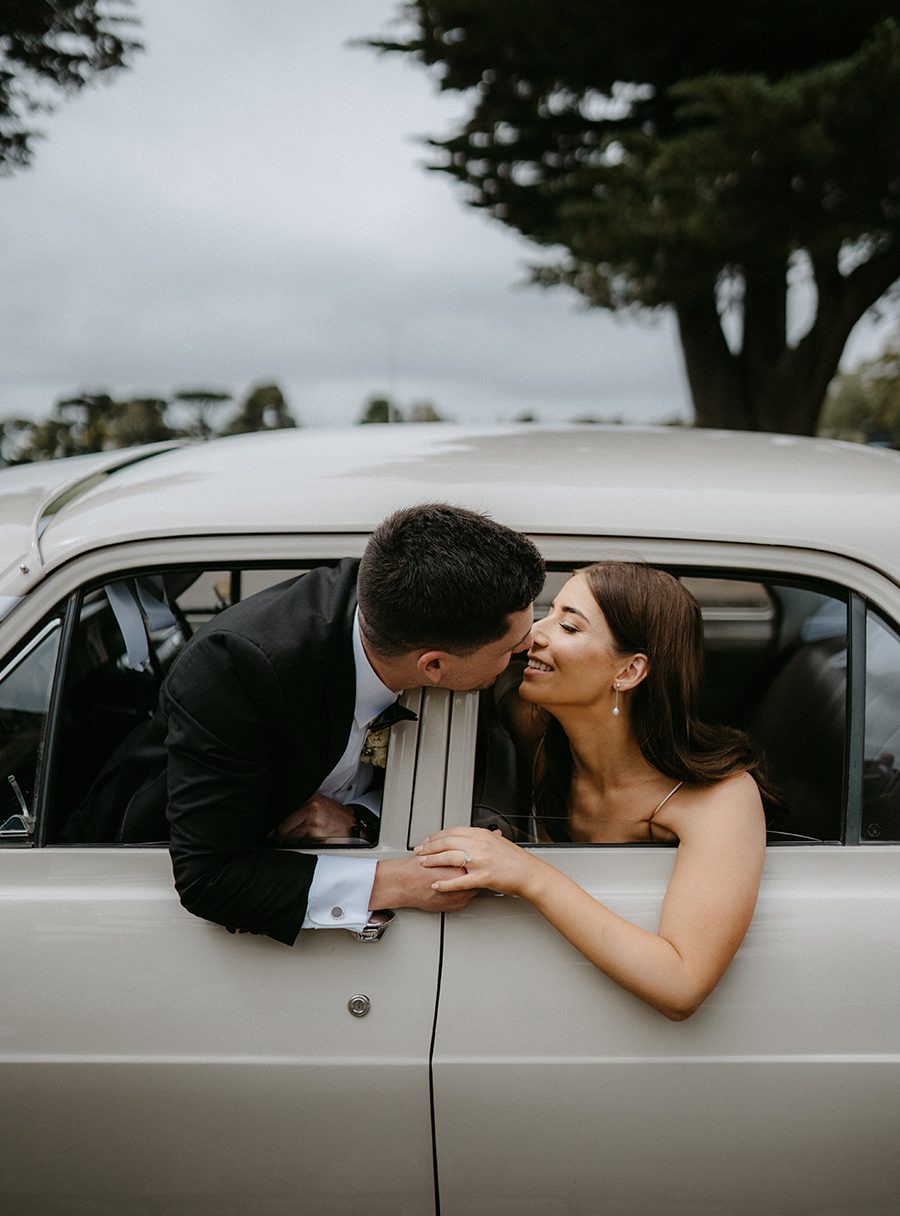
French wedding photography is less about perfection and more about feeling. It embraces imperfection, movement, and the kind of candid moments that happen when two people forget they are being photographed. Think wind-blown hair, a dress train catching on cobblestones, laughter that crinkles the eyes, and a kiss that happens because the moment demanded it rather than because a photographer asked for one.
Soft Natural Light as the Foundation
The single most important element in French-style photography is light. Not the harsh midday sun that flattens features and blows out highlights, but the soft, diffused glow that comes from overcast skies or open shade. This light wraps around the couple gently, smoothing skin, softening edges, and creating that painterly quality that defines the look.
In Melbourne, the best soft light arrives early in the morning or late in the afternoon, especially during autumn and winter when clouds roll through frequently. The city’s west-facing streets and south-side gardens catch this light beautifully, turning ordinary facades into something out of a impressionist painting.
Muted Palettes and Timeless Tones
French photography favors a restrained color palette. Think dusty rose, champagne, soft ivory, sage green, and warm beige. Nothing screams or competes for attention. The colors blend harmoniously with the surroundings, creating a sense of calm and sophistication.
This does not mean the photos look dull. Quite the opposite. The subtlety of the tones makes the emotions pop. A red lip against a muted background, a white dress against warm brick, or a bouquet of dried flowers against grey stone, these contrasts create visual interest without breaking the romantic mood.
Choosing Melbourne Locations That Channel Paris
You do not need a plane ticket to Europe to get that French feel. Melbourne has pockets of architecture and atmosphere that transport you straight to the Marais or Montmartre.
Carlton Gardens and Fitzroy Streets
Carlton Gardens, with its grand elm trees, ornamental lakes, and classical pavilions, has a distinctly European garden feel. The tree-lined paths create natural tunnels of soft light, and the open lawns provide space for wide, cinematic shots. In autumn, the fallen leaves add a warm golden carpet that looks straight out of a French film.
Fitzroy offers something different but equally romantic. The Victorian terraces with their wrought-iron balconies, the narrow streets lined with plane trees, and the vintage shop fronts all evoke a bohemian Parisian vibe. Walking through Fitzroy with a couple in flowing linen feels natural because the streets already tell that story.
South Yarra and Toorak Residential Streets
The leafy residential streets of South Yarra and Toorak have a quiet elegance that suits French photography perfectly. Tree-lined boulevards with period homes, wrought-iron gates, and manicured gardens create intimate backdrops that feel private and personal. The light filters through the canopy in dappled patterns that add texture and warmth to portraits.
These streets also offer variety. One block might feature a grand stone mansion, the next a charming cottage with climbing roses. Moving through these streets gives you constantly changing backdrops without ever leaving the same neighborhood.
Hidden Courtyards and Laneways
Some of the best French-style shots happen in unexpected places. A hidden courtyard behind a restaurant in the CBD, a wrought-iron gate in a Fitzroy laneway, or the interior of a vintage bookshop all provide intimate frames that feel discovered rather than staged.
Melbourne’s coffee culture plays into this beautifully. Sitting at a small round table outside a laneway cafe, sharing a cup of coffee, looking into each other’s eyes while the city moves around you, this is pure French romance without trying too hard.
Styling the Couple for a French Aesthetic
The way a couple dresses and carries themselves makes or breaks the French look. It is about understated beauty, not flashy fashion.
Fabric Choices That Move Beautifully
French bridal style favors fabrics that move with the body and catch the light. Silk charmeuse, chiffon, tulle, and linen all photograph wonderfully because they drape, flow, and flutter in the breeze. Avoid heavy satins or stiff organzas that look architectural rather than romantic.
For grooms, linen suits in soft grey, beige, or navy work beautifully. A simple white shirt with the top button undone, no tie, and sleeves rolled to the forearm captures that effortless Parisian cool. Brown leather shoes or simple white sneakers complete the look without drawing attention away from the couple.
Hair and Makeup That Feels Natural
French bridal makeup is about enhancing, not transforming. Dewy skin, a subtle flush on the cheeks, defined brows, and a lip color that is just a shade deeper than natural. Nothing matte, nothing overly contoured. The goal is to look like you woke up beautiful, not like you spent three hours in a chair.
Hair should feel lived-in. Loose waves, a low chignon with face-framing tendrils, or simply hair blown by the wind all work. Avoid overly sleek updos or heavy extensions that look too polished. The French look embraces a little mess, a few flyaway hairs, the kind of imperfection that makes a photo feel real.
Props That Add Character Without Clutter
A small bouquet of dried flowers, a vintage book, a wide-brimmed hat, a string of pearls, or a simple linen handkerchief, these are the props that suit French photography. They add texture and story without overwhelming the frame.
The rule is simple. If the prop does not serve the emotion of the moment, leave it behind. A bouquet tossed casually over the shoulder tells a different story than one held formally in front of the body. The toss implies movement, joy, and spontaneity, which is exactly what French-style photography thrives on.
Capturing Candid Moments That Tell a Story
The heart of French wedding photography is not the posed portrait but the in-between moments. The ones that happen when the couple thinks no one is looking, or when they are so wrapped up in each other that the camera becomes irrelevant.
Walking and Movement as Narrative
Have the couple walk together through a garden, down a street, or across a courtyard. Do not direct them too much. Let them hold hands, let them stop to look at something, let them turn to each other and say something private. The photographer follows, capturing the journey rather than just the destination.
Shooting from behind as they walk away, with the train of a dress trailing on the ground and soft light ahead of them, creates one of the most iconic French wedding images. It implies a future together, a path forward, and a sense of adventure that static portraits simply cannot convey.
Intimate Close-Ups and Details
French photography loves the small details. A hand resting on a shoulder, fingers intertwined, a forehead touching another forehead, the way light catches a ring, or the texture of lace against skin. These close-ups build emotional intimacy and give the viewer a reason to lean in and look closer.
Shoot these details throughout the session, not just at the end. Weave them into the narrative alongside the wide shots. A detail of clasped hands followed by a wide shot of the couple walking together creates rhythm and keeps the album feeling like a story rather than a collection of random images.
Laughter and Unposed Interaction
The most powerful French wedding photos often come from genuine laughter. Tell the couple a joke, make them talk about their favorite memory together, or simply let them be silly. When people laugh naturally, their faces relax into expressions that no pose can replicate.
Capture these moments quickly and discreetly. A burst of shots while they laugh gives you options, and the best ones will show eyes crinkled, mouths open, and bodies leaning toward each other. These are the images that make people feel something when they see them years later.
Working With Melbourne’s Changeable Weather
Melbourne weather is famous for delivering four seasons in one day, and this unpredictability is actually a gift for French-style photography. Overcast skies, light rain, and moody clouds all contribute to the romantic atmosphere.
Embracing Grey Skies and Soft Light
Do not cancel a shoot because the forecast says clouds. Overcast days are ideal for French photography because the light is even, soft, and wrap-around. There are no harsh shadows under the eyes or on the neck, and skin looks smooth and luminous.
The grey sky also acts as a giant diffuser, reducing contrast and creating a muted backdrop that makes the couple stand out. Pair this with warm-toned clothing and the result is a cohesive, moody palette that looks stunning in both color and black and white.
Rain as a Romantic Element
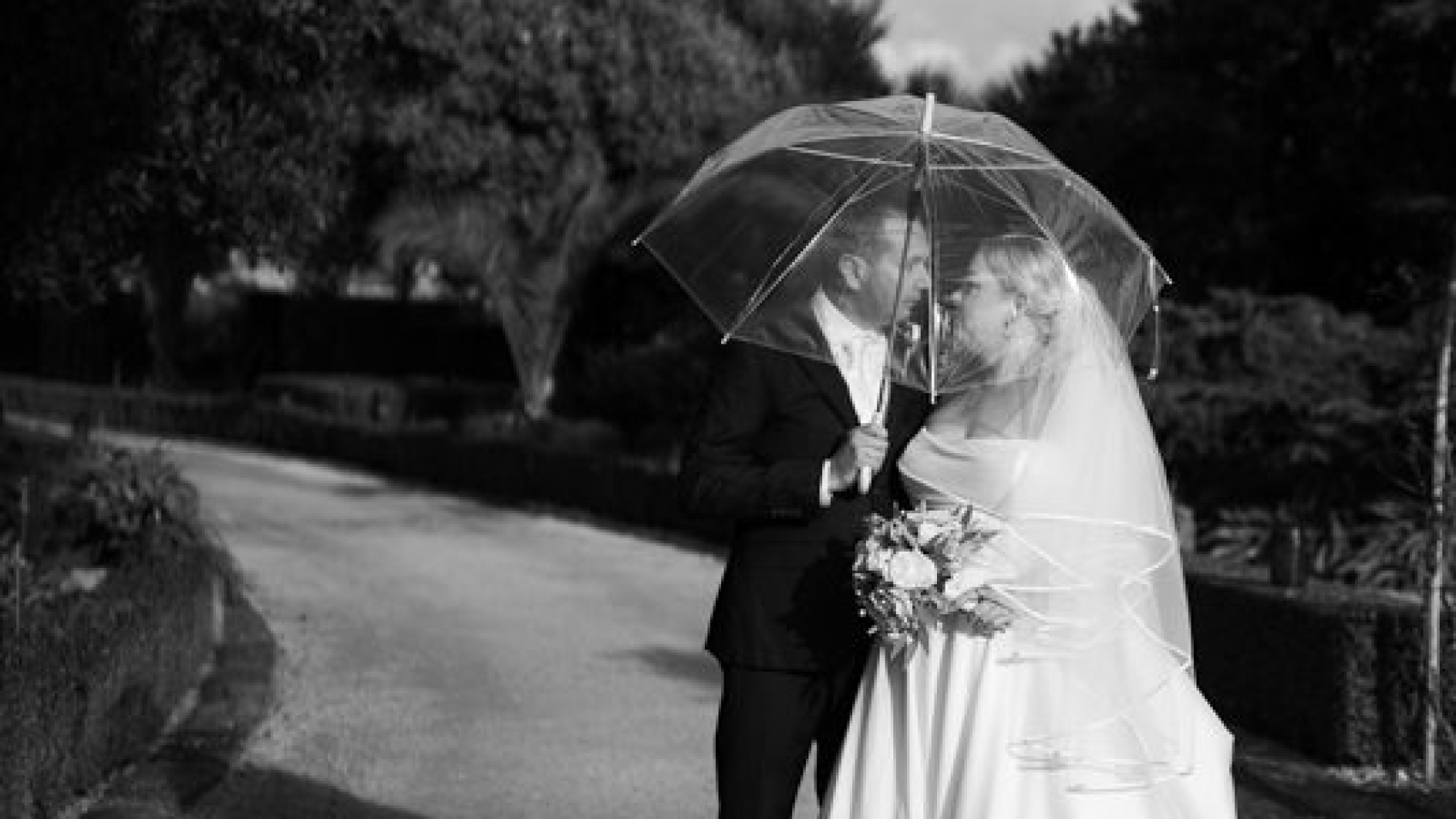
Light rain adds atmosphere and drama to wedding photos. Wet pavement reflects street lamps and building lights, creating a shimmering ground that adds depth and color. A couple sharing an umbrella, a dress damp at the hem, raindrops on a window, these elements are pure cinematic romance.
Melbourne’s drizzle is usually light and intermittent, perfect for photography. Have a towel or blanket ready for between shots, and shoot during the actual rain for those magical wet-street reflections. The couple does not need to be soaked, just slightly damp, to sell the mood.
Wind as a Styling Tool
Wind is your best friend in French photography. It moves hair, lifts veils, billows dresses, and adds dynamism to every frame. On breezy days, position the couple so the wind blows from behind or the side, creating movement in the fabric and hair without it looking messy.
If the wind is too strong, use it selectively. Have the couple stand with their backs to the wind for a dramatic veil lift, then turn around for calm, intimate shots. The contrast between windy and still moments adds variety to the session.
Post-Processing for a French Feel
The editing for French-style wedding photos should enhance the mood without overtaking it. Think film grain, warm shadows, and desaturated greens rather than bright colors and sharp contrast.
Warm Tones and Film Emulation
A slight warmth in the overall tone, particularly in the shadows and mid-tones, gives photos that vintage French film look. Pushing the greens toward olive or teal and the yellows toward gold creates a harmonious palette that feels timeless.
Film grain adds texture and nostalgia. It softens digital sharpness and gives the image a tactile quality that feels like a memory rather than a file. Modern editing tools make it easy to add grain that looks authentic rather than artificial.
Soft Focus and Dreamy Editing
French photography often has a slight softness to it, as if viewed through a haze or a memory. This does not mean blurring the image but rather reducing micro-contrast and letting the light bloom slightly around highlights.
Skin should look smooth but not plastic. Retain some texture, some pores, some natural imperfection. The goal is beauty with honesty, which is the essence of the French aesthetic. Over-smoothing destroys the very authenticity that makes this style work.
Black and White as an Option
Many of the best French-style wedding photos work just as well in black and white. The tonal range, the contrast between light and shadow, and the emotional weight of a monochrome image all suit the romantic mood perfectly.
Offer a mix of color and black and white in the final gallery. The black and white images can serve as bookends, chapter breaks, or standalone art prints that capture the essence of the day in its purest form.