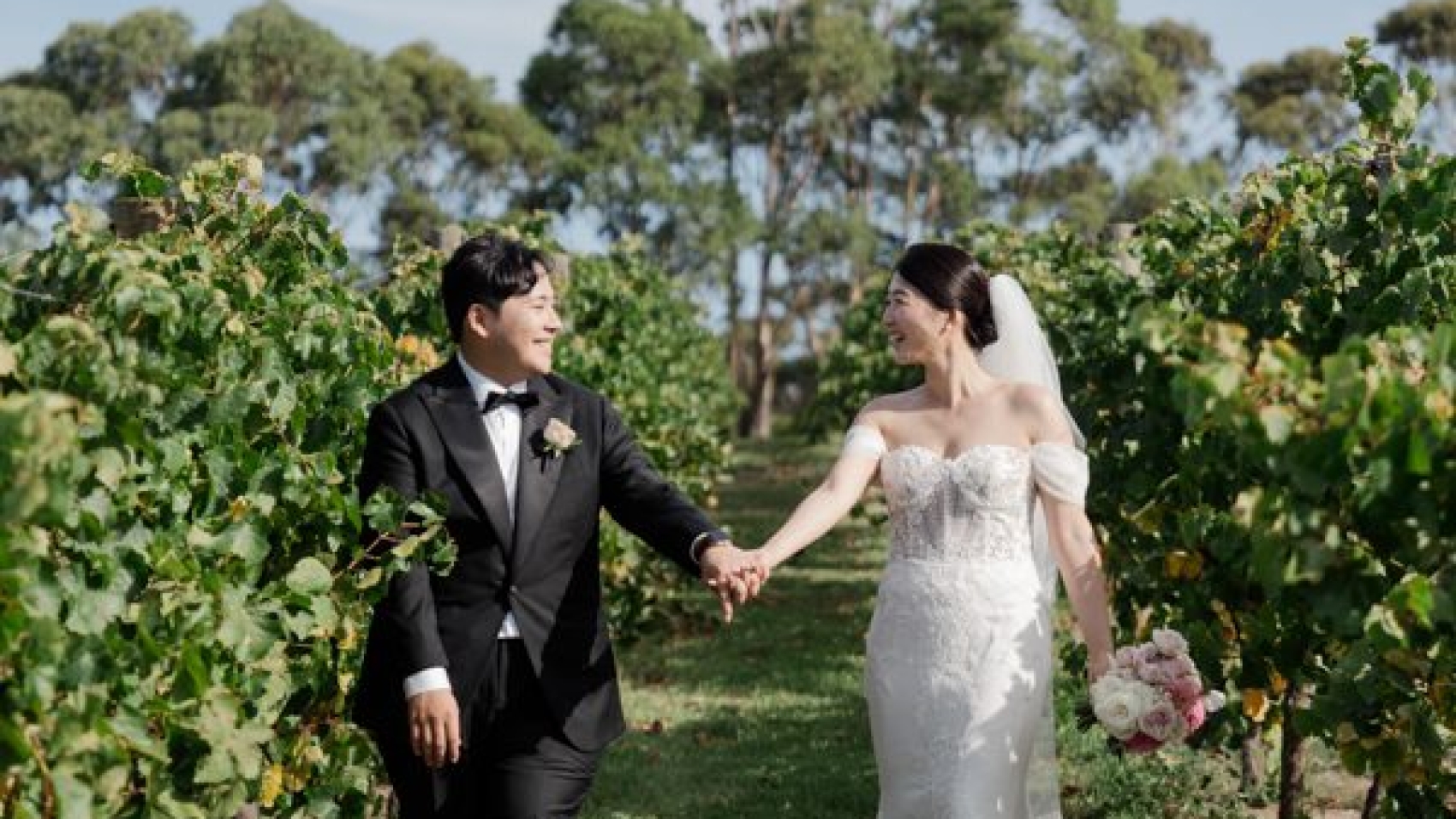
wedding photography melbourne

Melbourne wedding photography with a gentle light and atmosphere effect

Melbourne Wedding Photography: Soft Light, Gentle Shadows, and That Dreamy Atmosphere

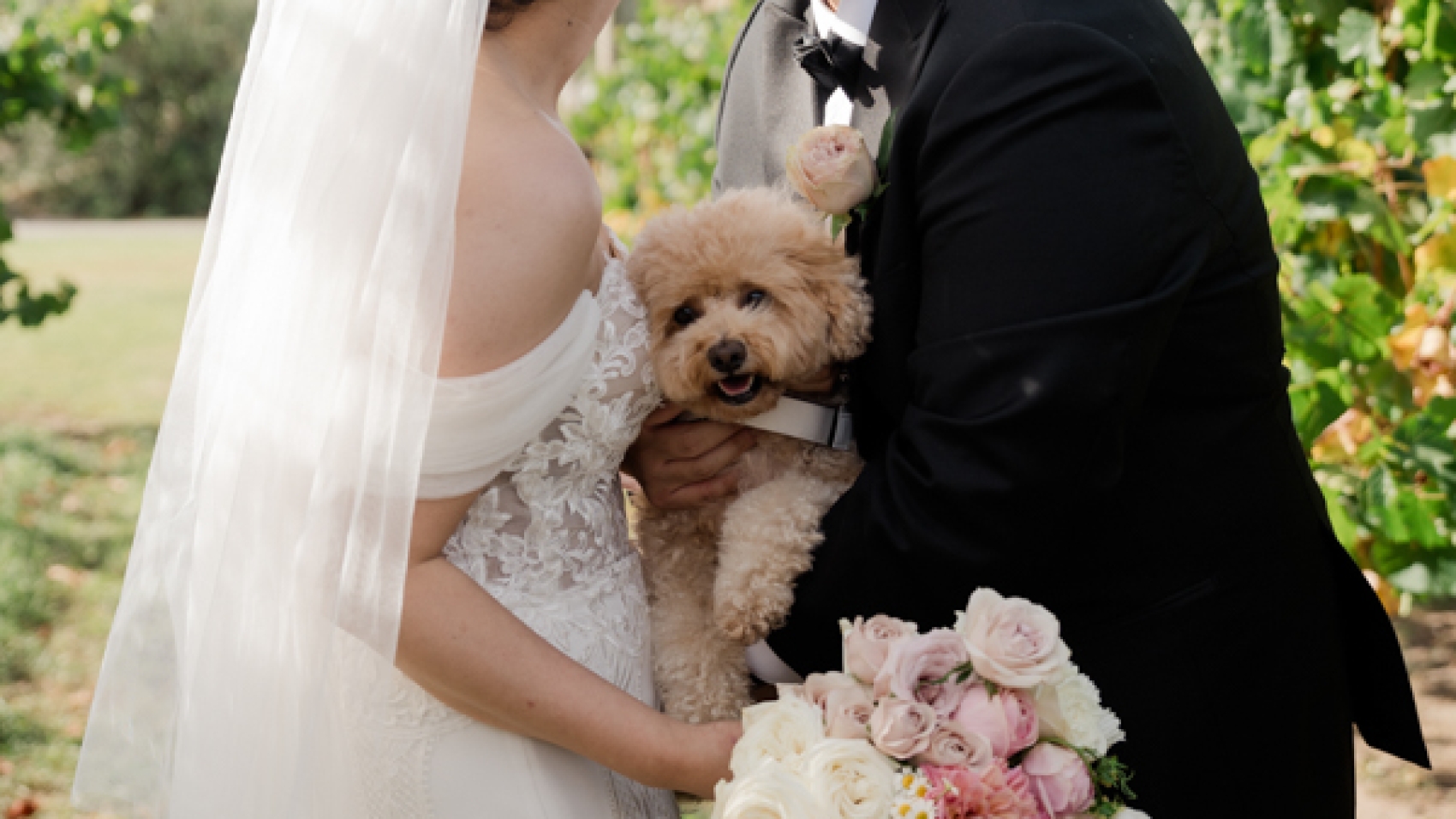
Some wedding photos make you feel something before you even realize what it is. The light is so gentle it looks like a memory. The shadows are soft, not harsh. Everything feels quiet, intimate, like the whole world slowed down just for you. That is the soft light and shadow aesthetic — and Melbourne is one of the best cities on earth to shoot it.
wedding photography melbourne


What Soft Light Actually Means in Wedding Photography

Soft light is not just “nice light.” It is light that wraps around your face instead of cutting across it. There are no hard shadows under the eyes, no blown-out highlights on the forehead, no dark patches where the sun could not reach. Everything glows evenly, and the skin looks the way skin actually looks when you are in love — warm, smooth, alive.

This kind of light comes from diffused sources. Overcast skies, open shade under trees, light bouncing off walls or water — all of these scatter the light rays and turn them from sharp beams into a gentle wash. The result is an image that feels like a painting, not a snapshot.

Melbourne gives you this light more often than you would expect. The city is famous for its “four seasons in one day” weather, and that constant cloud cover is actually a gift for soft-light photographers. While other cities pray for blue skies, Melbourne photographers pray for clouds — because clouds mean soft, even, beautiful light all day long.


The Shadow Side: Why Gentle Shadows Matter Just As Much

Shadows Add Depth Without Drama

People talk a lot about light in photography, but shadows are just as important. In the soft light aesthetic, shadows are not eliminated — they are tamed. A gentle shadow under the jawline gives the face dimension. A soft shadow cast by a tree branch across the dress adds texture. These are not flaws. They are what make the image feel three-dimensional instead of flat.

The key is contrast. You want enough shadow to create shape, but not so much that it swallows detail. The sweet spot sits somewhere around a 2:1 to 3:1 light-to-shadow ratio. That is the range where everything looks romantic without looking moody or dark.

Backlight and Rim Light: The Secret Weapon

The most beautiful soft-light wedding photos almost always have a hidden light source behind the couple. The sun sits low behind them, and it wraps a thin line of gold around their hair, their shoulders, the edge of the veil. That rim light separates the couple from the background and gives the whole image a halo effect.

This works best about 15 to 20 minutes before sunset in Melbourne. The sun is low enough to create that backlight, but the sky is still bright enough to fill in the shadows on the face. You get the best of both worlds — warm rim light plus soft front light. It is the combination that makes people say “wow” when they see the photo.


Locations in Melbourne Where Soft Light Lives Naturally

Botanical Gardens and Tree-Lined Paths

The Royal Botanic Gardens, Carlton Gardens, and Fitzroy Gardens are all full of tall trees that create natural canopies of soft, filtered light. Walking under those trees during midday — yes, midday — gives you even, shadow-free light that is perfect for close-ups and detail shots. The green leaves act as a giant diffuser, scattering the sunlight into something incredibly gentle.

Early morning in these gardens is even better. The light comes in at a low angle through the trees, creating long soft shadows on the ground and that golden rim light on everything it touches. Couples walking hand in hand along these paths look like they are in a film, not a photo shoot.

Laneways With Open Skies Above

Melbourne laneways are narrow, which means the buildings on either side block the direct sun but let the ambient skylight flood in. That skylight is soft by nature — it bounces off every surface before it reaches you, so there are no harsh shadows, just a gentle glow that wraps around everything.

Fitzroy, Collingwood, and Brunswick laneways are especially good for this. The brick walls pick up the warm tones, the overhead sky acts as a giant softbox, and the narrow framing keeps the focus tight on the couple. Shoot here in the late afternoon and the light coming down between the buildings creates that golden shaft effect that looks absolutely unreal.

Waterfront Spots With Reflected Light

St Kilda, Williamstown, and the Yarra River walk all offer something special — water. Water reflects light and scatters it, which means the light bouncing off the surface is softer than direct sunlight. Standing near the water during golden hour gives you soft light from the sky plus softer reflected light from below. The combination is almost unfair.

The reflection also fills in shadows on the face. Instead of a dark underside to the chin, you get a gentle bounce from the water that lifts everything evenly. It is like having a second sun, but a kinder one.


How Photographers Create That Atmosphere On Purpose

Shooting Into the Light, Not Away From It

Most beginners shoot with the sun behind them so the couple is well-lit. But for soft light and shadow photos, you flip that. You shoot with the sun in front of you, behind the couple, or to the side. This means the camera is working against the light — but that is exactly what creates the atmosphere.

When you shoot into the light, the lens flare creeps in. The contrast drops. The colors shift toward warm amber. The whole image feels like it is wrapped in a dream. It is not technically perfect, but it is emotionally perfect — and that is what this style is all about.

Using Natural Diffusers Around You

A great soft-light photographer does not just wait for clouds. They use what is around them. A white bedsheet hung between two trees becomes a massive diffuser. A translucent umbrella held off to the side bounces light back onto the couple’s face. Even a white wall next to the couple reflects enough light to fill in shadows without killing the mood.

In Melbourne, photographers often use the architecture itself as a diffuser. Light-colored building facades, glass windows, even the hood of a parked car — all of these bounce and scatter light in useful ways. The city is full of free tools if you know how to see them.

Post-Processing That Keeps the Softness

The editing for this style is subtle. You are not crushing blacks or pumping up contrast. You are lifting the shadows slightly, warming the highlights, and letting the midtones breathe. The goal is to make the photo look like what the eye actually saw — just a little more beautiful.

Skin tones stay natural. The background stays soft, not sharp. The overall feel is airy, light, and warm. If the edited photo looks like it was taken with a filter, something went wrong. It should look like the light was just that good.


Posing and Moments That Match the Soft Light Mood

Slow Everything Down

This aesthetic does not work with fast, energetic poses. It needs stillness. A hand brushing hair behind the ear. A forehead resting against a forehead. Eyes closed, chin tilted up, letting the light land on the face. These small, quiet moments are where the soft light shines the brightest.

The couple should move slowly, breathe slowly, and stop trying to perform. The photographer catches the in-between moments — the pause before a kiss, the look after a laugh, the silence between words. Those are the frames that make this style unforgettable.

Let the Light Do the Work

Do not fight the light. If there is a beam of sun cutting through the trees, stand in it. If the shadow of a branch falls across the dress, let it stay. The light is already doing half the work — your job is to get out of its way and let it paint.

Melbourne’s soft light style works because the city gives you everything you need and asks for very little in return. Show up, stand in the right spot, and let the light wrap around you. The photos will take care of themselves.
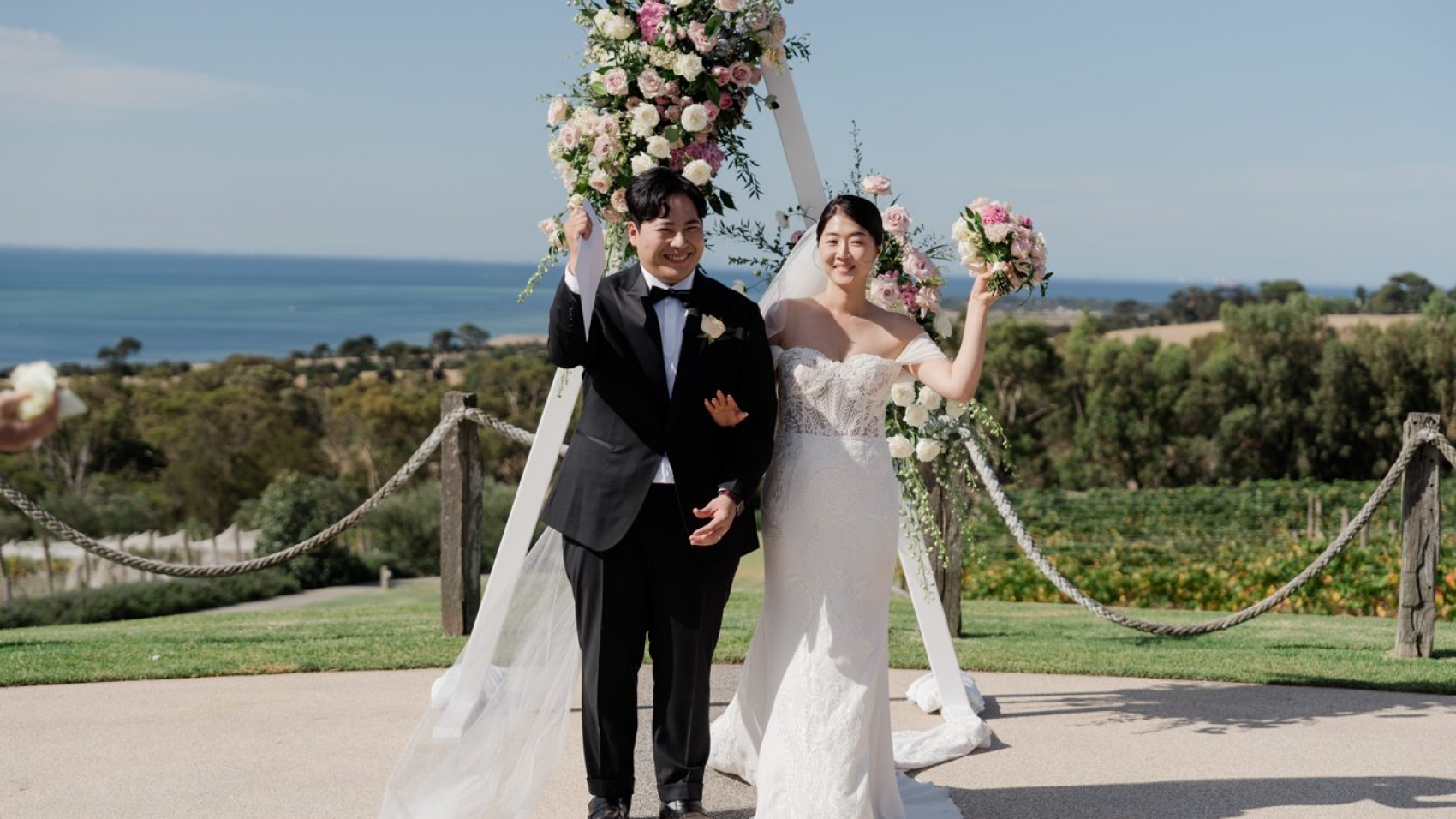
Evermore_weddings_Jack_Rabbit_Winery-27

Melbourne wedding photography featuring niche, individualistic and artistic styles

Melbourne Wedding Photography: Niche, Bold, and Unapologetically Artistic

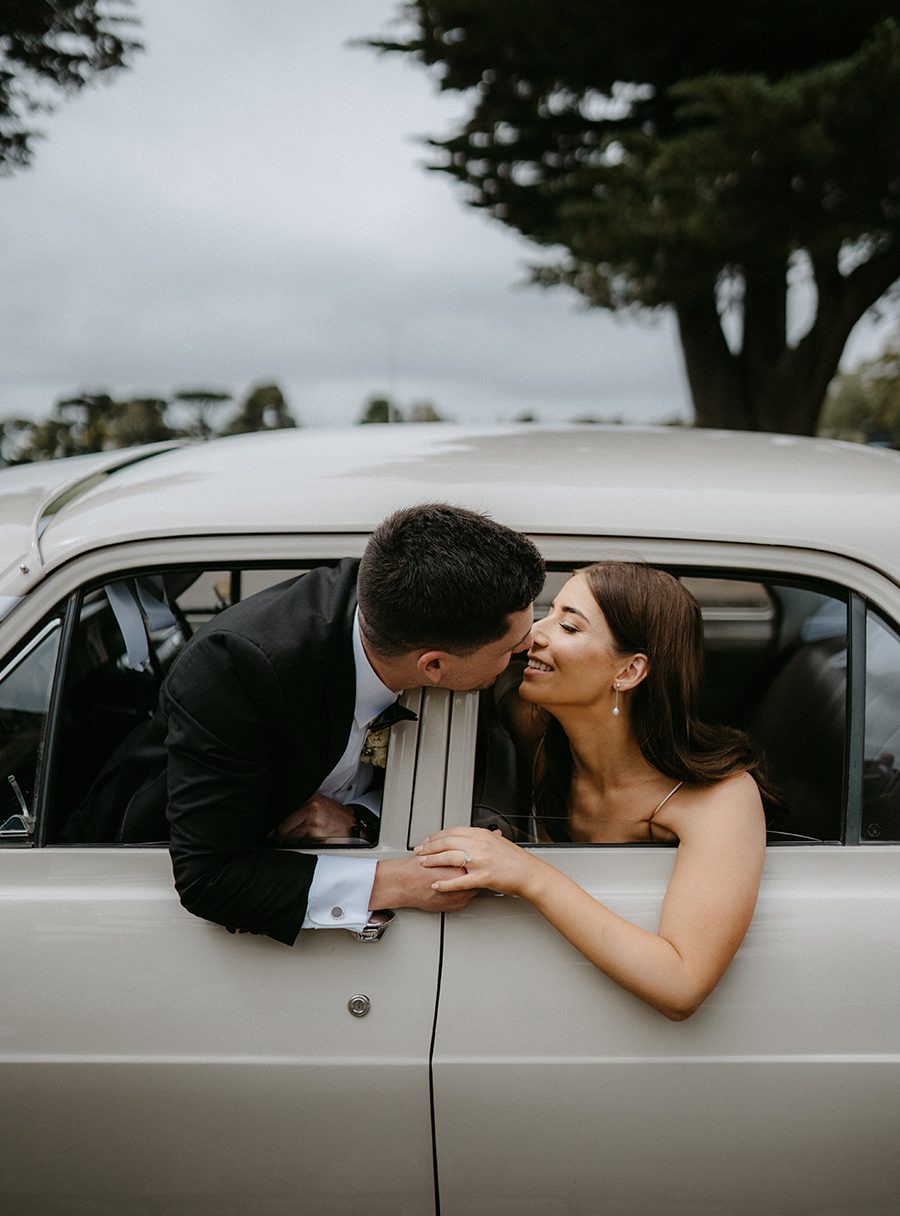
Forget the cookie-cutter poses in front of a white backdrop. A growing number of couples in Melbourne are ditching the traditional wedding album look and going for something rawer, weirder, and more them. The city is a playground for photographers who think outside the frame, and if you want your wedding photos to look like art instead of a catalog, this is where you start.

wedding photography melbourne


What Makes Melbourne the Perfect City for Offbeat Wedding Shoots

Melbourne does not try to be one thing. It is gritty laneways next to sleek glass towers. It is foggy mornings next to blazing sunsets. It is a city that does not judge, and that energy shows up in every weird, wonderful, unconventional wedding shoot happening here right now.

The laneway culture alone gives photographers endless creative freedom. Murals change every few months, which means your backdrop is never the same as the last couple’s. Add in the Victorian-era architecture, the industrial warehouses converted into galleries, and the coastal cliffs that look like they belong in a movie — and you have a city that practically begs for artistic experimentation.

Couples who want something different are not fighting the city here. They are riding its wave.


Artistic Styles That Are Blowing Up in Melbourne Right Now

Film Grain and Analog Nostalgia

There is a massive resurgence of film photography in the Melbourne wedding scene. Not digital filters that fake film — actual film stock, shot on medium format or 35mm cameras. The grain, the color shift, the way highlights roll off instead of clipping — it all gives images a texture that digital cannot replicate.

Couples who choose this style usually want their photos to feel like memories from a decade ago. Warm, slightly imperfect, deeply personal. The photographer shoots slowly, thinks carefully about each frame, and delivers images that look like they were pulled from a shoebox in someone’s attic. Except they are brand new.

This style works especially well in Melbourne’s older neighborhoods — Fitzroy, Carlton, Brunswick — where the brick walls and iron fences already have that vintage energy built in.

High Contrast Black and White With a Punch

Black and white wedding photography is not new, but the way it is being done in Melbourne right now is anything but safe. These are not soft, gentle grayscale images. We are talking deep blacks, blown-out whites, and contrast so sharp it feels aggressive.

The look draws from street photography and fine art. Couples stand in rain-slicked laneways, kiss under harsh overhead light, or pose against concrete walls where the shadow cuts their face in half. It is dramatic. It is moody. And it ages better than any color trend ever could.

Melbourne’s overcast days are actually perfect for this style because the diffused light eliminates harsh shadows on the skin while still letting the photographer control contrast in post. The result is clean, powerful, and timeless.

Double Exposure and Intentional Camera Abuse

Some photographers in Melbourne are deliberately shooting “wrong” — double exposures, light leaks, intentional motion blur, shooting through glass or plastic to distort the image. It sounds chaotic, but when done with intention, it creates something genuinely unique.

A double exposure of the couple overlaid with a cityscape or a floral pattern gives the image a dreamlike quality that no single exposure can achieve. Light leaks from old lenses add random streaks of color that feel organic and unplanned — even though every leak is controlled.

This approach appeals to couples who see their wedding as a creative project, not just an event. They want photos that make people ask “how did they do that?”


Locations That Fuel the Artistic Fire

The Laneways of Fitzroy and Collingwood

These are the go-to spots for editorial-style wedding shoots. The murals provide color and texture, the narrow alleys create natural framing, and the mix of old and new architecture gives every shot a layered feel. Early morning or late afternoon light filtering down between buildings creates those long shadows that make everything look cinematic.

Abandoned and Industrial Spaces

Warehouses in South Melbourne, old factories in Footscray, loading docks along the Yarra — these locations have a raw, unfinished quality that traditional wedding venues simply cannot offer. Concrete floors, rusted metal, peeling paint — all of it becomes part of the image. Couples who are not afraid to get their dress dirty tend to love this aesthetic.

The Coast Beyond the Tourist Spots

Everyone shoots at Brighton Beach. But drive 30 minutes south to Frankston or Mornington and you find cliffs, rock pools, and empty beaches that feel like the edge of the world. The light there is wilder, the wind is stronger, and the photos come out looking like they belong in a magazine spread rather than a wedding album.


How to Find a Photographer Who Gets This Vibe

This is the part most couples struggle with. You cannot just search “wedding photographer Melbourne” and expect to find someone who shoots double exposures or film grain. You have to dig.

Look at portfolios, not websites. A website can be beautiful and the photos can be boring. The portfolio is where the real style lives. Scroll through every image and ask yourself: do these all look the same, or does each one feel like a different world?

Check if the photographer shoots film. If they only shoot digital and offer “film-look presets,” that is not the same thing. Ask them about their process. Do they shoot fast and edit later, or do they slow down and compose each frame carefully? The answer tells you everything.

Talk to them before you book. Not about pricing or packages — about vision. Tell them what you hate about traditional wedding photos. Tell them what makes you stop scrolling. If they light up when you describe something weird and specific, you found your person.


Posing and Direction When the Style Is Not Traditional

Stop Smiling on Command

The biggest shift in artistic wedding photography is the move away from directed posing. The photographer does not say “look at me and smile.” Instead, they capture what happens when the couple forgets the camera is there. A laugh that gets too loud. A look that lingers a second too long. A walk that turns into a run.

This requires trust. The couple has to trust the photographer to find the moment, and the photographer has to trust the couple to be themselves. When that click happens, the images are electric.

Use the Environment, Do Not Fight It

In traditional shoots, the couple is the center of everything and the background is just scenery. In artistic shoots, the environment is a character. Lean against the wall. Sit on the ground. Let the wind mess up the hair. Let the rain soak the dress. The location should feel like it is part of the story, not just a backdrop behind it.

Melbourne gives you all of this — the weather, the architecture, the light — for free. The only thing you have to do is show up and let the photographer work.

Evermore_weddings_Jack_Rabbit_Winery-35

Melbourne wedding photography with a warm-toned sunset atmosphere

Melbourne Wedding Photography: Capturing That Golden Sunset Warmth

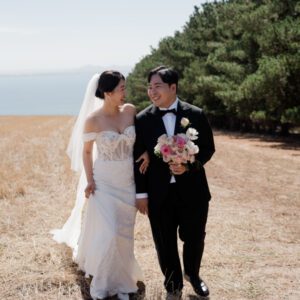
There is something about Melbourne at golden hour that makes every couple look like they stepped out of a film. The light turns everything amber, the shadows go soft, and the whole city feels like it was built specifically for wedding photos. If you are planning your wedding shoot in Melbourne and you want that warm, dreamy sunset glow — the kind that makes people stop scrolling — this is what you need to know.

wedding photography melbourne


Why Melbourne Sunset Light Is Different From Everywhere Else

Melbourne sits at a latitude where the sun hangs low and long during autumn and early winter. That means the golden hour stretches out, sometimes lasting close to 45 minutes of pure, buttery light. Unlike tropical locations where the sun drops fast and the light turns harsh, Melbourne gives you a slow fade from warm gold to deep rose to soft violet. That gradient is exactly what creates that cinematic, warm-toned atmosphere that couples fall in love with.

The city also has a mix of urban architecture, coastal elements, and leafy parks all within short driving distance. You can shoot on a rooftop with the skyline behind you, walk along the beach at St Kilda, or find a quiet tree-lined lane in Fitzroy — all within the same golden hour window. That versatility is hard to beat.

The ocean breezes keep things comfortable, and the reflective surfaces — glass buildings, water, wet pavement after a rain — all bounce that warm light back onto your face. It is like having a natural reflector that the sun sets for you every evening.


Getting That Warm Tone Right: What Actually Works on Location

Choosing the Right Spot Before the Sun Drops

Timing is everything. Show up at your location at least 40 minutes before sunset. You need that time to scout, set up, and let the couple get comfortable in front of the camera. The best warm-tone shots happen roughly 20 to 10 minutes before the sun actually disappears below the horizon. After that, the light shifts to blue and you lose that amber glow.

For warm tones specifically, look for locations where the sun is behind or to the side of the couple. Backlit shots create that halo effect around the hair and shoulders, and the camera exposes for the faces while letting the background go golden and slightly blown out. Side lighting adds dimension and makes fabric — especially flowing gowns and linen suits — look incredibly textured.

Avoid shooting directly into the sun unless you want silhouettes. For warm-tone portraits with visible faces, the sun should be behind the photographer or at a 45-degree angle from the couple.

Working With Natural Light and Warm White Balance

Most photographers shooting warm-tone sunset weddings will set their white balance manually to around 6500K to 7000K. This tells the camera to interpret the light as slightly warmer than it actually is, which pushes those golden and orange tones even further in post-processing.

Shooting in RAW is non-negotiable here. JPEG locks in the color temperature and you lose the ability to pull warmth back if the shot came out too cool. RAW files let you slide that temperature slider in either direction without destroying image quality.

If the sky is going a bit too orange and you want to keep the skin tones natural, use a reflector or a diffuser on the couple’s face. A gold or amber reflector will bounce the sunset light back onto the face and keep everything in that warm family of colors. A white reflector works too but it will cool things down slightly.


Poses and Moments That Shine in Warm Sunset Light

Movement Beats Standing Still Every Time

The warm light looks best when there is motion. A slow turn, a walk toward the camera, hair catching the breeze — these moments catch the light differently than a stiff pose. The golden hour reward is movement because the light wraps around the subject and creates that glowing rim light on edges.

Couples who walk hand in hand toward the camera during golden hour end up with some of the most shared images. The backlight catches the veil, the suit jacket, the dress train — everything glows. It does not look posed. It looks like a moment someone actually lived.

Close-Ups and Details That Tell the Story

Do not spend the entire session on wide shots. The warm light is incredible for detail work — hands intertwined, rings catching the sun, the fabric of a dress blowing in the wind, a kiss with the sky on fire behind you. These shots are the ones that end up framed on a wall, not just stored on a hard drive.

Get low for some of these. Shooting upward at the couple against the sky puts them in that warm-toned heaven and makes even a simple hand-holding shot feel epic.


Locations Across Melbourne That Deliver That Sunset Glow

Coastal Spots With Open Horizons

St Kilda, Brighton Beach, and Williamstown all give you wide-open horizons where the sun drops straight into the water. The reflection on the water doubles the warm light and creates that painterly backdrop. These spots work best in autumn and winter when the sun angle is lower.

The piers add leading lines that draw the eye toward the couple. Walk the length of the pier during golden hour and you get that classic silhouette shot with the sun blazing behind you.

Urban Rooftops and Laneways

If you want something moody and warm without leaving the city center, rooftop locations in the CBD or Southbank deliver. The glass buildings reflect the sunset and create pockets of warm light between shadows. Fitzroy and Collingwood laneways offer textured walls that pick up the amber light beautifully — especially after rain when everything is slightly wet and reflective.

Parks and Gardens With Tree Canopies

Royal Botanic Gardens, Fitzroy Gardens, and Carlton Gardens all have open spaces where the sun filters through trees. That dappled light mixed with the golden hour creates a totally different warmth — softer, more intimate, more romantic. It is less dramatic than the beach but more personal.


What Makes the Warm Sunset Style Stand Out in a Feed

The reason these images get saved and shared is not just the light. It is the feeling. Warm tones trigger an emotional response — they feel nostalgic, safe, and loving. When someone scrolls past a wedding photo bathed in amber light, they feel something before they even read the caption.

That is the power of shooting at the right time in the right place with the right settings. Melbourne gives you all three, and if you plan around the sunset, you will walk away with images that do not just document your wedding — they make people feel it.