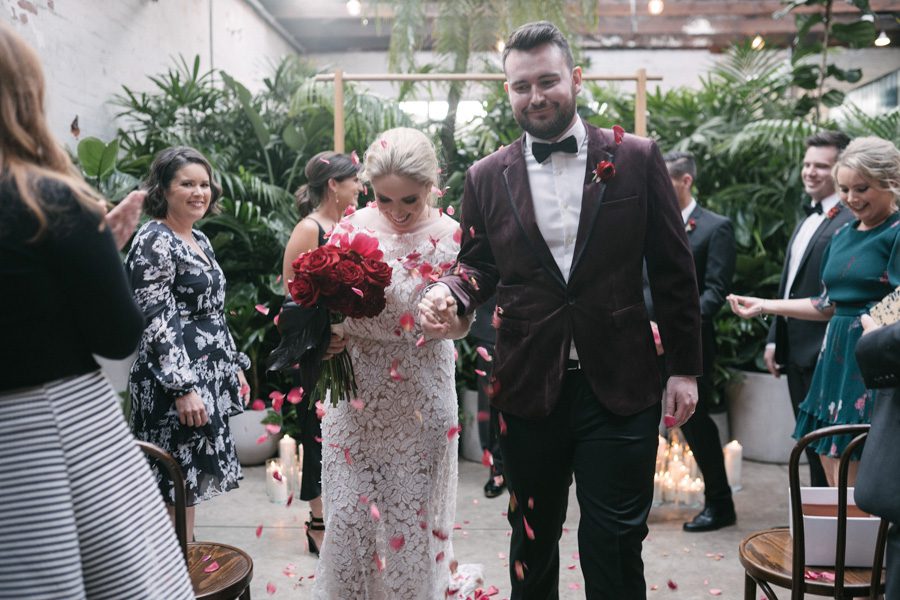
Melbourne wedding photography with natural skin tones and refined post-processing
Melbourne wedding photography with natural skin tones and refined post-processing
Achieving Natural Skin Tones in Melbourne Wedding Photography Post-Processing
Melbourne’s diverse lighting conditions—from the soft, diffused light of overcast days to the golden warmth of late-afternoon sun—create a unique challenge for wedding photographers aiming to capture natural-looking skin tones. Post-processing plays a crucial role in refining these tones, ensuring the couple looks radiant without appearing overly edited. The key lies in balancing technical adjustments with an understanding of how light interacts with skin in different environments.

Understanding Skin Tone Basics in Melbourne’s Light
Skin is a complex subject, reflecting hues influenced by genetics, lighting, and surroundings. In Melbourne, where weather shifts rapidly, photographers must adapt their approach to post-processing based on the scene’s dominant light source.
Overcast Light and Soft Skin
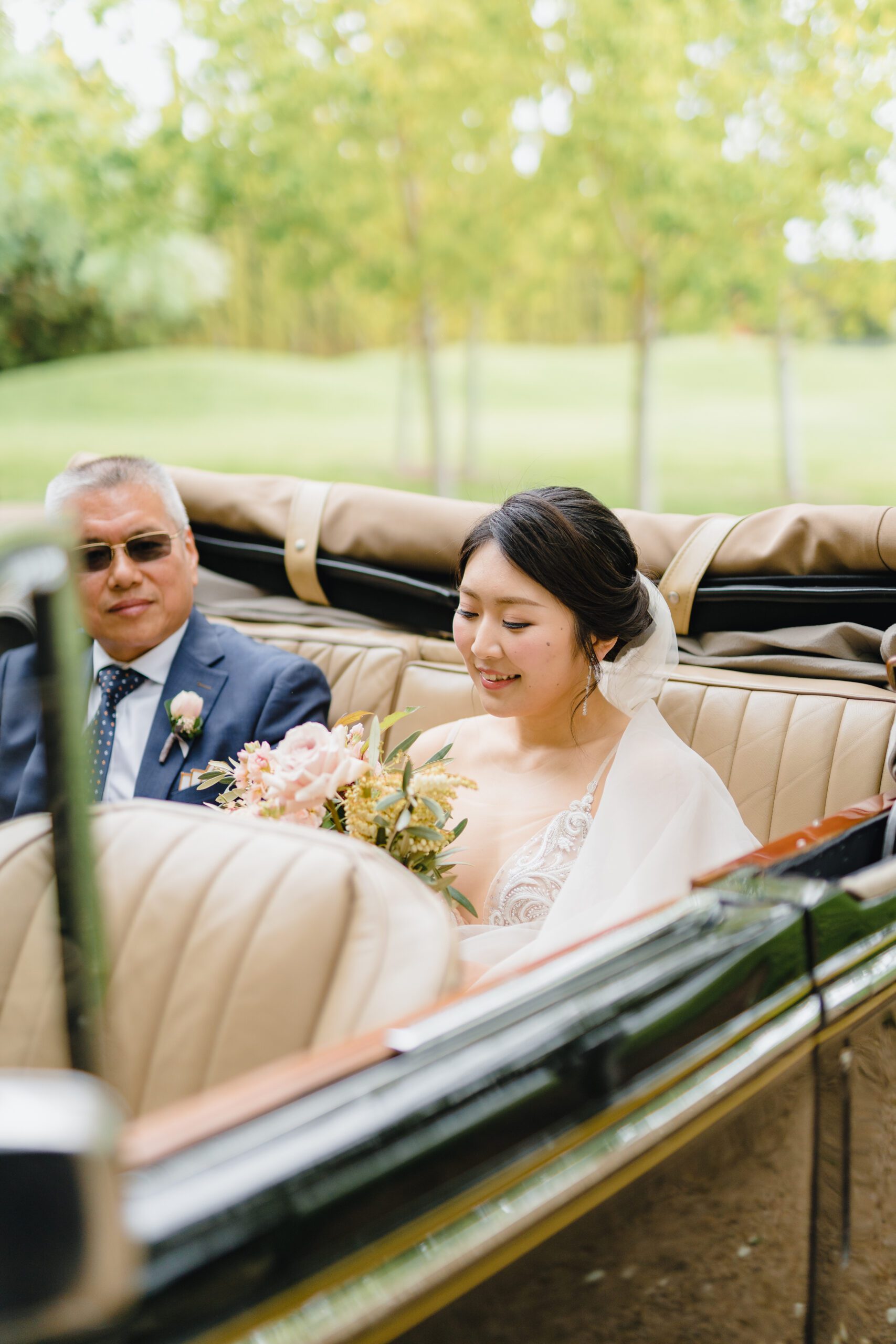
Cloudy skies are common in Melbourne, especially during winter, and they produce even, flattering light that minimizes blemishes and wrinkles. However, this light can sometimes leave skin looking flat or washed out. During post-processing, gently lift midtones to restore vitality while preserving the natural softness. Use the tone curve tool to add subtle contrast in the shadows, ensuring the skin retains depth without appearing harsh. For example, if photographing a couple in Fitzroy Gardens under cloudy skies, slightly warming the highlights on their faces can counteract the coolness of the light while maintaining a natural glow.
Golden Hour and Warm Glows
Melbourne’s golden hour, particularly in summer, casts a warm, directional light that enhances skin tones with a natural radiance. To preserve this warmth during editing, avoid over-cooling the image. Instead, fine-tune the white balance to emphasize orange and yellow tones in the highlights, ensuring the couple’s skin appears sun-kissed rather than artificially tinted. For a beach wedding at Brighton, boosting the warmth in the sand and water while keeping the sky’s blues cool can create a balanced, harmonious look that highlights the skin’s natural luminosity.
Techniques for Balancing Skin Tone Consistency
Wedding photos often involve multiple subjects with varying skin tones, lighting conditions, and distances from the camera. Achieving consistency across these elements requires careful, localized adjustments.
Addressing Mixed Lighting Scenarios
Melbourne’s venues—from historic ballrooms to modern warehouses—often feature mixed lighting, such as natural window light combined with artificial tungsten or LED sources. This can result in uneven skin tones, with some areas appearing too warm or cool. During post-processing, use selective masking to isolate different parts of the image. For instance, if a bride’s face is lit by warm window light while the groom’s is in shadow, adjust the white balance separately for each region. Cooling the groom’s shadowed skin slightly and warming the bride’s highlighted areas ensures both look natural within the same frame.
Correcting Color Casts from Surroundings
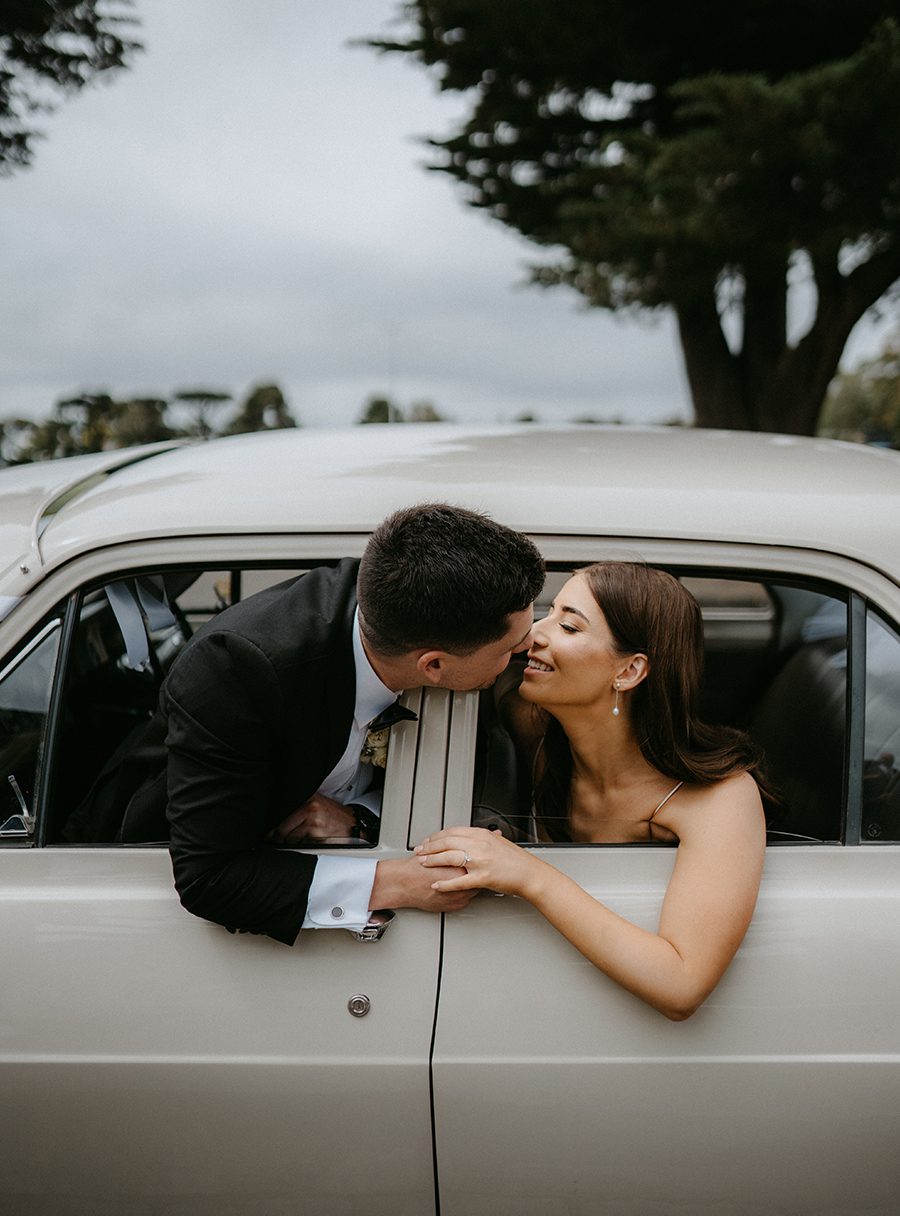
Skin tones can pick up reflections from nearby objects, such as green foliage, red brick walls, or colorful decor. These reflections, known as color casts, can make skin appear unnatural if not addressed. To neutralize unwanted hues, use the hue/saturation tool to target specific colors. For example, if a couple is photographed near a green hedge, their skin might take on a slight green tint. Reducing the saturation of greens in the skin’s midtones—while being careful not to affect other elements like the dress or background—can restore a more neutral, natural appearance.
Maintaining Texture While Smoothing Imperfections
The goal of skin retouching is to enhance the subject’s best features without erasing their natural texture. Overly aggressive smoothing can make skin look plastic or artificial. Instead, use frequency separation techniques to separate texture from color. This allows you to address blemishes or unevenness in the color layer while preserving pores and fine lines in the texture layer. For close-up portraits, such as a bride’s makeup shot, this method ensures her skin looks flawless yet real.
Enhancing Natural Radiance Without Over-Editing
The most compelling wedding photos are those where the couple looks like themselves—just at their best. Subtle enhancements to skin tones can elevate an image without drawing attention to the editing process.
Subtle Dodge and Burn for Dimension
Dodge and burn techniques, when used sparingly, can add depth to skin tones by lightening highlights and darkening shadows. This mimics the way light naturally interacts with the contours of the face. For example, slightly brightening the bride’s cheekbones or the groom’s jawline can create a more sculpted appearance. Use a low-opacity brush and build up the effect gradually to avoid harsh transitions. This approach works particularly well for formal portraits or group shots where you want to emphasize the couple’s features without altering their overall look.
Preserving Natural Highlights and Shadows
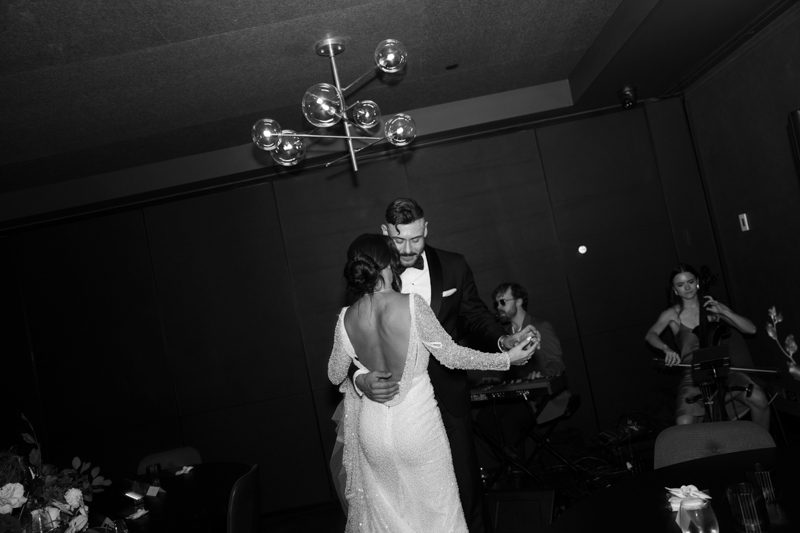
Skin has a natural range of tones, from the brightest highlights on the forehead or nose to the deeper shadows under the eyes or neck. Over-editing can flatten these variations, making skin look uniform and lifeless. During post-processing, ensure highlights retain detail without blowing out and shadows maintain depth without becoming muddy. For a reception photo taken under dim lighting, lifting the shadows on the couple’s faces just enough to reveal their expressions—while keeping the background dark—can create a moody, intimate atmosphere that still feels authentic.
Adding a Touch of Warmth for a Healthy Glow
A slight warmth in skin tones can convey health and vitality, especially in portraits. After correcting any color imbalances, consider adding a gentle orange or peach tint to the midtones. This can be done using the split toning tool or by adjusting the hue slider in the calibration panel. Be cautious not to overdo it; the goal is to enhance the skin’s natural color, not to make it look sunburned or artificially tanned. For an outdoor ceremony photo, a subtle warmth in the couple’s skin can complement the golden light of the setting sun, creating a cohesive, natural look.
Conclusion: Elevating Melbourne Weddings with Authentic Skin Tones
Natural-looking skin tones are the foundation of timeless wedding photography. By understanding Melbourne’s unique lighting conditions, mastering localized adjustments, and applying subtle enhancements, photographers can ensure the couple looks their best while preserving the authenticity of the moment. Whether capturing the quiet intimacy of a morning ceremony or the joyful energy of a nighttime reception, thoughtful skin retouching transforms good photos into heirlooms that families will cherish for generations.