Melbourne wedding photography - Atmosphere and lighting adjustments for post-production
Melbourne wedding photography - Atmosphere and lighting adjustments for post-production
Creating Atmospheric Light and Shadow in Melbourne Wedding Photography Post-Processing
Melbourne’s ever-changing weather and dramatic landscapes—from the misty mornings along the Yarra River to the golden sunsets at St Kilda Beach—provide a dynamic backdrop for wedding photography. To translate these natural moods into captivating images, photographers must master the art of manipulating light and shadow during post-processing. This approach goes beyond basic corrections, focusing instead on crafting visuals that evoke emotion and tell a story.

Understanding Melbourne’s Unique Lighting Conditions
The city’s latitude and climate create lighting scenarios that demand adaptability. Overcast skies, common in Melbourne’s winters, diffuse light evenly, reducing harsh shadows but sometimes flattening textures. Conversely, sunny days cast sharp contrasts, highlighting architectural details or natural elements like sandstone cliffs or gum trees. Post-processing should enhance these qualities rather than fight them, ensuring the final image reflects the scene’s true character.
Working with Overcast Light
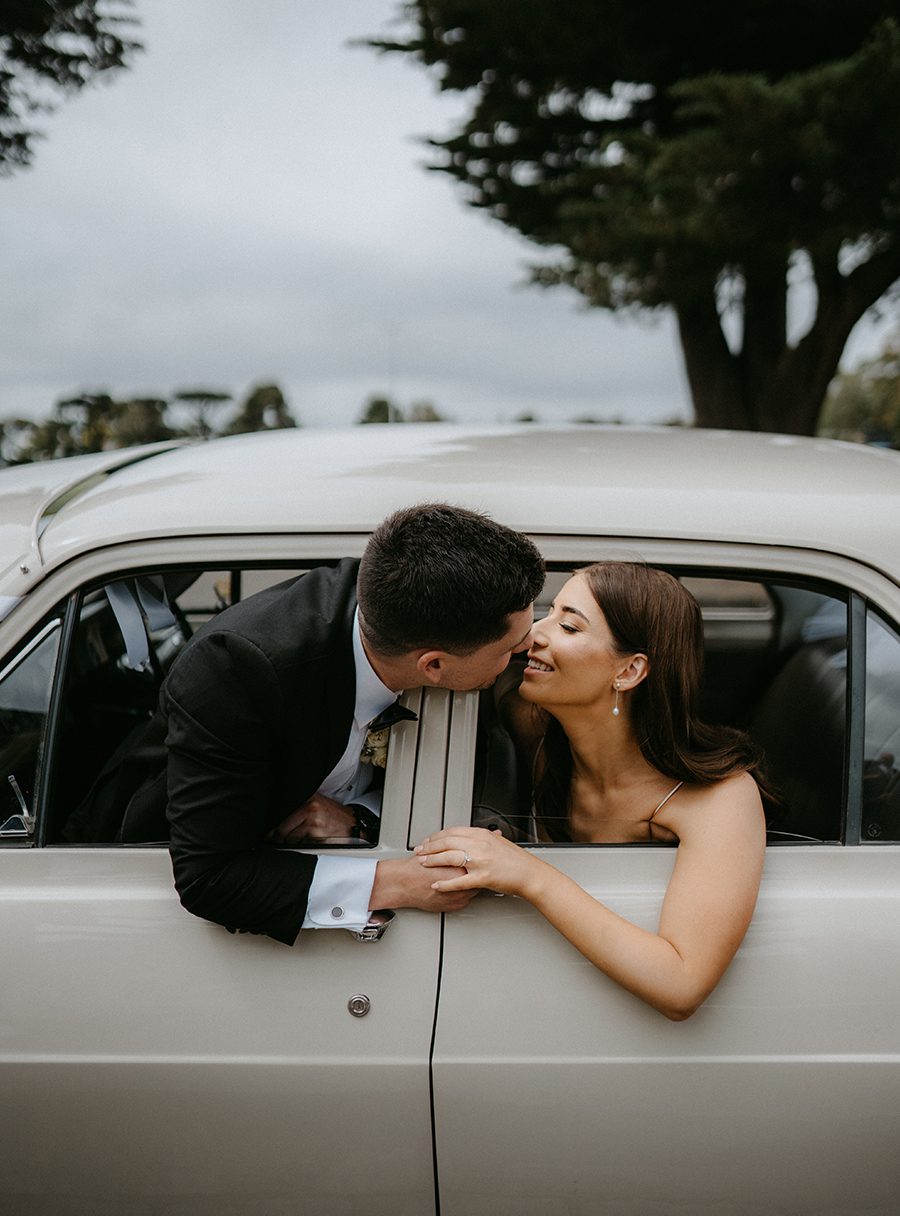
Cloudy conditions soften facial features and create a serene, romantic mood perfect for intimate portraits. However, flat lighting can lack dimension. To compensate, use the tone curve tool to subtly lift midtones while darkening shadows in the background. This adds depth without introducing harshness. For example, if photographing a couple in Fitzroy Gardens under cloudy skies, slightly deepening the greens in the foliage and warming the highlights on their skin can create a cozy, inviting atmosphere.
Harnessing Golden Hour Magic
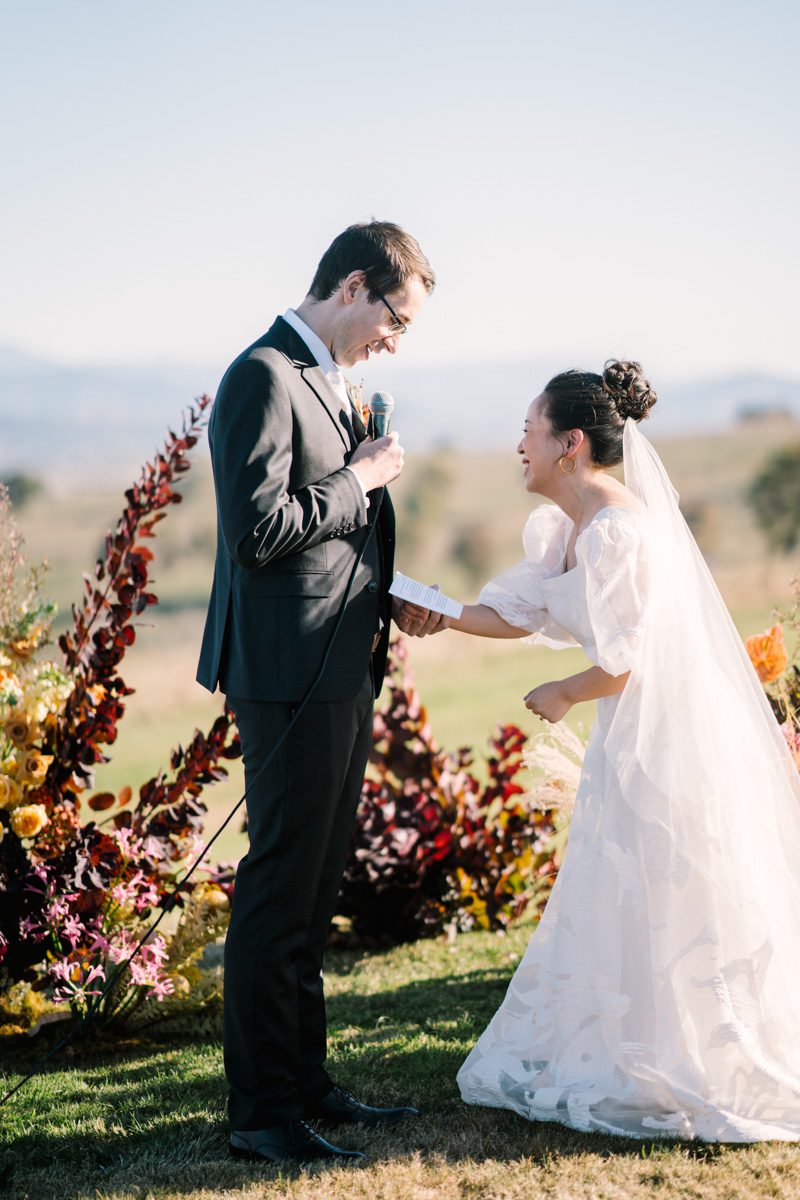
Melbourne’s golden hour, particularly during summer, bathes scenes in warm, directional light that accentuates textures and creates long, flattering shadows. During post-processing, emphasize this warmth by adjusting the white balance toward amber tones. Be mindful not to overdo it—subtlety is key. For a beach wedding at Brighton, boosting the orange and yellow hues in the sand and water while maintaining cooler tones in the sky can balance the composition and draw attention to the couple’s silhouette against the horizon.
Crafting Depth Through Shadow Play
Shadows are not just absence of light—they’re storytelling tools. In wedding photography, they can convey intimacy, movement, or the passage of time. Thoughtful shadow manipulation during post-processing can transform a good image into a memorable one.
Enhancing Architectural Shadows
Melbourne’s venues often feature bold architectural elements, such as the Art Deco lines of the Manchester Unity Building or the modernist angles of the Melbourne Recital Centre. These structures cast striking shadows that change throughout the day. During editing, use the dodge-and-burn technique to accentuate these patterns. For instance, lightening shadows on a bride’s dress where it catches light from a stained-glass window, while darkening adjacent areas, can create a sense of drama and focus.
Using Shadows to Frame Subjects
Natural frames—like tree branches, archways, or even the couple’s own bodies—can guide the viewer’s eye toward the focal point. In post-processing, deepen shadows within these frames to make them more pronounced. If photographing a ceremony at the Royal Botanic Gardens, darkening the foliage around the altar while keeping the couple’s faces bright ensures they remain the center of attention. This technique also adds a sense of privacy, as if the world outside the frame fades away.
Balancing Shadows in Group Shots
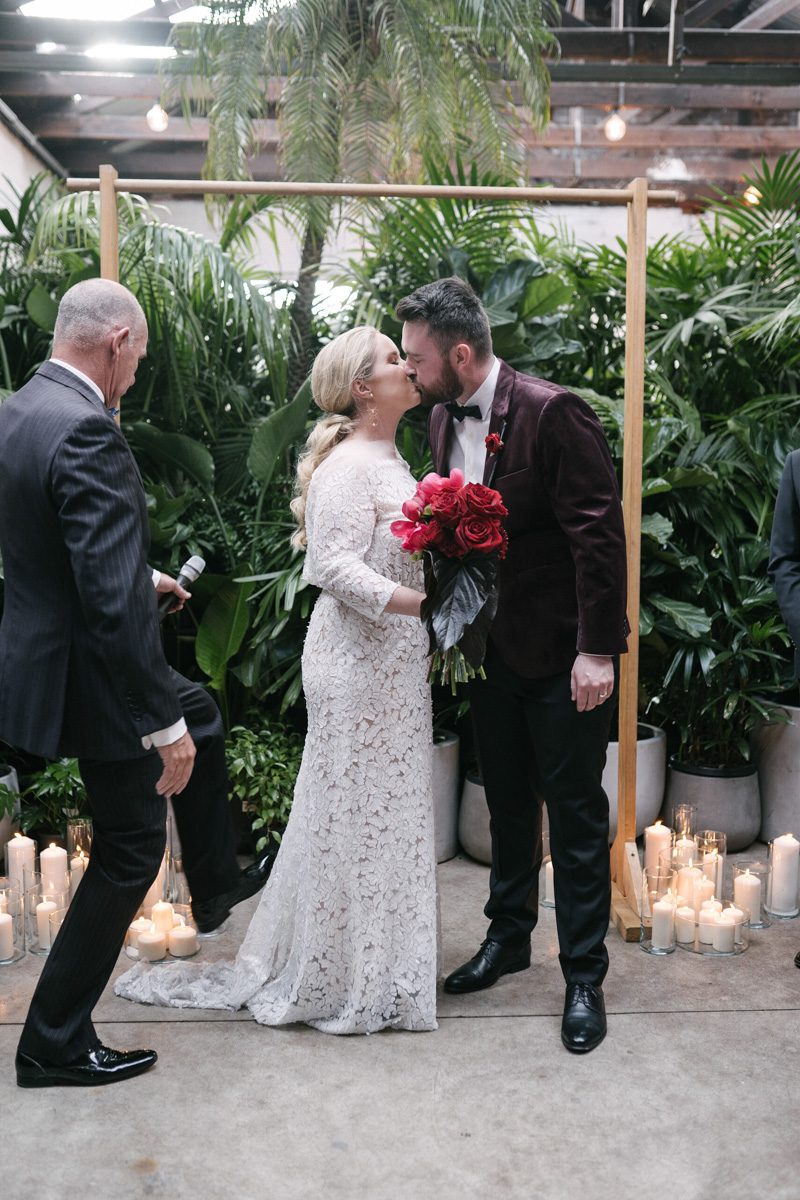
Group photos pose a challenge: ensuring everyone is evenly lit without losing the scene’s natural ambiance. In Melbourne’s variable light, this often means working with mixed lighting sources. During editing, use local adjustments to brighten faces in shadow while preserving the overall mood. For a reception photo in a dimly lit warehouse venue, slightly raising exposure on the guests’ faces and lowering highlights in the background lighting (like string lights or candles) can maintain the venue’s cozy atmosphere while ensuring clarity.
Evoking Emotion Through Color Grading
While light and shadow form the foundation of atmospheric imagery, color grading adds the final layer of emotion. Melbourne’s diverse settings—from urban rooftops to coastal cliffs—call for tailored approaches to hue and saturation.
Warm Tones for Romantic Scenes
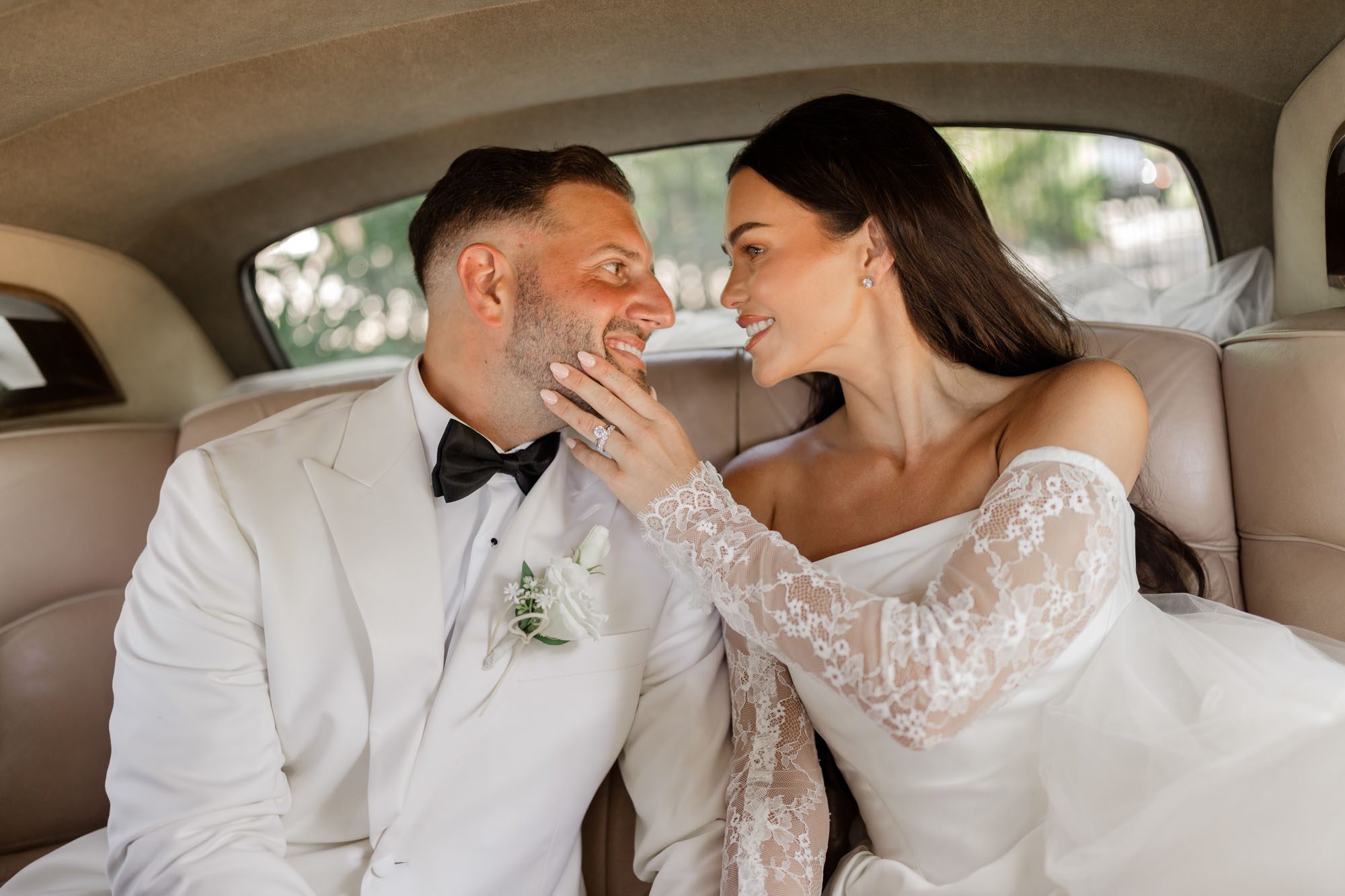
Soft, warm colors evoke feelings of love and nostalgia, making them ideal for portraits or quiet moments. During post-processing, add a gentle orange or peach tint to highlights and midtones, particularly on skin and natural elements like flowers or sand. For a pre-wedding shoot in a sunlit loft, warming the wooden floors and the couple’s clothing while keeping window light cool can create a harmonious, timeless feel.
Cool Tones for Moody Dramatics
Cooler palettes—blues, grays, and teals—suit overcast days or evening ceremonies. These hues add mystery and sophistication, perfect for venues like the Melbourne Museum or a rainy lakeside wedding. To achieve this look, reduce saturation in warm colors and introduce a subtle blue cast to shadows. Be cautious with skin tones; use selective masking to avoid making faces appear washed out. A reception photo taken under twilight skies, with deep blue shadows and muted gold accents on table settings, can feel both elegant and intimate.
Vintage-Inspired Matte Finishes
For couples seeking a nostalgic aesthetic, a matte finish can soften modern digital images and mimic the look of film. Reduce clarity slightly and add a faint grain texture to emulate analog imperfections. This works particularly well for black-and-white conversions or desaturated color photos. A vintage-style edit of a couple dancing in a ballroom with aged wallpaper and chandeliers can transport viewers to another era, enhancing the storytelling aspect of the image.
Conclusion: Elevating Melbourne Weddings Through Light and Mood
Atmospheric post-processing is about more than technical adjustments—it’s about interpreting the scene’s emotional core and translating it into visuals that resonate. By understanding Melbourne’s lighting quirks, using shadows purposefully, and applying thoughtful color grading, photographers can create wedding albums that feel both personal and universal. Whether capturing the quiet joy of a morning ceremony or the electric energy of a nighttime reception, mastering light and shadow ensures every image tells a story worth remembering.