IMG_8228

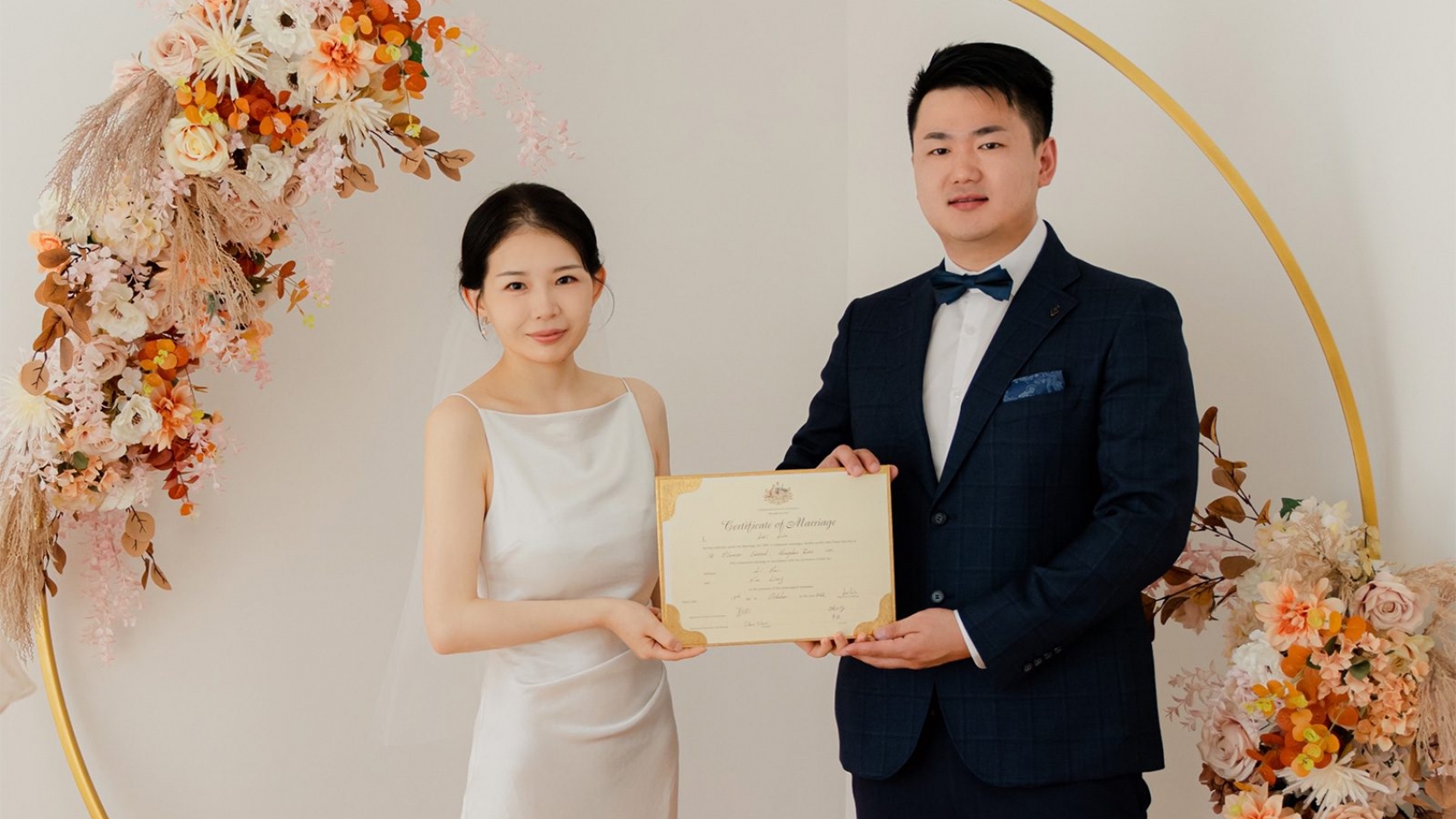
Winter warmth tips for wedding photography in Melbourne

Melbourne Winter Wedding Photography: Essential Warmth Tips for Couples

Winter in Melbourne brings crisp air and golden sunlight, but it also demands strategic planning to stay comfortable during outdoor wedding photo sessions. Whether you’re capturing moments in the city’s iconic laneways or against the backdrop of coastal cliffs, these practical tips will help you balance warmth and style without compromising on photography quality.

wedding photography melbourne

Layering Techniques for Brides and Grooms

Base Layers That Stay Hidden Under Bridal Gowns
Opt for lightweight, seamless thermal tops in nude or white tones to avoid visible lines under sheer fabrics. For lower-body warmth, choose fleece-lined leggings or skin-tone tights that mimic bare skin in photos. Brides wearing long gowns can layer wool or cashmere blend leggings beneath their dresses, while grooms can pair thermal undershirts with tailored suit jackets.

Mid-Layers for Versatility
A detachable faux fur or knit bolero jacket adds elegance while shielding shoulders from wind. For grooms, a cashmere v-neck sweater under a blazer provides subtle insulation without bulk. Consider bringing a foldable down vest for quick warmth between shots, easily stashed in a bridesmaid’s bag.

Outerwear That Doubles as Props
A tailored wool coat in a neutral hue complements bridal attire and serves as a stylish prop during candid shots. For grooms, a classic trench coat offers timeless sophistication. During breaks, wrap yourselves in a shared blanket or shawl—a cozy gesture that translates beautifully on camera.

Accessories to Combat the Cold

Footwear That Prioritizes Comfort
Choose closed-toe shoes with cushioned insoles for all-day wear. Brides can slip flat ballet flats into their gown’s hem for walking between locations, switching to heels only for posed shots. Grooms should opt for leather boots with wool lining to prevent cold feet from affecting posture.

Hand and Head Warmers
Fingerless gloves in lace or satin keep hands photo-ready while retaining warmth. For extreme cold, carry portable hand warmers that activate with a shake. A beret or wide-brimmed hat adds a vintage touch while protecting ears from chilly breezes.

Portable Heat Sources
Disposable heat packs placed in pockets or tucked into waistbands provide targeted warmth for core areas. A thermos filled with herbal tea or hot cocoa offers quick relief during pauses, with the steam adding a dreamy effect to close-up shots.

Timing and Location Strategies

Maximize Natural Light
Schedule outdoor sessions between 10 AM and 3 PM when sunlight is strongest. Early morning fog or late-afternoon golden hour can create moody atmospheres, but prioritize midday for optimal warmth. Cloudy days diffuse light evenly, reducing harsh shadows while keeping temperatures slightly milder.

Indoor-Outdoor Hybrid Locations
Book venues with heated indoor spaces near outdoor shoot areas, such as historic mansions with glass conservatories or modern lofts with rooftop terraces. This allows quick transitions between settings without prolonged exposure to cold. For purely outdoor shoots, consider parks with pavilions or covered walkways as backup spots.

Dynamic Posing to Generate Heat
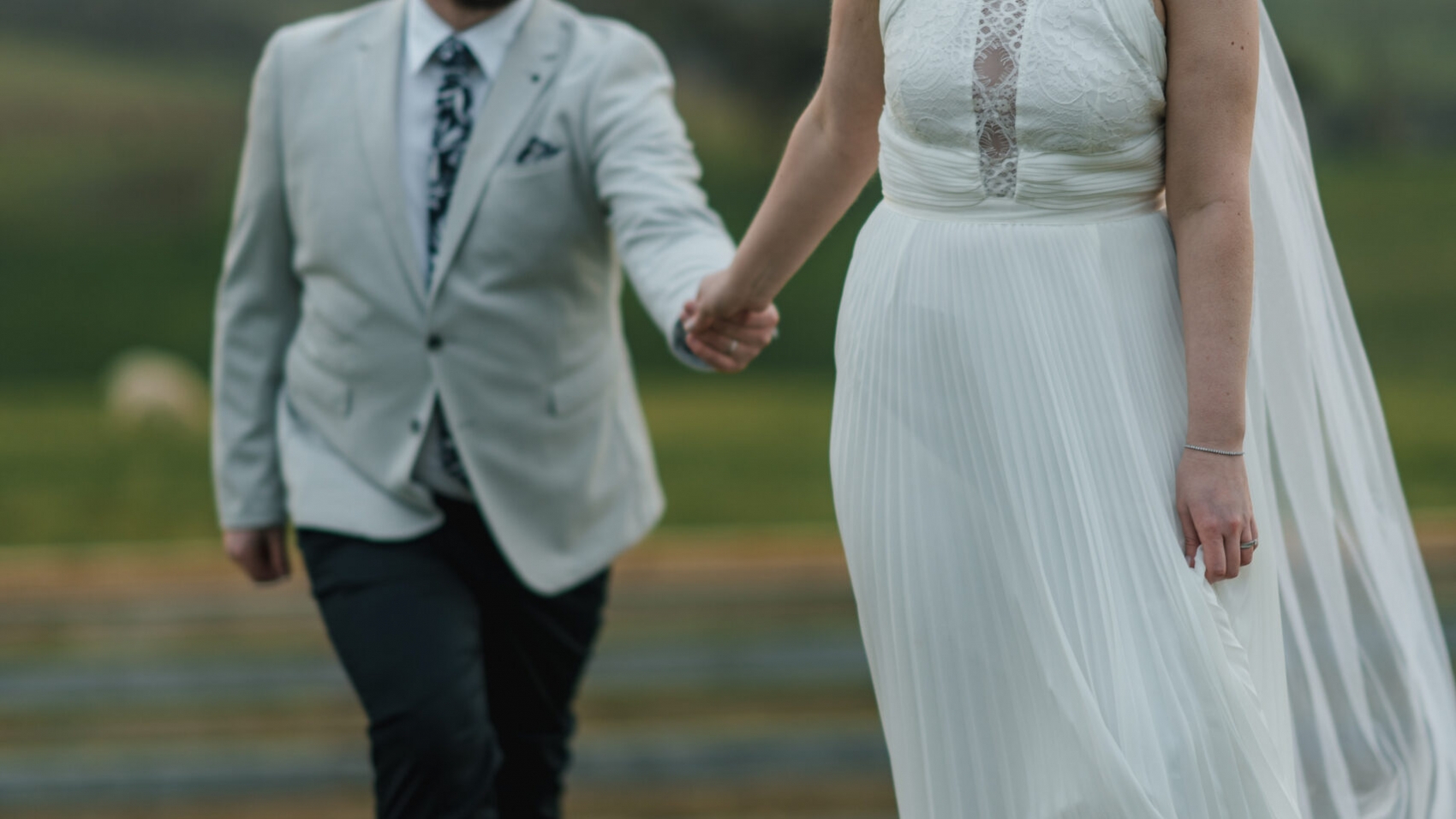
Engage in light movement during shoots—walking hand-in-hand, twirling, or gentle dancing keeps blood flowing and bodies warm. For stationary poses, shift weight between feet or clasp hands behind your back to subtly stimulate circulation. Inform your photographer to work efficiently, minimizing time spent in static positions.

Pre-Shoot Preparation

Hydration and Nutrition
Eat a protein-rich breakfast and stay hydrated to maintain energy levels. Avoid caffeine, which can constrict blood vessels, and opt for ginger tea or warm lemon water instead. Pack snacks like nuts or energy bars for quick fuel during breaks.

Skin and Hair Care
Apply a rich moisturizer to prevent windburn, focusing on cheeks, lips, and hands. Use a leave-in conditioner to tame static hair caused by dry air. For brides, a hydrating hair mask the night before ensures smooth locks under veils or headpieces.

Physical Readiness
Practice poses in advance to reduce awkwardness on the day. Light stretching or yoga improves posture and flexibility, helping you hold poses longer without stiffness. If prone to cold hands, massage them gently before the shoot to boost circulation.

By integrating these strategies, couples can embrace Melbourne’s winter charm without sacrificing comfort or style. Remember, warmth enhances confidence—and confident smiles make for unforgettable wedding photos.
IMG_8200

The itinerary, route and time arrangement for the wedding photography shoot in Melbourne on the day

Melbourne Wedding Photography: Day-of Itinerary Planning for Seamless Shoots
Crafting a stress-free photography timeline in Melbourne requires balancing travel logistics, lighting conditions, and couple comfort. Below is a detailed guide to structuring your wedding day schedule, ensuring every moment is captured without rushing.

wedding photography melbourne

Urban Elegance: City Landmarks & Modern Venues

Morning Prep to First Look
Begin at the couple’s accommodation (e.g., CBD hotel) for final touches. Allocate 1 hour for hair, makeup, and wardrobe checks. Depart by 10:30 AM for a 20-minute drive to Federation Square, arriving in time for soft morning light. Capture candid moments near the river or against the square’s geometric backdrop.

Mid-Morning Transition
After a 45-minute shoot, head to St. Paul’s Cathedral (10-minute walk). Use the cathedral’s arches and stained glass for formal portraits, reserving 30 minutes for posed shots. By 12:30 PM, travel to a nearby café for a 15-minute refreshment break, ensuring the couple stays hydrated and relaxed.

Afternoon City Highlights
Resume at 1:00 PM with a 30-minute session at Hosier Lane’s street art. Prioritize dynamic angles and playful interactions. At 2:00 PM, move to the Melbourne Skydeck for panoramic city views. Time this segment to align with mid-afternoon sunlight, which softens shadows on glass surfaces.

Coastal Romance: Beaches & Cliffside Vistas

Early Arrival for Golden Hour
For Brighton Beach ceremonies, depart the prep location by 7:00 AM to reach the shoreline by 7:45 AM. Use the 30 minutes before sunrise for silhouette shots against the ocean. As light strengthens, capture detail shots of the bride’s dress near bathing boxes.

Mid-Morning Coastal Exploration
By 9:00 AM, transition to St. Kilda Pier for casual portraits with the city skyline in the background. Allocate 40 minutes for walking shots along the boardwalk. At 10:00 AM, drive 25 minutes to Point Ormond Lookout for elevated coastal views. Schedule a 20-minute break here to enjoy snacks and adjust outfits.

Afternoon Tide Considerations
For low-tide shoots at Mornington Peninsula, check local charts and arrive by 1:30 PM. Use tidal pools and rock formations for creative compositions. By 3:00 PM, head to a nearby vineyard for rustic-themed shots, leveraging the late afternoon’s warm tones.

Garden & Nature: Botanical & Rural Settings

Morning in the Royal Botanic Gardens
Begin at 8:00 AM with a 1-hour session among flower beds and fern gullies. Focus on natural light filtering through trees. At 9:30 AM, move to the gardens’ lake for reflection shots. Carry bug spray and tissues for dew removal.

Midday Travel to Yarra Valley
Depart by 10:30 AM for a 1-hour drive to the Yarra Valley. Stop briefly at a lookout for scenic views, then arrive at the venue by 12:00 PM. Use the venue’s gardens for intimate portraits, pairing formal attire with rustic elements like wooden doors or stone paths.

Late Afternoon Vineyard Shoots
By 3:00 PM, the valley’s vine rows cast long shadows ideal for moody portraits. Allocate 45 minutes for wandering shots among grapevines. At 4:00 PM, transition to the venue’s reception area for detail shots of table settings and decor.

Practical Considerations for Smooth Execution

  1. Buffer Time: Add 15–20 minutes between locations to account for traffic or reshoots.
  2. Transport Logistics: Hire a comfortable vehicle with space for outfits and props.
  3. Weather Backups: Identify sheltered spots (e.g., covered walkways, indoor venues) for rainy days.
  4. Couple Comfort: Schedule breaks every 2 hours for snacks, water, and outfit adjustments.
  5. Light Tracking: Use apps like The Photographer’s Ephemeris to monitor sun positions and adjust timelines accordingly.

By aligning each segment with Melbourne’s unique geography and lighting patterns, couples can ensure their wedding day unfolds naturally, with every frame telling a story of love and place.

DSC03967

Time arrangement for makeup and styling of newlyweds in Melbourne wedding photography

Melbourne Wedding Photography: Timing Strategies for Bridal Hair & Makeup Preparation
Creating a flawless bridal look in Melbourne’s dynamic climate requires careful timing to balance weather, photography schedules, and personal comfort. Below is a guide to optimizing hair and makeup timelines across different wedding settings, ensuring stress-free preparation and stunning results.

wedding photography melbourne

Morning Ceremonies: Sunrise to Midday

Early Start for Coastal Weddings
Couples exchanging vows at Brighton Beach or Sorrento Back Beach should schedule hair and makeup 3.5–4 hours before the ceremony. Melbourne’s coastal humidity demands waterproof mascara and lightweight hairspray to withstand ocean breezes. Begin with makeup application at 6:30 AM, followed by hair styling by 7:30 AM, allowing time for touch-ups before the 9:00 AM ceremony.

Urban Venue Efficiency
For city ceremonies at venues like The Artillery Hotel or Melbourne Town Hall, a 3-hour window (e.g., 8:00 AM–11:00 AM) works well. Prioritize base makeup first to let it settle, then tackle intricate hairstyles like braided crowns or low buns. Schedule a 15-minute break midway to sip tea and hydrate, preventing makeup from settling into dry patches.

Lighting Considerations
Morning sunlight can wash out complexions in photos. Ask artists to use matte foundations and avoid shimmer on the T-zone. For hair, opt for voluminous styles that hold shape under natural light, reserving delicate updos for indoor receptions.

Afternoon Ceremonies: Midday to Early Evening

Garden Venue Adaptability
Outdoor ceremonies at Royal Botanic Gardens or Werribee Mansion require 2.5–3 hours of prep. Start with skincare (hydrating serums, SPF) at 11:00 AM to combat midday sun exposure. Apply makeup by 11:30 AM, focusing on long-wearing formulas, and style hair by 12:30 PM to let curls set before the 2:00 PM ceremony.

Heat Management Techniques
Melbourne’s afternoon warmth can melt makeup. Request setting sprays and blotting papers for touch-ups. For hair, choose loose waves or half-up styles with texture spray to resist frizz. Schedule a 10-minute “cool-down” period in a shaded area before final photos.

Transitioning for Reception
If the reception follows immediately, book artists for a 30-minute refresh post-ceremony. Add bold lip color, adjust hair accessories, and touch up blush to maintain a polished look through dinner and dancing.

Evening Ceremonies: Late Afternoon to Night

Golden Hour Glow Prep
Couples hosting sunset ceremonies at Docklands or St. Kilda Beach should begin prep 4 hours prior. Start with hair at 2:00 PM (e.g., sleek ponytails or vintage curls) to let styles mature. Apply makeup by 3:00 PM, using luminous primers to enhance the golden hour’s warm tones.

Artificial Lighting Prep
Evening receptions demand makeup that photographs well under indoor lighting. Opt for dewy finishes and false lashes to stand out in dim venues. For hair, secure styles with extra bobby pins to prevent slippage during dancing.

Last-Minute Adjustments
Schedule a 20-minute check-in with artists 1 hour before the ceremony. Fix smudged eyeliner, reapply lipstick, and ensure hair accessories sit perfectly. Carry a compact mirror and bobby pins for on-the-go fixes.

Practical Tips for Stress-Free Prep

  1. Trial Runs: Schedule hair and makeup trials 2–3 months before the wedding to test products and styles in Melbourne’s climate.
  2. Travel Time: Factor in 30 minutes for travel between the prep location and venue, especially during peak traffic.
  3. Backup Plans: Keep umbrellas or fans handy for unexpected weather changes.
  4. Team Coordination: If hiring separate artists for hair and makeup, ensure they align timelines to avoid overlap.

By tailoring timelines to Melbourne’s weather patterns and photography schedules, couples can achieve a radiant look that lasts from vows to the final dance.

DSC03832

The shooting duration and time arrangement for various scenes in Melbourne wedding photography

Melbourne Wedding Photography: Scene-Specific Timing Strategies for Capturing Eternal Romance
Melbourne’s diverse landscapes—from historic architecture to coastal vistas—demand tailored timing strategies to maximize natural light and ambiance. Below is a curated guide to optimizing shooting schedules across key scenes, blending practical insights with artistic considerations.

wedding photography melbourne

Urban Heritage & Modern Elegance

St. Patrick’s Cathedral (Collins Street)
The cathedral’s stained-glass windows and Gothic arches shine brightest during the golden hour (8:00–10:00 AM), when soft morning light filters through clerestory windows, casting a divine glow on bridal details. For interior shots, avoid midday harshness; instead, schedule 11:00 AM–1:00 PM to leverage diffused light from side windows. Pair long-exposure shots of arched corridors with quick captures of couples exchanging vows near altar steps.

Docklands Modern Architecture
Geometric lines and reflective surfaces at Docklands demand mid-afternoon light (2:00–4:00 PM). Use the Woolworths Level 5 rooftop for panoramic city views, timing shots to align with the sun’s angle for balanced exposure. For street-level shots, the blue hour (30 minutes post-sunset) adds a cinematic sheen to retro cars and neon signage.

Coastal Romance & Natural Drama

Brighton Beach & St. Andrews Beach
Beach scenes thrive during low tide (check local charts) paired with golden hour (1 hour before sunset). Position couples near tide pools for dynamic foregrounds, or use dunes as natural frames. At St. Andrews Beach, the magic hour (sunset + 15 minutes) casts a warm hue over cliffs, perfect for silhouette shots against crashing waves.

Mornington Peninsula’s Cape Schanck Lighthouse
Reef-rock formations demand precise timing. Schedule 2 hours before low tide to expose tidal pools and rugged textures. For lighthouse portraits, sunrise (6:30–7:30 AM) offers soft backlighting, while midday shots (11:00 AM–1:00 PM) highlight architectural details against a deep blue sky.

Botanical & Rustic Charm

Royal Botanic Gardens
Lush foliage and floral paths peak during morning dew (7:00–9:00 AM), when petals glisten and light diffuses through tree canopies. For rose garden shots, late afternoon (4:00–6:00 PM) creates warm tones; use bokeh effects with out-of-focus blooms as backdrops.

Yarra Valley Vineyards
Rustic barns and vine rows demand overcast skies or golden hour to avoid harsh shadows. Schedule 10:00 AM–12:00 PM for diffused sunlight through grapevines, or sunset (5:30–7:00 PM) for warm tones on wooden doors and cobblestone paths.

Street Art & Cultural Vibrancy

Hosier Lane
Murals change frequently, so prioritize mid-morning (9:00–11:00 AM) when light is even and crowds are sparse. Use wide-angle lenses to capture entire walls, then zoom in for details like graffiti tags or street signs. For candid shots, engage couples in playful interactions (e.g., “writing” love notes on walls).

Fitzroy Town Hall
Neoclassical columns and wrought-iron gates shine during late morning (10:00 AM–12:00 PM), when sunlight highlights intricate carvings. Pair formal portraits with spontaneous moments, like the bride adjusting her veil near stone steps.

Practical Considerations for Seamless Shoots

  1. Light Transitions: Move from bright exteriors to shaded interiors as the day progresses to avoid overexposure.
  2. Weather Flexibility: Reserve 30-minute buffers between scenes to adapt to sudden rain or wind.
  3. Couple Comfort: Schedule breaks during peak heat (12:00–2:00 PM) and provide hydration stations.
  4. Golden Hour Rush: Prioritize coastal or open-field scenes during the final hour of daylight to capitalize on warm tones.

By aligning scenes with Melbourne’s unique light cycles and cultural rhythms, photographers can craft timeless narratives that resonate with the city’s eclectic spirit.

wedding photography melbourne

The schedule for the second make-up shoot of wedding photography in Melbourne

Melbourne Wedding Photography: Navigating Reshoot Scheduling for Flawless Results
Unexpected issues like weather disruptions, equipment malfunctions, or last-minute wardrobe changes can necessitate a reshoot. Effective time management and clear communication ensure couples receive their desired images without unnecessary stress. Here’s how to structure the process from initial assessment to final delivery.

Assessing the Need for a Reshoot: Identifying Critical Gaps

Not all imperfections require a redo. Start by evaluating which gaps impact the storytelling or emotional impact of the photos.

  • Technical Review: Check for focus errors, exposure issues, or unintended shadows. If key moments (e.g., vows, first kiss) are blurry or overexposed, prioritize reshooting those scenes. A 2024 Yarra Valley session needed a redo after rain caused lens fogging during outdoor portraits.
  • Client Feedback Integration: Discuss dissatisfaction points openly. If the bride mentions, “The group shots feel stiff,” explore whether reshooting with a different posing approach could resolve it.
  • Logistical Constraints: Factor in time limits. For a sunset-dependent shoot, determine if the original time slot can be replicated. If not, consider alternative lighting setups instead of a full reshoot.

Example: During a St. Kilda Beach session, strong winds ruined hair and gown shots. The photographer assessed that only the beachside portraits needed redoing, sparing the couple from repeating indoor scenes.

Reshoot Timing: Aligning with Weather, Availability, and Light

Selecting the right day and time minimizes disruptions and enhances photo quality.

  • Weather Window Planning: For outdoor reshoots, track forecasts using reliable apps. Aim for 2–3 potential dates with stable conditions. A 2025 Brighton session rescheduled twice due to rain before landing on a calm, overcast day ideal for soft lighting.
  • Client Schedule Coordination: Cross-check the couple’s availability with your calendar. Offer flexible slots, such as early mornings or weekdays, to accommodate busy professionals. One Fitzroy Gardens reshoot succeeded by booking a 7 AM slot to avoid midday crowds.
  • Golden Hour Replication: If the original shoot missed optimal light, recreate the timing. For a Melbourne CBD session, the photographer adjusted the reshoot to match the original sunset angle, ensuring consistency in color tones.

Case Study: A 2023 Australia Day shoot faced equipment failure during nighttime cityscape shots. The photographer rescheduled for the same evening a week later, using backup gear to capture identical lighting conditions.

Streamlining the Reshoot Process: Efficiency Without Compromise

Keep the reshoot focused and stress-free by refining workflows and expectations.

  • Pre-Reshoot Checklists: Verify gear functionality, battery levels, and memory card space beforehand. Assign roles to avoid confusion—one team member handles lighting, another manages client coordination.
  • Client Preparation Briefs: Provide clear instructions for wardrobe, accessories, and timing. For a reshoot requiring the same outfit, advise, “Bring the gown on a hanger to avoid wrinkles during transit.”
  • On-Site Adaptability: Stay flexible if minor issues arise. During a 2024 Carlton Gardens reshoot, a sudden gust of wind required quick posing adjustments. The photographer improvised by using nearby trees as windbreaks.

Pro Tip: Use a “dry run” approach for complex setups. Before the reshoot, test lighting and angles at the location to troubleshoot potential problems.

Post-Reshoot Communication: Managing Expectations and Deliverables

Transparent dialogue ensures couples feel informed and valued after the reshoot.

  • Immediate Feedback Loops: Share a few preview images within 24 hours to reassure clients. For a Yarra Valley reshoot, sending a sharp portrait of the couple’s embrace eased concerns about the redo’s success.
  • Edit Consistency Checks: Ensure reshot images match the original set’s style. If the first shoot had a moody tone, adjust the reshoot’s edits to align. A St. Kilda session maintained cohesion by replicating color grading across both batches.
  • Final Delivery Timelines: Communicate revised deadlines clearly. Explain, “The reshoot added 3 days to our editing process, but we’ll prioritize your gallery to deliver by Friday.”

Example: After a Melbourne Laneways reshoot fixed focus issues in street portraits, the photographer emailed the couple with a side-by-side comparison of the original and corrected shots, building trust in the process.

By methodically assessing reshoot needs, aligning timing with practical factors, optimizing on-site workflows, and maintaining open communication, Melbourne wedding photographers can turn reshoots into opportunities for excellence rather than setbacks.

IMG_8216

Time arrangement for communication on photo selection for wedding photography in Melbourne

Melbourne Wedding Photography: Streamlining Image Selection Communication for Stress-Free Results
Effective communication during the image selection process ensures couples receive photos that align with their vision while maintaining a smooth workflow. From scheduling consultations to clarifying preferences, structured timing and clear dialogue prevent misunderstandings and delays.

wedding photography melbourne

Pre-Selection Preparation: Setting the Stage for Efficiency

Preparing clients and organizing materials ahead of time streamlines the selection process.

  • Early Access to Galleries: Provide couples with a secure online gallery 3–5 days before the scheduled selection meeting. This allows them to review images privately, note favorites, and identify themes they love (e.g., candid moments, specific locations).
  • Guided Questionnaires: Send a pre-meeting survey asking about priorities, such as “Which poses feel most authentic to you?” or “Are there any shots you’d like to exclude?” This helps narrow down choices before discussions begin.
  • Technical Setup Check: Ensure the viewing space (in-person or virtual) has reliable internet, a large screen, and backup options (e.g., USB drives). A 2024 Melbourne Laneways shoot used a projector to display images, making it easier for the couple to compare frames.

Example: A couple reviewing photos from a St. Kilda Beach session marked 15 favorites in advance. During their meeting, the photographer focused on refining those choices instead of starting from scratch, saving 40 minutes.

Structured Consultation Timing: Balancing Depth and Pace

Allocating time wisely during the selection meeting keeps discussions productive.

  • Segmented Review Sessions: Break the gallery into categories (e.g., portraits, group shots, detail close-ups). Spend 10–15 minutes per category, asking targeted questions like, “Do these family photos capture the energy you wanted?”
  • Prioritization Techniques: Use a “three-pass” method: First, eliminate obvious dislikes; second, highlight top contenders; third, finalize choices. For a Yarra Valley shoot, this approach reduced 200 images to 50 finalists in under an hour.
  • Client-Led Pacing: Let the couple set the rhythm. If they linger on a set of candids, ask, “Shall we spend a few more minutes here, or move to the next group?” to respect their engagement without rushing.

Case Study: During a 2025 Brighton session, the bride paused frequently to discuss outfit details. The photographer adjusted by grouping similar shots together, allowing focused debates without derailing the timeline.

Handling Disagreements: Navigating Differences Gracefully

Conflicting opinions are natural; structured communication resolves them without tension.

  • Neutral Mediation: If couples disagree, guide them to articulate specifics. For example, say, “Bride, you prefer the smile in Frame 12, while the groom likes the pose in Frame 23. What about merging elements from both?”
  • Compromise Solutions: Offer alternatives like creating a collage of favored shots or adjusting edits (e.g., brightening a dimly lit photo the groom loves). A 2023 Fitzroy Gardens session resolved a debate by blending two images into a composite.
  • Emotional Validation: Acknowledge feelings without judgment. If the bride hesitates over a photo, respond with, “It’s okay to feel unsure—let’s revisit this after looking at the next set.”

Pro Tip: Use phrases like “I notice…” or “Many couples choose…” to frame suggestions neutrally. For instance, “I notice you both smiled wider in outdoor shots—would you like more of those?”

Post-Meeting Follow-Up: Ensuring Clarity and Satisfaction

Clear next steps after the selection meeting prevent lingering doubts.

  • Detailed Confirmation Emails: Summarize chosen images, edit requests (e.g., “Remove the stray hair in Frame 34”), and delivery timelines. Include screenshots of final selections for reference.
  • Open Revision Channels: Encourage clients to request minor tweaks post-meeting. A 2024 Australia Day shoot allowed the couple to swap one photo after realizing a group shot missed a family member.
  • Feedback Loops: Ask for input on the process itself. A simple, “How could we improve your selection experience?” often reveals actionable insights, like offering shorter virtual sessions for busy couples.

Example: After a Melbourne CBD session, the photographer sent a follow-up email with annotated images highlighting edits. The couple approved all changes within 24 hours, avoiding back-and-forth delays.

By preparing clients in advance, structuring consultations thoughtfully, resolving disagreements diplomatically, and following up proactively, Melbourne wedding photographers can turn image selection into a collaborative, efficient process that leaves couples delighted with their final photos.

wedding photography melbourne

Time arrangement for dealing with overtime in Melbourne wedding photography

Melbourne Wedding Photography: Managing Overtime Scenarios with Flexible Time Strategies
Unexpected delays during Melbourne wedding photoshoots can disrupt schedules, but proactive planning and adaptability ensure couples still receive memorable images without added stress. From traffic jams to wardrobe mishaps, understanding how to reallocate time and resources keeps the session on track.

wedding photography melbourne

Pre-Shoot Contingency Planning: Building Buffer Zones

Anticipating delays starts with structuring the timeline to absorb interruptions.

  • Extended Time Blocks: Allocate 15–20% more time than the estimated shoot duration. For a 6-hour session, plan for 7 hours to accommodate unexpected pauses. This buffer allows flexibility if a gown change takes longer or lighting adjustments are needed.
  • Prioritized Shot Lists: Rank photo sequences by importance. Focus on capturing key moments (e.g., first look, family portraits) early in the session. If time runs short, less critical shots (like decor details) can be adjusted or rescheduled.
  • Client Communication: Discuss potential delays during the pre-shoot consultation. Explain that overtime might occur but assure them the focus remains on quality. For example, say, “We’ll adjust if traffic slows us down, but we’ll never rush your portraits.”

Example: A 2024 Yarra Valley shoot scheduled 7 hours but allocated 8 hours due to past delays. When a gown zipper jammed mid-session, the extra hour prevented cutting into golden hour shots.

On-Site Time Optimization: Streamlining Workflows

Efficiency during the shoot minimizes the risk of overtime.

  • Parallel Task Management: Assign roles to avoid bottlenecks. While the photographer captures candids, an assistant can organize gear or steam wrinkles. At a St. Kilda beach shoot, one team member prepped the next location while another adjusted lighting.
  • Dynamic Location Shifts: If a spot becomes time-consuming, pivot to a nearby backup. For a Fitzroy Gardens session, moving to a quieter alley when crowds gathered saved 20 minutes of waiting.
  • Client-Centric Pacing: Monitor the couple’s energy. If fatigue slows progress, take a 10-minute break for refreshments. A relaxed couple poses more naturally, reducing the need for retakes later.

Case Study: During a 2025 Brighton shoot, the bride’s veil tangled during a windy outdoor session. The team paused to fix it while the groom interacted with seagulls, creating candid shots that filled the gap.

Real-Time Adjustments: Handling Unforeseen Delays

When delays occur, quick decisions prevent cascading issues.

  • Traffic and Transit Solutions: If en route to a location, use real-time apps to reroute. For a Melbourne CBD shoot, switching from a congested road to a tram saved 30 minutes.
  • Wardrobe Quick Fixes: Keep a sewing kit, safety pins, and steamer on hand for last-minute alterations. A 2023 Carlton Gardens session avoided a 15-minute delay by pinning a loose gown strap on-site.
  • Lighting Adaptability: If natural light fades faster than planned, switch to artificial lighting setups. Using portable LED panels during a dusk shoot in Southbank maintained consistency without extending hours.

Pro Tip: Designate a “timekeeper” (often the assistant) to track progress against the schedule. This person can say, “We have 10 minutes left here—let’s focus on your favorite pose!” to maintain urgency.

Post-Delay Recovery: Balancing Quality and Timeliness

After a delay, prioritize actions that deliver results without overworking the team.

  • Selective Retakes: If time is lost, identify shots needing improvement. Instead of reshooting entire sequences, focus on key frames (e.g., a blurry ring close-up).
  • Client Collaboration: Involve the couple in decisions. Ask, “Would you prefer to skip the sunset shots and finish early, or adjust the timeline?” to respect their preferences.
  • Post-Production Flexibility: If overtime is unavoidable, explain that editing may take slightly longer. Assure clients that the focus remains on delivering polished images, even if delivery is delayed by a day.

Example: A 2024 Australia Day shoot ran 45 minutes overdue due to parade crowds. The photographer captured fewer decor shots but prioritized couple portraits, later enhancing background elements in editing to compensate.

By integrating buffer periods, optimizing workflows, adapting to delays, and collaborating with clients, Melbourne wedding photographers can manage overtime scenarios gracefully, ensuring the final images reflect the couple’s vision without compromising their experience.

wedding photography melbourne

The time arrangement for wedding photography in Melbourne during holidays to avoid crowds

Melbourne Wedding Photography: Navigating Holiday Crowds for Seamless Bridal Shoots
Capturing intimate wedding photos during Melbourne’s holidays requires strategic timing to avoid crowds while leveraging festive backdrops. From public events to seasonal closures, understanding peak times and alternative locations ensures couples get stunning shots without the chaos.

wedding photography melbourne

Researching Holiday-Specific Crowd Patterns

Melbourne’s holidays bring unique foot traffic, demanding location-specific insights.

  • Public Event Calendars: Cross-reference wedding dates with local festivals, parades, or markets. For example, Christmas markets in Federation Square or Melbourne Cup Day attract thousands, making early morning shoots (7–9 AM) ideal for quieter scenes.
  • Venue Accessibility: Check if popular spots like St. Kilda Beach or the Royal Botanic Gardens impose holiday restrictions. Some parks close gates after dark, while others limit photography permits during events.
  • Transportation Flow: Factor in holiday traffic. Roads near the Melbourne CBD may clog during Boxing Day sales, so opt for tram-accessible locations like Southbank or train stations to minimize delays.

Example: A 2024 Easter shoot avoided the busy Queen Victoria Market by choosing the serene Fitzroy Gardens, where morning light and fewer visitors created a peaceful atmosphere.

Timing Strategies for Low-Crowd Windows

Maximize quiet periods by aligning shoots with natural lulls.

  • Early Bird Advantage: Arrive 1–2 hours before public venues open. For a Brighton Beach shoot on Australia Day, starting at 6:30 AM allowed the couple to pose on empty sands before beachgoers arrived.
  • Post-Peak Hour Shifts: Schedule sessions after typical event end times. If a holiday fair closes at 5 PM, begin shooting at 6 PM to capture golden hour light without crowds.
  • Weekday Alternatives: Avoid weekends during major holidays. A Valentine’s Day shoot on a Wednesday in the Melbourne Laneways offered quieter streets compared to Saturday’s bustle.

Case Study: During a 2025 Labour Day weekend, a team split the shoot into two sessions: sunrise at Williamstown Beach (empty until 8 AM) and late afternoon at the Melbourne Museum (post-tourist hours).

Dynamic Adjustments for Unpredictable Crowds

Flexibility is key when crowds disrupt plans.

  • Backup Location Protocol: Identify 2–3 nearby alternatives if a spot becomes crowded. For a Christmas shoot near Flinders Street Station, the team shifted to a quieter alley off Degraves Street when tourists flooded the main area.
  • Creative Framing Techniques: Use angles to exclude crowds. Shooting upward from a low vantage point at the National Gallery of Victoria can isolate the couple against the building’s architecture.
  • Client Communication: Keep the couple informed about changes. If a park becomes packed, explain the pivot to a nearby rose garden while emphasizing the unique backdrop it offers.

Pro Tip: Use real-time crowd-tracking apps like Google Maps’ “Popular Times” feature to monitor foot traffic at potential locations throughout the day.

Leveraging Off-Peak Festive Spots

Melbourne hides quieter holiday gems for intimate shoots.

  • Residential Neighborhoods: Explore streets with holiday decorations in suburbs like Carlton or South Yarra. These areas peak in the evening but remain calm during midday.
  • Cultural Institutions: Museums or galleries with holiday-themed exhibits often have quieter hours. The Melbourne Museum’s “Summer Nights” event, for example, offers late access with controlled entry.
  • Waterfront Alternatives: Instead of St. Kilda, consider quieter spots like the Docklands or Albert Park Lake, where holiday crowds are sparser.

Example: A 2023 New Year’s Eve shoot avoided the CBD fireworks by photographing the couple at a private dock in Elwood, using long-exposure techniques to capture city lights without the chaos.

By combining research, strategic timing, adaptability, and creative location scouting, Melbourne wedding photographers can turn holiday crowds into an advantage, delivering magical photos while keeping the experience stress-free for couples.

WUU02186

Time arrangement for communication on photo selection for wedding photography in Melbourne

Melbourne Wedding Photography: Streamlining Image Selection Communication for Stress-Free Results
Effective communication during the image selection process ensures couples receive photos that align with their vision while maintaining a smooth workflow. From scheduling consultations to clarifying preferences, structured timing and clear dialogue prevent misunderstandings and delays.

wedding photography melbourne

Pre-Selection Preparation: Setting the Stage for Efficiency

Preparing clients and organizing materials ahead of time streamlines the selection process.

  • Early Access to Galleries: Provide couples with a secure online gallery 3–5 days before the scheduled selection meeting. This allows them to review images privately, note favorites, and identify themes they love (e.g., candid moments, specific locations).
  • Guided Questionnaires: Send a pre-meeting survey asking about priorities, such as “Which poses feel most authentic to you?” or “Are there any shots you’d like to exclude?” This helps narrow down choices before discussions begin.
  • Technical Setup Check: Ensure the viewing space (in-person or virtual) has reliable internet, a large screen, and backup options (e.g., USB drives). A 2024 Melbourne Laneways shoot used a projector to display images, making it easier for the couple to compare frames.

Example: A couple reviewing photos from a St. Kilda Beach session marked 15 favorites in advance. During their meeting, the photographer focused on refining those choices instead of starting from scratch, saving 40 minutes.

Structured Consultation Timing: Balancing Depth and Pace

Allocating time wisely during the selection meeting keeps discussions productive.

  • Segmented Review Sessions: Break the gallery into categories (e.g., portraits, group shots, detail close-ups). Spend 10–15 minutes per category, asking targeted questions like, “Do these family photos capture the energy you wanted?”
  • Prioritization Techniques: Use a “three-pass” method: First, eliminate obvious dislikes; second, highlight top contenders; third, finalize choices. For a Yarra Valley shoot, this approach reduced 200 images to 50 finalists in under an hour.
  • Client-Led Pacing: Let the couple set the rhythm. If they linger on a set of candids, ask, “Shall we spend a few more minutes here, or move to the next group?” to respect their engagement without rushing.

Case Study: During a 2025 Brighton session, the bride paused frequently to discuss outfit details. The photographer adjusted by grouping similar shots together, allowing focused debates without derailing the timeline.

Handling Disagreements: Navigating Differences Gracefully

Conflicting opinions are natural; structured communication resolves them without tension.

  • Neutral Mediation: If couples disagree, guide them to articulate specifics. For example, say, “Bride, you prefer the smile in Frame 12, while the groom likes the pose in Frame 23. What about merging elements from both?”
  • Compromise Solutions: Offer alternatives like creating a collage of favored shots or adjusting edits (e.g., brightening a dimly lit photo the groom loves). A 2023 Fitzroy Gardens session resolved a debate by blending two images into a composite.
  • Emotional Validation: Acknowledge feelings without judgment. If the bride hesitates over a photo, respond with, “It’s okay to feel unsure—let’s revisit this after looking at the next set.”

Pro Tip: Use phrases like “I notice…” or “Many couples choose…” to frame suggestions neutrally. For instance, “I notice you both smiled wider in outdoor shots—would you like more of those?”

Post-Meeting Follow-Up: Ensuring Clarity and Satisfaction

Clear next steps after the selection meeting prevent lingering doubts.

  • Detailed Confirmation Emails: Summarize chosen images, edit requests (e.g., “Remove the stray hair in Frame 34”), and delivery timelines. Include screenshots of final selections for reference.
  • Open Revision Channels: Encourage clients to request minor tweaks post-meeting. A 2024 Australia Day shoot allowed the couple to swap one photo after realizing a group shot missed a family member.
  • Feedback Loops: Ask for input on the process itself. A simple, “How could we improve your selection experience?” often reveals actionable insights, like offering shorter virtual sessions for busy couples.

Example: After a Melbourne CBD session, the photographer sent a follow-up email with annotated images highlighting edits. The couple approved all changes within 24 hours, avoiding back-and-forth delays.

By preparing clients in advance, structuring consultations thoughtfully, resolving disagreements diplomatically, and following up proactively, Melbourne wedding photographers can turn image selection into a collaborative, efficient process that leaves couples delighted with their final photos.

81909-Wu-1736

Time arrangement for dealing with overtime in Melbourne wedding photography

Melbourne Wedding Photography: Managing Overtime Scenarios with Flexible Time Strategies
Unexpected delays during Melbourne wedding photoshoots can disrupt schedules, but proactive planning and adaptability ensure couples still receive memorable images without added stress. From traffic jams to wardrobe mishaps, understanding how to reallocate time and resources keeps the session on track.

wedding photography melbourne

Pre-Shoot Contingency Planning: Building Buffer Zones

Anticipating delays starts with structuring the timeline to absorb interruptions.

  • Extended Time Blocks: Allocate 15–20% more time than the estimated shoot duration. For a 6-hour session, plan for 7 hours to accommodate unexpected pauses. This buffer allows flexibility if a gown change takes longer or lighting adjustments are needed.
  • Prioritized Shot Lists: Rank photo sequences by importance. Focus on capturing key moments (e.g., first look, family portraits) early in the session. If time runs short, less critical shots (like decor details) can be adjusted or rescheduled.
  • Client Communication: Discuss potential delays during the pre-shoot consultation. Explain that overtime might occur but assure them the focus remains on quality. For example, say, “We’ll adjust if traffic slows us down, but we’ll never rush your portraits.”

Example: A 2024 Yarra Valley shoot scheduled 7 hours but allocated 8 hours due to past delays. When a gown zipper jammed mid-session, the extra hour prevented cutting into golden hour shots.

On-Site Time Optimization: Streamlining Workflows

Efficiency during the shoot minimizes the risk of overtime.

  • Parallel Task Management: Assign roles to avoid bottlenecks. While the photographer captures candids, an assistant can organize gear or steam wrinkles. At a St. Kilda beach shoot, one team member prepped the next location while another adjusted lighting.
  • Dynamic Location Shifts: If a spot becomes time-consuming, pivot to a nearby backup. For a Fitzroy Gardens session, moving to a quieter alley when crowds gathered saved 20 minutes of waiting.
  • Client-Centric Pacing: Monitor the couple’s energy. If fatigue slows progress, take a 10-minute break for refreshments. A relaxed couple poses more naturally, reducing the need for retakes later.

Case Study: During a 2025 Brighton shoot, the bride’s veil tangled during a windy outdoor session. The team paused to fix it while the groom interacted with seagulls, creating candid shots that filled the gap.

Real-Time Adjustments: Handling Unforeseen Delays

When delays occur, quick decisions prevent cascading issues.

  • Traffic and Transit Solutions: If en route to a location, use real-time apps to reroute. For a Melbourne CBD shoot, switching from a congested road to a tram saved 30 minutes.
  • Wardrobe Quick Fixes: Keep a sewing kit, safety pins, and steamer on hand for last-minute alterations. A 2023 Carlton Gardens session avoided a 15-minute delay by pinning a loose gown strap on-site.
  • Lighting Adaptability: If natural light fades faster than planned, switch to artificial lighting setups. Using portable LED panels during a dusk shoot in Southbank maintained consistency without extending hours.

Pro Tip: Designate a “timekeeper” (often the assistant) to track progress against the schedule. This person can say, “We have 10 minutes left here—let’s focus on your favorite pose!” to maintain urgency.

Post-Delay Recovery: Balancing Quality and Timeliness

After a delay, prioritize actions that deliver results without overworking the team.

  • Selective Retakes: If time is lost, identify shots needing improvement. Instead of reshooting entire sequences, focus on key frames (e.g., a blurry ring close-up).
  • Client Collaboration: Involve the couple in decisions. Ask, “Would you prefer to skip the sunset shots and finish early, or adjust the timeline?” to respect their preferences.
  • Post-Production Flexibility: If overtime is unavoidable, explain that editing may take slightly longer. Assure clients that the focus remains on delivering polished images, even if delivery is delayed by a day.

Example: A 2024 Australia Day shoot ran 45 minutes overdue due to parade crowds. The photographer captured fewer decor shots but prioritized couple portraits, later enhancing background elements in editing to compensate.

By integrating buffer periods, optimizing workflows, adapting to delays, and collaborating with clients, Melbourne wedding photographers can manage overtime scenarios gracefully, ensuring the final images reflect the couple’s vision without compromising their experience.