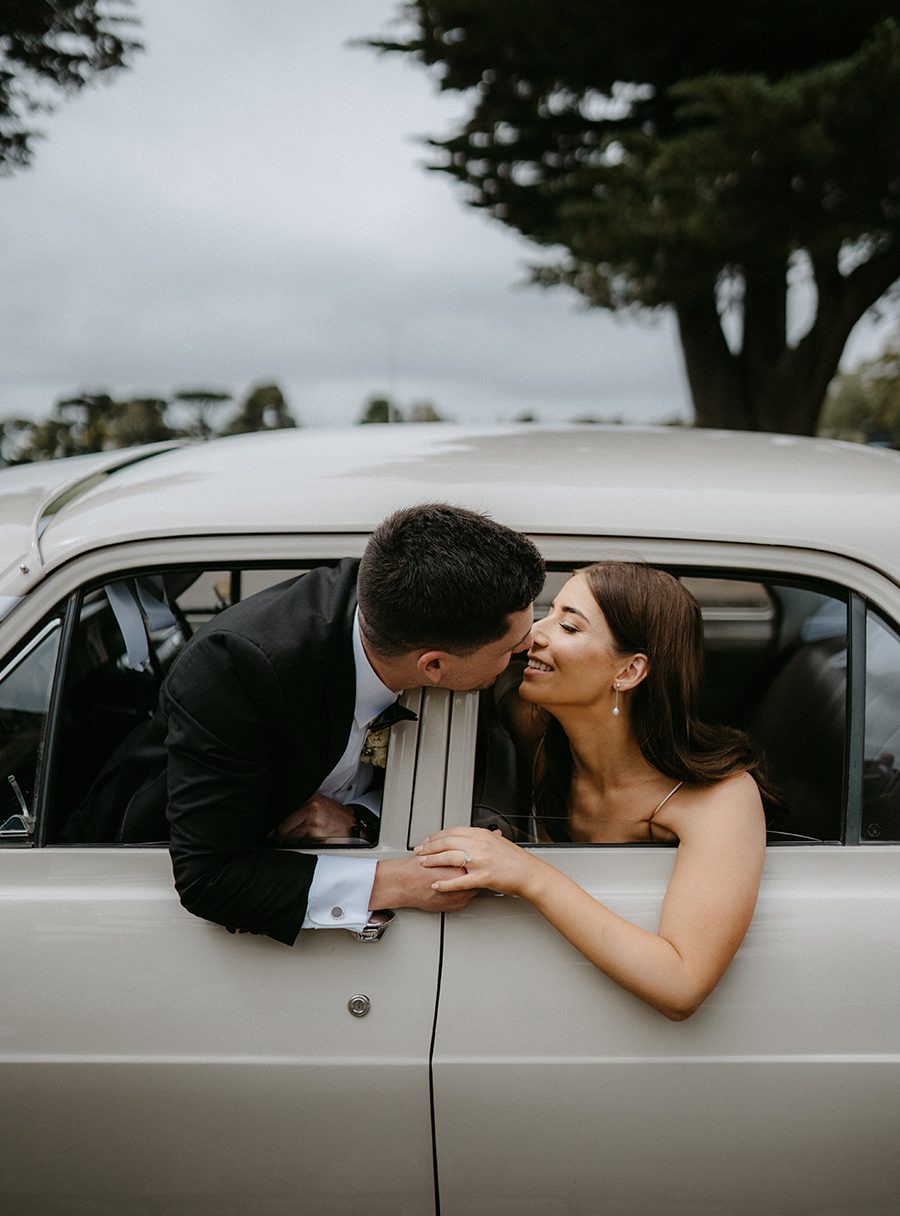
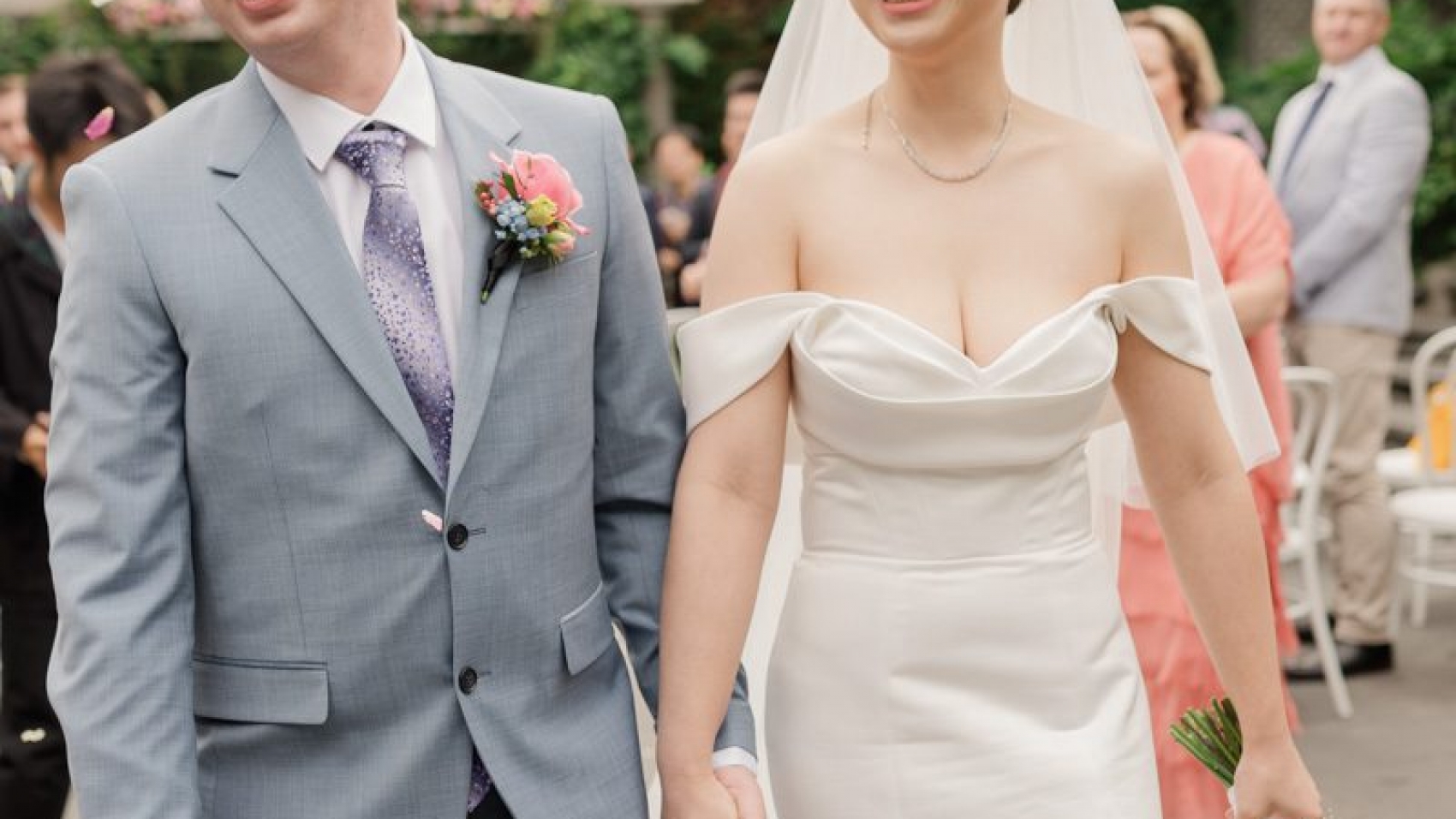
WUU00289

Lighting arrangement tips for interior studio wedding photography in Melbourne

Mastering Indoor Studio Lighting for Melbourne Wedding Photography

Creating timeless wedding portraits in Melbourne’s indoor studios hinges on strategic lighting setups that balance creativity with technical precision. Unlike outdoor shoots, studio environments demand meticulous control over light intensity, direction, and quality to achieve professional results. Here’s a guide to elevating your indoor wedding photography through advanced lighting techniques.

wedding photography melbourne

Understanding Core Lighting Principles

Every effective studio setup begins with mastering foundational lighting concepts. The interplay between key lightfill light, and background light determines the mood, dimensionality, and overall aesthetic of your images.

Key Light: The Dominant Force

The key light serves as the primary illumination source, shaping the subject’s facial features and body contours. For wedding portraits, place the key light at a 45-degree angle to the subject’s face, slightly elevated to mimic natural sunlight. This angle creates gentle shadows that enhance depth without appearing harsh.

When working with couples, adjust the key light’s height to ensure both faces are evenly lit. For example, positioning the light 1.5 meters above ground level and angled downward prevents flat lighting, which can make subjects appear washed out.

Fill Light: Balancing Shadows

Fill light softens the shadows cast by the key light, preventing excessive contrast. Use a secondary light source—such as a softbox or reflector—placed opposite the key light at a lower intensity. The goal is to maintain a 2:1 or 3:1 light ratio (key light twice or three times brighter than fill light) for a natural, flattering effect.

In group shots, position fill lights at waist level to avoid overexposing facial details. A white foam board reflector can also serve as a cost-effective fill light alternative, bouncing ambient light onto darker areas of the frame.

Background Light: Setting the Scene

Background lighting isolates subjects from their surroundings, adding depth and context. For clean, minimalist portraits, use a single background light positioned behind the subject to create a subtle gradient. To emphasize texture, such as in bridal gown details, add a second background light at a 90-degree angle to highlight patterns or fabric folds.

When photographing couples against textured backdrops, like wooden panels or floral walls, adjust background light intensity to avoid overpowering the subject. A dimmer switch allows for real-time adjustments during the shoot.

Advanced Techniques for Dynamic Portraits

Beyond the basics, incorporating specialized lighting setups can transform ordinary shots into cinematic masterpieces.

Rim Lighting: Adding Drama

Rim lighting outlines the subject’s edges with a delicate glow, separating them from the background. Position a strip light or snooted flash behind the subject at a 135-degree angle to the camera. This technique works exceptionally well for bridal veil shots, where the light accentuates the fabric’s transparency and flow.

For couples, use rim lighting to highlight interaction details, such as intertwined hands or shared glances. Keep the rim light’s power 1–2 stops below the key light to maintain balance.

High-Key vs. Low-Key Lighting

High-key lighting produces bright, airy images with minimal shadows, ideal for cheerful, romantic themes. Achieve this by surrounding the subject with multiple softbox lights at equal intensity. Low-key lighting, conversely, uses deep shadows and focused illumination to convey intimacy or mystery. Position the key light close to the subject and eliminate fill light entirely for a moody effect.

When shooting in Melbourne’s compact studios, high-key setups require careful placement of lights to avoid spillage onto walls. Use black flags or barn doors to control light direction.

Creative Light Modifiers

Modifiers like grids, gels, and gobos add artistic flair. A grid attached to a softbox narrows the light beam, creating precise highlights on facial features or gown details. Colored gels can evoke seasonal themes—warm amber for autumn weddings or cool blue for winter ceremonies.

For a unique touch, project patterns onto the background using a gobo (a stencil placed over the light source). This technique works well for themed shoots, such as vintage or bohemian weddings.

Practical Tips for Melbourne Studios

Melbourne’s variable weather and studio sizes necessitate adaptable lighting strategies.

Adapting to Studio Size

In small studios (under 50 square meters), prioritize compact light sources like LED panels or portable strobes. Use bouncers or reflectors to maximize natural light from windows. For larger spaces, invest in ceiling-mounted lights to free up floor area and ensure consistent illumination.

Managing Mixed Lighting

Many Melbourne studios combine tungsten, fluorescent, and LED lights. To avoid color casts, set your camera’s white balance to “auto” or use a gray card for custom calibration. During post-processing, adjust highlights and shadows individually to maintain skin tone accuracy.

Client Communication

Before the shoot, discuss lighting preferences with the couple. Some may prefer soft, even lighting for a timeless look, while others might opt for dramatic contrasts. Show them mood boards or test shots to align expectations.

During the session, use a monitor or tethered shooting setup to review images in real time. This allows for immediate adjustments to lighting or composition, ensuring client satisfaction.

Final Considerations

  • Test Your Setup: Conduct a lighting test before the shoot to identify and resolve issues like glare or uneven exposure.
  • Safety First: Secure all lights and cables to prevent tripping hazards, especially in busy studios.
  • Stay Flexible: Be prepared to tweak your setup based on the couple’s poses, expressions, or unexpected changes in weather (if shooting near windows).

By combining technical expertise with creative experimentation, you can craft indoor wedding portraits that capture the essence of Melbourne’s romantic charm. Whether you’re working in a cozy boutique studio or a spacious warehouse, these lighting techniques will elevate your craft and delight your clients.
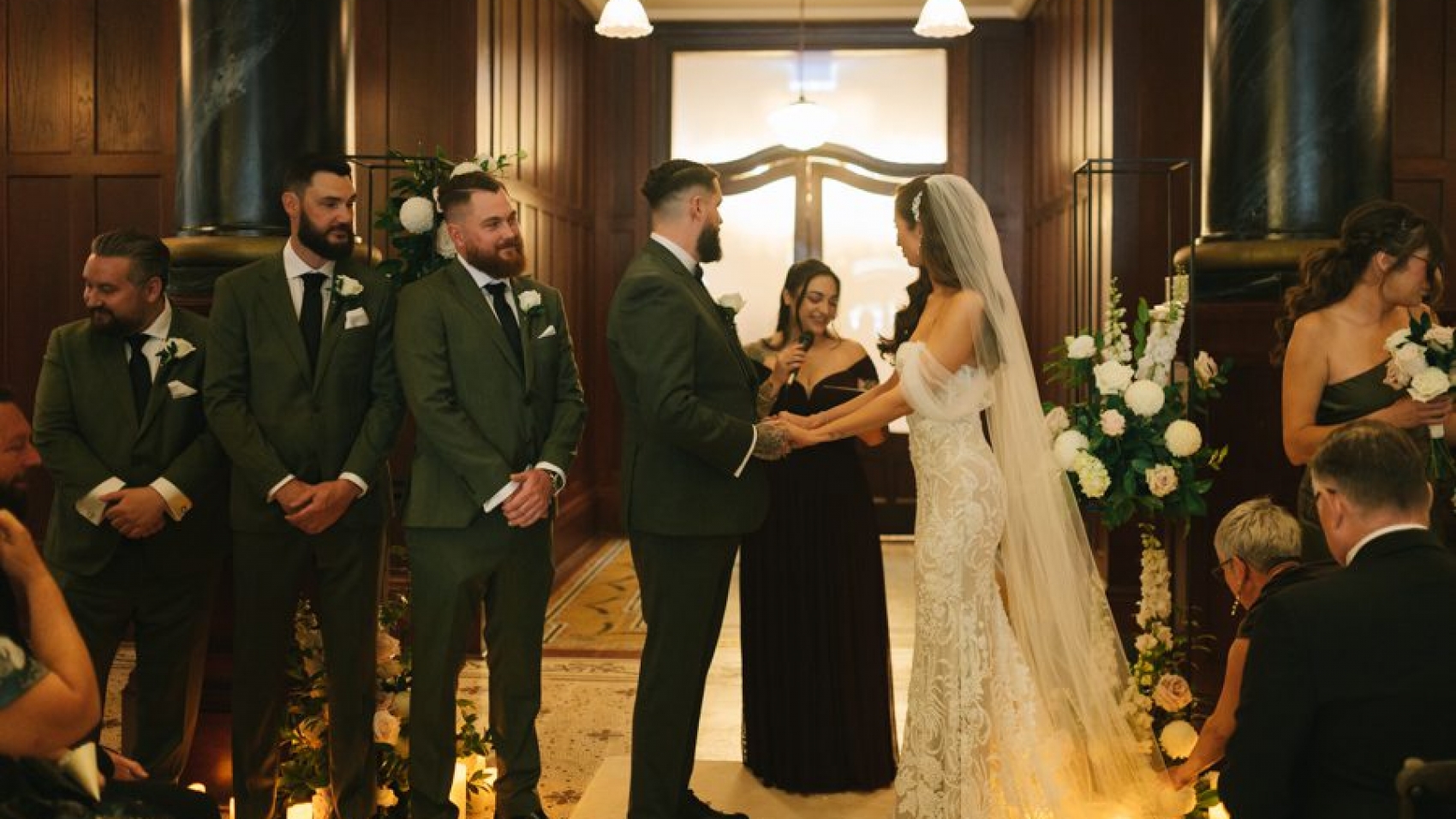
DSC02004

Preparations for planning the shooting route of wedding photography in Melbourne

Crafting a Seamless Melbourne Wedding Photography Itinerary: Key Planning Considerations

Planning a wedding photoshoot in Melbourne requires balancing iconic landmarks, natural beauty, and logistical efficiency. From navigating traffic to maximizing golden-hour light, a well-structured route ensures you capture every memorable moment without stress. Here’s how to design a photography itinerary tailored to Melbourne’s unique offerings.

wedding photography melbourne

Understanding Melbourne’s Seasonal and Lighting Dynamics

Melbourne’s weather and daylight hours vary dramatically across seasons, impacting everything from location accessibility to the quality of natural light. Tailor your route to align with these factors.

Sunrise and Sunset Timing

Golden-hour light—the period shortly after sunrise or before sunset—creates soft, flattering shadows and warm tones. Use online tools to determine exact times for your shoot date. For sunrise sessions, prioritize locations east of the CBD, such as Brighton Beach or the Royal Botanic Gardens’ eastern lawns. For sunset, head west to spots like Williamstown or the Melbourne SkyDeck observation deck. Avoid midday shoots in summer, when harsh overhead light can cause unflattering shadows.

Weather Contingency Planning

Melbourne’s reputation for “four seasons in one day” demands flexibility. If rain is forecast, identify indoor alternatives with natural light, such as art galleries, historic libraries, or cafes with large windows. For windy conditions, choose sheltered locations like arcaded laneways in the CBD or covered walkways in parks. Communicate backup plans with your photographer in advance to avoid last-minute scrambles.

Seasonal Highlights and Crowds

Spring and autumn offer mild temperatures and vibrant foliage, making parks like Fitzroy Gardens or the University of Melbourne’s grounds ideal. Summer attracts crowds to popular beaches and outdoor venues, so arrive early or consider weekday shoots. Winter’s crisp air and golden afternoon light suit cozy urban settings, such as the State Library of Victoria or cozy alleyways in Degraves Street.

Mapping Out Logistical Flow and Accessibility

A smooth route minimizes travel time between locations, leaving more time for creative shots. Consider distance, transportation, and venue-specific rules when planning your path.

Proximity Between Locations

Group nearby landmarks to reduce transit delays. For example, combine a CBD shoot with stops at Flinders Street Station, Hosier Lane, and the Yarra River, all within walking distance. If moving between districts, use trams or rideshare services to avoid parking hassles. For multi-region itineraries (e.g., St. Kilda to the Dandenong Ranges), allocate buffer time for traffic, especially during peak hours.

Venue Entry Requirements

Some iconic locations, like the Royal Exhibition Building or St. Paul’s Cathedral, require permits for commercial photography. Contact venue managers weeks in advance to secure permissions and clarify restrictions (e.g., tripod use, flash photography). For private properties or gardens, obtain written consent from owners. Keep copies of permits and contact details handy during the shoot.

Transportation and Parking Considerations

Melbourne’s CBD has limited parking, so opt for public transport or rideshares for urban shoots. If driving, research nearby parking garages or street parking rules. For beach locations like Port Melbourne or Elwood, arrive early to secure spots. If your route includes remote areas, such as the Yarra Valley wineries, consider hiring a driver or renting a vehicle with ample trunk space for equipment.

Curating a Mix of Iconic and Hidden Gems

Balance Melbourne’s famous sights with lesser-known spots to create a unique, personalized itinerary.

Iconic Melbourne Landmarks

Include must-visit locations like the Melbourne SkyDeck for panoramic city views, the Brighton Bathing Boxes for colorful coastal shots, or the State Library’s grand dome for timeless portraits. These spots offer recognizable backdrops but can be crowded, so schedule them during off-peak hours (e.g., early morning for the Bathing Boxes).

Lesser-Known Photogenic Spots

Explore hidden gems like the Abbotsford Convent for bohemian vibes, the Collins Street arcades for vintage charm, or the Westgate Park salt lakes for surreal, otherworldly photos. These locations often provide more privacy and creative freedom. Research local blogs or photography forums for up-and-coming spots that align with your aesthetic.

Combining Urban and Natural Settings

Melbourne’s diverse landscape allows for dynamic contrasts. Pair a gritty urban shoot in Hosier Lane with a serene nature walk in the Royal Botanic Gardens, or contrast the industrial docks of Docklands with the lush greenery of Albert Park. This variety adds depth to your photo gallery and showcases Melbourne’s multifaceted character.

Final Tips for a Stress-Free Shoot Day

  • Scout Locations in Advance: Visit each site at the same time of day as your shoot to assess lighting, crowds, and accessibility.
  • Build in Buffer Time: Add 15–30 minutes between locations to account for unexpected delays like traffic or reshooting due to lighting changes.
  • Communicate with Your Photographer: Share your priority locations and any physical limitations (e.g., difficulty walking long distances) to tailor the route accordingly.

By thoughtfully planning your Melbourne wedding photography itinerary, you’ll create a day that flows effortlessly while capturing the city’s magic. Flexibility, preparation, and a mix of iconic and intimate spots ensure your photos tell a story as unique as your love.

71407_Farm_Vigano_SELECTION_0012

Preparations for emergency makeup touch-ups in Melbourne wedding photography

Essential Touch-Up Makeup Items for Melbourne Wedding Photography: Preparation Guide

Melbourne’s unpredictable weather and long wedding days can challenge even the most flawless makeup looks. Whether dealing with humidity, wind, or tears of joy, having the right touch-up tools ensures you stay photo-ready from ceremony to sunset. Here’s what to pack for seamless makeup maintenance during your shoot.

wedding photography melbourne

Skin-Specific Touch-Up Essentials

Your skin type dictates which products work best for maintaining a fresh look. Tailor your kit to address oiliness, dryness, or sensitivity without clogging pores or causing irritation.

Oil Control for Humid Days

Melbourne’s coastal areas and summer months often bring high humidity, leading to shine and makeup breakdown. Pack oil-absorbing sheets or a translucent powder to mattify your T-zone without adding layers of product. For sensitive skin, opt for blotting papers infused with soothing ingredients like aloe vera or chamomile. Avoid heavy powders that can look cakey in photos.

Hydration for Dry or Windy Conditions

Cold winds or indoor heating can leave skin feeling tight and flaky. Carry a travel-sized hydrating mist to refresh your complexion between shots. Look for formulas with glycerin or hyaluronic acid to lock in moisture without disrupting makeup. A lightweight, non-greasy moisturizer is also useful for spot-treating dry patches on cheeks or around the nose.

SPF Protection for Outdoor Shoots

If your photoshoot includes outdoor locations like gardens or beaches, sun protection is non-negotiable. Choose a sunscreen with SPF 30 or higher that doubles as a primer to prevent makeup from sliding. Mineral-based options with zinc oxide or titanium dioxide are ideal for sensitive skin and won’t leave a white cast in flash photography. Reapply every two hours, especially if sweating or swimming.

Makeup Longevity Enhancers

Extending the life of your foundation, lipstick, and eye makeup requires strategic products that resist fading, creasing, or smudging. These items help your look stay intact through hugs, kisses, and emotional moments.

Setting Sprays for All-Day Wear

A quality setting spray acts as a protective barrier against humidity, sweat, and accidental touches. Opt for a matte finish if you have oily skin or a dewy formula for dry complexions. Mist your face lightly after applying makeup and again before heading outdoors. Some formulas even contain skin-nourishing ingredients like vitamins or antioxidants.

Lip Color Refreshers

Long-wearing lipsticks often fade unevenly, leaving a ring of color around the lips. Pack a lip liner in a matching shade to redefine edges and prevent feathering. A small tube of tinted lip balm or a sheer lipstick can replenish moisture and color without requiring a full reapplication. For bold shades, bring a cotton swab dipped in micellar water to clean up mistakes quickly.

Eye Makeup Fixers

Eyeliner smudges and mascara flakes are common issues during emotional ceremonies or windy outdoor shoots. A waterproof eyeliner and mascara are must-haves, but even these can weaken over time. Carry a compact mirror and a Q-tip to wipe away smudges discreetly. For creased eyeshadow, a neutral eyeshadow stick or a small palette with matte shades can touch up the crease without starting from scratch.

Emergency Tools for Quick Fixes

Unexpected issues like runny mascara, static hair, or a broken lipstick require fast solutions. These compact tools fit easily into a clutch or bridesmaid’s bag for on-the-go repairs.

Portable Mirrors and Lighting

A small, foldable mirror with built-in LED lights ensures you can check your makeup in any setting, from dimly lit venues to bright outdoor locations. Look for models with adjustable brightness levels to mimic natural light. Some mirrors even attach to keychains or phones for convenience.

Cotton Swabs and Pads

Cotton swabs are versatile for fixing eyeliner mistakes, cleaning up lipstick smudges, or dabbing away excess powder. Pre-moistened cotton pads with micellar water are handy for removing sweat or oil without stripping makeup. Pack them in individual packets to keep them clean and portable.

Hair and Makeup Clips

Static electricity or wind can wreak havoc on carefully styled hair, causing flyaways or strands sticking to lips. Keep a few small clips or bobby pins in your kit to secure loose sections. A travel-sized hairspray or anti-static spray can also tame frizz without leaving residue. For makeup, clips can hold back hair while touching up your face.

Final Tips for Stress-Free Touch-Ups

  • Test Products Beforehand: Use your touch-up items during your makeup trial to ensure they work well with your skin and don’t cause reactions.
  • Organize Your Kit: Use a small, clear cosmetic bag to separate products by category (e.g., skin, lips, eyes) for easy access.
  • Delegate Responsibilities: Assign a bridesmaid or family member to carry your touch-up kit and remind you to reapply sunscreen or blot oil.

By packing these essentials, you’ll be prepared for Melbourne’s unpredictable weather and the demands of a full-day wedding shoot. Staying proactive about touch-ups ensures your photos capture your best self, no matter what surprises come your way.

DSC03855

Notes for Adjusting the State of newlyweds in Melbourne Wedding Photography

Essential Tips for Brides and Grooms to Optimize Their Energy and Composure During Melbourne Wedding Photography

Wedding photography sessions in Melbourne often span several hours, requiring couples to maintain poise, enthusiasm, and physical stamina. Adjusting to the demands of posing, moving between locations, and managing emotions can be challenging. Here’s how to ensure both partners feel confident, relaxed, and camera-ready throughout the day.

wedding photography melbourne

Prioritizing Physical Comfort: Avoiding Fatigue and Discomfort

Long photography sessions demand physical endurance. Simple adjustments to attire, footwear, and posture can prevent exhaustion and ensure natural expressions.

Choosing Practical Footwear

  • Heel Height: Brides should opt for wedges or block heels instead of stilettos for outdoor shoots, as they provide better stability on uneven terrain like grass or cobblestones.
  • Break-In Period: Wear new shoes for at least a week before the wedding to soften the material and reduce blisters.
  • Backup Options: Pack a pair of comfortable flats or sneakers to change into during breaks or transitions between locations.

Managing Gown and Suit Constraints

  • Mobility Adjustments: For gowns with heavy trains or corsets, practice walking and sitting beforehand to avoid tripping or restricted movement.
  • Layering Strategies: Grooms wearing suits in variable Melbourne weather can unbutton jackets or remove ties during warmer segments of the shoot.
  • Posture Awareness: Stand tall with shoulders relaxed to avoid stiffness. Use props like chairs or walls for support during prolonged poses.

Hydration and Snacks

  • Discreet Water Bottles: Carry small, spill-proof bottles to stay hydrated without ruining makeup or attire.
  • Energy-Boosting Snacks: Pack light, non-messy snacks like nuts, energy bars, or fruit to maintain energy levels between meals.
  • Timing: Schedule a substantial breakfast before the shoot and a quick lunch break if the session extends past midday.

Emotional Preparation: Staying Calm and Connected

Wedding photography can amplify nerves, especially in front of the camera. Techniques to manage anxiety and foster intimacy ensure genuine smiles and interactions.

Breathing and Relaxation Techniques

  • Deep Breathing: Pause for 30 seconds before key shots to inhale deeply through the nose and exhale slowly through the mouth, reducing tension in the shoulders and jaw.
  • Progressive Muscle Relaxation: Tense and release muscle groups from the toes upward to alleviate physical stress during stationary poses.
  • Visualization: Imagine a calm, happy memory (e.g., the proposal) to trigger authentic smiles and reduce self-consciousness.

Communication with Your Partner

  • Private Jokes: Share a lighthearted inside joke to break the ice and elicit natural laughter during posed shots.
  • Eye Contact: Focus on each other’s eyes rather than the camera to create intimate, unposed moments.
  • Physical Touch: Hold hands, rest heads together, or link arms to convey connection and comfort.

Handling Unexpected Emotions

  • Acknowledge Nerves: It’s normal to feel overwhelmed; openly discuss fears with your partner or photographer to alleviate pressure.
  • Take Mini-Breaks: Step aside for a few minutes to compose yourself if emotions become intense.
  • Reframe Mistakes: If a pose feels awkward, laugh it off and try again—imperfections often make for the most memorable photos.

Timing and Pacing: Balancing Efficiency and Enjoyment

Melbourne’s unpredictable weather and daylight hours require strategic scheduling. Aligning the shoot’s flow with energy levels ensures productivity without burnout.

Morning vs. Afternoon Energy Levels

  • Early Starts: Schedule outdoor shoots during the golden hour (sunrise) when clients are typically more alert and light is soft.
  • Afternoon Adjustments: If shooting later, incorporate breaks in shaded areas or indoors to avoid midday heat and fatigue.
  • Flexible Timelines: Build buffer time between locations to account for traffic, wardrobe changes, or unexpected delays.

Breaks and Transitions

  • Scheduled Pauses: Plan 5–10-minute breaks every hour to rest, hydrate, and adjust attire.
  • Change of Scenery: Switch between indoor and outdoor settings to keep the session dynamic and mentally stimulating.
  • Transportation Comfort: Use private vehicles or rideshares to avoid walking long distances in formal attire, especially in heat or rain.

Photographer Collaboration

  • Clear Communication: Share preferences for pose frequency, break timing, and shot types to align expectations.
  • Feedback Loops: Regularly check in with the photographer to review photos and adjust directions if certain angles feel uncomfortable.
  • Trust the Process: Rely on the photographer’s expertise to guide poses and lighting, reducing decision fatigue for the couple.

Final Touches: Small Details That Elevate Comfort

Subtle adjustments to accessories, timing, and mindset can transform a good shoot into a great one.

  • Lip Balm and Blotting Sheets: Keep these on hand to prevent chapped lips or shiny skin in photos.
  • Emergency Kit: Pack safety pins, sewing kits, and stain removers for last-minute wardrobe fixes.
  • Positive Affirmations: Repeat phrases like “We look amazing” or “This is fun” to boost confidence and reduce self-doubt.

By prioritizing physical comfort, emotional connection, and strategic timing, couples can navigate Melbourne’s wedding photography sessions with ease and joy.

WUU00231

Precautions for Dealing with sudden weather changes in Melbourne wedding photography

Navigating Weather Changes During Melbourne Wedding Photography: Essential Tips

Melbourne’s notorious “four seasons in one day” weather demands flexibility and preparedness during wedding photography sessions. Sudden rain, wind, or heatwaves can disrupt schedules and affect attire, lighting, and client comfort. Here’s how to adapt quickly and ensure stunning results despite unpredictable conditions.

wedding photography melbourne

Rain Preparedness: Protecting Gear, Attire, and Clients

Rain is common in Melbourne, especially during spring and autumn. Proactive measures can turn a wet day into a creative opportunity.

Waterproofing Equipment and Accessories

  • Camera and Lens Protection: Use rain covers or plastic sleeves designed for cameras to shield gear from moisture. Keep silica gel packets in camera bags to absorb humidity.
  • Lens Care: Wipe lenses with a microfiber cloth frequently to prevent water spots. Avoid changing lenses outdoors in heavy rain to minimize exposure.
  • Backup Gear: Pack a second camera body and extra batteries, as cold and damp conditions can drain power faster. Store gear in waterproof cases when not in use.

Client Comfort and Attire Safety

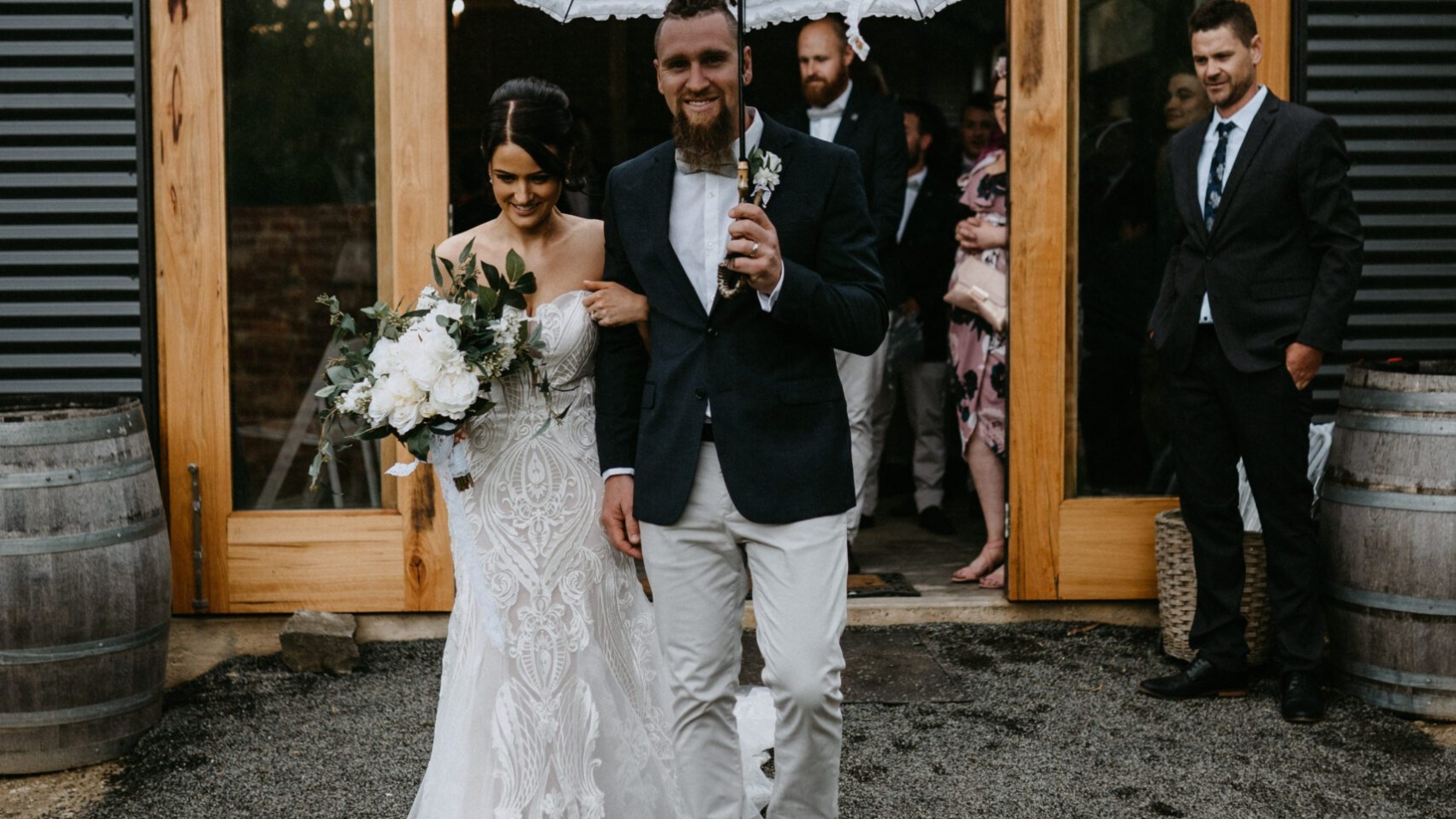
  • Umbrellas and Canopies: Provide clear or white umbrellas for the couple to stay dry while posing. A portable canopy or pop-up tent offers shelter during breaks.
  • Quick-Dry Fabrics: Advise couples to choose gowns and suits made from synthetic blends or treated cotton, which dry faster than silk or lace.
  • Footwear Alternatives: Suggest waterproof shoes or boots for outdoor shoots. For the bride, a short heel or flat shoe can prevent sinking into muddy ground.

Creative Rain Photography Opportunities

  • Reflective Surfaces: Use puddles to capture dramatic reflections of the couple or venue. Shoot from a low angle to emphasize water droplets.
  • Motion and Movement: Encourage the couple to walk or dance under umbrellas for dynamic shots. Slow shutter speeds can create a dreamy, blurred effect.
  • Mood Lighting: Combine rain with off-camera flash or string lights to add warmth and contrast to gloomy skies.

Wind Management: Securing Attire and Poses

Melbourne’s coastal breezes and sudden gusts can wreak havoc on loose fabrics, veils, and hair. Stabilizing elements ensures polished photos.

Stabilizing Loose Fabrics and Accessories

  • Veil Weights: Use small clips or weights sewn into the hem of veils to prevent them from flying away. Alternatively, opt for a shorter veil or hairpiece.
  • Gown Tacks: Temporarily secure loose layers of the gown with fashion tape or small stitches to keep hems in place.
  • Hair and Makeup: Recommend updos or textured hairstyles that resist wind. Use strong-hold hairspray and consider a hairnet for intricate styles.

Posing Techniques for Windy Conditions

  • Angle Adjustments: Position the couple with their backs to the wind to minimize fabric flapping. Use natural windbreaks like buildings or trees.
  • Dynamic Poses: Capture the energy of the wind by having the couple embrace or lean into each other. Shoot in burst mode to catch mid-movement expressions.
  • Close-Up Shots: Focus on facial expressions or details like hands or rings to avoid distracting fabric movement in wide shots.

Gear Protection and Safety

  • Sandbags and Weights: Secure light stands, reflectors, and backdrops with sandbags to prevent them from toppling in strong gusts.
  • Lens Filters: Use UV or polarizing filters to reduce glare and protect lenses from wind-blown debris.
  • Client Communication: Warn the couple before sudden gusts to avoid startled reactions. Keep breaks short to limit exposure to harsh winds.

Extreme Heat and Sun: Keeping Clients Comfortable

Melbourne summers can bring intense heat and glare. Prioritizing client comfort and safety prevents exhaustion and sweaty skin in photos.

Hydration and Shade Strategies

  • Water Stations: Provide chilled water bottles and encourage frequent hydration. Offer electrolyte drinks if shooting in extreme heat.
  • Portable Shade: Use parasols, pop-up tents, or natural shade from trees to keep clients cool during poses. Schedule outdoor shoots for early morning or late afternoon.
  • Cooling Accessories: Hand out cooling towels or fans to help clients stay comfortable. Suggest lightweight, breathable fabrics for attire.

Managing Sweat and Glow

  • Blotting Papers and Powder: Keep oil-absorbing sheets and translucent powder on hand to touch up shiny skin between shots.
  • Strategic Posing: Avoid direct sunlight, which accentuates sweat and shadows. Use diffusers or reflectors to soften harsh light.
  • Attire Adjustments: For the groom, recommend undershirts to absorb sweat. For the bride, a detachable train can reduce layering in heat.

Heatwave Scheduling Flexibility

  • Rescheduling Options: Discuss backup dates or indoor locations with clients in case of prolonged heatwaves.
  • Shorter Sessions: Break the shoot into smaller segments with breaks in air-conditioned spaces.
  • Client Communication: Check in regularly with the couple to assess their comfort levels. Prioritize their well-being over rigid timelines.

Final Checks: Contingency Plans and Communication

A proactive approach minimizes stress when weather changes strike.

  • Weather Apps and Alerts: Monitor real-time forecasts using reliable apps. Set up alerts for sudden rain, wind, or heat warnings.
  • Backup Locations: Identify nearby indoor venues, such as cafes, galleries, or studios, as alternatives to outdoor shoots.
  • Client Agreements: Outline weather-related contingencies in contracts, including rescheduling policies and additional fees (if any).

By staying adaptable and prioritizing client comfort, photographers can turn Melbourne’s unpredictable weather into a unique element of the wedding story.

DSC00989

Precautions for cleaning and maintaining wedding photography clothing in Melbourne

Essential Care Tips for Wedding Attire in Melbourne Wedding Photography

Melbourne’s unpredictable weather, from coastal humidity to sudden rain, poses unique challenges for maintaining wedding attire during photoshoots. Proper cleaning and preservation of gowns, suits, and accessories ensure they look pristine on camera and last beyond the big day. Here’s how to handle wedding attire with care, whether you’re shooting in the city’s laneways or by the beach.

wedding photography melbourne

Pre-Shoot Preparation: Minimizing Stains and Damage

Preventing issues before they arise starts with strategic planning and communication.

Choose Stain-Resistant Fabrics and Details

  • Fabric Selection: Advise couples to opt for gowns and suits made from materials that resist stains, such as synthetic blends or treated cotton. Delicate fabrics like silk or lace require extra caution during outdoor shoots.
  • Avoid Light Colors in High-Risk Areas: If shooting in grassy parks or sandy beaches, recommend darker shades or patterns for the groom’s suit to hide dirt. For the bride, a gown with a textured overlay can mask minor stains.
  • Protective Layers: Suggest wearing a detachable underskirt or slip under the gown to prevent direct contact with ground surfaces. For suits, a lightweight vest can shield the jacket from sweat and dirt.

Pre-Shoot Inspection and Repairs

  • Check for Loose Threads or Weak Seams: Before the shoot, inspect the gown and suit for loose buttons, fraying hems, or weak seams. Secure loose elements with temporary stitches or fabric glue to avoid mid-shoot mishaps.
  • Test Accessories for Durability: Ensure veils, headpieces, and cufflinks are securely fastened. Practice walking and posing with these items to identify potential issues, like a veil catching on branches or a cufflink falling off.
  • Pack Emergency Supplies: Bring a small kit with needle and thread, safety pins, stain remover wipes, and lint rollers to address minor repairs or spills on location.

Post-Shoot Cleaning: Handling Different Materials

After the shoot, immediate and proper cleaning prevents permanent damage to wedding attire.

Gentle Cleaning for Delicate Fabrics

  • Dry Cleaning for Formal Wear: Most wedding gowns and suits require professional dry cleaning to remove oils, sweat, and dirt without shrinking or distorting the fabric. Schedule this as soon as possible after the shoot.
  • Hand Washing for Accessories: Items like silk scarves, lace veils, or cotton ties can often be hand-washed with mild detergent. Soak in cold water, gently agitate, and air-dry flat to maintain shape.
  • Spot Cleaning for Emergencies: For small stains, use a damp cloth with a drop of gentle soap to blot—never rub—the affected area. Test any cleaning solution on an inconspicuous spot first.

Addressing Environmental Damage

  • Saltwater and Sand: If the shoot took place at the beach, rinse the gown’s hem and suit trousers with fresh water to remove salt, which can weaken fibers. Use a soft brush to dislodge sand from crevices.
  • Mud and Grass Stains: Let mud dry completely before brushing it off with a stiff-bristled brush. For grass stains, apply a mixture of white vinegar and water, then rinse thoroughly.
  • Humidity and Mold: In Melbourne’s damp climate, ensure attire is completely dry before storing. Hang gowns and suits in a well-ventilated area or use a dehumidifier to prevent mold growth.

Long-Term Preservation: Storing Wedding Attire Properly

Proper storage protects wedding attire from yellowing, fading, or structural damage over time.

Choosing the Right Storage Materials

  • Acid-Free Boxes and Tissue: Wrap the gown in acid-free tissue paper before placing it in a breathable, archival-quality box. Avoid plastic bags, which trap moisture and encourage mildew.
  • Hanging Suits Correctly: Use padded hangers for suits to maintain their shape. Cover with a breathable garment bag to protect from dust and light.
  • Veil and Accessory Storage: Store veils flat in a box or hang them from a padded hanger. Keep jewelry in individual fabric pouches to prevent scratches.

Ideal Storage Conditions

  • Cool, Dark Spaces: Choose a closet or under-bed area away from direct sunlight, which can fade fabrics. Attics and basements are often too humid or prone to temperature fluctuations.
  • Climate Control: If possible, store attire in a room with stable humidity levels (around 45–55%). Use silica gel packets in boxes to absorb excess moisture.
  • Avoiding Pesticides: Never store wedding attire near mothballs or chemical repellents, which can leave residues and odors. Instead, use natural alternatives like cedar blocks.

Handling Heirlooms and Sentimental Items

Wedding attire often includes family heirlooms or sentimental pieces that require extra care.

Pre-Shoot Consultation with Families

  • Documenting Conditions: Before using a vintage gown or heirloom suit, photograph its current state and note any existing damage. Discuss preservation goals with the family to align expectations.
  • Limiting Wear Time: For delicate heirlooms, schedule shorter shoot segments or use a replica for most poses. Reserve the original for a few key shots to minimize stress on the fabric.
  • Professional Restoration: If an heirloom shows signs of wear, consult a textile conservationist before the shoot. They can stabilize fragile areas, such as weak seams or faded dye, to prevent further damage.

Post-Shoot Cleaning for Heirlooms

  • Specialized Cleaners: Vintage fabrics like old lace or antique satin may require cleaners experienced in historic textiles. Avoid standard dry cleaning, which can be too harsh.
  • Avoiding Water: For water-sensitive items, like beaded gowns or embroidered veils, use dry cleaning methods or gentle vacuuming with a brush attachment to remove dust.
  • Storing with Care: Wrap heirlooms in unbleached muslin or acid-free paper, and store them separately from modern fabrics to prevent dye transfer or chemical reactions.

Final Considerations: Communication and Documentation

Clear communication with the couple and documentation of the attire’s condition ensure accountability and peace of mind.

  • Pre-Shoot Checklist: Provide couples with a list of do’s and don’ts for attire care before the shoot, including avoiding self-tanner, heavy perfumes, or food near the gown.
  • Post-Shoot Handover: Return cleaned and preserved attire to the couple with care instructions, including recommended storage methods and professional cleaning contacts.
  • Photographic Records: Take detailed photos of the attire before and after the shoot to document its condition. Share these with the couple as proof of careful handling.

By prioritizing prevention, gentle cleaning, and proper storage, you can ensure wedding attire remains a cherished part of the couple’s memories for years to come.

DSC00252

Precautions for Carrying wedding photography props in Melbourne

Essential Tips for Carrying Props for Melbourne Wedding Photography

Planning a wedding photoshoot in Melbourne requires thoughtful preparation, especially when it comes to props. The right accessories can elevate your images, but mishandling them can lead to logistical headaches. Whether you’re shooting in the city’s laneways, along the Yarra River, or in a coastal setting, here’s how to transport and manage your props efficiently.

wedding photography melbourne

Organizing Props for Easy Transport

Carrying props between locations in Melbourne demands practicality. Overloading your team or misplacing items can disrupt the flow of the shoot.

Categorize Props by Size and Weight

  • Lightweight Items: Group smaller props like ribbons, confetti, or handheld signs into labeled fabric bags. These are easy to distribute among team members or stash in a backpack during location changes.
  • Bulky or Fragile Items: Larger props such as vintage frames, mirrors, or delicate floral arrangements should be packed in sturdy, padded containers. Use bubble wrap or soft cloths to prevent damage during transit.
  • Essential vs. Optional Props: Prioritize items critical to the shoot’s concept, such as a custom-made backdrop or heirloom accessories. Leave non-essential props behind if space or time is limited.

Choose the Right Carrying Solutions

  • Rolling Carts or Trolleys: For heavy or awkwardly shaped props, a folding cart with wheels simplifies movement across uneven terrain, like cobblestone streets or grassy parks.
  • Waterproof Bags: Melbourne’s weather can be unpredictable. Store props in waterproof duffel bags or covers to protect them from sudden rain showers.
  • Backpack Dividers: Use a backpack with internal compartments to keep smaller props organized and accessible. This is ideal for quick changes between outdoor and indoor settings.

Ensuring Props Stay Safe During the Shoot

Once on location, props need protection from environmental factors and accidental damage.

Protecting Props from Weather and Elements

  • Wind Management: Secure lightweight items like fabric banners or paper decorations with weights or clips. On windy days, opt for sturdier alternatives or shoot in sheltered areas.
  • Sun Exposure: Prolonged sunlight can fade or warp certain materials, such as wooden signs or artificial flowers. Store props in shaded areas when not in use, and avoid leaving them in direct sunlight for extended periods.
  • Humidity Control: Melbourne’s coastal humidity can affect props like fresh flowers or vintage textiles. Bring silica gel packets to absorb moisture or use airtight containers for delicate items.

Handling Fragile or Valuable Props

  • Assign a Prop Handler: Designate a team member to oversee props during the shoot. This person ensures items are placed safely, retrieved promptly, and stored securely between shots.
  • Use Non-Slip Surfaces: When positioning props like glass vases or ceramic figurines, place them on non-slip mats or stable platforms to prevent tipping or sliding.
  • Avoid Overcrowding: Limit the number of props in a single shot to reduce clutter and minimize the risk of accidental breaks. Focus on 2–3 key items per frame for a clean, intentional look.

Adapting Props to Melbourne’s Unique Locations

Melbourne’s diverse backdrops—from urban rooftops to beachside cliffs—require props that complement the setting without overpowering it.

Tailoring Props to the Venue

  • Urban Settings: In the CBD or laneways, incorporate modern props like neon signs, metallic frames, or geometric shapes to contrast with brick walls or graffiti. Keep colors bold but cohesive with the surroundings.
  • Natural Environments: For parks or gardens, use organic props like wooden crates, wildflower bouquets, or woven baskets. Avoid overly polished items that clash with the rustic charm of the location.
  • Waterfront Locations: At beaches or riversides, choose weather-resistant props like driftwood, nautical ropes, or transparent umbrellas. Ensure items won’t blow away or sink if accidentally dropped.

Versatility and Multi-Use Props

  • Reusable Backdrops: Bring a foldable fabric backdrop in a neutral color (e.g., ivory or muted gray) that works in multiple settings. This reduces the need for multiple large props and simplifies transitions.
  • Adjustable Lighting: Use portable LED strings or fairy lights to add ambiance in dimly lit areas like tunnels or under bridges. These can be wrapped around props or draped for a soft glow.
  • Interchangeable Elements: Props with detachable parts, such as signage with interchangeable letters or vases with removable flowers, allow for quick customization without carrying excess inventory.

Final Considerations: Communication and Backup Plans

Even with careful planning, unexpected issues can arise. Clear communication and contingency strategies ensure the shoot stays on track.

  • Client Collaboration: Discuss prop ideas with the couple beforehand to align expectations. Confirm which items they’ll provide (e.g., family heirlooms) and which you’ll source.
  • Backup Props: Pack a few spare items in case of damage or last-minute changes. For example, carry an extra ribbon or a generic sign as a substitute for a custom piece.
  • Team Coordination: Brief your team on prop handling protocols, including who’s responsible for each item and how to pack up efficiently. Use walkie-talkies or group chats for quick updates during the shoot.

By organizing props thoughtfully, protecting them from environmental risks, and adapting them to Melbourne’s varied landscapes, you’ll create a seamless photography experience that captures the couple’s vision while staying practical and stress-free.

80883-Wu-1097

Precautions for preventing heatstroke in summer wedding photography in Melbourne

Summer Wedding Photography in Melbourne: Heat Safety Tips to Prevent Heatstroke

Melbourne’s summer weather can be unpredictable, with scorching days and high humidity creating challenging conditions for outdoor wedding photography. Heatstroke and dehydration are real risks, but with proper planning and proactive measures, you can ensure the couple stays safe and comfortable while capturing stunning images. Here’s how to navigate Melbourne’s summer heat without compromising your shoot.

wedding photography melbourne

Timing Your Shoot Strategically

Melbourne’s summer sun peaks in intensity between 10 AM and 3 PM. Adjusting your schedule can significantly reduce heat exposure.

Opt for Early Morning or Late Afternoon Sessions

  • Morning Magic: Start your shoot at sunrise, when temperatures are cooler and the light is soft and golden. Early hours also minimize crowds at popular locations, allowing for uninterrupted shots.
  • Golden Hour Extension: The hour before sunset offers similarly flattering light. Plan for a “second look” session during this time, pairing casual outfits with the warm, diffused glow of dusk.
  • Midday Breaks: If a full-day shoot is unavoidable, schedule a 2–3 hour break during peak heat. Use this time for indoor portraits, wardrobe changes, or a refreshment pause for the couple and crew.

Monitor Weather Forecasts Closely

  • Heatwave Alerts: Check the Bureau of Meteorology’s daily updates for extreme heat warnings. Reschedule outdoor segments if temperatures are projected to exceed 35°C (95°F), especially in direct sunlight.
  • Humidity Considerations: High humidity slows sweat evaporation, increasing the risk of heat exhaustion. On humid days, prioritize shaded locations and hydration breaks every 20–30 minutes.
  • Cloud Cover Opportunities: Partial cloud cover can diffuse harsh sunlight. Use overcast periods for group shots or detailed portraits, saving sunny spells for dramatic silhouettes or backlit images.

Prioritizing Hydration and Cooling

Staying hydrated and cool is non-negotiable during summer shoots. Implement these practices to keep everyone comfortable.

Encourage Frequent Hydration

  • Water Stations: Provide reusable water bottles for the couple, bridal party, and crew. Refill stations should be easily accessible, with ice-cold water available throughout the shoot.
  • Electrolyte Balance: Sweating depletes sodium and potassium. Offer coconut water or electrolyte tablets as alternatives to plain water, especially during prolonged outdoor sessions.
  • Hydration Reminders: Assign a team member to prompt hydration breaks, particularly for the bride and groom, who may be too focused on posing to notice thirst.

Incorporate Cooling Techniques

  • Portable Fans: Battery-operated handheld fans or small clip-on models can provide instant relief during breaks. Position them near seating areas or between shots.
  • Cooling Towels: Chilled towels soaked in water and wrung out can lower body temperature quickly. Keep a stash in a cooler bag for the couple to drape over their necks or wrists.
  • Shaded Rest Areas: Set up a pop-up tent or use natural shade from trees or buildings. Equip this space with chairs, fans, and cold drinks for quick retreats between shots.

Adjusting Wardrobe and Styling for Comfort

Heat affects not just the couple but also their attire and styling choices. Make smart adjustments to ensure everyone stays cool.

Lighten Up Fabrics and Layers

  • Bride’s Dress: Opt for breathable fabrics like chiffon, organza, or lightweight lace. Avoid heavy satin or multiple layers, which trap heat. Consider a detachable train or overskirt for formal shots, removing it later for comfort.
  • Groom’s Attire: Choose lightweight suits in linen or cotton blends. Roll up sleeves or ditch the jacket during casual shots. A bow tie can be swapped for a silk scarf or left undone for a relaxed vibe.
  • Bridal Party: Coordinate outfits in light colors and loose fits. Avoid dark shades, which absorb heat, and synthetic fabrics that don’t breathe.

Simplify Hair and Makeup

  • Hair: Updos or loose braids are ideal for hot weather, as they keep hair off the neck and reduce sweating. Avoid heavy styling products that can melt or weigh down strands.
  • Makeup: Opt for waterproof, long-wear formulas to prevent melting. A matte primer and setting spray help foundation stay put. Bring blotting papers and translucent powder for touch-ups.
  • Accessories: Wide-brimmed hats or parasols add shade and style. Ensure the bride’s veil is lightweight and breathable, or consider a floral crown as a heat-friendly alternative.

Final Considerations: Flexibility and Communication

Summer weather in Melbourne is notoriously fickle. Build flexibility into your timeline and maintain open communication with the couple.

  • Backup Plans: Have a list of indoor or shaded locations ready in case of sudden heatwaves or thunderstorms. Venues like art galleries, botanic gardens with pavilions, or loft spaces with air conditioning can save the day.
  • Client Comfort: Check in with the couple regularly to assess their energy levels. If they appear fatigued or overheated, suggest shortening the session or focusing on key shots.
  • Team Preparedness: Ensure your photography crew is dressed in lightweight clothing, sunscreen, and hats. Rotate roles to avoid prolonged sun exposure, and assign someone to monitor the couple’s well-being.

By prioritizing safety, comfort, and adaptability, you can turn Melbourne’s summer heat into an opportunity for creative, sun-drenched wedding photography that tells a story of joy and resilience.

wedding photography melbourne

Emergency Precautions for Wedding Photography in Rainy Weather in Melbourne

Melbourne Rainy-Day Wedding Photography Emergency Guide: Tips for Capturing Romance in the Rain

Unexpected rain on your Melbourne wedding photography day doesn’t have to dampen your spirits—or your photos. With strategic planning and creative adaptability, rain can add a layer of intimacy and drama to your album. Here’s how to navigate wet weather while preserving the magic of your special day.

wedding photography melbourne

Leverage Rain as a Creative Element

Rain transforms ordinary scenes into cinematic backdrops. Instead of avoiding moisture, embrace it as a storytelling tool.

Capture Rain’s Texture and Movement

  • Dynamic Raindrops: Use a slow shutter speed (1/30–1/60 sec) to blur rain into streaks, emphasizing its motion. For sharper droplets, a faster speed (1/200 sec or higher) works, but prioritize artistic intent over technical perfection.
  • Water Reflections: Seek puddles or wet surfaces to reflect city lights or neon signs, creating mirror-like effects. Tilt your camera slightly to avoid direct reflections of the couple, focusing instead on ambient glow.
  • Rain-Kissed Details: Zoom in on raindrops clinging to flowers, umbrellas, or the bride’s veil. These close-ups add texture and depth to your narrative.

Incorporate Rain-Themed Props

  • Transparent Umbrellas: These are a rainy-day staple for good reason. Their see-through design keeps the couple visible while framing them against the rainy backdrop. Opt for minimalist designs to avoid visual clutter.
  • Wet Hair and Fabrics: Let the bride’s hair or veil get slightly damp for a windswept, ethereal look. A flowing dress with a train can create dramatic splashes in puddles, but avoid overly heavy fabrics that may weigh down the bride.
  • Glowing Accessories: Use LED string lights or glow sticks to add warmth to dark, rainy scenes. Wrap them around the couple’s hands or hang them from umbrellas for a whimsical touch.

Adapt Your Location Strategy

Melbourne’s unpredictable weather demands flexibility. Here’s how to pivot your shoot locations without sacrificing style.

Shift to Covered or Indoor Venues

  • Glass-Enclosed Spaces: Book a conservatory, greenhouse, or modern café with large windows. These spots offer shelter while maintaining a connection to the outdoors. Use natural light filtering through rain-streaked glass for moody portraits.
  • Underpasses or Arcades: Melbourne’s laneways and arcades provide shelter with architectural character. Use their tiled floors and wrought-iron details as backdrops, incorporating rain visible through open entrances.
  • Industrial Lofts: Raw, minimalist interiors contrast beautifully with rainy exteriors. Pair concrete walls with soft lighting and the couple’s formal attire for a high-contrast aesthetic.

Embrace the Elements Outdoors (Safely)

If the couple insists on outdoor shots, prioritize safety and comfort:

  • Footwear: Swap heels for stylish rain boots to navigate slippery surfaces. Have the bride carry her shoes in a waterproof bag for indoor transitions.
  • Timing: Shoot during light rain or after a downpour when paths are less muddy. Avoid thunderstorms or high winds, which can destabilize equipment and pose risks.
  • Wardrobe Adjustments: Choose shorter hemlines or lightweight fabrics that dry quickly. Avoid long trains or heavy satin, which can become waterlogged and uncomfortable.

Master Lighting and Exposure

Rainy days challenge lighting conditions, but with the right techniques, you can turn low light into an asset.

Balance Natural and Artificial Light

  • Backlighting: Position the couple facing away from rain, using a flash or continuous light to highlight raindrops as glowing orbs. This technique works best at dusk or in dimly lit areas.
  • Diffused Light: Overcast skies act as a natural softbox, reducing harsh shadows. Use reflectors to bounce light onto the couple’s faces, ensuring they remain the focal point.
  • Color Temperature: Rainy scenes often have a cool, blue tone. Warm up the image by adjusting your white balance to “cloudy” or manually setting it to 6500K–7000K, depending on the desired mood.

Avoid Common Exposure Pitfalls

  • Overexposure: Rainy scenes are prone to blown-out highlights, especially near water or light sources. Reduce exposure by 1–2 stops to retain detail in bright areas.
  • Underexposure: Don’t compensate for low light by drastically increasing ISO, which introduces noise. Instead, use a tripod to stabilize slower shutter speeds and maintain image clarity.
  • Background Distractions: Dark backgrounds (e.g., dense foliage or urban structures) help raindrops stand out. Avoid bright skies, which can wash out the scene and minimize rain’s visibility.

Final Thoughts: Embrace the Unplanned

Rainy-day wedding photography thrives on spontaneity. Encourage the couple to interact naturally—sharing an umbrella, laughing at a gust of wind, or stealing a kiss under a covered walkway. These unscripted moments often become the most cherished images, proving that love shines brightest, even on the grayest days.

By combining technical adjustments with creative vision, you’ll transform a rainy Melbourne wedding into a timeless, atmospheric masterpiece.

wedding photography melbourne

Precautions for preventing sandstorms when taking wedding photos at Melbourne Beach

Melbourne Beach Wedding Photography: Wind and Sand Protection Essentials

Melbourne’s coastal landscapes offer breathtaking backdrops for wedding photos, but its notorious winds and shifting sands demand careful preparation. From Port Phillip Bay’s breezy shores to the rugged cliffs of the Mornington Peninsula, these practical tips will help you stay composed and camera-ready while capturing unforgettable moments.

wedding photography melbourne

Protecting Hair and Makeup from Coastal Elements

Wind-Resistant Hairstyling Techniques
Opt for updos like braided buns or low chignons secured with bobby pins and hairspray. Loose waves can be pinned back at the crown to prevent flyaways. For shorter hair, use a lightweight texturizing spray to add grip and reduce static. Carry a travel-sized comb and anti-static serum for quick touch-ups between shots.

Makeup That Withstands Sand and Salt
Choose long-wearing, waterproof formulas for foundation, eyeliner, and mascara. A hydrating primer creates a smooth base while preventing caking from wind or sweat. Set makeup with a translucent powder and finishing spray to lock it in place. For lips, a matte liquid lipstick stays put better than glossy options, which can attract sand particles.

Accessories to Shield Facial Features
A delicate headband or hair clip keeps stray hairs in check while adding a touch of elegance. Sunglasses with UV protection double as a stylish prop and eye protector during bright, sunny sessions. For brides, a sheer veil pinned securely can diffuse wind without overwhelming the look.

Clothing Adjustments for Beach Conditions

Fabric Choices That Minimize Sand Adhesion
Avoid heavy materials like velvet or corduroy, which trap sand. Instead, opt for lightweight, smooth fabrics like silk, satin, or chiffon that allow sand to slide off easily. Flowy dresses with minimal layers reduce static and movement caused by gusts. Grooms should choose tailored suits in breathable wool blends over synthetic fabrics.

Footwear Strategies for Stability
Barefoot shots on soft sand are romantic but can shift posture. Consider wearing low-heeled wedges or espadrilles with ankle straps for better grip. Alternatively, bring a pair of foldable flats to change into between poses. For grooms, leather loafers without socks prevent sand from entering shoes.

Layering for Temperature Fluctuations
Beach winds can feel chilly even on warm days. A lightweight cardigan or linen shawl draped over shoulders provides warmth without bulk. For grooms, a casual linen blazer adds polish while offering protection from cool breezes. Remove layers during active poses to avoid overheating.

Managing Sand and Wind During the Shoot

Posing Techniques to Reduce Exposure
Stand with your back to the wind to prevent hair and clothing from blowing uncontrollably. For seated poses, use a low stool or driftwood log to anchor skirts or pants. Turn slightly sideways to the camera to create flattering angles while minimizing direct wind contact.

Timing Your Session Strategically
Schedule outdoor shoots during low-tide hours when sand is firmer and less likely to shift. Early mornings or late afternoons often have gentler breezes compared to midday gusts. Check local weather forecasts for wind speed predictions and plan accordingly.

Quick Cleanup Hacks Between Shots
Keep a microfiber cloth handy to wipe sand off skin, rings, or accessories. A portable brush with soft bristles removes sand from dress hems or suit jackets. For sandy feet, use baby wipes or a damp cloth before slipping shoes back on.

Pre-Shoot Preparation for Smooth Execution

Skin and Nail Care
Exfoliate feet and legs the night before to remove dry skin, which can trap sand. Apply a rich moisturizer to prevent chapping from wind and salt. Keep nails short and neat to avoid sand accumulation under tips. For brides, a gel manicure resists chipping from sandy environments.

Communication with Your Photographer
Discuss backup plans for windy conditions, such as moving to sheltered areas like dunes or rocky outcrops. Agree on hand signals to indicate when sand is becoming problematic. Encourage your photographer to shoot in bursts, capturing multiple angles quickly to minimize exposure to elements.

Mental Readiness and Flexibility
Embrace the unpredictability of beach weather—unexpected gusts or sand patterns can create unique, candid photos. Stay hydrated and take breaks in shaded areas to maintain energy. A relaxed attitude often translates to more natural, joyful images.

By anticipating Melbourne’s coastal challenges, couples can focus on celebrating their love while creating timeless photos free from wind and sand distractions.