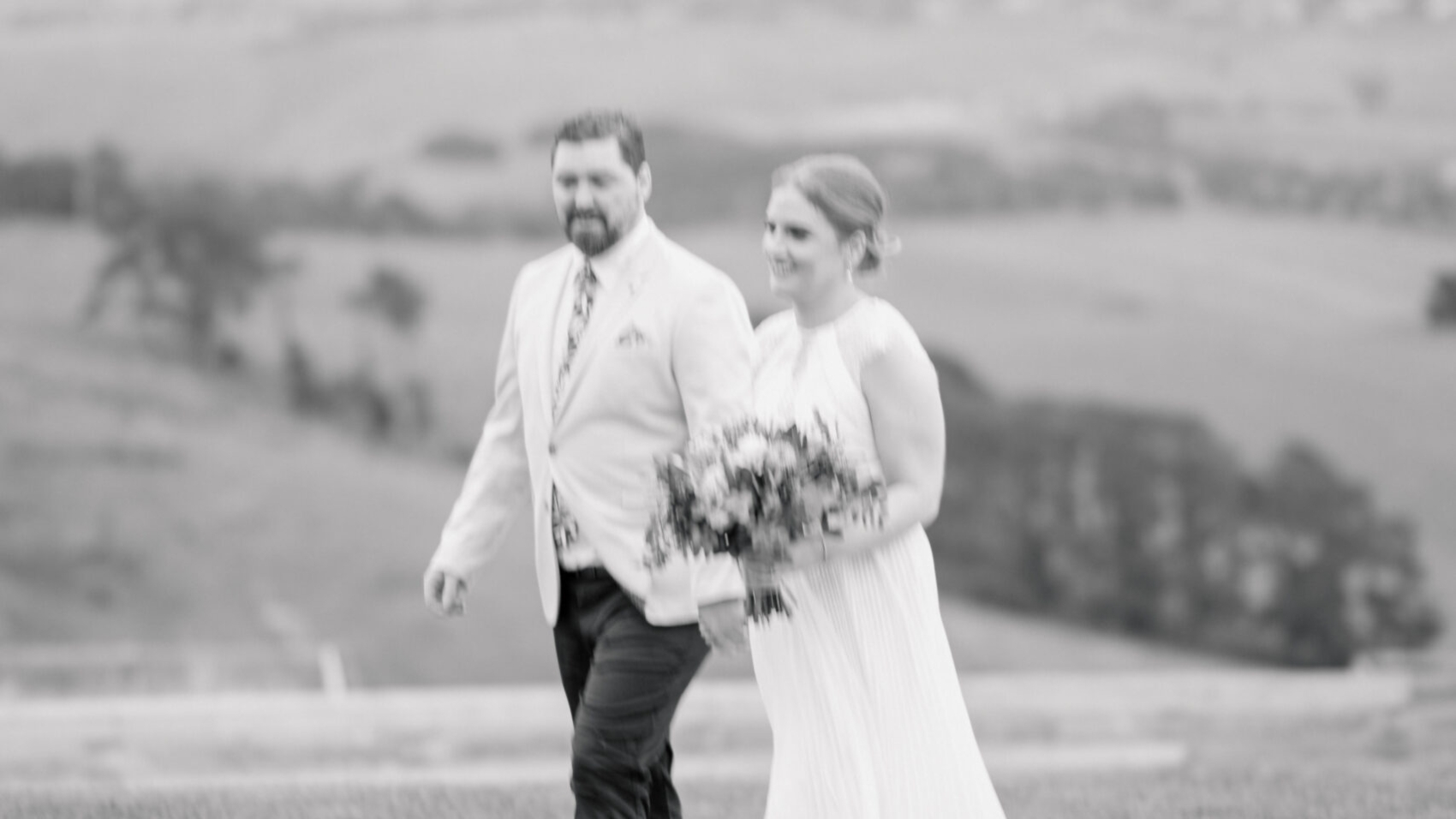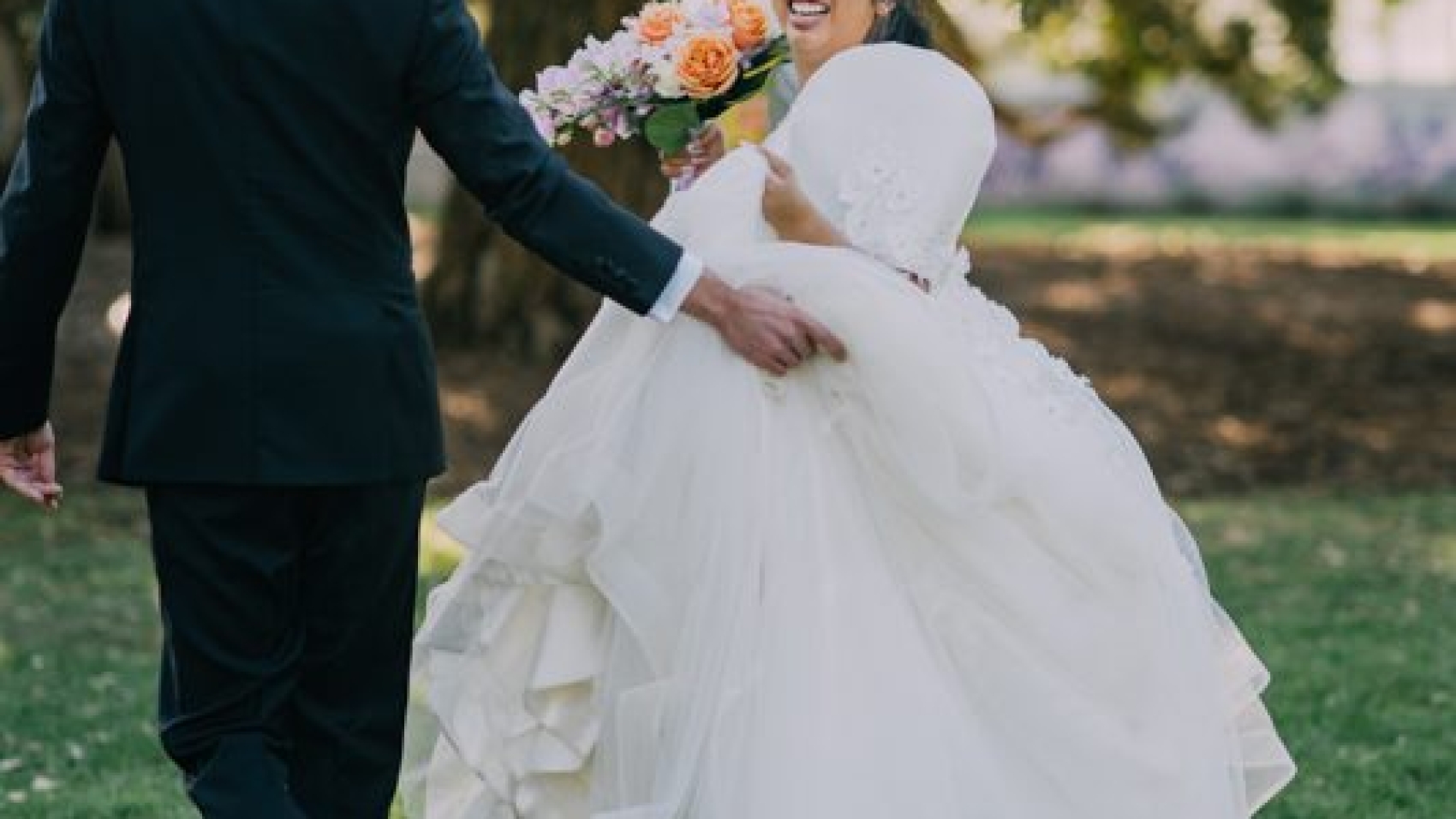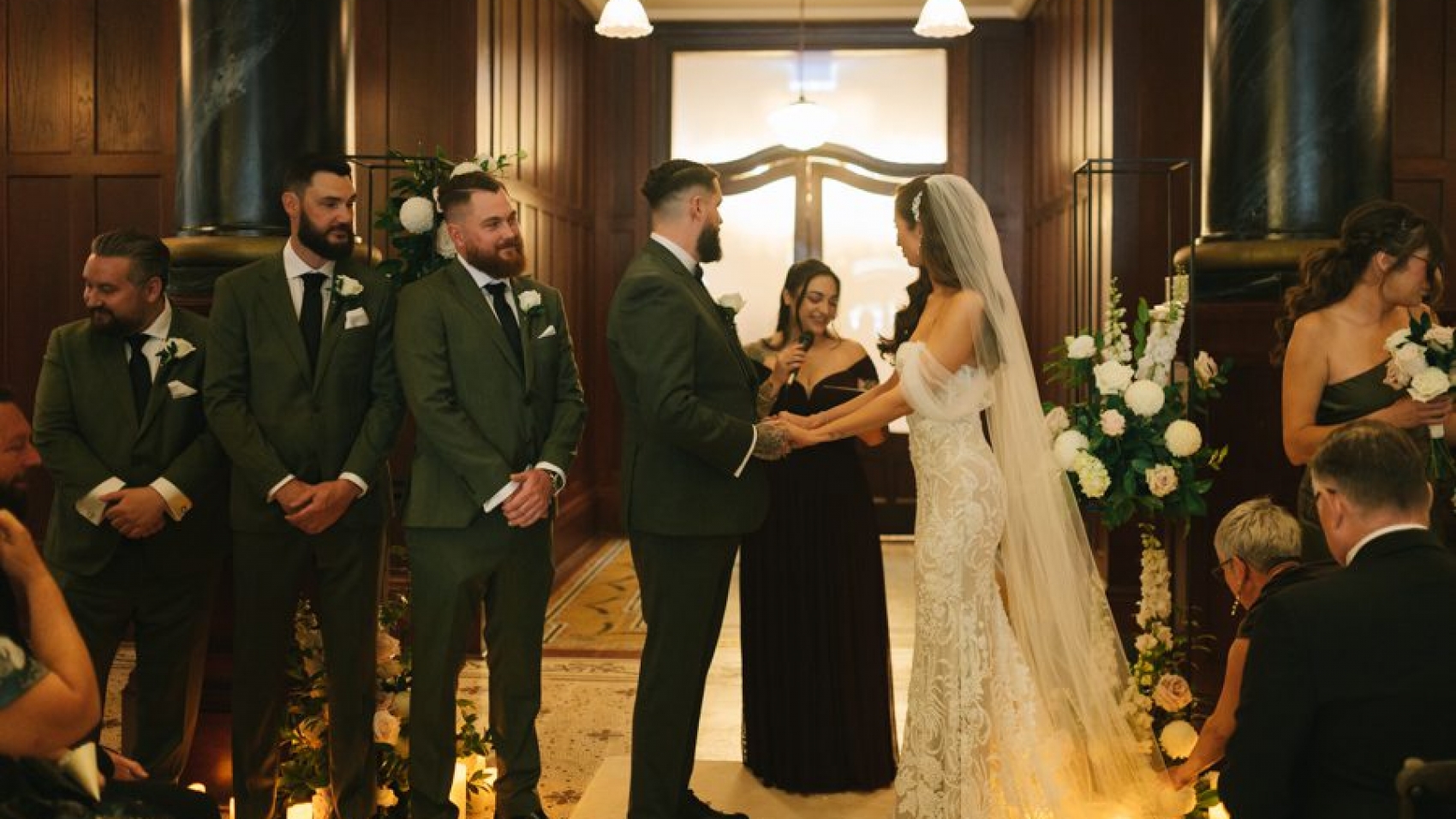

wedding photography melbourne

Key points for taking wedding photos in Melbourne’s natural scenic spots

Capturing Romance in Melbourne’s Natural Landscapes: Essential Tips for Wedding Photography

Melbourne’s diverse natural scenery—from rugged coastlines and lush rainforests to serene lakes and golden beaches—offers couples endless opportunities for breathtaking wedding portraits. Whether you’re drawn to the drama of the Great Ocean Road or the tranquility of the Yarra Valley, here’s how to make the most of Melbourne’s natural beauty in your wedding shoot.

wedding photography melbourne

Scouting Locations That Reflect Your Vision

Melbourne’s natural landscapes vary dramatically, so choose settings that align with your desired mood and style. Consider the time of year, as seasons transform even familiar spots into entirely new scenes.

Coastal Charm: The Great Ocean Road and Beyond

For couples seeking dramatic, windswept beauty, the Great Ocean Road is unmatched. Iconic spots like the Twelve Apostles or Loch Ard Gorge provide a striking backdrop of towering limestone stacks and turquoise waters. Early mornings minimize crowds and offer soft, diffused light, perfect for intimate portraits. If you prefer quieter shores, explore hidden beaches along the coast, where sand dunes and tidal pools create dynamic compositions. Remember to check tide times to avoid getting stranded or missing key shots.

Forest Serenity: The Dandenong Ranges and Yarra Valley

The Dandenong Ranges, just east of Melbourne, boast dense rainforests, fern-filled gullies, and towering mountain ash trees. Look for moss-covered logs, winding paths, and sunlight filtering through the canopy to add depth to your images. The Yarra Valley, famed for its vineyards, also offers rolling hills and reflective dams. Position the couple beneath a canopy of autumn leaves or beside a tranquil lake at sunset for a romantic, earthy vibe. Both regions are accessible year-round, though autumn’s golden hues or spring’s wildflowers add extra magic.

Urban Oases: Parks and Gardens Within the City

Melbourne’s urban parks blend natural beauty with convenience, ideal for couples who want a mix of greenery and city vibes. The Royal Botanic Gardens Victoria, with its manicured lawns, exotic plant collections, and ornamental lakes, provides a lush, romantic setting. For a wildflower-filled shoot, visit the Dandenong Ranges Botanic Garden in spring, when azaleas and rhododendrons burst into bloom. Even smaller parks like Fitzroy Gardens or Treasury Gardens offer quiet corners with heritage oaks and fountains, perfect for candid moments.

Lighting Techniques for Natural Settings

Natural light is your greatest asset in outdoor shoots, but mastering it requires planning and adaptability. Here’s how to use light to enhance your images.

Golden Hour: The Magic of Soft, Warm Light

Golden hour—the hour after sunrise or before sunset—casts a golden glow that flatters skin tones and adds warmth to landscapes. Schedule key shots during this time, positioning the couple to face the light or using it to backlight their silhouettes. For coastal shoots, golden hour light often reflects off the water, creating a shimmering effect. In forests, it filters through trees, highlighting textures like bark and foliage. Arrive early to set up, as this light fades quickly.

Overcast Skies: Even, Diffused Light for Subtlety

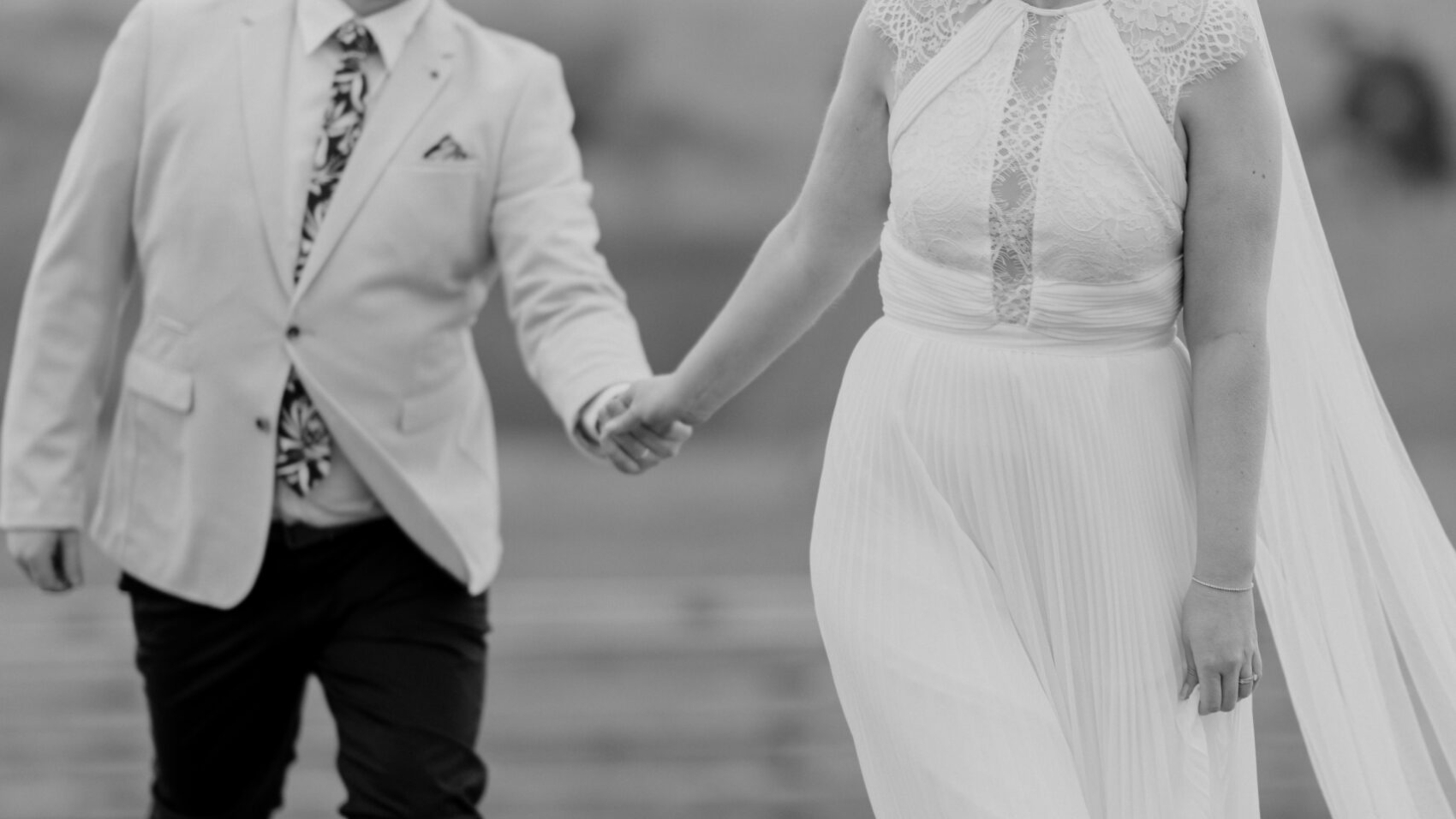
Cloudy days may seem gloomy, but they’re ideal for avoiding harsh shadows and blown-out highlights. Overcast light is soft and even, making it perfect for shooting in brightly lit areas like beaches or open fields. Use this time to focus on details like the bride’s lace veil or the groom’s boutonnière, or to capture the couple walking hand-in-hand without worrying about squinting. If the weather turns stormy, seek shelter under a tree canopy or beside a rocky outcrop to continue shooting.

Backlighting and Silhouettes for Dramatic Effect

Backlighting—placing the light source behind the subject—creates a halo effect that separates the couple from the background, adding depth and dimension. Use it during golden hour or sunset to highlight the bride’s veil or the groom’s jacket lapels. For a bolder approach, shoot silhouettes against a bright sky or reflective water surface. Have the couple stand close together, arms around each other, to emphasize their connection. This technique works best when the background is uncluttered, like an open beach or a clear lake.

Posing and Composition for Natural Elegance

Natural settings call for poses that feel relaxed yet intentional, blending the couple seamlessly into their surroundings. Here’s how to strike the right balance.

Embracing Movement for Authenticity

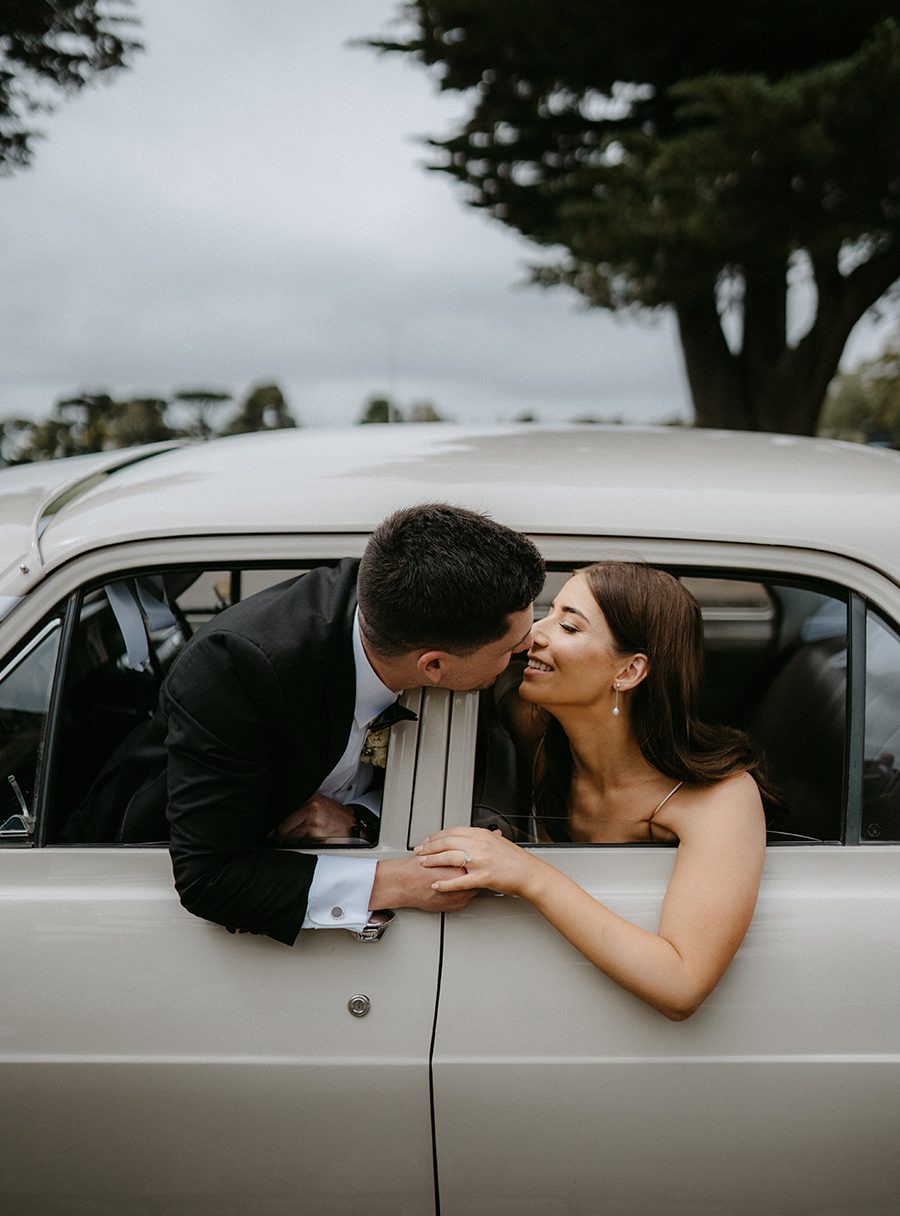
Static poses can feel stiff in outdoor settings. Encourage the couple to interact naturally—have the bride twirl her dress as she walks, or ask the groom to lift the bride slightly for a playful moment. Movement adds energy and life to images, especially in windy coastal or forest scenes. For a subtle approach, have the couple lean into each other or share a quiet laugh while resting against a tree trunk. These poses feel genuine and heartfelt, contrasting beautifully with the grandeur of nature.

Using the Environment to Frame the Couple

Natural elements like tree branches, rock formations, or archways can act as frames, drawing attention to the couple. Position them beneath a canopy of leaves, beside a moss-covered boulder, or within a doorway-like rock formation. This technique adds context and depth, making the images feel immersive. For beach shoots, use driftwood, sand dunes, or tidal pools to create leading lines that guide the viewer’s eye toward the couple. Always check the background for distractions like litter or overly busy textures that might compete for attention.

Capturing Candid Moments in Natural Light

Candid shots often become the most cherished images, as they capture genuine emotions and interactions. To encourage natural behavior, give the couple a simple prompt—like “whisper something funny to each other” or “hold each other tightly and close your eyes”—and let the camera catch the result. Shoot from a distance or use a long lens to avoid making them self-conscious. These moments feel especially powerful when set against a dramatic landscape, like a stormy sky or a vast ocean, emphasizing the couple’s connection amidst the vastness of nature.

Wardrobe and Accessory Tips for Outdoor Shoots

The couple’s attire should complement the natural setting without overpowering it. Here’s how to choose outfits that enhance the scenery.

Flowing Fabrics and Earthy Tones

For the bride, a dress with lightweight, flowing fabric like chiffon or tulle moves beautifully in the breeze, adding dynamism to coastal or forest shots. Earthy tones like ivory, blush, or sage green blend harmoniously with natural backdrops, while bold colors can create striking contrasts—think a deep red gown against a sandy beach or a bright yellow dress amidst autumn foliage. The groom’s outfit should balance formality and comfort—a linen suit or tailored chinos in neutral tones like beige, navy, or gray pairs well with most settings, while a patterned tie or pocket square adds personality.

Accessories That Enhance the Scene

Accessories can tie the entire look together while reflecting the environment. The bride might wear a floral crown made of wildflowers or greenery for a bohemian vibe, or a delicate headpiece that catches the light. The groom could opt for a wooden boutonnière or a leather belt that matches his shoes. For beach shoots, consider barefoot portraits or ankle bracelets made of shells or beads. A parasol or picnic basket can add a playful, storybook element to forest or garden shots, making the images feel whimsical and romantic.

Footwear for Comfort and Style

Comfortable shoes are essential for outdoor shoots, as you’ll likely be walking on uneven terrain like sand, rocks, or grass. The bride might wear wedge heels or block sandals for beach shoots, as they’re less likely to sink into the sand than stilettos. For forest or mountain settings, flat ankle boots or elegant sneakers provide support without sacrificing style. The groom can choose loafers or brogues with rubber soles for grip. Bring a spare pair of comfortable shoes for walking between locations, and switch into dressier options for posed shots.

By combining Melbourne’s stunning natural landscapes with thoughtful posing, lighting, and wardrobe choices, you’ll create wedding images that feel both timeless and uniquely personal. Whether you’re capturing the drama of the coast or the tranquility of a forest glade, these tips will help you craft portraits that echo the romance of nature—right in the heart of Melbourne.
DSC03968

Wedding photography tips for European-style architecture in Melbourne

Mastering European-Inspired Wedding Photography in Melbourne: Tips for Timeless Elegance

Melbourne’s blend of heritage architecture and modern charm makes it a dream destination for couples seeking European-inspired wedding photography. From grand Victorian facades to cobblestone streets reminiscent of Paris or Rome, the city offers a wealth of settings to craft romantic, elegant portraits. Here’s how to capture the essence of European sophistication in your Melbourne wedding shoot.

wedding photography melbourne

Scouting for Authentic European-Style Backdrops

Melbourne’s CBD and inner suburbs are dotted with buildings that evoke the grandeur of Europe. Start your search in areas like Collins Street, where 19th-century banks and boutiques feature ornate columns, arched windows, and intricate stonework. The Royal Exhibition Building, a UNESCO World Heritage Site, boasts a neoclassical dome and frescoed ceilings, perfect for dramatic interior shots. For a more intimate feel, explore Fitzroy’s laneways, where wrought-iron balconies and pastel-hued townhouses create a quaint, continental atmosphere.

Embracing Architectural Details

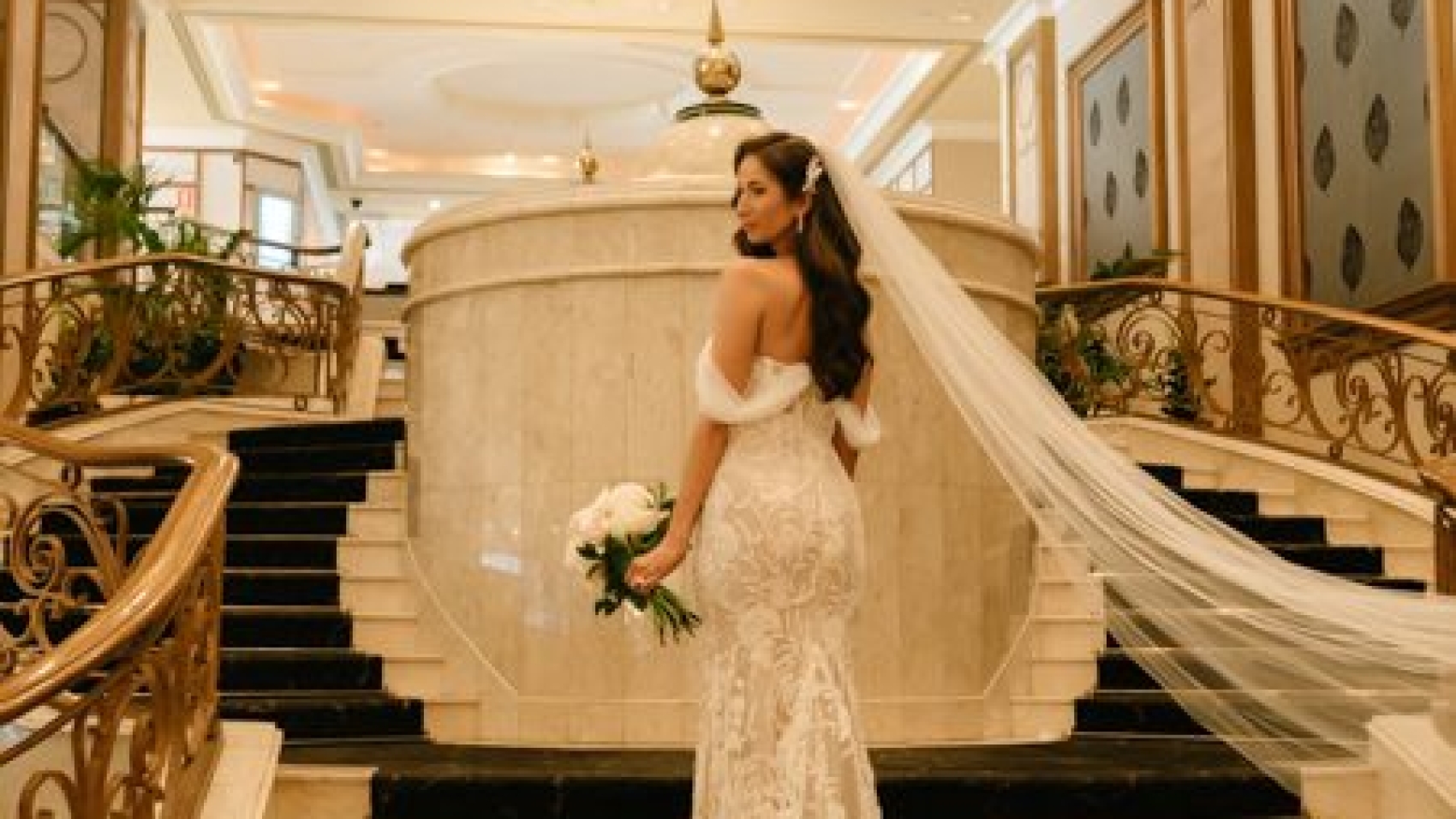
Focus on elements that define European design: grand staircases, decorative moldings, and symmetrical compositions. Use a wide-angle lens to capture the full height of a columned entrance or a sweeping staircase, guiding the viewer’s eye toward the couple. For closer shots, highlight textures like weathered stone, carved wood, or wrought-iron railings. These details add depth and authenticity to your images, making the setting feel less like a backdrop and more like a character in the story.

Incorporating Natural Light and Shadows

European architecture often plays with light and shadow, creating dramatic contrasts that enhance mood. Schedule your shoot during golden hour, when the low sun casts a warm glow on facades and highlights intricate details. Position the couple near windows or doorways to let natural light frame their faces, or use shadows to add mystery—for example, capturing their silhouette against a brightly lit archway. If shooting indoors, look for rooms with large windows or skylights to mimic the airy feel of European galleries or atriums.

Posing and Composition Techniques for European Elegance

European-inspired wedding photography thrives on poise and refinement. Encourage the couple to adopt relaxed yet intentional poses that complement the grandeur of their surroundings. Here’s how to strike the right balance.

Classic Poses with a Modern Twist

Traditional European portraits often feature couples standing or sitting formally, but adding subtle movement can inject personality. Have the bride twirl her dress slightly as she walks up a staircase, or ask the groom to lean casually against a stone wall while the bride rests her hand on his shoulder. These poses feel natural yet polished, avoiding stiffness while maintaining elegance. For seated shots, choose ornate benches or wrought-iron chairs to anchor the composition, keeping the couple’s posture upright but not rigid.

Using Leading Lines and Symmetry

European architecture is full of geometric patterns—arches, columns, and repeating windows—that can guide the viewer’s eye. Position the couple at the end of a hallway, within a doorway, or beside a row of columns to create leading lines that draw attention to their connection. Symmetry is another powerful tool: frame them between two identical pillars or have them stand in the center of a grand staircase. These techniques add balance and harmony, making the images feel intentional and visually pleasing.

Capturing Candid Moments in Grand Settings

While posed shots are essential, candid interactions can bring warmth to European-inspired photography. Have the couple share a quiet laugh while leaning against a balcony railing, or capture the moment they steal a kiss beneath a streetlamp. These unscripted moments feel authentic and heartfelt, contrasting beautifully with the formality of the architecture. To encourage natural behavior, give the couple a simple prompt—like “whisper something funny to each other”—and let the camera catch the result.

Timing Your Shoot for the Perfect Atmosphere

The time of day and weather can transform even the most stunning location. Here’s how to plan your shoot to suit European aesthetics.

Golden Hour and Blue Hour Magic

Golden hour—the hour after sunrise or before sunset—bathes everything in a soft, warm light that flatters skin tones and highlights architectural details. Schedule outdoor shots during this time, positioning the couple to face the light or using it to backlight their silhouettes. Blue hour, the period just after sunset, offers a cooler, moodier tone. Use it to capture the city’s lights twinkling against darkening skies, or take long-exposure shots of illuminated facades for a dreamy effect.

Overcast Days for Soft, Even Light

Cloudy skies may seem uninspiring, but they’re ideal for avoiding harsh shadows and blown-out highlights. Overcast light is diffused and even, making it perfect for shooting in brightly lit areas like courtyards or glass-fronted buildings. Use this time to focus on details like the bride’s lace veil or the groom’s cufflinks, or to capture the couple walking hand-in-hand down a quiet street without worrying about squinting or uneven lighting.

Rainy Days for Romantic Reflections

A light drizzle can add a touch of romance to European-style shoots. Puddles on cobblestone streets or wet stone facades create reflective surfaces that double the visual impact of your images. Have the couple stand near a puddle, capturing their reflection alongside the architecture above. Rain also softens colors, giving images a muted, timeless quality. If the weather turns stormy, seek shelter under a grand awning or inside a glass-roofed atrium to continue shooting without getting drenched.

Dressing the Part: Wardrobe Tips for European-Inspired Shoots

The couple’s attire should complement the elegance of their surroundings without overpowering it. Here’s how to choose outfits that enhance the European aesthetic.

Timeless Silhouettes and Fabrics

For the bride, a classic A-line or ball gown with a fitted bodice and full skirt echoes the grandeur of European royalty. Look for fabrics like silk, satin, or lace, which drape beautifully and catch the light. A long veil adds drama, especially when flowing in the breeze near a grand staircase or open window. The groom’s outfit should balance formality and comfort—a tailored suit in neutral tones like navy, gray, or black pairs well with most settings, while a waistcoat or pocket square adds a touch of old-world charm.

Accessories That Elevate the Look

Accessories can tie the entire look together. The bride might wear a pearl necklace or vintage-inspired hairpins, while the groom could opt for a pocket watch or cufflinks with intricate designs. A bouquet of roses, lilies, or peonies in soft pastels or rich jewel tones complements European aesthetics, as do parasols or gloves for a vintage touch. Encourage the couple to choose accessories that feel meaningful to them, adding personal flair to the timeless setting.

Footwear for Comfort and Style

Comfortable shoes are essential, as you’ll likely be walking between locations. The bride might wear low-heeled pumps or elegant flats that match her dress, while the groom can choose polished loafers or brogues. If the shoot includes cobblestone streets or uneven terrain, avoid stilettos or thin-soled shoes that could sink or slip. Bring a spare pair of comfortable shoes for walking, and switch into dressier options for posed shots.

By combining Melbourne’s European-inspired architecture with thoughtful posing, lighting, and wardrobe choices, you’ll create wedding images that feel both timeless and uniquely personal. Whether you’re capturing the grandeur of a heritage building or the intimacy of a cobblestone lane, these tips will help you craft portraits that echo the romance of Europe—right in the heart of Melbourne.

DSC03874

Photography route in the free tram area of Melbourne

Exploring Melbourne’s Free Tram Zone: A Photography Route Guide

Melbourne’s Free Tram Zone, spanning the central business district (CBD) and Docklands, offers a cost-effective way to capture the city’s iconic landmarks and vibrant streetscapes. This guide outlines a photography-focused route, highlighting key stops, cultural hotspots, and practical tips for maximizing your shoot.

wedding photography melbourne

Navigating the Free Tram Zone

The Free Tram Zone covers a rectangular area bordered by Spring Street to the north, Flinders Street to the east, Victoria Street to the west, and the Yarra River to the south. Within this zone, all trams are free, eliminating the need for a Myki card. Look for stations marked with “Free Tram Zone” signs to ensure you’re within the boundary. Trams outside this zone require a Myki card, charged at a flat rate of AUD 5.50 for two hours or AUD 11.00 for a daily pass.

Key Routes and Stops

The 35 City Circle Tram, a retro-styled route, loops around the CBD and Docklands, stopping at major attractions. Operating from 10:00 AM to 6:00 PM Sunday–Wednesday and until 9:00 PM Thursday–Saturday, it’s ideal for daytime and early-evening shoots. For flexibility, combine the 35 with other free trams within the zone, such as those along Elizabeth Street or Swanston Street.

Must-Visit Photography Spots Along the Route

Flinders Street Station and Federation Square

Start your journey at Flinders Street Station, a heritage-listed landmark with its iconic yellow facade and arched windows. Capture the station’s grandeur from across the road, using the Yarra River as a reflective backdrop. Nearby, Federation Square’s geometric architecture and digital art installations provide modern contrast. Shoot during golden hour for warm tones or at night when the square’s lights illuminate the space.

Docklands and Melbourne Star Observation Wheel

Board the 35 Tram to Docklands, a waterfront precinct blending urban development with maritime charm. The Melbourne Star, a 120-meter-tall observation wheel, dominates the skyline. Photograph it from ground level for scale or ride to the top for panoramic views of the city and Port Phillip Bay. The area’s modern sculptures and waterfront promenades offer additional creative opportunities.

Queen Victoria Market and Cultural Precinct

Exit the Free Tram Zone briefly (if needed) to visit Queen Victoria Market, a historic open-air market selling fresh produce, artisanal goods, and street food. Capture the bustling atmosphere or focus on architectural details like the market’s wrought-iron gates. Nearby, the Melbourne Museum and Royal Exhibition Building showcase colonial-era design, while the State Library of Victoria’s domed reading room provides a serene interior shot.

Chinatown and Hidden Laneways

Explore Melbourne’s vibrant Chinatown, centered around Little Bourke Street. The area’s red lanterns, traditional shops, and street art create a lively backdrop. Wander into nearby laneways like Hosier Lane, famous for its ever-changing graffiti murals. Use a wide-angle lens to emphasize the contrast between narrow alleys and towering skyscrapers.

Timing Your Shoot for Optimal Light

  • Golden Hour: Early mornings and late afternoons offer soft, directional light ideal for portraits and architectural details. Position subjects near windows or reflective surfaces to enhance warmth.
  • Blue Hour: After sunset, the sky takes on a deep blue hue, perfect for long-exposure shots of illuminated landmarks. Use a tripod to capture motion blur from passing trams or flowing water.
  • Midday: While harsh, midday light can highlight textures. Seek shaded areas or use reflectors to soften shadows on faces.

Practical Tips for a Smooth Shoot

  • Check Timetables: The 35 Tram runs every 12 minutes, but services may vary on weekends. Use the PTV app or Google Maps for real-time updates.
  • Dress Comfortably: Wear sturdy shoes for walking between stops and layers to adapt to changing weather.
  • Respect Privacy: Avoid photographing people without consent, especially in crowded areas like markets or festivals.
  • Explore Off-Peak: Visit popular spots early to avoid crowds, ensuring cleaner compositions and uninterrupted shooting time.

Capturing Melbourne’s Essence

Melbourne’s Free Tram Zone is more than a transportation network—it’s a curated journey through the city’s history, culture, and modernity. By combining the 35 City Circle Tram with strategic stops, you’ll create a visual narrative that reflects Melbourne’s dynamic spirit. Whether you’re drawn to its heritage landmarks, street art, or waterfront vistas, this route ensures you’ll leave with a portfolio as diverse as the city itself.

DSC03792

Melbourne City skyline wedding photo shoot

Melbourne City Skyline Wedding Photography: A Guide to Capturing Romance Against Urban Splendor

Melbourne’s skyline is a dynamic blend of modern architecture, historic landmarks, and sparkling waterways, making it an ideal backdrop for wedding portraits that are both elegant and urban-chic. Whether you’re drawn to the glittering lights of the CBD, the serene reflections along the Yarra River, or the iconic silhouettes of buildings like Federation Square, the city offers endless opportunities to create stunning, memorable images. Here’s how to make the most of Melbourne’s urban charm for your wedding photos.

wedding photography melbourne

Choosing the Perfect Time of Day for Soft, Flattering Light

The quality of light can transform even the most familiar cityscape into a magical setting for wedding photography. For a romantic, golden-hour glow, schedule your shoot around sunrise or sunset. During these times, the sun’s low angle casts a warm, diffused light that flatters skin tones and adds a dreamy quality to your images. Position the couple near windows or open spaces with views of the skyline, allowing the soft light to wrap around them while the city begins to twinkle in the background.

If you prefer cooler tones and a more dramatic atmosphere, consider shooting during the blue hour—the period just after sunset or before sunrise when the sky takes on a deep, moody blue hue. This time of day is perfect for capturing the city’s lights as they come to life, creating a striking contrast between the darkening sky and the illuminated buildings. Use a tripod for long-exposure shots of the skyline, blurring moving elements like cars or boats to add a sense of motion and energy to your photos.

Midday light can be harsh, but it’s ideal for highlighting architectural details and creating bold, high-contrast images. Look for shaded areas near tall buildings or under bridges to soften the light on the couple’s faces while still capturing the vibrant colors of the city. Alternatively, embrace the brightness by using it to create silhouettes against the skyline, emphasizing the couple’s shapes and the iconic outlines of Melbourne’s landmarks.

Exploring Iconic Locations with Urban and Natural Blends

Melbourne’s skyline isn’t confined to glass towers and concrete—it’s intertwined with parks, rivers, and historic sites that offer unique perspectives for wedding photography. Start your shoot along the Yarra River, where the water’s reflections create a mirror-like effect that doubles the impact of the city’s lights. Position the couple near the edge of the river, with the skyline rising behind them, or capture them walking hand-in-hand along the promenade as boats glide by.

For a mix of urban and natural beauty, head to Birrarung Marr, a riverside park that offers unobstructed views of the CBD. The park’s open lawns and sculptural installations provide a contemporary setting for portraits, while the nearby Federation Square adds a touch of cultural flair. Use the park’s pathways to guide the viewer’s eye toward the couple, framing them against the backdrop of towering skyscrapers and historic buildings.

Don’t overlook Melbourne’s rooftop bars and terraces, which offer elevated vantage points with panoramic views of the city. Many venues allow photography sessions during off-peak hours, providing a private space to capture intimate moments against the skyline. Whether you’re shooting during the day or at night, rooftops offer a unique perspective that highlights the city’s verticality and energy.

Incorporating Movement and Interaction for Authentic Emotion

Stiff, posed photos can feel forced in an urban setting, so encourage the couple to interact naturally with each other and their surroundings. Have them share a quiet laugh while leaning against a railing, or capture the moment they steal a kiss beneath a streetlight. These candid shots convey genuine emotion and make the city feel like a living, breathing part of their love story.

To add a sense of dynamism to your images, incorporate movement into your compositions. Have the couple walk briskly along a busy street, with the blur of passing pedestrians and traffic creating a sense of urban energy. Or ask them to twirl in an open plaza, their dress or suit catching the wind as the skyline spins around them. These playful moments add life and personality to your photos, making them feel more spontaneous and heartfelt.

Another way to create movement is by using reflections and shadows. Look for puddles after rain or shiny surfaces like glass buildings to capture the couple’s reflections, doubling the visual impact of your shots. Alternatively, use the long shadows cast by tall buildings during sunrise or sunset to create interesting patterns on the ground, framing the couple within these geometric shapes for a modern, artistic feel.

Timing Your Shoot to Avoid Crowds and Capture the City’s Rhythm

Melbourne’s CBD can get busy, especially during weekdays and weekends, so timing your shoot is key to avoiding crowds and capturing the city at its most photogenic. Early mornings are ideal for quiet, empty streets and soft, golden light, while late afternoons offer a more relaxed atmosphere as the city winds down. If you’re shooting during peak hours, look for less-traveled alleys or side streets that offer a quieter, more intimate setting.

Be mindful of events and festivals that might temporarily alter the city’s landscape. Major sporting events, concerts, or cultural celebrations can bring extra energy to the streets, but they can also make photography more challenging due to crowds and road closures. Check local calendars beforehand and plan your shoot around these events if possible, or embrace the chaos by incorporating the festive atmosphere into your images.

Finally, dress the couple in outfits that complement the urban setting. A sleek, modern suit or a flowing, elegant dress will stand out against the city’s architecture, while neutral tones like white, black, or gray help the couple blend harmoniously with the surroundings. Encourage them to wear comfortable shoes, as you’ll likely be walking between locations, and bring a change of accessories like a jacket or scarf to adapt to changing weather conditions.

From the glittering lights of the CBD to the serene reflections along the Yarra River, Melbourne’s skyline offers a wealth of opportunities for wedding photography that’s both sophisticated and full of personality. By choosing the right time of day, exploring iconic locations, incorporating movement, and timing your shoot thoughtfully, you can create images that capture the essence of the city and the love it witnesses.

WUU00416

Photographed at the Rockard Grand Canyon in Melbourne

Capturing the Majesty of Loch Ard Gorge: A Photography Guide for Melbourne’s Iconic Coastal Site

Loch Ard Gorge, nestled along Victoria’s Great Ocean Road, is a breathtaking blend of towering limestone cliffs, turquoise waters, and hidden coves. Named after the 19th-century shipwreck Loch Ard, this site offers a dramatic yet serene setting for photography, whether you’re capturing landscapes, portraits, or storytelling moments. Here’s how to make the most of your shoot at this natural wonder.

wedding photography melbourne

Mastering Light and Shadow for Dramatic Compositions

The interplay of light and shadow at Loch Ard Gorge changes with the time of day, creating endless opportunities for striking images. During sunrise, the soft golden light filters through the cliffs, casting a warm glow on the sand and water. Position yourself near the entrance of the gorge to capture the first rays illuminating the archways, creating a sense of depth and mystery. This time of day is ideal for silhouettes, with the rising sun backlighting the cliffs or even a couple standing at the water’s edge.

Midday light can be harsh, but it’s perfect for highlighting the textures of the limestone cliffs. Look for areas where the sun casts sharp shadows, emphasizing the ruggedness of the rock formations. Use a polarizing filter to reduce glare on the water and enhance the vibrant blues of the ocean. If shooting portraits, seek shade under overhangs or use a reflector to soften harsh shadows on faces, ensuring your subjects remain the focal point.

Sunset at Loch Ard Gorge is nothing short of magical. As the sun dips below the horizon, the sky erupts in fiery oranges, pinks, and purples, reflecting off the water and cliffs. Position yourself near the western-facing cliffs to capture the full spectrum of colors, or head to the beach for long-exposure shots of waves crashing against the rocks. The low angle of the light during this time creates long, dramatic shadows that add a sense of scale to your images.

Exploring Unique Perspectives and Vantage Points

To truly capture the essence of Loch Ard Gorge, venture beyond the main viewing platforms and explore less-traveled paths. Start by walking along the cliff tops to find elevated vantage points that offer sweeping views of the gorge and the surrounding coastline. From here, you can photograph the archways from above, emphasizing their grandeur against the vastness of the ocean.

For a more intimate perspective, descend into the gorge itself. The narrow pathways and hidden coves provide a sense of scale and isolation, making them ideal for portrait photography. Have your subject stand near the base of the cliffs, with the towering rock formations framing them from either side. This creates a powerful composition that highlights both the beauty of the person and the awe-inspiring environment.

Don’t overlook the beach at the bottom of the gorge. The smooth, wet sand acts as a natural mirror, reflecting the cliffs and sky above. During low tide, capture symmetrical shots by positioning your subject in the center of the frame, with their reflection stretching out beneath them. This technique adds a surreal, dreamlike quality to your images.

Incorporating Storytelling Elements into Your Shots

Loch Ard Gorge is steeped in history, and incorporating elements of its past can add depth and meaning to your photographs. Research the story of the Loch Ard shipwreck, which occurred in 1878, and look for ways to reference it in your compositions. For example, you could photograph a couple standing near the “Island Archway,” once part of the mainland but now separated by centuries of erosion, symbolizing the passage of time and the endurance of love.

Another way to tell a story is by focusing on the interaction between humans and nature. Capture a hiker exploring the cliffs, a child playing in the sand, or a couple sharing a quiet moment as waves crash nearby. These images convey a sense of connection to the land and its history, making them more than just pretty pictures—they become narratives of place and experience.

You can also use props or clothing to hint at the site’s maritime heritage. A vintage-style hat, a weathered map, or even a replica ship’s wheel can add a touch of nostalgia to your shots. Just be sure the props don’t overpower the scene; they should complement the natural beauty of Loch Ard Gorge rather than detract from it.

Timing Your Visit for Optimal Conditions

To avoid crowds and capture the best light, plan your shoot for early morning or late afternoon. The gorge can get busy during peak tourist hours, especially in summer, so arriving at sunrise or staying until sunset ensures you’ll have the place mostly to yourself. Check the weather forecast beforehand, as overcast skies can create a moody, atmospheric feel, while clear days are better for vibrant colors and long exposures.

Be mindful of the tides, as they can significantly alter the landscape. High tide covers much of the beach, leaving only narrow strips of sand, while low tide reveals hidden rock pools and wider expanses of shoreline. If you’re planning to shoot on the beach, time your visit accordingly to make the most of the available space.

Finally, wear sturdy shoes and dress in layers, as the weather along the coast can change quickly. Bring a backpack with essentials like water, snacks, and a first-aid kit, especially if you plan to explore the more remote areas of the gorge. By coming prepared, you’ll be able to focus on capturing stunning images without worrying about logistics.

From its towering cliffs to its hidden coves, Loch Ard Gorge offers a wealth of opportunities for photographers seeking to capture the raw beauty of Victoria’s coastline. By mastering light, exploring unique perspectives, and incorporating storytelling elements, you can create images that resonate with emotion and leave a lasting impression.

DSC08983

Wedding photography in Apollo Bay, Melbourne

Capturing Eternal Love: A Guide to Wedding Photography in Apollo Bay, Melbourne

Apollo Bay, a coastal haven along Victoria’s Great Ocean Road, offers a blend of rugged cliffs, serene beaches, and lush rainforests—a dream setting for couples seeking romantic wedding portraits. Its laid-back charm and dramatic landscapes create a versatile backdrop for photos that feel both timeless and adventurous. Here’s how to make the most of this iconic location for your special day.

wedding photography melbourne

Embrace the Magic of Golden Hour

The soft, golden light of sunrise and sunset transforms Apollo Bay’s scenery into a warm, glowing canvas. Start early to capture the quiet beauty of dawn, when the beach is nearly empty and the sky paints itself in hues of pink and orange. Position the couple near the water’s edge, with the rising sun casting a delicate halo around them. This creates a flattering, ethereal glow that enhances skin tones and adds depth to the image.

As the day winds down, return to the beach for sunset shots. Use the setting sun to backlight the couple, creating silhouettes that emphasize their connection. For a more intimate feel, have them stand close together, their faces partially illuminated by the last rays of light. If the sky is clear, experiment with long exposures to capture the movement of waves as they gently lap the shore, adding a sense of calm to the scene.

During midday, when the sun is high, seek shelter under the shade of tall trees or use a diffuser to soften harsh shadows. This is ideal for capturing close-up shots of the couple’s expressions or details like the bride’s bouquet or the groom’s boutonniere. The dappled light filtering through the leaves can add a whimsical touch to these images.

Use the Coastal Landscape as Your Frame

Apollo Bay’s natural features provide endless opportunities for creative framing. Start by exploring the rocky outcrops that dot the shoreline. Have the couple stand between two large rocks, using them to create a natural window that draws attention to their faces. Alternatively, position them near a cliff edge, with the vast ocean stretching out behind them, symbolizing the boundless nature of their love.

For a softer look, head to the sandy stretches of the beach. Use the curves of the shoreline to guide the viewer’s eye toward the couple, or have them lie down on the sand, forming a heart shape with their bodies. This playful pose works especially well during low tide when the beach is at its widest.

Don’t forget about the surrounding rainforest. Venture into the lush greenery for shots that contrast the couple’s elegance with nature’s raw beauty. Have them stand beneath a canopy of trees, with sunlight filtering through the leaves, or capture them walking hand-in-hand along a moss-covered path. These images add variety to your portfolio and showcase the diversity of Apollo Bay’s landscapes.

Incorporate Movement for Authentic Emotion

Stiff, posed photos can feel forced and unnatural. Instead, encourage the couple to interact genuinely with each other and their surroundings. Have the groom spin the bride gently, capturing the swirl of her dress as it catches the breeze. Or ask them to share a quiet moment, whispering sweet nothings into each other’s ears while you snap candid shots of their smiles and laughter.

For a more dynamic feel, include elements of the environment in your compositions. Have the couple kick up sand as they walk along the beach, or capture the moment a wave crashes against the rocks behind them. These small details add energy and movement to your photos, making them feel more alive and spontaneous.

Another fun idea is to use props that reflect the couple’s personality or the location itself. A picnic basket filled with local treats, a vintage camera, or even a kite can add a personal touch to your shots. Just make sure the props don’t overpower the main focus—the couple and their love for each other.

Timing and Preparation Tips for a Smooth Shoot

To ensure your wedding photography session in Apollo Bay goes smoothly, timing is everything. Visit the location ahead of time to scout out the best spots for different times of day and weather conditions. Check tide charts to plan beach shots around high or low tide, and be aware of any seasonal changes that might affect the landscape.

Weather can be unpredictable along the coast, so come prepared with a backup plan in case of rain or strong winds. A lightweight umbrella or a sheltered spot nearby can save the day if the weather turns sour. Dress the couple in layers so they can stay comfortable regardless of the temperature, and encourage them to wear shoes that are easy to walk in on uneven terrain.

Finally, communicate openly with the couple about their vision for the photos. Ask them about their favorite spots in Apollo Bay or any special memories they’d like to incorporate into the shoot. By understanding their preferences and building a rapport, you’ll be able to capture images that truly reflect their unique love story.

From golden sunsets to rugged cliffs and lush rainforests, Apollo Bay offers a wealth of opportunities for creating stunning wedding portraits. By embracing the natural beauty of the location and focusing on genuine emotion, you can craft images that will be cherished for a lifetime.

DSC02042

Wedding dress composition at Eagle Rock Beach in Melbourne

Capturing Romance at Melbourne’s Eagle Rock Beach: A Photography Guide for Brides and Grooms

Eagle Rock Beach, nestled along Melbourne’s rugged coastline, offers a dramatic blend of jagged cliffs, turquoise waters, and golden sand—a perfect canvas for couples seeking timeless wedding portraits. Unlike crowded tourist spots, this hidden gem provides a serene yet dynamic setting where natural elements become storytelling tools. Here’s how to craft unforgettable compositions that resonate with authenticity and emotion.

wedding photography melbourne

Leveraging Natural Light for Cinematic Drama

The golden hours—sunrise and sunset—transform Eagle Rock’s landscape into a painter’s palette. Position couples facing west during sunset to bathe them in warm, diffused light, which softens skin tones and highlights the texture of wedding attire. For a moody aesthetic, shoot during twilight when the sky transitions to deep indigo, using a tripod to capture long exposures of waves crashing against rocks. This creates a dreamy contrast between the stillness of the couple and the movement of the ocean.

When the sun is high, seek shade under overhanging cliffs or use reflectors to bounce light onto faces, avoiding harsh shadows. For backlit shots, expose for the subject’s skin tones while letting the background blow out, creating a halo effect around the couple. This technique works especially well when capturing silhouettes against the ocean during midday.

Incorporating Geological Features as Framing Devices

Eagle Rock’s iconic cliffs and tidal pools serve as natural frames that draw attention to the couple. Position them near the base of a cliff, using the rock formation to create a triangular composition that leads the eye toward their faces. Alternatively, shoot through an archway of rocks, placing the bride and groom in the center for a sense of intimacy amid grandeur.

During low tide, explore tidal pools reflecting the sky. Have the couple stand at the edge, with their reflection visible in the water, doubling the visual impact. For dynamic shots, capture the moment waves crash into rock crevices, freezing the spray in mid-air with a fast shutter speed. This adds energy to otherwise static poses.

Dynamic Posing and Movement to Convey Emotion

Avoid stiff, posed shots by encouraging natural interaction. Have the groom whisper something playful into the bride’s ear while she laughs, or ask them to hold hands and walk along the shoreline, capturing the gentle sway of their dresses in the breeze. For a candid moment, let them sit on a rock, facing each other, and hold hands while gazing into each other’s eyes—this creates a timeless, heartfelt image.

Incorporate movement by having the bride twirl her dress or toss her veil into the air, using a burst mode to capture the fabric’s flow. For a dramatic effect, shoot from a low angle as the couple walks away, their figures silhouetted against the ocean, with the bride’s train trailing behind. This evokes a sense of journey and adventure.

Using the Environment to Tell a Story

Eagle Rock’s untamed beauty lends itself to narrative-driven photography. Frame the couple with a lone seagull flying overhead, symbolizing freedom, or capture them standing near a weathered wooden post, hinting at the passage of time. During winter, include frost-covered rocks or mist rolling in from the sea to add a layer of ethereal mystery.

For a playful twist, have the couple interact with the environment—the bride could dip her toes in a tidal pool while the groom steadies her, or they could share a kiss while perched on a moss-covered boulder. These small details ground the images in reality while elevating them to art.

Final Tips for Success

  • Timing is key: Visit during weekdays to avoid crowds, and check tide charts to plan shots around high or low water levels.
  • Safety first: Ensure the couple wears sturdy shoes for rocky terrain and avoids slippery surfaces near waves.
  • Embrace imperfection: Let the wind tousle hair or the dress get slightly wet—these “flaws” often become the most memorable parts of the photos.

By harmonizing with Eagle Rock Beach’s natural rhythm and focusing on genuine emotion, couples can create wedding portraits that feel both epic and intimate—a celebration of love set against one of Melbourne’s most breathtaking backdrops.

DSC02004

A photo taken in the forest of the Dandonnon Mountains in Melbourne

Melbourne’s Dandenong Ranges: A Lush Canvas for Forest Photography

Just an hour’s drive east of Melbourne’s bustling city center lies the Dandenong Ranges, a verdant mountain range celebrated for its misty forests, vibrant flora, and tranquil atmosphere. This natural haven offers photographers a rich tapestry of textures, colors, and moods, making it an ideal destination for capturing everything from ethereal landscapes to intimate portraits. Whether you’re a seasoned professional or an enthusiastic amateur, the Dandenong Ranges provide endless opportunities to create striking, memorable images.

wedding photography melbourne

Discovering the Enchantment of Ferntree Gully National Park

At the heart of the Dandenong Ranges lies Ferntree Gully National Park, a protected area renowned for its towering mountain ash trees, cascading waterfalls, and dense fern gullies. The park’s most iconic landmark, The 1000 Steps, is a challenging but rewarding trail that winds through lush rainforest and offers panoramic views of the surrounding valleys. Photographers often use the steps as a dynamic element in their compositions, capturing the interplay of light and shadow on the stone path or the determination of hikers making their ascent.

For a quieter experience, explore the park’s lesser-known trails, such as the Corridors of Oak walk, which meanders through ancient oak trees and moss-covered boulders. The soft, diffused light filtering through the canopy creates a magical ambiance, perfect for capturing moody portraits or delicate macro shots of ferns and wildflowers. Early mornings are particularly magical, as mist clings to the forest floor, adding an otherworldly quality to your images.

Embracing the Diversity of Alfred Nicholas Memorial Gardens

Adjacent to Ferntree Gully National Park, the Alfred Nicholas Memorial Gardens offer a more curated yet equally captivating setting for photography. These historic gardens, established in the early 20th century, feature a serene lake, Japanese-inspired bridges, and manicured lawns surrounded by native and exotic trees. The gardens’ centerpiece, a picturesque boathouse, is often reflected in the still waters, creating a symmetrical composition that photographers love to exploit.

During autumn, the gardens transform into a kaleidoscope of color as deciduous trees shed their leaves in shades of gold, crimson, and amber. This seasonal shift provides a unique opportunity to capture the contrast between the vibrant foliage and the evergreen ferns that dominate the understory. For a creative twist, try experimenting with long exposures to blur the movement of falling leaves, adding a sense of motion to your still images.

Exploring the Hidden Gems of Sherbrooke Forest

Sherbrooke Forest, part of the Dandenong Ranges National Park, is a haven for wildlife enthusiasts and photographers alike. Known for its dense canopy of mountain ash and lush undergrowth, this forest is home to a variety of native birds, including the iconic lyrebird, which mimics the sounds of its surroundings with remarkable accuracy. Capturing these elusive creatures in their natural habitat requires patience and a quiet approach, but the results can be truly extraordinary.

The forest’s network of trails, such as the Sherbrooke Falls Track, leads to secluded waterfalls and tranquil pools that provide stunning backdrops for photography. The sound of rushing water and the cool, damp air create a sensory experience that enhances the visual beauty of the scene. Look for opportunities to incorporate leading lines—such as fallen logs or winding paths—into your compositions to guide the viewer’s eye through the image.

Practical Tips for a Successful Forest Shoot

To make the most of your time in the Dandenong Ranges, consider these practical tips:

  • Choose the right gear: A sturdy tripod is essential for capturing sharp images in low-light conditions, especially when shooting near waterfalls or in dense forest. A wide-angle lens is ideal for landscapes, while a macro lens can help you capture the intricate details of ferns and flowers.
  • Time your visit wisely: The best light for forest photography is often found during the golden hours of sunrise or sunset, when the soft, warm light filters through the canopy. Midday sunlight can be harsh and create unflattering shadows, so seek out shaded areas or use a diffuser if shooting during peak hours.
  • Dress appropriately: The forest floor can be uneven and slippery, so wear sturdy, waterproof footwear with good grip. Layered clothing is also advisable, as temperatures can vary significantly between sunlit clearings and shaded gullies.
  • Respect the environment: Stay on designated trails to avoid damaging delicate flora, and avoid disturbing wildlife. Carry out any trash and leave the forest as pristine as you found it to help preserve this natural treasure for future generations.

Capturing the Essence of the Ranges

The Dandenong Ranges are more than just a backdrop for photography; they’re a living, breathing ecosystem that inspires creativity and connection. Whether you’re drawn to the grandeur of towering trees, the serenity of hidden waterfalls, or the vibrant colors of seasonal foliage, this region offers a wealth of opportunities to capture images that resonate with emotion and beauty.

For those seeking a deeper connection with the land, consider incorporating elements of storytelling into your photography. Focus on capturing the interactions between humans and nature, or the subtle changes that occur from season to season. By doing so, you’ll not only create visually stunning images but also tell a richer, more meaningful story about this extraordinary place.

The Dandenong Ranges are a photographer’s paradise, offering a blend of natural beauty, cultural heritage, and tranquility that is rare to find. Whether you’re documenting a special occasion, exploring your creative side, or simply celebrating the joy of being in nature, this enchanting region promises to deliver images that are as timeless as they are unforgettable.

DSC02448

Photographed by the seaside in the town of Coth, Melbourne

Capturing Timeless Moments: A Guide to Seaside Photography in Melbourne’s Cosy Town of Sorrento

Nestled along the Mornington Peninsula’s southern coastline, Sorrento is a charming seaside town that blends historic charm with coastal serenity. Its pristine beaches, rugged cliffs, and vibrant local culture make it an ideal destination for couples, families, or solo travelers seeking to capture authentic, memorable photographs. Whether you’re planning a professional shoot or a casual snapshot session, Sorrento’s diverse landscapes and laid-back atmosphere offer endless creative possibilities.

wedding photography melbourne

Exploring Sorrento’s Iconic Beaches

Sorrento’s coastline is dotted with stretches of golden sand and turquoise waters, each offering a distinct vibe for photography. Mills Beach, with its calm, shallow waters and family-friendly environment, is perfect for capturing candid moments of joy and playfulness. The beach’s gentle slope and soft light during early mornings or late afternoons create a dreamy backdrop for portraits or group shots.

For those seeking dramatic scenery, Sorrento Back Beach is a must-visit. Known for its rugged cliffs and powerful waves, this spot adds a sense of scale and intensity to your images. The contrast between the dark volcanic rocks and the frothy white surf provides a striking visual element, especially during stormy weather or sunset. Photographers often use long exposures here to blur the motion of the waves, creating a surreal, ethereal effect.

Coastal Walks and Hidden Gems

Sorrento’s coastal trails are a treasure trove for photographers looking to escape the crowds and discover hidden corners. The Sorrento to Portsea Coastal Trail winds through native bushland and offers sweeping views of the Bass Strait. Along the way, you’ll encounter secluded coves, tidal rock pools, and panoramic lookout points—all ideal for capturing the raw beauty of the coastline.

For a more intimate setting, explore the area around Polperro Dolphin Swims, where you can photograph the interaction between humans and marine life. Even if you’re not swimming, the pier and surrounding waters provide a picturesque setting for capturing reflections or silhouettes against the horizon. Early risers will be rewarded with soft morning light that enhances the textures of the wooden structures and the tranquil water.

Embracing Sorrento’s Historic and Cultural Elements

Sorrento’s rich history adds depth to any photographic narrative. The town’s main street, Ocean Beach Road, is lined with heritage buildings, boutique shops, and cafes that exude a timeless elegance. Incorporating these elements into your shoot can add a narrative layer, whether you’re aiming for a vintage-inspired look or a modern contrast between old and new.

Don’t miss the Sorrento Pier, a historic landmark that has served as a focal point for the community for over a century. Its weathered wooden planks and rusted ironwork tell a story of resilience and tradition. Photographing the pier during low tide reveals intricate patterns in the sand and rocks, while high tide creates a mirror-like reflection that doubles the visual impact.

Practical Tips for a Successful Shoot

To make the most of your time in Sorrento, consider these practical tips:

  • Timing is key: The golden hours shortly after sunrise or before sunset offer the softest, most flattering light. Midday sunlight can be harsh, so seek shade or use diffusers if shooting during peak hours.
  • Dress for the setting: Light, breathable fabrics work well for beach shoots, while earthy tones complement the coastal landscapes. Avoid overly bright colors that might distract from the natural beauty.
  • Respect the environment: Sorrento’s beaches and trails are fragile ecosystems. Stick to designated paths, avoid disturbing wildlife, and carry out any trash to help preserve the area’s pristine condition.
  • Check the tides: Some locations, like rock pools or coves, may only be accessible during low tide. Use a tide chart or app to plan your shoot accordingly.

Capturing Authentic Moments

Sorrento’s relaxed atmosphere encourages spontaneity and genuine interactions. Instead of focusing solely on posed shots, try to capture candid moments—a child’s laughter, a couple’s quiet embrace, or a friend’s playful gesture. These unscripted scenes often resonate more deeply and tell a richer story than staged compositions.

For those working with professional photographers, communicate your vision clearly but remain open to suggestions. Local experts often know the best hidden spots and can offer insights into lighting conditions or seasonal changes that might affect your shoot.

Sorrento’s blend of natural beauty, cultural heritage, and laid-back charm makes it a versatile canvas for photographers of all levels. Whether you’re documenting a special occasion or simply celebrating the joy of being in the moment, this coastal gem promises to deliver images that are as timeless as they are unforgettable.

DSC02613

Wedding photo shoot at Pt. Leo Winery in Melbourne

Melbourne’s Pt Leo Estate: A Dreamy Backdrop for Wedding Photography

Nestled on the Mornington Peninsula, just an hour’s drive from Melbourne’s CBD, Pt Leo Estate has emerged as a premier destination for couples seeking a blend of natural beauty and artistic elegance for their wedding photography. This sprawling 330-acre property, recognized as one of Australia’s top wineries, offers a unique fusion of vineyard landscapes, sculptural art installations, and gourmet experiences—making it an ideal canvas for capturing timeless moments.

wedding photography melbourne

Sculptural Art Meets Vineyard Romance

Pt Leo Estate’s outdoor sculpture park is a photographer’s paradise. The collection, curated by the estate’s art-loving owner, features works by renowned artists, including a striking KAWS sculpture that has become a viral sensation. These larger-than-life installations create dramatic contrasts against the rolling hills and rows of grapevines, offering endless opportunities for creative compositions.

For couples planning their shoot, the park’s golden-hour lighting—particularly between 3 PM and 5 PM—casts a soft, ethereal glow over the sculptures, perfect for moody silhouettes or romantic portraits. The estate’s open-air design ensures ample space for movement, allowing photographers to experiment with angles and perspectives. Pro tip: Opt for flowing fabrics or lightweight gowns that catch the breeze, enhancing the dynamic interplay between the art and the natural surroundings.

Gourmet Experiences That Elevate the Shoot

While the visual appeal of Pt Leo Estate is undeniable, its culinary offerings add another layer of sophistication to the experience. The estate’s dining venues, including the high-end Laura restaurant and the more casual terrace, are renowned for their seasonal menus crafted from locally sourced ingredients. Couples can incorporate a pre-shoot meal or post-shoot tasting into their itinerary, using the elegant settings as backdrops for casual, unposed moments.

The wine pairing experience is particularly noteworthy. The estate’s sommeliers expertly match dishes with their signature varietals, creating a sensory journey that complements the visual storytelling of the shoot. Imagine capturing a toast with a glass of sparkling rosé against the backdrop of a sunset-drenched vineyard—a scene that epitomizes refined romance.

Practical Considerations for a Seamless Shoot

To ensure a stress-free experience, advance planning is key. The estate’s restaurant and sculpture park operate on separate reservation systems, so booking both in advance is essential, especially during peak seasons. For those opting to explore the park independently, a modest entry fee applies, though dining guests receive complimentary access.

Comfort and practicality should not be overlooked. The estate’s terrain includes gravel paths and uneven surfaces, so sturdy footwear is advisable for navigating between locations. Additionally, the coastal climate can be unpredictable, so packing layers and weather-resistant accessories ensures flexibility if conditions shift unexpectedly.

Beyond the Lens: Creating Lasting Memories

Pt Leo Estate’s appeal extends beyond its aesthetic and culinary offerings. The property’s serene ambiance and artistic ambiance foster genuine moments of connection, allowing couples to relax and be present in the moment. Whether it’s a quiet stroll through the vineyards or a shared laugh beside a whimsical sculpture, these unscripted interactions often yield the most heartfelt photographs.

For those seeking inspiration, the estate’s website and social media channels showcase a wealth of ideas, from intimate elopements to grand celebrations. Many couples also draw inspiration from real-life stories shared by past visitors, incorporating personalized touches—such as handwritten vows or heirloom accessories—to infuse their shoot with meaning.

In the end, Pt Leo Estate offers more than just a picturesque setting; it provides a holistic experience that celebrates love, art, and the joy of sharing life’s milestones in a place of extraordinary beauty. For couples dreaming of a wedding shoot that is as unique as their love story, this Mornington Peninsula gem delivers on every front.