71251 sp-191

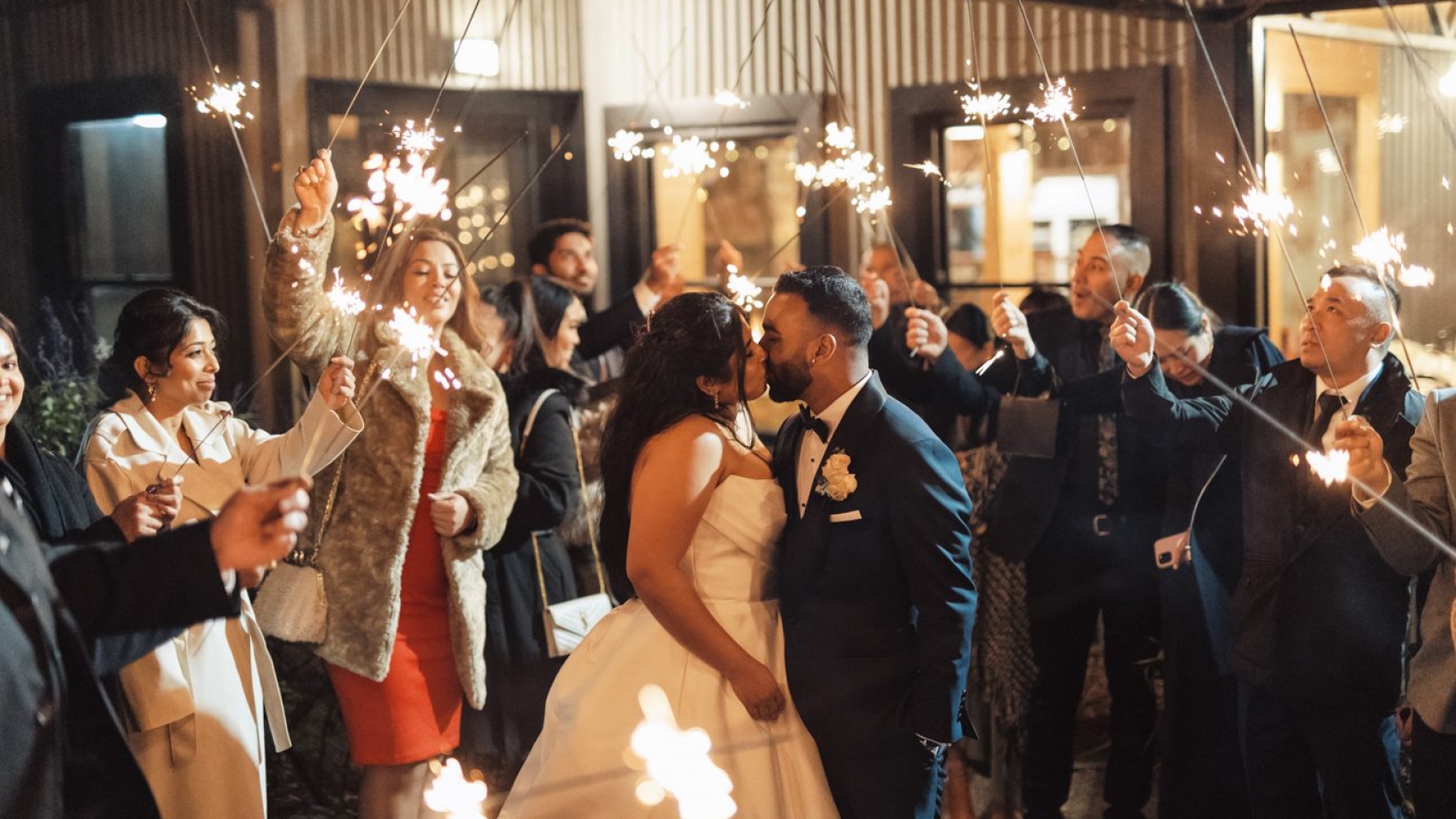
Arrangement for family photo shoot during wedding dress photography in Melbourne

Melbourne Wedding Photography: Organizing Unforgettable Family Portraits

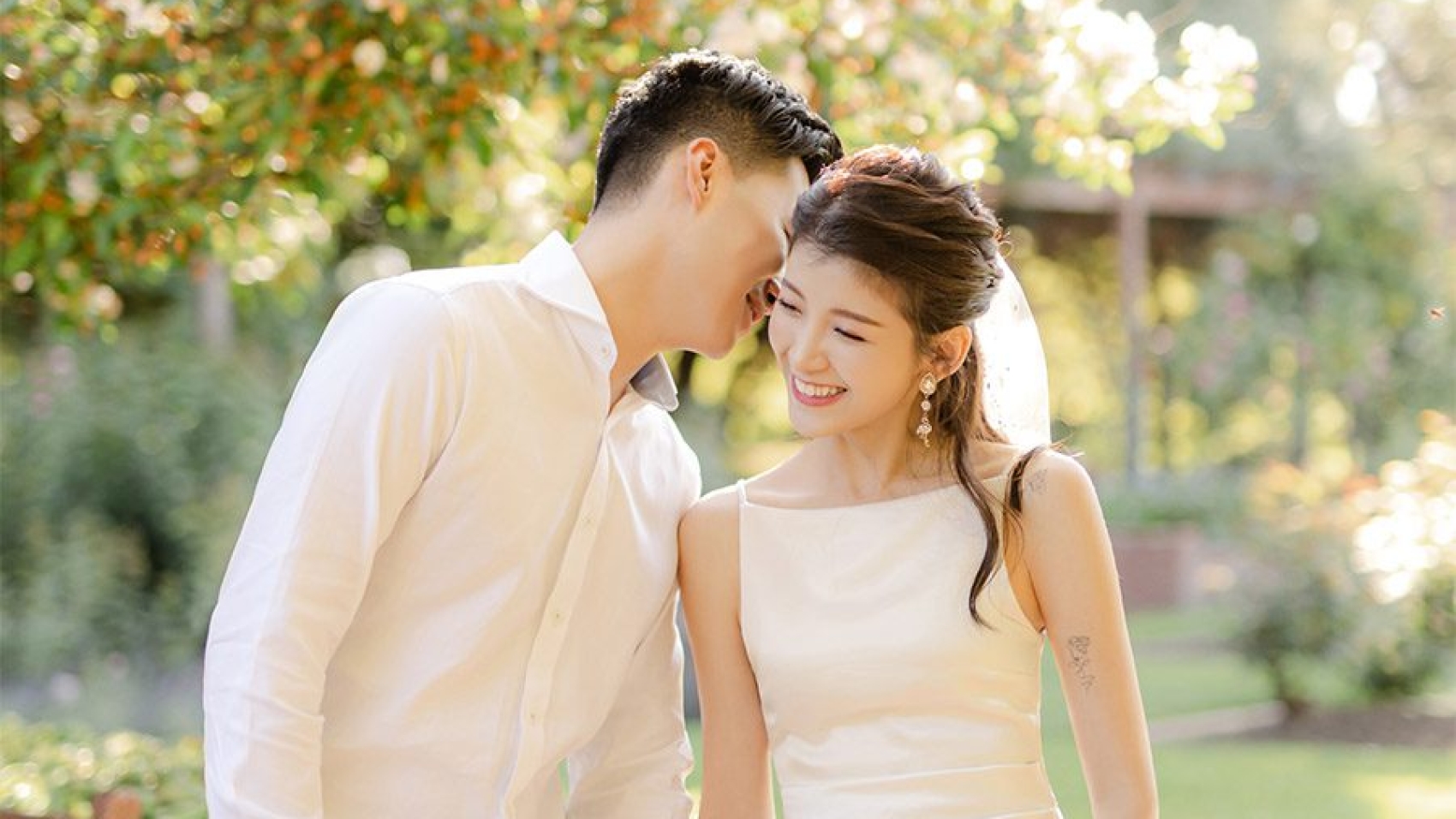
Your wedding day is a milestone that brings generations together, and family portraits are a cherished way to document these bonds. In Melbourne, with its blend of urban charm and natural beauty, creating meaningful family photos requires thoughtful planning. Here’s how to ensure your family shots are both elegant and authentic.
wedding photography melbourne

Selecting Locations That Reflect Your Story

Urban Elegance vs. Natural Serenity

Melbourne offers diverse backdrops for family portraits. For a sophisticated urban feel, consider historic venues like Government House or modern rooftop bars with skyline views. These settings suit families who appreciate clean lines and architectural details. Alternatively, parks such as Treasury Gardens or St Kilda Botanic Gardens provide lush greenery and a relaxed atmosphere, ideal for larger groups or families with young children.

Logistical Considerations

Choose locations that accommodate everyone comfortably. Ensure there’s enough space for group arrangements and seating for elderly relatives. If shooting outdoors, check weather forecasts and have a backup plan for rain. For indoor venues, confirm lighting conditions—natural light is best, but soft artificial lighting can work if needed.

Incorporating Personal Touches

Select a spot with sentimental value, like the park where you had your first date or a café your family frequents. This adds depth to your photos and sparks genuine emotions. If your family has cultural traditions, discuss how to weave them into the session—whether through attire, props, or poses.

Timing and Scheduling Strategies

Prioritizing Key Groups

Start by listing must-have family combinations: immediate family, grandparents, siblings, etc. Schedule these shots early in the day when everyone is fresh and energy levels are high. Keep sessions brief—10–15 minutes per group—to avoid fatigue. Assign a family member or wedding coordinator to help gather people and keep things organized.

Balancing Formal and Candid Shots

Formal portraits are essential, but candid moments often steal the show. After structured shots, encourage families to interact naturally—grandparents sharing a laugh, cousins playing together, or parents adjusting your veil. Photographers should capture these unscripted interactions from a distance to maintain authenticity.

Post-Ceremony Flexibility

If time allows, schedule a second round of family photos after the ceremony. By then, everyone is relaxed, and the formalities are over, leading to more spontaneous images. This is also a great opportunity to include extended family or friends who arrived later.

Posing and Group Dynamics

Creating Flattering Arrangements

Vary heights and positions to add visual interest. Place taller family members at the back or sides, with shorter members in front. Use props like chairs or benches to create layers—for example, have grandparents sit while others stand behind them. Avoid lining everyone up in a single row, which can look stiff. Instead, opt for staggered formations or casual clusters.

Encouraging Natural Interactions

Direct families to engage with each other rather than the camera. Suggest prompts like “Share a memory” or “Give each other a hug” to spark genuine smiles. For large groups, divide them into smaller subgroups (e.g., siblings, parents) for more intimate shots. Photographers should capture both wide-angle group shots and close-ups of individual expressions.

Handling Special Circumstances

If some family members have mobility issues, choose flat, accessible locations and provide seating. For young children, schedule shots during their peak alertness (usually mornings) and bring toys or snacks to keep them occupied. If cultural customs require specific poses or attire, communicate these to your photographer in advance.

Capturing Generational Connections

Highlighting Elderly Relatives

Grandparents often play a central role in family portraits. Give them prominent positions in shots and ensure they’re comfortable. Simple poses, like holding hands or sharing a smile, convey warmth without strain. Close-up shots of hands (e.g., a grandparent’s hand on your arm) add emotional depth.

Including Multiple Generations

Photos featuring four or five generations are priceless. Use props like heirlooms (a family Bible, antique jewelry) or activities (lighting candles, planting a tree) to symbolize unity. Keep these shots simple and focused on facial expressions to avoid distractions.

Documenting Cultural Traditions

If your family follows specific wedding customs (e.g., tea ceremonies, traditional dances), incorporate them into your portrait session. These rituals add cultural richness and tell a deeper story. Work with your photographer to plan these moments carefully, ensuring lighting and composition highlight their significance.

By planning thoughtfully and embracing spontaneity, your Melbourne wedding family portraits will become treasured keepsakes that celebrate love, heritage, and connection. Collaborate closely with your photographer to translate your vision into images that resonate for generations.
71251 sp-207

Melbourne wedding photography tips for bestie group photos

Melbourne Wedding Photography: Tips for Capturing Stunning Bridesmaid Group Shots

Your wedding day is a celebration of love, and your bridesmaids are there to share every joyful moment. Capturing meaningful group photos with your closest friends requires planning, creativity, and a focus on natural interactions. Here’s how to ensure your Melbourne wedding album includes unforgettable bridesmaid portraits.

wedding photography melbourne

Choosing the Right Locations

Leveraging Melbourne’s Iconic Backdrops

Melbourne offers a mix of urban and natural settings perfect for bridesmaid photos. For a modern vibe, consider rooftop venues with city skyline views or street art-lined lanes in neighborhoods like Hosier Lane. If you prefer a softer, romantic feel, parks such as Carlton Gardens or the Royal Botanic Gardens provide lush greenery and timeless charm. Coordinate with your photographer to scout locations that match your wedding’s aesthetic and allow enough space for group shots.

Time of Day Matters

Lighting can make or break a photo. Early mornings or late afternoons, known as the golden hour, offer soft, warm tones that flatter all skin types. Avoid midday sun, which creates harsh shadows and squinting expressions. If shooting indoors, choose venues with large windows or natural light sources. For evening ceremonies, discuss artificial lighting options with your photographer to ensure clarity without sacrificing ambiance.

Posing and Composition

Natural Poses Over Stiff Arrangements

Forced smiles and rigid poses feel outdated. Instead, encourage your bridesmaids to interact authentically. Try activities like walking hand-in-hand, sharing a laugh, or adjusting each other’s dresses or bouquets. Photographers can capture these moments from different angles—low shots for drama or overhead views for creativity. Mix full-group shots with smaller clusters to add variety to your album.

Playing with Height and Depth

Varying heights create visual interest. Ask taller bridesmaids to stand slightly behind or kneel in front, while shorter members take center positions. Use props like stairs, benches, or natural elements (rocks, logs) to add layers. Avoid lining everyone up in a single row, which can look flat. Instead, opt for staggered formations that guide the eye through the image.

Incorporating Movement

Static photos are lovely, but movement adds energy. Try twirling dresses, tossing bouquets, or dancing in unison. Photographers can use slow shutter speeds to blur motion slightly, creating a dreamy effect. For a playful twist, have bridesmaids jump or wave at the camera—just ensure the timing is coordinated to avoid blurry faces.

Wardrobe and Styling Coordination

Complementary Over Matching

Gone are the days of identical dresses. Instead, choose a color palette or theme that allows each bridesmaid to express her style. For example, if your wedding colors are blush and gold, bridesmaids could wear varying shades of pink or metallic accessories. Ensure fabrics and textures harmonize—avoid mixing heavy materials like velvet with lightweight chiffon, which can clash in photos.

Accessories and Details

Small touches elevate group shots. Consider coordinating hairstyles (e.g., all updos or loose waves) or adding统一 (unified) elements like matching jewelry, clutch bags, or shoes. If your bridesmaids have different dress styles, use accessories to tie the look together, such as identical floral corsages or sashes.

Practical Considerations

Comfort is key. Avoid overly tight or restrictive clothing that limits movement. Test outfits in advance to ensure bridesmaids can sit, dance, and pose without adjusting constantly. Bring backup items like bobby pins, safety pins, and stain removers to handle last-minute fixes.

Capturing Candid Emotions

The Power of Unscripted Moments

Some of the most memorable photos happen spontaneously. Encourage your bridesmaids to relax and be themselves. Photographers should stay alert to fleeting expressions—a shared joke, a tear of joy, or a reassuring hug. These images often feel more genuine than posed shots and tell a richer story of your friendship.

Group Dynamics and Chemistry

Every friendship group has its own rhythm. Some bridesmaids might be outgoing, while others are quieter. A skilled photographer will balance these personalities, ensuring everyone feels included. Group activities like writing messages on a chalkboard or holding signs with inside jokes can break the ice and create lighthearted photos.

Post-Ceremony Relaxation

After the formalities, bridesmaids often feel more at ease. Schedule a short post-ceremony session to capture candid interactions, like helping the bride change shoes or sharing a toast. These relaxed moments often yield the most heartfelt images.

By focusing on location, posing, styling, and authenticity, you’ll create bridesmaid photos that reflect the joy and connection of your wedding day. Collaborate closely with your photographer to translate your vision into timeless images you’ll treasure forever.

71251 sp-230

Pet Accompaniment Process for Wedding Dress Photography in Melbourne

Melbourne Wedding Photography with Pets: A Comprehensive Guide

Bringing your furry companion to your wedding day adds a layer of warmth and personality to your photos. Melbourne’s diverse venues and pet-friendly culture make it an ideal location for capturing these special moments. Here’s how to navigate the process seamlessly.

wedding photography melbourne

Pre-Wedding Preparation

Selecting a Pet-Inclusive Photographer

Not all photographers welcome pets, so prioritize those with experience in animal-assisted shoots. Look for portfolios featuring pets in wedding settings to assess their ability to handle spontaneous moments. During initial consultations, discuss your pet’s role—whether they’ll participate in formal portraits, walk down the aisle, or simply be present during candid shots. Clarify logistics like breaks, treats, and safety measures to ensure your pet remains comfortable throughout the session.

Venue Coordination

Many Melbourne venues allow pets, but restrictions may apply, especially in historic buildings or enclosed spaces. Contact your chosen location in advance to confirm their policy. For outdoor ceremonies in parks like Fitzroy Gardens or Royal Botanic Gardens, check if permits are required for commercial photography. If shooting in public areas, avoid peak hours to minimize distractions and ensure your pet’s safety.

Pet Grooming and Training

A clean, well-groomed pet photographs better. Schedule a bath or grooming session a day before the wedding. Basic training commands like “sit,” “stay,” and “come” are invaluable during shoots. If your pet is prone to anxiety, consider a calm collar or consult a vet about natural remedies. Pack a familiar toy or blanket to keep them relaxed on set.

On the Wedding Day

Timeline Integration

Incorporate your pet into the schedule strategically to avoid overwhelming them. For example, include them in morning preparations or a first-look session before the ceremony. Limit their involvement to 1–2 hours to prevent fatigue. Assign a trusted friend or family member to handle your pet during non-shooting periods, ensuring they have water, shade, and breaks as needed.

Capturing Candid Moments

Pets shine in unscripted interactions. Encourage playful moments, like the bride tossing a flower or the groom sharing a laugh with the dog. Photographers should use natural light whenever possible, positioning subjects in shaded areas to avoid harsh shadows. For indoor shots, choose venues with large windows or soft artificial lighting.

Formal Portraits with Pets

For structured portraits, keep sessions brief and upbeat. Use treats or toys to guide your pet’s attention toward the camera. If your pet struggles to sit still, opt for dynamic poses, such as walking hand-in-hand with your partner and your dog by your side. Photographers can also capture detail shots, like a paw resting on the bride’s dress or a ring placed beside a pet’s collar.

Post-Shoot Considerations

Image Selection and Editing

Review photos with your photographer to choose images that highlight your pet’s personality. Edits should maintain a natural look—avoid heavy filters that obscure fur textures or facial features. Consider creating a dedicated album or wall art featuring your pet to cherish these memories for years.

Pet Care After the Shoot

Reward your pet with praise, treats, and a quiet space to decompress. Monitor them for signs of stress, such as excessive panting or restlessness, and provide comfort as needed. If your pet wore a special accessory like a bowtie or floral collar, remove it gently to prevent irritation.

Legal and Ethical Reminders

Permits and Public Spaces

If shooting in public areas, respect local regulations. Some parks require permits for commercial photography, especially during peak seasons. Research rules in advance to avoid disruptions. Always clean up after your pet and keep them on a leash unless in designated off-leash zones.

Inclusivity and Safety

Ensure your pet’s presence doesn’t inconvenience guests or vendors. Provide clear instructions to handlers about boundaries, such as keeping pets away from food stations or delicate decorations. If your pet has a history of aggression, reconsider their role or hire a professional trainer to assist.

By planning thoughtfully and collaborating closely with your photographer, you can create a wedding album that celebrates love in all its forms—including the unconditional bond with your pet.

IMG_6417

Personalized elements of wedding photography are integrated into Melbourne.

Incorporating Personalized Elements into Melbourne Wedding Photography

Wedding photography in Melbourne thrives when it reflects the unique story, style, and personality of each couple. Beyond generic poses and predictable settings, personalized elements elevate images into timeless keepsakes. Here’s how to infuse your Melbourne wedding photos with authenticity and meaning.

wedding photography melbourne

Reflecting Your Relationship’s Story

Choosing Locations with Sentimental Value

Select venues that hold significance in your journey together. A first-date café, a park where you shared a picnic, or a street where you walked hand-in-hand can add emotional depth. For example, if you met at a Melbourne art gallery, incorporate its architecture or sculptures into your shoot. A photographer familiar with the city’s hidden gems can suggest spots like the Royal Botanic Gardens or the Yarra River’s serene banks for romantic backdrops.

Incorporating Shared Hobbies or Passions

Turn your interests into visual storytelling tools. If you both love music, include instruments like guitars or vinyl records in your photos. For book lovers, stack vintage novels or capture a quiet moment reading together. A couple who enjoys hiking might pose against Melbourne’s skyline from a lookout point, blending urban and natural elements. These details make your album feel uniquely yours.

Infusing Cultural or Family Traditions

Celebrating Heritage Through Attire or Rituals

Cultural symbols—whether through clothing, jewelry, or ceremonies—add layers of meaning. A bride might wear a family heirloom necklace, or a groom could incorporate traditional patterns into his suit. If your heritage involves specific rituals, like lighting candles or exchanging symbolic gifts, document these moments authentically. A photographer skilled in capturing candid emotions will ensure these traditions shine without feeling staged.

Blending Multiple Cultural Backgrounds

For multicultural couples, merging traditions creates a rich narrative. Combine elements like a fusion ceremony setup or a portrait session featuring attire from both cultures. For instance, a couple with Indian and Australian roots might pose in front of Melbourne’s Federation Square, wearing a sari and a tailored suit, with vibrant flowers or spices as props. This approach celebrates diversity while creating visually striking images.

Adding Creative Touches Through Props and Styling

Using Meaningful Objects as Props

Props don’t have to be elaborate—small, personal items can tell a story. A framed ultrasound photo for expecting parents, a love letter, or a map marking your travels together can serve as focal points. For a playful twist, use quirky items like vintage cameras, balloons, or even pets. A photographer with an eye for detail will arrange these elements naturally, ensuring they enhance rather than overwhelm the scene.

Experimenting with Styling and Themes

Themes tied to your personalities can guide your shoot’s aesthetic. A couple who loves vintage charm might opt for retro outfits and a location like a historic Melbourne pub. For a modern, minimalist vibe, choose clean lines, neutral tones, and urban settings like street art lanes. Even weather can inspire a theme—a rainy-day shoot with transparent umbrellas or a sunset session with golden-hour lighting adds drama and mood.

Capturing Candid Moments That Define You

Letting Your Personalities Shine

The best photos happen when couples forget the camera exists. Encourage interactions that feel genuine, like sharing a joke, stealing a kiss, or dancing to your favorite song. A photographer who prioritizes candid shots will capture these fleeting moments, turning them into heartfelt memories. For example, a couple who loves board games might pose mid-laugh over a Scrabble match, their joy radiating through the lens.

Documenting Unplanned Surprises

Embrace the unexpected—a sudden gust of wind, a passing street performer, or a spontaneous group hug can create magical photos. Stay open to improvisation during your shoot. If a friend crashes your portrait session with a silly prop or a vendor offers an impromptu dance, roll with it. These unscripted moments often become the most cherished images in your album.

Personalizing Your Photo Display and Sharing

Curating a Narrative-Driven Album

Instead of organizing photos chronologically, arrange them to tell your story. Start with your proposal, move through shared milestones, and end with your wedding day. Include captions or quotes that explain the significance of each image. For example, a photo of you both laughing during speeches could be paired with a line from your vows. This approach transforms your album into a visual love letter.

Sharing Your Story Online

When posting photos on social media or wedding websites, add context to engage viewers. Write short anecdotes about the locations, traditions, or props featured in your shoot. Use hashtags like #MelbourneWedding or #PersonalizedLoveStory to reach couples seeking inspiration. A photographer who understands storytelling can help craft captions that highlight the emotional resonance of each image.

By weaving personalized elements into every aspect of your Melbourne wedding photography—from location choices to candid interactions—you’ll create a collection of images that feels authentically, unforgettably yours. These details don’t just decorate your photos; they anchor them in the love, laughter, and unique bond you share.

z&d-sp-0040

Key Points for Communication and Cooperation in Melbourne Wedding Photography Sessions

Essential Communication and Coordination Tips for Melbourne Wedding Photography

Capturing timeless moments during a wedding in Melbourne requires more than technical skill—it hinges on seamless communication and coordination between couples, photographers, and vendors. From navigating unpredictable weather to ensuring natural poses, here’s how to foster collaboration for stunning results.

wedding photography melbourne

Building Trust Through Clear Communication

Pre-Shoot Consultations: Setting Expectations

Start with a detailed discussion about your vision, preferred styles, and must-have shots. Share inspiration boards or examples of lighting and compositions you admire. For instance, if you want golden-hour portraits, specify timelines to align with the sun’s position. Discuss logistical details like venue access, parking, and backup plans for rain or wind. A photographer experienced in Melbourne’s climate will recommend covered walkways or indoor alternatives if strong winds are forecast.

Real-Time Adjustments During the Shoot

Flexibility is key. If a sudden downpour disrupts outdoor plans, pivot to a nearby café or stylish building with natural light. Use weather apps to monitor conditions 48 hours in advance and adjust schedules accordingly. For example, scheduling the bride’s preparation photos an hour earlier can avoid midday harsh shadows. Keep communication lines open—if you feel awkward in a pose, speak up. A skilled photographer will guide you into flattering angles while maintaining a relaxed vibe.

Timing and Preparation: The Foundation of Success

Streamlining the Getting-Ready Phase

For brides, allocate 1.5–2 hours for preparation photos. Ensure all bridesmaids finish makeup before the photographer arrives to avoid delays. Encourage matching robes or pajamas for cohesive “behind-the-scenes” shots. For grooms, 45–60 minutes suffices—focus on accessories like cufflinks or watches for 5–10 minutes, then capture candid moments with groomsmen. A 35mm or 50mm prime lens works wonders for softening backgrounds and creating bokeh effects.

Leveraging Natural Light

Melbourne’s unpredictable weather demands adaptability. For outdoor ceremonies, aim for late afternoon when the sun is lower, casting a warm glow. If shooting indoors, use fully drawn curtains for high-key romantic lighting or partially closed ones for moody portraits. Pro tip: Place a large mirror strategically to reflect light and add depth to shots.

Capturing Authentic Moments: Beyond Posed Photos

Encouraging Candid Interactions

The best wedding photos often happen when couples forget the camera exists. Create a relaxed environment by playing music, sharing a drink, or reminiscing about your relationship. A photographer who specializes in candid shots will subtly direct you into natural poses—like holding hands or linking arms—while capturing genuine smiles. For group photos, use props like vintage signs or personalized items to tell your story.

Documenting Details That Matter

Small elements elevate your album. Ask the photographer to focus on rings, bouquets, table settings, or venue architecture. These shots add context and emotion, turning a collection of images into a narrative. For example, a close-up of the bride’s shoes peeking out from under her dress can symbolize readiness for the day ahead.

Weather-Proofing Your Shoot

Rain: Embrace the Drama

Don’t let rain dampen spirits—it can add magic to photos. Work with your photographer to find sheltered spots with interesting textures, like mossy walls or glass atriums. Use clear umbrellas as props or capture reflections in puddles. A pro tip: Pack wet wipes, tissues, and a compact mirror for quick touch-ups.

Wind: Staying Poised

Strong gusts can wreak havoc on hair and dresses. Opt for updos or pinned hairstyles and avoid flowy skirts if high winds are expected. Use double-sided tape to secure veils or lapels. If shooting outdoors, position the couple facing away from the wind to prevent flyaways.

Post-Shoot Follow-Up: Nurturing Relationships

Staying Connected After the Big Day

A photographer’s job doesn’t end with the last click. Send a heartfelt thank-you note or holiday greeting to maintain rapport. Share sneak peeks of edited photos to keep excitement alive and ask for feedback to improve future shoots. This builds trust and encourages referrals—a win-win for both parties.

Delivering on Promises

Set clear timelines for photo delivery and stick to them. If delays occur, communicate proactively and offer updates. Transparency fosters patience and understanding, ensuring couples remain enthusiastic about their final gallery.

By prioritizing communication, preparation, and adaptability, you’ll transform your Melbourne wedding photos into a cherished visual legacy. Remember: the goal isn’t just to document the day but to capture the love, joy, and authenticity that make it unforgettable.

wedding photography melbourne

Melbourne Wedding Photography Time Planning Tips

Melbourne Wedding Photography Timing Strategies: Crafting a Stress-Free Schedule for Your Big Day

Planning wedding photography in Melbourne requires meticulous timing to balance creativity, comfort, and logistical efficiency. From navigating the city’s unpredictable weather to coordinating with vendors, every minute counts. Below are actionable strategies to optimize your photography timeline, ensuring every moment is captured flawlessly.

wedding photography melbourne

Understanding Melbourne’s Light Patterns

Melbourne’s latitude and climate create distinct lighting conditions throughout the year, influencing the quality and mood of your photos. Mastering these patterns helps you schedule shoots during peak aesthetic windows.

Golden Hour Dynamics:
The golden hour—the period shortly after sunrise or before sunset—offers soft, diffused light that flatters skin tones and reduces harsh shadows. In Melbourne, this window shifts dramatically across seasons:

  • Summer (December–February): Golden hour begins as early as 5:30 AM and lasts until 8:30 pm, providing flexibility for late-afternoon shoots.
  • Winter (June–August): The sun rises around 7:30 am and sets by 5:00 pm, requiring earlier starts to capture golden light.

Overcast Advantages:
Cloudy days, common in autumn and winter, create even lighting ideal for portraits. Use this time for group shots or indoor sessions to avoid washed-out colors or squinting expressions.

Midday Challenges:
Direct sunlight between 11 am and 3 pm can create unflattering shadows, especially on faces. If scheduling outdoor shoots during this period, seek shaded areas like under trees or architectural overhangs.

Building a Realistic Photography Timeline

A well-structured timeline prevents rushed sessions and ensures all key moments are documented. Break your day into segments, allocating buffer time for unexpected delays.

Pre-Ceremony Preparations:

  • Getting Ready: Allocate 1.5–2 hours for hair, makeup, and attire adjustments. Start this block 3–4 hours before the ceremony to avoid last-minute stress.
  • Detail Shots: Capture rings, invitations, and accessories during this period. Ask your photographer to arrive 30 minutes early to style these elements.

Ceremony Coverage:

  • Arrival Time: Photographers should arrive 30 minutes before guests to capture venue setups and guest arrivals.
  • Duration: Allow 30–45 minutes for the ceremony itself, plus 15 minutes for post-ceremony congratulations and group shots.

Post-Ceremony Shoots:

  • Family Portraits: Schedule these immediately after the ceremony, when guests are still gathered. Limit groups to 5–6 people per shot to stay on track.
  • Couple’s Session: Reserve 1–1.5 hours for romantic portraits. Choose locations with varied backdrops (e.g., gardens, streets, waterfronts) to add visual interest.

Reception Highlights:

  • Entrances and Speeches: Coordinate with your MC to alert the photographer before key moments, such as first dances or cake cutting.
  • Dancing and Candids: Keep the photographer on-site until 1–2 hours into the reception to capture lively dancefloor shots and spontaneous interactions.

Accounting for Melbourne’s Weather Variability

Melbourne’s “four seasons in one day” reputation demands flexible planning. Develop contingency strategies to adapt to sudden changes without sacrificing photo quality.

Rain Preparedness:

  • Backup Locations: Identify indoor venues near your outdoor site (e.g., cafes, galleries, or covered walkways) for emergency shoots.
  • Waterproof Gear: Ensure your photographer has weather-sealed equipment and clear umbrellas for outdoor portraits in light rain.
  • Mood Adjustment: Embrace rainy-day aesthetics by incorporating wet surfaces for reflective shots or using umbrellas as props for playful imagery.

Wind Management:

  • Hair and Veil Styling: Opt for updos or pinned veils to prevent flyaways. Provide hairspray or pins for touch-ups during shoots.
  • Location Selection: Avoid open fields or coastal areas on windy days. Sheltered spots like courtyards or forests offer calmer conditions.

Extreme Temperatures:

  • Summer Heat: Schedule outdoor shoots early morning or late afternoon. Provide portable fans or cold towels for guests during group photos.
  • Winter Chill: Layer clothing and use hand warmers for outdoor sessions. Limit exposure to cold by rotating between indoor and outdoor locations.

Coordinating with Vendors and Guests

Smooth communication ensures everyone aligns with your photography schedule, minimizing disruptions.

Vendor Timelines:

  • Florists and Decorators: Confirm setup completion times to ensure venues are photo-ready before your arrival.
  • Caterers: Share your reception timeline to coordinate meal service with key photo moments (e.g., speeches or cake cutting).

Guest Management:

  • Group Shot Lists: Provide your photographer with a prioritized list of family groupings to streamline the process. Assign a relative to help gather guests.
  • Unplugged Ceremonies: Request guests avoid phone use during the ceremony to prevent distractions in photos. Display signs or include notes in programs to reinforce this.

Photographer Collaboration:

  • Shot Lists: Share a detailed list of must-have photos, including cultural traditions or sentimental moments. Include backup ideas in case of weather or time constraints.
  • Style Alignment: Discuss aesthetic preferences (e.g., candid vs. posed, bright vs. moody) during pre-wedding consultations to ensure consistency.

By mastering Melbourne’s lighting, building a flexible timeline, preparing for weather shifts, and coordinating effectively, you’ll create a photography schedule that captures every cherished moment with ease. Remember: adaptability is key, and a well-informed team can turn unexpected challenges into unique, memorable shots.

IMG_0137

Suggestions for choosing the best season for wedding photography in Melbourne

Melbourne Wedding Photography Season Selection Guide: Capturing Timeless Moments in Every Climate

Choosing the right season for wedding photography in Melbourne requires balancing aesthetic preferences with practical considerations. As a city with a temperate climate and distinct seasonal changes, each period offers unique opportunities—and challenges—for capturing romantic moments. Below is an in-depth analysis of Melbourne’s seasons, tailored to help couples select the ideal time for their dream photoshoot.

wedding photography melbourne

Spring: Blossoming Romance Under Soft Sunlight

Melbourne’s spring spans September to November, with temperatures ranging from 15°C to 25°C. This season is celebrated for its mild weather and vibrant landscapes, making it a top choice for outdoor shoots.

Key Advantages:

  • Floral Backdrops: Parks like the Royal Botanic Gardens and Fitzroy Gardens burst with cherry blossoms, tulips, and wisteria, creating natural frames for portraits.
  • Comfortable Conditions: The absence of extreme heat or cold allows couples to wear lighter fabrics without discomfort.
  • Golden Hour Magic: Extended daylight hours provide flexibility for scheduling shoots during the golden hour, when soft sunlight enhances skin tones and textures.

Considerations:
Spring is a peak season for weddings, so popular venues and photographers may book up quickly. Additionally, unpredictable rain showers require backup indoor locations or waterproof gear.

Summer: Sun-Kissed Vibes and Coastal Charm

Summer in Melbourne (December to February) brings warmer temperatures, averaging 20°C to 35°C. This season suits couples seeking beachside or outdoor adventures.

Key Advantages:

  • Beach Photography: Locations like Brighton Beach and St Kilda Beach offer iconic bathing boxes and turquoise waters, ideal for playful, sunlit shots.
  • Vibrant Colors: Lush greenery and bright floral arrangements thrive, adding energy to compositions.
  • Extended Daylight: Longer days provide ample time for multiple outfit changes or location hops.

Considerations:
High temperatures can cause discomfort during prolonged shoots, especially in formal attire. Schedule sessions early morning or late afternoon to avoid midday heat. Sunscreen and hydration are essential, as is a backup plan for sudden storms, which are rare but possible.

Autumn: Warm Tones and Intimate Storytelling

Autumn (March to May) transforms Melbourne into a tapestry of amber, gold, and crimson hues, with temperatures ranging from 10°C to 20°C. This season appeals to couples drawn to moody, narrative-driven imagery.

Key Advantages:

  • Foliage Drama: Locations like Mount Macedon Forest Glade Garden and Dandenong Ranges feature breathtaking autumn foliage, perfect for rustic or vintage-themed shoots.
  • Mild Weather: Cooler temperatures reduce the risk of sweating or overheating, allowing for layered outfits or heavier fabrics.
  • Golden Light: The lower sun angle creates a warm, diffused glow, ideal for romantic portraits.

Considerations:
Autumn days are shorter, so plan shoots to conclude before dusk. Windy conditions may require hair and veil styling that withstands movement. Layered clothing is advisable, as Melbourne’s “four seasons in one day” reputation means sudden temperature drops are possible.

Winter: Ethereal Elegance and Cozy Intimacy

Winter (June to August) in Melbourne sees temperatures drop to 5°C to 14°C, with occasional frost or snow in elevated areas. While challenging, this season offers unparalleled opportunities for dramatic, storybook-style photography.

Key Advantages:

  • Snow-Capped Landscapes: The Dandenong Ranges or Mount Donna Buang may receive light snowfall, creating a fairytale backdrop for couples willing to brave the cold.
  • Indoor Versatility: Cozy venues like historic mansions or art galleries provide warmth and sophistication for classic portrait sessions.
  • Unique Lighting: Overcast skies soften shadows, reducing harsh contrasts and creating a dreamy, even-toned aesthetic.

Considerations:
Winter requires significant preparation: thermal layers, heated accessories, and portable warmers are essential. Outdoor shoots should be limited to short sessions, with frequent breaks indoors. Photographers may need to adjust camera settings for low-light conditions, so verify their experience with winter photography beforehand.

Final Tips for Seasonal Success

Regardless of the chosen season, prioritize flexibility and communication with your photography team. Discuss backup plans for weather disruptions and share a vision board to align on stylistic preferences. Additionally, account for Melbourne’s time difference (UTC+10 to UTC+11, depending on daylight saving) when scheduling shoots to avoid fatigue from jet lag.

By embracing Melbourne’s seasonal diversity, couples can transform their wedding photography into a reflection of their unique love story—whether framed by spring blossoms, summer waves, autumn leaves, or winter snow.

wedding photography melbourne

A Guide to Avoiding Pitfalls in Melbourne Wedding Photography

Melbourne Wedding Photography Pitfall Avoidance Guide: Essential Tips for a Stress-Free Experience

Planning a wedding in Melbourne comes with endless excitement, but navigating the wedding photography landscape can feel overwhelming. From hidden costs to misleading promises, many couples fall into traps that compromise their dream photos. This guide breaks down actionable strategies to protect your investment and ensure your Melbourne wedding photography captures every magical moment authentically.

wedding photography melbourne

Identifying Deceptive Pricing Tactics

Many studios lure couples with “budget-friendly” packages that quickly escalate in cost. Common red flags include:

  • Tiered Dress Access: Basic packages restrict you to outdated gowns, while premium dresses require additional fees. Always confirm dress accessibility before booking and inspect garments for quality during studio visits.
  • Cosmetic Upgrades: Brands may charge extra for high-end makeup products or false lashes. Verify if your package includes professional-grade cosmetics and request a trial run to test allergies or preferences.
  • Location Surcharges: Outdoor venues like St. Kilda Beach or Royal Botanic Gardens may incur hidden transportation or permit fees. Clarify all location-related expenses upfront and confirm whether your package covers these costs.

To avoid surprises, insist on a detailed contract listing every service included, from dress alterations to post-production edits. If a studio hesitates to provide written guarantees, walk away.

Distinguishing Genuine Work from Marketing Hype

Studios often showcase polished sample photos featuring professional models, which rarely reflect real-client results. Prioritize these research steps:

  • Analyze Client Galleries: Request unedited client albums to assess raw image quality, lighting consistency, and pose naturalness. Look for diversity in body types and skin tones to gauge inclusivity.
  • Scrutinize Editing Styles: Some studios over-process images, erasing skin textures or creating unrealistic backgrounds. Ask for before-and-after comparisons to ensure edits enhance rather than distort reality.
  • Verify Team Credentials: Inquire about photographers’ experience levels and specialties. A studio claiming “award-winning artists” should provide verifiable accolades or portfolio links.

During consultations, share inspiration photos from platforms like Pinterest to align expectations. If a studio dismisses your vision as “unrealistic,” they may lack the skill to deliver.

Navigating Contractual Obligations and Rights

A poorly drafted contract can lead to disputes over image ownership, reshoots, or delivery timelines. Protect yourself by addressing these clauses:

  • Ownership and Usage: Ensure you retain full rights to digital copies for personal use, including social media sharing. Some studios restrict usage to printed albums only.
  • Revisions and Reshoots: Define how many rounds of edits are included and specify conditions for free reshoots (e.g., photographer error vs. client dissatisfaction).
  • Weather Contingencies: Melbourne’s unpredictable climate may disrupt outdoor shoots. Agree on backup indoor locations or rescheduling policies without penalty.

Example scenario: If rain forces a cancellation, your contract should outline whether the studio provides alternative dates at no cost or charges a rebooking fee. Clarify timelines for receiving final images—some studios delay deliveries by months, causing frustration.

Avoiding Common Service Pitfalls

Even reputable studios can falter in execution. Watch for these operational red flags:

  • Overbooking Teams: A photographer assigned to multiple couples on your wedding day may rush shots or miss key moments. Confirm exclusive attention during your slot.
  • Rushed Timelines: Studios often cram shoots into 4–6 hours, leaving little time for creativity. Opt for packages with flexible scheduling, especially if planning elaborate themes or multiple outfits.
  • Poor Communication: Misaligned expectations often stem from vague pre-shoot discussions. Provide a shot list detailing must-have poses, family groupings, and cultural traditions to guide your team.

During the shoot, stay engaged but avoid micromanaging. Trust your photographer’s expertise while politely voicing concerns (e.g., “Could we try a different angle for this portrait?”).

Leveraging Local Knowledge for Unique Shots

Melbourne’s eclectic mix of Victorian architecture, street art, and coastal vistas offers endless photographic opportunities. Maximize your location’s potential by:

  • Timing Light Perfectly: Schedule outdoor shoots during golden hour (1 hour after sunrise or before sunset) for soft, flattering illumination. Avoid midday sun, which creates harsh shadows.
  • Exploring Hidden Gems: Beyond Federation Square and Brighton Beach, consider lesser-known spots like the Collingwood Yards art precinct or Abbotsford Convent for intimate, unconventional backdrops.
  • Incorporating Local Culture: Add Melbourne flair with props like tram tickets, AFL jerseys, or coffee cups from iconic cafes like Seven Seeds. Discuss thematic ideas with your photographer during planning.

If hiring a local guide or driver for transportation between locations, confirm their reliability and cost-sharing arrangements in advance to prevent delays.

By approaching Melbourne wedding photography with vigilance and clear communication, you’ll transform potential pitfalls into opportunities for creativity and joy. Remember: your photos should reflect your love story, not a studio’s sales pitch.

DSC08582

Panoramic composition methods for wedding photography in Melbourne

Panoramic Composition Techniques for Wedding Photography in Melbourne

Melbourne, a city known for its stunning architecture, picturesque landscapes, and vibrant atmosphere, offers an array of breatning locations for wedding photography. When it comes to capturing the grandeur and romance of a wedding in this beautiful city, mastering panoramic composition techniques can take your photos to the next level. Here are some effective methods to create captivating panoramic wedding images in Melbourne.

wedding photography melbourne

Utilizing Melbourne’s Iconic Landmarks

Melbourne is home to numerous iconic landmarks that can serve as magnificent backdrops for panoramic wedding shots. These landmarks not only add a sense of place but also enhance the overall aesthetic appeal of the photographs.

Federation Square

Federation Square is a cultural hub in the heart of Melbourne, characterized by its unique geometric architecture. When using this location for panoramic wedding photography, position the couple in the foreground, with the square’s distinctive buildings forming the mid – ground and the city skyline in the background.

To capture the full expanse of the square and its surroundings, use a wide – angle lens. This will allow you to fit more of the scene into the frame, creating a sense of depth and scale. You can also experiment with different angles, such as shooting from a low perspective to emphasize the height of the buildings or from a high vantage point for a bird’s – eye view.

St. Paul’s Cathedral

St. Paul’s Cathedral is a magnificent Gothic – style church that exudes elegance and grandeur. For a panoramic shot, place the couple near the entrance of the cathedral, with the impressive facade and spires stretching into the sky.

The symmetry of the cathedral’s architecture provides a great opportunity for balanced panoramic compositions. You can divide the frame into two equal halves, with the couple on one side and the cathedral on the other, creating a visually harmonious image. Additionally, shooting during the golden hour can add a warm, romantic glow to the scene, enhancing the overall mood of the photograph.

Incorporating Natural Elements

Melbourne’s natural beauty, from its beaches to its parks, offers endless possibilities for panoramic wedding photography. Integrating these natural elements into your compositions can create a serene and romantic atmosphere.

Brighton Beach

Brighton Beach is famous for its colorful bathing boxes, which line the shoreline. When shooting a panoramic view at this location, position the couple among the bathing boxes, with the beach and the ocean stretching out behind them.

The long, horizontal lines of the beach and the ocean can be used to guide the viewer’s eye across the frame. You can also use the bathing boxes as a framing element, placing the couple inside one of the boxes or between two of them to add a sense of intimacy to the panoramic shot. Shooting during sunrise or sunset can create a stunning play of light and shadow, making the colors of the bathing boxes and the sky even more vibrant.

Royal Botanic Gardens

The Royal Botanic Gardens in Melbourne are a lush oasis in the city, filled with a variety of plants, flowers, and trees. For a panoramic wedding photograph, find a clear area with a wide view of the gardens, such as a hilltop or a lakeside.

The natural curves and lines of the garden paths, flower beds, and water features can be used to create dynamic panoramic compositions. You can also use the trees as a natural frame, placing the couple in the center of the frame with the branches and leaves arching over them. Shooting on a cloudy day can diffuse the light, creating a soft and even illumination that highlights the colors and textures of the garden.

Playing with Perspectives and Angles

Experimenting with different perspectives and angles can add a unique and creative touch to your panoramic wedding photographs in Melbourne. By changing your viewpoint, you can create a sense of drama and visual interest.

Low – Angle Shots

Shooting from a low angle can make the couple appear larger – than – life and add a sense of grandeur to the panoramic image. This technique is particularly effective when using Melbourne’s tall buildings or natural landmarks as the background.

For example, if you’re shooting at Federation Square, get down on your knees and shoot upwards, with the couple standing in front of the square’s buildings. This will make the buildings seem even more imposing and the couple the focal point of the image. Low – angle shots can also be used in natural settings, such as at the beach, to emphasize the vastness of the ocean and the sky.

High – Angle Shots

On the other hand, shooting from a high angle can provide a bird’s – eye view of the scene, giving the viewer a different perspective on the wedding location. You can find a high vantage point, such as a balcony or a hill, and shoot down on the couple and the surrounding area.

High – angle shots are great for capturing large – scale panoramic views, such as the city skyline or a wide expanse of the beach. They can also be used to create a sense of separation between the couple and the background, making the couple stand out more in the image. You can experiment with different degrees of elevation to find the most flattering and visually appealing angle.

Balancing Elements in the Frame

A well – balanced panoramic composition is essential for creating a visually pleasing image. Balancing the elements in the frame involves distributing the visual weight evenly, so that the image doesn’t feel lopsided or unbalanced.

Symmetry and Asymmetry

Symmetry can create a sense of order and harmony in a panoramic photograph. Look for symmetrical elements in the wedding location, such as the reflection of a building in a lake or the arrangement of flowers in a garden. You can place the couple in the center of the frame, with the symmetrical elements on either side, creating a balanced and aesthetically pleasing image.

Asymmetry, on the other hand, can add a sense of dynamism and visual interest to the composition. You can create an asymmetrical balance by placing the couple off – center and using other elements in the frame to counterbalance their visual weight. For example, if the couple is positioned on the left side of the frame, you can include a large tree or a building on the right side to create a sense of balance.

Color and Texture

Color and texture can also play a role in balancing a panoramic composition. Look for areas of the wedding location that have contrasting colors or textures and use them to create a visual balance. For example, if the couple is wearing light – colored clothing, you can place them against a dark – colored background to make them stand out. Similarly, if the background has a rough texture, you can look for a smooth – textured element, such as the couple’s clothing or a flower, to create a contrast.

By incorporating these panoramic composition techniques into your wedding photography in Melbourne, you can create stunning images that capture the beauty and romance of the couple’s special day. Whether you’re using iconic landmarks, natural elements, or experimenting with perspectives, the key is to be creative and have fun with your photography.

wedding photography melbourne

Close-up shooting tips for wedding photography in Melbourne

Mastering Close – Up Wedding Photography Techniques in Melbourne

Melbourne, with its unique charm and romantic ambiance, provides an ideal setting for wedding photography. When it comes to capturing the essence of a couple’s love, close – up shots are incredibly powerful. They allow you to focus on the details, emotions, and intimate moments that make a wedding truly special. Here are some effective techniques for close – up wedding photography in Melbourne.

wedding photography melbourne

Lighting for Flattering Close – Ups

Lighting is the cornerstone of any great photograph, and it becomes even more crucial when shooting close – ups. The right lighting can enhance the features of the couple, create a soft and romantic atmosphere, and add depth to the images.

Natural Light Magic

Melbourne offers a variety of natural light conditions throughout the day, each with its own advantages for close – up shots. During the golden hour, which occurs shortly after sunrise or before sunset, the light is warm, soft, and diffused. This type of light is perfect for creating a dreamy and flattering look on the couple’s faces.

Position the couple facing the light source during the golden hour, allowing the light to gently illuminate their features. The soft shadows created by this light can add dimension to the close – up shots without being too harsh. If the sun is too bright, look for shaded areas, such as under a tree or in a covered porch, where the light is more even and still has a warm tone.

Indoor Lighting Considerations

If the wedding ceremony or reception is held indoors, you’ll need to work with the available artificial lighting. Many venues in Melbourne have elegant chandeliers or wall sconces that can provide a warm and ambient light. However, these lights may not always be sufficient for close – up photography.

In such cases, you can use additional lighting equipment, such as off – camera flashes or continuous lights. Place the lights at an angle to the couple to create soft shadows and avoid flat – looking images. You can also use diffusers on the lights to soften the harshness and create a more natural – looking illumination.

Focusing on the Right Details

Close – up shots are all about the details, and choosing the right elements to focus on can make a significant difference in the overall impact of the images.

The Couple’s Eyes

The eyes are often said to be the windows to the soul, and in wedding photography, they can convey a wealth of emotions. When shooting close – ups, make sure the couple’s eyes are in sharp focus. This draws the viewer’s attention to the most expressive part of the face and creates a connection with the subjects.

To achieve this, use a wide aperture (a low f – number) to create a shallow depth of field. This will blur the background and keep the eyes as the focal point. You can also ask the couple to look directly into the camera or at each other to capture their genuine emotions.

Wedding Accessories

Wedding accessories, such as rings, jewelry, and flowers, can add a touch of elegance and personalization to close – up shots. These small details can tell a story about the couple’s style and preferences.

When photographing rings, place them on a soft, textured surface, such as a velvet cushion or a piece of lace. Use a macro lens to capture the intricate details of the rings, such as the setting and the engraving. For jewelry, focus on the way it catches the light and highlights the couple’s features. Flowers can be used as a natural frame around the couple’s faces or as a foreground element to add depth to the close – up shots.

Composition and Framing for Close – Ups

Composition and framing play a vital role in creating visually appealing close – up wedding photographs. They can help you guide the viewer’s eye and emphasize the important elements in the image.

Rule of Thirds

The rule of thirds is a classic composition technique that can be very effective in close – up photography. Imagine dividing the frame into a 3×3 grid and placing the key elements of the image, such as the couple’s eyes or the wedding accessory, along the grid lines or at the intersection points.

This creates a more balanced and visually interesting composition. For example, if you’re taking a close – up of the bride’s face, you can place her eyes along the top horizontal grid line to draw attention to them.

Using Negative Space

Negative space refers to the empty or unoccupied areas in an image. In close – up wedding photography, using negative space can help you isolate the subject and create a more minimalist and elegant look.

For instance, if you’re photographing a single ring, you can place it in the center of the frame with a large amount of negative space around it. This draws the viewer’s attention directly to the ring and gives the image a sense of simplicity and sophistication. You can also use negative space to create a sense of scale or to emphasize the emotions on the couple’s faces.

Capturing Genuine Emotions in Close – Ups

The ultimate goal of close – up wedding photography is to capture the genuine emotions of the couple. These emotions are what make the wedding day truly special and memorable.

Creating a Comfortable Environment

To capture authentic emotions, it’s essential to create a comfortable and relaxed environment for the couple. Spend some time getting to know them before the shoot and make them feel at ease in front of the camera.

Encourage them to interact with each other naturally, without worrying too much about the photography. You can give them some prompts, such as asking them to share a funny memory or a secret, to help them relax and show their true emotions.

Being Ready for the Spontaneous Moments

Emotions can be spontaneous and unpredictable, especially during a wedding. As a photographer, you need to be always on the lookout for these moments and be ready to capture them.

Whether it’s a tear of joy, a smile of excitement, or a loving glance between the couple, these spontaneous emotions can make for some of the most powerful close – up shots. Keep your camera at the ready and be prepared to adjust your settings quickly to capture these fleeting moments.

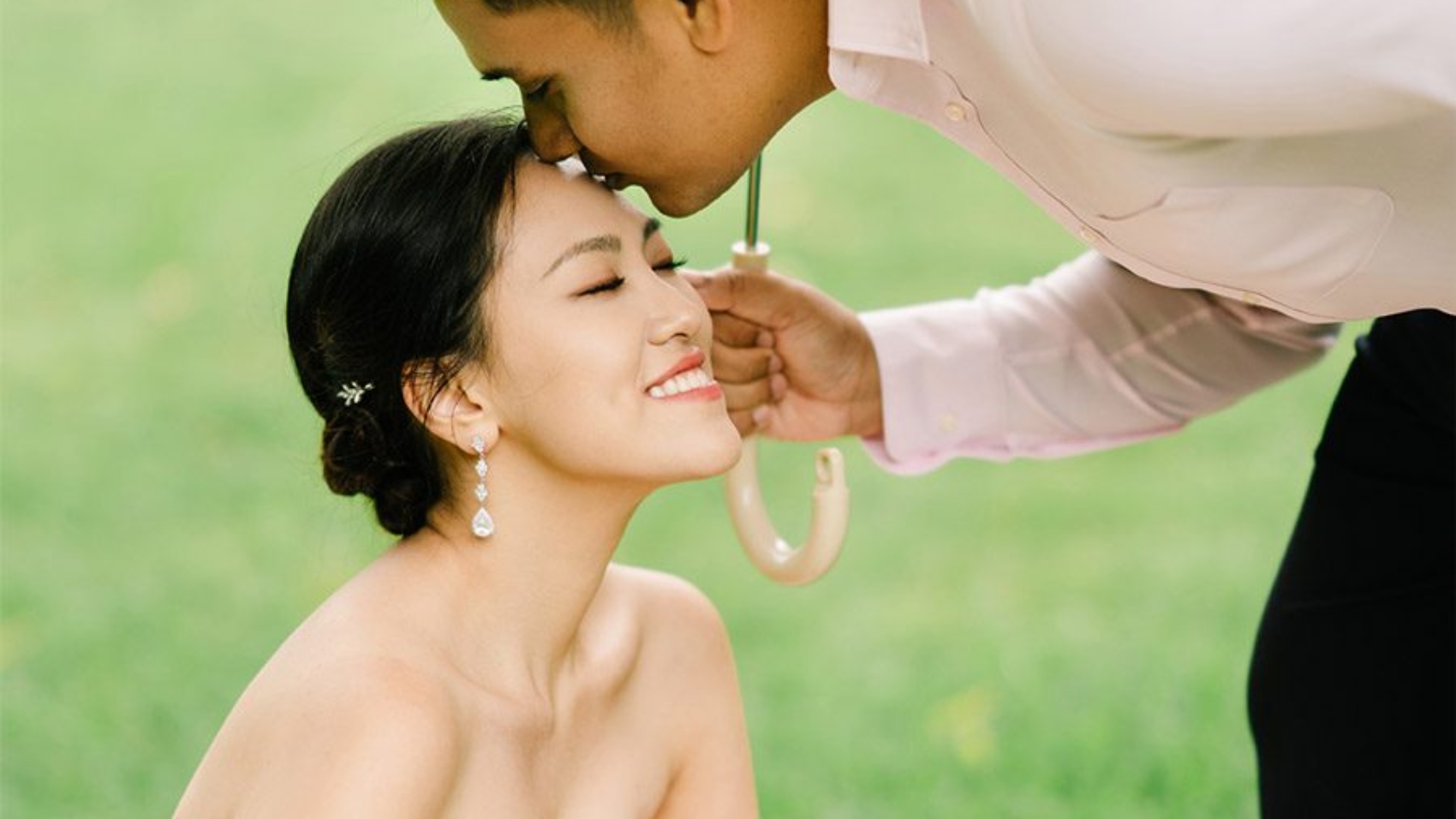
By mastering these close – up wedding photography techniques in Melbourne, you can create a collection of images that truly capture the love, beauty, and emotions of the couple’s special day.