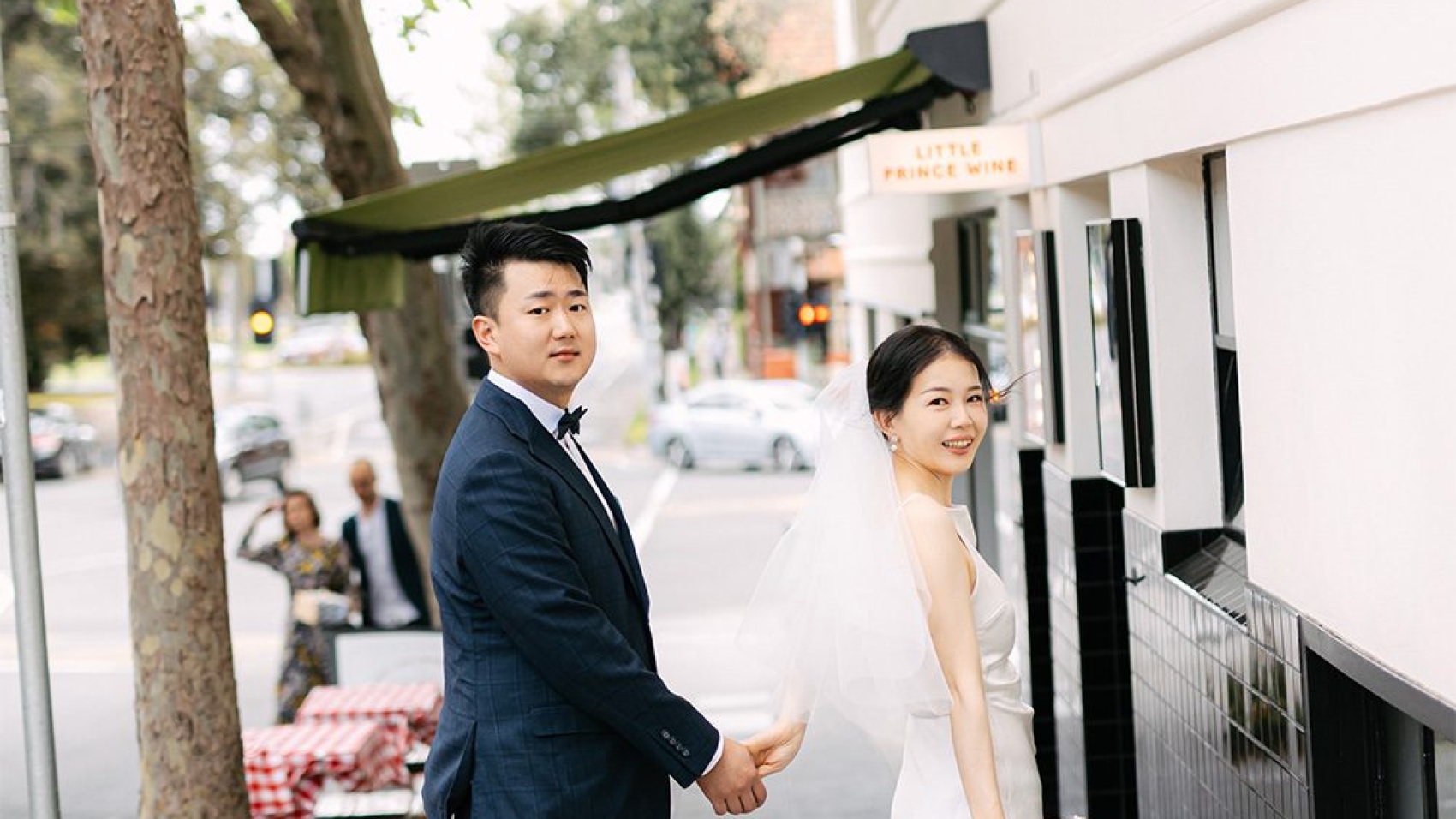
IMG_8232

Melbourne Graffiti Street Wedding Photography – Unique Signature Photoshoot

Melbourne Graffiti Lane Wedding Photography: Capturing Edgy, Personalized Moments

Melbourne’s iconic graffiti lanes are a vibrant playground for couples seeking a bold, unconventional backdrop for their wedding photos. Known for their colorful murals, street art, and urban energy, these lanes offer a dynamic contrast to traditional wedding settings, allowing couples to express their personalities through creative, offbeat imagery.

wedding photography melbourne

Why Graffiti Lanes Are Ideal for Unique Wedding Portraits

The city’s laneways, particularly in areas like Hosier Lane and Union Lane, are constantly evolving, with new artworks appearing regularly. This ever-changing canvas ensures that no two photo sessions are alike, giving couples a truly one-of-a-kind experience. The mix of abstract patterns, political statements, and whimsical designs provides endless opportunities for striking compositions and playful poses.

For couples who want their wedding photos to reflect their individuality, graffiti lanes offer a break from the expected. The urban setting also adds a sense of spontaneity, making the images feel less staged and more authentic.

Planning Your Graffiti-Themed Wedding Shoot

Timing and Lighting Considerations

Lighting plays a crucial role in street art photography. Early mornings or late afternoons provide softer, more flattering light that enhances colors without creating harsh shadows. Overcast days can also work well, as they reduce glare and allow the art’s details to shine through.

Avoid busy periods when crowds might interfere with shots or make couples feel self-conscious. Weekdays or early weekends are often quieter, allowing for more freedom to explore and experiment with poses.

Wardrobe and Styling for an Urban Vibe

To complement the graffiti backdrop, opt for outfits that are bold yet timeless. Brides might choose a sleek, modern gown in a solid color like black, white, or red, while grooms could wear a tailored suit with a statement accessory like a patterned tie or colorful socks.

Accessories should add personality without overwhelming the scene. Think about incorporating elements like leather jackets, chunky jewelry, or vintage sneakers for a touch of edge. For footwear, comfortable yet stylish options like boots or sleek flats are ideal for navigating uneven laneway surfaces.

Respecting the Art and Environment

While graffiti lanes are public spaces, it’s important to treat the art with respect. Avoid touching or leaning on murals, as oils from skin can damage the paint. If you want to interact with the art—such as posing in front of a specific piece—do so gently and without causing harm.

Be mindful of private property and avoid blocking entrances or walkways. If you’re unsure about shooting in a particular area, ask local businesses or artists for permission beforehand.

Top Melbourne Graffiti Lanes for Memorable Wedding Photos

Hosier Lane: The Epicenter of Street Art

Hosier Lane is Melbourne’s most famous graffiti destination, featuring a dense collection of murals ranging from intricate stencils to large-scale paintings. The lane’s narrow walkways and towering walls create a sense of intimacy, perfect for close-up portraits or dramatic angles.

Union Lane: A Hidden Gem

Less crowded than Hosier Lane, Union Lane offers a quieter space for couples to explore. The art here often includes bold colors and abstract designs, making it ideal for couples who want a more minimalist yet striking backdrop.

AC/DC Lane: Rock ‘n’ Roll Meets Street Art

Named after the legendary Australian band, AC/DC Lane combines musical history with vibrant graffiti. The lane’s energetic atmosphere and rock-themed murals add a fun, rebellious touch to wedding photos, especially for music-loving couples.

Incorporating Personal Touches into Your Shoot

Using Props to Tell Your Story

Bring along items that reflect your shared interests or hobbies, such as musical instruments, books, or sports gear. These props can add depth to your photos and make them feel more personal. For example, a couple who loves coffee might pose with a vintage espresso machine in front of a colorful mural.

Choosing Art That Resonates With You

Scan the lanes beforehand to identify murals or designs that align with your style or values. A mural featuring nature themes might suit outdoor-loving couples, while a political piece could resonate with activists. Posing in front of art that speaks to you adds meaning to your images.

Experimenting With Angles and Perspectives

Don’t be afraid to get creative with your shots. Climb stairs for overhead views, crouch low for unique angles, or use reflections in windows to add layers to your photos. The graffiti’s bold patterns and colors provide a perfect canvas for experimental photography.

Final Thoughts

A graffiti-themed wedding shoot in Melbourne is a celebration of creativity, individuality, and urban culture. By carefully planning timing, styling, and locations, couples can create images that are as vibrant and unforgettable as the art itself. Whether you’re drawn to the energy of Hosier Lane or the quiet charm of Union Lane, these laneways offer a dynamic backdrop for telling your love story in a way that’s uniquely yours. With a little imagination and respect for the environment, your wedding album will be filled with photos that stand out from the crowd.
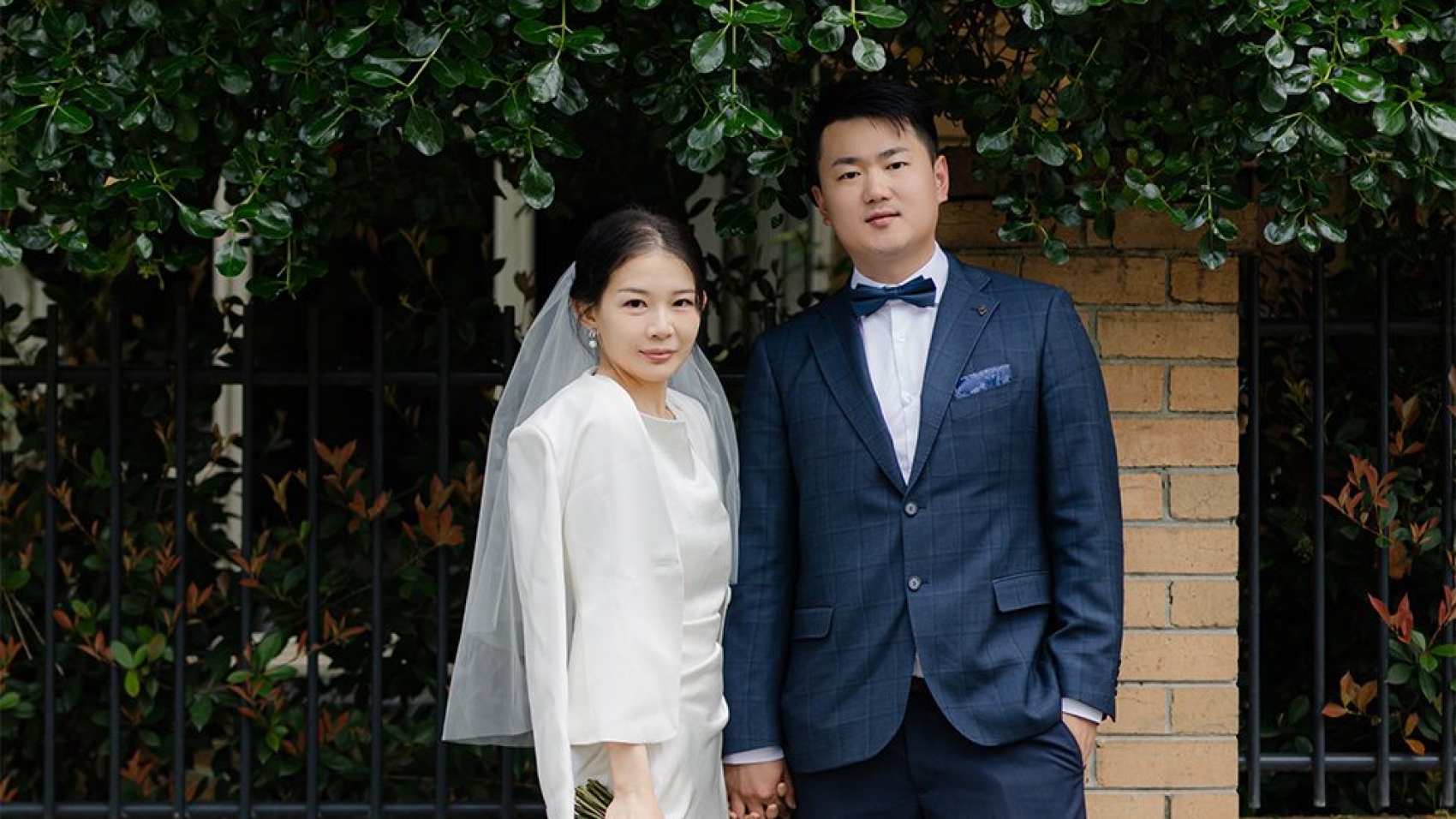
IMG_8212

Melbourne Botanical Garden Wedding Photography – Soft and Elegant Scenery Shooting

Melbourne Botanic Gardens Wedding Photography: Embracing Enchanting Forest-Inspired Scenes

Melbourne’s botanic gardens are a treasure trove of lush greenery, winding pathways, and hidden nooks, making them an idyllic setting for couples seeking a whimsical, nature-inspired wedding photography experience. With their diverse plant life, serene lakes, and timeless architecture, these gardens offer endless opportunities to capture romance in a way that feels both intimate and grand.

wedding photography melbourne

Why Botanic Gardens Are Perfect for Forest-Themed Wedding Photos

The Melbourne Botanic Gardens, including the Royal Botanic Gardens and the nearby Cranbourne Gardens, provide a blend of structured beauty and wild, organic elements. Towering trees, dense foliage, and vibrant flowerbeds create a magical atmosphere that feels worlds away from the city’s hustle. These settings allow photographers to play with depth, light, and shadow, resulting in images that feel both dreamy and authentic.

For couples who love the idea of a forest wedding but want the convenience of a curated space, botanic gardens strike the perfect balance. The controlled environment ensures safety and accessibility while still offering the raw, natural beauty of a woodland setting.

Planning Your Forest-Inspired Wedding Shoot in the Gardens

Choosing the Right Time of Day

Lighting is everything in forest photography, and the gardens offer unique opportunities depending on the time of day. Early morning mist can add a mystical quality to images, while the golden hour’s soft, warm light enhances the greenery and creates a romantic glow. Avoid midday when harsh sunlight can wash out colors and create unflattering shadows.

Photographers often recommend visiting the gardens at different times before the shoot to observe how light filters through the trees and reflects off water features. This helps in planning the best spots for key moments, such as portraits or group shots.

Wardrobe and Styling for a Natural Look

To blend seamlessly with the forest surroundings, opt for outfits in earthy tones like soft greens, creams, or muted browns. Flowing fabrics, such as chiffon or tulle, move beautifully in the breeze and add a sense of ethereal elegance. Brides might consider a gown with delicate lace details or a floral crown made from local blooms, while grooms can choose lightweight suits or linen shirts for a relaxed, natural vibe.

Accessories should be minimal to avoid distracting from the scenery. A simple pearl necklace or a boutonniere with native flowers ties the look to the setting without overpowering it. For footwear, flat shoes or bare feet work best on uneven garden paths.

Safety and Garden Etiquette

While the gardens are designed for public enjoyment, it’s important to respect their natural beauty during your shoot. Stick to marked pathways to avoid damaging delicate plants, and avoid picking flowers or disturbing wildlife. If you’re planning to use props like chairs or arches, check with garden staff beforehand to ensure they’re allowed.

Be mindful of other visitors, especially during peak hours. Early mornings or weekdays are often quieter, allowing for more intimate shots without interruptions.

Must-Visit Spots in Melbourne’s Botanic Gardens for Forest Photography

The Fern Gully at Royal Botanic Gardens

This shaded pathway, lined with towering ferns and moss-covered stones, feels like stepping into a prehistoric forest. The dappled light filtering through the canopy creates a magical atmosphere, perfect for capturing intimate moments or dramatic portraits.

The Lake Side and Willow Trees

The serene lake at the heart of the Royal Botanic Gardens offers stunning reflections of surrounding trees and sky. Weeping willows hanging over the water provide a natural frame for photos, while ducks and swans gliding by add a touch of whimsy.

Cranbourne Gardens’ Native Bushland

For a more rugged, Australian-inspired forest look, Cranbourne Gardens’ native bushland sections feature eucalyptus trees, wildflowers, and rocky outcrops. These areas are ideal for couples who want to incorporate local flora into their images while embracing the raw beauty of the landscape.

Final Thoughts

A forest-themed wedding shoot in Melbourne’s botanic gardens is a celebration of love and nature’s beauty. By carefully selecting the right time of day, styling, and locations, couples can create images that feel both timeless and deeply personal. Whether you’re drawn to the enchanting Fern Gully or the tranquil lakeside, these gardens offer a magical backdrop for telling your love story through photography. With a little planning and creativity, your wedding album will be filled with memories that feel as fresh and vibrant as the gardens themselves.

wedding photography melbourne

Marblehead Beach Wedding Photography with Rock Scenery

Melbourne Beach Wedding Photography: Capturing Romance Among Rock Formations

Melbourne’s coastline offers a dramatic blend of soft sandy shores and rugged rock formations, creating a unique backdrop for wedding photography. Couples seeking a mix of natural beauty and timeless elegance often choose rocky outcrops for their portraits, as these locations provide texture, depth, and a sense of adventure to their visual storytelling.

wedding photography melbourne

Why Rock Formations Make Stunning Wedding Photo Settings

Rocky coastal areas in Melbourne, such as those near Brighton Beach or Portsea, are ideal for couples who want to move beyond traditional beach shots. The interplay of light and shadow on weathered stones, combined with the crashing waves, adds a dynamic element to photographs. These settings also allow for creative compositions, such as silhouettes during sunset or intimate moments framed by natural arches.

For a more ethereal look, photographers often use the golden hour—the period shortly after sunrise or before sunset—when the soft light enhances the textures of the rocks and creates a warm, romantic glow. This timing also avoids harsh midday shadows, ensuring the couple’s features are flatteringly illuminated.

Tips for Planning a Rock-Themed Wedding Shoot

Timing and Lighting

The key to stunning coastal photography lies in understanding how light interacts with the landscape. Early mornings offer calm seas and a serene atmosphere, perfect for capturing gentle waves lapping against the rocks. Later in the day, the setting sun can transform the scene into a fiery palette of oranges and pinks, ideal for dramatic portraits.

Photographers recommend arriving at least an hour before the desired light to scout locations and adjust settings. If shooting during high tide, be mindful of water levels to avoid getting cut off from safer ground.

Wardrobe and Styling

When choosing outfits for a rocky beach shoot, prioritize comfort and movement. Flowing fabrics like chiffon or lace work beautifully in the breeze, creating a sense of motion. For brides, a fitted gown with a long train can drape elegantly over rocks, while grooms might opt for lightweight suits in neutral tones to complement the natural surroundings.

Accessories should be minimal but meaningful—a delicate headpiece or a boutonniere with local flora ties the look to the setting. Avoid stiletto heels, as they sink into sand and uneven surfaces; instead, choose wedge sandals or bare feet for a more organic feel.

Safety and Logistics

Rocky coastlines can be slippery, especially after rain or high tide. Couples should wear sturdy shoes for the walk to the shooting location and bring a change of footwear for the actual photos. It’s also wise to have a first-aid kit on hand in case of minor scrapes.

Work with your photographer to identify safe vantage points and avoid areas prone to sudden waves or loose stones. If children or elderly guests are involved, keep them away from steep drops or wet surfaces.

Iconic Rock Formations to Consider for Your Melbourne Wedding

The Cliffs of Portsea

Located at the tip of the Mornington Peninsula, Portsea’s cliffs offer panoramic views of the Bass Strait. The layered rock formations here create a striking contrast against the deep blue sea, making them a favorite for couples seeking a bold, adventurous aesthetic.

Brighton Beach Bathing Boxes with a Twist

While the colorful bathing boxes are a Melbourne icon, pairing them with nearby rock pools adds a fresh perspective. Photographers often use the reflections in tidal pools to create mirror-like effects, doubling the visual impact of the scene.

Mornington Peninsula’s Tidal Rocks

The Mornington Peninsula is dotted with tidal rock formations that emerge at low tide, revealing intricate patterns and tide pools. These transient landscapes symbolize the fleeting yet unforgettable nature of love, making them a poetic choice for wedding imagery.

Final Thoughts

A rocky beach wedding shoot in Melbourne is more than just a photo session—it’s an opportunity to celebrate love in a setting that feels both wild and timeless. By carefully planning timing, styling, and safety, couples can create images that capture the essence of their relationship against one of Australia’s most breathtaking coastlines. Whether you’re drawn to the drama of cliffs or the tranquility of tidal pools, Melbourne’s rocky shores offer endless possibilities for storytelling through photography.

IMG_8240

Melbourne wedding photography travel shooting planning

Melbourne Wedding Photography Travel Itinerary Planning

Melbourne, Australia’s cultural capital, offers a blend of historic architecture, coastal vistas, and seasonal beauty that makes it an ideal destination for wedding photography. From iconic landmarks to hidden gems, this guide explores the best locations and practical tips for planning a memorable wedding photoshoot in Melbourne.

wedding photography melbourne

Seasonal Highlights for Wedding Photography

Melbourne’s diverse climate provides unique backdrops throughout the year. Spring (September to November) brings vibrant blooms to gardens like the Royal Botanic Gardens and Carlton Gardens, where cherry blossoms and azaleas create a romantic atmosphere. Summer (December to February) is perfect for beach scenes, with destinations like Half Moon Bay offering golden sands and dramatic sunsets. Autumn (March to May) transforms the city into a canvas of red and gold, particularly in areas like Dandenong Ranges National Park and Marysville, where fall foliage lines scenic drives. Winter (June to August) offers a moody charm, with misty mornings in the Yarra Valley and cozy indoor settings like historic libraries or grand ballrooms.

Iconic Locations for Timeless Photos

Historic Architecture and Urban Landscapes

Parliament House, with its neoclassical design, provides a stately backdrop for formal portraits. The building’s grand staircase and illuminated facade at night add drama to evening shoots. Nearby, Flinders Street Station’s iconic yellow facade and busy platform create a lively urban scene, ideal for capturing candid moments amid Melbourne’s hustle.

For a touch of elegance, the Royal Exhibition Building’s domed ceiling and mosaic floors offer a grand indoor setting. Couples can also explore Fitzroy Gardens, home to the Conservatory—a glasshouse filled with lush greenery that contrasts beautifully with formal attire.

Coastal and Natural Wonders

Half Moon Bay’s crescent-shaped shoreline and rugged cliffs are a favorite for sunset shots. The beach’s tidal pools reflect the sky’s changing hues, while nearby rock formations add texture to compositions. For a more secluded feel, Cape Schanck Lighthouse offers windswept cliffs and panoramic ocean views, perfect for dramatic silhouettes.

Nature enthusiasts will appreciate the Dandenong Ranges, where trails like the Alfred Nicholas Gardens lead to serene lakes and waterfalls. In autumn, the area’s maple trees create a fiery landscape, while spring brings wildflowers and ferns. The Yarra Valley’s vineyards provide a rustic charm, with rows of grapevines stretching into the distance under blue skies.

Cultural and Artistic Hotspots

Melbourne’s street art scene adds a creative edge to wedding photos. Hosier Lane’s ever-changing murals provide a colorful, urban canvas, while AC/DC Lane pays homage to the city’s musical heritage. For a whimsical touch, the Royal Arcade’s Victorian architecture and quirky shops offer a blend of history and charm.

Art lovers can pose in front of the National Gallery of Victoria’s modern facade or explore its sculptural gardens. The Melbourne Museum’s blend of indigenous art and natural history exhibits provides unique indoor settings, while the Palais Theatre’s Art Deco interior offers a glamorous backdrop for formal portraits.

Practical Tips for a Smooth Photoshoot

Logistics and Permits

Many public locations, including parks and beaches, do not require permits for photography, but it’s advisable to check with local councils for any restrictions. Private venues like vineyards or historic homes may charge a fee or require booking in advance.

Timing and Lighting

The golden hour—shortly after sunrise or before sunset—provides soft, flattering light for outdoor shoots. Melbourne’s summer sunsets occur later, allowing for flexible scheduling, while winter’s shorter days require earlier starts. Overcast days can create a moody, diffused light that works well for dramatic portraits.

Wardrobe and Props

Couples should consider the season when choosing outfits. Lightweight fabrics suit summer, while layered looks add warmth in winter. Accessories like umbrellas or scarves can enhance autumn shots, while floral crowns or pastel tones complement spring settings. Props like vintage cars, bicycles, or picnic baskets add personality to compositions.

Local Expertise

Hiring a local photographer familiar with Melbourne’s hidden spots can elevate the shoot. They can suggest lesser-known locations, navigate lighting challenges, and capture candid moments that reflect the city’s energy. Additionally, working with a local stylist or florist ensures outfits and bouquets complement the surroundings.

Embracing Melbourne’s Unique Charm

Melbourne’s blend of natural beauty, cultural richness, and architectural grandeur makes it a dream destination for wedding photography. Whether posing amid autumn leaves, against a coastal sunset, or surrounded by street art, couples can create timeless images that capture the essence of their love and the city’s spirit. With careful planning and a touch of creativity, a Melbourne wedding photoshoot becomes an unforgettable adventure.

wedding photography melbourne

The secondary shooting process for wedding photography in Melbourne

Melbourne Wedding Photography Reshoot Process: Key Steps and Considerations

Planning a wedding photography reshoot in Melbourne requires careful coordination to ensure the final images meet expectations. From addressing initial dissatisfaction to optimizing the second attempt, here’s a structured guide to navigating the process.

wedding photography melbourne

Identifying Valid Reasons for a Reshoot

Style Mismatch or Technical Flaws

If the initial photos deviate from the agreed style (e.g., a requested “vintage” theme delivered as “modern glam”) or suffer from technical issues like overexposure or poor composition, a reshoot is justified. Document these discrepancies with reference photos from the contract or consultation notes to strengthen your case.

Wardrobe or Location Concerns

Specific outfits or scenes may underperform in the final images. For instance, a bridal gown might appear ill-fitting in certain poses, or a chosen location (e.g., a beach at high tide) could lack the intended aesthetic. Highlight these issues during post-production reviews to request targeted adjustments.

Communication Breakdowns

Misaligned expectations often stem from unclear communication. If the photographer ignored requests for specific angles, lighting, or poses, clarify these preferences in writing before the reshoot. Use mood boards or example photos to bridge creative gaps.

Pre-Reshoot Preparation

Review Original Contract Terms

Many studios include clauses for free reshoots if the final product fails to meet contractual standards. Verify whether the contract specifies conditions like “unlimited revisions until satisfaction” or “one complimentary reshoot per package.” If not, negotiate terms upfront to avoid disputes.

Analyze Initial Failures

Pinpoint why the first shoot fell short. Was it due to poor lighting, rushed timing, or unflattering poses? For example, if harsh midday sun washed out skin tones, request a morning or late-afternoon reshoot. If the photographer’s style clashed with your vision, share a detailed brief with inspiration images.

Select a New Date and Time

Melbourne’s weather and seasons significantly impact outcomes. For coastal shots, aim for calm mornings at Half Moon Bay to avoid wind-tousled hair. Urban scenes near Parliament House shine during golden hour, while autumn foliage in Carlton Gardens peaks in April. Use weather apps to track conditions and reschedule if needed.

During the Reshoot

Optimize Wardrobe and Styling

Bring multiple outfit options to accommodate different scenes. For example, pair a flowing A-line gown with a beach backdrop and a structured silhouette for architectural shots. Test hairstyles and makeup in natural light to ensure they photograph well. If dissatisfied with the initial styling, collaborate with the makeup artist to adjust tones or textures.

Direct Posing and Framing

Communicate preferred angles and expressions clearly. If full-frontal shots highlight facial asymmetry, request more side profiles. Use props (e.g., bouquets, chairs) to create dynamic compositions. For group shots, assign positions in advance to avoid awkward spacing.

Monitor Progress Mid-Shoot

Review raw images on the photographer’s camera or a tablet to catch issues early. Check for blown-out highlights, blurry details, or unflattering poses. If a shot feels off, ask the photographer to retake it immediately rather than waiting for post-production fixes.

Post-Reshoot Considerations

Streamline the Selection Process

After the reshoot, the studio will typically cull and lightly edit images for your review. Use this round to eliminate duplicates or technically flawed photos. Focus on emotional impact and composition rather than minor blemishes, which can be retouched later.

Provide Detailed Feedback

If the reshoot still doesn’t meet expectations, list specific issues (e.g., “the bride’s eyes appear closed in 30% of the photos” or “the background in Scene 5 is distracting”). Pair critiques with solutions, such as requesting additional edits or a third shoot for critical scenes.

Leverage Melbourne’s Unique Backdrops

If the reshoot improves but lacks “wow” factor, incorporate iconic Melbourne landmarks. A sunset silhouette at Cape Schanck Lighthouse or a nighttime shot outside Palais Theatre can elevate the album’s storytelling. Ensure these locations align with your vision and are logistically feasible.

By addressing root causes, communicating effectively, and leveraging Melbourne’s diverse settings, couples can transform a disappointing first attempt into a memorable visual narrative. Prioritize clarity, flexibility, and collaboration to achieve photos that truly reflect your special day.

IMG_8224

Suggestions for preserving wedding photography works in Melbourne

Essential Tips for Preserving Melbourne Wedding Photography

Melbourne’s unique blend of urban charm, coastal beauty, and lush gardens creates stunning backdrops for wedding photography. However, preserving these memories requires careful handling to ensure they remain vibrant for decades. From digital storage to physical display, here’s how to protect your wedding album from fading, damage, and technological obsolescence.

wedding photography melbourne

Digital Storage Strategies for Long-Term Preservation

Backing Up Files Across Multiple Platforms

Digital photos are vulnerable to corruption, accidental deletion, or hardware failure. Store copies on at least two external hard drives—one kept offsite (e.g., at a family member’s home) and another in a cool, dry place. Cloud storage services like Google Drive or Dropbox offer additional security, but avoid relying solely on them, as companies may change policies or shut down. Regularly update backups to include new edits or additions.

Choosing the Right File Formats

RAW files retain the most detail but require specialized software to view. Convert copies to high-quality JPEGs (with minimal compression) for everyday access. For archival purposes, consider TIFF format, which is lossless and widely supported. Avoid proprietary formats tied to specific software, as they may become unreadable over time. Label files clearly with dates, locations, and keywords for easy searching.

Protecting Against Data Corruption

Hard drives degrade slowly, so check them annually for errors using built-in tools (e.g., Disk Utility on Mac or CHKDSK on Windows). Replace drives every 3–5 years, even if they seem functional. For cloud storage, enable two-factor authentication to prevent unauthorized access. If storing photos on social media, download originals periodically, as platforms may compress or remove content without notice.

Physical Print Preservation Techniques

Selecting Acid-Free Materials for Albums

Traditional photo albums with magnetic pages or plastic sleeves can damage prints over time. Opt for acid-free, archival-quality albums with cotton or linen covers. Use photo corners or acid-free adhesive strips to mount prints, avoiding glue or tape that may yellow or weaken. For loose prints, store them in acid-free boxes with dividers to prevent bending or scratching.

Framing Prints with UV Protection

Ultraviolet light from sunlight or fluorescent bulbs fades colors and weakens paper. Choose frames with UV-filtering glass or acrylic to block harmful rays. Matting prints with acid-free mat board adds an extra layer of protection and creates a polished look. Avoid hanging photos in direct sunlight or humid areas like bathrooms, where moisture can cause warping or mold growth.

Handling Prints with Clean, Dry Hands

Oils and dirt from fingers can transfer to prints, causing smudges or discoloration. Wear cotton gloves when handling unframed photos, or hold them by the edges. If prints must be cleaned, use a soft, dry brush to gently remove dust—never wet-clean them, as water can seep into the paper and cause damage. For stubborn dirt, consult a professional conservator.

Display and Environmental Considerations

Avoiding Direct Sunlight and Extreme Temperatures

Prolonged exposure to sunlight accelerates fading, even with UV-protected frames. Display photos in shaded areas or rotate them seasonally to minimize light damage. Extreme temperatures (e.g., near heaters or air conditioners) can cause paper to expand or contract, leading to cracking. Aim for a stable indoor environment with temperatures between 60–75°F (15–24°C) and humidity levels around 40–50%.

Rotating Displays to Prevent Uneven Fading

If you love displaying multiple photos, rotate them every few months to ensure even exposure to light. This is especially important for prints in high-traffic areas, like hallways or living rooms. Consider creating a digital slideshow on a screen for variety, reducing the need to handle physical prints frequently.

Using Descriptive Labels for Context

Labels help future generations understand the stories behind your photos. Write details like dates, locations, and names on the back of prints using a soft pencil (avoid ink, which may bleed). For albums, include a written introduction explaining the significance of each section. Digital labels should use plain text (not embedded in images) for compatibility with future software.

Preparing for Future-Proofing

Converting Older Formats to Modern Standards

If you inherit vintage photos or slides, scan them at high resolution (at least 300 dpi) to create digital copies. Use a flatbed scanner with a transparency adapter for slides or negatives. Store scans alongside originals, and consider sharing them with family via cloud storage. For audio or video recordings from the wedding, convert analog tapes to digital files using a reliable converter.

Educating Family Members on Preservation

Share preservation tips with relatives who may inherit your photos. Create a document outlining storage locations, backup routines, and care instructions. If dividing prints among family, ensure everyone follows the same guidelines to prevent inconsistent preservation. Consider gifting digital copies to younger relatives who prefer digital access.

Planning for Technological Changes

Technology evolves rapidly, so revisit your preservation strategy every 5–10 years. Migrate files to newer storage devices (e.g., from DVDs to SSDs) and update file formats if needed. Stay informed about archival best practices through photography forums or conservation organizations. By staying proactive, you’ll ensure your Melbourne wedding photos endure as a cherished heirloom.

By combining digital diligence, physical care, and thoughtful display, your wedding photography will remain a vibrant testament to your special day for generations to come.

IMG_8239

Notes on repairing flaws in Melbourne wedding photography

Key Considerations for Retouching Imperfections in Melbourne Wedding Photography

Melbourne’s unpredictable weather, diverse landscapes, and dynamic lighting conditions can introduce challenges during wedding shoots. From sudden rain showers to wind-tossed hair, these imperfections are natural but may require careful retouching to ensure the final images meet the couple’s expectations. Here’s how to address common flaws while maintaining authenticity.

wedding photography melbourne

Addressing Weather-Related Imperfections

Rain, Wind, and Unwanted Elements

Melbourne’s coastal areas and open fields are prone to sudden weather changes. Raindrops on lenses or clothing, wind-blown hair, or debris like leaves can distract from the focus. Use cloning tools to remove small spots or stray objects, but avoid over-editing—subtle imperfections often add character. For wind-tousled hair, gently reshape strands using the liquefy tool, keeping movements natural to avoid a stiff appearance.

Overcast Skies and Flat Lighting

Cloudy days can result in dull, low-contrast images. To enhance mood, adjust the tone curve to deepen shadows and brighten highlights slightly. Add warmth to skin tones to counteract the coolness of overcast light. If the sky lacks detail, consider replacing it with a stock image of a Melbourne skyline or cloud formation, ensuring perspective and lighting match the original shot.

Harsh Sunlight and Glare

Bright midday sun in Melbourne’s parks or beaches can create harsh shadows and blown-out highlights. Use the brush tool to dodge (lighten) underexposed areas like faces and burn (darken) overexposed spots on dresses or backgrounds. For glare on glasses or reflective surfaces, reduce brightness and adjust hue to blend seamlessly with the surrounding environment.

Fixing Common Technical Flaws

Lens Flares and Chromatic Aberration

Lens flares, while artistic in moderation, can overpower portraits. Use the healing brush to remove distracting flares, keeping a few subtle ones for creative effect. Chromatic aberration—color fringing around high-contrast edges—can be corrected by adjusting the defringe slider in post-processing software. Zoom in to inspect details like veil edges or architectural lines to ensure crispness.

Sensor Dust and Spot Removal

Dust on the camera sensor appears as small dark spots, especially noticeable in clear skies or solid-color backgrounds. Use the spot removal tool to clone nearby pixels over these marks. For large areas, switch to manual cloning for better control. Always check images at 100% zoom to catch every speck, as these flaws are easier to fix during editing than reshooting.

Blurry Images Due to Movement

Camera shake or subject movement can blur shots, particularly in low light. Sharpening tools can help, but use them sparingly to avoid graininess. For minor blur, apply the unsharp mask filter with a low radius (1–2 pixels) and moderate amount (20–40%). If blur is severe, consider merging multiple exposures or using AI-based sharpening features, but prioritize natural-looking results over perfection.

Retouching Human-Related Imperfections

Skin Blemishes and Redness

Acne, scars, or temporary blemishes are common concerns for couples. Use the spot healing brush to remove small flaws, then switch to the clone stamp for larger areas. For redness (e.g., sunburn or rosacea), adjust the hue/saturation panel to desaturate reds and oranges slightly. Always zoom in to ensure edits blend seamlessly—over-smoothed skin can look plastic and unrealistic.

Stray Hairs and Flyaways

Wind or static can leave hair sticking out in awkward directions. Use the clone stamp or healing brush to remove individual strands, working in short strokes for precision. For larger sections, the liquefy tool can gently push hair back into place. Avoid removing too many strands, as natural hair texture adds authenticity. If the bride’s hairstyle is complex, focus on fixing only the most distracting elements.

Wardrobe Malfunctions and Wrinkles

Dresses or suits may wrinkle during movement or sitting. Use the clone stamp to smooth minor creases, but preserve natural folds to maintain fabric texture. For visible undergarments or wardrobe gaps, clone nearby fabric over the issue area. If a strap falls out of place, consider repositioning it digitally—but only if reshooting isn’t an option. Always prioritize the couple’s comfort and consent before editing clothing.

Maintaining Authenticity While Retouching

Balancing Perfection and Realism

The goal of retouching is to enhance, not erase, the couple’s story. Avoid removing elements that define the moment, like a child’s laughter lines or a groom’s nervous smile. Focus on distractions (e.g., a photobomber or a trash can) rather than personal features. When in doubt, ask the couple which flaws they’d like addressed—some may embrace their “imperfections” as part of their unique day.

Consistency Across Album Images

Ensure retouching styles match throughout the album. If you soften skin in one portrait, apply the same adjustments to others. For group shots, check that lighting and color tones are uniform, especially if photos were taken at different times or locations. Use presets or batch editing to streamline the process, but review each image individually to catch nuances.

Preserving Background Details

Melbourne’s iconic landmarks (e.g., the Yarra River or Flinders Street Station) add context to wedding photos. When retouching, avoid cloning over these features unless necessary. If a background element is distracting (e.g., a construction sign), replace it with a cleaner version of the same scene or a subtle blur. Always maintain the integrity of the location to honor the couple’s chosen backdrop.

By approaching retouching with patience and a focus on storytelling, your Melbourne wedding photos will strike the perfect balance between flawless beauty and genuine emotion.

IMG_0126

Post-production color tone selection for wedding photography in Melbourne

Selecting the Perfect Color Tones for Melbourne Wedding Photography Post-Processing

Melbourne’s diverse landscapes—from urban cityscapes to coastal vistas—offer endless inspiration for wedding photography. The right color tones in post-processing can elevate these images, transforming them into timeless art. Whether aiming for romantic warmth, moody drama, or vibrant energy, here’s how to choose tones that reflect your unique style.

wedding photography melbourne

Understanding Melbourne’s Natural Light and Environments

Coastal and Beach-Inspired Tones

Melbourne’s beaches, like St Kilda or Brighton, provide a blend of soft sand, turquoise waters, and golden sunsets. For photos shot here, consider tones that mimic the ocean’s cool blues and greens. Adjust whites to a slight cyan tint to enhance water reflections, while warming skin tones to balance the chill. This creates a serene, dreamy effect perfect for intimate beach ceremonies.

Urban and Industrial Aesthetics

City weddings in Melbourne’s laneways or docklands call for bolder, contrasting tones. Embrace the gritty textures of brick walls, graffiti, or steel structures by deepening shadows and boosting midtones. Add a hint of teal or orange to split-toning highlights and shadows, creating a cinematic look. This approach suits couples seeking a modern, edgy vibe in their album.

Rural and Nature-Driven Palettes

For weddings in the Yarra Valley or Dandenong Ranges, earthy, organic tones work best. Think muted greens, warm browns, and soft yellows to reflect lush foliage and golden hour light. Lower saturation slightly to avoid overpowering natural colors, and use a matte finish for a vintage feel. This palette evokes calmness and connection to nature, ideal for outdoor celebrations.

Popular Color Grading Styles for Wedding Albums

Timeless and Romantic Warmth

Classic wedding photos often feature warm, golden tones that evoke nostalgia. Start by raising the temperature slider to add a sunset-like glow, then enhance reds and oranges in skin tones for a healthy, radiant look. Subtle vignetting draws focus to the couple, while softening edges creates a dreamy atmosphere. This style suits traditional venues like gardens or historic buildings.

Moody and Dramatic Contrasts

For couples wanting a bold, artistic edge, moody tones emphasize depth and emotion. Crush blacks to create rich shadows, and desaturate greens and blues to keep the focus on the subjects. Add a cool blue or purple tint to highlights for a cinematic feel. This approach works well for nighttime shots or indoor venues with dramatic lighting, like lofts or warehouses.

Vibrant and Playful Brightness

If the couple’s personality is lively and fun, vibrant tones can capture that energy. Boost saturation slightly to make colors pop, but avoid oversharpening to maintain a natural look. Use pastel shades for softer moments (like candid laughs) and bolder hues for group shots or dance floor scenes. This style suits outdoor receptions or festivals-themed weddings.

Adjusting Tones for Different Times of Day

Golden Hour Magic

Melbourne’s golden hour casts a warm, flattering light perfect for portraits. In post-processing, enhance this by slightly increasing yellow and orange tones in highlights. Keep shadows cool with a hint of blue to balance the warmth. Avoid overexposing skin, as golden hour light is already soft. This tone works best for engagement sessions or outdoor ceremonies.

Blue Hour Serenity

The brief period after sunset, known as blue hour, offers a cool, ethereal glow. Embrace this by lowering the temperature to deepen blues and purples in the sky. Add a touch of magenta to skin tones to prevent them from looking washed out. Use long exposures to capture light trails from cars or city lights, creating a dynamic backdrop.

Overcast Day Softness

Cloudy skies can create diffused, even lighting—ideal for avoiding harsh shadows. To enhance this, warm up the overall image slightly to counteract the coolness of overcast light. Boost midtones to add depth without darkening shadows too much. This tone suits emotional, intimate moments, like vows or first looks, where softness is key.

Fine-Tuning Tones for Emotional Impact

Enhancing Skin Tones Naturally

Skin tone consistency is crucial for flattering portraits. Use the HSL (Hue, Saturation, Lightness) panel to adjust oranges and reds separately. Reduce saturation in overly bright areas (like cheeks) and increase lightness in shadows for a balanced look. For darker skin tones, warm up highlights and cool down shadows to add dimension without losing detail.

Creating Depth with Shadow and Highlight Control

Shadows add mystery, while highlights bring clarity. For dramatic images, deepen shadows by lowering their brightness and adding a cool tint. For airy, romantic shots, lift shadows slightly and warm them up. Adjust highlights to avoid blowouts—pull them down in bright areas like dresses or sky, then add a warm glow to retain a natural feel.

Using Split Toning for Creative Effects

Split toning applies different colors to highlights and shadows, adding complexity to images. For a vintage look, use sepia tones in shadows and soft yellow in highlights. For a modern twist, try teal shadows with orange highlights (a popular cinematic combination). Keep tones subtle—overdoing it can make photos look artificial.

By tailoring color tones to Melbourne’s unique environments, lighting conditions, and emotional moments, your wedding photos will tell a story that feels authentic and unforgettable. Experiment with these techniques to find a style that resonates with the couple’s vision.

wedding photography melbourne

The starry sky scene for wedding photography in Melbourne has been realized

Capturing Starry Night Skies in Melbourne Wedding Photography

Melbourne’s clear nights and minimal light pollution make it an ideal destination for couples dreaming of starlit wedding portraits. From coastal vistas to secluded parks, the city offers diverse locations to photograph under the cosmos. Here’s how to plan and execute breathtaking-inspired wedding photos.

wedding photography melbourne

Choosing the Perfect Location for Stargazing Shots

Remote Areas with Minimal Light Pollution

To capture sharp, vibrant stars, avoid urban centers. Head to spots like the Mornington Peninsula or the Dandenong Ranges, where skies remain dark and unobstructed. Coastal areas like Point Nepean National Park combine starry vistas with the soft glow of the ocean, creating a romantic ambiance. Always check local regulations to ensure photography is permitted after dark.

Natural Landmarks as Backdrops

Incorporate Melbourne’s landscapes into your starry scenes. Use rocky cliffs, sandy beaches, or dense forests to frame couples against the night sky. For example, shoot from elevated viewpoints like Arthur’s Seat to include both the horizon and constellations. Timing is key—arrive during new moon phases when skies are darkest, and avoid full moons, which can overpower stars.

Weather and Seasonal Considerations

Clear, cloudless nights are essential for astrophotography. Monitor weather forecasts and plan sessions during dry spells. Winter months often offer crisper air and fewer clouds, but dress couples warmly in layers. Summer nights are milder but may have more humidity, which can blur stars. Spring and autumn strike a balance, with mild temperatures and moderate star visibility.

Essential Gear and Camera Settings for Night Sky Photography

Lenses and Tripods for Stability

A wide-angle lens (14–24mm) captures expansive skies and landscapes in a single frame. Fast apertures (f/2.8 or lower) let in more light, making stars appear brighter. A sturdy tripod is non-negotiable—even slight movements blur long exposures. Use a remote shutter release or your camera’s timer to avoid shaking hands during shots.

Camera Settings for Crisp Starry Images

Set your camera to manual mode for full control. Start with an ISO of 1600–3200 to balance brightness and noise. Use a shutter speed of 15–25 seconds to capture star trails without overexposing the scene. Adjust aperture to the widest setting your lens allows (e.g., f/2.8). Shoot in RAW format to retain detail for post-processing adjustments.

Focus Techniques in the Dark

Achieving sharp focus at night is tricky. Use live view mode to zoom in on a bright star or distant light source, then manually adjust focus until the light appears crisp. Alternatively, shine a flashlight on a nearby object (like a rock or tree) to focus, then switch to manual focus to lock it in. Test shots are vital—review images on-screen to ensure stars aren’t blurry.

Creative Composition and Posing Under the Stars

Incorporating the Milky Way or Constellations

Research star maps or use apps like Stellarium to locate the Milky Way or prominent constellations (like Orion or the Southern Cross). Position couples so these celestial features frame them—for example, have them stand beneath the arc of the Milky Way. Use headlamps with red light mode to navigate without disrupting night vision.

Silhouettes and Light Painting for Drama

Silhouette couples against the starry sky for striking contrast. Position them facing away from the camera, with stars illuminating their outlines. For added creativity, use light painting—wave a flashlight or colored gel behind them during long exposures to create ethereal glows. Keep movements slow to avoid overexposure.

Dynamic Poses and Movement

Static poses can feel stiff under the vast night sky. Encourage couples to interact naturally—hold hands while walking, share a quiet moment, or gaze upward at the stars. Use slower shutter speeds (20–30 seconds) to capture subtle motion, like a flowing dress or gentle swaying. For sharper facial details, ask them to freeze momentarily while you shoot.

Overcoming Challenges in Nighttime Wedding Photography

Managing Limited Visibility

Navigating dark locations requires preparation. Bring multiple light sources: a headlamp for hands-free movement, a flashlight for focusing, and glow sticks or LED wands to mark paths. Avoid shining lights directly at couples during shots—use diffused light or bounce it off surfaces to soften illumination.

Keeping Couples Comfortable

Night shoots can be chilly, even in summer. Provide blankets, shawls, or heated vests to keep couples warm. Schedule breaks for hot drinks or snacks to maintain energy levels. If shooting in remote areas, ensure transportation is arranged to avoid long walks in the dark.

Post-Processing for Starry Perfection

Edit photos to enhance the night sky’s beauty. Adjust contrast to deepen blacks and make stars pop. Reduce noise in high-ISO shots using software tools, but preserve grain for a natural look. Tweak white balance to correct color casts from artificial lights (e.g., warm tones from nearby towns). Use cloning tools to remove any stray light pollution or unwanted objects.

By combining strategic planning, technical precision, and creative storytelling, your Melbourne wedding photos will shine as brightly as the stars above. Collaborate with your photographer to turn cosmic dreams into timeless memories.

71251 sp-223

Melbourne wedding photography night scene shooting tips

Melbourne Wedding Photography: Mastering Nighttime Shooting Techniques

Melbourne’s cityscape transforms after dark, offering a magical canvas for wedding photography. From twinkling lights to dramatic skylines, nighttime shots add romance and sophistication to your album. Here’s how to capture stunning wedding portraits under the stars.

wedding photography melbourne

Leveraging Melbourne’s Urban Lightscapes

Iconic Locations for Nighttime Drama

Melbourne’s landmarks shine brightest at night, creating dramatic backdrops. The Yarra River reflects city lights, perfect for silhouettes or reflections. Flinders Street Station’s historic architecture and neon signs add vintage charm, while Southbank’s modern buildings offer sleek, contemporary contrasts. Explore laneways like Hosier Lane, where street art glows under ambient lighting, for artistic portraits.

Working with Artificial Light Sources

Streetlights, building facades, and neon signs provide natural light trails and bokeh effects. Position couples near these sources to highlight their faces while blurring backgrounds. For softer illumination, use window light from cafes or bars—ask venues to keep interior lights warm and dim. Avoid harsh overhead lights, which create unflattering shadows.

Timing Your Session

Golden Hour’s evening counterpart, “blue hour,” occurs shortly after sunset when the sky turns deep indigo. This brief window offers balanced lighting for outdoor shots. Schedule sessions 30 minutes after sunset to capture this ethereal glow. Later in the night, experiment with long exposures for creative effects like starbursts or light trails from passing trams.

Camera Settings and Gear Essentials

Mastering Low-Light Exposure

Use a wide aperture (f/1.8–f/2.8) to let in more light and create a shallow depth of field. Adjust ISO settings carefully—higher values brighten images but introduce grain; aim for ISO 800–1600 for clean results. Shutter speeds should stay above 1/125th of a second to avoid motion blur, especially when capturing movement like dancing or walking.

Stabilization Techniques

A sturdy tripod is essential for long exposures and sharp focus. If handholding, brace yourself against walls or railings to minimize shake. Enable image stabilization (if your lens supports it) and use burst mode to capture multiple shots, increasing the chance of a crisp image. For dynamic poses, ask couples to freeze momentarily while you shoot.

Balancing Flash and Ambient Light

Avoid harsh on-camera flash, which flattens features and washes out backgrounds. Instead, use off-camera flash or continuous LED lights positioned at 45-degree angles to mimic natural light. Diffuse the light with softboxes or umbrellas for a gentle glow. Sync flash with slower shutter speeds (1/30th–1/60th) to blend artificial light with ambient sources.

Creative Composition and Posing

Embracing Negative Space

Urban nights offer vast, empty spaces like bridges, waterfronts, or rooftops. Use these areas to frame couples, emphasizing their connection against the city’s scale. For example, position them in the lower third of the frame, with the skyline stretching above. Negative space creates mood and draws attention to subtle gestures like interlocked hands or shared glances.

Incorporating Movement and Reflections

Capture motion to add energy to nighttime shots. Ask couples to walk slowly, twirl, or dance—use slower shutter speeds (1/60th–1/125th) to blur movement slightly while keeping faces sharp. Seek reflective surfaces like puddles, glass buildings, or the Yarra River to duplicate light patterns and create symmetry. Tilt your camera for diagonal compositions that feel dynamic.

Playing with Silhouettes and Shadows

Silhouettes are powerful tools for nighttime storytelling. Position couples against bright light sources (e.g., neon signs, streetlights) and expose for the background, rendering them as dark shapes. Focus on body language—a raised hand, a leaned-in whisper—to convey emotion. For softer shadows, use fill light from a smartphone or LED panel to gently illuminate faces without overpowering the scene.

Overcoming Nighttime Challenges

Managing Crowded Locations

Popular spots like Federation Square or Docklands can get busy after dark. Arrive early to claim prime positions and avoid photographing strangers in the background. Use longer lenses (85mm–135mm) to compress perspective and isolate couples from distractions. If crowds are unavoidable, embrace them creatively—have couples interact with passersby for candid, lively shots.

Adapting to Weather Conditions

Rain adds drama to nighttime photos, creating reflective surfaces and glistening textures. Use umbrellas as props or shoot through rain-streaked windows for artistic effects. If wind picks up, secure dresses and veils to prevent them from blowing awkwardly. For cold nights, schedule shorter sessions and provide blankets or shawls to keep couples comfortable.

Post-Processing for Nighttime Magic

Edit photos to enhance mood without overdoing it. Adjust contrast to deepen shadows and brighten highlights, making lights pop. Reduce noise in high-ISO shots using software tools, but preserve grain for a film-like aesthetic. Tweak white balance to correct color casts from artificial lighting—cool tones suit moonlit scenes, while warm hues complement neon-lit portraits.

By mastering lighting, composition, and technical adjustments, your Melbourne wedding nighttime photos will radiate romance and sophistication. Collaborate with your photographer to experiment with these techniques, turning the city’s nightlife into a backdrop for your love story.