DSC03633

Melbourne wedding photography with a French-style romantic atmosphere shooting

French Romantic Atmosphere Wedding Photography in Melbourne

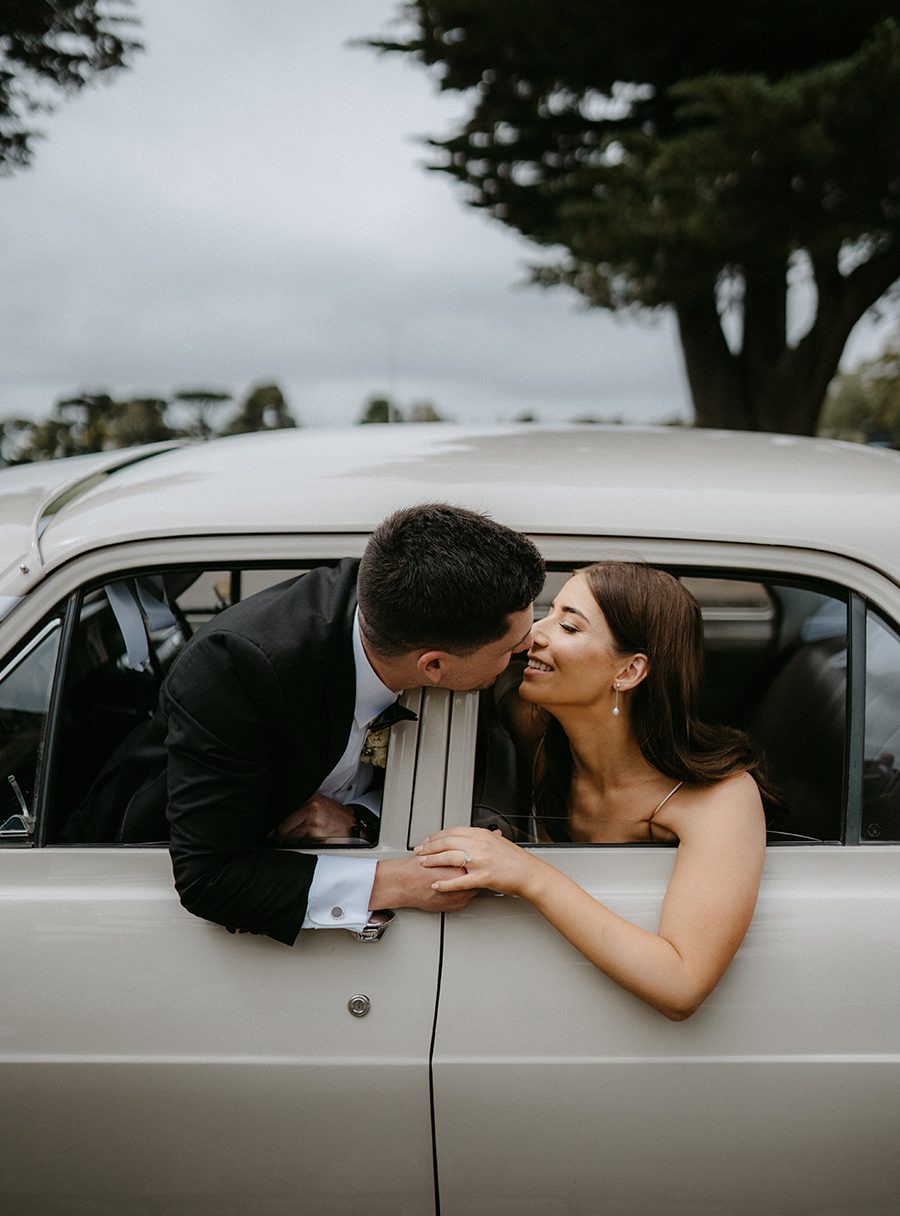
There is something undeniably captivating about the French aesthetic. It is not about grandeur or extravagance but about effortless elegance, soft light, and moments that feel like they belong in a novel. Melbourne, with its European-influenced architecture, tree-lined boulevards, and hidden courtyard cafes, provides the perfect canvas for couples who want their wedding photography to radiate that particular Parisian charm. The key lies not in recreating France but in capturing its spirit through light, composition, and a certain joie de vivre that makes every frame feel like a love letter.
wedding photography melbourne

What Defines the French Romantic Photography Style

French wedding photography is less about perfection and more about feeling. It embraces imperfection, movement, and the kind of candid moments that happen when two people forget they are being photographed. Think wind-blown hair, a dress train catching on cobblestones, laughter that crinkles the eyes, and a kiss that happens because the moment demanded it rather than because a photographer asked for one.

Soft Natural Light as the Foundation

The single most important element in French-style photography is light. Not the harsh midday sun that flattens features and blows out highlights, but the soft, diffused glow that comes from overcast skies or open shade. This light wraps around the couple gently, smoothing skin, softening edges, and creating that painterly quality that defines the look.

In Melbourne, the best soft light arrives early in the morning or late in the afternoon, especially during autumn and winter when clouds roll through frequently. The city’s west-facing streets and south-side gardens catch this light beautifully, turning ordinary facades into something out of a impressionist painting.

Muted Palettes and Timeless Tones

French photography favors a restrained color palette. Think dusty rose, champagne, soft ivory, sage green, and warm beige. Nothing screams or competes for attention. The colors blend harmoniously with the surroundings, creating a sense of calm and sophistication.

This does not mean the photos look dull. Quite the opposite. The subtlety of the tones makes the emotions pop. A red lip against a muted background, a white dress against warm brick, or a bouquet of dried flowers against grey stone, these contrasts create visual interest without breaking the romantic mood.

Choosing Melbourne Locations That Channel Paris

You do not need a plane ticket to Europe to get that French feel. Melbourne has pockets of architecture and atmosphere that transport you straight to the Marais or Montmartre.

Carlton Gardens and Fitzroy Streets

Carlton Gardens, with its grand elm trees, ornamental lakes, and classical pavilions, has a distinctly European garden feel. The tree-lined paths create natural tunnels of soft light, and the open lawns provide space for wide, cinematic shots. In autumn, the fallen leaves add a warm golden carpet that looks straight out of a French film.

Fitzroy offers something different but equally romantic. The Victorian terraces with their wrought-iron balconies, the narrow streets lined with plane trees, and the vintage shop fronts all evoke a bohemian Parisian vibe. Walking through Fitzroy with a couple in flowing linen feels natural because the streets already tell that story.

South Yarra and Toorak Residential Streets

The leafy residential streets of South Yarra and Toorak have a quiet elegance that suits French photography perfectly. Tree-lined boulevards with period homes, wrought-iron gates, and manicured gardens create intimate backdrops that feel private and personal. The light filters through the canopy in dappled patterns that add texture and warmth to portraits.

These streets also offer variety. One block might feature a grand stone mansion, the next a charming cottage with climbing roses. Moving through these streets gives you constantly changing backdrops without ever leaving the same neighborhood.

Hidden Courtyards and Laneways

Some of the best French-style shots happen in unexpected places. A hidden courtyard behind a restaurant in the CBD, a wrought-iron gate in a Fitzroy laneway, or the interior of a vintage bookshop all provide intimate frames that feel discovered rather than staged.

Melbourne’s coffee culture plays into this beautifully. Sitting at a small round table outside a laneway cafe, sharing a cup of coffee, looking into each other’s eyes while the city moves around you, this is pure French romance without trying too hard.

Styling the Couple for a French Aesthetic

The way a couple dresses and carries themselves makes or breaks the French look. It is about understated beauty, not flashy fashion.

Fabric Choices That Move Beautifully

French bridal style favors fabrics that move with the body and catch the light. Silk charmeuse, chiffon, tulle, and linen all photograph wonderfully because they drape, flow, and flutter in the breeze. Avoid heavy satins or stiff organzas that look architectural rather than romantic.

For grooms, linen suits in soft grey, beige, or navy work beautifully. A simple white shirt with the top button undone, no tie, and sleeves rolled to the forearm captures that effortless Parisian cool. Brown leather shoes or simple white sneakers complete the look without drawing attention away from the couple.

Hair and Makeup That Feels Natural

French bridal makeup is about enhancing, not transforming. Dewy skin, a subtle flush on the cheeks, defined brows, and a lip color that is just a shade deeper than natural. Nothing matte, nothing overly contoured. The goal is to look like you woke up beautiful, not like you spent three hours in a chair.

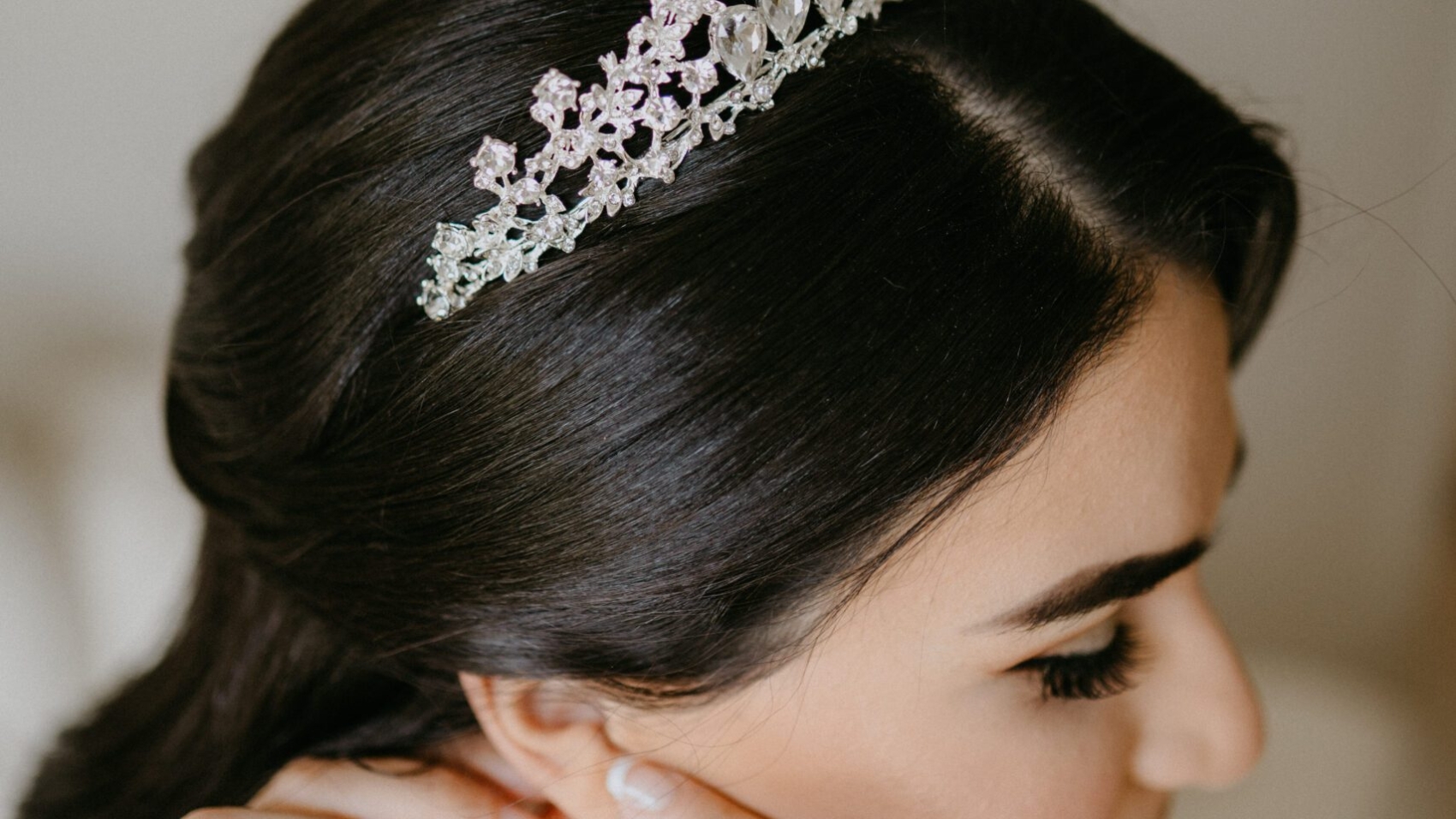
Hair should feel lived-in. Loose waves, a low chignon with face-framing tendrils, or simply hair blown by the wind all work. Avoid overly sleek updos or heavy extensions that look too polished. The French look embraces a little mess, a few flyaway hairs, the kind of imperfection that makes a photo feel real.

Props That Add Character Without Clutter

A small bouquet of dried flowers, a vintage book, a wide-brimmed hat, a string of pearls, or a simple linen handkerchief, these are the props that suit French photography. They add texture and story without overwhelming the frame.

The rule is simple. If the prop does not serve the emotion of the moment, leave it behind. A bouquet tossed casually over the shoulder tells a different story than one held formally in front of the body. The toss implies movement, joy, and spontaneity, which is exactly what French-style photography thrives on.

Capturing Candid Moments That Tell a Story

The heart of French wedding photography is not the posed portrait but the in-between moments. The ones that happen when the couple thinks no one is looking, or when they are so wrapped up in each other that the camera becomes irrelevant.

Walking and Movement as Narrative

Have the couple walk together through a garden, down a street, or across a courtyard. Do not direct them too much. Let them hold hands, let them stop to look at something, let them turn to each other and say something private. The photographer follows, capturing the journey rather than just the destination.

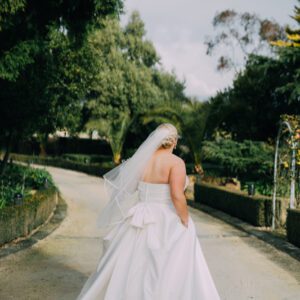
Shooting from behind as they walk away, with the train of a dress trailing on the ground and soft light ahead of them, creates one of the most iconic French wedding images. It implies a future together, a path forward, and a sense of adventure that static portraits simply cannot convey.

Intimate Close-Ups and Details

French photography loves the small details. A hand resting on a shoulder, fingers intertwined, a forehead touching another forehead, the way light catches a ring, or the texture of lace against skin. These close-ups build emotional intimacy and give the viewer a reason to lean in and look closer.

Shoot these details throughout the session, not just at the end. Weave them into the narrative alongside the wide shots. A detail of clasped hands followed by a wide shot of the couple walking together creates rhythm and keeps the album feeling like a story rather than a collection of random images.

Laughter and Unposed Interaction

The most powerful French wedding photos often come from genuine laughter. Tell the couple a joke, make them talk about their favorite memory together, or simply let them be silly. When people laugh naturally, their faces relax into expressions that no pose can replicate.

Capture these moments quickly and discreetly. A burst of shots while they laugh gives you options, and the best ones will show eyes crinkled, mouths open, and bodies leaning toward each other. These are the images that make people feel something when they see them years later.

Working With Melbourne’s Changeable Weather

Melbourne weather is famous for delivering four seasons in one day, and this unpredictability is actually a gift for French-style photography. Overcast skies, light rain, and moody clouds all contribute to the romantic atmosphere.

Embracing Grey Skies and Soft Light

Do not cancel a shoot because the forecast says clouds. Overcast days are ideal for French photography because the light is even, soft, and wrap-around. There are no harsh shadows under the eyes or on the neck, and skin looks smooth and luminous.

The grey sky also acts as a giant diffuser, reducing contrast and creating a muted backdrop that makes the couple stand out. Pair this with warm-toned clothing and the result is a cohesive, moody palette that looks stunning in both color and black and white.

Rain as a Romantic Element

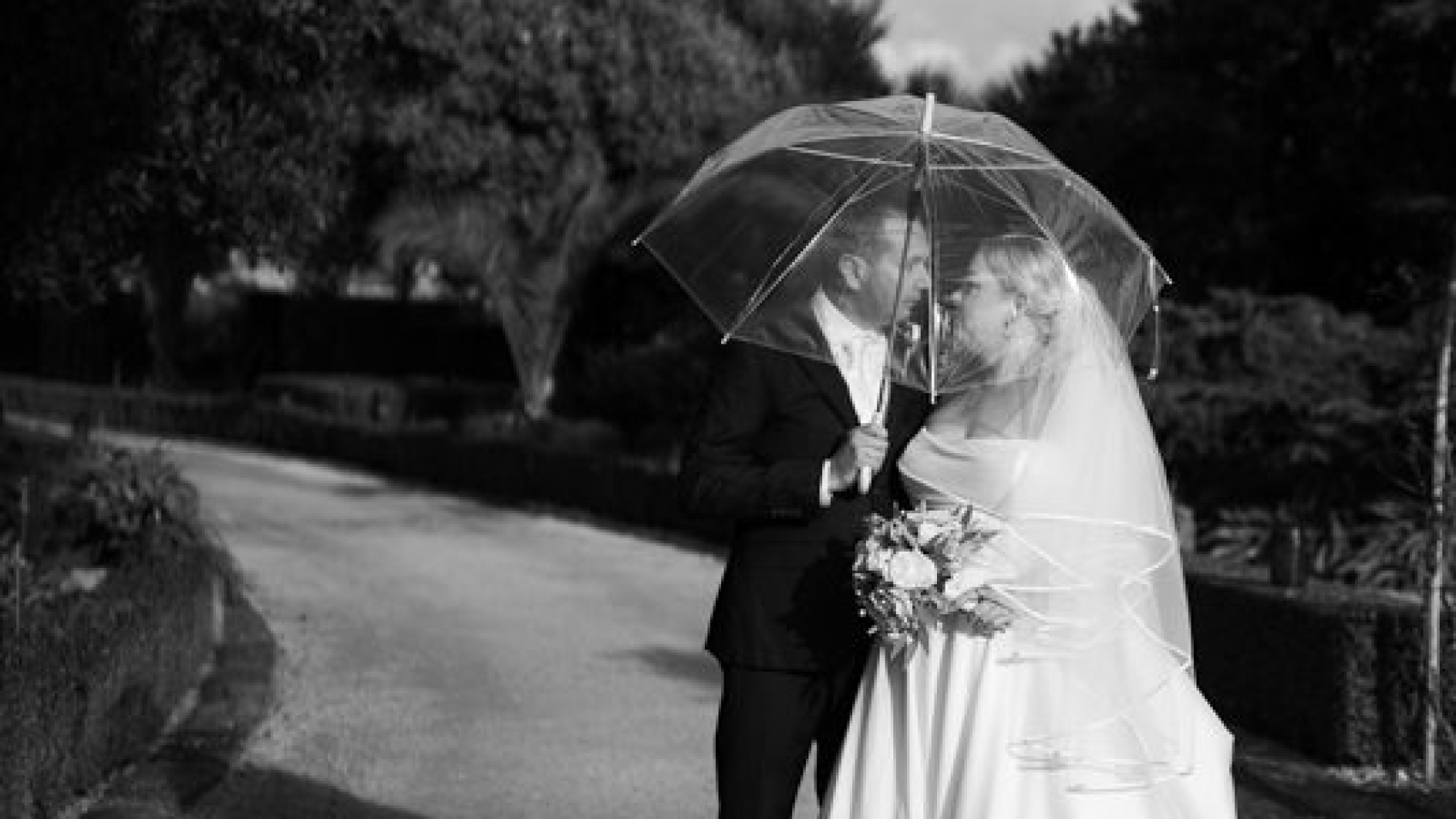
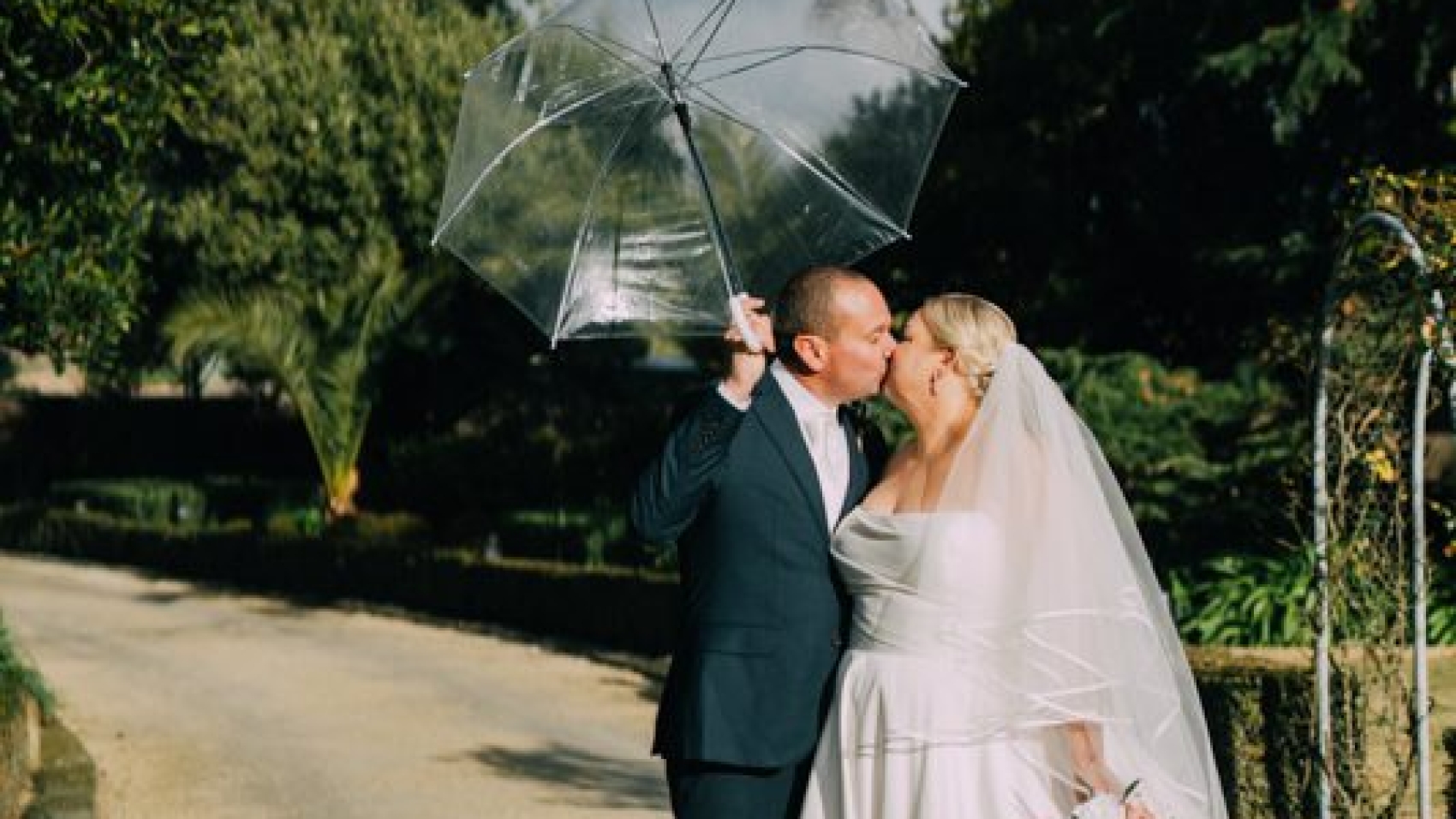
Light rain adds atmosphere and drama to wedding photos. Wet pavement reflects street lamps and building lights, creating a shimmering ground that adds depth and color. A couple sharing an umbrella, a dress damp at the hem, raindrops on a window, these elements are pure cinematic romance.

Melbourne’s drizzle is usually light and intermittent, perfect for photography. Have a towel or blanket ready for between shots, and shoot during the actual rain for those magical wet-street reflections. The couple does not need to be soaked, just slightly damp, to sell the mood.

Wind as a Styling Tool

Wind is your best friend in French photography. It moves hair, lifts veils, billows dresses, and adds dynamism to every frame. On breezy days, position the couple so the wind blows from behind or the side, creating movement in the fabric and hair without it looking messy.

If the wind is too strong, use it selectively. Have the couple stand with their backs to the wind for a dramatic veil lift, then turn around for calm, intimate shots. The contrast between windy and still moments adds variety to the session.

Post-Processing for a French Feel

The editing for French-style wedding photos should enhance the mood without overtaking it. Think film grain, warm shadows, and desaturated greens rather than bright colors and sharp contrast.

Warm Tones and Film Emulation

A slight warmth in the overall tone, particularly in the shadows and mid-tones, gives photos that vintage French film look. Pushing the greens toward olive or teal and the yellows toward gold creates a harmonious palette that feels timeless.

Film grain adds texture and nostalgia. It softens digital sharpness and gives the image a tactile quality that feels like a memory rather than a file. Modern editing tools make it easy to add grain that looks authentic rather than artificial.

Soft Focus and Dreamy Editing

French photography often has a slight softness to it, as if viewed through a haze or a memory. This does not mean blurring the image but rather reducing micro-contrast and letting the light bloom slightly around highlights.

Skin should look smooth but not plastic. Retain some texture, some pores, some natural imperfection. The goal is beauty with honesty, which is the essence of the French aesthetic. Over-smoothing destroys the very authenticity that makes this style work.

Black and White as an Option

Many of the best French-style wedding photos work just as well in black and white. The tonal range, the contrast between light and shadow, and the emotional weight of a monochrome image all suit the romantic mood perfectly.

Offer a mix of color and black and white in the final gallery. The black and white images can serve as bookends, chapter breaks, or standalone art prints that capture the essence of the day in its purest form.
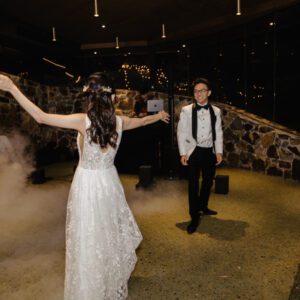
DSC05422

Melbourne night scene, lighting, wedding photography, atmosphere, street photography

Nighttime Street Photography for Wedding Portraits in Melbourne

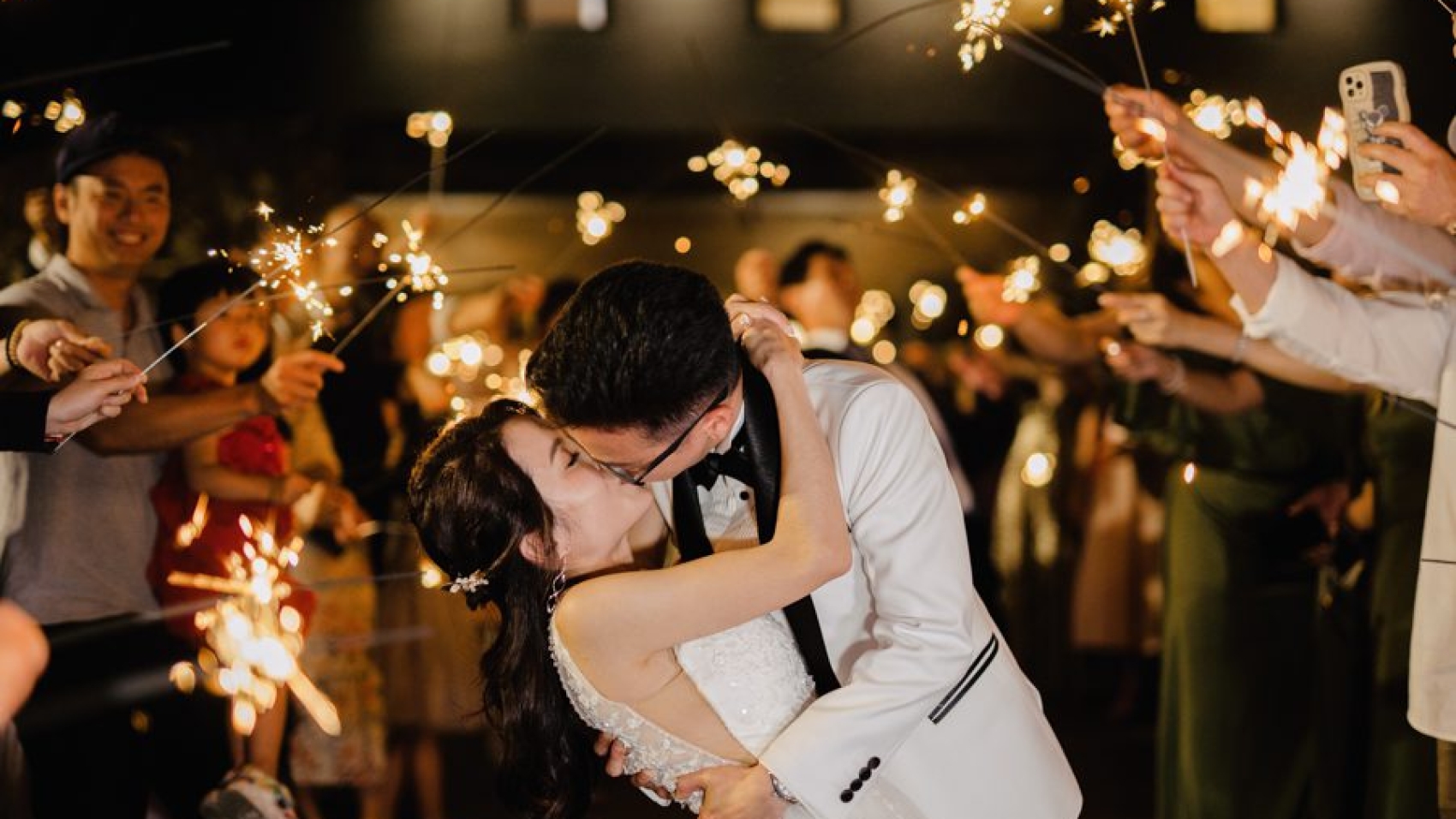
Melbourne transforms after dark. The city lights up in ways that feel cinematic, moody, and endlessly photogenic. For couples wanting wedding photography that breaks away from traditional studio or garden setups, nighttime street photography offers something unique. Neon signs, wet pavements reflecting lamplight, laneways bathed in warm tungsten glow, and the distant skyline create a backdrop that feels intimate yet alive. The key to nailing this style is understanding how light behaves at night and how to use the city itself as your set designer.

wedding photography melbourne

Why Nighttime Street Photography Works for Wedding Portraits

There is a reason so many couples are choosing city streets over ballrooms for their wedding shots. The atmosphere is different. At night, Melbourne’s architecture takes on a whole new personality. Brick buildings glow amber under street lamps. Tram tracks catch reflections from passing headlights. The air feels cooler, the crowds thin out, and the whole world becomes a stage.

The Magic of Ambient Light

One of the biggest advantages of shooting at night is the ambient light available throughout the city. Melbourne’s CBD, Fitzroy, Carlton, and Southbank are packed with sources of interesting light. Shop windows, restaurant awnings, street lamps, car headlights, and neon signage all contribute to a rich tapestry of illumination that changes every few blocks.

This ambient light is soft and diffused compared to midday sun. It wraps around subjects in a way that flatters skin tones and creates natural shadows that add depth without harshness. The warm color temperature of tungsten street lamps, around 3200 Kelvin, gives photos a golden, romantic quality that no filter can truly replicate.

Emotional Depth and Cinematic Mood

Nighttime photography naturally evokes emotion. There is something about a couple standing under a single street lamp, surrounded by shadow and soft light, that feels like a scene from a film. The darkness frames the subjects and draws the viewer’s eye directly to them. Background elements blur into bokeh, creating a dreamy, ethereal quality.

This cinematic mood is exactly what many modern couples want. They are looking for images that feel like stills from a love story, not like standard wedding album photos. Nighttime street photography delivers that effortlessly, especially in a city as visually rich as Melbourne.

Best Locations for Nighttime Wedding Street Photography

Melbourne has no shortage of photogenic spots after dark, but some locations stand out for their light quality, architectural character, and street-level appeal.

Laneways and Hidden Alleys

Melbourne’s laneways are legendary, and they take on a completely different character at night. Hosier Lane with its ever-changing street art, Degraves Street with its narrow passage and warm lighting, and AC/DC Lane near Flinders Street Station all offer incredible backdrops.

The narrow walls of laneways act as natural reflectors, bouncing light back onto subjects and creating even illumination. Graffiti and murals add color and texture to the background without overwhelming the couple. The tight spaces also force a sense of intimacy, which works beautifully for close-up portraits.

The Yarra River and Southbank Promenade

The Southbank promenade along the Yarra River is one of the best spots for nighttime wedding photography in Melbourne. The river reflects city lights, creating shimmering patterns on the water. The pedestrian bridges, the wheel, and the surrounding skyscrapers provide a mix of modern and romantic elements.

Walking along the promenade gives you constant changing backgrounds. Under one bridge you get cool blue tones from the water, further along you find warm amber from the street lamps near the arts center. The open space means you can shoot wide environmental shots or tight portraits depending on the moment.

Fitzroy and Brunswick Streets

Fitzroy’s tree-lined streets with their Victorian terraces are stunning at night. The street lamps cast pools of warm light between the trees, creating dappled patterns on the pavement. Brunswick Street and Gertrude Street offer a mix of vintage shop fronts, cafes with glowing interiors, and eclectic architecture.

The lower buildings in Fitzroy mean the sky is often visible above the rooftops, adding depth to shots. The mix of old and new, brick and glass, creates visual interest that keeps the eye moving through the frame.

Mastering Light and Camera Settings for Night Shoots

Shooting at night requires a different approach than daytime photography. The light is lower, the colors shift, and the margin for error is smaller. Getting the technical side right is what separates good night photos from great ones.

Working With Available Light

The best nighttime street photos use available light creatively rather than fighting against it. This means learning to see light where others see darkness. A single street lamp can become your key light if you position the couple under it. A shop window display can act as a giant softbox. Car headlights passing behind the couple create a dramatic rim light effect.

The trick is to move constantly, scouting for pockets of good light as you walk. Stop under a lamp, check how the light falls on your subjects’ faces, adjust their position slightly, and shoot. Then move ten meters and do it again. This constant repositioning keeps the shoot dynamic and ensures you capture a variety of light qualities.

Camera Settings That Work After Dark

For nighttime wedding photography, start with a wide aperture, typically f/1.4 to f/2.8, to let in as much light as possible. This also creates that shallow depth of field that blurs the background into beautiful bokeh, isolating the couple from the busy street scene.

Push the ISO higher than you normally would. Modern cameras handle ISO 3200 to 6400 quite well, and the slight grain that comes with higher ISO actually adds to the cinematic feel of night photos. Keep the shutter speed fast enough to avoid motion blur, ideally above 1/125th of a second for handheld shooting.

If you have a fast prime lens, use it. A 35mm or 50mm f/1.4 is ideal for night street work because it gathers light efficiently and gives you a natural field of view that feels immersive without being too wide.

Creating Atmosphere and Mood in Nighttime Wedding Photos

Technical skill gets you a well-exposed image, but atmosphere is what makes people stop scrolling and stare. Creating mood in nighttime street photography is about more than just turning off the lights.

Using Bokeh and Light Sources Creatively

Bokeh, the aesthetic quality of the out-of-focus areas in a photo, is one of the most powerful tools for nighttime mood. City lights rendered as soft, glowing orbs behind the couple create a magical, dreamlike effect. The shape of the bokeh depends on your lens, but most fast primes produce round, smooth highlights that look gorgeous.

To maximize bokeh, shoot wide open and get the background lights as far from the subjects as possible. The further the lights are, the bigger and softer the bokeh circles become. Standing under a street lamp with shops and traffic lights in the distance behind you creates layers of glowing orbs that frame the couple beautifully.

Incorporating Movement and Life

A nighttime street photo feels more alive when there is movement in the frame. A tram passing in the background, a cyclist with a headlight, pedestrians walking by with phone screens glowing, or even rain falling through a beam of light all add energy and context.

The couple should be still and sharp while the world moves around them. This contrast between stillness and motion creates tension and interest. A long exposure of one or two seconds can blur moving lights into streaks while keeping the couple frozen, adding a painterly quality to the image.

Playing With Shadows and Silhouettes

Nighttime is the perfect time to experiment with shadows. Deep blacks frame the subjects and create drama. Silhouettes against a bright background, like a lit-up building or a row of street lamps, are incredibly striking for wedding photos.

You don’t always need to see the couple’s faces clearly. A silhouette of a couple kissing under a bridge, with the city lights painting the sky behind them, can be more powerful than a perfectly lit portrait. Shadows add mystery and emotion, letting the viewer fill in the gaps with their imagination.

Posing and Direction for Nighttime Street Shots

Posing at night requires a different mindset than daytime. The light is dramatic, the surroundings are urban, and the mood should feel candid rather than staged.

Natural Interaction Over Posed Stances

The best nighttime street wedding photos look like they were captured in passing, not set up. Have the couple walk together, talk, laugh, or just stand close. Direct them to look at each other, not at the camera. The photographer catches the moment rather than creating it.

Walking shots work particularly well at night. Having the couple stroll down a lit laneway, hand in hand, with the camera following or shooting from the front, creates a sense of journey and intimacy. The motion blur of their feet and the sharp focus on their faces adds cinematic energy.

Using Urban Elements as Props

The city is full of props if you know where to look. A fire hydrant, a parked bicycle, a street sign, a bench, a phone booth, or even a manhole cover can become part of the composition. These elements ground the couple in the location and add authenticity.

Leaning against a brick wall, sitting on steps, or standing in a doorway all create natural frames that draw attention to the subjects. The key is to keep it simple. One or two urban elements are enough. Too many props make the photo feel cluttered and take away from the couple.

Capturing Candid Emotions

Nighttime street photography thrives on candid moments. The low light makes people feel less self-conscious, which is perfect for capturing genuine emotion. A whispered joke, a spontaneous kiss, a shared glance, or even a moment of quiet connection all make powerful images.

Tell the couple to forget about the camera. Talk to them, make them laugh, ask them to tell each other something. The photographer shoots from the hip or from a distance, capturing the real moments as they happen. These unposed shots often become the most meaningful images from the entire session.

Dealing With Common Nighttime Photography Challenges

Shooting at night in a busy city comes with its own set of headaches. Being prepared for these challenges keeps the shoot running smoothly.

Managing Mixed Light Sources

One of the trickiest aspects of nighttime street photography is dealing with mixed color temperatures. Street lamps are warm tungsten, shop signs are cool LED or neon, car headlights are daylight balanced, and phone screens are blue. All these different light sources hitting the couple at once can create color casts that are hard to correct.

The best approach is to embrace the mixed light rather than fight it. Let the warm street lamp light one side of the face and the cool neon light the other. This color contrast adds visual interest and feels authentic to the urban environment. In post-processing, you can fine-tune the white balance, but trying to make everything look perfectly neutral often removes the mood.

Dealing With Low Light and Noise

High ISO means noise, and noise can ruin a photo if it gets out of hand. Modern cameras handle noise remarkably well up to ISO 6400 or even 12800, but there is a limit. The trick is to expose correctly in-camera and push the exposure slightly in post rather than cranking ISO too high in the field.

Shoot in RAW format to give yourself maximum flexibility in editing. RAW files retain more detail in the shadows and highlights, allowing you to recover information that JPEGs would lose. This is especially important at night where the dynamic range between bright lights and dark shadows can be extreme.

Navigating Crowds and Permissions

Melbourne’s popular nightlife areas get busy after dark. Shooting in crowded laneways or on busy streets means dealing with pedestrians, drunk patrons, and security guards. Being respectful and quick is essential.

Always ask permission before shooting close-up portraits in public. Most people are fine with it, but asking shows respect and often gets a better reaction. For wider environmental shots, you generally do not need permission as long as you are not harassing people or blocking pathways.

Have a backup plan for locations that get too crowded. Melbourne has plenty of quieter side streets and secondary laneways that offer similar light and atmosphere without the crowds. Scouting these alternatives before the shoot saves you from scrambling when your first choice is packed.

Post-Processing Nighttime Wedding Photos

Editing nighttime street wedding photos requires a delicate touch. The goal is to enhance the mood, not create a false reality.

Color Grading for Warmth and Depth

A slight warm shift in the color grading enhances the tungsten street lamp glow and makes skin tones look healthy. Pushing the shadows slightly toward teal or blue creates a complementary color contrast with the warm highlights that is visually striking.

Avoid over-saturating colors. Nighttime photos look best when colors are rich but restrained. Neon signs should pop without bleeding into the rest of the image. Skin tones should stay natural, not orange or red from excessive warmth.

Contrast and Tonal Range

Nighttime photos benefit from careful contrast management. Lifting the blacks slightly adds a matte, film-like quality that suits the moody aesthetic. Pulling down the highlights prevents street lamps and neon signs from blowing out completely, keeping detail in the brightest areas.

A subtle S-curve in the tonal range adds depth without making the image look flat or overly processed. The goal is to maintain the natural look of night light while making the couple stand out from the background.

Grain and Texture

Adding a fine layer of grain mimics the look of high-ISO film and ties the digital photo to the analog aesthetic that suits nighttime street photography. This grain should be subtle, visible on close inspection but not distracting at normal viewing distance.

Texture in the brick walls, pavement, and architectural details adds tactile richness to the image. A slight clarity boost on mid-tones brings out these textures without creating harsh edges or halos around the couple.

DSC02412

Melbourne countryside ranch wedding photography with a pastoral style

Rustic Wedding Photography at Melbourne’s Countryside Ranches

There is something undeniably romantic about exchanging vows surrounded by rolling green hills, grazing cattle, and the golden light of the Australian bush. Melbourne’s surrounding countryside ranches have become one of the most sought-after destinations for couples who want wedding photography that feels unforced, warm, and deeply connected to the land. The rustic charm of wooden fences, weathered barns, and open paddocks creates a backdrop that feels both timeless and effortlessly beautiful.

wedding photography melbourne

Why Countryside Ranches Work So Well for Wedding Portraits

The appeal of a ranch setting goes far beyond just having pretty scenery. It taps into something primal, a sense of simplicity and groundedness that city venues simply cannot replicate. When you step onto a property just an hour or two outside Melbourne, the air smells different, the light falls differently, and the whole world slows down.

Natural Light That Flatters Every Couple

One of the biggest advantages of shooting at a countryside ranch is the quality of natural light. Open paddocks mean there are no tall buildings or trees blocking the sun for most of the day. The light wraps around couples in a soft, warm way that makes skin look luminous without harsh shadows.

Early morning sessions, right around sunrise, are particularly magical. The mist still hangs low over the grass, cattle wander slowly through the frame, and the light has that buttery quality photographers dream about. Late afternoon brings long shadows and rich amber tones that turn even the simplest portrait into something cinematic.

Movement and Life in Every Frame

Unlike a studio or a manicured garden, a ranch is alive. Horses move, birds fly overhead, wind rustles through dry grass, and sometimes a curious cow wanders into the shot. These unplanned moments often become the most treasured images from a wedding day. They add authenticity and energy that posed shots alone never achieve.

Couples who embrace this spontaneity tend to get the best results. Walking hand in hand through a paddock, laughing as a roo jumps near the fence, or simply standing still while the wind plays with a veil, these are the images that tell a real story rather than just showing a pretty scene.

Capturing the Rustic Aesthetic Without Looking Staged

The challenge with rustic wedding photography is walking that fine line between effortlessly natural and overly curated. Too many props, too much styling, and the images start looking like a magazine spread rather than a genuine moment. The best ranch wedding photos feel like they were discovered, not constructed.

Letting the Environment Lead the Composition

Great ranch photographers use the landscape as their primary styling tool. A weathered wooden gate becomes a frame for a couple’s portrait. A dirt path leads the eye naturally toward the subjects. A lone tree on a hilltop provides scale and drama without any artificial backdrop.

The key is to spend time walking the property before the shoot, scouting for spots where the light, textures, and composition come together organically. A cracked mud wall behind a couple in flowing white fabric creates contrast and depth that no studio backdrop could match.

Wardrobe Choices That Complement the Setting

What a bride wears at a ranch makes a huge difference to how the photos feel. Flowy bohemian dresses in soft creams, dusty blues, or muted earth tones blend beautifully with the landscape. Avoid anything too structured or overly glamorous. Lace, chiffon, and linen fabrics photograph wonderfully in open air because they move with the wind and catch the light in interesting ways.

Grooms do well in linen suits or simple shirts with rolled sleeves. Brown leather boots, suspenders, and rolled trousers all fit the aesthetic without looking like a costume. The goal is to look like you belong there, like you grew up on this land, even if you drove in from the city that morning.

Timing Your Shoot for the Best Conditions

Melbourne weather is famously unpredictable, but that unpredictability can actually work in your favor if you plan around it. The countryside ranches around areas like Bacchus Marsh, Gisborne, or the Yarra Valley offer different microclimates and terrain that respond beautifully to changing conditions.

The Golden Hour Advantage

Shooting during golden hour, that window roughly an hour before sunset, gives you the most forgiving and flattering light. The sun sits low, casting long warm tones across the grass and creating a halo effect around hair. For ranch photography specifically, this light turns dust motes into something magical and makes wooden structures glow.

If your ceremony is midday, consider doing portraits in the late afternoon instead. The midday sun over open paddocks can be harsh and create unflattering shadows under the eyes. Waiting a few hours transforms the same location into a completely different mood.

Embracing Overcast Skies

Cloudy days get a bad reputation in photography, but for ranch portraits, they are actually ideal. Soft diffused light eliminates harsh shadows and creates even illumination across large landscapes. Colors appear richer and more saturated under overcast skies, and the moody sky adds atmosphere without overwhelming the subjects.

Some of the most stunning ranch wedding photos were taken on grey, drizzly days. The muted tones of the sky blend with the earthy palette of the land, and couples wrapped in blankets or standing under a verandah look incredibly intimate and cozy.

Working With Local Ranch Properties

Not all ranches are created equal, and finding the right one makes a massive difference to your photos. Melbourne’s outskirts are dotted with working cattle and sheep stations, some of which welcome wedding photography sessions while others remain strictly agricultural.

What to Look for in a Ranch Location

The ideal property has a mix of open paddocks for wide shots, some fenced areas for leading lines, a rustic building or barn for indoor or sheltered portraits, and perhaps a water feature like a dam or creek. Trees scattered across the landscape add depth and framing options.

Access matters too. You want a property that is close enough to Melbourne for easy travel but far enough out that there are no houses, power lines, or roads visible in your shots. Properties with rolling terrain rather than flat ground create more visual interest and better background separation.

Coordinating With Property Owners

Most ranch owners are happy to host wedding shoots, but it pays to be respectful of their land. Ask about access times, whether you can walk certain areas, and if there are livestock you need to be aware of. Bringing a small gift or offering a print for their wall goes a long way in building a good relationship.

Some ranches have specific rules about where you can shoot, especially if they are still running cattle. A good photographer will know these boundaries in advance and work around them creatively. Sometimes a herd of cows in the background is exactly what the photo needs, and a skilled shooter will incorporate them rather than fight against them.

Posing Ideas That Feel Natural on a Ranch

Posing in a ranch setting should feel like you are just living your life there, not performing for a camera. The best images come from interaction, movement, and genuine emotion rather than rigid stances.

Walking and Movement Shots

Have the couple walk toward the camera along a dirt path or fence line. Shoot from a low angle to capture the vast sky and the sense of space. Alternatively, photograph them walking away, hand in hand, with the landscape stretching out behind them. These shots convey journey and togetherness in a way that standing portraits cannot.

Seated and Relaxed Positions

A hay bale, an old wooden bench, or even the tailgate of a ute makes a great seat for couple portraits. Sitting close together, foreheads touching, or laughing at something off-camera creates intimacy. For solo bridal portraits, sitting in tall grass with a wide-brimmed hat and a bouquet of wildflowers looks effortlessly beautiful.

Incorporating Animals and Nature

If the property has horses, consider a shot where the couple stands beside one. Horses are naturally photogenic and add a sense of grace and wildness to the image. Even without animals, incorporating natural elements like holding a bundle of wheat, leaning against a fence post, or standing beneath a gum tree roots the couple in the environment.

Editing Style That Matches the Ranch Mood

The post-processing for ranch wedding photos should enhance the natural warmth without overdoing it. Heavy filters and dramatic color grading can make rustic photos look artificial, which defeats the whole purpose.

Warm Tones and Soft Contrast

A slight lift in the warm tones, gently desaturated greens, and soft contrast create that nostalgic, film-like quality that suits ranch settings perfectly. Skin tones should stay natural and healthy, not orange or overly smoothed. The goal is to make the photos feel like a memory, not a digital creation.

Keeping Grain and Texture

Adding a subtle film grain gives ranch photos an analog feel that complements the rustic subject matter. It adds texture to the sky, the grass, and the wooden structures without looking gimmicky. This approach has become hugely popular in wedding photography because it ages well and feels authentic.

Minimal Retouching

Less is more when it comes to retouching ranch wedding photos. Remove distracting elements like litter or stray wires, but keep the natural imperfections. A few stray hairs blown by the wind, dust on a dress hem, or mud on boots all add to the story. Over-retouching strips away the very rawness that makes these images special.

DSC02389

Melbourne countryside ranch wedding photography with a pastoral style

Rustic Romance: Capturing Timeless The Countryside-Inspired Wedding Photography in Melbourne’s Countryside Farms

Melbourne’s sprawling countryside, with its rolling green hills, wildflower meadows, and rustic barns, offers a dreamy escape for couples seeking a wedding photography style that’s both natural and deeply romantic. The charm of a countryside farm lies in its unpretentious beauty—weathered wooden fences, grazing horses, and golden sunlight filtering through oak trees create a setting that feels both timeless and alive. For those envisioning a wedding shoot that blends rustic elegance with the freedom of open spaces, Melbourne’s farms provide the perfect canvas. Here’s how to embrace the countryside aesthetic while capturing authentic moments amid nature’s simplicity.

wedding photography melbourne

The Magic of Melbourne’s Farm Settings for Wedding Photography

Farm landscapes are inherently romantic, with their mix of rugged textures and soft, natural elements. The key to achieving a cohesive the countryside look is to let the environment guide your compositions. Look for spots where the land’s natural lines—like rows of crops, winding dirt paths, or the curve of a hill—lead the eye toward the couple. Use the farm’s structures, such as wooden barns, stone walls, or old water tanks, as framing devices to add depth and context to your shots. These elements not only anchor the photos but also tell a story of place, connecting the couple’s love to the land itself.

Light plays a crucial role in farm photography, especially during the golden hour when the sun casts a warm, diffused glow over the fields. Schedule your shoot for early morning or late afternoon to take advantage of this soft lighting, which flatters skin tones and highlights the textures of the surroundings. If shooting midday, seek shade under trees or use a diffuser to soften harsh shadows. The goal is to create images that feel warm, inviting, and effortlessly natural, as if the couple has always belonged in this landscape.

Tips for Enhancing the Rustic-The Countryside Vibe

  • Embrace natural textures: Incorporate elements like hay bales, wooden crates, or wildflowers into your setups for added authenticity.
  • Keep wardrobe simple: Choose flowing fabrics, neutral tones, or earthy colors that blend with the farm’s palette without overpowering it.
  • Let movement guide you: Encourage the couple to walk, twirl, or dance in the fields to capture dynamic, joyful moments that feel spontaneous.

Melbourne’s Best Farm Locations for a Dreamy Wedding Shoot

From hidden valleys to sprawling estates, Melbourne’s countryside is dotted with farms that offer breathtaking backdrops for wedding photography. Here are three must-visit spots:

A Sunlit Valley in the Dandenong Ranges

Tucked away in the foothills of the Dandenong Ranges, this farm is a haven of tranquility, with lush pastures, towering gum trees, and a winding creek that cuts through the land. The open fields are perfect for capturing the couple in wide-angle shots, surrounded by nature’s grandeur. For a more intimate feel, photograph them sitting on a weathered wooden bench near the creek, or walking hand-in-hand along a dirt path lined with wildflowers. The farm’s natural beauty requires minimal styling—let the landscape speak for itself while focusing on genuine interactions between the couple.

A Historic Homestead in the Yarra Valley

This Yarra Valley gem combines old-world charm with sweeping views of vineyards and distant mountains. The property’s centennial-old barn, with its peeling paint and rusted metal roof, serves as a striking focal point for photos. Position the couple in front of the barn’s large wooden doors, or capture them from a distance as they explore the vineyards at sunset. The interplay of light and shadow on the vineyard rows creates a mesmerizing pattern, adding visual interest to your compositions. For a playful twist, include the farm’s resident animals—like a gentle horse or a curious goat—in a few shots to add warmth and personality.

A Coastal Farm Near Mornington Peninsula

For couples who crave a mix of rustic and coastal vibes, this farm near the Mornington Peninsula delivers both. With its windswept fields, rocky outcrops, and glimpses of the ocean in the distance, the setting feels both wild and serene. Photograph the couple standing on a hilltop at dawn, with the first light of day painting the sky in soft pinks and oranges. Or capture them laughing as they chase each other through the tall grass, the ocean breeze tousling their hair. The farm’s proximity to the water adds a unique dimension to the photos, blending the earthy tones of the land with the cool blues of the sea.

Overcoming Challenges of Farm Wedding Photography

Shooting in a rural setting comes with its own set of hurdles, but with a bit of preparation, you can turn them into creative opportunities. Here’s how to tackle common issues:

Dealing With Unpredictable Weather

Farms are exposed to the elements, so sudden rain or strong winds can disrupt your plans. Always have a backup plan, like a sheltered spot on the property or a nearby barn, where you can continue shooting if the weather turns. Embrace rainy days by capturing the couple under an umbrella, with droplets glistening on the grass, or use the wind to create movement in their hair or clothing for a dramatic effect. The key is to stay flexible and adapt to the conditions while keeping the couple comfortable and focused.

Managing Natural Light in Open Fields

Open fields can be tricky when it comes to lighting, as there are few shadows to soften harsh sunlight. To avoid squinting or washed-out skin tones, position the couple with their backs to the sun, using their bodies to block the light and create a natural rim effect. Alternatively, use a reflector to bounce light onto their faces or bring a portable diffuser to soften the sunlight. If shooting during midday, look for shaded areas under trees or large structures, where the light is more even and flattering.

Staying True to the Rustic-The Countryside Theme

Consistency is key when it comes to farm photography, so keep your styling and composition choices cohesive throughout the shoot. Avoid overly posed shots or modern props that might clash with the farm’s natural aesthetic. Instead, focus on capturing candid moments—like the couple sharing a laugh while feeding chickens or stealing a kiss under a tree—that feel authentic and unforced. Use the farm’s elements to guide your framing, and let the landscape’s beauty shine through in every image.

Final Thoughts

Melbourne’s countryside farms offer a unique blend of rustic charm and natural beauty, making them the perfect setting for wedding photography that’s both timeless and full of life. By embracing the farm’s textures, playing with light, and staying true to the countryside aesthetic, you’ll create images that capture the couple’s love in a way that feels both genuine and artistically inspired. Whether you’re posing in a sunlit field or sharing a quiet moment near a creek, these spaces will ensure your photos are as unforgettable as the love story they tell.

DSC02426

Murray Street’s Trendy Coffee Shop Offers Wedding Photography in a Light Retro Style

Vintage Charm Meets Modern Romance: Light Retro Wedding Photography in Melbourne’s Trendy Cafes

Melbourne’s vibrant cafe culture is the perfect blend of laid-back charm and timeless elegance, making it an ideal setting for light retro-inspired wedding photography. With exposed brick walls, vintage decor, and cozy corners, these spaces offer a nostalgic yet contemporary backdrop for couples looking to capture their love in a style that feels both classic and fresh. Whether you’re planning an intimate shoot or a full-day session, here’s how to infuse your photos with retro flair amid Melbourne’s most photogenic cafes.

wedding photography melbourne

The Allure of Light Retro Aesthetics in Melbourne’s Cafes

Light retro wedding photography draws inspiration from mid-century design, soft color palettes, and playful details—think muted pastels, rustic textures, and subtle nods to the past. Melbourne’s cafes are a natural fit for this theme, as many feature original architectural elements like arched windows, tiled floors, and wooden beams, paired with modern touches like industrial lighting or minimalist furniture. This mix creates a visually interesting environment that feels both authentic and stylish, allowing couples to step into a world that’s slightly removed from the present while still feeling relatable.

To achieve this look, focus on natural lighting and candid moments. Many cafes have large windows that let in soft, diffused light, which flatters skin tones and adds a gentle glow to photos. Encourage the couple to interact naturally—sipping coffee, sharing a laugh, or stealing a kiss—while you capture the scene from a distance or through subtle framing, like using a doorway or window as a border. The goal is to create images that feel effortless yet thoughtfully composed, with a hint of nostalgia woven throughout.

Tips for Enhancing the Light Retro Vibe

  • Choose soft, muted colors: Opt for outfits in beige, cream, or light pastels to complement the cafe’s decor without overpowering it.
  • Incorporate vintage props: Think old cameras, typewriters, or lace doilies to add texture and storytelling elements.
  • Play with textures: Use the cafe’s natural elements—like weathered wood, patterned tiles, or textured walls—to add depth to your compositions.

Top Melbourne Cafes for Light Retro Wedding Shoots

From hidden laneway gems to sunlit corner spots, Melbourne’s cafe scene has something for every couple seeking a retro-inspired setting. Here are three must-visit locations:

A Hidden Gem in Degraves Street

Tucked away in one of Melbourne’s most iconic laneways, this cafe combines exposed brick with mismatched vintage furniture and lush indoor plants. The space feels like a secret garden, with dappled light filtering through skylights and a cozy nook perfect for intimate portraits. Photograph the couple sitting at a small wooden table, surrounded by greenery, or capture them from above as they share a moment over coffee. The cafe’s rustic charm and natural light make it ideal for soft, romantic shots that feel both timeless and modern.

A Sunlit Corner in Fitzroy

This Fitzroy favorite is known for its retro-inspired decor, featuring pastel-colored walls, terrazzo floors, and quirky art pieces. The large front windows flood the space with natural light, creating a bright, airy atmosphere that’s perfect for light retro photography. Position the couple near the windows for backlit portraits, or use the colorful walls as a vibrant backdrop for closer shots. For a playful twist, incorporate the cafe’s vintage signage or retro furniture into your compositions, adding a touch of whimsy to your images.

A Cozy Spot in South Yarra

Nestled in a quiet corner of South Yarra, this cafe exudes old-world charm with its checkered floors, leather booths, and antique lighting fixtures. The space feels like a step back in time, with a warm, inviting ambiance that’s perfect for capturing quiet moments of connection. Photograph the couple sitting side by side in a booth, or capture them walking hand-in-hand through the cafe’s narrow hallway. The combination of rustic textures and soft lighting creates a romantic, nostalgic feel that’s ideal for light retro wedding photography.

Overcoming Challenges of Cafe Photography

Shooting in a busy cafe comes with its own set of logistical hurdles, but with a bit of creativity and planning, you can turn them into opportunities. Here’s how to navigate common issues:

Managing Crowds and Noise

Popular cafes can get lively, especially during peak hours, which might make it difficult to capture quiet, intimate moments. To avoid disruptions, schedule your shoot during off-peak times, like early mornings or weekday afternoons. If the cafe is still busy, look for quieter corners or use the crowd to your advantage by capturing candid interactions—like the couple laughing at a joke from a passerby or sharing a secret glance over their shoulders. The key is to stay flexible and adapt to the environment while keeping the focus on the couple.

Dealing with Mixed Lighting

Cafes often have a mix of natural and artificial light, which can create uneven tones in photos. To compensate, use a reflector to bounce light onto the couple’s faces or adjust your camera settings to balance highlights and shadows. If shooting indoors, position the couple near windows to utilize natural light, or bring portable lighting for darker areas. For a moody, retro effect, embrace the shadows and focus on low-key compositions that highlight the couple’s expressions and the cafe’s textures.

Staying True to the Light Retro Theme

Consistency is key when it comes to light retro photography, so keep your styling and composition choices cohesive throughout the shoot. Encourage the couple to wear outfits that fit the theme—think flowy dresses, tailored suits, or accessories like bow ties or headbands—and avoid modern elements that might clash with the setting’s charm. Use the cafe’s decor to guide your framing and angles, and focus on capturing genuine emotions rather than forced poses. The goal is to create images that feel both authentic and artistically curated, with a subtle nod to the past.

Final Thoughts

Melbourne’s trendy cafes offer a unique blend of nostalgia and modernity, making them the perfect setting for light retro-inspired wedding photography. By leveraging the cafes’ natural light, embracing their quirky decor, and staying true to the theme’s soft, timeless aesthetic, you’ll create images that capture the essence of romance in a style that feels both fresh and familiar. Whether you’re posing in a sunlit corner or sharing a quiet moment in a cozy booth, these spaces will ensure your photos are as unforgettable as your love story.

DSC02882

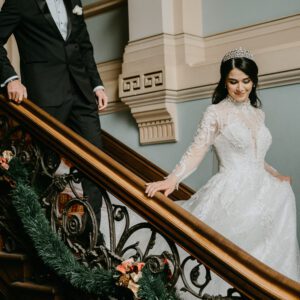
Melbourne European-style architecture wedding photography in a royal style

Elegant Grandeur: Regal Wedding Photography Amid Melbourne’s European-Inspired Architecture

Melbourne’s cityscape is a treasure trove of European-style architecture, offering couples a chance to step into a fairytale world for their wedding photos. With grand facades, ornate details, and timeless charm, these historic buildings provide the perfect backdrop for regal-style photography that exudes sophistication and romance. Whether you’re dreaming of a Baroque-inspired shoot or a Renaissance-inspired portrait session, here’s how to capture the magic of love against Melbourne’s architectural masterpieces.

wedding photography melbourne

The Timeless Appeal of Melbourne’s European Buildings

Melbourne’s European architectural heritage dates back to the 19th century, when settlers brought styles from England, Italy, and France to the city’s streets. Today, these buildings stand as living monuments to craftsmanship, featuring intricate stonework, soaring columns, and sweeping staircases that feel straight out of a royal palace. Photographing here allows couples to embrace a sense of grandeur without leaving the city, creating images that feel both historic and deeply personal.

To make the most of this theme, focus on symmetry and balance in your compositions. Use the building’s lines and angles to guide the viewer’s eye, and position the couple in a way that highlights the architecture’s scale and detail. For example, stand them at the base of a grand staircase or frame them between towering columns to emphasize their place in this majestic setting.

Tips for Enhancing the Regal Aesthetic

  • Choose formal attire: Long gowns, tailored suits, and elegant accessories like gloves or hats complement the architecture’s sophistication.
  • Incorporate props: Think antique mirrors, vintage candelabras, or ornate frames to add layers of texture and storytelling.
  • Play with light and shadow: Many European-style buildings have deep doorways or arched windows that create dramatic contrasts—use these to add depth to your photos.

Iconic Locations for Royal-Inspired Shots

From grand squares to hidden courtyards, Melbourne’s European-inspired spots offer endless opportunities for regal wedding photography. Here are three must-visit destinations:

Parliament House and Treasury Gardens

This neoclassical gem, with its marble columns and grand entrance, is a natural choice for couples seeking a palace-like setting. Photograph the couple on the steps leading up to the building, using the symmetry of the facade to create a balanced, powerful image. For a softer touch, move to the adjacent Treasury Gardens, where manicured lawns and wrought-iron fences provide a romantic, secluded backdrop. During golden hour, the building’s stone glows warmly, adding a magical touch to your portraits.

Block Arcade and Royal Arcade

These iconic shopping arcades, modeled after European covered passages, are lined with mosaic floors, glass ceilings, and ornate shopfronts. For a whimsical, fairytale feel, capture the couple walking hand-in-hand down the arcade’s length, with the light filtering through the glass above. Pause at the arches or decorative entrances for framed shots that feel like scenes from a storybook. The arcades’ intimate scale also makes them perfect for close-up portraits that highlight the couple’s emotions against a backdrop of timeless beauty.

Como House and Gardens

This historic mansion in South Yarra combines Italianate architecture with lush gardens, offering a blend of indoor and outdoor regal settings. Inside, photograph the couple in the grand hall or drawing room, surrounded by antique furniture and chandeliers. Outside, the manicured lawns, fountains, and hedges provide a picturesque setting for portraits that feel both formal and relaxed. For a unique twist, use the mansion’s wrought-iron gates or stone balustrades as framing devices, adding a touch of old-world charm to your images.

Overcoming Challenges of Architectural Photography

Shooting in and around historic buildings comes with its own set of challenges, but with a bit of planning, you can turn them into opportunities. Here’s how to navigate common issues:

Managing Crowds and Permissions

Popular locations like Parliament House or Block Arcade can get busy, especially during peak hours. To avoid crowds, schedule your shoot early in the morning or on a weekday. If you’re photographing inside a historic building, check ahead for any permits or restrictions—some venues may limit commercial photography or require advance booking. For exterior shots, be patient and wait for gaps in foot traffic to capture clean, uninterrupted frames.

Dealing with Mixed Lighting

Many European-style buildings have a mix of natural and artificial light, which can create uneven tones in photos. To compensate, use a reflector to bounce light onto the couple’s faces or adjust your camera settings to balance highlights and shadows. If shooting indoors, position the couple near windows to utilize natural light, or bring portable lighting for darker areas. For a moody, dramatic effect, embrace the shadows and focus on silhouettes or low-key compositions.

Staying True to the Theme

Regal photography is all about attention to detail, so keep your styling consistent throughout the shoot. Encourage the couple to maintain formal poses and expressions, and avoid casual gestures that might clash with the setting’s grandeur. Use the architecture’s features—like arches, columns, or staircases—to guide movement and interaction, ensuring every shot feels intentional and cohesive.

Final Thoughts

Melbourne’s European-inspired architecture offers a breathtaking canvas for wedding photography that feels both timeless and luxurious. By embracing the buildings’ grandeur, planning around logistical challenges, and staying true to the regal aesthetic, you’ll create images that capture the essence of romance against a backdrop of historic elegance. Whether you’re posing on marble steps or strolling through a glass-ceilinged arcade, these locations will ensure your photos are as unforgettable as your love story.

03082-6

Melbourne Golden Beach Wedding Photography – Soft Tone Seaside Scenery

Sun-Kissed Love: Warm-Toned Beach Wedding Photography in Melbourne

Melbourne’s golden beaches offer a dreamy canvas for couples seeking a wedding photography experience that radiates warmth and romance. With soft sand, gentle waves, and breathtaking sunsets, these coastal stretches provide the perfect blend of natural beauty and intimate atmosphere. Whether you’re planning a sunrise shoot or a twilight session, here’s how to capture the magic of love against Melbourne’s sunlit shores.

wedding photography melbourne

The Allure of Melbourne’s Coastal Light

Melbourne’s beaches are known for their ever-changing light, which shifts from cool morning hues to golden afternoon warmth. For a cohesive, warm-toned aesthetic, schedule your shoot during the late afternoon or early evening when the sun sits low in the sky. This time of day bathes everything in a golden glow, enhancing skin tones and creating a flattering, ethereal quality in photos.

To maximize this effect, position the couple facing the light source, allowing the sun to wrap around them like a halo. Use the beach’s natural elements—such as driftwood, seashells, or tide pools—to add texture and depth without overwhelming the scene. The goal is to let the light guide the composition, creating images that feel both spontaneous and carefully crafted.

Tips for Enhancing Warm Tones

  • Embrace golden hour: The hour before sunset offers the richest, most flattering light. Plan your key shots during this window to capture soft shadows and vibrant colors.
  • Use natural reflectors: Sand and water naturally bounce light, reducing harsh contrasts. Encourage the couple to stand near the shoreline or in shallow waves to utilize this effect.
  • Incorporate warm accessories: Think straw hats, linen fabrics, or wooden props to complement the beach’s natural palette and add visual interest.

Iconic Melbourne Beaches for Sunlit Portraits

From bustling bayside spots to secluded coves, Melbourne’s coastline has something for every couple. Here are three must-visit locations for warm-toned beach wedding photography:

Brighton Beach

Famous for its colorful bathing boxes, Brighton Beach is a vibrant, playful setting for wedding photos. Position the couple in front of a brightly painted box, using the door or windows as a frame, or capture them walking hand-in-hand along the shoreline as the sun dips below the horizon. For a unique twist, photograph the couple inside one of the boxes, letting the warm light filter through the windows for a cozy, intimate feel.

St Kilda Beach

This lively beach combines urban energy with natural beauty, making it ideal for couples who want a mix of action and tranquility. Start with a sunrise shoot on the empty sands, then move to the pier as the day progresses to capture the couple against the backdrop of rolling waves and distant city lights. During sunset, use the beach’s iconic palm trees to add height and drama to your compositions, or photograph the couple from behind as they watch the sky turn shades of orange and pink.

Mornington Peninsula Beaches

For a quieter, more secluded experience, head to the Mornington Peninsula, where beaches like Gunnamatta and Sorrento offer miles of untouched coastline. These spots are perfect for capturing candid moments, such as the couple laughing as they chase waves or sharing a quiet kiss under a cloudy sky. The peninsula’s rugged cliffs and dunes also provide striking contrasts to the soft sand, adding visual complexity to your photos.

Overcoming Challenges of Beach Photography

While shooting by the ocean is undeniably beautiful, it comes with its own set of logistical hurdles. Here’s how to navigate them smoothly:

Managing Wind and Sand

Beaches are notoriously windy, which can wreak havoc on hair and clothing. To minimize disruption, choose hairstyles that stay put, like braids or low buns, and secure loose fabric with clips or weights. If the wind is strong, use it to your advantage by capturing movement—let veils flow or dresses billow for a dynamic, artistic effect. For sand-related issues, bring a small brush to clean off feet or props before shots.

Dealing with Changing Tides

Tides can drastically alter a beach’s landscape, so check the schedule beforehand to plan your shoot around high or low water. Low tide reveals tidal pools and wet sand, which reflect light beautifully for creative compositions. High tide, on the other hand, offers dramatic waves and a more minimalist backdrop. Whatever the tide, avoid shooting too close to the water’s edge unless you’re prepared for wet feet or unexpected splashes.

Staying Comfortable and Safe

Beaches can be unpredictable, so dress appropriately and bring essentials like sunscreen, water, and a first-aid kit. If you’re shooting in summer, schedule breaks in the shade to avoid overheating, and consider bringing a portable fan or umbrella for relief. Most importantly, respect the environment—avoid disturbing wildlife, leave no trace, and stay on designated paths to protect the dunes and ecosystems.

Final Thoughts

Melbourne’s golden beaches provide a breathtaking setting for wedding photography that feels both timeless and alive with warmth. By leveraging the coast’s natural light, embracing its unique features, and preparing for challenges, you’ll create images that capture the quiet joy of love against a backdrop of sun, sand, and sea. Whether you’re posing in front of a colorful bathing box or sharing a kiss as the waves roll in, these shores will ensure your photos are as unforgettable as your special day.

03082-26

Melbourne Retro Electric Train Wedding Photography – Urban Characteristic

Timeless Romance: Vintage Tram Wedding Photography in Melbourne’s Urban Landscape

Melbourne’s iconic trams are more than just a mode of transportation—they’re a symbol of the city’s rich history and vibrant culture. For couples seeking a wedding photography experience that blends nostalgia with modern romance, incorporating Melbourne’s vintage trams into your shoot adds a unique, storybook charm. From historic routes to colorful streetscapes, here’s how to capture the magic of love aboard these rolling landmarks.

wedding photography melbourne

The Allure of Melbourne’s Heritage Trams

Melbourne’s tram network dates back to the 19th century, and many of its routes still feature heritage trams that evoke a bygone era. These vehicles, with their wooden interiors, brass fixtures, and classic signage, offer a tactile connection to the past. Photographing inside or alongside them allows couples to step into a living museum, where every detail—from the patina of the metal to the texture of the upholstery—tells a story.

To make the most of this theme, focus on authenticity. Choose outfits that complement the tram’s vintage aesthetic, such as lace gowns, bow ties, or period-inspired accessories. Let the tram’s colors and patterns guide your palette, whether it’s the deep greens of a W-class tram or the bold reds of a modern heritage model. The goal is to create a cohesive visual narrative that feels both intentional and effortless.

Tips for Incorporating Tram Details

  • Use signage as a backdrop: Position yourselves near destination boards or route numbers to add context and character.
  • Highlight interior textures: Capture close-ups of wooden panels, leather straps, or window frames to emphasize the tram’s craftsmanship.
  • Play with motion: If possible, photograph the tram in motion, with blurred scenery outside the windows to convey a sense of journey and adventure.

Iconic Tram Routes for Unforgettable Shots

Melbourne’s trams traverse diverse neighborhoods, each offering a distinct backdrop for your photos. Here are three routes that promise stunning, character-filled images:

City Circle Tram (Route 35)

This free tourist loop winds through Melbourne’s CBD, passing landmarks like Flinders Street Station, Parliament House, and the Melbourne Museum. For a grand, urban feel, pose on the tram’s open-air platform as it crosses the Yarra River, with the city skyline stretching behind you. Alternatively, step off at a stop like Spring Street and use the tram’s arrival or departure as a dynamic framing device.

St Kilda Beach Tram (Route 96)

Heading south to the bohemian seaside suburb of St Kilda, this route offers a mix of gritty urban streets and breezy coastal vibes. Capture the contrast by photographing the couple inside the tram as it passes graffiti-covered walls, then hop off near Luna Park for a playful shot with the historic amusement park in the background. The tram’s final stretch along the Esplanade provides a picturesque setting for sunset portraits.

Carlton Tram (Route 1 or 8)

Known for its Italian heritage and Victorian architecture, Carlton is a treasure trove of visual interest. Board a tram bound for Lygon Street and photograph the couple amid the neighborhood’s colorful shopfronts and cobblestone lanes. Inside the tram, use the windows to frame shots of passing terrace houses or the spires of St Patrick’s Cathedral. For a quiet moment, pause at a stop like Queensberry Street and capture the couple waiting under a vintage tram shelter.

Overcoming Logistical Challenges

Shooting with vintage trams requires a bit of planning, but the results are worth it. Here’s how to navigate common hurdles:

Timing and Crowds

Popular routes like the City Circle can get busy, especially during peak hours or weekends. To avoid crowds, schedule your shoot early in the morning or on a weekday. If you’re photographing inside a moving tram, choose a less crowded carriage to minimize distractions. For stationary shots, wait for a lull in passenger traffic or work with your photographer to block out background elements creatively.

Lighting Inside the Tram

Heritage trams often have limited natural light, especially in the middle of the day. To compensate, use a low aperture setting (if your photographer has a lens that allows it) to let in more light, or bring portable reflectors to bounce light onto the couple’s faces. For a moody, intimate feel, embrace the tram’s dim lighting and focus on silhouettes or shadow play.

Permission and Access

While many trams are accessible to the public, some heritage models may require special permission for commercial photography. Contact the local transit authority or tram operator in advance to clarify rules and restrictions. If you’re unable to shoot inside a tram, get creative—photograph the couple through windows, alongside the vehicle, or waiting at a stop to still capture the theme.

Final Thoughts

Melbourne’s vintage trams offer a one-of-a-kind setting for wedding photography that celebrates the city’s history, culture, and sense of movement. By blending authentic styling, strategic location choices, and careful planning, you’ll create images that feel both timeless and uniquely Melbourne. Whether you’re posing on an open-air platform as the city rolls by or sharing a quiet moment inside a wooden-paneled carriage, these rolling landmarks will ensure your photos are as unforgettable as your love story.

wedding photography melbourne

Lake-side wedding photography in Melbourne featuring a serene water backdrop

Capturing Serenity: Freshwater Wedding Photography by Melbourne’s Lakes

Melbourne’s lakeside settings offer a tranquil escape for couples seeking a wedding photography experience that feels both natural and romantic. With crystal-clear waters, lush greenery, and soft, diffused light, these locations provide the perfect backdrop for creating timeless, ethereal images. Whether you’re planning an intimate ceremony or a pre-wedding shoot, here’s how to make the most of Melbourne’s freshwater landscapes.

wedding photography melbourne

The Charm of Melbourne’s Lakeside Locations

From the serene shores of Albert Park Lake to the hidden gems in the Dandenong Ranges, Melbourne’s lakes are as diverse as they are beautiful. Each body of water has its own unique character—some are surrounded by rolling hills, while others are nestled among dense forests or urban parks. This variety allows couples to choose a setting that matches their vision, whether it’s a wild, untouched landscape or a polished, manicured environment.

The key to capturing the essence of these locations lies in embracing their natural elements. Let the water’s surface mirror the sky, incorporate reeds or wildflowers into your compositions, and use the surrounding terrain to add depth and movement to your photos. By working with the environment rather than against it, you’ll create images that feel authentic and effortless.

Tips for Working with Natural Light

  • Golden hour magic: Schedule your shoot during the early morning or late afternoon when the light is soft and warm. This time of day casts a gentle glow over the water, reducing harsh shadows and enhancing skin tones.
  • Overcast days: Don’t let cloudy skies deter you—diffused light creates even, flattering illumination, perfect for capturing delicate details like lace or veils.
  • Backlighting: Position yourselves with the sun behind you to create a luminous halo effect. This technique works especially well when photographing against the water’s surface.

Iconic Lakeside Spots for Wedding Photos

Melbourne’s freshwater locations offer endless possibilities for creative photography. Here are three must-visit destinations:

Albert Park Lake

Located just minutes from the CBD, Albert Park Lake combines urban convenience with natural beauty. The lake’s calm waters reflect the city skyline, creating a striking contrast between nature and architecture. For a romantic shot, pose on the wooden pier at sunset, letting the golden light spill over the water. Alternatively, wander along the shoreline, kicking up sand or tracing patterns in the mud for a playful, candid feel.

Emerald Lake Park

Tucked away in the Dandenong Ranges, Emerald Lake Park is a secluded paradise. The lake’s vibrant blue-green waters are surrounded by towering trees and ferns, giving it a prehistoric, otherworldly vibe. To highlight the landscape’s scale, have one partner stand on a rock while the other leans in for a kiss, using the water as a dramatic backdrop. For a softer look, capture your reflection in the still surface during early morning or dusk.

Jells Park Lake

This family-friendly park in the eastern suburbs offers a mix of open lawns and wooded areas, making it ideal for couples who want variety in their photos. The lake’s edge is lined with reeds and lilies, providing natural framing for portraits. During autumn, the changing leaves add a pop of color, while in spring, wildflowers create a whimsical, fairy-tale atmosphere. Pose near the water’s edge or venture into the shallows for a refreshing, adventurous twist.

Overcoming Challenges of Lakeside Photography

While shooting by the water is undeniably beautiful, it comes with its own set of logistical hurdles. Here’s how to navigate them smoothly:

Managing Wind and Weather

Lakeside locations are often windy, which can wreak havoc on hair and clothing. To minimize disruption, choose hairstyles that stay put, like braids or updos, and secure loose fabric with clips or weights. If the wind is strong, use it to your advantage by capturing movement—let veils flow or dresses billow for a dynamic, artistic effect.

Dealing with Reflections and Glare

Water’s reflective surface can create unwanted glare or distortions in photos. To avoid this, position the couple at an angle to the water rather than facing it directly. Use a polarizing filter (if your photographer has one) to reduce reflections and enhance colors. For creative shots, embrace the reflections—capture your silhouettes in the water or frame the scene with overhanging branches to add depth.

Staying Safe and Comfortable

Wet or uneven terrain near lakes can be slippery, so wear sturdy shoes and avoid walking on unstable surfaces. If you plan to wade into the water, check the depth beforehand and bring a towel to dry off. Most importantly, stay hydrated and take breaks as needed—the goal is to enjoy the experience, not rush through it.

Final Thoughts

Melbourne’s lakeside settings provide a serene, picturesque canvas for wedding photography that feels both timeless and modern. By leveraging natural light, embracing the environment’s unique features, and preparing for challenges, you’ll create images that capture the quiet magic of love against a backdrop of freshwater beauty. Whether you’re posing on a pier, strolling through reeds, or sharing a kiss under a canopy of trees, these locations will ensure your photos are as unforgettable as your special day.

wedding photography melbourne

Artistic-style wedding photography in the Melbourne art district

Embracing Elegance: Artistic Wedding Photography in Melbourne’s Creative Districts

Melbourne’s art-centric neighborhoods are a haven for couples seeking a wedding photography experience that blends urban sophistication with bohemian charm. From colorful street murals to historic architecture and hidden laneways, these areas offer a dynamic canvas for capturing intimate, story-driven images. Here’s how to craft a photoshoot that feels both timeless and avant-garde.

wedding photography melbourne

The Allure of Melbourne’s Artistic Enclaves

Melbourne’s creative districts, such as Fitzroy, Collingwood, and the CBD’s laneways, are renowned for their vibrant energy and eclectic style. These neighborhoods are dotted with galleries, boutiques, and cafes, each adding layers of texture to your photos. The juxtaposition of raw industrial elements—like exposed brick or weathered metal—with bursts of color from street art creates a visually striking backdrop for your wedding portraits.

To make the most of these settings, focus on finding locations that resonate with your personalities. A couple who loves music might pose near a mural of a guitar, while art enthusiasts could choose a spot surrounded by abstract graffiti. The key is to let the environment reflect your shared passions, turning your photos into a celebration of your journey together.

Tips for Incorporating Local Art

  • Use murals as frames: Position yourselves in front of large-scale artworks, letting the colors and patterns enhance your composition.
  • Interact with the space: Lean against a vintage shop window, sit on a moss-covered step, or share a laugh under a neon sign to add authenticity.
  • Play with perspectives: Shoot from low angles to emphasize towering buildings, or capture reflections in puddles or glass for a dreamy effect.

Iconic Spots for Artistic Wedding Photos

Melbourne’s creative districts are brimming with hidden gems. Here are three locations that promise unforgettable shots:

Hosier Lane

This iconic laneway is a living gallery, with its ever-changing murals and graffiti providing a kaleidoscope of colors. The narrow alleyways and high walls create a sense of intimacy, perfect for close-up portraits or candid moments. For a dynamic shot, have one partner stand on a ledge while the other looks up, or capture your silhouettes against a bold mural at dusk.

Centre Place

Tucked away in the heart of the CBD, Centre Place is a whimsical corridor lined with quirky shops and cobblestone paths. The overhead canopy of lights adds a magical touch, especially during golden hour or at night. Pose near the entrance for a grand entrance feel, or wander hand-in-hand through the laneway, letting the photographer capture movement and spontaneity.

Fitzroy Gardens

For a blend of natural beauty and artistic flair, head to Fitzroy Gardens. The manicured lawns, historic bandstand, and sculptures like the Fairies’ Tree offer a serene contrast to the urban energy of nearby streets. Use the gardens’ symmetry to create balanced compositions, or frame your shots with overhanging branches for a romantic, forest-like vibe.

Overcoming Challenges in Urban Photography

Shooting in busy artistic districts comes with its own set of hurdles. Here’s how to tackle them gracefully:

Managing Crowds and Noise

Popular spots like Hosier Lane can get crowded, especially on weekends. To avoid unwanted distractions, schedule your session early in the morning or during weekdays. If crowds are unavoidable, use them creatively—have the couple kiss while a stranger walks by in the background, or turn a bustling street into a blur of motion for a cinematic effect.

Dealing with Changing Light

Urban environments often have mixed lighting, from harsh sunlight filtering through buildings to artificial lights from streetlamps or shop signs. Work with your photographer to balance these sources. For example, use natural light for soft portraits and switch to backlighting or silhouettes when the sun dips below the skyline.

Staying True to Your Vision

With so many visual elements competing for attention, it’s easy to feel overwhelmed. To maintain focus, create a mood board before the shoot, gathering inspiration from colors, textures, and poses that resonate with you. Share this with your photographer to ensure your vision translates seamlessly into the final images.

Final Thoughts

Melbourne’s art-filled neighborhoods offer endless opportunities for couples to express their individuality through wedding photography. By embracing the raw beauty of street art, historic architecture, and hidden laneways, you’ll create images that are as unique as your love story. Whether you’re dancing under a canopy of lights or sharing a quiet moment amidst colorful murals, these districts will infuse your photos with a sense of creativity and romance that lasts a lifetime.