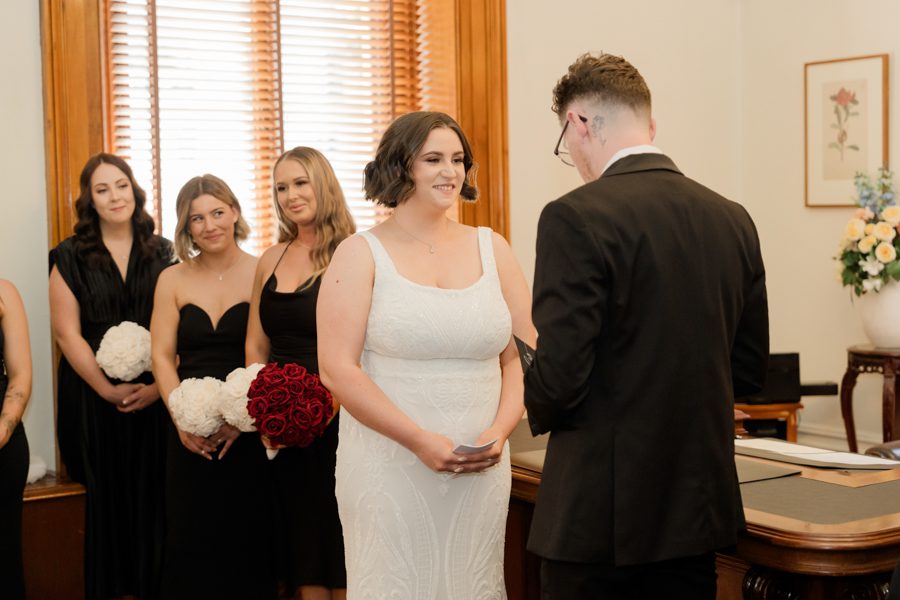
Melbourne wedding photography - serene flower styling combination
Melbourne wedding photography - serene flower styling combination
Melbourne Wedding Photography Forest Fresh Flower Styling Guide
Melbourne does not look like anywhere else on earth when it comes to forest weddings. The Dandenong Ranges in autumn, the eucalyptus groves along the Yarra, the fern gullies near Healesville — these are backdrops that make every photographer’s job easier and every couple’s album unforgettable. But the flowers you choose to put in your hair, hold in your hands, and drape around your shoulders can either blend into that wild green world or fight against it completely. The forest style is not about throwing random blooms together. It is about choosing flowers that look like they grew there, that move like the wind moves through the trees, and that photograph like they were always meant to be part of the landscape.
What Forest Style Actually Means in Melbourne
It Is Not the Same as Bohemian
People confuse forest style with boho style constantly. They are not the same thing. Bohemian is about layered textures, fringe, feathers, and eclectic mix-and-match. Forest style is quieter. It is about muted tones, organic shapes, and flowers that look like they were picked from the ground beside you five minutes ago. Think wildflowers, not garden roses. Think trailing greenery, not structured arrangements. The goal is to look like you stepped out of the trees, not like you brought a flower shop into the woods.
Melbourne’s climate gives you an advantage here. The city sits in a temperate zone where wildflowers bloom in rotation from August through November. Wattle, eucalyptus blossoms, flannel flowers, boronia — these are native to the land and they photograph beautifully against the green canopy. Using native blooms instead of imported roses or peonies is the single easiest way to make your forest wedding look authentic instead of staged.
The Color Palette That Works With Every Melbourne Forest
Forget bright reds and hot pinks. They pop in a studio but they scream in a forest. The colors that work are the ones the trees already wear: dusty rose, mauve, cream, soft peach, sage green, lavender, and muted gold. These tones sit inside the green background instead of competing with it. When you look at a photo of a bride holding a bouquet of dusty pink ranunculus and sage eucalyptus against dark green ferns, the flowers do not jump out — they belong.
White works too, but not bright white. Ivory, off-white, and cream blend better with the soft light that filters through Melbourne’s eucalyptus canopy. Pure white looks clinical next to bark and moss.
The Best Flowers for Melbourne Forest Wedding Photos
Native Blooms That Photograph Like Dreams
Wattle is the unofficial flower of Melbourne and for good reason. Its golden puffball shape catches light beautifully and the yellow-gold tone glows against green foliage. It blooms from late winter through spring, which covers most of Melbourne’s wedding season. Use it in your hair, tie it into a loose bouquet, or scatter it along the ground for flat-lay details.
Boronia has a delicate, almost fragile look that photographs incredibly well. The pink-to-mauve gradient on each tiny petal creates depth in close-up shots. It grows wild in the Dandenongs and along creek beds. A few sprigs tucked behind the ear or woven into a low bun add texture without volume.
Flannel flowers are another native gem. Their fuzzy, soft appearance adds a tactile quality to photos that you cannot get from smooth-petaled roses. They come in white, pink, and purple, and they look especially good in autumn when the surrounding foliage turns gold and rust.
Imported Blooms That Still Fit the Forest Look
If you want something beyond native flowers, choose varieties that have an organic, unstructured shape. Garden roses in muted tones — dusty pink, mauve, antique peach — work because their petals are loose and ruffled, not tight and geometric. Ranunculus in cream or blush adds round, soft shapes that echo the wattle puffs.
Anemones are underrated for forest weddings. Their papery petals and dark centers create contrast in photos without adding bright color. They look wild, they move beautifully in wind, and they photograph well in both close-ups and wide shots.
Peonies are classic but pick the loose, open varieties — not the tight ball-shaped ones. A fully blown peony in dusty pink or cream looks like it grew in a meadow, not a vase. Avoid white peonies in forest settings — they are too bright and too round. They read as formal, not organic.
Greenery That Makes or Breaks the Look
The greenery matters more than the flowers in forest style. Eucalyptus is non-negotiable for Melbourne. Silver dollar eucalyptus has round, dusty-blue leaves that frame the face beautifully. Seeded eucalyptus has smaller leaves and a more delicate texture. Both photograph well and both smell incredible — a detail that matters when you are standing still for thirty minutes while a photographer adjusts the light.
Ferns are everywhere in Melbourne’s forest locations and they should be everywhere in your styling too. Sword ferns, soft tree ferns, and maidenhair ferns all add movement and texture. Tuck a frond behind your ear or let it drape over your bouquet handle. It looks effortless.
Olive branches add a Mediterranean touch that works surprisingly well in Melbourne forests. The silvery-green leaves and small black olives create a contrast that reads as elevated without being overdone.
How to Style Your Hair With Forest Flowers
Loose and Low Is the Only Rule
Forest style hair is never tight, never slicked, never perfectly placed. It is messy on purpose. A low bun with pieces falling loose around the face. A half-up style with tendrils framing the cheeks. Or completely down with flowers woven through the strands. The hair should look like wind moved it, not a comb.
For a low bun, tuck a few sprigs of wattle or eucalyptus into the base of the bun where it meets the neck. Add one or two larger blooms — a dusty rose or a single peony — off to one side. Do not center everything. Off-center looks more natural and photographs better because it creates asymmetry, which the eye finds more interesting than perfect symmetry.
Flowers Behind the Ear for Close-Up Shots
The most photographed angle in wedding photography is the close-up of the bride’s face — eyes, lips, the flower behind her ear. This single detail can make or break a forest-style shoot. Use one small bloom or a tiny cluster of two to three flowers tucked behind the ear on the side facing the camera. Boronia, waxflower, or a single small ranunculus work perfectly here.
Do not use a large flower behind the ear. It will overwhelm the face in the photo and draw attention away from your expression. Small and delicate is the move.
Crowns and Wreaths That Do Not Look Costumey
Flower crowns are everywhere in wedding photography and most of them look fake. The trick is to make the crown look like it grew on your head, not like you bought it from a craft store. Use thin wire as the base, wrap it with eucalyptus or olive branches, and attach flowers sparingly. Five to seven blooms maximum. Leave gaps where the greenery shows through.
A wreath made entirely of eucalyptus with no flowers at all is also a strong option. It photographs beautifully, it stays in place better than a flower crown, and it gives the photographer a clean frame around your face without competing with your features.
Bouquet Styling for Forest Wedding Photos
Keep It Loose and Let It Hang
A tight, round bouquet looks like a wedding bouquet. A loose, trailing bouquet looks like you gathered flowers from the forest floor on your way to the ceremony. That is the difference. Use long stems, let some flowers droop below the main cluster, and mix in plenty of greenery that extends beyond the blooms.
The shape should be asymmetrical — longer on one side, shorter on the other. Hold it low, near your hip, not at chest height. A low bouquet photographs better against a forest background because it does not block your dress or your face.
What to Leave Out of a Forest Bouquet
Do not include bright red flowers. Do not include lilies — they are too formal and too structured. Do not include baby’s breath — it looks like a filler from a grocery store arrangement. Do not include anything with a strong geometric shape. Forest bouquets should look like they were assembled by hand in a field, not arranged on a table with scissors and tape.
Matching Your Partner’s Look Without Matching Exactly
His Boutonniere Should Be Minimal
The groom’s flower in a forest wedding should be one small element, not a statement piece. A single sprig of eucalyptus, a tiny wattle puff, or one small bloom in the same muted palette as your bouquet. Pin it to the lapel and let it sit there quietly. If his boutonniere is as big as your bouquet, the photos will look unbalanced.
Coordinate Colors, Not Flowers
You do not need to carry the same flowers as your partner. You need to share the same color story. If your bouquet is dusty pink and sage, his boutonniere can be a cream rose with a sage leaf. The colors match. The flowers do not need to. This looks intentional in photos rather than matchy-matchy.
Timing Your Shoot Around Melbourne’s Light
Golden Hour in the Forest Is Different From Golden Hour on the Beach
Forest light is filtered. The canopy blocks direct sun and creates soft, diffused light that is flattering on skin but low on contrast. The best window is the first hour after sunrise when mist hangs in the trees and the light comes through at an angle. This is when native flowers look their best — the dew is still on the petals and the mist adds a dreamy quality that no filter can replicate.
Late afternoon works too, but the light drops fast under the trees. You have about forty-five minutes of usable golden light in a dense forest before it goes flat. Plan your portrait shots for that window and do your detail shots — rings, shoes, bouquet close-ups — earlier in the day when the light is even.
Overcast Days Are Actually Better for Forest Photos
This sounds wrong but it is true. Direct sun in a forest creates harsh shadows on the face and blown-out highlights on the flowers. An overcast sky acts like a giant softbox. The light wraps around everything evenly, colors stay true, and flowers do not lose detail in bright spots. If your Melbourne wedding day is cloudy, do not panic. It might be the best lighting you get.
A Few Location-Specific Tips
Dandenong Ranges in Autumn
The trees turn gold, rust, and deep red from late March through May. Pair your flowers with the foliage — use burgundy dahlias, deep mauve anemones, and orange ranunculus to echo the leaves. The contrast between warm flowers and warm leaves creates a monochromatic palette that photographs like a painting.
Yarra Valley Vineyards
The rows of vines create leading lines that draw the eye into the photo. Use trailing bouquets that follow the direction of the rows. Long stems of eucalyptus and fennel fronds extend the line and make the composition feel expansive. Avoid round bouquets here — they break the geometry of the vineyard.
Healesville Sanctuary and Surrounding Bush
The eucalyptus forest here is dense and dark. Use lighter flowers — cream, ivory, soft pink — to stand out against the deep green and brown. A single white orchid or a cluster of pale waxflowers pops beautifully against dark bark. The contrast does the work for you.
Royal Botanic Gardens
The gardens are manicured, not wild. This is where you can get away with slightly more structured arrangements — a rounded bouquet with defined shapes still looks natural among the curated beds. But keep the color palette muted. Bright flowers look out of place next to the gardens’ careful planting.