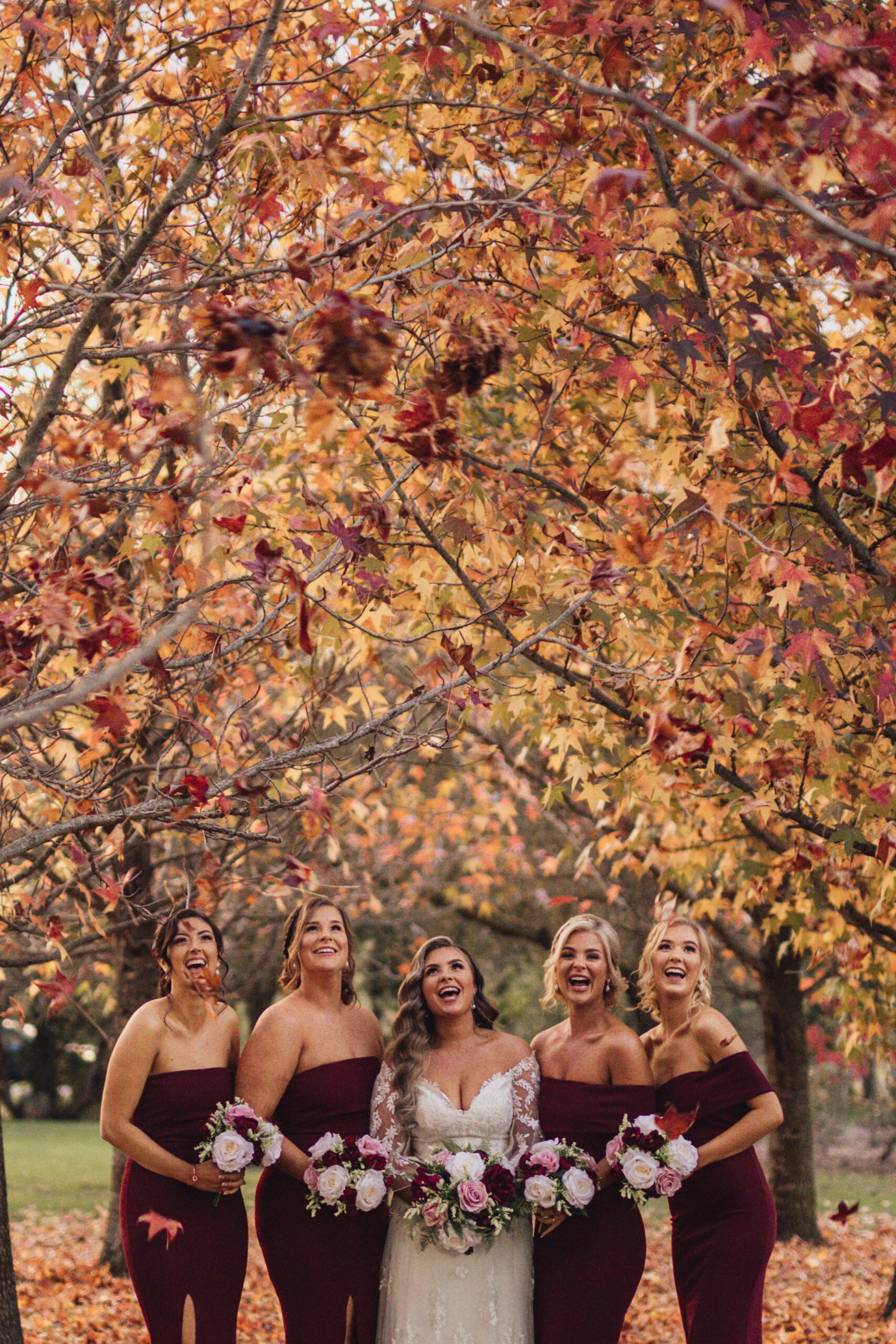
Melbourne Sunset Wedding Photography - Orange Tone Atmosphere Scenery
Melbourne Sunset Wedding Photography - Orange Tone Atmosphere Scenery
Melbourne Sunset Wedding Photography: How to Nail That Orange-Toned Dream
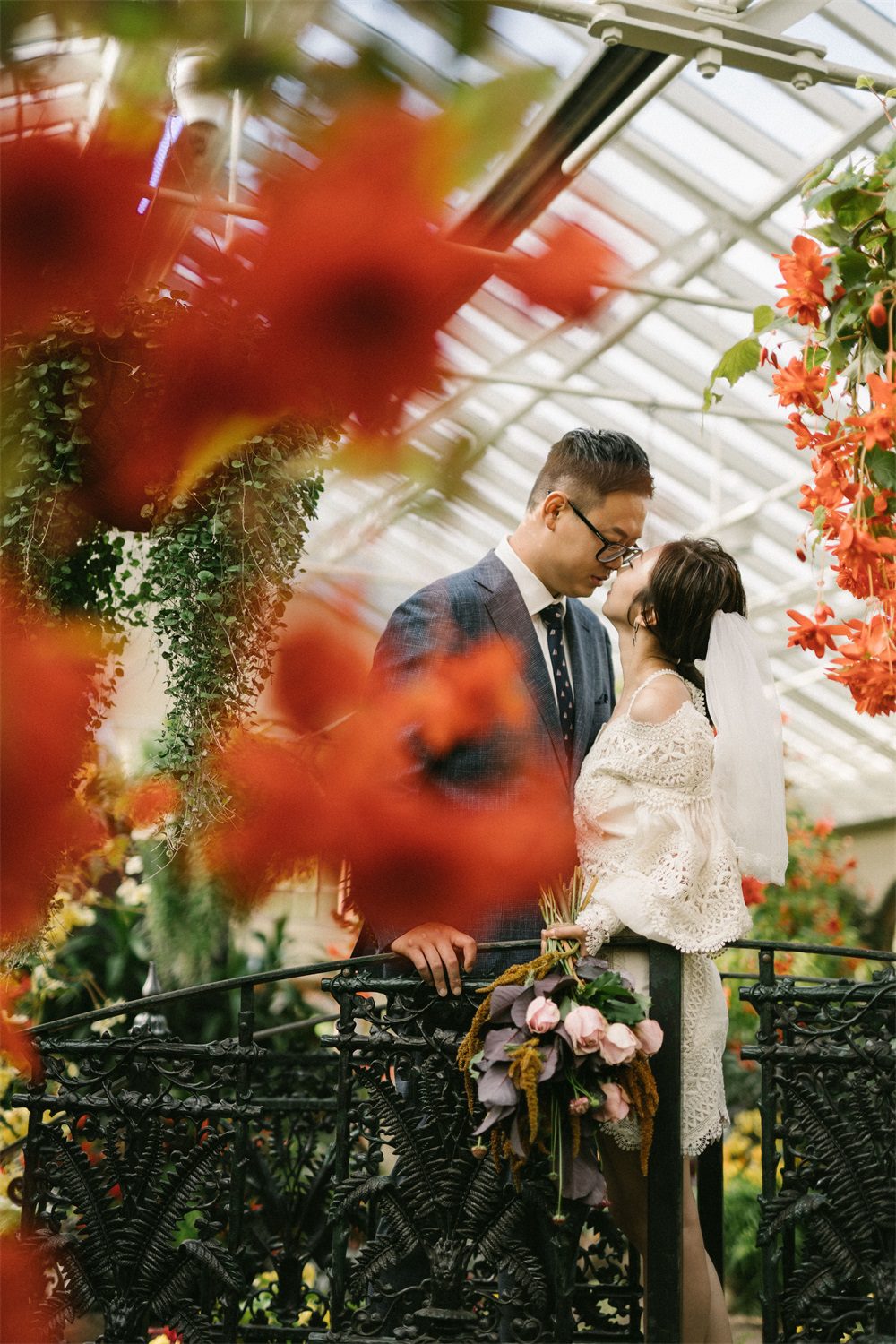
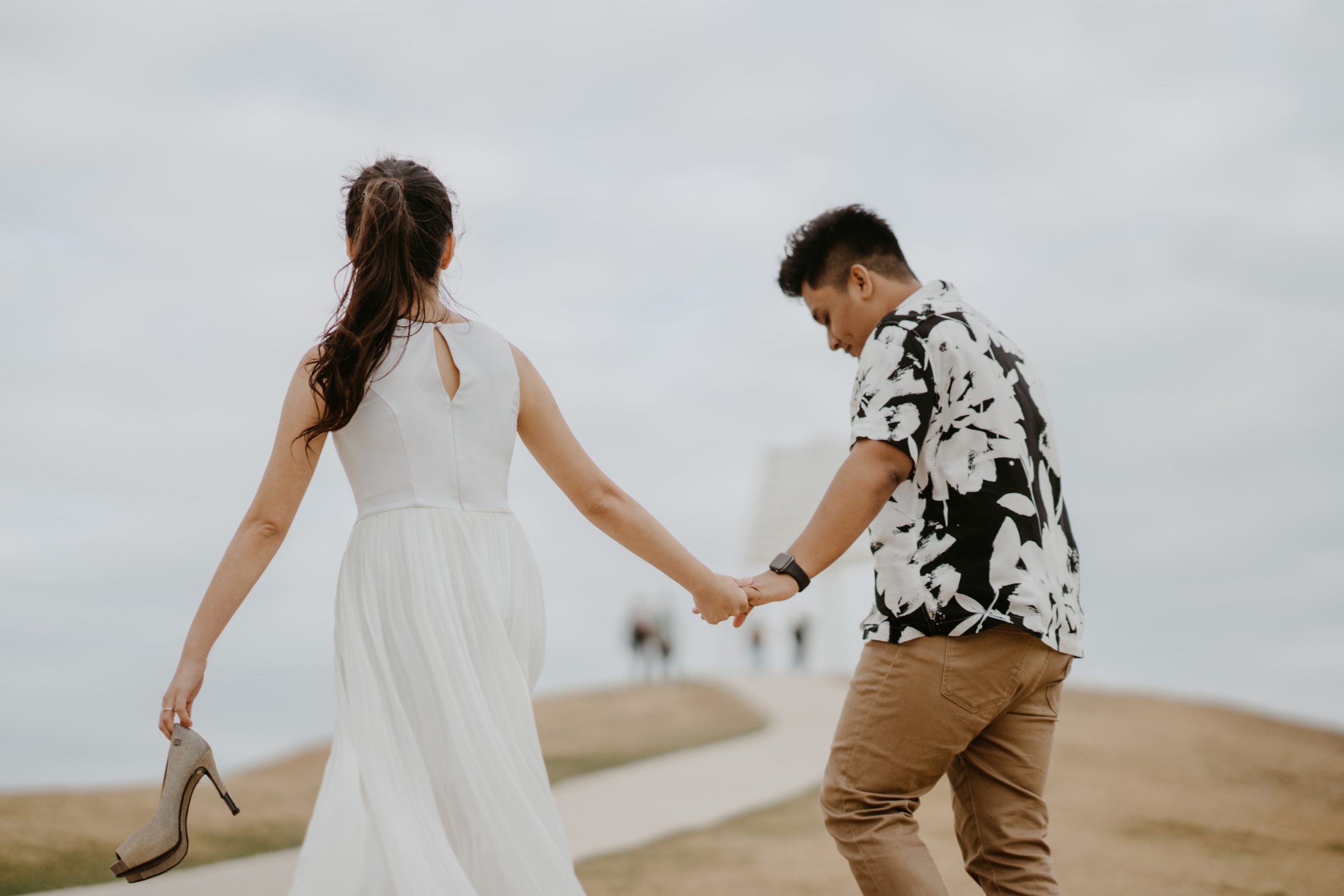
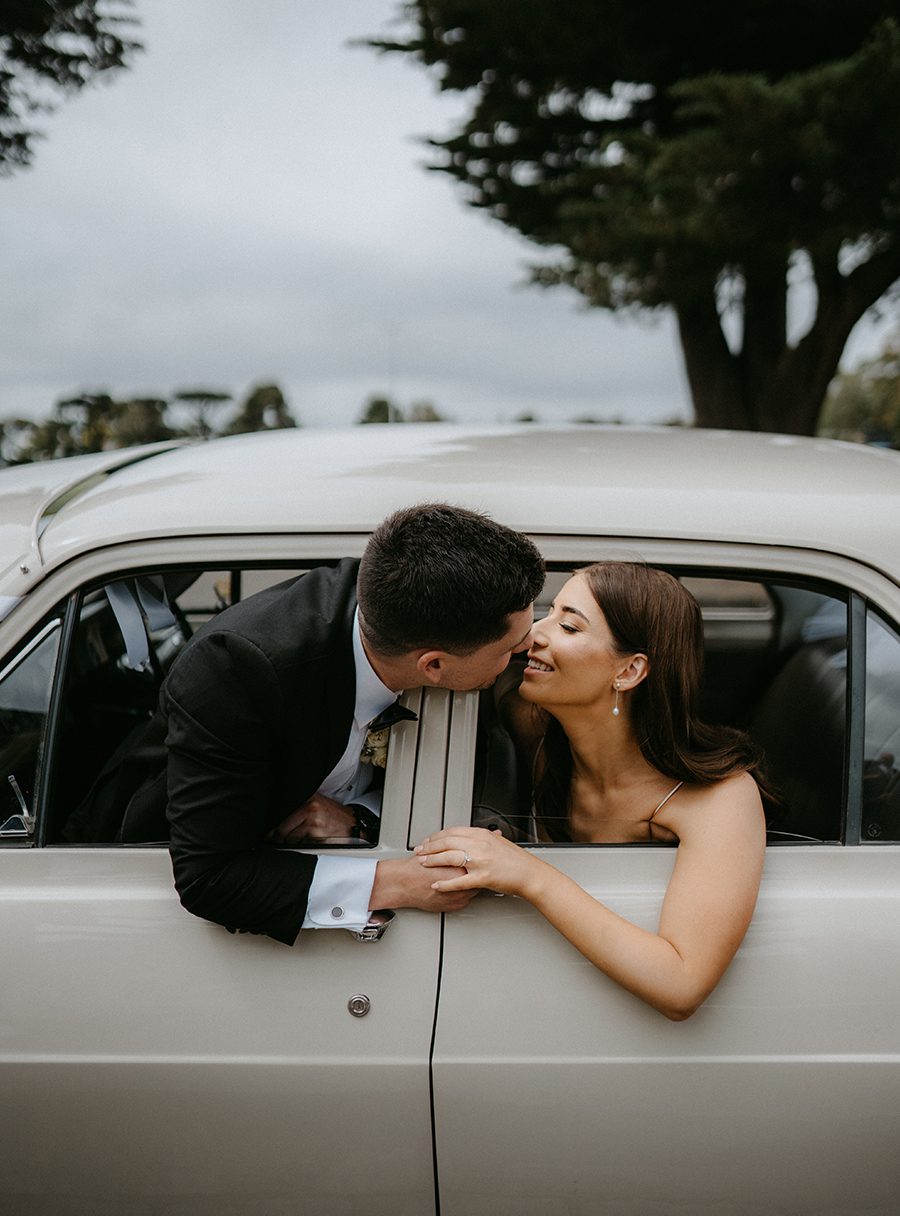
There is a reason everyone says golden hour is the best time for wedding photos. But let us be honest, it is not really about the gold. It is about the orange. That deep, saturated, almost unreal orange that fills the sky for about 20 minutes before the sun disappears. Melbourne gives you some of the most dramatic sunset wedding backdrops on the planet, and if you know where to stand and when to shoot, you can capture portraits that look like they belong in a film.
Why Orange Tone Is the Secret Weapon in Wedding Photography
Most couples want their photos to feel warm. But warm is vague. Orange tone is specific. It is that rich, honey-colored light that turns skin into porcelain, makes white dresses glow, and turns an ordinary street into something cinematic. It is also the hardest tone to get right because the window is so short and the light shifts so fast.
The orange you see during a Melbourne sunset is not the same orange you get in tropical destinations. It is cooler, more muted, and it fades into purple and pink within minutes. That is what makes it so beautiful and so frustrating at the same time. You have maybe 15 to 25 minutes of usable light, and if you are not ready, it is gone.
What Actually Creates That Orange Glow
It comes down to atmosphere. When the sun is low on the horizon, its light has to travel through more of the earth’s atmosphere to reach you. The shorter blue wavelengths scatter away, and the longer orange and red wavelengths make it through. That is basic physics, but for wedding photography, it means the light wraps around your couple in a way that feels almost three-dimensional.
Melbourne’s dry air and occasional haze amplify this effect. Dust particles and humidity in the atmosphere add texture to the light. You get layers of color, not just a flat orange wash. The sky near the horizon burns deep orange, then fades to peach, then to soft lavender above. That gradient is what gives sunset wedding photos their depth.
Melbourne Locations That Deliver Orange-Toned Sunset Magic
Not every sunset spot in Melbourne gives you the same orange. Some give you pink, some give you purple, and some give you a flat, dull gray. You need to pick your location based on what you want the sky to do behind your couple.
St Kilda Beach and the Pier
This is the classic for a reason. The pier extends into Port Phillip Bay, which means you get open sky on one side and water reflecting the sunset on the other. The reflection doubles the orange. The pier itself gives you leading lines that draw the eye straight to your couple.
Go about 45 minutes before sunset. Set up near the end of the pier or on the grassy area near the kiosk. The palm trees there catch the light beautifully and add a silhouette element that frames your couple without any effort. The beach crowds thin out by late afternoon, so you get clean backgrounds.
The water is calm on most evenings, which means the reflection is mirror-smooth. If there is any wind at all, the water breaks up the reflection into a thousand orange sparks. Both looks are stunning, just different.
Williamstown and the Bay
If you want drama, head to Williamstown. The beach is wide and open, and the view across the bay toward the city skyline gives you something St Kilda cannot. The sun sets over the water, and the city buildings catch the last light and turn gold.
The old boat sheds along the waterfront add texture and character. Rusty metal, weathered wood, peeling paint, all of it looks incredible in orange light. Your couple can lean against a shed, walk along the jetty, or stand on the sand with the city behind them. Every angle works because the light is coming from behind and wrapping around everything.
The Narrabeen-style rock formations near the point give you foreground elements that anchor the frame. Dark rocks against an orange sky is one of the most reliable compositions in wedding photography, and it never gets old.
Royal Park and the City Skyline
For couples who want urban sunset without the beach, Royal Park delivers. The open grassland gives you a clean, minimal foreground, and the Melbourne skyline rises in the background. When the sun sets behind the city, the buildings become silhouettes and the sky turns into a canvas of orange, pink, and deep blue.
The elm trees in the park create natural frames. Shoot through the branches and let the sun peek through. The light filters through the leaves and creates dappled orange spots on the ground and on your couple. It looks effortless but it requires you to be in the right spot at the right time.
How to Capture That Orange Tone Without Ruining It in Post
Getting the orange right starts in-camera. If you blow it there, no amount of editing will save you.
White Balance and Exposure Decisions
Do not shoot auto white balance. Set it manually to around 4500K to 5000K. This keeps the orange warm and rich instead of letting the camera cool it down to neutral. If you shoot RAW, you can adjust this later, but getting it close in-camera gives you a better starting point.
Expose for the highlights. The sky is the brightest part of the frame, and if you let the camera meter for the whole scene, it will underexpose the sunset and kill the orange. Spot meter on the sky near the horizon and lock that exposure. Your couple will be slightly darker, but that is fine. You can lift the shadows in post without destroying the tone.
If you want silhouettes, expose even lower. Let the couple go dark and keep the sky rich. Silhouettes in orange light are some of the most iconic wedding photos you will ever take.
Composing With the Sun Behind Your Couple
Backlighting is the move. Put the sun directly behind your couple and let it rim their hair, their shoulders, the edges of their dress. This creates that glowing outline that separates them from the background and makes them look like they are lit from within.
Do not put the sun dead center behind their heads. That creates a blown-out white hole. Offset it slightly to one side. Let it peek out from behind a shoulder or a tree branch. This gives you a controlled flare that adds warmth without washing out the image.
Use lens flare intentionally. A small amount of flare in the corner of the frame adds to the orange mood. Too much and it looks cheap. Find the balance by changing your angle slightly until the flare sits where you want it.
Timing Your Sunset Session Like a Pro
The math is simple but people get it wrong every time. Sunset in Melbourne varies from about 5pm in winter to 8:30pm in summer. You need to be at your location at least 40 minutes before the actual sunset time. The best light starts about 30 minutes before the sun hits the horizon.
Check the exact sunset time the morning of your shoot. Weather apps give you this down to the minute. Then work backward. If sunset is at 7:15pm, you need to be shooting by 6:45pm at the latest. The orange tone peaks between 6:45 and 7:05pm. After that, it shifts to pink and purple, which is beautiful but not what you came for.
Have your couple arrive 15 minutes before you start shooting. They need time to settle in, get comfortable, and stop thinking about the camera. The first 10 minutes of any session are usually stiff and awkward. By the time the light hits, they should be relaxed and natural. That is when you get the real shots.
One more thing. Shoot vertical and horizontal. The orange sky fills a vertical frame beautifully, but horizontal frames let you include more of the environment. Give your couple both options so they have variety when they see the final gallery. And do not forget to shoot a few tight details in that light. Hands intertwined, rings catching the sun, the hem of a dress glowing orange. Those small moments are what people remember most.