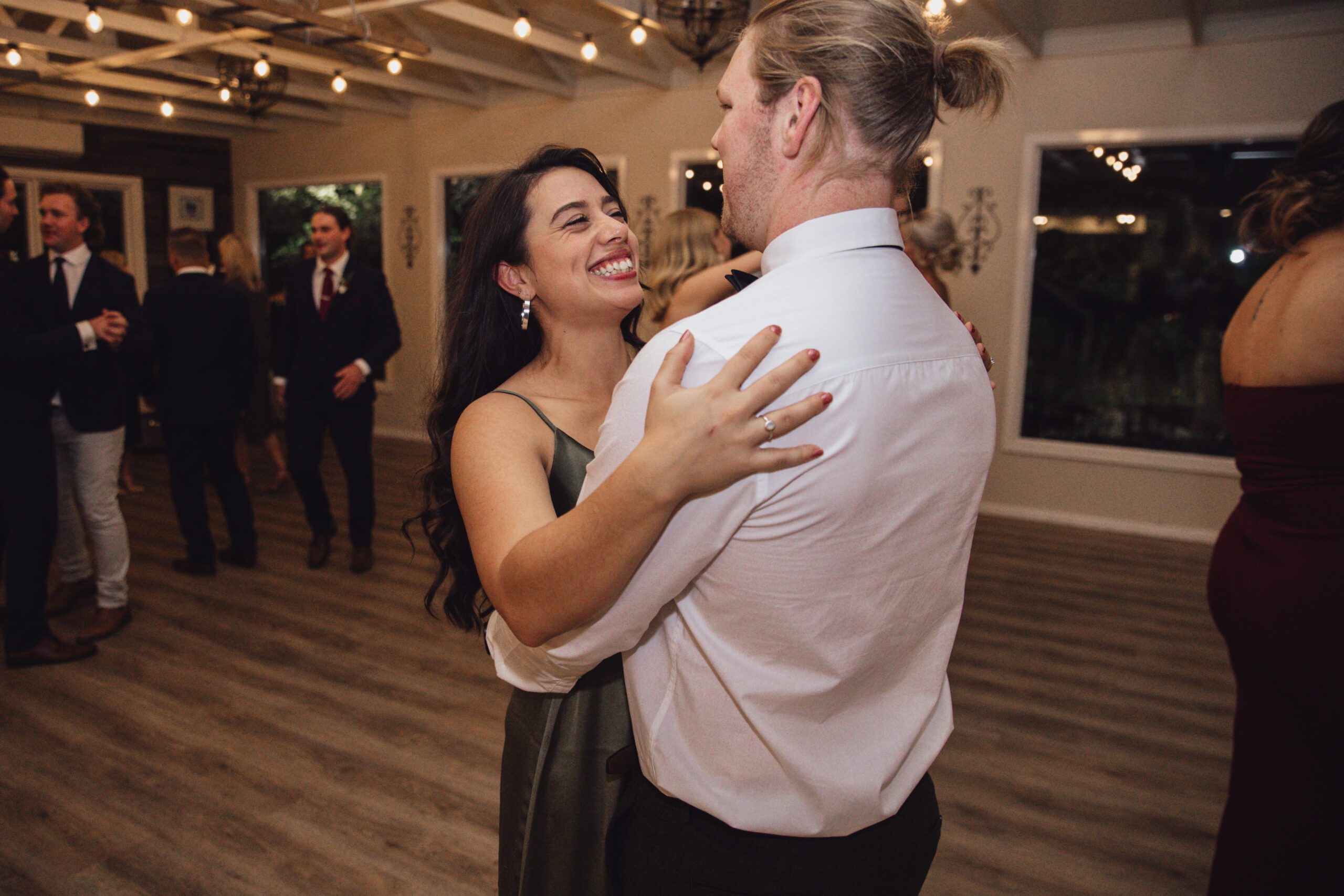
Caramel-colored atmosphere for wedding photography in Melbourne’s autumn season
Caramel-colored atmosphere for wedding photography in Melbourne’s autumn season
Melbourne Late Autumn Wedding Photography: Nailing That Caramel-Toned Warmth
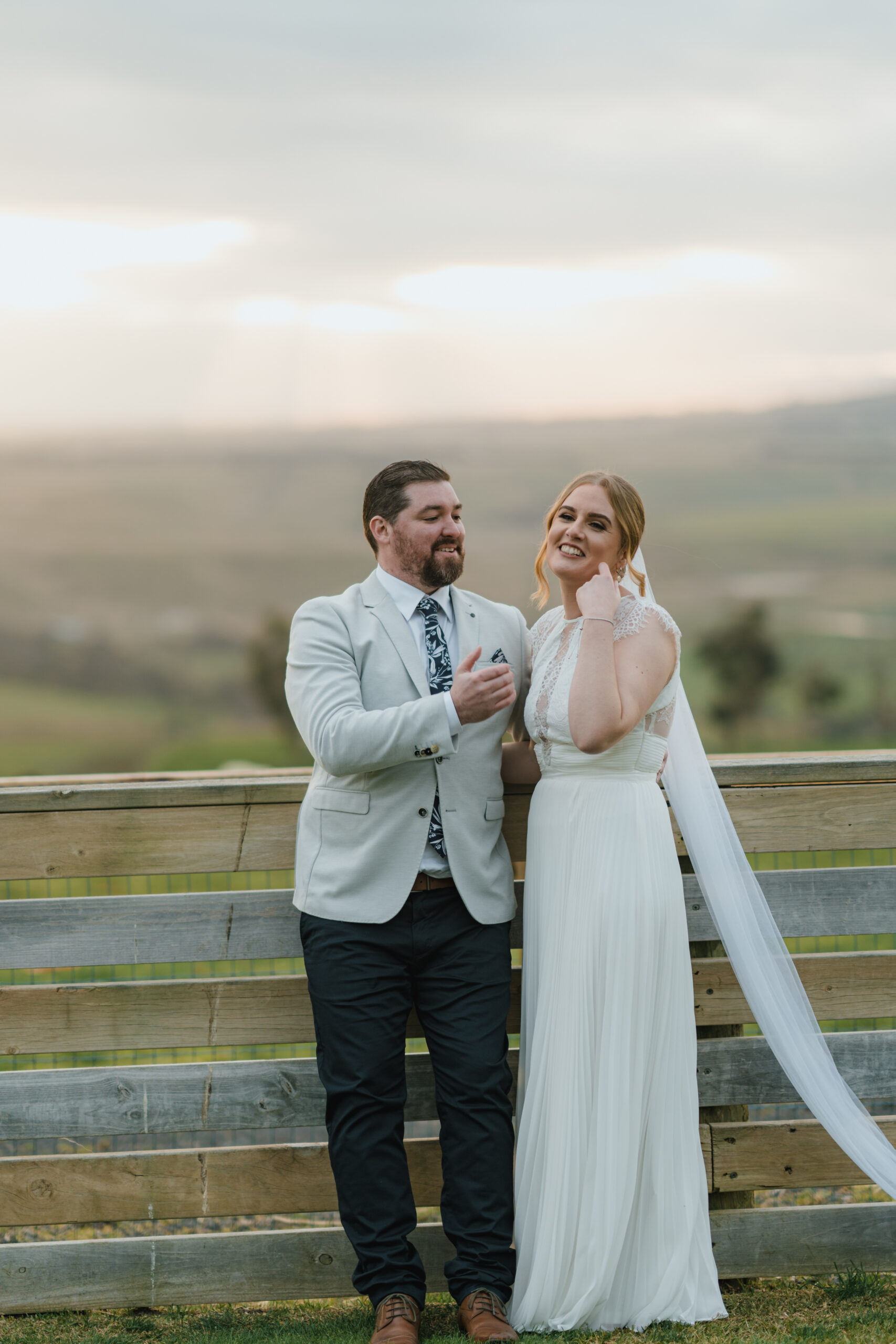
There is a two-week window in Melbourne every year when the city turns into something out of a painting. The leaves go gold, then amber, then deep burnt orange. The light gets low and honeyed. The air gets crisp. And every single surface, from the brick buildings to the park benches to the fallen leaves on the ground, takes on this rich caramel tone that makes wedding photos look effortlessly cinematic. Late autumn in Melbourne is not just a season, it is a color palette. And if you know how to use it, your wedding portraits will have a warmth that no filter can replicate.
Why Caramel Tone Is The Most Underrated Wedding Color
Everyone chases golden hour. Everyone wants that orange sunset glow. But caramel is different. It is deeper, richer, and more complex. Golden hour gives you yellow and amber. Caramel gives you brown, copper, rust, and honey all at once. It is the color of dried leaves, of old brick, of warm coffee, of late afternoon light filtering through a canopy of turning trees. It feels nostalgic without being sad. It feels romantic without being cheesy. It just feels real.
The reason most wedding photographers overlook caramel tone is that it is subtle. It does not scream at you the way bright pink cherry blossoms or bright green summer foliage do. You have to look for it. You have to see it. And once you do, you realize it is everywhere in Melbourne during late autumn.
The Science Behind The Caramel Glow
When leaves change color, they stop producing chlorophyll and start revealing carotenoids and anthocyanins. These pigments reflect longer wavelengths of light, which is why autumn foliage glows in shades of yellow, orange, and red. When the low autumn sun hits these leaves, the light that bounces back is already warm-toned. It is like the whole world is wrapped in a natural color filter.
This is why autumn wedding photos have that cohesive, warm look without any editing. The light source itself is colored. Your camera does not need to do anything. Just point it at your couple surrounded by falling leaves and the caramel tone does the rest.
Melbourne’s late autumn also brings a specific quality of light that is hard to find elsewhere. The city sits at a latitude where the sun stays low even at midday. The light comes in at a shallow angle all day long, which means warm tones dominate from morning to evening. You are not racing a 20-minute golden hour window. You have hours of usable caramel light.
Melbourne Locations That Own The Caramel Aesthetic
Late autumn transforms Melbourne’s most familiar spots into something completely new. The same park you walked through in summer now looks like a different planet. Here is where to go.
The Royal Botanic Gardens In Late Autumn
The Botanic Gardens in April and May are something else. The deciduous trees along the lake paths turn deep gold and rust. The leaves fall slowly and cover the ground in a thick carpet of caramel. The lake reflects the warm tones of the trees and the sky, which means you get double the color in every frame.
The ginkgo trees near the glasshouse are the real stars though. Their leaves turn a uniform, brilliant gold that looks almost artificial. Standing under a ginkgo tree with leaves falling around you is one of those moments that does not need any direction. Just tell your couple to look at each other and let the leaves do the rest.
Go in the late afternoon around 3:30pm to 4:30pm. The sun is low enough to backlight the leaves, making them glow from within. Your couple stands in front of a wall of gold and the light wraps around them in warm caramel tones. It is the kind of shot that makes people stop scrolling.
Fitzroy Gardens And The Grand Autumn Avenues
Fitzroy Gardens in late autumn has this quiet, melancholic beauty that is perfect for wedding photos. The elm trees line the avenues in long rows, and when the leaves turn, the whole path becomes a tunnel of gold and brown. Walking down these paths with your couple feels like walking through a memory.
The ornamental lake here has weeping willows that turn copper in autumn. The branches drape into the water and the reflections create layers of caramel on caramel. It is monochromatic in the best possible way. Every shade of brown and gold works together without clashing.
The rose gardens are mostly done by late autumn, but the remaining foliage and the bare branches against the sky create a more minimal, editorial look. If your couple wants something less traditional and more moody, this is the spot.
Inner-City Streets With Autumn Trees
This is the sleeper pick. Melbourne’s inner-city streets are lined with plane trees, elms, and maples that turn spectacular colors in late autumn. Streets like Victoria Parade in Fitzroy, Lygon Street in Carlton, and tree-lined pockets of the CBD become corridors of caramel without any effort.
The trick is to find a street where the trees form a canopy overhead. The leaves filter the sunlight and turn it into a warm, dappled glow that falls on your couple as they walk. The brick buildings and old tram lines add texture and context that pure nature shots do not have.
Go on a weekday morning when the streets are quiet. The leaves on the ground give you a carpet of color. The low sun hits the buildings and turns the brick warm. Your couple walks slowly down the street and every frame tells a story.
How To Shoot Caramel Tone Without Overdoing It
The warmth is beautiful but it can turn muddy fast. A few decisions in-camera will keep your caramel tone rich instead of flat.
White Balance And Exposure For Warm Tones
Do not let your camera auto white balance cool the scene down. Set it manually to around 5500K to 6000K. This preserves the warm tones instead of neutralizing them. If you shoot RAW, you can push it even warmer in post, but starting warm gives you a better foundation.
Expose slightly to the right. Caramel tones live in the midtones and highlights. If you underexpose, the warm tones turn muddy and brown instead of rich and golden. Let the highlights breathe. The leaves will glow, the sky will stay warm, and your couple will look luminous.
If the background is significantly brighter than your couple, use a graduated neutral density filter to balance the exposure. This keeps the sky and foliage from blowing out while letting your couple stay properly exposed. Without it, you either lose the caramel sky or your couple goes dark.
Composing With Warm Tones In Mind
Caramel photography works best when the frame is dominated by warm tones. Look for compositions where the warm colors fill at least 70 percent of the frame. Your couple sits in a sea of gold leaves. They stand against a wall of rust-colored brick. They walk under a canopy of copper trees. The warm tones are not just the background, they are the mood.
Use complementary colors sparingly. A pop of deep blue sky above the caramel leaves creates contrast that makes the warm tones pop even more. A teal scarf or a blue boutonniere against the brown and gold backdrop draws the eye and adds visual interest. But keep it minimal. Too much cool color kills the caramel vibe.
Shoot tight details in the warm light. A hand holding a bunch of dried leaves. Rings catching the low sun. The hem of a dress against a carpet of fallen foliage. These small shots in caramel tone are often the ones couples love the most.
Working With The Falling Leaves
Late autumn in Melbourne means leaves are falling constantly. This is not a problem, it is your best prop. Have your couple toss leaves in the air. Have them walk through a pile of leaves. Have them hold a branch and let the leaves fall around them. Movement brings the caramel tones to life in a way that static poses never will.
The falling leaves also catch the light beautifully. Each leaf becomes a tiny golden disc as it falls through a sunbeam. If you shoot at a fast shutter speed like 1/1000th of a second, you freeze the leaves mid-air and they look like confetti. At a slower speed like 1/60th, they blur into streaks of gold. Both look incredible, just pick the mood you want.
Practical Things To Know Before Your Shoot
Late autumn in Melbourne is beautiful but it is also unpredictable. The weather can shift from warm and sunny to cold and windy in an hour. Dress your couple in layers. A linen suit with a wool overcoat looks great against the caramel backdrop and keeps them comfortable if the temperature drops.
The leaves do not last forever. The peak caramel window is usually mid to late April, sometimes stretching into early May depending on the year. Check the trees before you book. If the leaves are still green, you are too early. If they are all on the ground and the trees are bare, you are too late. You want that perfect moment when the trees are still full but the color is at its deepest.
Morning light in late autumn is your friend. It is soft, warm, and comes in at a low angle that makes every surface glow. Shoot between 8am and 10am for the freshest caramel light. The air is crisp, the dew is on the leaves, and the light has not yet turned harsh. By midday, the sun climbs higher and the warm tones start to flatten. The afternoon light around 3pm to 4:30pm is your second window, and it gives you a deeper, more saturated caramel than the morning.
Bring a blower for your lens. Leaves get everywhere. They stick to your lens, they get in your gear bag, they settle on your couple’s shoulders. A simple rocket blower takes care of it in seconds. Also bring a small bag to collect leaves for detail shots. A handful of golden leaves in your couple’s hands is worth more than any prop you could buy.