DSC03645

Methods for utilizing outdoor light in Melbourne wedding photography

Mastering Natural Light for Melbourne Wedding Photography Outdoor Shoots

Melbourne’s ever-changing weather and diverse landscapes demand a nuanced understanding of natural light. From golden-hour glows to overcast diffusions, mastering light manipulation ensures timeless, emotion-driven imagery. Below are key strategies for leveraging Melbourne’s unique lighting conditions.

wedding photography melbourne

Golden Hour Magic: Timing Your Session for Ethereal Results

The hour after sunrise and before sunset bathes Melbourne in a warm, directional glow, ideal for romantic portraits. In coastal areas like Brighton Beach, the low-angle sun casts elongated shadows, adding depth to colorful bathing boxes and sandy dunes. For urban settings, St Kilda Pier’s wooden planks and lighthouse silhouettes become dramatic backdrops when lit from the side.

To maximize this window:

  • Schedule sessions 30 minutes before sunset for softer contrasts.
  • Position couples facing the light source to highlight facial features while avoiding harsh shadows.
  • Use reflectors to bounce light onto darker areas, such as under chins or behind hair.

In winter, Melbourne’s shorter days mean adjusting timelines—prioritize late-afternoon shoots to capture the fleeting golden hour.

Overcast Elegance: Embracing Soft, Even Illumination

Cloudy skies transform Melbourne’s parks and gardens into natural diffusers, eliminating harsh shadows and reducing the need for artificial lighting. The Royal Botanic Gardens’ lush foliage and tranquil lakes appear vibrant yet balanced under this lighting, perfect for intimate close-ups.

Key techniques for overcast conditions:

  • Opt for lighter-colored outfits to prevent subjects from blending into muted backgrounds.
  • Use a fill flash or reflector to add subtle highlights to faces, ensuring they don’t appear flat.
  • Explore moody compositions by framing couples against darker foliage or architecture, such as the Melbourne Museum’s modernist facade.

Overcast days also allow for midday shoots without the risk of squinting or overexposure, offering flexibility in scheduling.

Backlighting Brilliance: Creating Drama with Silhouettes and Halos

Backlighting—where the primary light source is behind the subject—adds artistic flair to outdoor shoots. At Half Moon Bay, positioning couples with the ocean and sunset behind them creates striking silhouettes or glowing hair effects. Similarly, urban venues like Flinders Street Station’s arched windows can serve as dramatic backdrops when lit from behind.

To achieve this:

  • Meter for the subject’s face, exposing correctly while allowing the background to overexpose slightly for a dreamy effect.
  • Use a lens hood to prevent lens flare, or embrace it creatively by positioning the sun partially obscured by foliage or architecture.
  • For added definition, combine backlighting with a reflector or fill flash to illuminate facial details.

In windy conditions, such as along the Yarra River, backlighting can emphasize movement in flowing dresses or veils, adding dynamism to static poses.

Dynamic Weather Adaptations: Making the Most of Melbourne’s Climate

Melbourne’s infamous “four seasons in one day” requires adaptability. Sudden cloud cover can soften harsh midday sun, while brief sunbreaks offer opportunities for quick, high-contrast shots. For example, a rain shower at the Melbourne Zoo’s rainforest exhibit can create reflective surfaces, enhancing the lush greenery’s vibrancy.

Practical adjustments include:

  • Carrying portable diffusers or umbrellas to manage unexpected sunlight.
  • Scouting locations with natural windbreaks, like the Melbourne Cricket Ground’s covered walkways, to stabilize hair and fabric.
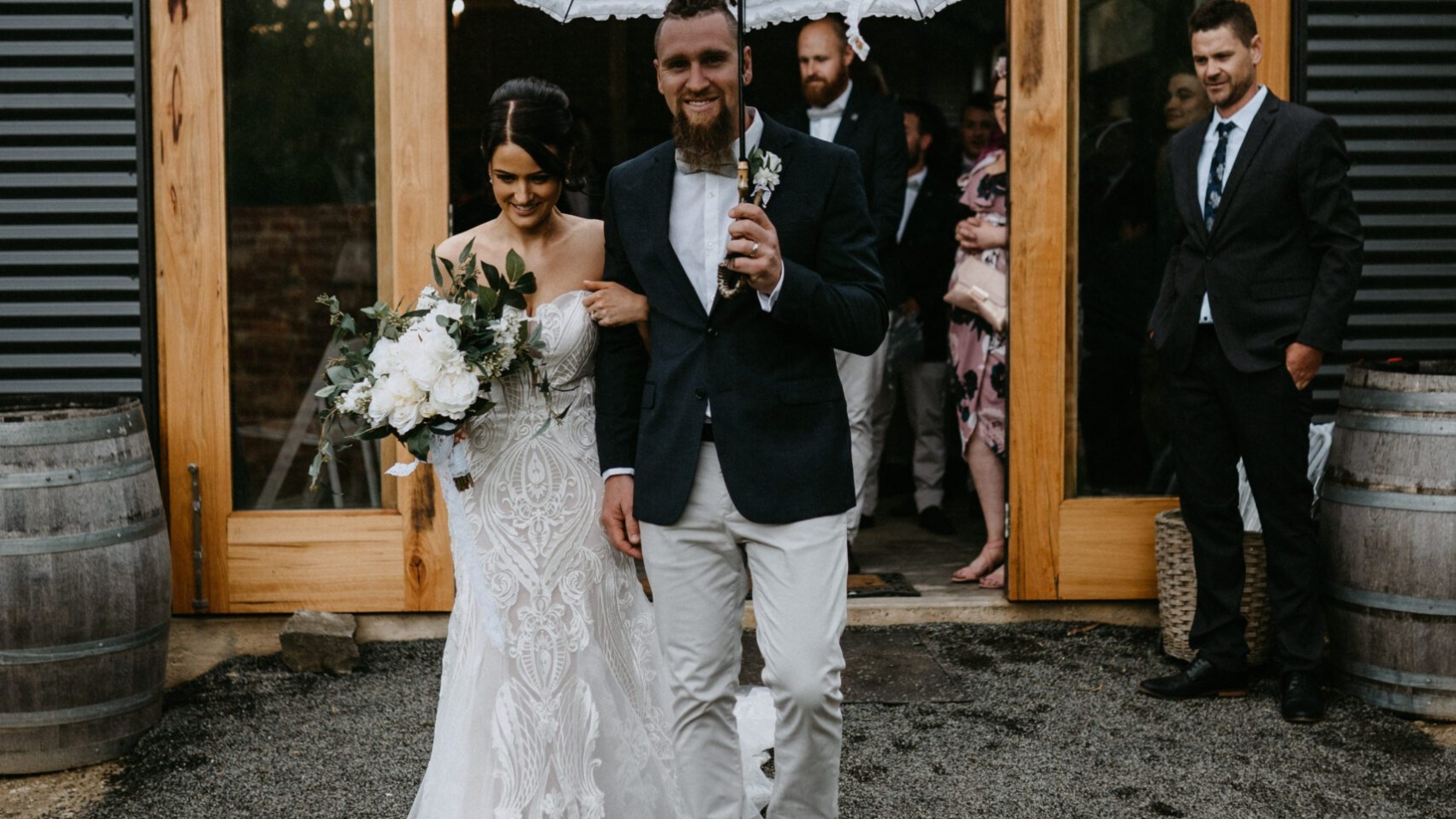
  • Using rain as a creative tool—capturing couples under shared umbrellas or reflecting cityscapes in puddles for a unique perspective.

By staying flexible, photographers can turn unpredictable weather into a storytelling asset, adding authenticity to the narrative.

Final Thoughts
Melbourne’s outdoor wedding photography thrives on understanding and manipulating natural light. Whether harnessing the golden hour’s warmth, embracing overcast softness, or crafting drama with backlighting, each approach requires technical precision and artistic vision. By adapting to the city’s dynamic climate and leveraging its iconic landscapes, photographers can create images that resonate with emotion and timeless elegance.
DSC05811

Principles for interior background matching in Melbourne wedding photography

Melbourne Wedding Photography Indoor Backdrop Styling Principles: Creating Timeless Elegance

Melbourne’s diverse interior spaces—from heritage-listed ballrooms to minimalist studios—offer endless possibilities for wedding photography backdrops. The key to achieving memorable images lies in harmonizing textures, lighting, and personal themes. Below are principles to guide couples in selecting and styling indoor settings that reflect their unique love story.

wedding photography melbourne

Classic Elegance: Timeless Textures and Neutral Palettes

For couples drawn to sophistication, spaces with neutral color schemes and luxurious textures provide a versatile canvas. Venues like the Melbourne Town Hall or The Langham’s Grand Ballroom feature marble floors, ornate moldings, and chandeliers that exude refinement. These elements work seamlessly with both traditional and modern attire, allowing the couple’s outfits to take center stage.

Pairing soft, muted tones—such as ivory, champagne, or blush—with metallic accents (gold, silver, or rose gold) creates a balanced aesthetic. For example, a bride in a lace gown might stand against a textured stone wall, while the groom’s navy suit complements the venue’s gold detailing. Incorporating vintage furniture, like a tufted velvet sofa or an antique mirror, adds depth without overwhelming the scene.

Lighting plays a pivotal role in classic settings. Natural light streaming through large windows, as seen in venues like The Arts Centre Melbourne, softens features and highlights intricate details. When shooting later in the day, consider using candlelight or fairy lights to create a warm, intimate ambiance.

Modern Minimalism: Clean Lines and Bold Contrasts

Couples seeking a contemporary look often opt for spaces with geometric shapes and monochromatic palettes. Studios with exposed brick, concrete floors, or industrial ceilings—such as those found in Collingwood’s converted warehouses—offer a blank slate for creative expression. These venues thrive on simplicity, allowing bold accessories or vibrant bouquets to pop against neutral backgrounds.

To avoid monotony, introduce textural contrasts. A sleek white wall can be enhanced with a textured rug or a metallic sculpture. Similarly, pairing a minimalist backdrop with a statement piece—like a dramatic floral installation or a neon sign with the couple’s initials—adds personality without clutter.

Lighting in modern spaces should emphasize structure. Directional spotlights can highlight architectural features, while colored gels might infuse energy into the scene. For a softer approach, sheer curtains diffuse harsh light, creating a dreamy effect perfect for romantic portraits.

Cultural Heritage: Blending Tradition with Personal Touches

Melbourne’s multicultural identity is reflected in venues like The Chinese Museum or The Greek Orthodox Cathedral, which offer rich cultural backdrops. When incorporating heritage elements, balance authenticity with personalization. For instance, a couple with Italian roots might pose in a venue with Tuscan-inspired décor, using a family heirloom—such as a lace veil or vintage jewelry—to bridge the past and present.

Color symbolism is crucial in cultural settings. Red and gold dominate Chinese weddings, symbolizing luck and prosperity, while white and silver are preferred in Western traditions. Work with your photographer to ensure the backdrop’s hues complement rather than compete with your attire.

Accessories can deepen the narrative. A Moroccan-themed shoot might include intricately patterned rugs or brass lanterns, while a Scandinavian-inspired space could feature minimalist wood furniture and hygge-style lighting. The goal is to create a scene that feels both intentional and organic.

Personalized Themes: Telling Your Story Through Décor

Beyond aesthetics, indoor backdrops should reflect the couple’s shared interests or journey. A music-loving pair might choose a venue with a grand piano or vinyl record displays, while bookworms could opt for a library-inspired setting with floor-to-ceiling shelves. These thematic elements transform generic spaces into meaningful stages.

Sentimental props add layers to the narrative. Displaying photographs from your relationship, letters exchanged over time, or mementos from shared travels creates a visual timeline. Even small details—like a custom neon sign with your wedding date or a quilt made by family members—can anchor the images in emotion.

Collaborate with your photographer to ensure cohesion. A professional can suggest ways to integrate themes without overwhelming the frame, such as using a single prop as a focal point or scattering subtle nods throughout the scene.

Lighting and Composition: Enhancing Mood and Depth

Regardless of the backdrop, lighting and composition dictate the photograph’s emotional tone. Soft, diffused light works best for romantic shots, minimizing harsh shadows and highlighting skin tones. Venues with large skylights or north-facing windows, like The National Gallery of Victoria, naturally provide this effect.

For dramatic portraits, experiment with backlighting or silhouettes. Positioning the couple near a window or using artificial light to create a rim effect adds depth and mystery. In smaller studios, reflectors or off-camera flashes can mimic natural light, ensuring consistency across shots.

Composition should guide the viewer’s eye. Use leading lines—such as staircases, arches, or furniture arrangements—to draw attention to the couple. Framing techniques, like shooting through a doorway or using foliage, add context and intrigue.

By thoughtfully combining aesthetics, culture, and personal touches, couples can craft indoor wedding photography that resonates long after the ceremony. Melbourne’s eclectic venues provide the perfect stage to tell your story—one frame at a time.

80883-Wu-1097

Criteria for choosing outdoor locations for wedding photography in Melbourne

Melbourne Wedding Photography Outdoor Venue Selection Criteria: A Guide to Scenic Backdrops

Melbourne, renowned for its blend of Victorian-era architecture and modern urban landscapes, offers a diverse range of outdoor venues for wedding photography. From historic landmarks to natural wonders, each location provides unique visual elements that can elevate your wedding album. Below are key considerations for selecting the perfect backdrop for your special day.

wedding photography melbourne

Architectural Grandeur: Timeless Elegance in Urban Settings

Melbourne’s cityscape is dotted with iconic buildings that serve as dramatic settings for wedding portraits. The St. Patrick’s Cathedral, with its Gothic spires and intricate stone carvings, creates a solemn yet romantic atmosphere, especially during golden hour when sunlight filters through stained-glass windows. Nearby, the Parliament House exudes neoclassical charm, its grand columns and manicured gardens offering a regal frame for couples. For a fusion of old and new, the Eureka Skydeck 88 provides panoramic views of the city skyline, ideal for capturing sweeping vistas at sunset.

Urban alleys like Hosier Lane and Croft Alley cater to those seeking artistic flair. These ever-changing涂鸦 (graffiti) corridors feature vibrant murals that transform with each season, ensuring no two photo sessions are alike. The dynamic colors and abstract patterns contrast beautifully with formal attire, adding a contemporary edge to traditional wedding photography.

Coastal & Natural Landscapes: Serenity by the Sea

Melbourne’s coastline stretches along Port Phillip Bay, offering serene beaches and rugged cliffs for outdoor shoots. Brighton Beach, famous for its colorful bathing boxes, provides a playful, Instagram-worthy setting. The wooden huts, painted in pastel hues, create a whimsical backdrop for candid moments. For a more dramatic scene, Half Moon Bay’s rocky shoreline and tidal pools offer moody textures, particularly during low tide when tidal formations are exposed.

Further afield, the Mornington Peninsula boasts landscapes ranging from rolling vineyards to secluded coves. The London Bridge rock formation and Cape Schanck Lighthouse are popular choices for couples seeking isolation and natural beauty. The peninsula’s microclimates also allow for seasonal variations—spring wildflowers, autumn foliage, or winter mist—each adding a distinct mood to photographs.

Historic & Cultural Sites: Storytelling Through Heritage

Melbourne’s rich history is preserved in landmarks that double as storytelling tools. The Royal Exhibition Building, a UNESCO World Heritage Site, combines neoclassical and Renaissance Revival styles, its vast halls and domed ceiling ideal for grand, formal portraits. Similarly, the State Library Victoria’s grand reading room, with its mosaic floors and towering bookshelves, offers an intellectual yet romantic ambiance.

For a touch of whimsy, the Palais Theatre in St Kilda provides a vintage cinema aesthetic. Its Art Deco façade and ornate interiors, recently restored to their former glory, evoke a sense of old-world glamour. Couples can pose under its marquee or inside the auditorium, where chandeliers and balconies create a theatrical setting.

Practical Considerations: Lighting, Accessibility, and Permits

While aesthetics are paramount, logistical factors cannot be overlooked. Lighting plays a critical role—coastal venues like St Kilda Pier benefit from soft, diffused light at dawn, while urban sites like Flinders Street Station shine under artificial glow at night. Accessibility is another concern; venues like the Yarra Valley’s wineries require travel but reward with secluded vineyards, whereas city-center locations like Federation Square offer convenience for guests.

Lastly, permits may be necessary for certain venues, especially those with historical or cultural significance. The Victoria Barracks, for instance, restricts photography during office hours, while national parks like the Great Ocean Road require booking slots to avoid crowds. Researching regulations in advance ensures a smooth shoot without interruptions.

By balancing visual appeal with practicality, couples can curate a wedding photography experience that captures Melbourne’s essence—a city where history, nature, and modernity coexist harmoniously. Whether framed by colonial architecture or coastal waves, each venue tells a story as unique as the love it celebrates.

DSC03869

Preparations for weather inquiry and backup plans for wedding photography in Melbourne

Weather Contingency Planning for Melbourne Wedding Photography

Melbourne’s reputation for “four seasons in one day” demands flexible planning for wedding photography. Sudden rain, wind, or extreme temperatures can disrupt outdoor shoots, but with the right backup strategies, couples can ensure their photos remain stunning regardless of the weather. Below are actionable steps to prepare for unpredictable conditions.

wedding photography melbourne

Monitoring Melbourne’s Dynamic Weather Patterns

Utilizing Reliable Forecasting Tools
Start checking weather forecasts 7–10 days before your wedding date, focusing on platforms that offer hourly updates. Melbourne’s Bureau of Meteorology (BOM) provides detailed reports on precipitation chances, wind speeds, and temperature fluctuations. Pay attention to morning forecasts, as conditions can shift rapidly by afternoon. For coastal shoots near St Kilda or Brighton, check tide times and wave heights if beach photography is planned.

Identifying High-Risk Weather Windows
Certain times of year in Melbourne are more prone to instability. Late autumn and early spring often bring unpredictable showers, while summer can feature sudden thunderstorms. If your wedding falls during these periods, assume rain is possible and prioritize backup venues. Winter weddings may face colder temperatures, requiring plans for indoor warmth between outdoor shots.

Setting Alert Thresholds for Decisions
Define clear criteria for when to activate your backup plan. For example, if there’s a 60% chance of rain two days before the shoot, begin moving indoor setups. If wind speeds exceed 30 km/h, avoid open locations like the Royal Botanic Gardens, where flying hair or dresses could ruin photos. Communicate these thresholds with your photographer and wedding planner to ensure quick adjustments.

Indoor Venue Alternatives for Rain or Extreme Heat

Scouting Nearby Covered Locations
Research indoor venues within a 15-minute drive of your original outdoor site. Historic buildings like the Royal Exhibition Building or modern spaces in the Melbourne CBD offer architectural backdrops that mimic outdoor elegance. For intimate shoots, consider cafes with large windows for natural light or art galleries with neutral walls. Ensure these venues allow photography and have enough space for your group.

Adapting Styling for Indoor Lighting
Indoor settings often have softer, diffused light compared to outdoor sunlight. Adjust your makeup and clothing choices accordingly—matte finishes work better under artificial lighting, while glossy lips or shimmering fabrics may appear overly reflective. If shooting near windows, position yourself to avoid harsh shadows. Bring portable reflectors or diffusers to balance light if the venue’s fixtures are too dim or bright.

Creating a Seamless Transition Plan
Develop a timeline that accounts for moving between indoor and outdoor locations. For example, start with indoor portraits if rain is expected in the morning, then reassess for outdoor shots later if skies clear. Share this plan with your photographer, hair and makeup team, and wedding party to minimize confusion. Label backup locations on your itinerary and assign someone to monitor weather updates during the shoot.

Protective Gear and Clothing Adjustments for Inclement Weather

Waterproofing Essentials for Rain
If rain is likely, pack clear umbrellas for the couple and wedding party. Choose ones with a matte finish to avoid glare in photos. For the bride, consider a waterproof hairspray to tame frizz and keep updos intact. Have microfiber towels on hand to dry off quickly between shots. If the ground is muddy, bring old shoes or boot covers to protect formal footwear during walks between locations.

Layering Strategies for Cold or Windy Conditions
Melbourne’s winter and spring days can turn chilly, especially near the coast. The groom might wear a thermal undershirt beneath his suit, while the bride could opt for a faux-fur stole or silk shawl. For windy shoots, secure veils with extra bobby pins and use texturizing spray to prevent hair from flying out of place. If temperatures drop unexpectedly, have hand warmers or blankets available during breaks.

Sun Protection for Bright, Sunny Days
On clear days, the Australian sun can be intense. The bride should apply broad-spectrum sunscreen to exposed skin (neck, shoulders) before makeup to avoid sunburn. Both partners can wear UV-protective sunglasses during transit between shots, removing them only for formal photos. For midday shoots, seek shaded areas like tree canopies in Fitzroy Gardens or under awnings in Degraves Street to reduce squinting and harsh shadows.

Communication and Flexibility During Weather Disruptions

Establishing a Clear Chain of Command
Designate one person (e.g., the wedding planner or best man) to monitor weather updates and relay decisions to the group. This avoids conflicting instructions and ensures everyone stays informed. Provide this contact with a list of backup venues, phone numbers, and a timeline for when to pivot plans. Use group messaging apps to share real-time updates without disrupting the shoot.

Building Buffer Time into the Schedule
Factor in extra time for weather-related delays, such as moving equipment indoors or drying off after rain. If your original shoot was planned for three hours, allocate four to accommodate pauses. This flexibility reduces stress and allows for creative adjustments—like using rain puddles for reflective shots or capturing candid moments under umbrellas.

Maintaining a Positive Attitude
Unpredictable weather can test patience, but embracing the conditions often leads to unique photos. Rain creates soft, romantic lighting, while wind adds movement to dresses and veils. Share inspiration photos with your photographer that showcase weather-related creativity, such as foggy morning shots in the Dandenong Ranges or golden-hour portraits in Carlton Gardens. A calm, adaptable mindset ensures the day remains enjoyable regardless of the forecast.

By preparing for Melbourne’s weather quirks, couples can turn potential disruptions into opportunities for memorable, one-of-a-kind wedding photos. Thoughtful planning and open communication with your team ensure your special day runs smoothly, no matter what the sky decides.

80900-WU-767

Preparations for pre-trimming hairstyles for newlyweds in Melbourne wedding photography

Pre-Wedding Hairstyle Preparation for Melbourne Couples

Your wedding hairstyle frames your face in photos and complements your overall look, making it essential to plan ahead. Melbourne’s diverse weather—from coastal winds to urban humidity—can affect how your hair behaves. Below are practical steps to ensure your hairstyle stays flawless throughout your wedding photography session.

wedding photography melbourne

Timing Your Haircut for Optimal Length and Texture

Balancing Growth and Shape
Schedule your final haircut 2–3 weeks before the wedding. This allows enough time for your hair to settle into its natural texture while maintaining a clean, polished shape. If you’re growing out layers or a fringe, consult your stylist to trim split ends without sacrificing length. For example, a blunt bob might need a slight softening at the ends to avoid a boxy appearance in photos.

Adjusting for Hair Type
Curly or wavy hair tends to shrink as it dries, so your stylist should cut it when damp to gauge the final length accurately. Straight hair, however, can be cut dry for precision. If you plan to wear extensions, ensure your natural hair is the same length as the extensions to avoid uneven layers. Discuss with your stylist how to blend layers seamlessly for a natural look.

Accounting for Weather-Related Changes
Melbourne’s humidity can cause frizz, while dry winds might lead to static. If you’re shooting outdoors at venues like St Kilda Beach or the Royal Botanic Gardens, ask your stylist to recommend a cut that minimizes these issues. A layered cut with lightweight products can reduce bulk in humid conditions, while a sleek, blunt style may fare better in dry weather.

Communicating with Your Stylist About Wedding Day Goals

Sharing Your Vision and Inspiration
Bring photos or mood boards to your stylist to illustrate the style you want—whether it’s a romantic updo, loose waves, or a vintage-inspired look. Explain how the hairstyle should complement your dress (e.g., a low bun for a high-necked gown or voluminous curls for a strapless design). If you’re unsure, ask your stylist to suggest options based on your face shape and hair texture.

Discussing Practicality for All-Day Wear
Your hairstyle must withstand hours of movement, dancing, and potentially multiple outfit changes. For example, an intricate braid might loosen over time, while a simple ponytail could shift during head turns. Work with your stylist to create a style that balances aesthetics and durability. Consider adding hidden bobby pins or texturizing spray for extra hold.

Addressing Hair Accessories and Veils
If you plan to wear a veil, headpiece, or hairpins, ensure your cut accommodates them. A veil might require a smooth base with no bumps, while a floral crown could benefit from textured layers. Practice wearing the accessories during your trial run to check for comfort and security. Your stylist can adjust the cut to prevent accessories from slipping or looking bulky.

Preparing Your Hair for Styling Success

Deep Conditioning Treatments
Start a weekly deep-conditioning routine 4–6 weeks before the wedding to strengthen and hydrate your hair. Look for products with ingredients like keratin or argan oil to repair damage from coloring or heat styling. Avoid overusing protein treatments, which can make hair brittle if applied too frequently. For coarse or curly hair, a leave-in conditioner can help define curls without weighing them down.

Color Touch-Ups and Tone Adjustments
If you’re coloring your hair, schedule your last appointment 1–2 weeks before the wedding. This allows time for the color to settle and any brassiness to fade. For highlights, ask your colorist to use a toner for a natural, sun-kissed effect. If you’re covering grays, ensure the root touch-up blends seamlessly with the rest of your hair. Bring a photo of your desired shade to avoid miscommunication.

Managing Hair Growth Between Appointments
If your hair grows quickly, discuss maintenance options with your stylist. For example, a dry shampoo can absorb oil at the roots between washes, while a root concealer spray can temporarily mask regrowth. Avoid drastic changes to your haircut or color close to the wedding date, as adjustments may not have time to settle. Stick to minor trims or gloss treatments for shine.

Testing Your Hairstyle in Real-World Conditions

Simulating Wedding Day Activities
Wear your trial hairstyle for a full day to see how it holds up during movement, humidity, and wind. Take a walk outdoors, dance in your living room, or mimic posing for photos. Note any areas that loosen or flatten, and share feedback with your stylist. For outdoor shoots in places like the Yarra Valley, test how your hair reacts to sunlight and breeze.

Adjusting for Hair Accessories
If your trial hairstyle includes accessories, practice removing and reattaching them to ensure they stay secure. A clip-on hairpiece might shift during hugs or kisses, while a comb veil could pull at delicate updos. Use bobby pins or hairspray to reinforce weak spots. For long hair, consider a low ponytail or braid to keep strands contained under a veil.

Photographing Your Trial Run
Take photos of your trial hairstyle from multiple angles (front, back, sides) to evaluate how it looks on camera. Check for flyaways, uneven sections, or visible pins. Natural light is best for assessing color and texture, so step outside or use a window. Share these photos with your stylist to refine the look before the wedding day.

By following these steps, Melbourne couples can ensure their hairstyles look polished and photograph beautifully, regardless of weather or activity. Thoughtful preparation allows you to focus on enjoying your day while your hair stays picture-perfect from the first shot to the last.

80900-WU-967

Food preparations for the day of a wedding photography shoot in Melbourne

Essential Diet Considerations for Melbourne Wedding Photography Shoot Days

A wedding photography shoot in Melbourne often spans hours, involving multiple locations and high-energy moments. Proper nutrition and hydration for the couple, wedding party, and crew are critical to maintaining stamina, mood, and focus. Below are practical strategies to ensure everyone stays energized and comfortable throughout the day.

wedding photography melbourne

Planning Hydration Strategies for All-Day Energy

Access to Clean Water Sources
Melbourne’s variable weather—from sunny coastal shoots to windy urban settings—can quickly lead to dehydration. Arrange for multiple water stations, especially if the shoot involves walking between venues like the Royal Botanic Gardens and Southbank. Use insulated bottles to keep water cool in summer or warm in winter. Encourage the couple to sip water regularly, even if they don’t feel thirsty, to avoid fatigue.

Electrolyte Balance for Physical Activity
If the shoot includes dynamic poses, dancing, or outdoor activities (e.g., a beach ceremony at Brighton), electrolytes help prevent cramps and dizziness. Pack coconut water or homemade electrolyte drinks (water mixed with a pinch of salt and a splash of citrus) as a natural alternative to commercial sports drinks. Avoid sugary beverages, which can cause energy crashes.

Hydration for Makeup Longevity
Dehydration can make skin appear dull or flaky, affecting makeup application. Advise the bride and groom to drink water before and during the shoot to maintain a fresh complexion. For the makeup artist, keep a hydrating facial mist on hand to refresh the couple’s skin between shots, especially in dry or windy conditions.

Selecting Nutrient-Dense Snacks for Sustained Energy

Balanced Macronutrient Combinations
Choose snacks that combine protein, healthy fats, and complex carbohydrates to stabilize blood sugar levels. Examples include:

  • Whole-grain crackers with hummus or avocado
  • Greek yogurt with berries and nuts
  • Sliced apple with almond butter
    These options provide slow-release energy, preventing mid-shoot slumps during transitions between venues like the Melbourne CBD and St Kilda Pier.

Portable and Mess-Free Options
Avoid greasy or crumbly foods that could stain outfits or require frequent touch-ups. Opt for pre-portioned snacks in reusable containers, such as trail mix, energy bars, or cut vegetables with dip. If the shoot includes a picnic-style setup, use biodegradable plates and napkins to align with eco-friendly values common in Melbourne’s wedding scene.

Allergy-Aware Choices for Guest Safety
Confirm dietary restrictions with the couple beforehand, especially if the wedding party includes guests with gluten intolerance, nut allergies, or vegan preferences. Label snacks clearly and keep separate containers for different dietary needs. For outdoor shoots in parks like Treasury Gardens, avoid foods that attract insects, such as open fruit or sugary treats.

Timing Meals to Avoid Disruptions

Pre-Shoot Breakfast for Fuel
Encourage the couple to eat a hearty breakfast 2–3 hours before the shoot starts. Focus on fiber-rich foods (e.g., oatmeal, whole-grain toast) and lean protein (e.g., eggs, tofu) to sustain energy without causing bloating. Avoid heavy or fried foods that may make them feel sluggish or uncomfortable in formal attire.

Mid-Shoot Breaks for Refueling
Schedule short breaks every 2–3 hours, especially during long shoots spanning multiple locations (e.g., a morning ceremony at the Melbourne Zoo followed by afternoon portraits at Carlton Gardens). Use these breaks to rehydrate and eat a light snack. If the timeline is tight, pack grab-and-go options like protein shakes or fruit cups.

Post-Shoot Recovery Meals
After the shoot, prioritize a balanced meal to replenish nutrients and aid muscle recovery. Include lean protein (e.g., grilled chicken, lentils), complex carbs (e.g., quinoa, sweet potatoes), and vegetables for vitamins and minerals. If the couple plans to celebrate with dinner at a Melbourne restaurant, suggest dishes that align with their dietary preferences and the day’s activity level.

Addressing Special Dietary Needs and Preferences

Cultural and Religious Considerations
Melbourne’s multicultural population means many weddings incorporate dietary traditions. For example, a Hindu ceremony may require vegetarian or lacto-vegetarian options, while a Jewish wedding might follow kosher guidelines. Work with the couple to ensure snacks and meals respect these customs, even during casual shoot segments like a coffee break in Degraves Street.

Vegan and Plant-Based Options
With veganism on the rise in Melbourne, provide plant-based alternatives that are as satisfying as animal-based snacks. Examples include:

  • Chickpea salad wraps
  • Roasted chickpeas for crunch
  • Dark chocolate-covered almonds
    Ensure these options are clearly labeled and stored separately to avoid cross-contamination.

Intuitive Eating for Stress Management
Wedding days can be nerve-wracking, and some individuals may lose their appetite. Encourage the couple to listen to their bodies and eat small amounts if they’re not hungry. Offer light, comforting options like soup or smoothies if they prefer softer textures. Avoid pressuring them to eat, as stress can affect digestion.

By prioritizing hydration, nutrient-dense snacks, and mindful meal timing, Melbourne wedding photography teams can help the couple and their guests stay energized and focused. Thoughtful dietary planning ensures everyone feels their best, resulting in natural, joyful photos that capture the essence of the day.

80900-WU-696

Preparations for scouting the location for wedding photography in Melbourne

Key Preparations for Scouting Melbourne Wedding Photography Locations

Melbourne’s diverse landscapes—from coastal vistas to historic architecture—offer endless possibilities for wedding photography. However, each venue presents unique challenges that require careful planning. Proper scouting ensures the shoot runs smoothly, captures the couple’s vision, and adapts to Melbourne’s unpredictable weather. Below are essential steps to prepare for a successful location scout.

wedding photography melbourne

Researching and Shortlisting Potential Venues

Understanding the Couple’s Aesthetic Preferences
Begin by discussing the couple’s desired theme and mood. Do they envision a romantic, rustic look in a vineyard like the Yarra Valley, or a modern, urban vibe in a warehouse district like Collingwood? Align venue choices with their style—e.g., a beach wedding at St Kilda for a laid-back feel, or a grand ballroom at the Royal Exhibition Building for elegance.

Assessing Accessibility and Logistics
Consider how easy it is to transport equipment and the wedding party to the location. Remote venues (e.g., Mornington Peninsula) may require additional planning for parking, restrooms, and shade. For elderly guests or bridesmaids in elaborate dresses, check for steps, uneven terrain, or long walking distances.

Checking Permits and Restrictions
Many Melbourne venues, especially public parks (e.g., Fitzroy Gardens) or heritage sites, require permits for professional photography. Verify rules regarding tripod use, drone flights, or commercial shoots. Some locations may limit hours of operation or prohibit certain props (e.g., sparklers, confetti).

Evaluating Lighting and Weather Conditions

Natural Light Patterns Throughout the Day
Visit the venue at the same time of day as the planned shoot to observe how sunlight interacts with the space. Morning light at Brighton Beach may cast soft golden hues, while midday sun at a downtown alley could create harsh shadows. For indoor venues, note the placement of windows and artificial lighting to plan for supplemental flashes or reflectors.

Weather Contingency Plans
Melbourne’s reputation for “four seasons in one day” demands backup strategies. Identify nearby sheltered areas (e.g., covered verandas, arcades) for sudden rain. If the venue lacks protection, consider renting a marquee or rescheduling outdoor segments. For windy locations (e.g., Docklands), secure veils, hats, or lightweight props with clips or weights.

Seasonal Considerations for Aesthetics
The time of year affects both the look of the venue and the comfort of the couple. Autumn foliage in Royal Park adds warmth to photos, while winter sunsets at Williamstown Pier may require longer exposure times. Summer shoots demand hydration stations and shade breaks, especially for guests in formal attire.

Identifying Photogenic Spots and Composition Opportunities

Architectural and Natural Features
Look for unique elements that frame the couple or add depth to shots. A grand staircase at Parliament House, textured brick walls in Degraves Street, or a row of eucalyptus trees in a suburban park can serve as striking backdrops. Prioritize spots that offer variety—close-ups, wide angles, and dynamic movement.

Crowd Management and Privacy
Popular venues like Flinders Street Station or Queen Victoria Market may attract onlookers. Scout quieter corners or off-peak times to avoid interruptions. For intimate shots, consider private gardens or rented studios as alternatives. Communicate with venue staff to reserve exclusive areas if possible.

Practicality for Group Shots
Ensure there’s enough space for the wedding party to pose comfortably. A narrow laneway might work for a couple’s portrait but could feel cramped for a full-family photo. Test focal lengths and lens choices during the scout to determine the best vantage points for large groups.

Coordinating with Vendors and the Wedding Party

Communication with Florists and Stylists
Share venue photos with the florist to align bouquet sizes and colors with the surroundings. For example, a beach venue may call for lighter, airy arrangements, while a historic mansion suits lush, dramatic blooms. Stylists should know the terrain to avoid high heels sinking into sand or grass.

Transportation and Timing Logistics
Calculate travel time between venues if the shoot involves multiple locations. Factor in Melbourne’s traffic, especially during peak hours or events like the Australian Open. Provide the couple with a detailed itinerary, including buffer time for unexpected delays (e.g., flat tires, wardrobe malfunctions).

Photographer-Venue Collaboration
Discuss technical needs with the venue manager, such as power outlets for lighting equipment or permission to drill holes for backdrops. Some historic sites restrict modifications, so bring portable solutions like clamps or sandbags. Share a shot list with the photographer to prioritize must-have locations during the scout.

By addressing these details, Melbourne wedding photography teams can transform potential challenges into creative opportunities. Thorough scouting ensures the couple’s vision comes to life, regardless of weather or logistical hurdles, resulting in timeless images that reflect Melbourne’s unique charm.

WUU00578

Preparations for makeup and base makeup for newlyweds in Melbourne wedding photography

Essential Preparations for Melbourne Wedding Photography Bridal Makeup Base

Melbourne’s unpredictable weather and diverse wedding settings—from coastal ceremonies to urban rooftop receptions—demand a flawless, long-lasting makeup base. Proper preparation ensures the bride’s complexion stays radiant and photogenic throughout the day. Below are critical steps to achieve a picture-perfect foundation.

wedding photography melbourne

Understanding Melbourne’s Climate and Skin Needs

Seasonal Skincare Adjustments
Melbourne’s four seasons in one day require adaptable skincare routines. For summer weddings, focus on lightweight, oil-free moisturizers to prevent shine during outdoor shoots at Brighton Beach. Winter ceremonies in venues like the Royal Exhibition Building may call for richer hydrators to combat dry indoor heating. Encourage the bride to start a hydrating serum routine 4–6 weeks before the wedding to strengthen her skin barrier.

Humidity and Wind Considerations
Coastal venues like St Kilda can be humid, causing makeup to melt. Opt for water-resistant primers and setting sprays to lock in the base. Conversely, windy locations (e.g., Docklands) may dry out the skin, so include a hydrating mist in the touch-up kit. Advise the bride to avoid heavy creams on the day, as they can slip under foundation in humid conditions.

Allergy and Sensitivity Testing
Melbourne’s floral-heavy weddings (e.g., Royal Botanic Gardens) may expose the bride to pollen or fragrances. Test all makeup products on a small patch of skin 48 hours before the wedding to rule out reactions. Choose hypoallergenic, fragrance-free formulas for sensitive skin, especially if the bride has a history of eczema or rosacea.

Pre-Wedding Skincare and Makeup Prep

Consistent Skincare Routine
Encourage the bride to follow a gentle, consistent routine leading up to the wedding. This includes:

  • Cleansing: Use a pH-balanced cleanser morning and night to remove impurities without stripping natural oils.
  • Exfoliation: Limit physical scrubs to once a week; instead, opt for chemical exfoliants (e.g., AHAs/BHAs) 2–3 times weekly to smooth texture.
  • Hydration: Layer a hydrating serum under moisturizer to plump the skin and create a smooth canvas for foundation.

Primer Selection for Longevity
Choose a primer based on the bride’s skin type and the wedding environment. For oily skin, a mattifying primer with silica or clay will control shine. Dry skin benefits from a hydrating, dewy primer with hyaluronic acid. If the wedding includes both indoor and outdoor settings, a blurring primer can minimize pores and create a soft-focus effect in photos.

Color Matching and Undertone Analysis
Work with the bride to identify her undertone (cool, warm, or neutral) under natural light. Test foundation shades on her jawline, not the wrist, to ensure a seamless match. Consider the lighting at the venue—warm indoor lights may require a slightly cooler shade, while daylight demands a true-to-skin tone. Always blend foundation down the neck to avoid harsh lines.

On-the-Day Makeup Application Techniques

Layering for Buildable Coverage
Start with a sheer layer of foundation and build coverage gradually, focusing on areas with redness or discoloration. Use a damp beauty sponge to press the product into the skin for a natural finish. For blemishes, apply a color-correcting concealer (green for redness, peach for dark circles) before foundation to reduce the need for heavy layering.

Setting Strategies for All-Day Wear
After foundation, apply a loose, translucent setting powder to oil-prone areas (T-zone, under eyes) using a fluffy brush. For a dewy look, skip powder on the cheeks and opt for a hydrating setting spray instead. To combat Melbourne’s humidity, use a “baking” technique—press powder under the eyes and let it sit for 5 minutes before dusting away excess.

Touch-Up Kit Essentials
Pack a compact touch-up kit for the photographer and bride to use during breaks. Include:

  • Blotting Sheets: To absorb oil without disturbing makeup.
  • Travel-Sized Setting Spray: For mid-day refreshment.
  • Concealer Pen: For quick coverage of blemishes or redness.
  • Lip Color: A long-wearing formula in the bride’s chosen shade.

Collaboration with Photographers and Stylists

Lighting Considerations
Discuss the venue’s lighting setup with the photographer beforehand. Natural light venues (e.g., gardens) may require a lighter hand with foundation, while indoor settings with harsh overhead lights might need more coverage. Test makeup under similar lighting conditions during the trial run.

Hair and Makeup Timing Coordination
Schedule makeup application 2–3 hours before the ceremony to allow time for adjustments. If the bride plans multiple outfit changes, ensure her base makeup can transition seamlessly (e.g., a matte finish for daytime shots and a dewy glow for evening receptions).

Photographer Feedback on Visibility
Share reference photos with the makeup artist to highlight the bride’s desired look. For example, if the couple wants a “no-makeup” aesthetic, focus on enhancing skin texture rather than masking it. The photographer can provide insights on how makeup translates on camera, such as whether shimmer products catch light too harshly in flash photography.

By prioritizing skin health, climate-appropriate products, and collaboration, Melbourne wedding photography teams can ensure the bride’s makeup stays flawless from the first kiss to the last dance. Attention to detail in the base layer creates a canvas that enhances her natural beauty and withstands the demands of a dynamic wedding day.

WUU00471

Preparations for trying on and adjusting wedding photography clothing in Melbourne

Key Preparations for Melbourne Wedding Photography Wardrobe Fittings and Adjustments

Melbourne’s unpredictable weather and diverse wedding venues demand meticulous attention to attire during photography sessions. Proper preparation ensures garments fit flawlessly, enhance comfort, and align with the couple’s vision. Below are essential steps to streamline the process.

wedding photography melbourne

Understanding Melbourne’s Climate and Venue Requirements

Seasonal Considerations for Fabric Choices
Melbourne’s four seasons in one day require versatile fabrics. For summer weddings, lightweight materials like chiffon or organza prevent overheating during outdoor shoots at St Kilda Beach. Winter ceremonies in historic venues like Como House may call for heavier satin or velvet to retain warmth. Always check the forecast a week in advance and advise couples to pack layers or shawls for unexpected temperature drops.

Venue-Specific Dress Codes
Some Melbourne locations impose attire restrictions. For example, shooting at the Melbourne Cricket Ground may require closed-toe shoes for safety, while beachfront venues like Brighton Bathing Boxes might allow barefoot portraits. Communicate these rules to the couple during pre-fitting consultations to avoid last-minute alterations.

Cultural and Religious Sensitivity
Melbourne’s multicultural weddings often involve traditional attire. Research customs (e.g., modest necklines for certain ceremonies) and collaborate with the couple to respect their heritage. For instance, a Hindu bride’s lehenga may require additional undergarments for support, while a Jewish groom’s kittel might need adjustments for mobility during dancing shots.

Pre-Fitting Checklist for Bridal and Groom Attire

Essential Items to Bring

  • Undergarments: Nude-colored, seamless options (e.g., strapless bras, shapewear) ensure smooth lines under dresses. For grooms, fitted undershirts prevent fabric bunching under suits.
  • Shoes: Bring the exact pair planned for the shoot to test heel height and comfort. Flat alternatives should be available for long outdoor sessions.
  • Accessories: Veils, headpieces, cufflinks, and ties should be present to assess how they complement the outfit.

Timing and Scheduling
Schedule fittings 2–3 weeks before the wedding to allow time for adjustments. Morning appointments are ideal, as swelling from heat or activity is minimal. Allocate 1.5–2 hours per fitting to avoid rushing, especially for complex garments like ball gowns or multi-layered suits.

Professional Alterations vs. DIY Fixes
While minor hem adjustments can be done at home, complex alterations (e.g., resizing bodices, modifying sleeve lengths) should be handled by a tailor. Provide the tailor with photos of the venue to ensure the fit suits the setting—e.g., a flowing train for garden shots versus a shorter hem for urban staircase poses.

On-Site Adjustments During the Photography Session

Quick Fixes for Common Issues

  • Loose Straps or Buttons: Carry a sewing kit with matching thread, needles, and safety pins for emergency repairs. For example, a falling dress strap can be temporarily secured with a hidden pin.
  • Static Cling: Rub a dryer sheet over the fabric or mist lightly with water to reduce static, especially in dry indoor venues like art galleries.
  • Wrinkles: Use a portable steamer to smooth out creases, particularly for delicate fabrics like silk. Avoid ironing directly on the garment to prevent shine marks.

Comfort Enhancements for Long Sessions

  • Padding and Support: Add shoulder pads or bust inserts to improve posture and prevent strain during hours of posing. For grooms, cushioned insoles can ease foot pain from stiff dress shoes.
  • Breathability Solutions: Cut small ventilation holes under the arms of suits or dresses if the couple consents. This is useful for summer shoots in non-air-conditioned venues like barns or vineyards.
  • Hydration and Snacks: Encourage the couple to stay hydrated and energized. Pack water bottles and light snacks (e.g., nuts, fruit) to avoid faintness during extended sessions.

Collaborating with Stylists and Photographers

Sharing the Vision with the Team
Discuss the couple’s preferred aesthetic (e.g., romantic, modern, vintage) with stylists and photographers beforehand. For instance, if the goal is to capture movement, opt for flowing fabrics that photograph well in wind. Use mood boards or Pinterest links to convey ideas clearly.

Timing Coordination for Multiple Outfits
If the couple plans multiple outfit changes, allocate realistic time slots. A ball gown may take 20–30 minutes to change into, while a cocktail dress could require just 10 minutes. Factor in hair and makeup adjustments to avoid delays.

Photographer Input on Practicality
Consult the photographer about garment practicality. For example, a long train might look stunning but could trip the bride during action shots. Similarly, a groomsmen’s bowtie that’s too tight may restrict head movement for candid photos. Make adjustments based on their feedback.

By addressing these details, Melbourne wedding photography teams can ensure the couple looks and feels their best throughout the session. Attention to fabric, fit, and collaboration transforms potential stressors into opportunities for creativity and comfort.

wedding photography melbourne

Notes on Communication and coordination for Melbourne wedding photography teams

Essential Communication Strategies for Melbourne Wedding Photography Teams

Melbourne’s dynamic wedding photography scene demands seamless teamwork to capture fleeting moments against iconic backdrops. Effective communication ensures clarity, minimizes errors, and fosters creativity. Below are critical considerations for maintaining harmony within your photography crew.

wedding photography melbourne

Pre-Shoot Coordination: Building a Shared Vision

Establishing Clear Roles and Responsibilities
Before the wedding day, define each team member’s duties to avoid overlap or gaps. For instance, assign one photographer to focus on the couple’s portraits, another on candid guest moments, and a third on detail shots (rings, bouquets). Use a shared digital document to outline responsibilities, ensuring everyone understands their scope.

Visual Style Alignment
Discuss aesthetic preferences with the couple and team during pre-wedding consultations. Melbourne’s diverse settings—from the industrial charm of Docklands to the historic elegance of Como House—require adaptable styles. Share reference images or mood boards to align on lighting, composition, and editing tones. For example, if the couple prefers natural light portraits, avoid scheduling indoor flash setups during golden hour.

Logistical Briefings
Coordinate timelines with vendors (florists, venues) to ensure smooth transitions. Confirm arrival times, loading zones, and equipment storage. For instance, shooting at Melbourne’s Royal Exhibition Building may require permits for tripod use, which the lead photographer should secure and communicate to the team.

Real-Time Communication During the Shoot

Non-Verbal Cues and Hand Signals
In noisy environments (e.g., crowded markets or live ceremonies), use hand signals to direct subjects or adjust settings. Agree on signals beforehand—a raised hand for “stop,” a thumbs-up for “good shot,” or a circular motion for “change angle.” This minimizes disruption and keeps the couple relaxed.

Verbal Check-Ins and Feedback
Regularly update the team on progress and adjustments. For example, if the bride’s veil isn’t sitting right, whisper to the assistant to fix it discreetly. Use walkie-talkies or earpieces for large venues (e.g., Melbourne Zoo) to maintain contact across distances.

Adaptability to Changing Conditions
Melbourne’s weather can shift rapidly. If rain interrupts an outdoor shoot, quickly pivot to covered areas like the Melbourne Museum’s atrium. Communicate the backup plan to the couple and team, ensuring everyone stays calm and focused.

Post-Shoot Follow-Up: Ensuring Client Satisfaction

Image Review Sessions
Schedule a post-shoot meeting to review unedited photos with the couple. This transparency builds trust and allows for adjustments. For example, if the couple feels a location didn’t meet expectations, discuss reshooting options or alternative edits.

Feedback Collection and Implementation
Send a post-event survey to the couple and vendors to gather insights. Ask specific questions about communication (e.g., “Were our instructions clear?”) and timing (e.g., “Did we adhere to the schedule?”). Use this feedback to refine processes for future shoots.

Vendor Collaboration Updates
Share final images with vendors (e.g., florists, venues) for their portfolios. This fosters long-term relationships and encourages referrals. For instance, a venue manager who appreciates your professionalism may recommend your team to future clients.

Handling Conflicts and Miscommunications

Proactive Conflict Resolution
Address disagreements immediately to prevent escalation. If two photographers clash over creative direction, mediate by revisiting the couple’s preferences. Focus on solutions rather than blame—e.g., “Let’s try both approaches and let the couple decide.”

Cultural Sensitivity and Inclusivity
Melbourne’s multicultural weddings require awareness of traditions and language barriers. Assign a bilingual team member if needed, or use translation apps to communicate with families. Research cultural norms (e.g., seating arrangements, attire) to avoid misunderstandings.

Documenting Agreements
After resolving conflicts, document solutions in writing (e.g., emails or shared notes). This ensures accountability and provides a reference for future collaborations. For example, if the team agrees to extend the shoot by 30 minutes due to delays, confirm this in a follow-up message.

By prioritizing open dialogue, adaptability, and respect, Melbourne wedding photography teams can turn potential challenges into opportunities for excellence. Consistent communication not only enhances the client experience but also strengthens the team’s cohesion and reputation.