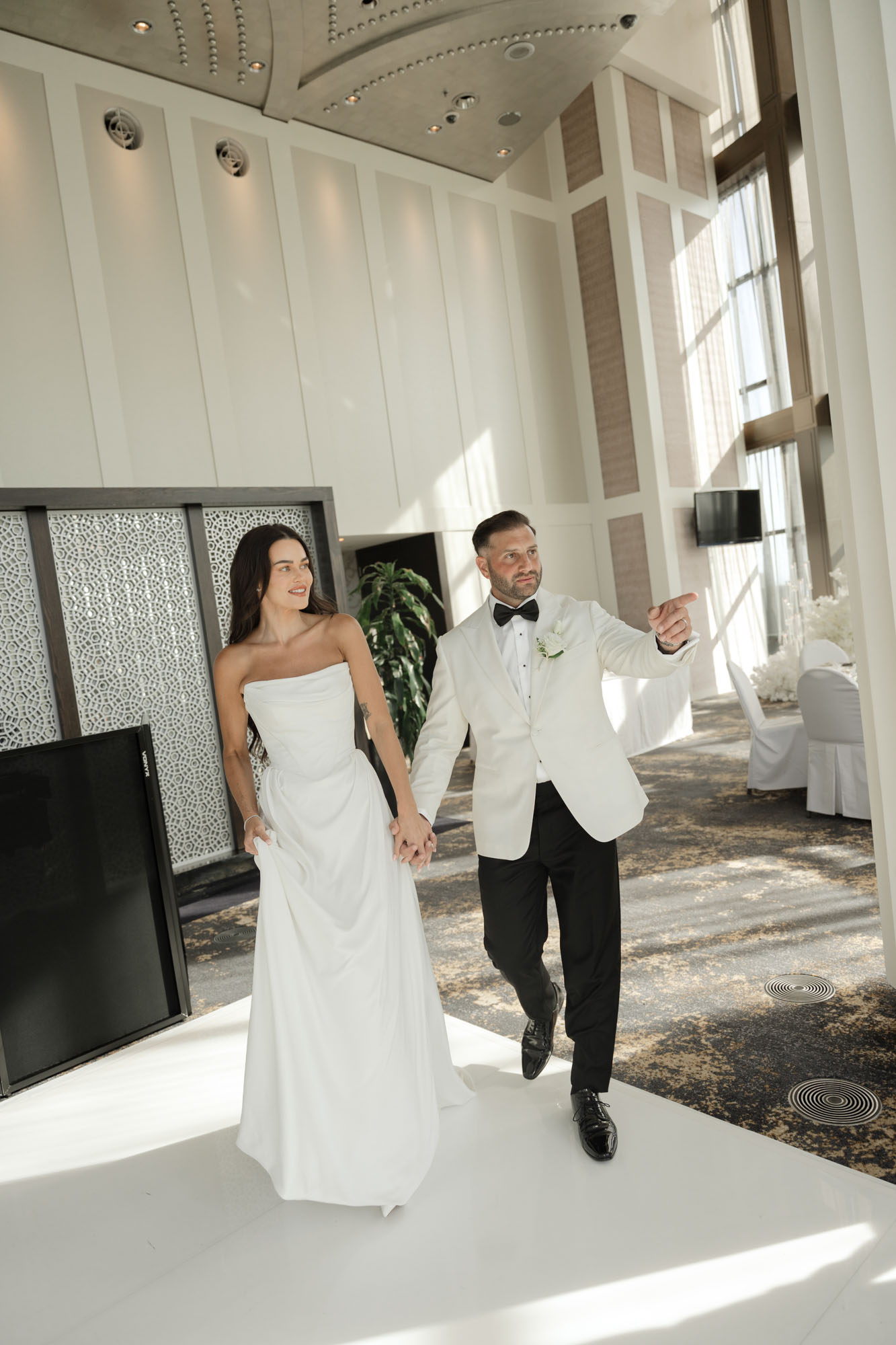
Melbourne wedding photography retouched photos with natural skin tone adjustment
Melbourne wedding photography retouched photos with natural skin tone adjustment
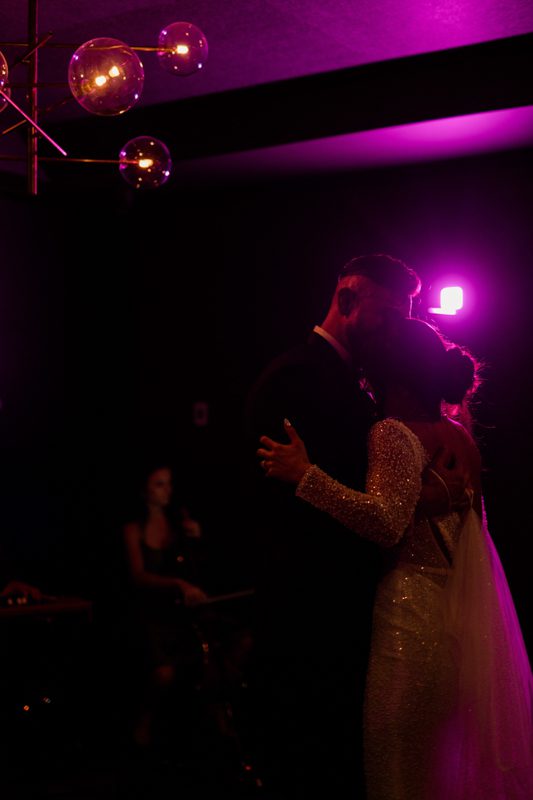
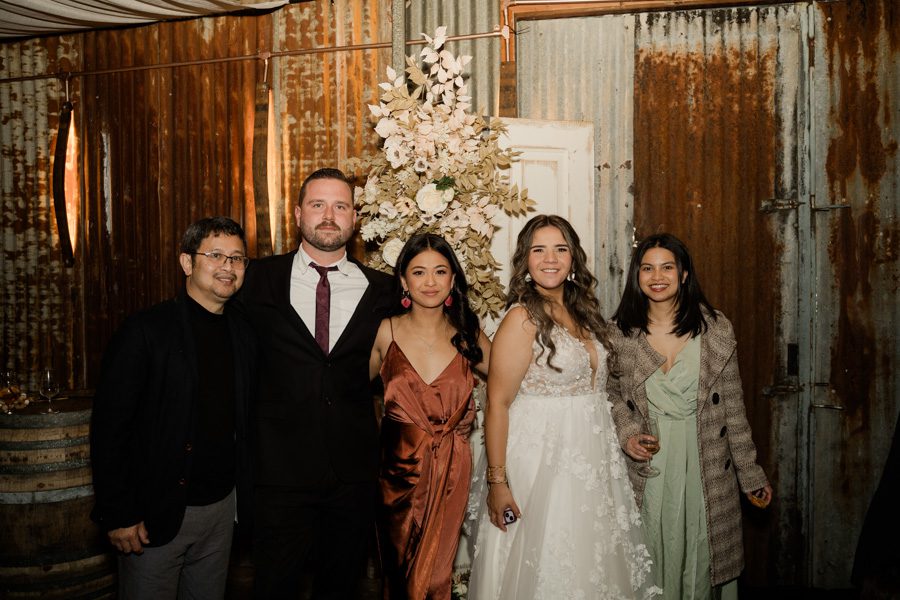
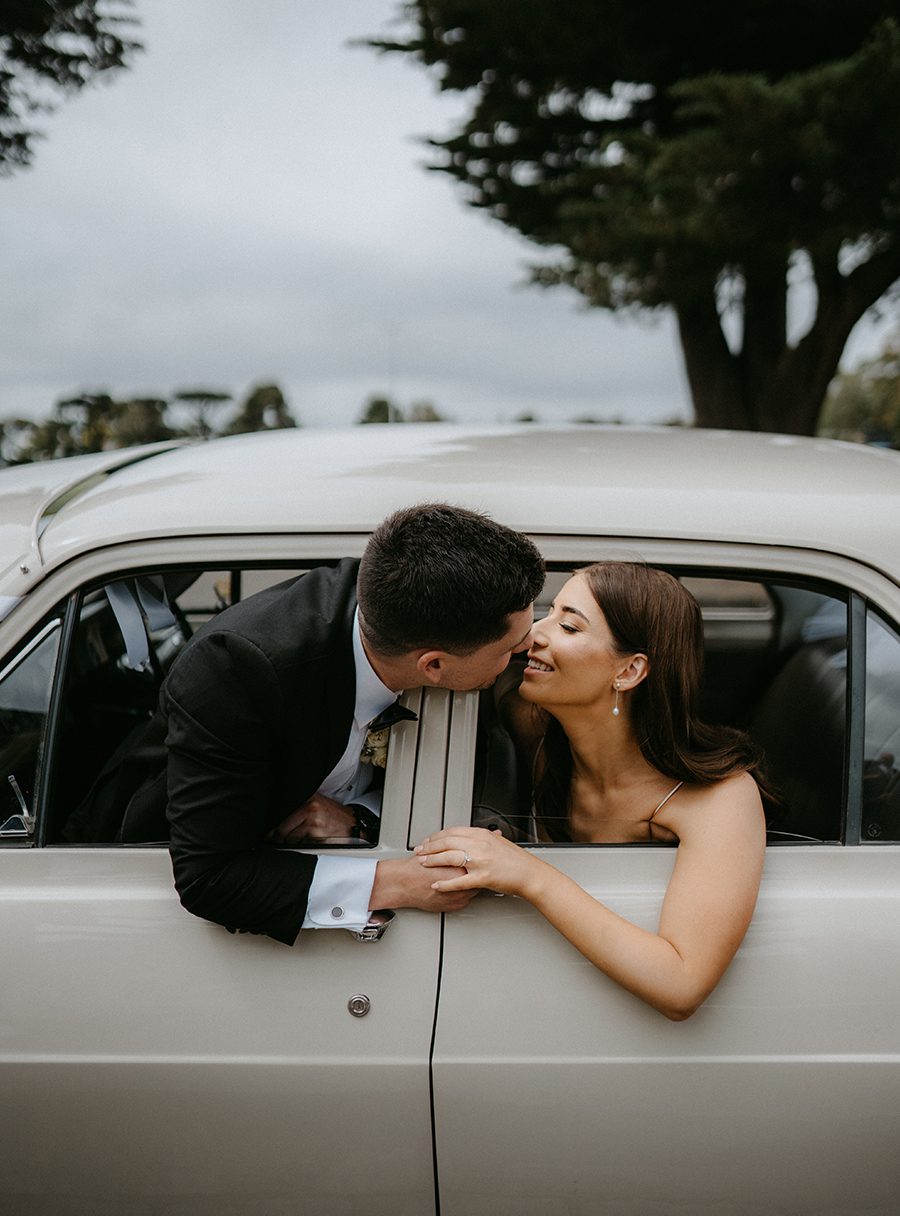
When it comes to wedding photo retouching in Melbourne, one of the most sought-after details is achieving natural, lifelike skin tones that feel authentic rather than over-processed. Couples want their portraits to capture the warmth and joy of their special day, without the artificial, washed-out look that often comes with heavy-handed editing. The goal is to make skin look soft, glowing, and true to each person’s unique features, while still smoothing out small imperfections that might distract from the overall emotion of the shot.
Understanding the Base of Your Raw Wedding Shots
Every wedding photo taken under Melbourne’s varied lighting conditions carries its own color quirks. A beach shot at golden hour might carry strong warm orange undertones, while a city portrait under overcast skies can lean toward cool, flat blue hues. Before making any skin adjustments, you first correct the overall white balance of the full frame to set a neutral foundation. This step ensures that the light hitting the couple’s skin matches the natural environment of the location, whether it’s the soft coastal breeze of Mornington Peninsula or the sharp urban glow of Melbourne’s laneways. You do not jump straight to skin edits before this base correction, as mismatched white balance will make even the most careful skin tone tweaks look disconnected from the rest of the scene.
Targeted Adjustments for Warmth and Clarity
Once the full image’s base color is balanced, you move to refine the specific color channels that control skin appearance. You gently adjust the hue, saturation, and luminance of red, orange, and yellow color ranges, the three core tones that make up human skin. You lower excess yellow saturation that often builds up in photos taken under harsh midday sun, while lifting the luminance of these ranges just enough to bring back the soft, dewy glow that natural skin has. You never push these sliders too far, as over-smoothing saturation will strip the skin of the subtle freckles, faint blush, and natural texture that make a portrait feel like the real person. For areas where skin looks patchy or uneven, you use soft, low-opacity brushes to blend tones together, keeping every small, personal detail that makes the couple recognizable.
Matching Skin Tones to Surrounding Light
Natural skin never exists in a vacuum, it always carries subtle hints of the colors around it. In a Melbourne garden wedding shot surrounded by green gum leaves, the edges of the couple’s shoulders and jawline will carry a faint, soft green cast. In a sunset shot overlooking the Yarra River, their cheekbones will catch a tiny touch of pink from the fading sky. You make tiny, targeted curve adjustments to add these subtle environmental color hints back into the skin, rather than stripping all color variation to make skin a flat, generic tone. This small step makes the final portrait feel like it was truly captured in that exact moment, not pasted onto a background in post-production. The skin will look like it belongs in the scene, glowing under the exact light that the couple stood in on their wedding day.
Every small tweak is made with the memory of the day in mind, ensuring that when the couple looks back at their photos years from now, they see themselves, not an over-edited version that no longer feels like their love story.