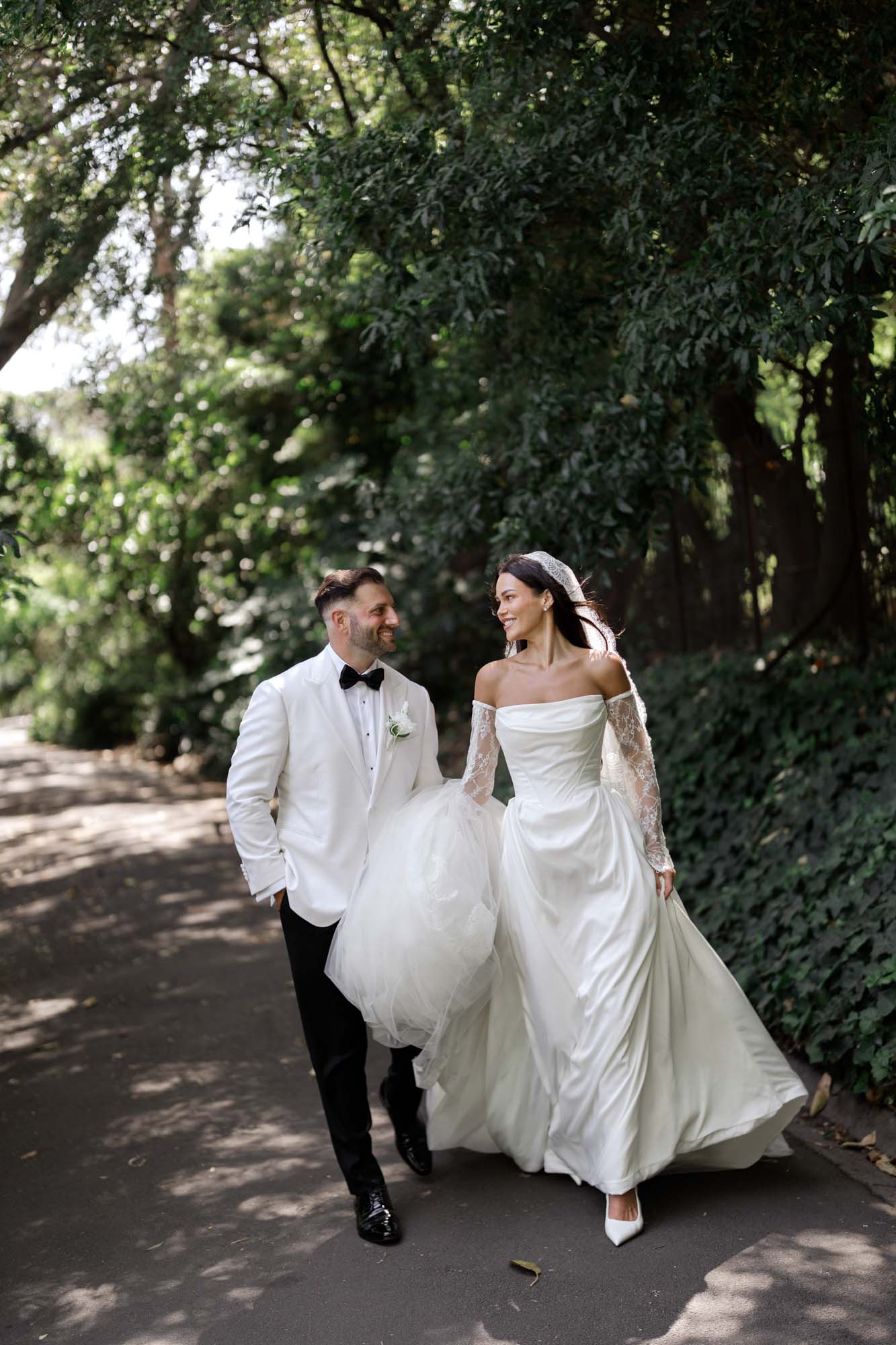
Melbourne wedding photography: Original audio of the shooting video is retained and edited.
Melbourne wedding photography: Original audio of the shooting video is retained and edited.
Preserving original audio in Melbourne wedding video editing keeps the raw, unscripted emotion of the day at the very center of the final film. Instead of covering every moment with a loud, constant soundtrack, this approach lets the real sounds of the city, the wind, the laughter, and the whispered vows breathe naturally between musical cues. It creates a documentary-style intimacy that feels far more personal and grounded than a polished, over-produced highlight reel.
Laying the Soundscape Foundation with Ambient Room Tone
The bed of any great wedding video is not the music, but the quiet, atmospheric sound captured by the microphones during the actual moments. You start by identifying the “room tone” or ambient audio for each scene, the low hum of air conditioning in a church, the distant traffic of a CBD laneway, or the sound of wind rushing across a cliffside in Mornington. You keep these layers audible underneath the dialogue and music, even if they are barely noticeable. This grounds the viewer in the physical location of Melbourne, reminding them that this is a real place with real weather and real texture, rather than a silent movie set to a song.
Isolating Key Vocal Moments for Clarity
When the couple speaks their vows or shares a private joke during the reception, the audio must be crisp and front-and-center, without the background music competing for attention. You dip the volume of the soundtrack significantly, sometimes to near silence, right at the peak of the emotion. You keep the natural reverb of the venue, the slight echo in a stone hall or the openness of a garden, because that acoustics tells the story of the space just as much as the visuals do. You also preserve small, imperfect vocal details like a shaky breath before a “I do” or a sudden burst of laughter that interrupts a speech, because these raw human sounds are what make the video feel alive and unrehearsed.
Balancing Music Swells with Natural Silence
The transition between music and original sound is where the emotional pacing of the video truly lives. You avoid hard cuts where the music stops and starts abruptly; instead, you let the original audio fade in and out naturally around the track. During a slow dance, you might let the song play for the first verse, then fade it out to let the sound of the couple’s footsteps and the rustle of the dress take over for a few seconds before the chorus kicks back in. For quiet montage sequences, like the couple getting ready or walking through the city, you might use no music at all, letting the clinking of champagne glasses, the click of heels on pavement, and the murmur of guests carry the scene. This respect for silence and natural noise makes the musical moments hit harder and the final video feel like a true memory of the day, not just a slideshow with a backing track.