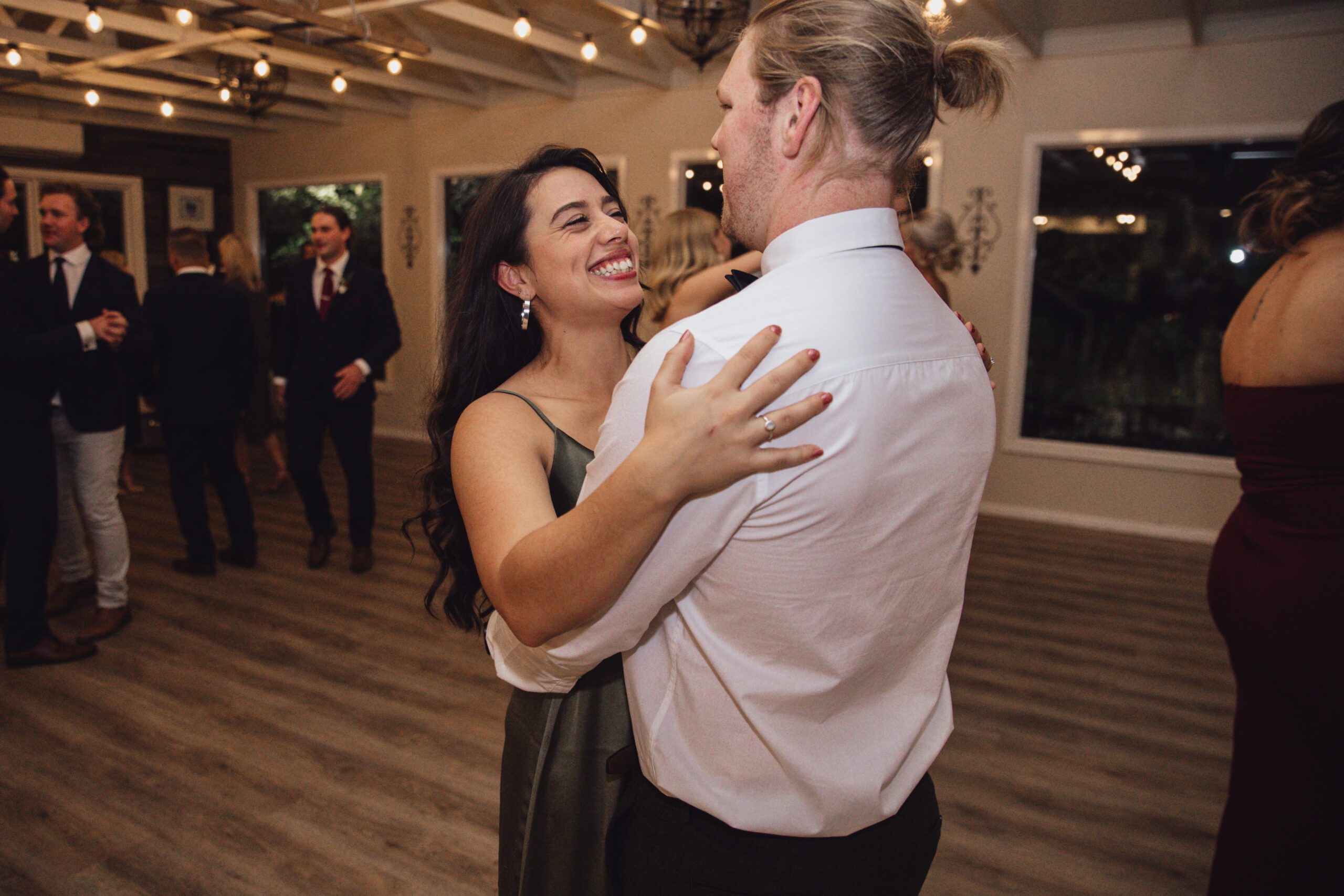
Melbourne wedding photography - fresh nude makeup design
Melbourne wedding photography - fresh nude makeup design
Melbourne Wedding Photography Fresh Nude Makeup: The Look That Photographs Better Than Anything Bold
A bride walks into a Melbourne studio or steps out onto a Fitzroy street in golden hour light, and the camera catches her face. The skin glows. The lips look like they always looked — just better. The eyes are open and awake. There is no heavy contour, no dramatic smoky eye, no false lashes casting shadows on her cheekbones. That is the fresh nude look, and it is the single most photographed bridal makeup style in Melbourne right now. Not because it is trendy. Because it is the only look that survives the camera without looking like a different person.
Heavy makeup was made for close-up cinema. Nude makeup was made for photography. The two do not mix. A smoky eye that looks incredible at arm’s length turns into a dark smudge under a ring light. A bold lip that reads well in a mirror reads as a red blob in a wide-angle portrait. Fresh nude makeup avoids all of that. It works with the light instead of fighting it.
Why Nude Makeup Dominates Melbourne Bridal Photography
Melbourne light is the reason. The city gets long stretches of soft, diffused daylight — especially in the mornings and late afternoons when most wedding shoots happen. That light is forgiving, but it is also honest. It shows every layer of foundation, every crease of eyeshadow, every line of lipstick. Heavy makeup does not hide in Melbourne light. It accumulates.
The Golden Hour Problem With Bold Makeup
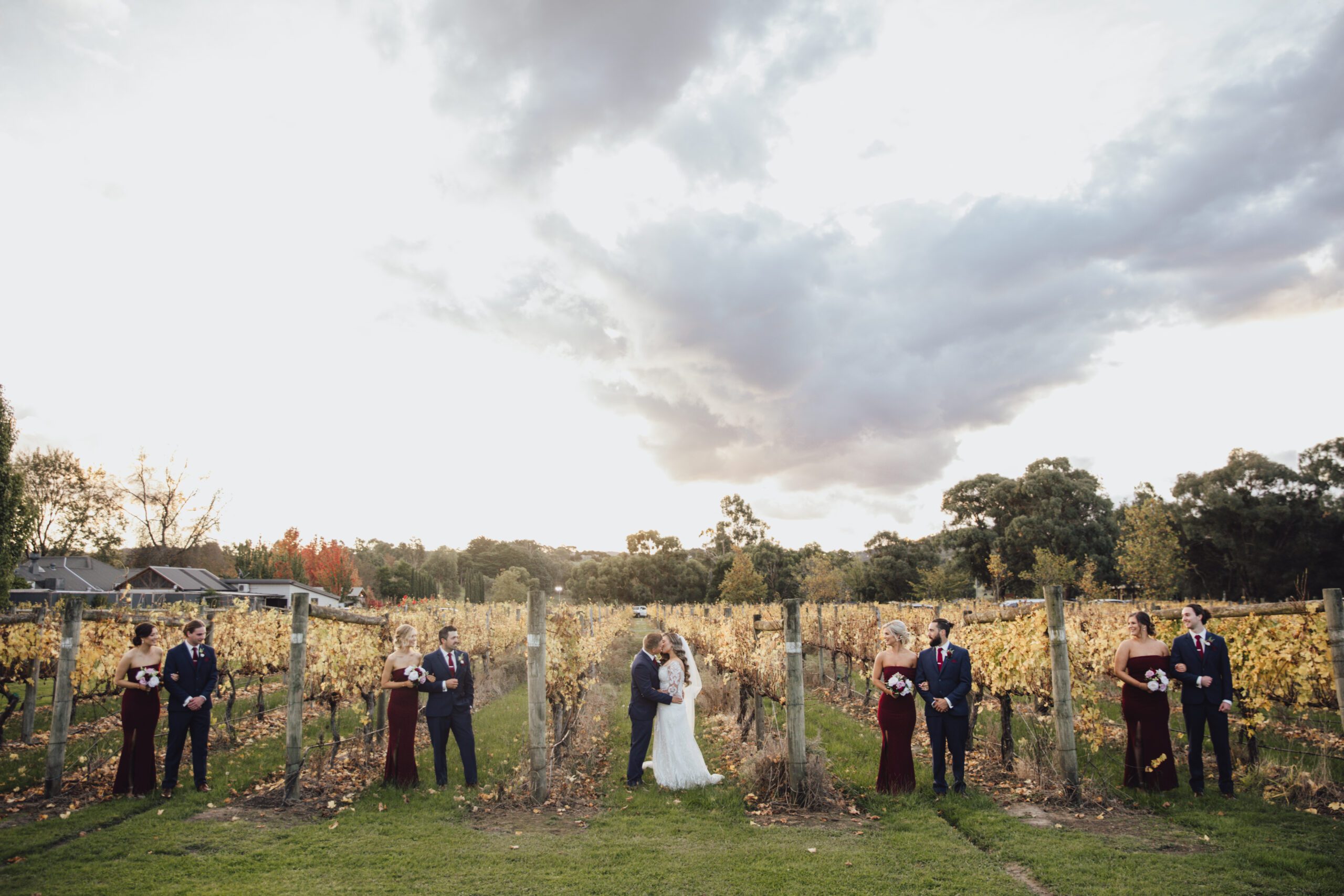
Golden hour in Melbourne hits between five and seven PM in summer and earlier in winter. The light is warm, directional, and low. It wraps around the face and creates long shadows under the nose, the chin, and the brow bone.
Bold contour creates hard shadows that look unnatural in this light. The contour line that looked sculpted in studio lighting looks like a bruise in golden hour. The same applies to heavy blush — it reads as a flat color patch instead of a natural flush. Nude makeup blends into the warm light instead of clashing with it. The skin looks like skin, just perfected.
The Wind Factor Nobody Considers
Melbourne is windy. The Yarra River corridor, the coastal locations, the rooftop venues — all of them have gusts that pick up without warning. Wind moves hair across the face, and when hair sticks to makeup, it reveals every layer.
Heavy foundation cracks when hair sticks to it. Waterproof mascara smears when wind pushes tears — and Melbourne wind makes eyes water. A fresh nude look with minimal product stays intact when the wind hits. The makeup moves with the skin instead of peeling off it.
The Foundation Strategy: Less Is Always More
The base is everything. Get it wrong and nothing else matters.
Skin-First, Not Coverage-First
Most bridal makeup starts with full coverage. That is the mistake. Full coverage foundation sits on top of the skin like a mask. In photographs, it looks flat. It has no texture. It does not glow.
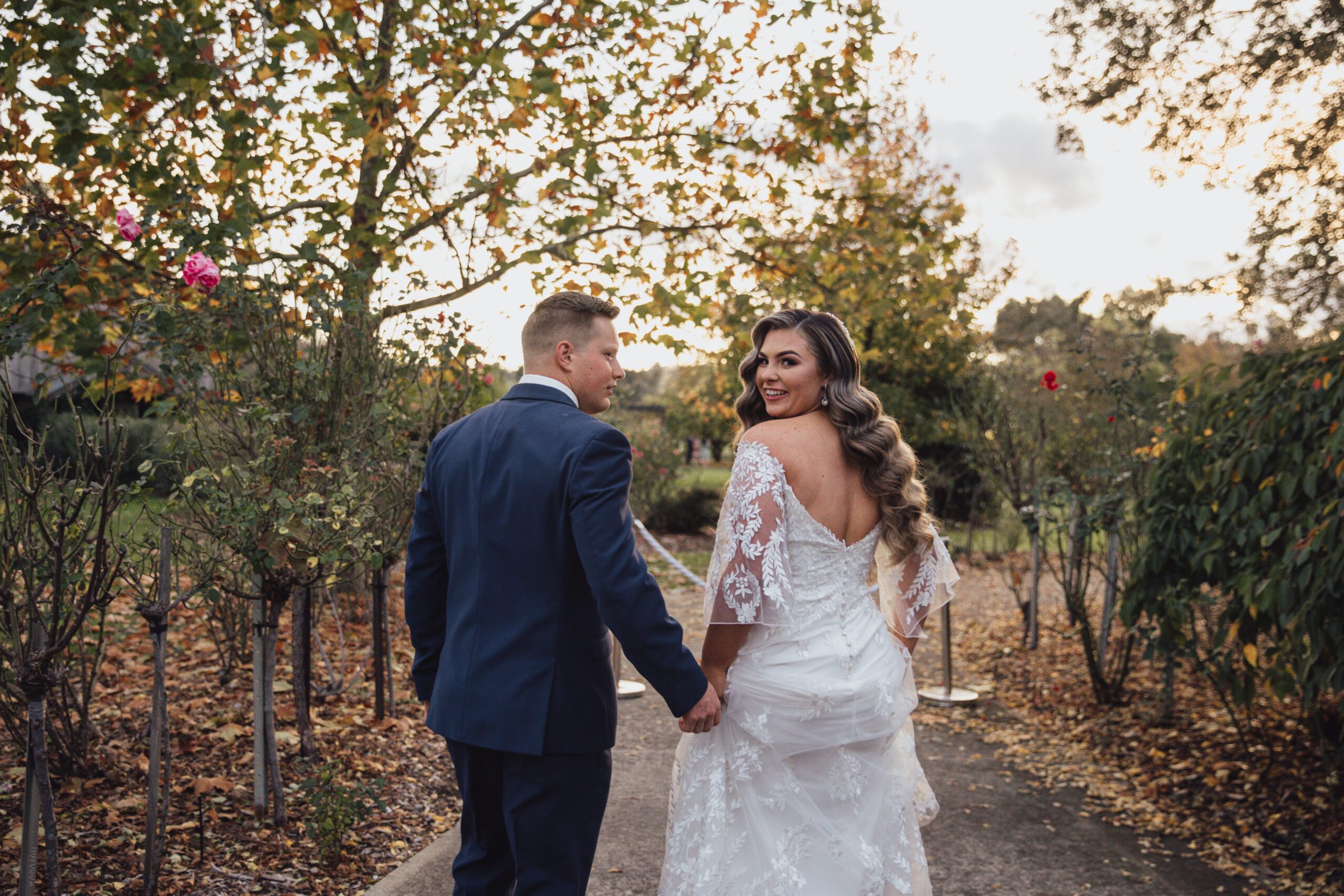
Start with skin. Cleanse, moisturize, and let the skin breathe for twenty minutes before any product goes on. Use a tinted moisturizer or a very light foundation — just enough to even out the tone, not enough to change the texture. The goal is to let the skin show through. The camera will pick up that translucency and it will look alive.
If there are blemishes, cover them individually with a concealer. Do not blanket the entire face. A few spot-treated areas surrounded by bare skin look more natural than a fully covered face that looks like it has been airbrushed.
The Dewy Finish That Melbourne Light Loves
Matte foundation photographs dead. It absorbs light instead of reflecting it. In Melbourne’s soft daylight, matte skin looks like a wall. Dewy skin looks like skin.
Use a liquid highlighter on the high points — the tops of the cheekbones, the bridge of the nose, the cupid’s bow, and the inner corners of the eyes. Not glitter. Not shimmer. A liquid or cream highlighter that melts into the skin. The light hits those points and bounces back, giving the face dimension without any visible product.
Set the dewy areas with a setting spray, not powder. Powder kills the glow. Setting spray locks the moisture in and lets the light do the work.
The Eyes: Open, Awake, and Barely There
The eyes are the focal point of every bridal portrait. But the trend in Melbourne is not to make them dramatic. It is to make them look like the bride’s actual eyes, just more awake.
The No-Eyeshadow Approach
This sounds radical, but it works. Skip eyeshadow entirely. Use a lash curler and a coat of mascara. That is it. The eyes look open, clean, and natural. The absence of color lets the iris do the talking.
If the bride has blue or green eyes, skipping eyeshadow makes the color pop. If she has brown eyes, a single wash of neutral matte shadow in the crease — just one shade darker than her skin tone — adds definition without adding drama. One shade. One application. Blend it out until it looks like a shadow, not a color.
The Lash Decision: Natural or Subtle Wisp
False lashes are the enemy of the nude look. They add weight, they cast shadows, and they look obvious in every close-up. The bride’s real lashes, curled and coated with one layer of lengthening mascara, are enough.
If the bride’s natural lashes are short or sparse, use individual lash extensions — not a strip. Individual lashes look like real lashes that happen to be longer. Strip lashes look like strip lashes. The difference is visible in every photograph, especially in side profiles where the strip lash creates a thick black line along the lid.
The Brown Liner Trick
Black eyeliner is harsh. It creates a hard line that reads as a drawn-on mark in photographs. Brown liner softens everything. It defines the lash line without creating a boundary.
Use a brown kohl pencil or a brown gel liner. Smudge it slightly along the upper lash line. Do not wing it. Do not extend it past the outer corner. Just define the line and stop. The result is an eye that looks awake but not made up.
The Lips: The One Place You Can Add Color
If the rest of the face is nude, the lips are where the color lives. But the color should look like the bride’s lips, just enhanced.
The Tinted Balm Method
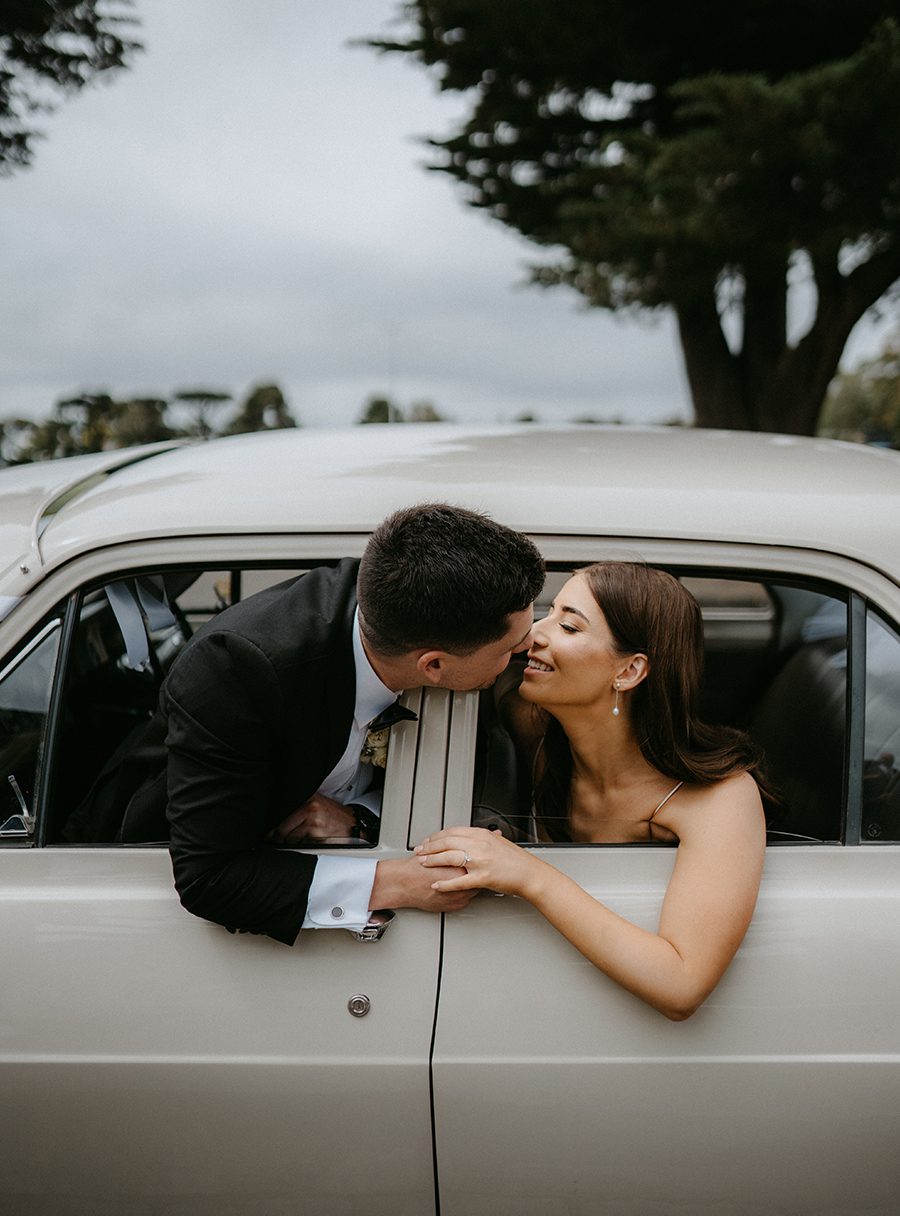
Skip lipstick. Use a tinted lip balm or a lip oil. The color should be close to the bride’s natural lip tone — just one or two shades deeper. The finish should be satiny, not matte and not glossy.
A matte lip photographs flat. A glossy lip catches too much light and creates hot spots in the image. Satin sits in between. It has enough sheen to look healthy but not enough to distract from the rest of the face.
Apply the balm, then blot with a tissue. Apply again. The double layer gives longevity without building up product. The bride can drink, kiss, and talk without the color shifting.
The Overlined Myth
Overlining the lips was popular five years ago. It does not photograph well. The exaggerated shape looks artificial in wide-angle shots, and the color mismatch between the liner and the lip is obvious in close-ups.
Keep the lip shape natural. If the bride wants more definition, use a lip liner that matches the balm exactly and trace the natural lip line — do not go beyond it. The definition comes from the color, not from the shape.
The Cheeks: Flush, Not Contour
Heavy blush is the fastest way to ruin a nude look. It turns the face into a color chart. The goal is a flush that looks like the bride just walked in from the cold — natural, warm, and barely visible.
Cream Blush Applied With Fingers
Use a cream blush in a peach or soft rose tone. Apply it with your ring finger — the finger with the lightest pressure. Dot it on the apples of the cheeks and blend upward toward the temples. Do not blend down toward the jaw. Upward blending lifts the face. Downward blending drags it.
The amount should be so light that the bride cannot see it in the mirror but the camera picks it up. If she can see it, there is too much.
Bronzer Instead of Blush
In Melbourne’s warm light, a light dusting of bronzer across the forehead, the temples, and the jawline gives more dimension than blush. It mimics the effect of sunlight on the skin without adding a separate color. The bronzer should be two shades darker than the foundation, not orange. An orange bronzer reads as a tan line in photographs. A neutral bronzer reads as a shadow.
The Setting: How to Make It Last All Day
A nude look with minimal product should last all day without touch-ups. But Melbourne weddings are long, and the weather is unpredictable.
The Three-Layer Setting Method
First, a setting spray after foundation. Second, a light dusting of translucent powder on the T-zone only — forehead, nose, chin. Not the cheeks. The cheeks stay dewy. Third, another setting spray over everything.
This three-layer method locks the makeup without caking it. The powder controls oil in the areas that need it. The spray keeps the rest of the face fresh. The result is a look that photographs the same at hour ten as it did at hour one.
What to Pack for Touch-Ups
Even with perfect setting, the bride will need a touch-up kit. Pack the tinted balm for lips, a blotting sheet for oil, and the setting spray. That is it. No compact powder. No eyeshadow palette. No lipstick. The touch-up should take thirty seconds, not ten minutes.
The blotting sheet is the most important item. Oil is the enemy of nude makeup. It breaks down the foundation and makes the skin look greasy. A single press of a blotting sheet removes oil without removing makeup. The bride can do it herself between ceremony and reception without a mirror.
The Hair Connection: Makeup and Hair Must Agree
Nude makeup with a dramatic updo looks disjointed. The face says soft and the hair says loud. They need to match.
Soft Waves for Nude Makeup
Loose waves or a low bun complement the nude look. The hair frames the face without competing with it. The makeup is visible, the skin glows, and the hair adds movement without adding drama.
A sleek high ponytail works too, but it pulls the skin tight and can make the nude makeup look too bare. If the bride wants a ponytail, keep it low and loose. The face should look relaxed, not stretched.
Avoid Heavy Hair Accessories
A crystal headpiece with nude makeup creates two focal points. The eye does not know where to look. Keep hair accessories minimal — a few fresh flowers, a simple comb, or nothing at all. The nude look is about simplicity. Every addition fights that simplicity.
The Photographer’s Perspective: What They Actually See
Most photographers in Melbourne will tell you the same thing. Nude makeup photographs better. It is not an opinion. It is physics.
Less product means less texture. Less texture means more light reflection. More light reflection means more dimension in the image. A face with three layers of foundation, contour, blush, highlighter, and powder has five different textures competing for attention. A face with tinted moisturizer, cream blush, and lip balm has one texture — skin. The camera loves skin.
The bride who walks into the shoot with a nude face and a clean canvas gives the photographer room to work with the light. The bride who walks in with a full face of product gives the photographer a problem to solve in post-production. The first image wins every time.
The fresh nude look is not about looking like you are wearing nothing. It is about looking like the best version of yourself — the version that the camera sees when the light is right and the wind is calm and you are not thinking about your makeup because it is not there to think about. That is the look Melbourne brides are choosing, and it is the look that ages better in photographs than any bold trend ever will.