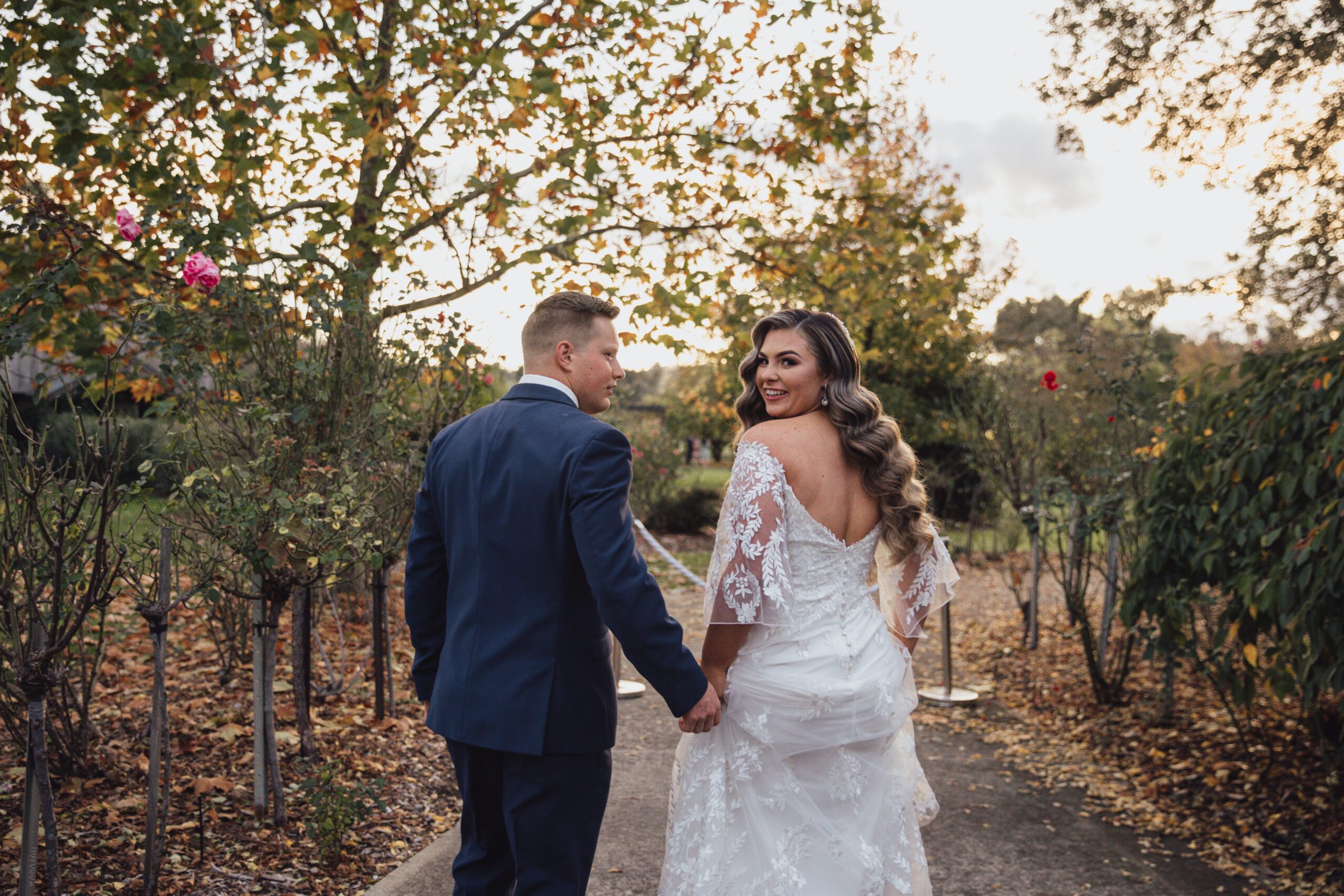
Melbourne wedding photography featuring simple pearl accessories design
Melbourne wedding photography featuring simple pearl accessories design
Melbourne Wedding Photography Minimalist Pearl Accessories Styling Guide
Pearls and weddings have been tangled together for centuries, and for good reason. Nothing else on earth catches light the way a pearl does. It glows from within, it softens every angle of the face, and it photographs like it was made specifically for camera lenses. In Melbourne, where the light shifts from bright coastal sun to soft filtered glow through eucalyptus canopies, pearls do something no other accessory can — they adapt. They look elevated on a bluestone laneway and they look just as effortless on a vineyard hillside. The trick is not wearing more pearls. The trick is wearing the right ones in the right places so they look like they belong to you, not like you borrowed them from your grandmother’s jewelry box.
Why Pearls Work Better Than Diamonds for Melbourne Wedding Photos
Diamonds Fight the Light. Pearls Work With It.
Diamonds sparkle. That is their job. But in outdoor photography, especially in Melbourne’s variable light, that sparkle can work against you. A diamond earring catches the sun and throws a harsh reflection across the frame. A pearl absorbs light and returns it as a soft glow. The difference in photographs is enormous. Diamonds create hot spots. Pearls create even, flattering illumination across the face and neck.
Melbourne’s weather adds another layer. On an overcast day, diamonds go dull and look flat. Pearls actually look better in soft light — the glow intensifies when there is no direct sun competing with it. On a bright day, pearls do not throw glare the way diamonds do. They stay calm. They stay elegant. They stay in the photograph without stealing the frame.
The Vintage Factor
Melbourne’s wedding photography scene leans heavily into vintage and editorial styling right now. Pearls are the single most vintage-appropriate accessory you can wear. They do not look modern. They do not look trendy. They look timeless, and timeless is exactly what photographs age well. A photo taken in 2026 with pearl earrings will look just as good in 2056. A photo with flashy crystal drops will look dated within five years.
The Pearl Pieces That Actually Matter for Wedding Photos
Earrings Are the Only Pearl Piece You Need
If you are going to wear one pearl accessory, make it earrings. They frame the face. They catch the light when you turn your head. They show up in every single photograph — close-ups, wide shots, profile angles, candid laughs. No other pearl piece gets that kind of coverage.
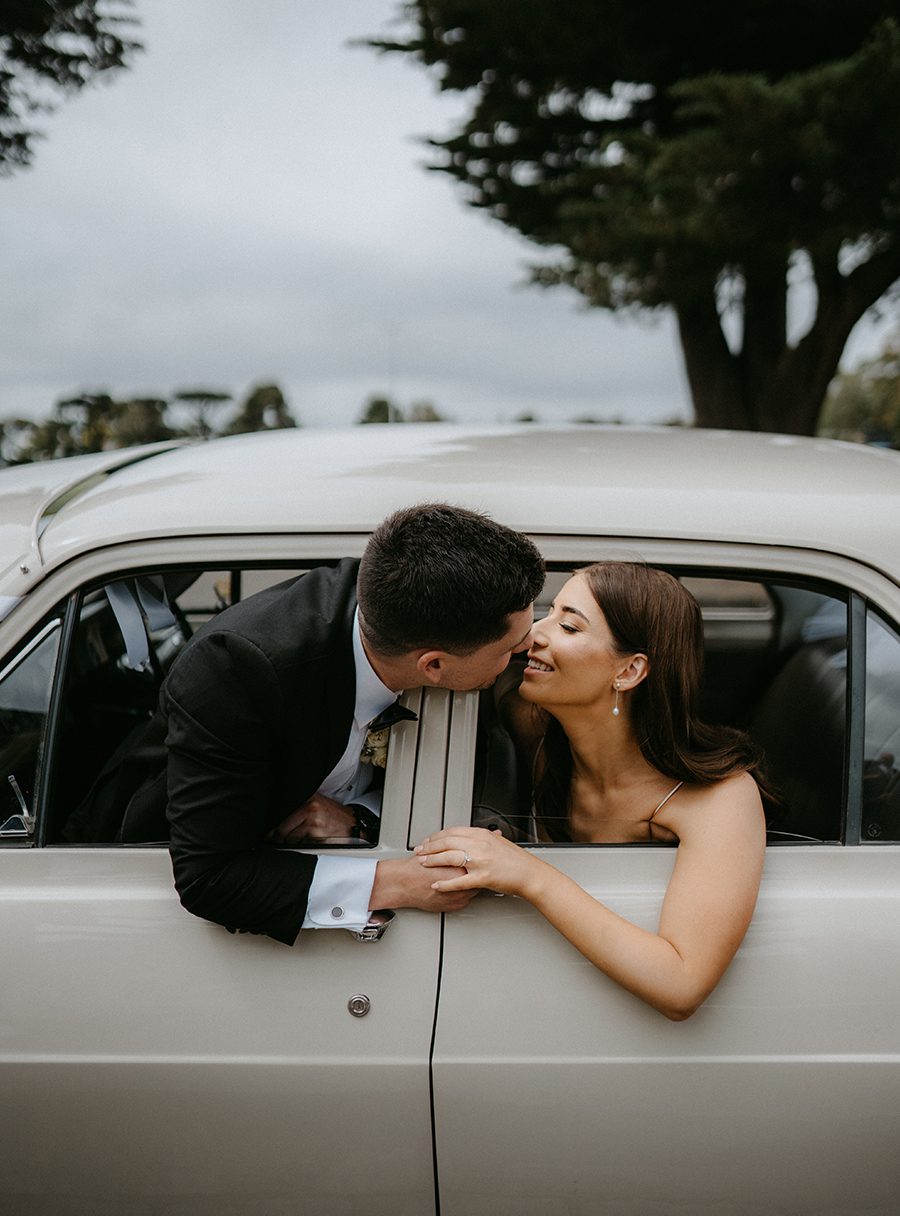
For Melbourne weddings, drop earrings in a single pearl design work best. Not a cluster. Not a chandelier style. One pearl, hanging just below the earlobe, catching light as you move. The simplicity photographs cleanly against any backdrop — bluestone walls, green foliage, golden hour sky. It does not compete with the dress, the bouquet, or the groom’s suit. It just makes the face glow.
Stud earrings are the second best option. Small, round, sitting close to the ear. They photograph well in close-ups and they do not get caught in wind or hair. If you are having an outdoor ceremony in Melbourne’s often-breezy coastal locations, studs are more practical than drops.
The Necklace Decision — Wear It or Leave It
A pearl necklace is beautiful. It is also the easiest way to over-accessorize a wedding look. If your dress has a high neckline, a necklace disappears anyway. If your dress has a low or open neckline, a single-strand pearl necklace can work — but only if it sits above the collarbone, not below it. A necklace that hangs into the chest area competes with the dress neckline and creates visual clutter in photographs.
The rule is simple: if the necklace does not add something the earrings are not already doing, do not wear it. In most Melbourne wedding photos, the earrings handle everything the pearls need to handle. The necklace becomes redundant.
Bracelets and Rings — Almost Never
Pearl bracelets photograph poorly in wedding shots. They sit on the wrist where the hand is usually holding a bouquet, resting on the groom’s arm, or adjusting the dress. The bracelet gets buried in the action and never shows up in the final images. It is effort for no visual return.
Pearl rings are the same problem. They are tiny, they sit on the hand, and in ninety percent of wedding photographs the hands are either holding something or resting on something. The ring does not get its moment. Save the pearl ring for the engagement photos, not the wedding day.
How to Choose the Right Pearl Shape and Size
Round Is Always Safe. Baroque Is Always Interesting.
Round pearls are the classic choice and they photograph predictably well. They reflect light evenly, they look clean in every frame, and they match every dress style. If you want zero risk, go round.
Baroque pearls — the irregular, organic-shaped ones — are where it gets interesting. A single baroque pearl earring photographs beautifully because its uneven surface catches light in unpredictable ways. It looks artisanal, not manufactured. It looks like you found it, not bought it. For Melbourne’s editorial and vintage wedding scene, baroque pearls are actually the better choice. They add character without adding volume.
Size Matters More Than You Think
Too small and the pearl disappears in photographs. Too large and it overwhelms the face. The sweet spot for wedding earrings is eight to ten millimeters for drops, six to eight millimeters for studs. This size reads clearly in both close-up and wide-angle shots without dominating the frame.
If you are petite or have a small face, stay on the smaller end. If you have strong features or a larger frame, you can push toward ten or eleven millimeters. But do not go bigger. A twelve-millimeter pearl earring on a delicate face looks like it is wearing the person, not the other way around.
Matching Pearls to Your Dress and Location
White Pearls Go With Everything. That Is the Point.
White pearls match every wedding dress color — ivory, cream, blush, champagne, even stark white. They do not clash because they are not a bold color. They are a tone. A warm white pearl against an ivory dress creates a subtle, cohesive look that photographs as intentional. A cool white pearl against a cream dress adds contrast without competition.
The only time white pearls do not work is if your dress has heavy beading or sequin work. The pearls will blend into the dress and disappear. In that case, consider cream or champagne-toned pearls instead — they have enough warmth to stand out against a beaded surface.
Pink and Lavender Pearls for Melbourne’s Soft Palettes
Melbourne’s wedding photography palette right now leans toward dusty pink, mauve, sage, and lavender. Pink pearls fit this perfectly. They add warmth to the face without introducing a new color that fights the dress. A single pink pearl drop earring against a dusty rose dress creates a monochromatic effect that photographs like a fashion editorial.
Lavender pearls are rarer and they photograph beautifully against white or cream dresses. The soft purple tone adds a whisper of color that shows up in close-ups but does not dominate wide shots. If you want something unusual without going over the top, lavender pearls are the move.
Avoid Black Pearls Unless You Know What You Are Doing
Black pearls are stunning. They are also high-risk for wedding photography. They photograph as a dark spot against the face, and in many lighting conditions they look like a shadow rather than an accessory. They work in studio settings with controlled light. They struggle in Melbourne’s variable outdoor light. If you love black pearls, wear them for the reception, not the ceremony photos.
The Hair and Pearl Combination That Photographs Best
Updos Let Pearls Show
If your hair is up, your earrings are fully visible from every angle. This is the best scenario for pearl earrings because they get uninterrupted light and they frame the face without competing with hair. A low bun, a chignon, or a twisted updo all work. The key is keeping the neck and jawline clear so the pearl drop has room to catch light.
Avoid high updos that pull the ears upward. When the ear is pulled up, the earring sits at an angle that looks awkward in photographs. Keep the earring at the natural ear position and let the pearl hang straight down.
Down Hair Works With Studs, Not Drops
If you are wearing your hair down, drop pearl earrings will get lost in the strands. They will peek through occasionally but they will not photograph consistently. Stud earrings are the better choice here — they sit visible against the hair and they catch light when you turn your head.
If you insist on drops with down hair, choose shorter drops that end above the jawline. Long drops that hang past the jaw disappear into the hair and never show up in photographs.
Flowers and Pearls — Do Not Mix
This is the mistake that ruins more wedding photos than anything else. If you are wearing a flower crown or flowers in your hair, do not wear pearl drop earrings. The flowers and the pearls fight for the same visual space. One of them will dominate and the other will look like an afterthought.
Choose one. Flowers or pearls. Not both. If you go with pearls, skip the flower crown entirely and use a simple eucalyptus or olive branch instead. The greenery complements the pearl without competing with it.
Location-Specific Pearl Styling for Melbourne
Bluestone Laneways and City Walls
The dark, textured walls of Melbourne’s laneways make white pearls pop. The contrast between the dark background and the soft glow of the pearl creates a photograph that looks moody and editorial. Wear drop earrings here — they catch the light that filters down between the buildings and they create a vertical line that draws the eye upward.
Coastal and Beach Locations
Wind is the enemy of pearl earrings at the beach. A drop earring will swing around and catch wind, which looks dynamic in motion but chaotic in still photographs. Stud earrings are the safer choice for coastal Melbourne weddings. They stay put, they photograph cleanly against the sand and water, and they do not tangle in windblown hair.
If you want drops at the beach, choose weighted pearls — heavier pearls that do not swing as much. The weight keeps them relatively still even in a breeze.
Vineyards and Countryside
The soft, golden light of the Yarra Valley and Mornington Peninsula is the best natural light for pearls. The warm tones of the light make white pearls glow with a creamy warmth that looks incredible in photographs. This is where you can go slightly larger — ten to eleven millimeter drops photograph beautifully in this light because the golden hour amplifies their glow.
The green and gold backdrop of vineyard rows also makes champagne and cream pearls stand out more than they would in a city setting. The warm tones of the pearl echo the warm tones of the landscape, creating a cohesive color story that photographs like a painting.
Gardens and Parks
Royal Botanic Gardens, Fitzroy Gardens, and similar green spaces offer soft, filtered light that is flattering for pearls. The green foliage behind you makes white pearls read as bright focal points without looking harsh. This is the safest location for any pearl style — drops, studs, baroque, round. Everything works here because the light is even and the background is simple.
What to Avoid With Pearl Wedding Accessories
Do Not Mix Pearl Styles
Wearing pearl studs on one ear and a pearl drop on the other looks accidental, not stylish. It reads as mismatched rather than intentional. If you want asymmetry, make it deliberate — both earrings should be the same type but worn at different lengths on purpose. Mismatched by accident is not the same as mismatched by design.
Do Not Wear Pearls With Crystal or Rhinestone
Pearls and crystals do not belong together. The soft glow of a pearl next to the sharp sparkle of a crystal creates visual tension that photographs as cluttered. Pick one. If you choose pearls, leave the crystals at home. The photograph will be cleaner and the look will be more cohesive.
Do Not Over-Pearl
One pearl piece per area. Ears get one pair. Neck gets one necklace or nothing. Wrists get nothing. Fingers get nothing for the wedding day. The moment you add a second pearl piece to the same zone, the look shifts from minimalist to costume. The entire point of pearl styling for wedding photography is restraint. Less is not just more — less is everything.