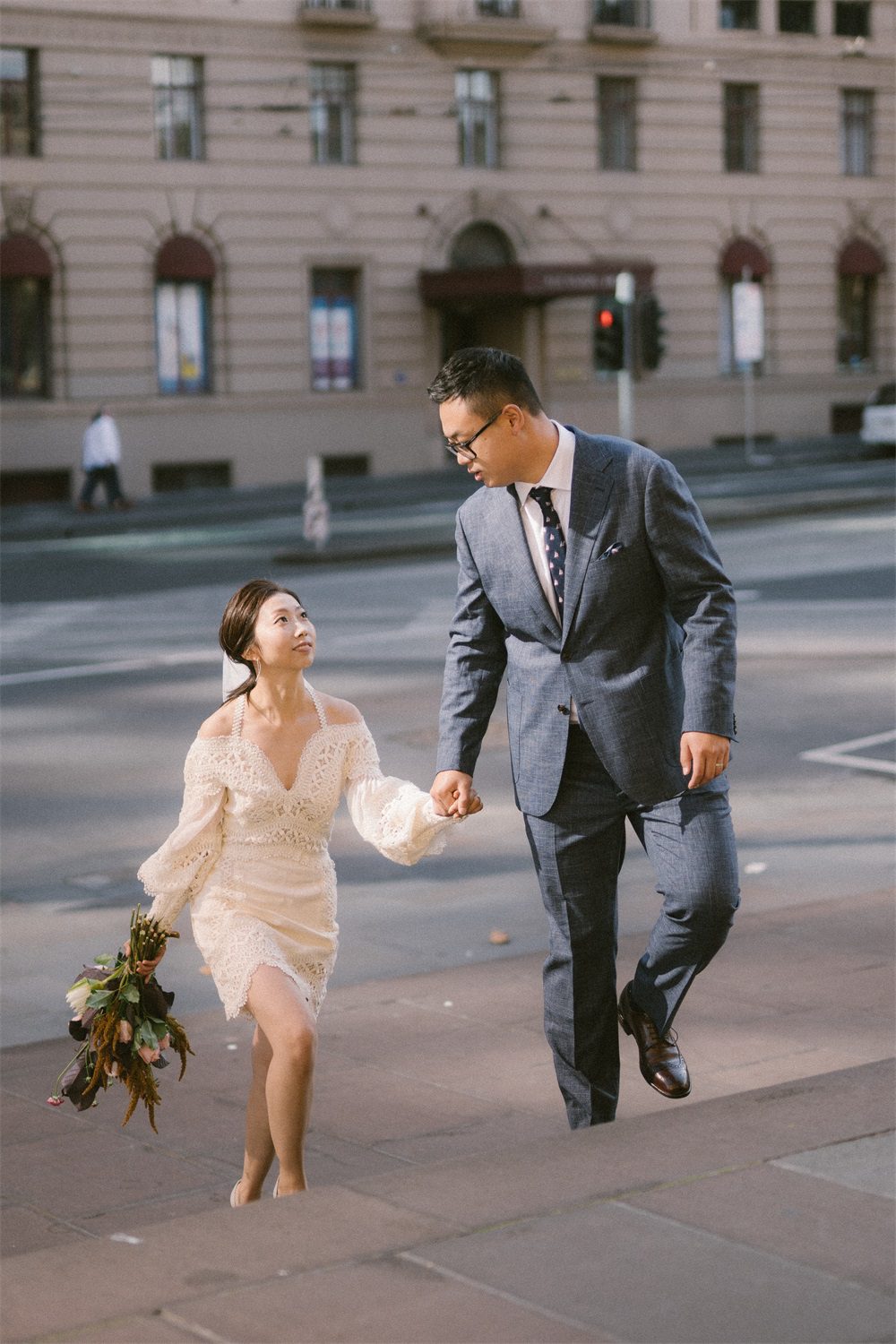
Notes on Controlling the duration of wedding photography in Melbourne
Notes on Controlling the duration of wedding photography in Melbourne
Key Considerations for Managing Melbourne Wedding Photography Timelines
Capturing wedding moments in Melbourne’s diverse settings—from urban landmarks to coastal vistas—requires meticulous planning to balance creativity with efficiency. Below are essential strategies to optimize shooting schedules while ensuring high-quality results.

Understanding Melbourne’s Unique Environmental Factors
Melbourne’s unpredictable weather and seasonal variations directly impact photography timelines.
Weather-Dependent Adjustments
- Spring/Summer: While midday light is harsh, early mornings (6–9 AM) offer soft, golden-hour illumination ideal for portraits. Afternoon thunderstorms may force rescheduling, so allocate buffer time.
- Autumn/Winter: Shorter daylight hours (sunset by 5:30 PM in winter) necessitate starting shoots by 10 AM. Layered clothing and portable heaters help manage cold temperatures during outdoor sessions.
Location-Specific Challenges
- Beach Venues: Tides rise rapidly in Port Phillip Bay, limiting shoreline access. Check tidal charts to schedule shots during low tide.
- Urban Landmarks: Flinders Street Station or Hosier Lane’s graffiti alleys attract crowds. Weekday mornings (before 10 AM) minimize interruptions from tourists.
Structuring a Realistic Shooting Schedule
A well-paced timeline prevents fatigue and ensures diverse coverage without rushing.
Recommended Session Breakdown
- 3–4 Outfits: Allocate 1.5–2 hours per outfit, including hair/makeup adjustments. For example, a bridal gown session at Royal Botanic Gardens may take 2 hours, while a casual ensemble at St Kilda Beach requires 1 hour.
- Multiple Locations: Limit to 2–3 spots within a 10km radius to avoid transit delays. A route like Fitzroy Gardens → Carlton Gardens → Lygon Street allows efficient movement between scenes.
- Natural Light Windows: Prioritize outdoor shots during the first 3 hours of daylight, reserving indoor studio work for midday or late afternoon.
Time Management Hacks
- Pre-Shoot Checklists: Confirm gear (lenses, reflectors, batteries) and permits the day before. For example, shooting at Melbourne Cricket Ground requires advance approval for commercial photography.
- Streamlined Transitions: Use a “base camp” near locations to store belongings and change outfits. A van or nearby café can serve as a hub between shots.
- Flexible Itineraries: Build 30-minute buffers between segments to accommodate delays. If rain disrupts an outdoor shoot, pivot to covered areas like Block Arcade or Melbourne Museum.
Communication and Collaboration with Vendors
Clear coordination with vendors ensures seamless execution and reduces downtime.
Photographer-Client Alignment
- Pre-Shoot Consultation: Discuss style preferences (e.g., candid vs. posed) and must-have shots (e.g., sunset silhouettes at Brighton Beach Bathing Boxes). Use mood boards to visualize expectations.
- Real-Time Feedback: Review images mid-session to adjust poses or lighting. For instance, if a bridal veil appears flat in shots, switch to a wind machine or open windows for dynamic movement.
Vendor Coordination
- Hair/Makeup Artists: Schedule artists to arrive 1 hour before shooting begins. A trial run ensures styles hold up under Melbourne’s humidity (common in summer).
- Transportation Teams: For multi-location shoots, hire drivers familiar with Melbourne’s traffic patterns. Avoid peak-hour routes (e.g., CityLink tollway between 4–6 PM).
- Venue Managers: Confirm arrival times and loading zones. Some historic sites like Parliament House restrict access to service elevators, requiring early planning for equipment transport.
Contingency Planning for Unforeseen Disruptions
Even with preparation, unexpected issues can arise. Proactive strategies mitigate risks.
Weather Backup Plans
- Indoor Alternatives: Identify nearby studios or venues with covered courtyards. For example, if rain cancels a Yarra River shoot, relocate to Abbotsford Convent’s heritage halls.
- Rain Gear: Pack clear umbrellas and waterproof covers for cameras. Waterproof footwear is essential for muddy park trails after heavy rain.
Technical Failures
- Redundant Equipment: Carry backup cameras, lenses, and memory cards. A second photographer can step in if the primary device malfunctions.
- Power Sources: Ensure access to electrical outlets for recharging batteries. Portable power banks are useful for outdoor locations without amenities.
Health and Safety Protocols
- Hydration and Snacks: Provide water and energy bars to maintain stamina during long sessions. Melbourne’s summer heat can cause dehydration, affecting focus and energy levels.
- Comfort Breaks: Schedule 10-minute breaks every 2 hours to rest and reapply sunscreen. For winter shoots, offer hand warmers and blankets between takes.
By integrating these strategies, couples and photographers can navigate Melbourne’s unique challenges while creating timeless wedding imagery. Flexibility, preparation, and collaboration are key to transforming potential obstacles into opportunities for creativity.