Notes on Communication and coordination for Melbourne wedding photography teams
Notes on Communication and coordination for Melbourne wedding photography teams
Essential Communication Strategies for Melbourne Wedding Photography Teams
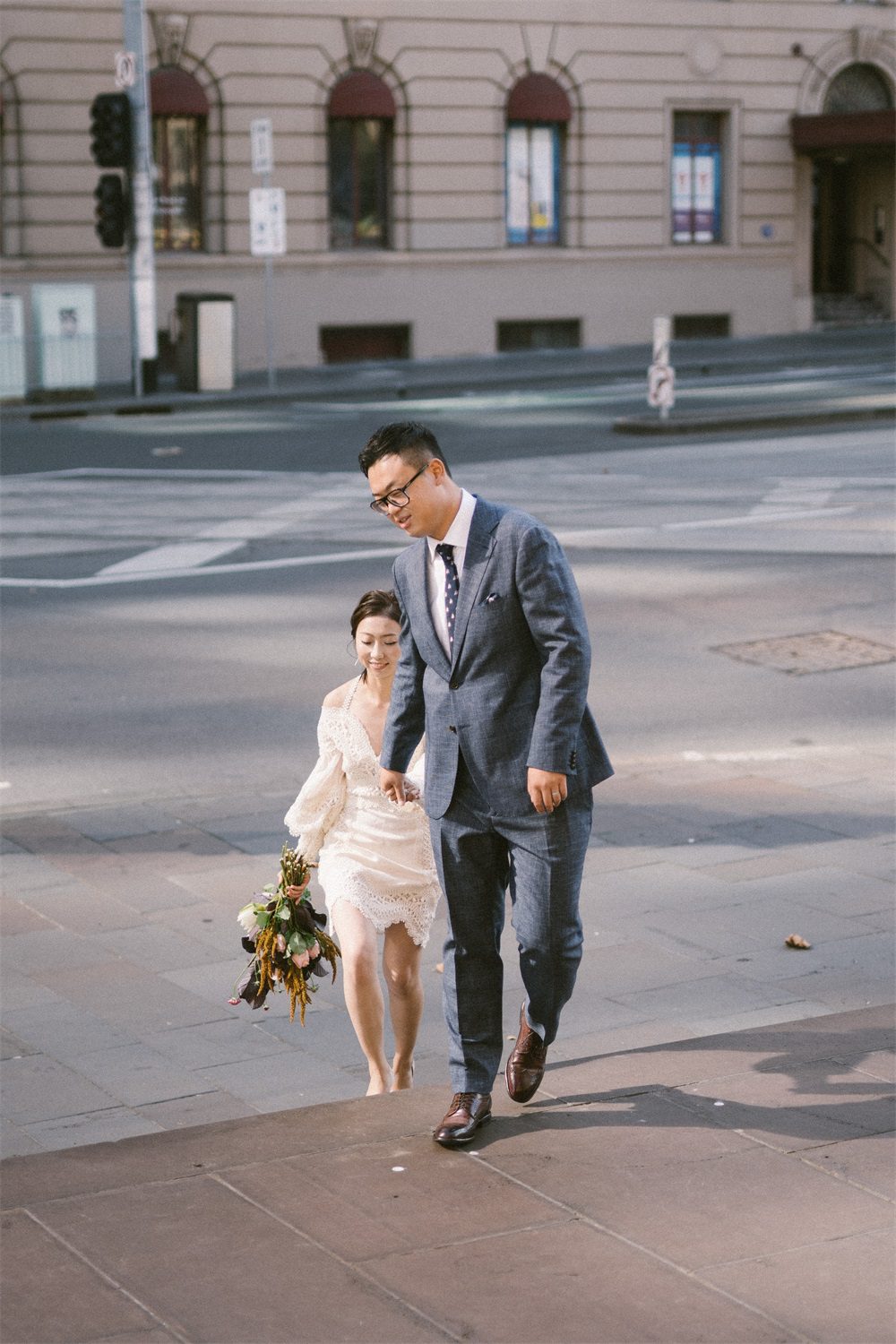
Melbourne’s dynamic wedding photography scene demands seamless teamwork to capture fleeting moments against iconic backdrops. Effective communication ensures clarity, minimizes errors, and fosters creativity. Below are critical considerations for maintaining harmony within your photography crew.
Pre-Shoot Coordination: Building a Shared Vision
Establishing Clear Roles and Responsibilities
Before the wedding day, define each team member’s duties to avoid overlap or gaps. For instance, assign one photographer to focus on the couple’s portraits, another on candid guest moments, and a third on detail shots (rings, bouquets). Use a shared digital document to outline responsibilities, ensuring everyone understands their scope.
Visual Style Alignment
Discuss aesthetic preferences with the couple and team during pre-wedding consultations. Melbourne’s diverse settings—from the industrial charm of Docklands to the historic elegance of Como House—require adaptable styles. Share reference images or mood boards to align on lighting, composition, and editing tones. For example, if the couple prefers natural light portraits, avoid scheduling indoor flash setups during golden hour.
Logistical Briefings
Coordinate timelines with vendors (florists, venues) to ensure smooth transitions. Confirm arrival times, loading zones, and equipment storage. For instance, shooting at Melbourne’s Royal Exhibition Building may require permits for tripod use, which the lead photographer should secure and communicate to the team.
Real-Time Communication During the Shoot
Non-Verbal Cues and Hand Signals
In noisy environments (e.g., crowded markets or live ceremonies), use hand signals to direct subjects or adjust settings. Agree on signals beforehand—a raised hand for “stop,” a thumbs-up for “good shot,” or a circular motion for “change angle.” This minimizes disruption and keeps the couple relaxed.
Verbal Check-Ins and Feedback
Regularly update the team on progress and adjustments. For example, if the bride’s veil isn’t sitting right, whisper to the assistant to fix it discreetly. Use walkie-talkies or earpieces for large venues (e.g., Melbourne Zoo) to maintain contact across distances.
Adaptability to Changing Conditions
Melbourne’s weather can shift rapidly. If rain interrupts an outdoor shoot, quickly pivot to covered areas like the Melbourne Museum’s atrium. Communicate the backup plan to the couple and team, ensuring everyone stays calm and focused.
Post-Shoot Follow-Up: Ensuring Client Satisfaction
Image Review Sessions
Schedule a post-shoot meeting to review unedited photos with the couple. This transparency builds trust and allows for adjustments. For example, if the couple feels a location didn’t meet expectations, discuss reshooting options or alternative edits.
Feedback Collection and Implementation
Send a post-event survey to the couple and vendors to gather insights. Ask specific questions about communication (e.g., “Were our instructions clear?”) and timing (e.g., “Did we adhere to the schedule?”). Use this feedback to refine processes for future shoots.
Vendor Collaboration Updates
Share final images with vendors (e.g., florists, venues) for their portfolios. This fosters long-term relationships and encourages referrals. For instance, a venue manager who appreciates your professionalism may recommend your team to future clients.
Handling Conflicts and Miscommunications
Proactive Conflict Resolution
Address disagreements immediately to prevent escalation. If two photographers clash over creative direction, mediate by revisiting the couple’s preferences. Focus on solutions rather than blame—e.g., “Let’s try both approaches and let the couple decide.”
Cultural Sensitivity and Inclusivity
Melbourne’s multicultural weddings require awareness of traditions and language barriers. Assign a bilingual team member if needed, or use translation apps to communicate with families. Research cultural norms (e.g., seating arrangements, attire) to avoid misunderstandings.
Documenting Agreements
After resolving conflicts, document solutions in writing (e.g., emails or shared notes). This ensures accountability and provides a reference for future collaborations. For example, if the team agrees to extend the shoot by 30 minutes due to delays, confirm this in a follow-up message.
By prioritizing open dialogue, adaptability, and respect, Melbourne wedding photography teams can turn potential challenges into opportunities for excellence. Consistent communication not only enhances the client experience but also strengthens the team’s cohesion and reputation.