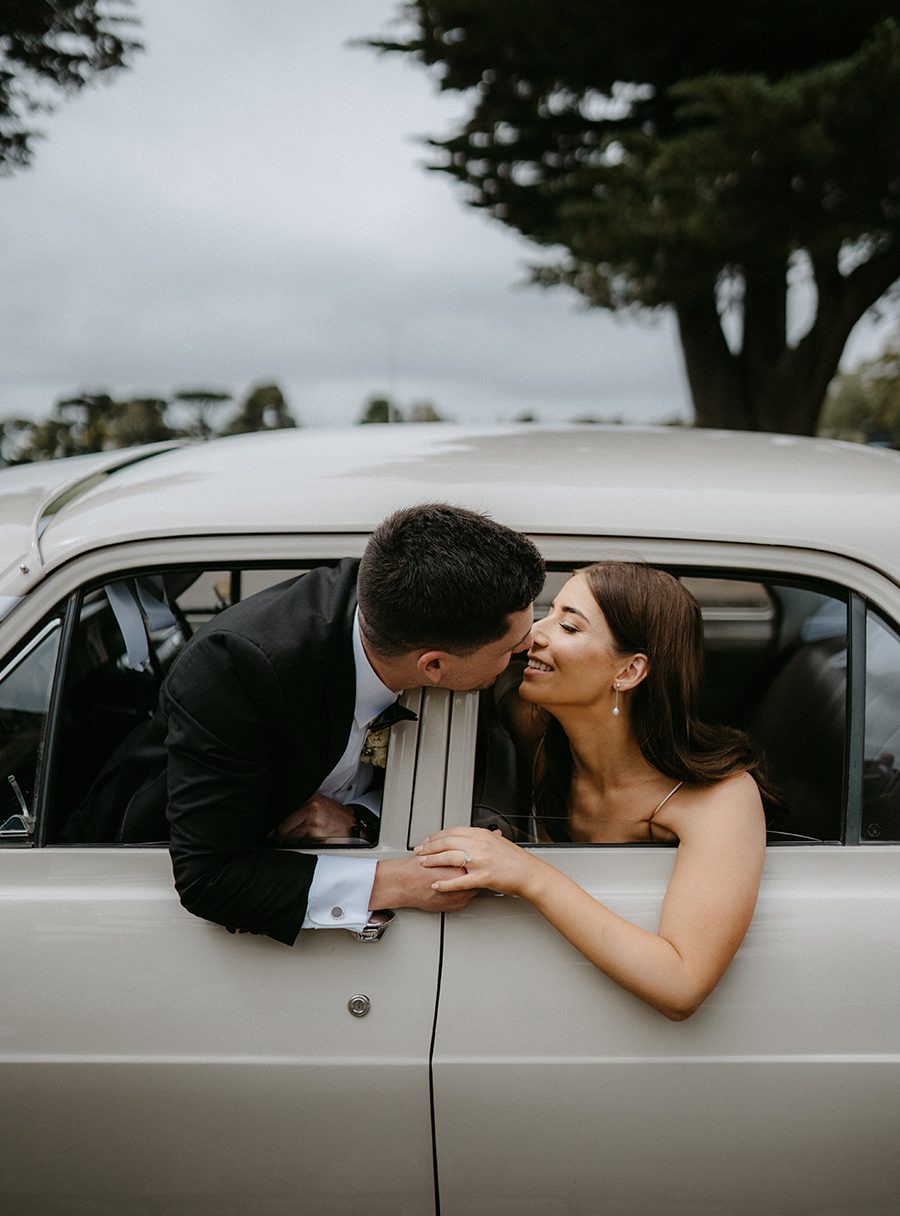
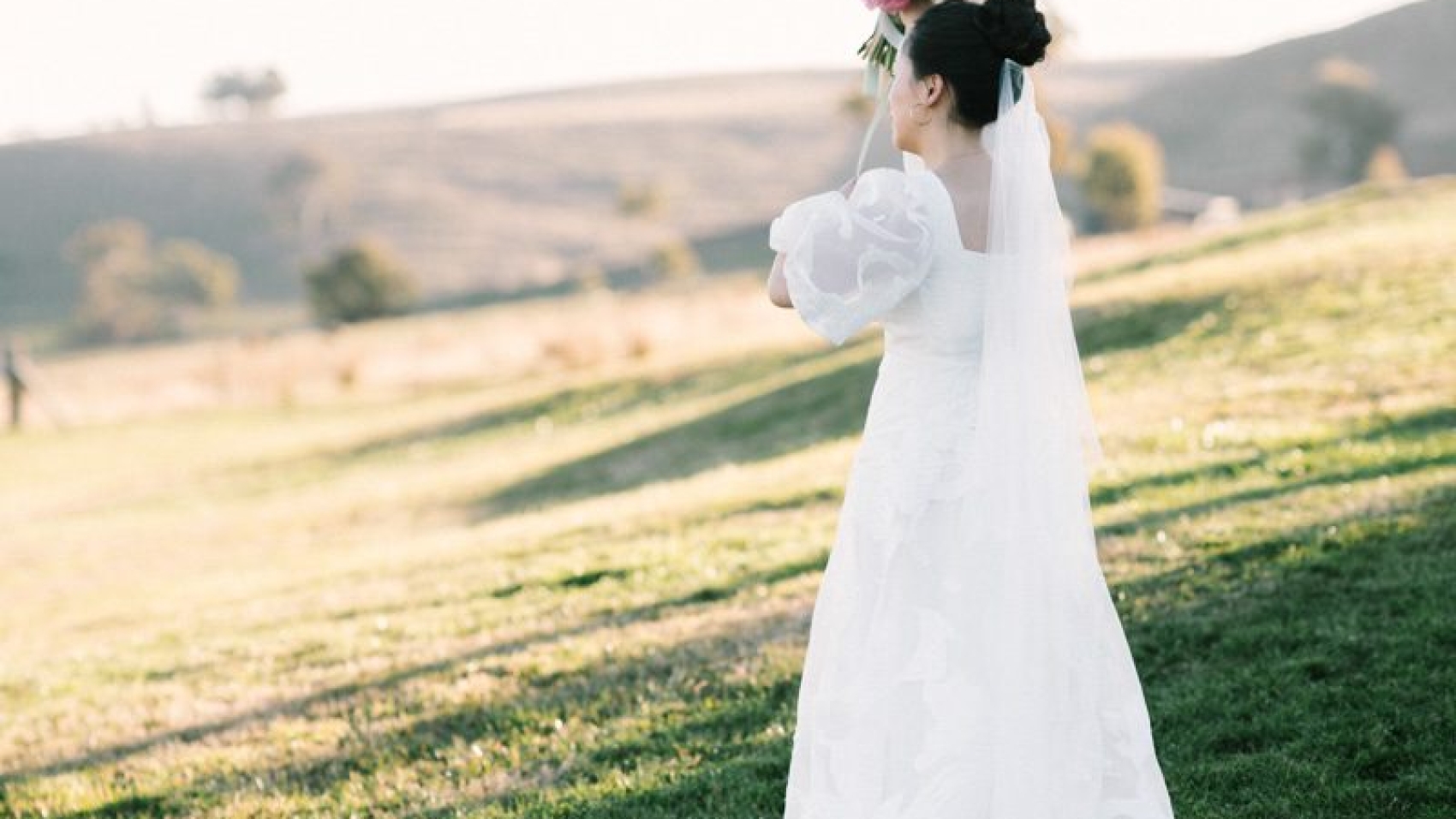
wedding photography melbourne

Melbourne wedding photography – creative shooting on the reflection of the lake surface

Melbourne Wedding Photography: Creative Reflections on Lakeside Backdrops

Melbourne’s lakes and waterways offer a magical canvas for wedding photography, where still waters mirror the sky, trees, and couples to create dreamy, symmetrical compositions. From urban oases to serene natural reserves, these locations invite photographers to play with light, symmetry, and movement, turning ordinary moments into extraordinary visual stories.
wedding photography melbourne

Urban Lakes: Modern Romance Meets Natural Beauty

Albert Park Lake, nestled near Melbourne’s CBD, combines urban sophistication with tranquil waters. Position the couple near the lake’s edge during golden hour, when the sun dips low and casts a warm glow on the water’s surface. Capture their reflection as they stand close, their silhouettes framed by the city’s skyline in the background. The juxtaposition of concrete and water adds depth, while the reflection creates a sense of duality—real and mirrored, present and eternal.

For a more dynamic shot, have the couple walk slowly along the promenade as ripples distort their reflection. Use a slightly slower shutter speed to blur the water slightly, emphasizing motion while keeping the subjects sharp. The lake’s calmness contrasts with the city’s energy, creating a balance that feels both modern and timeless.

Studley Park Boathouse, on the Yarra River’s edge, offers a quieter urban escape. The boathouse’s wooden dock and surrounding willows provide a rustic charm perfect for intimate portraits. Position the bride and groom at the end of the dock, their reflection stretching into the water below. Incorporate the boathouse’s reflection in the background for added context, or focus solely on the couple and their mirrored image for a minimalist, artistic feel. Early mornings minimize crowds, letting you capture the lake’s glassy surface undisturbed.

Natural Reserves: Untouched Landscapes for Ethereal Shots

Serendip Sanctuary, a short drive from Melbourne, is a haven for wildlife and peaceful lakeside scenes. The sanctuary’s walking trails wind past ponds and wetlands, offering endless opportunities for reflection photography. Find a spot where reeds or lily pads frame the water’s edge, and position the couple so their reflection sits neatly within the natural border. The sanctuary’s muted greens and browns create a soft, earthy palette, while the couple’s bright attire—a white dress, a bold suit—pops against the subdued background.

For a dramatic twist, visit after rain when puddles form on trails. Use these temporary mirrors to capture upside-down reflections of the couple walking or laughing. The ground’s texture—mud, gravel, leaves—adds grit, while the reflection creates a surreal, almost otherworldly effect. This technique works best in overcast light, which reduces glare and enhances color saturation.

Jells Park features a large lake surrounded by eucalyptus trees, making it ideal for wide-angle reflection shots. Position the couple near the water’s edge during sunrise or sunset, when the sky’s colors reflect vividly on the lake’s surface. Use the trees’ trunks to create vertical lines that draw the eye toward the couple, while their reflection anchors the composition. If wind picks up, embrace the distortion—rippled reflections add movement and energy, turning a static scene into a living painting.

Coastal Lakes: Where Freshwater Meets the Sea

Edithvale-Seaford Wetlands, a coastal reserve, offers a unique blend of saltwater and freshwater habitats. The wetlands’ shallow ponds and tidal flats create mirror-like surfaces at low tide, perfect for capturing couples walking hand-in-hand. The horizon line—where water meets sky—acts as a natural divider, with the couple’s reflection below and the real scene above. Incorporate migratory birds or distant ships into the background for scale, or focus on the couple’s interaction as seagulls glide overhead.

Ricketts Point Marine Sanctuary combines rocky shores with tidal pools that fill with seawater at high tide. Find a pool large enough to reflect the couple’s full bodies, and position them so the rocky edges frame the shot. The sanctuary’s rugged beauty—craggy cliffs, frothy waves—contrasts with the couple’s elegance, creating a visual tension that feels both raw and romantic. Time your shoot for blue hour, when the sky’s deep blue reflects on the water, adding a moody, cinematic quality.

For a playful take on coastal reflections, visit St Kilda’s pier at dawn. The pier’s wooden planks often have small puddles after rain, which act as miniature mirrors. Have the couple kneel or sit near these puddles, capturing their reflection alongside the pier’s shadow. The juxtaposition of tiny reflections and the pier’s massive structure adds humor and perspective, reminding viewers that even the smallest moments hold significance.

Tips for Mastering Reflection Photography in Melbourne

  • Check the Weather: Still, windless days create the clearest reflections. Overcast skies reduce glare, while sunrise/sunset light adds warmth.
  • Use a Polarizing Filter: This cuts reflections on the water’s surface, allowing you to see through to the bottom—or embrace glare for artistic effect.
  • Experiment with Angles: Shoot from a low angle to emphasize the reflection, or straight-on for a symmetrical, mirror-like look.

Melbourne’s lakes and waterways transform wedding photography into a dance between reality and reflection. By leveraging these natural mirrors, photographers can craft images that feel both grounded and dreamlike, capturing not just the couple’s likeness but the essence of their connection. Whether framed by urban skylines, wild wetlands, or coastal cliffs, these reflections remind us that love, like water, always finds a way to shine.
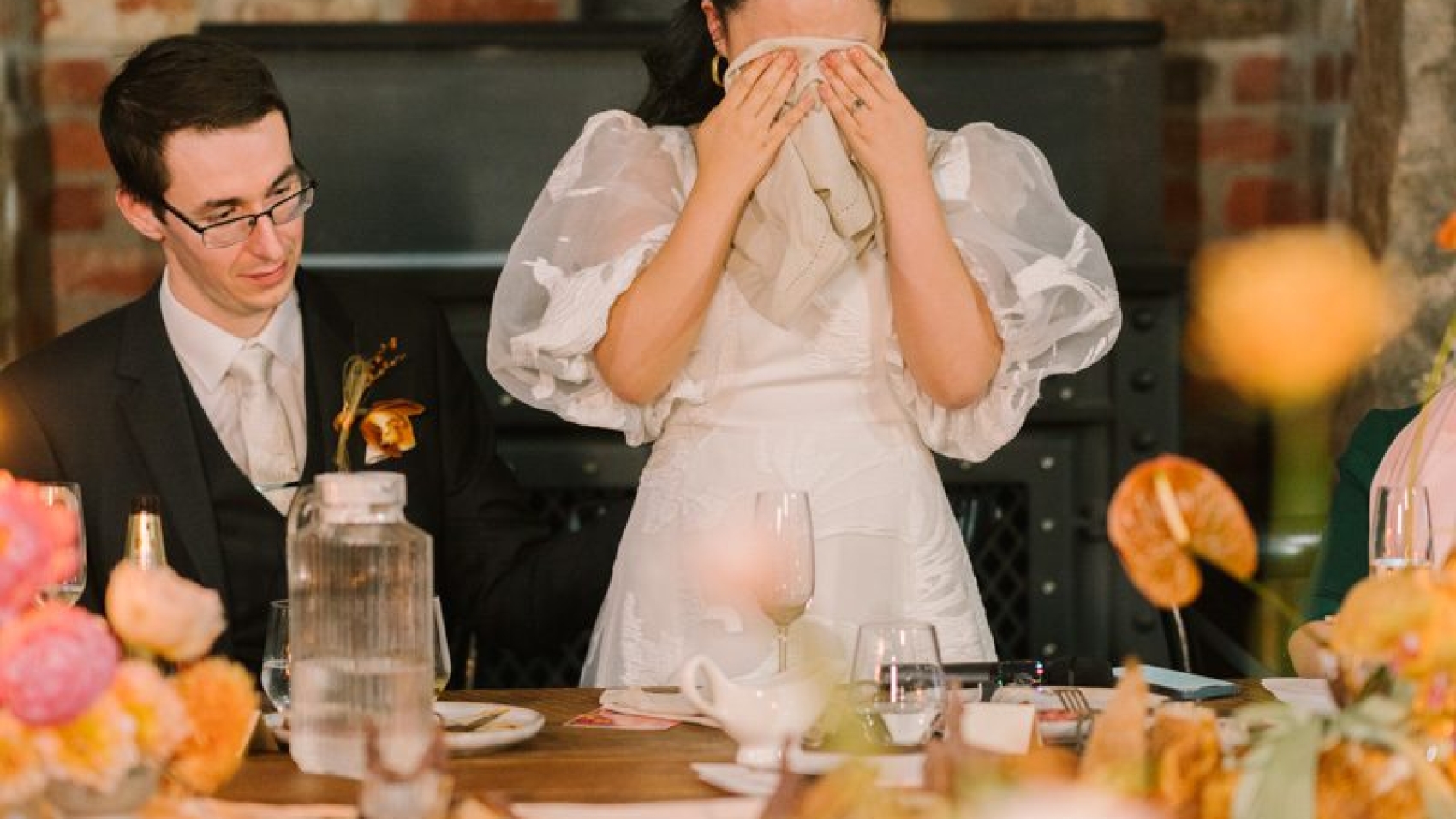
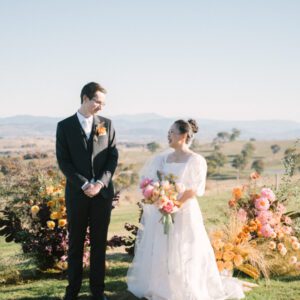
DSC03419

Melbourne Wedding Photography – Detailed Captures of Emotional Scenery

Melbourne Wedding Photography: Capturing Intimate Details and Raw Emotion

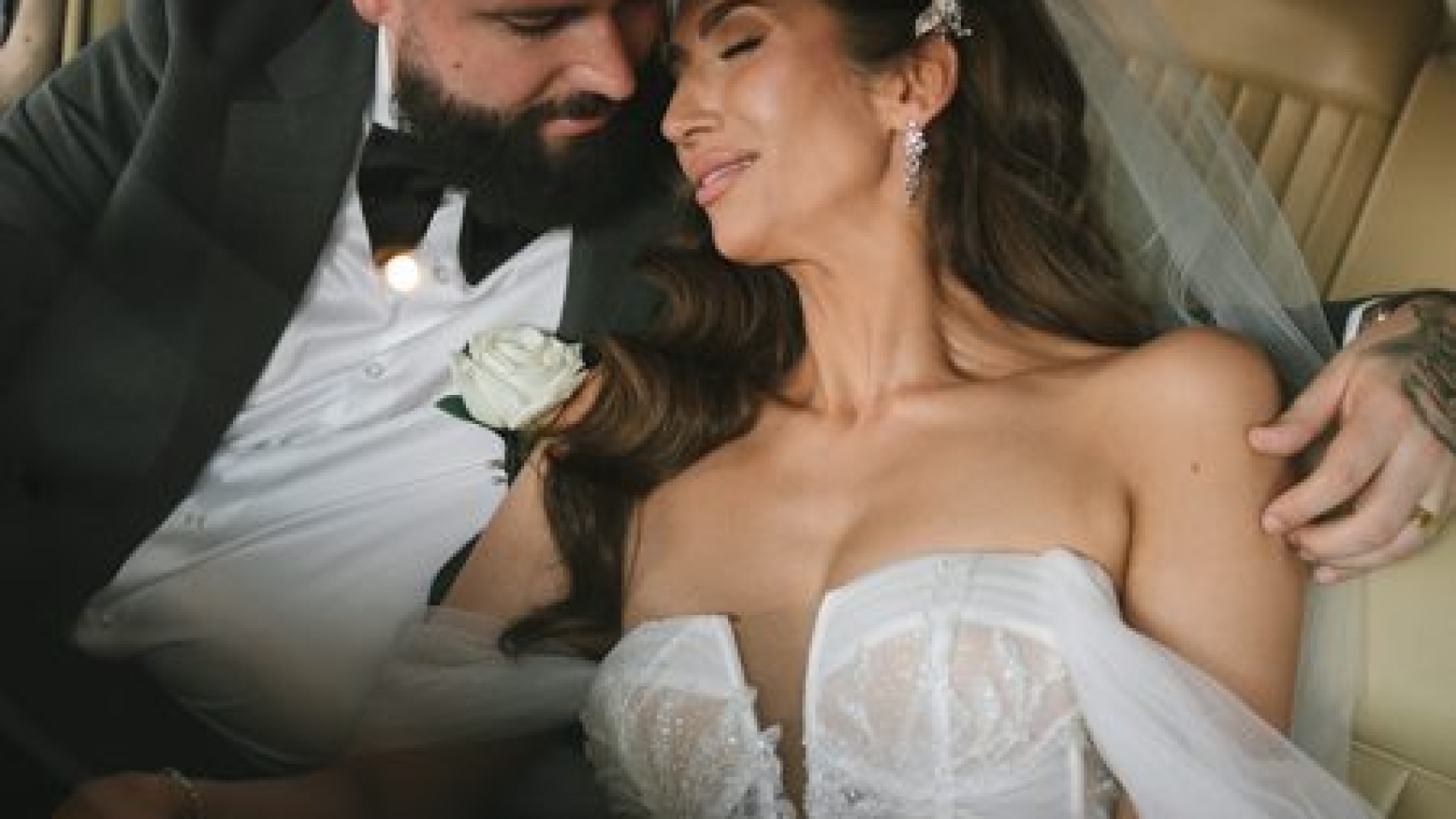
Wedding photography thrives on storytelling, and sometimes the most powerful moments are found in the smallest details. Melbourne’s diverse settings—from historic lanes to coastal cliffs—offer endless opportunities to zoom in on love’s subtle gestures, textures, and expressions. By focusing on hands, eyes, and quiet interactions, photographers can craft images that feel deeply personal and emotionally resonant.

wedding photography melbourne

The Language of Hands: Gestures That Speak Volumes

A couple’s hands reveal more than words ever could. In Melbourne’s laneways, graffiti-covered walls and cobblestone paths provide a gritty, urban backdrop for close-up shots. Capture a groom adjusting his bride’s veil, their fingers brushing against her hair, or a bride placing a ring on her partner’s finger. The contrast between delicate skin and rough brick adds tension, while the intimacy of the gesture tells a story of care and commitment.

At St Kilda Beach, the soft sand and gentle waves create a romantic setting for hand-focused portraits. Have the couple hold hands as they walk along the shoreline, their fingers intertwined against the backdrop of the ocean. Use a shallow depth of field to blur the water, drawing attention to the texture of their skin and the way their hands fit together. A candid shot of a bride wiping sand from her groom’s palm adds a playful, authentic touch.

In Fitzroy’s bohemian cafés, wooden tables and mismatched chairs provide a cozy, lived-in feel. Position the couple at a corner table, capturing their hands resting over coffee cups or sharing a slice of cake. The warmth of the wood and the steam rising from drinks add atmosphere, while the simplicity of the gesture—a hand on a knee, a finger tracing a ring—conveys comfort and connection.

Eyes as Windows: The Power of Gazes and Reactions

The eyes are the heart of emotional storytelling. In Melbourne’s parks, like the Royal Botanic Gardens, sunlight filtering through leaves creates dappled light perfect for capturing intense gazes. Have the couple sit on a bench or lean against a tree, focusing on their eyes as they share a private joke or a quiet moment. The play of light and shadow adds depth, while the rawness of their expressions—a smile, a tear, a furrowed brow—reveals unspoken emotions.

At Brighton Beach’s bathing boxes, the colorful doors and windows frame portraits beautifully. Position the bride or groom just outside a box, with their partner peeking through a window or doorway. The confined space forces them to look at each other closely, creating a sense of intimacy. Capture the way their eyes soften as they lock gazes, or the way a bride’s eyes widen as her groom whispers something in her ear.

For a dramatic, high-contrast look, head to Docklands’ waterfront at sunset. The golden hour light casts long shadows, emphasizing the lines around the eyes and the intensity of a stare. Have the couple stand facing each other, their faces illuminated by the fading sun, and focus on their eyes as they reflect the sky’s colors. The combination of natural light and emotional intensity creates images that feel both timeless and immediate.

Quiet Moments: The Beauty of Unspoken Connection

Some of the most memorable wedding photos happen in the silence between words. In Melbourne’s hidden gardens, like the Alfred Nicholas Memorial Gardens, secluded paths and overgrown foliage provide privacy for candid shots. Capture the couple walking hand-in-hand, their heads close together as they whisper, or a bride resting her head on her groom’s shoulder as they sit on a bench. The stillness of the setting amplifies the intimacy of the moment, letting viewers feel the weight of their connection.

At Williamstown’s historic pier, the weathered wood and rusted metal add texture to quiet portraits. Have the couple lean against the railing, looking out at the water, and focus on the way their bodies angle toward each other. A bride’s hand resting on her groom’s back or a groom’s thumb brushing her arm speaks volumes about their comfort and trust. The sound of waves and seagulls in the background adds a layer of realism, making the image feel like a snapshot of real life.

For a modern, minimalist approach, Southbank’s promenade offers clean lines and reflective surfaces. Position the couple near a glass wall or a metal sculpture, using the environment’s geometry to frame their interaction. A bride tucking a loose strand of hair behind her ear or a groom adjusting his tie as she watches him creates a sense of anticipation and tenderness. The city’s hum in the distance reminds viewers that this quiet moment exists within the chaos of everyday life.

Tips for Nailing Detail-Focused Wedding Photography in Melbourne

  • Use Natural Light: Soft, diffused light—like morning sun or golden hour—flatters skin and highlights textures without harsh shadows.
  • Get Close: Don’t be afraid to fill the frame with hands, eyes, or small gestures. The more intimate the crop, the more powerful the emotion.
  • Stay Patient: The best detail shots happen when couples forget the camera is there. Wait for genuine reactions and quiet interactions to unfold naturally.

Melbourne’s mix of urban energy, natural beauty, and historic charm provides endless inspiration for detail-focused wedding photography. By zooming in on the subtle moments—a hand holding a bouquet, a tear glistening in sunlight, a smile shared in secret—photographers can create images that feel deeply personal and universally relatable. These are the shots couples will cherish long after the day is over, proof that love is found in the smallest, most unexpected places.

wedding photography melbourne

Melbourne wedding photography – wide-angle panoramic shots with a strong atmosphere effect

Melbourne Wedding Photography: Epic Wide-Angle Shots for Atmospheric Storytelling

Capturing the grandeur of Melbourne’s landscapes in wedding photography requires more than just a lens—it demands creativity, timing, and an eye for drama. Wide-angle shots excel at framing couples within vast settings, emphasizing scale, movement, and emotion. From urban skylines to rugged coastlines, these locations offer sweeping backdrops that turn love stories into cinematic moments.

wedding photography melbourne
PixCake

Urban Drama: Melbourne’s Skyline as Your Canvas

The Melbourne CBD pulses with energy, and its glass towers provide a striking contrast to intimate wedding portraits. For a bold, modern feel, position couples at Federation Square, where angular architecture and reflective surfaces create dynamic compositions. Use the plaza’s geometric patterns to lead the eye toward the subjects, or capture them mid-stride beneath the atrium’s soaring ceiling. Sunset light here casts a warm glow on concrete, softening the urban edges.

Eureka Skydeck offers a bird’s-eye view of the city, but for a ground-level perspective, head to Sandridge Bridge. This pedestrian walkway spans the Yarra River, with steel arches and historical plaques adding texture. Pose the couple leaning against the railing as boats drift below, or frame them beneath an archway with the city stretching behind. Early mornings minimize crowds, letting you own the space for dramatic, wide shots.

For a gritty, industrial vibe, explore Docklands’ waterfront. The Marvel Stadium and surrounding cranes dominate the horizon, while the promenade’s concrete paths and metal railings add lines that guide the viewer’s gaze. A bride in a flowing gown walking toward the camera as the wind lifts her veil, with the city’s lights twinkling in the background, creates a sense of motion and romance.

Coastal Majesty: Where Land Meets Sea in Epic Frames

Brighton Beach is famous for its bathing boxes, but for wide-angle magic, focus on the horizon. Position the couple near the water’s edge, with the colorful cabins receding into the distance. Use a low angle to emphasize the vastness of the sand and sky, or capture them mid-laugh as waves crash nearby. The beach’s openness lets you play with negative space, making the subjects stand out against the elements.

Point Lonsdale Lighthouse offers a classic coastal scene with a twist. The historic tower and surrounding cliffs provide a rugged, timeless backdrop, while the turbulent waters of the Bass Strait add drama. A wide lens here can capture the couple silhouetted against a stormy sky or framed by the lighthouse’s archway as sunlight breaks through clouds. Check tide times to avoid wet feet—or embrace it for a splashy, candid shot.

For a quieter coastal vibe, Mornington Peninsula’s Flinders Blowhole delivers. The rocky coastline, crashing waves, and occasional rainbows create a raw, natural setting. Use the blowhole’s spray as a dynamic element, capturing the couple shielding themselves from the mist or laughing as water droplets catch the light. The area’s lack of crowds ensures privacy, letting you focus on composition and emotion.

Natural Wonders: Melbourne’s Hidden Landscapes for Grand Portraits

Dandenong Ranges’ mountain views are a well-kept secret for wide-angle enthusiasts. Head to SkyHigh Observation Deck for panoramic vistas of rolling hills and distant suburbs. Pose the couple at the edge of the lookout, with the horizon stretching endlessly behind them, or capture them walking through ferns as sunlight filters through the canopy. The ranges’ cool tones and misty mornings add a dreamy, ethereal quality to shots.

Yarra Valley’s vineyards offer a softer, more romantic wide-angle setting. Rows of vines stretching toward the horizon create leading lines that draw the eye to the couple, while the valley’s gentle slopes add depth. Time your shoot for golden hour, when the low sun bathes the landscape in warm light, turning the vines into a golden tapestry. A bride in a lace gown standing between rows or a groom lifting her amid the grapes feels both timeless and intimate.

For a desert-like vibe, Little Desert National Park (a short drive from Melbourne) delivers with its vast, open plains and sand dunes. The park’s minimalist landscape—scrubby bushes, cracked earth, and endless sky—forces the couple to take center stage. Use a wide lens to emphasize the scale of the environment, capturing them walking hand-in-hand across the dunes or sitting atop a ridge as the wind blows their hair. The isolation here makes every moment feel profound.

Tips for Nailing Wide-Angle Wedding Photography in Melbourne

  • Use Foreground Elements: Incorporate rocks, flowers, or architectural details to add depth and guide the viewer’s eye toward the couple.
  • Play with Perspective: Get low to emphasize the ground’s texture or shoot from above to showcase the landscape’s scale.
  • Time It Right: Sunrise and sunset offer the best light for wide shots, reducing harsh shadows and adding warmth to skin tones.

Melbourne’s diverse landscapes—urban, coastal, and natural—provide endless opportunities for wide-angle wedding photography that feels both epic and personal. By blending these grand settings with genuine emotion and thoughtful composition, photographers can create images that transport viewers, telling a love story as vast and unique as the city itself.

wedding photography melbourne

Melbourne’s Hidden Secret Locations for Wedding Photography

Melbourne’s Hidden Gems for Unforgettable Wedding Photography: Secret Spots Off the Beaten Path

Melbourne’s charm lies not just in its famous landmarks but in its quiet corners and overlooked treasures. For couples seeking intimate, one-of-a-kind wedding photography settings, these lesser-known locations offer privacy, natural beauty, and a touch of magic. From secluded gardens to forgotten industrial spaces, these spots let love stories unfold without the distractions of crowds or clichés.

wedding photography melbourne

Enchanted Forests and Forgotten Gardens: Nature’s Best-Kept Secrets

Tucked away in the outer suburbs, Dandenong Ranges’ hidden trails wind through lush ferns and towering trees, creating a fairy-tale atmosphere perfect for ethereal portraits. The Alfred Nicholas Memorial Gardens in Olinda is a lesser-visited gem, with its serene lake, stone bridges, and seasonal blooms. Early mornings here are quiet, allowing couples to wander hand-in-hand as mist rises from the water, adding a dreamy quality to shots.

For a wild, untamed vibe, explore Sherbrooke Forest, where sunlight filters through dense canopy and moss-covered logs dot the forest floor. A bride in a flowing gown leaning against a gnarled tree trunk or a groom carrying her over a shallow stream creates images that feel both adventurous and romantic. Bring a picnic blanket for a casual, grounded shot amid the ferns, or use fallen leaves as a natural, autumnal prop.

Closer to the city, Westgate Park’s salt lakes offer a surreal, otherworldly backdrop. During dry spells, the lakes turn pink, creating a striking contrast against a bride’s white dress or a groom’s dark suit. The park’s industrial edges—rusted railings, concrete paths—balance the softness of the lakes, adding depth to compositions. Visit at sunrise to avoid wind and capture the water’s glassy reflection.

Industrial Romance: Repurposed Spaces with Heart

Melbourne’s creative reuse of old factories and warehouses has birthed some of its most unique venues. The Abbotsford Convent, a former nunnery turned arts hub, combines historic architecture with bohemian charm. Its courtyards, arched hallways, and overgrown gardens provide endless angles for moody, textured shots. A couple sharing a quiet moment beneath a stained-glass window or walking down a cobblestone path feels both timeless and contemporary.

In Collingwood, the Gasometer Arts Precinct retains the raw, gritty feel of its industrial past while hosting galleries and cafés. The giant, rusted gasometers (now painted with murals) loom in the background, creating a dramatic, urban contrast to delicate wedding attire. Pose subjects near the precinct’s graffiti walls or beneath the towering structures for a bold, editorial-style portrait.

For a waterfront twist, Docklands’ hidden piers offer industrial views without the crowds. The Victoria Harbour Promenade has quiet spots with views of the city skyline, where couples can stand against weathered dock posts or sit on benches as boats drift by. The area’s mix of concrete and water adds a modern, minimalist aesthetic to photos, especially during blue hour when lights begin to twinkle.

Coastal Escape: Secluded Beaches and Rocky Coves

While St Kilda and Brighton steal the spotlight, Melbourne’s Mornington Peninsula hides quieter shores perfect for intimate shoots. Mushroom Reef Marine Sanctuary in Flinders has tidal pools, rocky platforms, and panoramic ocean views. Time your visit at low tide to explore the reef’s nooks, or capture the couple silhouetted against a sunset crashing onto the rocks. The area’s native flora—banksias, coastal daisies—adds pops of color to foreground shots.

Point Nepean National Park offers a mix of history and natural beauty, with its abandoned quarantine station and sweeping coastal trails. The Cheviot Beach lookout provides a dramatic cliff-top setting, while the park’s old barracks and tunnels add a mysterious, adventurous vibe. A couple holding hands as they walk down a deserted path or sharing a kiss beneath a crumbling archway feels like a scene from a romance novel.

For a truly off-the-grid experience, Rye Back Beach remains relatively undiscovered compared to its front-beach counterpart. Its wide stretch of sand, dunes, and occasional driftwood logs creates a minimalist, serene backdrop. Bring a blanket for a casual, barefoot shot or have the couple write messages in the sand for a personalized touch. The lack of facilities ensures privacy, but come prepared with water and snacks.

Final Tips for Capturing Magic in Melbourne’s Hidden Spots

  • Scout Locations in Advance: Many secret spots lack amenities or clear signage. Visit ahead of time to check accessibility, lighting, and any potential restrictions.
  • Embrace Imperfections: Overgrown weeds, peeling paint, or rusted metal can add character to shots. Let the environment’s quirks enhance the story rather than detract from it.
  • Stay Flexible: Weather and tides can change plans quickly. Have backup spots in mind and be ready to adapt compositions on the fly.

Melbourne’s hidden gems reward those who seek them out, offering wedding photography settings that feel personal, authentic, and utterly unique. By venturing beyond the obvious, couples can create images that capture not just their love but the spirit of the city itself—quirky, creative, and full of surprises.

DSC01897

Creative shooting locations for Melbourne’s wedding photography influencers

Melbourne’s Most Instagrammable Wedding Photography Spots: Creative Ideas for Unforgettable Shots

Melbourne’s vibrant mix of urban art, coastal beauty, and quirky landmarks makes it a dream destination for couples seeking unique wedding photography backdrops. From colorful street murals to hidden rooftop views, these网红 (Instagram-famous) locations offer endless opportunities for creative compositions that stand out from traditional portraits. By blending spontaneity with thoughtful planning, photographers can capture love stories that feel both modern and deeply personal.

wedding photography melbourne

Urban Art Meets Romance: Melbourne’s Colorful Street Scenes

Hosier Lane is Melbourne’s most iconic street art hub, with its ever-changing graffiti providing a dynamic canvas for wedding photos. Couples can pose against bold murals, playful stencils, or abstract patterns, creating images that feel like living art. For a playful twist, have the bride toss her bouquet against a vibrant wall or the groom dip her beside a neon-lit alleyway. Early mornings or weekdays minimize crowds, letting couples own the space without interruptions.

Degraves Street’s cobblestone lanes and café awnings offer a softer urban charm. Position subjects beneath a canopy of striped umbrellas or beside a chalkboard menu with a witty quote. The area’s lively energy translates well to candid shots—a shared laugh over coffee, a stolen kiss under a lantern—that feel authentic and unposed. Don’t overlook the details: a weathered door handle or a potted plant can add texture to close-up portraits.

For a touch of whimsy, explore Fitzroy’s Brunswick Street, where pastel-colored shopfronts and quirky sculptures abound. A bride in a flowing gown leaning against a turquoise storefront or a groom adjusting his tie beside a giant rubber duck statue creates a juxtaposition of elegance and playfulness. These spots often have local artists working nearby—ask permission to include their work in the background for a collaborative, community-driven vibe.

Coastal Charm: Melbourne’s Scenic Waterfront Gems

St Kilda’s pier and esplanade are classic choices, but for a fresh take, head to Brighton’s colorful bathing boxes. These tiny, painted cabins lining the beach offer a kaleidoscope of hues perfect for framing couples. Pose subjects in front of a box that matches their wedding palette, or capture them “peeking” from a doorway with the ocean behind. Sunrise or sunset light turns the sand into gold and the sky into a watercolor masterpiece.

Elwood Canal might seem unexpected, but its lush greenery and tranquil waters create a serene, almost European atmosphere. Rent a rowboat for a romantic ride, or have the couple stroll hand-in-hand along the path as ducks swim by. The area’s hidden benches and arching bridges provide intimate spots for quiet moments. Bring a picnic blanket for a casual, laid-back shot with a basket of flowers or a bottle of sparkling water.

For dramatic coastal views, Williamstown’s Point Gellibrand offers sweeping vistas of the bay and city skyline. Use the historic lighthouse as a focal point, or capture the couple silhouetted against a fiery sunset. The rocky shoreline adds texture to foreground shots, while the occasional passing yacht or seagull brings movement to compositions. Check tide times to avoid wet feet—or embrace it for a playful, splashing-in-the-waves image.

Hidden Rooftops and Secret Gardens: Melbourne’s Overlooked Treasures

Many Melbourne rooftops remain undiscovered by tourists, offering private, panoramic views of the city. Seek out bars or venues with rooftop access (with permission, of course) for shots that showcase the skyline without the crowds. A bride in a long veil standing at the edge of a rooftop as wind catches her dress, or a groom lifting her against a backdrop of twinkling lights, creates a cinematic, unforgettable moment.

Secret gardens tucked behind cafés or tucked into laneways provide enchanting, fairy-tale settings. The Melbourne Museum’s rooftop garden, with its native plants and sculptural installations, feels like a hidden oasis. Couples can pose amid ferns and flowers, or share a kiss beneath a pergola draped in vines. These spots often have unique architectural elements—a spiral staircase, a mosaic wall—that add visual interest without overwhelming the subjects.

For a touch of industrial chic, explore abandoned warehouses or converted factories in neighborhoods like Collingwood or Northcote. Exposed brick, rusted metal beams, and large windows create a moody, urban backdrop. Balance the grit with softness—a bride’s lace gown against a concrete wall, or a groom’s suit jacket tossed over a rusty pipe—for images that feel edgy yet romantic.

Final Touches for Standout Instagram-Worthy Shots

  • Timing is Everything: Visit spots during off-peak hours to avoid crowds and harsh light. Golden hour softens edges, while blue hour (just after sunset) adds a magical glow to cityscapes.
  • Props with Purpose: Use local elements—a bouquet of native flowers, a vintage camera, or a handwritten love letter—to add personality and context to shots.
  • Move with Purpose: Encourage couples to walk, dance, or twirl between shots. Candid motion often yields the most natural, heartfelt images.

Melbourne’s网红 locations are more than just pretty backdrops—they’re reflections of the city’s creative spirit. By blending these vibrant settings with genuine emotion and thoughtful composition, photographers can craft wedding portraits that feel both of-the-moment and timeless, telling a love story that’s as unique as the couple themselves.

wedding photography melbourne

Melbourne wedding photography featuring scenes taken in historic buildings with a retro style

Melbourne’s Timeless Elegance: Capturing Wedding Photography Amidst Heritage Architecture

Melbourne’s cityscape is a living archive of architectural grandeur, with centuries-old buildings offering a romantic, storybook backdrop for wedding portraits. From Victorian-era facades to Edwardian interiors, these structures blend historical charm with modern love, creating images that feel both nostalgic and timeless. Couples seeking a vintage aesthetic will find endless inspiration in Melbourne’s preserved landmarks, where every brick and balcony whispers tales of the past.

wedding photography melbourne

Exploring Melbourne’s Architectural Gems for Vintage-Inspired Shoots

The heart of Melbourne’s heritage scene lies in its CBD and surrounding neighborhoods, where grand buildings stand as testaments to the city’s colonial roots. The Royal Exhibition Building, a UNESCO World Heritage site, is a masterpiece of 19th-century design, with its soaring dome and intricate ironwork providing a majestic setting for formal portraits. Nearby, Parliament House’s neoclassical columns and manicured gardens offer a regal contrast to contemporary wedding attire.

For a more intimate atmosphere, wander through Collins Street’s “Golden Mile,” lined with 19th-century bank buildings featuring ornate stonework and arched windows. These spots are ideal for capturing couples in quiet conversation, framed by the weathered patina of centuries-old walls. Even the laneways between these giants hold secrets—hidden courtyards with wrought-iron gates or mosaic-tiled floors add a touch of whimsy to shots.

Suburban treasures like Como House in South Yarra or Rippon Lea Estate in Elsternwick provide expansive grounds for outdoor ceremonies and portraits. Como’s Italianate architecture, with its verandas and lush gardens, transports couples to a bygone era, while Rippon Lea’s grand staircase and lake offer dramatic vistas for sweeping compositions. These estates often host fewer visitors, ensuring a private, serene experience.

Lighting and Composition Techniques for Heritage Settings

Heritage buildings shine brightest during golden hour, when soft light accentuates their textures without overwhelming details. Position couples near large windows or under porticos to harness natural illumination, which flatters skin tones and highlights lace or embroidery. For interior shots, avoid harsh flash by using a tripod for long exposures, capturing the warm glow of chandeliers or fireplaces instead.

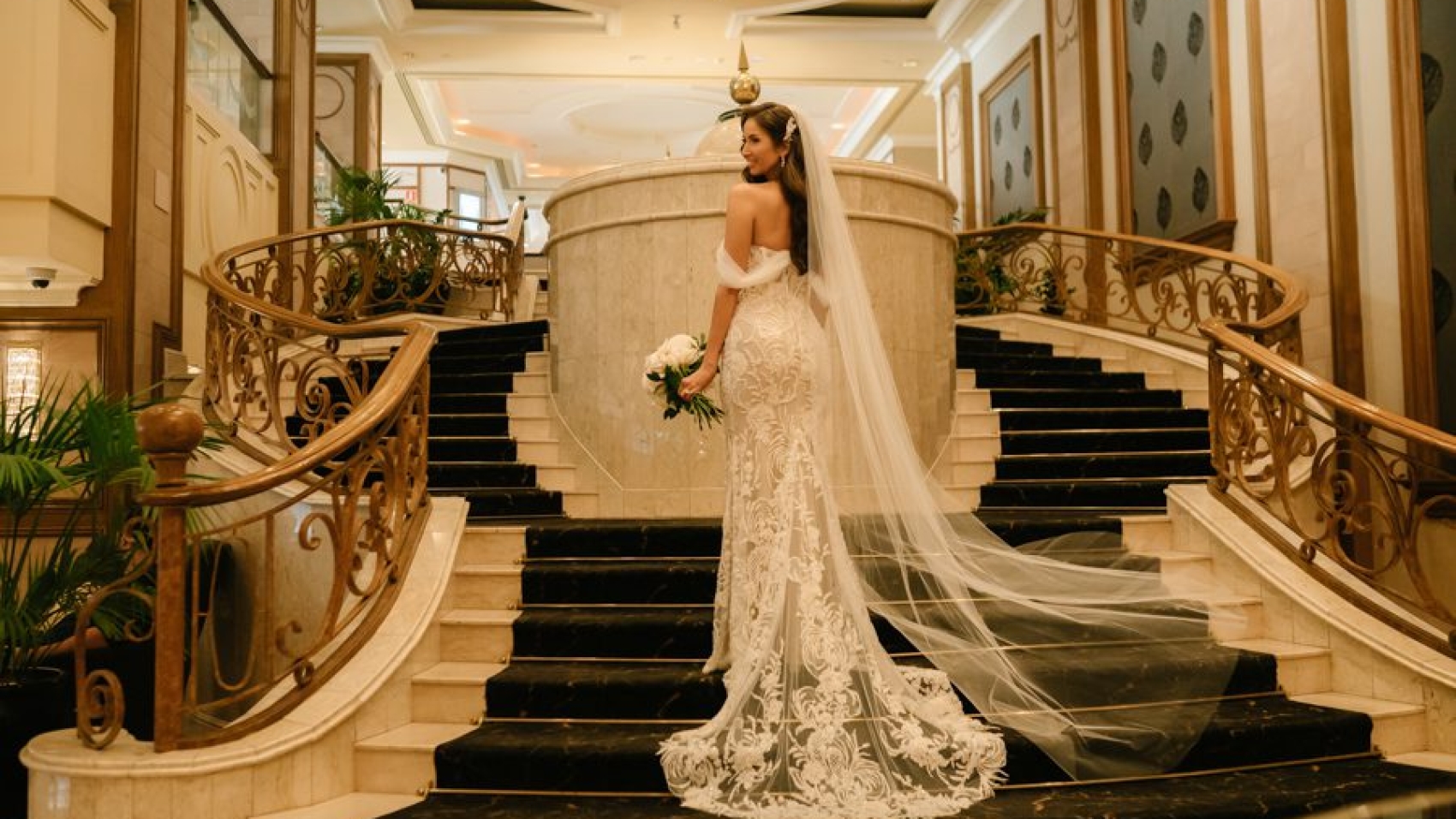
Symmetry plays a key role in heritage photography. Frame subjects centered in arched doorways, between twin columns, or along reflecting pools to create balance and grandeur. Incorporate architectural elements like staircases, balustrades, or stained glass to lead the eye toward the couple, adding depth and narrative to images. Even a simple pose—a bride leaning against a stone wall or a groom adjusting his cufflinks near a vintage fireplace—gains elegance when set against period details.

Don’t overlook the power of perspective. Shooting from a low angle emphasizes the height of domes or ceilings, while aerial shots (from balconies or upper floors) reveal the layout of gardens or courtyards. For a playful twist, have couples interact with the environment—a bride peeking through a wrought-iron gate or a groom tossing a boutonnière toward a fountain—to inject personality into formal settings.

Overcoming Challenges in Heritage Wedding Photography

Many heritage sites impose restrictions on photography equipment or movement to preserve their integrity. Always check rules in advance—some locations may limit tripod use, require permits, or restrict access to certain areas. Arrive early to scout alternative angles or backup spots if your first choice is unavailable.

Weather can also pose challenges. Rain might force an indoor shoot, but heritage interiors often benefit from the moody ambiance of stormy skies visible through windows. Pack lens hoods and microfiber cloths to manage water droplets, and embrace the drama of overcast light for soft, even portraits. On sunny days, use diffusers or reflectors to soften harsh shadows, especially in open courtyards or gardens.

Crowds are another consideration, especially in popular areas like Block Arcade or Hosier Lane. Schedule shoots during weekday mornings or off-peak seasons to avoid tourists. If crowds are unavoidable, use depth of field to blur background activity, keeping the focus on the couple. Alternatively, incorporate onlookers into the narrative—a child waving from a window or a street musician playing in the distance—to add authenticity to the scene.

Final Tips for Unforgettable Heritage Portraits

  • Research the Building’s History: Share anecdotes or facts about the location with couples to deepen their connection to the setting.
  • Match Attire to the Era: While modern gowns and suits work beautifully, consider vintage-inspired accessories like lace veils, brooches, or pocket watches to enhance the theme.
  • Capture Details: Zoom in on architectural quirks—a chipped stone, a faded fresco, or a rusted hinge—to tell a richer story alongside portraits.

Melbourne’s heritage buildings offer more than just a backdrop—they’re characters in the story of a couple’s love. By respecting their history, leveraging their unique features, and adapting to challenges, photographers can create images that feel both timeless and deeply personal, preserving the magic of a wedding day against the grandeur of the past.

DSC02613

Seasonal Wedding Photography in Melbourne – Unique Scenery Shoots

Melbourne’s Transitional Season Wedding Photography: Uncovering Hidden Gems for Unique Portraits

As Melbourne shifts between seasons, the city’s landscapes transform in subtle yet striking ways, offering couples a chance to capture their love amidst ever-changing backdrops. The transitional periods—spring’s first blooms, autumn’s golden hues, or the crisp clarity of early winter—create a mosaic of textures and colors perfect for小众 (intimate, less-traveled) wedding photography. These off-peak times also mean quieter locations, allowing couples to savor the moment without crowds.

wedding photography melbourne

Embracing Melbourne’s Ephemeral Beauty During Seasonal Shifts

Melbourne’s climate is famously unpredictable, but this unpredictability becomes an asset during transitional seasons. In early spring, for example, parks like Albert Park or the Royal Botanic Gardens begin to awaken with delicate wildflowers and fresh green growth, providing a soft, romantic contrast to formal attire. Similarly, late autumn sees deciduous trees shedding leaves in shades of amber and rust, creating a carpet of color underfoot.

Timing is crucial. For spring shoots, aim for late September to October when blooms are abundant but before peak tourist season. Autumn’s magic peaks in April to May, when golden hour light lasts longer and the air carries a crisp, invigorating edge. Early winter, though chilly, offers a unique clarity—frost-kissed grass or bare branches against a pale blue sky can add a minimalist, artistic touch to images.

Light behaves differently during these transitions. Spring mornings often bring mist, lending a dreamy quality to shots, while autumn afternoons cast long shadows that emphasize texture. Photographers can use these natural effects to their advantage, positioning couples near windows or open fields to play with contrast and depth.

Discovering Melbourne’s Best-Kept Secret Locations

To avoid clichéd backdrops, venture beyond the obvious. The Dandenong Ranges, just an hour from the CBD, offer secluded trails through fern gullies and towering mountain ash trees. In spring, these areas burst with azaleas and rhododendrons, while autumn turns the foliage into a fiery palette. Couples might pose beside a moss-covered boulder or share a quiet moment on a wooden bridge over a trickling stream.

For coastal charm, head to the Mornington Peninsula’s lesser-known beaches like Gunnamatta or Flinders. These spots are quieter than St Kilda or Brighton, with rugged cliffs and tidal pools that reflect the changing sky. A bride in a flowing gown walking along the shoreline as waves crash against rocks creates a dramatic, timeless scene. In autumn, the beaches often empty out, allowing for uninterrupted shots with the ocean as a backdrop.

Urban explorers will find magic in Melbourne’s laneways and hidden courtyards. Degraves Street’s cobblestones and café awnings take on a cozy feel in autumn, while spring brings blooming vines climbing brick walls. Look for arches, iron gates, or street art murals to frame subjects, adding a touch of personality to each shot. Even an empty alleyway can become a canvas when lit by the soft glow of a streetlamp or the warm hue of a café window.

Adapting to Transitional Weather for Stunning Results

Melbourne’s weather during seasonal shifts can be fickle—a sunny morning might give way to rain by afternoon. Instead of resisting, use these changes to your advantage. A light drizzle can add sparkle to foliage or create reflective puddles for creative compositions. Pack a clear umbrella for the bride and groom to share, turning a potential inconvenience into a romantic prop.

Layering is key for comfort and style. Brides might opt for a lace bolero or faux-fur stole over their dress, while grooms can wear a tailored overcoat or scarf. These accessories not only keep couples warm but also add visual interest to images, especially when contrasted with natural elements like falling leaves or spring blossoms.

Flexibility is essential. If a planned outdoor shoot gets rained out, pivot to covered locations like glasshouses, arcades, or historic buildings. The Royal Exhibition Building’s grand halls or the State Library’s domed reading room offer shelter while maintaining an elegant, timeless atmosphere. Even a quick shift to a nearby café with large windows can yield cozy, intimate shots bathed in natural light.

Final Touches for Memorable Transitional Season Shoots

  • Scout Locations Ahead of Time: Visit potential spots during the same transitional period to gauge lighting, foliage, and accessibility.
  • Pack for Versatility: Bring a mix of lenses (wide-angle for landscapes, macro for details) and accessories like reflectors or portable diffusers to manage changing light.
  • Stay Present: Encourage couples to focus on each other rather than the weather or surroundings—authentic emotions shine brightest, no matter the season.

Melbourne’s transitional seasons invite couples to celebrate their love amidst nature’s fleeting artistry. By exploring hidden corners, embracing weather quirks, and prioritizing genuine connection, photographers can craft images that feel both personal and universally beautiful, capturing the essence of a love that evolves with the seasons.

wedding photography melbourne

Melbourne Nighttime Wedding Photography with City Neon Effects

Melbourne’s Late-Night Wedding Photography: Capturing Urban Romance Under Neon Lights

When the sun sets and the city comes alive with twinkling lights, Melbourne transforms into a vibrant playground for wedding photographers. Late-night shoots offer a unique blend of moody atmosphere and dynamic energy, perfect for couples who want their images to reflect the city’s electric spirit. From neon-lit laneways to reflective waterfronts, these nocturnal scenes create a dramatic backdrop for timeless romance.

wedding photography melbourne

The Allure of Melbourne’s Nighttime Glow

Melbourne’s urban landscape shines brightest after dark, with a mix of historic architecture and modern skyscrapers bathed in artificial light. Areas like the CBD’s laneways, Southbank’s promenade, and Docklands’ waterfront provide endless opportunities for creative compositions. The interplay of warm streetlights, cool neon signs, and the occasional burst of color from a passing tram creates a visual feast that feels both intimate and cinematic.

Timing is key. Late-night shoots work best when the city is still bustling but not overwhelmingly crowded. Weeknights, particularly after 9 PM, often strike the right balance, offering enough activity to add life to shots without the weekend chaos. Couples should also consider the moon’s phase—a full moon can cast a soft, romantic glow over outdoor scenes, while a new moon keeps the focus on artificial lighting.

Light pollution, often seen as a drawback, becomes an asset in nighttime photography. The diffuse glow from streetlights and buildings creates a natural fill light, reducing harsh shadows and allowing for more flexibility in posing. Photographers can use this to their advantage, positioning couples near windows or under awnings to balance exposure and highlight details like lace or jewelry.

Crafting Dramatic Compositions with Urban Elements

Melbourne’s cityscape offers a wealth of textures and patterns to enhance images. Couples might pose beneath a canopy of twinkling fairy lights in a laneway café, stand against a graffiti-covered wall for a bold, artistic feel, or lean over a railing to capture their reflection in the Yarra River’s dark waters. The key is to use the environment to tell a story, whether it’s the romance of a hidden corner or the grandeur of a skyscraper backdrop.

For a more dynamic approach, incorporate movement into shots. A couple dancing in a deserted square, their silhouettes framed by passing headlights, adds a sense of spontaneity. Or have the bride toss her veil into the air as a tram rumbles by, freezing the fabric mid-flight against a blur of motion. These moments feel authentic and unposed, capturing the excitement of the night.

Neon signs are a nighttime staple, offering pops of color that can define an image’s mood. A couple standing beneath a pink “Open” sign in a vintage bar feels playful and retro, while a blue-lit alleyway adds a mysterious, almost noir quality. Photographers can adjust white balance settings to emphasize certain hues, turning ordinary scenes into vibrant, stylized portraits.

Overcoming Nighttime Photography Challenges

Shooting after dark requires technical adjustments to ensure sharp, well-lit images. A sturdy tripod is essential for long exposures, especially in low-light conditions, while a fast lens (like f/1.4 or f/2.8) allows more light to reach the sensor. Couples should avoid busy patterns or overly reflective fabrics, as these can create distracting highlights or moiré effects under artificial lighting.

Battery life is another consideration—cold night air can drain cameras quickly, so bring extras or a portable charger. For portraits, a small LED panel or off-camera flash can add directional light without overpowering the scene’s natural ambiance. When using flash, bounce it off a nearby wall or ceiling to soften shadows and create a more flattering glow.

Safety is paramount, especially in less-trafficked areas. Couples and photographers should stick to well-lit paths, avoid isolated spots, and let someone know their itinerary. If shooting near water, like the Yarra River, be cautious of slippery surfaces and uneven terrain. A first-aid kit and a charged phone are non-negotiable for peace of mind.

Final Tips for Unforgettable Nighttime Shots

  • Scout Locations During the Day: Identify potential spots with interesting lighting or backgrounds, then return at night to see how they transform.
  • Experiment with Angles: Shoot from low to emphasize towering buildings, or from above to capture the pattern of streetlights below.
  • Embrace the Unexpected: A sudden rain shower can turn streets into mirrors, while a passing bus might add streaks of light to an otherwise static shot.

Melbourne’s nighttime charm offers a canvas unlike any other for wedding photography. By leveraging the city’s unique lighting and urban textures, couples can create images that feel both modern and timeless, capturing the magic of their love against the backdrop of a glowing metropolis.

wedding photography melbourne

Morning Plantation Wedding Photography in Melbourne – Morning Dew Session

Melbourne’s Early Morning Botanical Garden Wedding Photography: Capturing Dew-Kissed Magic

Melbourne’s botanical gardens transform at dawn, offering a serene, almost magical setting for wedding photography. As the city awakens, the soft morning light filters through mist, illuminating dewy leaves and blossoms in a way that feels both intimate and timeless. For couples seeking a blend of natural beauty and quiet romance, these early hours provide the perfect canvas to craft unforgettable images.

wedding photography melbourne

The Enchantment of Dawn Light

The first hours after sunrise, often called the “golden hour,” are a photographer’s dream. The sun’s low angle casts a warm, diffused glow that enhances colors without creating harsh shadows. In Melbourne’s Royal Botanic Gardens or Fitzroy Gardens, this light bathes ferns, roses, and native flora in a gentle radiance, making every petal and leaf appear luminous.

To maximize this effect, schedule shoots shortly after sunrise, especially during late spring or early autumn when the light is softer and the air is crisp. Arrive early to scout locations, as popular spots like the Fern Gully or the Rose Garden can fill quickly as the day progresses. Early mornings also mean fewer visitors, allowing couples to move freely without interruptions or crowds in the background.

Dew plays a starring role in these scenes. As temperatures drop overnight, moisture condenses on plants, creating tiny droplets that cling to leaves and petals. These beads of water catch the light, adding sparkle and texture to images. Photographers often use macro lenses to focus on these details, capturing the delicate interplay of light and water on a single leaf or flower.

Crafting Compositions with Nature’s Elements

Botanical gardens offer a wealth of natural props and backdrops. Couples might pose beneath arching branches of a weeping willow, stand beside a tranquil pond reflecting the sky, or wander along winding paths lined with blooming shrubs. The key is to let the environment guide the narrative, using plants to frame subjects or add depth to shots.

For example, a bride leaning against a moss-covered stone wall, her dress echoing the soft greens around her, creates a harmonious blend of human and nature. Or a groom adjusting his tie beneath a canopy of wisteria, with sunlight filtering through the purple blooms, adds a touch of whimsy. Even simple gestures, like holding a single bloom or brushing a hand through tall grass, can feel poetic when set against the garden’s lush backdrop.

Movement adds life to static scenes. A gentle breeze rustling leaves or a couple’s laughter as they chase each other along a path introduces energy without disrupting the serene mood. Photographers might also encourage playful interactions, like tossing flower petals into the air or sharing a quiet moment beneath a favorite tree, to capture authentic emotions.

Overcoming Early Morning Challenges

Waking before dawn requires preparation, but the rewards are worth it. Couples should prioritize comfort, choosing outfits that allow easy movement and layering for cooler temperatures. Lightweight fabrics like chiffon or lace work well, as they flutter in the breeze and catch the light beautifully.

Dew can make surfaces slippery, so non-slip shoes are essential for walking on wet grass or stone paths. Bringing a small towel to dry off hands or props, like bouquets or rings, prevents water spots from marring details. A portable steamer or iron can also help smooth out wrinkles in dresses or suits caused by humidity.

Weather is always a factor, even in Melbourne’s milder climate. A light jacket or shawl keeps couples warm during breaks, while a waterproof bag protects cameras and equipment from unexpected drizzle. If rain arrives, shifting to covered areas like glasshouses or pavilions can still yield stunning results, with raindrops on windows adding a dreamy, reflective quality to images.

Final Touches for Timeless Images

  • Arrive Early: Give yourself time to adjust to the light and explore the garden’s hidden corners.
  • Stay Flexible: Nature doesn’t follow schedules—be open to changing locations or poses based on lighting or unexpected wildlife sightings.
  • Capture Candid Moments: Some of the most memorable shots happen when couples forget the camera is there, like a shared smile or a quiet embrace.

Melbourne’s botanical gardens at dawn offer a rare blend of tranquility and beauty, perfect for couples seeking a wedding shoot that feels both personal and extraordinary. By embracing the early morning’s quiet magic and working with the garden’s natural rhythms, photographers can create images that resonate with warmth, romance, and the timeless allure of nature.

wedding photography melbourne

Marblehead Beach Wedding Photography in Low Water Period with Rock Scenery Shooting

Melbourne’s Low-Tide Seaside Wedding Photography: Capturing Romance on the Rocks

Melbourne’s coastal landscapes offer a dramatic backdrop for wedding photography, particularly during the city’s drier months when low tides expose rugged reefs and tidal pools. For couples seeking a blend of natural beauty and artistic storytelling, these seasons provide ideal conditions to highlight the interplay of light, texture, and emotion.

wedding photography melbourne

Understanding Melbourne’s Seasonal Dynamics

Melbourne’s climate is characterized by mild, unpredictable weather, but certain periods stand out for outdoor photography. The city’s “dry season” typically spans late spring to early autumn, with September to November and March to April offering the most stable conditions. During these months, rainfall is less frequent, and winds are generally calmer, reducing the risk of sudden weather changes that could disrupt shoots.

Winter months, from June to August, while cooler, can also yield stunning results. The crisp air and softer sunlight create a moody atmosphere, perfect for couples embracing a darker, more cinematic aesthetic. However, photographers must plan for shorter daylight hours and the occasional cold snap, which may require warmer clothing or indoor backup locations.

Summer, particularly December to February, brings warmer temperatures and longer days, but it’s also the busiest tourist season. Beaches like St Kilda and Williamstown become crowded, and the intense sunlight can create harsh shadows. Early mornings or late afternoons are optimal to avoid midday glare and capture the golden hour’s warm glow.

Leveraging Low Tide for Unique Compositions

Low tide reveals hidden geological features, such as jagged reefs, smooth rock formations, and tidal pools reflecting the sky. These elements add depth and texture to images, transforming ordinary coastlines into otherworldly scenes. Photographers often use wide-angle lenses to emphasize the vastness of the ocean or macro lenses to focus on intricate details like barnacles or seaweed.

Timing is critical. Tidal charts should be consulted weeks in advance to align shoots with the lowest tides, which occur during specific hours each day. For example, in autumn, low tide might peak in the late morning, while in winter, it could shift to early afternoon. Couples should arrive early to scout locations and adjust plans based on real-time conditions, such as unexpected waves or changing light.

Dynamic poses can enhance the drama of reef settings. Brides and grooms might stand on elevated rocks with wind-tossed hair, or sit close together on a smooth stone as waves gently lap at their feet. Incorporating movement—such as tossing a veil or walking hand-in-hand along the shore—adds energy to static shots. For a more intimate feel, photographers can focus on subtle interactions, like a shared glance or a gentle touch, framed by the raw beauty of the rocks.

Adapting to Light and Weather Challenges

Melbourne’s weather is notoriously fickle, even during drier months. Cloudy skies, while sometimes unwelcome, can diffuse harsh sunlight and create a soft, ethereal quality in images. Overcast days are ideal for capturing细腻 (delicate) emotions without the distraction of strong shadows, while brief sunbreaks can be used to highlight specific features, like a bride’s dress or a groom’s suit.

Wind is another common challenge. Coastal areas are often breezy, which can make posing difficult and play havoc with hair and clothing. To mitigate this, couples might choose outfits with structured fabrics or secure loose items with hidden pins. Photographers can also use wind to their advantage, capturing flowing veils or dresses mid-motion for a sense of movement and spontaneity.

Rain, though less likely in drier seasons, can add a romantic touch if planned for. A light drizzle creates glistening surfaces on rocks and water, while heavier downpours might necessitate a shift to sheltered areas, such as cliffside overlooks or nearby parks. Transparent umbrellas or waterproof jackets can turn inclement weather into a stylistic choice, adding a layer of authenticity to the narrative.

Final Tips for a Flawless Shoot

  • Scout Locations in Advance: Visit potential sites during the same time of day as your planned shoot to assess lighting, accessibility, and safety.
  • Pack Essentials: Bring non-slip shoes for walking on wet rocks, towels for drying off, and a change of clothes in case of unexpected splashes.
  • Embrace Imperfection: The beauty of reef photography lies in its raw, unpolished charm. Allow natural elements—like rough textures or uneven terrain—to enhance the story rather than detract from it.

Melbourne’s coastal reefs offer a canvas of endless possibilities for wedding photography. By aligning shoots with the city’s seasonal rhythms and embracing the unpredictable, couples can create timeless images that capture both the grandeur of nature and the intimacy of their love.