wedding photography melbourne

Seasonal feature capture methods for outdoor wedding photography in Melbourne

Melbourne Wedding Photography: Seasonal Outdoor Scene Capture Techniques

Melbourne’s diverse climate and landscape offer unique opportunities for wedding photography across four distinct seasons. Understanding how to leverage seasonal characteristics—from light quality to natural backdrops—can elevate outdoor shoots and create timeless imagery. Below are practical techniques tailored to each season’s strengths.
wedding photography melbourne

Spring (September–November): Blossoms and Golden Hour Magic

Spring in Melbourne brings mild temperatures (15–25°C) and an explosion of flora, making it ideal for romantic, nature-inspired shoots.

Flower Gardens and Public Parks: Locations like the Royal Botanic Gardens or Alowyn Gardens (known for its springtime wisteria) provide vibrant color palettes. To avoid overexposure in bright settings, photographers often use diffusers or natural shade to soften harsh sunlight. For close-ups, positioning couples under blossoming trees with dappled light creates a dreamy, ethereal effect.

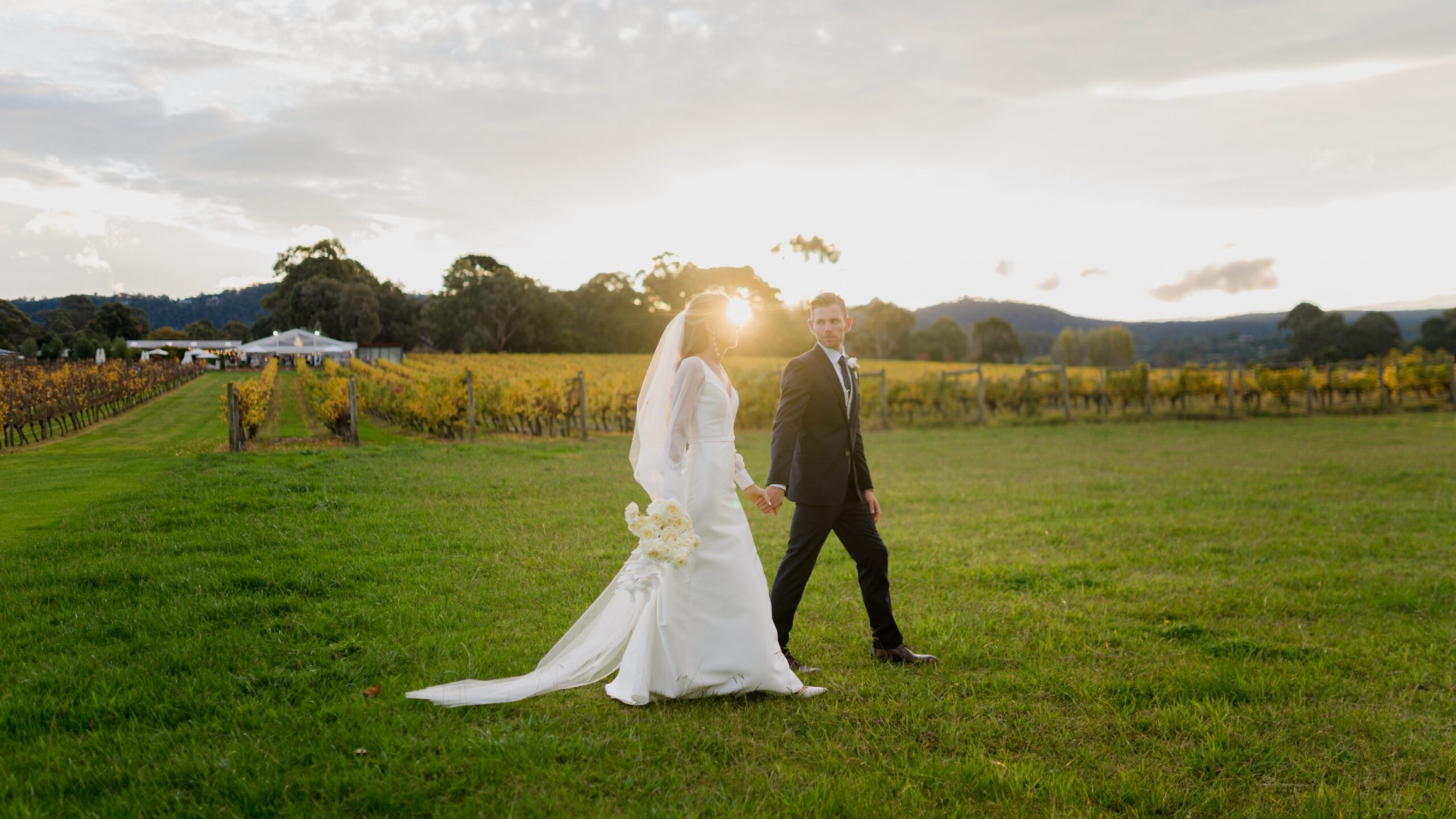
Golden Hour Flexibility: Spring’s earlier sunsets (around 6 PM) allow for extended golden hour sessions. During this time, backlighting techniques—such as framing couples against sunset-lit foliage—can highlight hair details and create a warm, glowing aura. A common approach is to have the couple face away from the sun, using a reflector to bounce light onto their faces and avoid shadows.

Dynamic Movement: Spring’s moderate weather encourages playful shots. Incorporating actions like twirling under flower arches or walking hand-in-hand through garden paths adds energy. Long exposure shots (1/8–1/15 sec) can capture motion blur in dresses or veils, contrasting with the sharpness of the couple for artistic effect.

Summer (December–February): Coastal Breezes and Sunset Drama

Summer’s warmer temperatures (20–35°C) and longer days suit beach and urban settings, with a focus on vibrant colors and dramatic lighting.

Beach and Coastal Scenes: Locations like Brighton Beach or St Kilda Pier offer iconic backdrops. To manage harsh midday sunlight, photographers shift sessions to early morning or late afternoon. For sunset shots, positioning the couple with the ocean behind them and using a wide aperture (f/2.8–f/4) creates silhouettes with bokeh effects from crashing waves.

Urban Exploration: Melbourne’s cityscape, including Federation Square and Hosier Lane, thrives in summer. Utilizing natural light reflections off glass buildings or capturing candid moments in shaded laneways adds depth. During peak heat, scheduling indoor breaks or opting for shorter sessions (2–3 hours) prevents fatigue and maintains natural expressions.

Water Interactions: Incorporating water elements—such as having the couple dip toes in the ocean or walk through shallow tide pools—adds spontaneity. Using a fast shutter speed (1/500 sec) freezes motion, while slower speeds (1/125 sec) create gentle blur in flowing fabrics.

Autumn (March–May): Warm Tones and Textured Backdrops

Autumn’s cooler temperatures (15–25°C) and golden-hued foliage make it perfect for moodier, textured imagery.

Historic and Natural Settings: Carlton Gardens and the Dandenong Ranges offer rich autumnal colors. Photographers often use side lighting to emphasize leaf textures, casting warm tones on the couple’s faces. For close-ups, framing the couple against a backdrop of falling leaves (captured mid-descent with a fast shutter) adds dynamism.

Layered Clothing: As temperatures drop, couples can incorporate cozy elements like knit shawls or tailored blazers. These accessories not only provide warmth but also add visual interest. Photographers guide couples to interact naturally with their attire, such as adjusting a scarf or sharing a jacket, to capture candid moments.

Muted Color Palettes: Autumn’s earthy tones (browns, oranges, deep greens) pair well with neutral wedding attire. To avoid color clashes, photographers suggest avoiding bright accessories and instead opting for muted accessories like beige or ivory.

Winter (June–August): Crisp Light and Intimate Atmospheres

Winter’s cooler days (10–20°C) and soft, diffused light create opportunities for intimate, cozy shoots.

Urban and Architectural Focus: Melbourne’s cityscape, including Parliament House and the Royal Exhibition Building, shines in winter. The low angle of winter sunlight casts long shadows, adding depth to architectural shots. For indoor-outdoor hybrid sessions, photographers use doorways or arches to frame couples against wintry skies.

Warm Lighting Techniques: To counteract the lack of natural warmth, photographers incorporate golden-hour mimicking techniques. Using off-camera flashes with orange gels or reflecting sunlight from windows can create a sunset-like glow. For night shots, leveraging city lights or fairy lights in parks adds a magical touch.

Layered Posing: Winter attire (faux fur stoles, velvet dresses) allows for creative layering. Photographers often position couples in close embraces to showcase texture details while maintaining warmth. Slow-motion shots of couples walking through parks with breath visible in the air can evoke a nostalgic, cinematic feel.

By tailoring techniques to each season’s unique qualities—from spring’s blossoms to winter’s crisp light—photographers can craft outdoor wedding imagery that feels both timeless and contextually rich.
IMG_6419-2

Suggestions for choosing interior background styles for wedding photography in Melbourne

Melbourne Wedding Photography: Indoor Backdrop Style Selection Guide

Choosing the right indoor backdrop for wedding photography in Melbourne involves balancing aesthetic preferences, space constraints, and lighting conditions. Whether couples prefer timeless elegance or modern creativity, understanding how different styles interact with their surroundings can elevate the final images. Below are key considerations for selecting backdrops that align with Melbourne’s diverse photography studios.

wedding photography melbourne

Classic and Timeless Backdrops for Elegant Portraits

Classic backdrops remain popular for their ability to create a sense of refinement and sophistication. These styles often feature neutral tones, subtle textures, and symmetrical designs, making them ideal for couples seeking a traditional aesthetic.

Neutral Color Palettes: Soft whites, creams, and muted grays provide a versatile canvas that complements any wedding attire. A plain white wall with a hint of texture, such as a subtle fabric drape, can highlight the couple’s expressions without distractions. This approach works particularly well in studios with limited natural light, as neutral tones reflect ambient illumination evenly.

Textured Fabrics and Wallpapers: Incorporating materials like linen, velvet, or damask wallpaper adds depth without overwhelming the scene. For example, a couple seated against a textured cream backdrop can create a warm, intimate atmosphere. Photographers often adjust lighting angles to emphasize fabric folds or wallpaper patterns, ensuring they enhance rather than compete with the subjects.

Symmetrical Designs: Classic backdrops frequently include symmetrical elements, such as arches, columns, or framed mirrors. These features create balance and focus attention on the couple. A studio with a faux marble archway, for instance, can frame the bride and groom in a way that feels both grand and timeless.

Modern and Minimalist Backdrops for Contemporary Looks

Modern backdrops prioritize simplicity, clean lines, and geometric shapes, appealing to couples who prefer a sleek, understated aesthetic. These styles often leverage negative space and bold contrasts to create striking visuals.

Monochromatic Schemes: Black, white, or gray backdrops with sharp contrasts can produce dramatic, high-impact images. A couple posed against a black wall with white geometric accents, such as stripes or triangles, creates a bold, artistic look. This style is particularly effective for full-body shots or dynamic poses, as the simplicity of the backdrop draws attention to movement and interaction.

Geometric Patterns: Modern studios may incorporate abstract shapes, such as hexagons, circles, or angular lines, to add visual interest. These patterns work well in smaller spaces, as they create the illusion of depth without clutter. For example, a bride leaning against a wall with intersecting metallic lines can appear both elegant and avant-garde.

Negative Space Utilization: Leaving large areas of the backdrop empty emphasizes the couple’s presence. A minimalist approach, such as positioning the bride and groom in the center of a plain gray wall with a single prop like a modern chair, creates a sense of focus and intimacy. This technique is ideal for couples who want their emotions and connection to take center stage.

Vintage and Rustic Backdrops for Warm, Nostalgic Vibes

Vintage and rustic backdrops evoke a sense of nostalgia and warmth, making them popular for couples who want to incorporate a touch of history or natural charm into their photos. These styles often feature weathered materials, antique props, and earthy tones.

Weathered Wood and Brick: Exposed wooden beams, reclaimed barn doors, or faux brick walls can create a rustic, country-inspired atmosphere. A couple seated on a wooden bench against a brick backdrop, for instance, can convey a sense of timeless romance. Photographers often use warm lighting, such as tungsten bulbs or golden-hour sunlight, to enhance the earthy tones and create a cozy ambiance.

Antique Props and Furniture: Incorporating vintage items like old suitcases, lace tablecloths, or antique mirrors adds character to the scene. For example, a bride holding a vintage parasol or a groom leaning against a weathered wooden ladder can create a whimsical, storybook feel. These props should complement the backdrop without overpowering the couple, ensuring a harmonious balance.

Earth-Toned Color Schemes: Rustic backdrops frequently use muted browns, greens, and terracotta to mimic natural environments. A studio with a faux stone wall or earthy fabric drapes can provide a grounding effect, making the couple appear both approachable and elegant. Adjusting lighting to soften shadows and highlight textures ensures the backdrop feels organic rather than staged.

Themed and Creative Backdrops for Unique Personalization

Themed backdrops allow couples to express their personalities or interests, creating photos that feel truly one-of-a-kind. These styles range from whimsical to artistic, often incorporating unconventional materials or concepts.

Artistic Installations: Some studios offer abstract installations, such as floating balloons, paper flowers, or hanging lights, to create a dreamy, ethereal atmosphere. A couple surrounded by cascading paper cranes or fairy lights can appear whimsical and romantic. These setups require careful lighting to avoid harsh shadows and ensure the installation enhances the mood.

Cultural or Hobby-Inspired Themes: Couples may incorporate elements from their heritage or hobbies, such as traditional textiles, musical instruments, or sports equipment. For example, a bride and groom posing with a vintage guitar against a music-themed backdrop can reflect their shared passion. These themes should feel authentic and intentional, avoiding clichés or forced props.

Interactive Backdrops: Some studios design backdrops that encourage movement or interaction, such as chalkboard walls, photo booths, or mirror installations. A couple writing messages on a chalkboard backdrop or taking playful selfies in a vintage photo booth can create lighthearted, memorable images. These setups work best when the couple feels comfortable engaging with the environment.

By carefully considering the style, lighting, and props, couples and photographers can select indoor backdrops that align with their vision and enhance the emotional impact of the images. Whether aiming for classic elegance, modern simplicity, rustic charm, or creative personalization, Melbourne’s studios offer diverse options to suit every wedding aesthetic.

WUU01843

Safety guarantee measures for outdoor wedding photography in Melbourne

Essential Safety Measures for Melbourne Outdoor Wedding Photography

Outdoor wedding photography in Melbourne offers stunning natural backdrops, from coastal vistas to urban landscapes. However, ensuring safety for couples and photography teams requires meticulous planning. Below are actionable strategies to mitigate risks and create memorable experiences.

wedding photography melbourne

Environmental Risk Assessment and Site Selection

Choosing a safe location is the foundation of any outdoor shoot. Melbourne’s diverse terrain—including beaches, forests, and cityscapes—demands tailored safety checks.

Terrain Stability: Avoid uneven surfaces, cliff edges, or wetlands, especially after rainfall. For example, shooting near the Yarra River requires assessing soil moisture to prevent slips. Similarly, coastal locations like St Kilda Beach demand scrutiny of tide schedules to avoid being stranded on rocky outcrops.

Wildlife and Vegetation Hazards: Melbourne’s parks and bushlands may harbor venomous snakes, spiders, or stinging plants. Teams should maintain a 5-meter distance from dense foliage and instruct couples to avoid sitting on unverified ground. In areas like the Dandenong Ranges, photographers often carry snake repellent and first-aid kits containing antivenom.

Traffic and Urban Dangers: City shoots near Federation Square or Hosier Lane require monitoring pedestrian and vehicle flow. Teams should position couples away from curbs, use traffic cones to mark boundaries, and assign assistants to guide crowds.

Weather Preparedness and Contingency Planning

Melbourne’s notorious “four seasons in one day” climate demands flexible scheduling.

Real-Time Weather Monitoring: Prior to the shoot, teams should check the Bureau of Meteorology’s updates for sudden wind shifts, thunderstorms, or heatwaves. For instance, a planned sunset shoot at Brighton Beach could be rerouted to a sheltered studio if gale-force winds are forecast.

Heat and Sun Protection: During summer, couples risk dehydration or sunburn during prolonged outdoor sessions. Photographers often provide portable shade tents, UV-protection sprays, and scheduled breaks in air-conditioned vehicles. Case studies show that teams shooting in Royal Botanic Gardens Victoria reduce midday exposure by 50%, opting for early morning or late afternoon light.

Cold Weather Adaptations: Winter shoots in locations like Mount Macedon require couples to wear thermal layers beneath wedding attire. Photographers may use portable heaters and prioritize 15-minute intervals between shots to prevent hypothermia.

Emergency Protocols and Equipment Readiness

A proactive approach to crises ensures swift responses.

First-Aid Kits and Training: Every team member should be certified in basic first aid, with kits stocked for cuts, insect bites, and allergic reactions. In remote areas like the Mornington Peninsula, kits often include satellite communicators and emergency blankets.

Communication Systems: Poor mobile reception in places like the Great Ocean Road necessitates two-way radios or satellite phones. Teams designate a “safety officer” to monitor group movements and relay distress signals.

Evacuation Routes: Before shooting in national parks like Grampians, teams map escape paths to the nearest medical facility. For example, a 2024 incident in the You Yangs required a couple to be airlifted after a fall, underscoring the need for pre-planned extraction strategies.

Clothing and Gear Safety Standards

Apparel and equipment choices directly impact safety.

Footwear: High heels are discouraged on uneven terrain like the Melbourne Docklands’ cobblestones. Couples often opt for low-heeled shoes or bare feet (after ground checks for glass or debris). Photographers recommend bringing spare footwear for sudden weather changes.

Dress Mobility: Heavy gowns with long trains are risky in windy areas like Port Phillip Bay. Teams suggest lightweight fabrics or tucking trains during movement-heavy shots. A 2023 survey found that 78% of Melbourne photographers advise against corseted dresses for hikes in the Dandenongs.

Equipment Stability: Tripods and lighting rigs must be secured on soft ground using sandbags or weighted bases. In windy conditions, teams anchor gear to vehicles or permanent structures. Drones, if used, require CASA compliance and no-fly zone awareness near airports.

Legal Compliance and Insurance

Adhering to regulations protects all parties.

Public Liability Insurance: Teams must carry coverage for accidents on public or private land. For example, shooting in Federation Square requires permits from Melbourne City Council, with insurance certificates submitted beforehand.

Drone and Traffic Laws: Aerial photography near the Melbourne CBD demands CASA certification and adherence to airspace restrictions. Similarly, roadside shoots require compliance with VicRoads guidelines, including high-visibility vests for teams.

Client Waivers: Couples should sign liability waivers acknowledging risks like insect bites or minor injuries. Transparent communication about safety measures builds trust and reduces disputes.

By integrating these measures, Melbourne’s wedding photographers can balance creativity with safety, ensuring couples cherish their special day without unnecessary risks.

wedding photography melbourne

Interior space utilization techniques for wedding photography in Melbourne

Maximizing Indoor Space for Melbourne Wedding Photography: Creative Strategies for Stunning Portraits

Melbourne’s indoor photography studios, whether spacious or compact, offer unique opportunities to craft intimate, elegant wedding portraits. The key lies in understanding how to manipulate space, light, and angles to highlight the couple while maintaining a sense of depth and authenticity. Below are practical techniques to transform even the smallest studio into a versatile backdrop for timeless imagery.

wedding photography melbourne

Structuring Layouts for Flow and Visual Interest

The arrangement of furniture and props within a studio significantly impacts the mood and movement of a shoot. Start by defining zones for different poses—a seating area for relaxed interactions, a standing space for full-body shots, and a clean backdrop for close-ups. This division prevents clutter and ensures a smooth transition between poses. For example, place a vintage sofa near a window for soft, natural light portraits, then move the couple to a plain wall with a draped fabric for dramatic silhouettes.

Vertical space is often underutilized in studios. Use tall props like arches, ladders, or hanging floral installations to draw the eye upward, creating a sense of grandeur. A bride standing beneath a cascading greenery arch or a groom leaning against a textured wall with vertical lines can add height and elegance to compositions. This technique works particularly well in rooms with high ceilings, emphasizing the studio’s scale.

Negative space—the empty areas around the couple—is equally important. Avoid overcrowding frames with props or furniture. Instead, leave room for the subjects to breathe, allowing their expressions and connection to take center stage. A minimalist approach, such as positioning the couple in the center of a plain wall with a single prop like a vintage mirror or a potted plant, can create a striking, modern aesthetic.

Playing with Perspectives to Enhance Depth

Changing the photographer’s vantage point can transform a flat, static image into a dynamic portrait. Shooting from a low angle, for instance, elongates the couple’s figures and makes the ceiling appear closer, adding drama to the scene. This technique works well when the bride is seated or the groom is kneeling, as it emphasizes their height difference and creates a sense of intimacy.

Conversely, shooting from above—such as from a balcony or ladder—offers a bird’s-eye view that flattens the space, ideal for capturing symmetrical compositions or playful interactions. A couple lying on the floor surrounded by scattered petals or holding hands in a circular formation can appear whimsical and artistic when viewed from above. Ensure the studio has enough ceiling height to execute this safely and effectively.

Diagonal lines are another powerful tool for adding depth. Position the couple at an angle to the camera, with their bodies turned slightly toward or away from the lens. This creates leading lines that guide the viewer’s eye through the image, preventing it from feeling two-dimensional. For example, have the bride stand with one shoulder facing the camera while the groom stands behind her at a 45-degree angle, creating a layered, dimensional effect.

Using Lighting to Define and Shape Space

Lighting is the cornerstone of indoor photography, dictating the mood, texture, and perceived size of a studio. Natural light from large windows can create soft, flattering illumination, but its intensity varies throughout the day. Schedule key shots during morning or late afternoon when the light is gentle, or use sheer curtains to diffuse harsh midday sun. Position the couple near the window with their bodies turned toward the light to highlight facial features and create a natural glow.

Artificial lighting, such as studio strobes or continuous lights, offers more control over the environment. Use a key light to illuminate the couple’s faces, then add a fill light to soften shadows and balance the exposure. For dramatic portraits, position the key light to one side of the couple, casting deep shadows on the opposite side. This technique, called Rembrandt lighting, adds depth and mystery to the image.

Backlighting can also transform a studio shoot. Place a light source behind the couple, such as a strobe with a gel for colored effects, to create a halo of light around their silhouette. This approach works well for high-contrast shots or when the couple is wearing sheer fabrics like veils or lace. Ensure the background is dark enough to make the backlight stand out, and use a reflector or fill light to prevent the subjects from appearing too dark.

Incorporating Props and Textures to Add Context

Props and textures enrich indoor portraits by providing visual interest and context. Choose items that align with the couple’s personality or wedding theme, such as vintage suitcases for a travel-inspired shoot or antique frames for a classic aesthetic. Avoid overloading the scene; one or two well-chosen props can enhance the image without distracting from the couple. For example, a bride holding a lace parasol or a groom resting his hand on a weathered wooden door can add character to the shot.

Textures play a similar role in defining space. A studio with exposed brick walls, wooden floors, or textured drapes can create a rustic, warm atmosphere. Use these elements as backdrops for full-body shots or close-ups, allowing the couple to interact with the environment. A bride leaning against a brick wall or a groom running his fingers along a wooden beam can add authenticity to the portrait.

Mirrors are another versatile prop for indoor shoots. They can double the visual space, create reflections, or add a touch of glamour. Position a full-length mirror behind the couple to capture their reflection, or have the bride hold a handheld mirror to frame her face. This technique works particularly well in small studios, as it creates the illusion of a larger, more open environment.

Adapting to Small Studios with Clever Tricks

Not all Melbourne studios are spacious, but creativity can overcome limited square footage. Use wide-angle lenses to capture more of the room without distorting the subjects, but avoid shooting too close to prevent unflattering perspectives. Instead, step back and use the lens’s natural distortion to emphasize the studio’s unique features, such as a high ceiling or intricate molding.

Forced perspective is another small-space solution. Position the couple near the background and use a shallow depth of field to blur the surroundings, making the studio appear larger than it is. This technique works well for headshots or close-ups, where the focus remains on the couple’s expressions rather than the environment.

Finally, embrace the studio’s limitations by incorporating them into the narrative. A cramped space can evoke a sense of intimacy, as if the couple is sharing a private moment away from the world. Use tight framing to capture their hands, eyes, or subtle gestures, emphasizing their connection over the setting.

By thoughtfully structuring layouts, experimenting with perspectives, manipulating lighting, and incorporating props, photographers can turn any Melbourne studio into a versatile canvas for wedding portraits. The goal is to create images that feel both intentional and effortless, capturing the couple’s love while celebrating the studio’s unique character.

WUU01990

The way natural elements are integrated into outdoor wedding photography in Melbourne

Integrating Natural Elements into Melbourne Outdoor Wedding Photography: Creative Techniques for Authentic Imagery

Melbourne’s outdoor landscapes—from coastal stretches to lush parks—provide a stunning backdrop for wedding photography. To create images that feel both timeless and deeply connected to the environment, photographers must skillfully incorporate natural elements into compositions. Below are practical methods to weave Melbourne’s flora, water, and terrain into portraits without overpowering the couple’s story.

wedding photography melbourne

Leveraging Flora for Frame and Texture

Melbourne’s parks and gardens, such as the Royal Botanic Gardens or Fitzroy Gardens, offer abundant foliage to enhance outdoor portraits. Use tree branches, flower bushes, or vines to frame the couple naturally. For example, positioning the bride and groom beneath an archway of blossoming wisteria creates a romantic, organic border that draws the eye inward. Encourage the couple to interact with the flora—a bride tucking a flower behind her ear or a groom holding a sprig of rosemary—to add personality to the shot.

Falling leaves or petals can inject movement and whimsy into static poses. During autumn in Melbourne, capture the couple standing beneath a tree as leaves drift downward, or toss dried petals manually for a controlled effect. This technique works particularly well during golden hour, when soft light highlights the textures of both the couple’s attire and the surrounding plants.

Greenery also serves as a natural filler for empty spaces in compositions. If shooting near a hedge or tall grass, have the couple kneel or sit to balance the height of the background. This approach prevents the image from feeling top-heavy while maintaining a cohesive, earthy aesthetic.

Incorporating Water for Reflection and Drama

Melbourne’s waterfront locations, including St Kilda Beach and the Yarra River, provide opportunities to use water as a dynamic element. Reflections in calm lakes or ponds can double the visual impact of a pose. Position the couple near the water’s edge, angling the camera to capture their mirrored image below. This works best during early morning or late afternoon when light is gentle and wind is minimal, ensuring still water for clear reflections.

For more energetic shots, focus on water’s movement. A bride and groom walking along the shoreline as waves gently lap at their feet creates a sense of motion and intimacy. If shooting at the beach, use a fast shutter speed to freeze droplets mid-air during a playful splash, or a slower speed to blur water into a soft, ethereal mist.

Rain is another natural element to embrace. A light drizzle can add a romantic, moody atmosphere to portraits. Use umbrellas as props, having the couple share one or hold them at an angle to catch raindrops. Alternatively, shoot through a rain-speckled window or use a protective lens filter to capture the couple laughing in the rain, emphasizing their connection despite the weather.

Using Terrain to Add Depth and Context

Melbourne’s varied terrain—from rocky cliffs to rolling hills—offers unique opportunities to ground wedding portraits in the landscape. When shooting near cliffs, such as those in Mornington Peninsula, position the couple at the edge with the ocean stretching behind them. This creates a dramatic sense of scale while highlighting the location’s natural beauty. Ensure safety by choosing stable ground and avoiding risky poses.

Hilly landscapes, like those in the Dandenong Ranges, allow for creative angling. Have the couple stand or sit on a slope, with the photographer shooting from a lower vantage point to emphasize the elevation. This technique elongates their figures and adds grandeur to the image. For flatter areas, use leading lines—such as a path winding through a field or a row of trees—to draw the viewer’s eye toward the couple.

Urban terrain, like the cobblestone streets of Degraves Street or the graffiti-covered lanes of Hosier Lane, can also serve as a backdrop. Incorporate the environment by having the couple lean against a brick wall or sit on a set of stairs, blending the natural with the man-made. This approach works well for couples seeking a mix of rustic and modern aesthetics in their photos.

Capturing Wildlife for Spontaneity and Charm

Melbourne’s outdoor spaces are often home to wildlife, from seagulls at the beach to parrots in parks. While unplanned, incorporating animals can add a touch of spontaneity to portraits. A seagull flying overhead during a beach shoot or a kookaburra perching on a nearby branch can create a memorable, candid moment. Encourage the couple to react naturally—laughing at a bird’s call or glancing upward—to capture genuine emotion.

If wildlife is scarce, use insects or plants with interesting details, like butterflies or ferns, as subtle accents. A bride’s bouquet attracting a bee or a groom’s lapel featuring a small flower can add a layer of storytelling without distracting from the couple. These details emphasize the harmony between the humans and their environment.

Timing the Shoot to Align with Natural Phenomena

Melbourne’s ever-changing weather and light conditions offer unique photographic opportunities. Sunrise and sunset, known as golden hour, bathe scenes in warm, soft light that flatters skin tones and enhances natural colors. Schedule key portraits during these times, using the low angle of the sun to create long shadows and a golden glow.

Midday sun, while harsh for some shots, can be ideal for high-contrast images. Position the couple in shaded areas, such as beneath a tree canopy, to avoid squinting while using the bright light to highlight textures in the background. Alternatively, embrace the intensity by shooting silhouettes against a bright sky or using reflectors to bounce light onto their faces.

Fog and mist, common in Melbourne’s coastal and hilly regions, add mystery and atmosphere to portraits. Early morning shoots near the bay or in the Yarra Valley may yield ethereal conditions where the couple appears to float in a dreamlike haze. Use a wide aperture to keep the focus on the subjects while blurring the background into a soft, white veil.

By thoughtfully integrating Melbourne’s natural elements—from flora and water to terrain and wildlife—photographers can create wedding portraits that feel both rooted in place and uniquely personal. The key lies in observing the environment, adapting to its quirks, and guiding the couple to interact with their surroundings in ways that feel authentic and unforced.

WUU02194

Key points for pose guidance for indoor studio wedding photography in Melbourne

Melbourne Studio Wedding Photography Posing Guide: Essential Tips for Timeless Portraits

Studio photography in Melbourne offers a controlled environment to capture intimate, elegant wedding portraits. Unlike outdoor shoots, indoor settings allow couples to focus on expression and connection without distractions. However, mastering poses that feel natural yet polished requires understanding body language, lighting, and emotional storytelling. Below are key techniques to elevate studio posing for Melbourne’s diverse couples.

wedding photography melbourne

Creating Natural Connection Through Body Language

The foundation of compelling studio poses lies in authentic interaction between partners. Encourage couples to maintain subtle physical contact, such as holding hands, resting foreheads together, or linking arms. These gestures convey intimacy without appearing stiff. For example, a bride leaning her head on the groom’s shoulder while he wraps an arm around her waist creates a relaxed, loving dynamic.

Eye contact is equally critical. Directing couples to gaze into each other’s eyes fosters genuine emotion, but vary the intensity to avoid monotony. A soft, smiling look works for romantic shots, while a deeper, focused stare adds drama. If the couple feels self-conscious, suggest they focus on a specific feature of their partner, like the groom’s eyes or the bride’s smile, to make the connection feel more organic.

Angle and posture adjustments can also enhance connection. Positioning the couple at a slight diagonal to the camera, rather than facing it directly, creates depth and prevents flat, unflattering compositions. Have the taller partner stand slightly behind the shorter one, with their body turned toward the camera, to maintain balance and visual interest.

Playing with Light and Shadow for Dynamic Poses

Melbourne’s studio lighting setups—whether natural light from large windows or artificial sources like softboxes—offer opportunities to sculpt poses with contrast. Use light to highlight facial features and create mood. For instance, positioning the couple near a window with sheer curtains can cast a delicate, diffused glow, ideal for soft, romantic shots.

Shadows add drama when used intentionally. Place the couple so that one side of their face is illuminated while the other falls into shadow, emphasizing bone structure and emotion. A bride tilting her head slightly toward the light while the groom gazes into her eyes can create a striking interplay of light and dark.

Backlighting techniques also work well in studios. Positioning the couple with a light source behind them, such as a studio strobe, can create a halo effect around their silhouette. This approach is particularly effective for dramatic, high-contrast portraits. Encourage the couple to embrace or hold hands in front of their bodies to add texture and prevent the pose from feeling too static.

Incorporating Movement to Add Authenticity

Static poses risk appearing staged, but subtle movement can inject life into studio portraits. Start with gentle actions, like the bride adjusting her veil or the groom brushing a strand of hair from her face. These small gestures feel spontaneous and highlight the couple’s comfort with each other.

For more dynamic shots, guide the couple through slow, controlled movements. A walk-and-pause sequence, where they take a few steps toward the camera and pause to smile or laugh, can yield natural, candid frames. Alternatively, have them spin slightly in place, capturing the flow of fabrics and the joy in their expressions.

Dancing poses also work well in studios. Even without music, couples can mimic a slow dance, with the groom holding the bride’s waist and her placing a hand on his shoulder. This pose encourages fluid movement and genuine smiles, especially when photographers capture mid-laugh or a tender glance.

Using Props and Furniture to Enhance Poses

Melbourne’s studios often feature versatile props and furniture, from vintage sofas to minimalist stools. These elements provide support and context, making poses feel more natural. A bride sitting on the edge of a couch with her legs crossed, while the groom kneels beside her, creates a relaxed, conversational vibe.

Chairs and stools are particularly useful for varying heights and angles. Have the bride sit backward on a chair, resting her arms on the back, while the groom stands behind her with his hands on her shoulders. This pose elongates her neck and adds a playful, flirtatious energy. For taller couples, a step stool can help balance heights without forcing awkward postures.

Props like bouquets, hats, or signage also add personality. Encourage the bride to hold her bouquet at waist level, angled slightly away from her body, to avoid covering her dress. The groom can hold his jacket or a pocket square, adding a touch of sophistication. These details ground the poses in the wedding’s theme while keeping hands occupied naturally.

Guiding Individual Poses for Flattering Angles

While couple poses are central to wedding photography, individual shots deserve equal attention. For the bride, guide her to turn her body slightly to the side, with her shoulders down and chin tilted forward to elongate her neck. A hand on the hip or gently touching her hair adds grace without stiffness.

The groom benefits from a relaxed stance, with weight shifted to one leg and his hands in pockets or loosely by his sides. Avoid having him stand straight on, as this can appear rigid. Instead, suggest he lean against a wall or prop his elbow on a nearby surface for a casual, confident look.

Facial expressions are key in individual poses. Encourage the bride to smile softly with her eyes, avoiding a forced grin. The groom can adopt a subtle smirk or a thoughtful gaze, depending on his personality. Capturing a mix of serious and playful expressions ensures a versatile gallery.

By focusing on connection, light, movement, and context, Melbourne studio photographers can guide couples into poses that feel authentic and visually striking. The goal is to create portraits that reflect the couple’s unique bond while leveraging the studio’s controlled environment to its fullest potential.

WUU02764

The efficiency of outdoor scene switching for wedding photography in Melbourne has been improved

Streamlining Outdoor Scene Transitions for Melbourne Wedding Photography: Enhancing Efficiency Without Sacrificing Creativity

Melbourne’s diverse landscapes—from coastal cliffs to urban laneways—offer endless possibilities for outdoor wedding photography. However, switching between scenes efficiently is crucial to maximize shooting time, especially during the city’s notoriously unpredictable weather. Below are strategies to optimize transitions, ensuring couples capture every desired shot without unnecessary delays.

Pre-Shoot Planning: Mapping Locations and Logistics

Thorough pre-shoot planning is the foundation of seamless scene transitions. Begin by scouting Melbourne’s outdoor venues in advance, identifying key spots within walking distance or a short drive. For example, a ceremony at Fitzroy Gardens could transition to a portrait session in nearby Treasury Gardens, minimizing travel time. Use digital mapping tools to visualize routes and estimate walking times between locations, accounting for Melbourne’s hilly terrain or crowded streets during peak hours.

Create a prioritized shot list that groups similar scenes together. If a couple desires both urban and natural backdrops, schedule cityscape shots in the morning when light is soft, then move to parks or beaches in the late afternoon for golden-hour portraits. Communicate this timeline clearly with the couple and any assistants, ensuring everyone understands the flow and reduces on-site decision-making.

Lightweight Gear Organization: Minimizing Setup Time

Efficient gear management is critical for quick scene changes. Invest in a modular camera bag system that allows photographers to access lenses, filters, and lighting equipment rapidly. For example, keep a dedicated pouch for prime lenses used in outdoor portraits, separate from zoom lenses for dynamic shots. Labeling gear compartments or using color-coded straps can further speed up retrieval.

When shooting in Melbourne’s variable weather, prepare for sudden changes by packing waterproof covers for cameras and quick-dry cloths for lenses. If transitioning from a sunny beach to a shaded forest, adjust camera settings (such as ISO and aperture) in advance to avoid missed shots during reconfiguration. Assign an assistant to handle gear swaps, freeing the photographer to focus on composition and directing the couple.

Transportation Strategies: Navigating Melbourne’s Terrain

Melbourne’s sprawling layout demands smart transportation choices. For venues spread across suburbs like St Kilda and Brighton, consider renting a compact vehicle with ample trunk space for gear. Alternatively, use public transport for central locations like the CBD or Docklands, but account for potential delays during peak commutes.

For back-to-back shoots in the same neighborhood, such as moving from a café in Degraves Street to a nearby alleyway for street-art portraits, opt for walking or cycling. This approach not only saves time but also adds a spontaneous, local flavor to the images. If driving is unavoidable, park in centralized locations and use trolleys or rolling cases to transport gear short distances.

Wardrobe and Prop Coordination: Reducing Downtime

Smooth wardrobe and prop transitions prevent lulls during scene changes. Encourage couples to pack outfits in labeled garment bags, grouping items by location (e.g., beach attire in one bag, urban outfits in another). For props like bouquets, hats, or signage, use sturdy containers that can be carried easily between spots.

If the couple plans multiple outfit changes, schedule them strategically. For instance, a gown swap could occur during a midday break when light is harsh, allowing time for adjustments while avoiding suboptimal shooting conditions. Assign a bridesmaid or family member to manage wardrobe changes, ensuring the couple remains focused on posing and emotion.

Time-Saving Posing Techniques: Maximizing Shooting Efficiency

Efficient posing reduces the need for repeated takes, freeing up time for scene transitions. Begin with group shots to capture formal portraits early in the session, then move to couple-focused poses that require less coordination. Use natural landmarks in Melbourne’s outdoor settings—such as leaning against a historic tram or sitting on Yarra River steps—to create relaxed, authentic poses without extensive direction.

Incorporate movement to add variety quickly. A simple walk-and-talk sequence through a laneway or along the beach can yield multiple usable frames in minutes. For static poses, use a “pose, shoot, adjust” rhythm: take a few shots, tweak the couple’s positioning slightly, and repeat. This method ensures a steady flow of images while minimizing downtime.

Contingency Plans: Adapting to Melbourne’s Weather

Melbourne’s weather can disrupt even the best-laid plans, making contingency strategies essential. Monitor forecasts closely and identify backup indoor locations near primary outdoor spots. For example, if rain threatens a beach shoot, pivot to a nearby café with large windows or a heritage building with verandas.

Communicate weather-related changes promptly with the couple, explaining how adjustments will maintain the session’s flow. Use rain as an opportunity for creative shots, such as capturing reflections in puddles or using umbrellas as props. If extreme weather forces a complete relocation, prioritize scenes that align with the couple’s vision while respecting time constraints.

By integrating these strategies, Melbourne wedding photographers can navigate outdoor scene transitions with precision, ensuring couples receive a diverse, high-quality gallery without unnecessary delays. The key lies in balancing preparation with adaptability, turning logistical challenges into opportunities for unique, memorable imagery.

Melbourne|wedding|photo|Cumulus|Inc|Evermore|-159

Color matching suggestions for interior clothing in Melbourne wedding photography

Melbourne Wedding Photography Indoor Attire Color Coordination: Crafting Timeless Elegance

Indoor wedding photography in Melbourne thrives on harmonious color palettes that reflect the city’s blend of modern sophistication and natural charm. Whether shooting in loft-style venues or heritage-listed spaces, the right attire color combinations can elevate portraits, ensuring couples radiate confidence and cohesion. Below are nuanced strategies to master indoor color coordination without relying on rigid rules.

wedding photography melbourne

Neutral Foundations: Timeless Sophistication for Indoor Settings

Neutral tones form the backbone of indoor wedding attire, offering versatility that complements Melbourne’s eclectic interior styles. Ivory, champagne, and soft beige gowns create a luminous base, especially when paired with natural light streaming through large windows—a common feature in Melbourne’s converted warehouses or art galleries. For grooms, charcoal, taupe, or slate suits provide a polished contrast without overwhelming the scene.

Layering neutrals adds depth: a bride might pair an ivory lace gown with a cashmere shawl in a muted oatmeal hue, while the groom could incorporate a textured tie in a similar earthy tone. This approach ensures the focus remains on the couple’s expressions and body language, rather than distracting color clashes. In venues with exposed brick or timber floors, neutral attire harmonizes with the raw textures, creating a balanced, organic aesthetic.

Bold Accents: Adding Personality to Indoor Portraits

While neutrals dominate, strategic pops of color inject personality and narrative into indoor shots. Melbourne’s creative subcultures inspire couples to experiment with bold hues that reflect their shared interests or cultural heritage. For instance, a deep burgundy sash on a bride’s gown or a groomsmen’s tie in emerald green can symbolize passion and growth, especially when set against minimalist backgrounds like white walls or concrete floors.

When incorporating bold colors, limit them to one or two elements per outfit to avoid visual overload. A bride might choose a statement necklace in cobalt blue, while the groom wears a pocket square in the same shade, creating a subtle yet cohesive link. In venues with industrial features, such as metal beams or pendant lighting, these accents can mirror the space’s modernity, tying the couple’s style to the environment.

Monochromatic Schemes: Creating Visual Harmony

Monochromatic color palettes—where both partners wear varying shades of the same hue—create a striking, unified look ideal for indoor photography. For example, a bride in a dusty rose gown paired with a groom in a blush-toned suit exudes romance and softness, particularly in venues with pastel-colored decor or floral installations. This approach works seamlessly in Melbourne’s boutique hotels or garden-inspired ballrooms, where the environment’s color scheme can guide the couple’s choices.

To prevent monotony, vary textures and tones within the same color family. A satin bridesmaid’s dress in slate gray can contrast beautifully with a groom’s tweed suit in charcoal, adding dimension without breaking the monochromatic theme. This technique also simplifies group coordination, as attendants can choose shades that flatters their skin tone while staying within the palette.

Complementary Contrasts: Balancing Light and Dark

Pairing light and dark tones creates dynamic contrasts that draw attention to the couple’s features. A bride in a stark white gown against a groom’s black tuxedo is a classic choice, but modern twists—like a bride in a creamy off-white dress with a groom in navy blue—add depth and sophistication. This strategy works particularly well in Melbourne’s contemporary venues, where clean lines and open spaces highlight the interplay of light and shadow.

For a softer contrast, consider pairing a bride in a blush pink gown with a groom in a muted olive green suit. These hues, found naturally in Melbourne’s parks and gardens, create a grounded, earthy feel. When photographing in venues with large mirrors or reflective surfaces, complementary colors enhance symmetry and balance, making the couple appear both connected and distinct.

Texture and Tone: Elevating Colors Through Fabric Choices

The texture of fabrics influences how colors appear in indoor lighting. Matte finishes, like linen or raw silk, absorb light and create a subdued effect, ideal for muted palettes. Conversely, satin or velvet reflects light, making bold colors pop. A bride in a deep burgundy velvet gown will photograph differently in a dimly lit, candlelit room versus a brightly lit studio with white walls.

To adapt to Melbourne’s varied indoor lighting, couples can mix textures within their outfits. A groom might pair a wool suit with a silk tie, while the bride layers a lace overlay on a satin underdress. This interplay of textures ensures colors remain vibrant or subdued as needed, depending on the venue’s ambiance.

By thoughtfully combining neutrals, bold accents, monochromatic schemes, and complementary contrasts, couples can create indoor wedding attire that feels both timeless and uniquely their own. Melbourne’s diverse venues provide the perfect canvas to experiment with color, ensuring every photograph tells a story of love, style, and harmony.

Melbourne|wedding|photo|Cumulus|Inc|Evermore|-166

Weather adaptation strategies for outdoor wedding photography in Melbourne

Melbourne Wedding Photography Outdoor Weather Adaptation Strategies: Capturing Love in Every Climate

Melbourne’s unpredictable weather, characterized by sudden rain showers, chilly winds, and dramatic sunset shifts, poses unique challenges for outdoor wedding photography. However, with strategic planning and creative adaptability, couples can transform these variables into storytelling elements that elevate their images. Below are actionable strategies to navigate Melbourne’s climate while maintaining artistic integrity.

wedding photography melbourne

Lighting Optimization for Variable Conditions

Melbourne’s weather often shifts between overcast skies and brief bursts of sunlight, requiring photographers to master dynamic lighting techniques. On cloudy days, diffuse light reduces harsh shadows, creating a soft, flattering glow ideal for portraits. Position couples near reflective surfaces like wet pavement or glass windows to amplify ambient light, ensuring skin tones remain natural. For sudden sun breaks, use natural diffusers such as tree canopies or translucent umbrellas to prevent overexposure while maintaining a warm, golden-hour effect.

When shooting during Melbourne’s notorious “four seasons in one day” transitions, prioritize flexibility. For example, if rain interrupts a sunset session, pivot to indoor locations with large windows to capture the interplay of natural and artificial light. Alternatively, embrace the rain’s reflective properties by photographing couples in puddles, using the sky’s reflection to create symmetry and depth.

Rainy Day Romance: Embracing the Elements

Rain is not a barrier but an opportunity to craft intimate, narrative-driven images. Short, manageable showers allow for creative risk-taking, such as capturing raindrops on lenses for a dreamy bokeh effect or using clear umbrellas as props to frame couples in a protective embrace. For heavier rain, seek shelter under architectural features like arched colonnades or verandas, where dripping eaves and wet stone add texture to compositions.

Incorporate movement to convey emotion: photograph couples walking hand-in-hand through rain-soaked streets, or capture the moment a gust of wind lifts a veil. If the rain coincides with twilight, leverage streetlights or neon signs to create moody, cinematic backdrops. For a whimsical touch, use colorful umbrellas or rain boots as playful accents, adding personality to the scene.

Wind Management: Turning Breezes into Drama

Melbourne’s coastal winds, particularly in locations like St Kilda or Brighton Beach, can challenge even the most structured hairstyles and gowns. To mitigate this, advise couples to choose lightweight fabrics for veils and dresses, or secure layers with subtle clips. For intentional wind-swept shots, position the couple facing away from the breeze, allowing their hair and clothing to flow naturally behind them, creating a sense of movement and freedom.

Use wind as a compositional tool: frame couples against blowing leaves or drifting clouds to emphasize scale and atmosphere. If gusts become disruptive, pivot to sheltered areas like gardens with hedgerows or urban alleys, where structures break the wind while maintaining an outdoor aesthetic.

Cold Weather Comfort: Balancing Style and Warmth

Melbourne’s winters, though mild compared to other regions, can feel chilly, especially during extended outdoor sessions. Prioritize couple comfort by scheduling shorter, high-impact shoots during the warmest part of the day, typically mid-afternoon. Encourage layering with thermal undergarments or faux-fur stoles that complement the wedding attire without compromising style.

Incorporate warmth into the narrative: photograph couples sharing a blanket or sipping hot beverages from thermoses, using these moments to capture genuine interaction. For snow-dusted landscapes (rare but possible in Melbourne’s outer suburbs), leverage the monochrome palette for minimalist compositions, focusing on the couple’s silhouettes against a white backdrop.

Sun Protection for Bright Days: Avoiding Harsh Contrasts

Melbourne’s summer sun can create high-contrast scenes with deep shadows and blown-out highlights. To counter this, schedule shoots during the “golden hours” shortly after sunrise or before sunset, when the light is softer and warmer. If midday sun is unavoidable, seek shade under trees or canopies, using the dappled light to add pattern and texture to images.

For beach or open-field shoots, use reflectors to bounce light onto the couple’s faces, balancing exposure. Alternatively, position them with the sun behind them for a radiant halo effect, ensuring their faces remain well-lit with fill flash or reflectors.

By adapting to Melbourne’s weather with these strategies, couples can transform climatic challenges into opportunities for authentic, visually striking storytelling. Each element—rain, wind, cold, or sun—becomes a character in their love story, ensuring their wedding photos are as unique as their journey together.

DSC03791

Interior prop placement tips for wedding photography in Melbourne

Melbourne Wedding Photography Indoor Prop Arrangement Techniques: Elevating Your Romantic Narrative

Creating a visually compelling indoor wedding photography setup in Melbourne requires more than just selecting beautiful props—it’s about crafting a story through intentional placement, texture contrasts, and emotional resonance. Below, we explore techniques to transform ordinary spaces into timeless backdrops for your love story.

wedding photography melbourne

Layering Textures for Depth and Dimension

Indoor scenes often lack natural depth, making texture layering essential. Combine smooth surfaces like satin drapes or polished mirrors with rough elements such as exposed brick walls, woven baskets, or weathered wooden crates. For example, placing a vintage lace tablecloth beneath a modern glass vase filled with wildflowers creates a juxtaposition of old and new, adding narrative weight to the scene.

Incorporate tactile diversity by introducing metallic accents—think antique candle holders or copper-framed mirrors—alongside soft fabrics like velvet cushions or tulle ribbons. This interplay of materials not only enhances visual interest but also guides the viewer’s eye across the frame, ensuring every detail contributes to the overall mood.

Dynamic Lighting to Amplify Emotion

Lighting is the silent storyteller in indoor photography. Use directional lighting to sculpt faces and highlight key props. For instance, positioning a softbox at a 45-degree angle to the couple can create flattering shadows that emphasize their expressions while casting gentle glows on nearby props like floral arrangements or handwritten vows displayed on aged parchment.

Experiment with colored gels or LED strips to infuse scenes with subtle hues. Warm amber tones evoke nostalgia, perfect for vintage-themed shoots, while cool blues suit minimalist, modern aesthetics. During nighttime sessions, string fairy lights across ceilings or wrap them around staircase railings to mimic starry skies, adding a dreamy quality to portraits.

Strategic Prop Placement to Guide Focus

Avoid clutter by arranging props in clusters of three to five items, varying heights and shapes for balance. Place larger objects like oversized picture frames or potted plants at the back of the scene to anchor the composition, then layer smaller items—such as vintage cameras, handwritten love letters, or delicate china—in the foreground to draw attention.

For couples’ portraits, use props to create natural interactions. A shared activity, like writing in a guestbook or sipping champagne from mismatched glasses, encourages genuine smiles and relaxed postures. Even everyday items like a stack of books or a quilted throw can become meaningful when placed thoughtfully, symbolizing shared interests or cozy moments together.

Incorporating Local Melbourne Elements for Authenticity

Melbourne’s eclectic culture offers unique opportunities to personalize your setup. Integrate local flora like eucalyptus branches or banksia flowers into bouquets or centerpieces, reflecting the city’s natural beauty. Repurpose vintage suitcases or typewriters from Melbourne’s thrift markets as props, adding a touch of nostalgia that resonates with the couple’s journey.

For urban-inspired shoots, use architectural elements like arched windows or wrought-iron balconies as backdrops, framing the couple against Melbourne’s iconic skyline. Even indoor venues with industrial features—such as exposed pipes or concrete floors—can be softened with lush greenery or flowing fabrics, blending rugged charm with romantic elegance.

Final Touches: The Power of Personalization

Infuse scenes with personal significance by incorporating heirlooms or symbols of the couple’s relationship. A grandmother’s brooch pinned to the bride’s bouquet, a handkerchief embroidered with their wedding date, or a map highlighting their first meeting spot transforms generic props into cherished keepsakes.

By combining these techniques—layering textures, manipulating light, arranging props thoughtfully, and incorporating local flair—you can create indoor wedding photography setups in Melbourne that are as unique as the couples themselves. Each element becomes a brushstroke in a larger portrait of love, ensuring every image tells a story worth remembering.