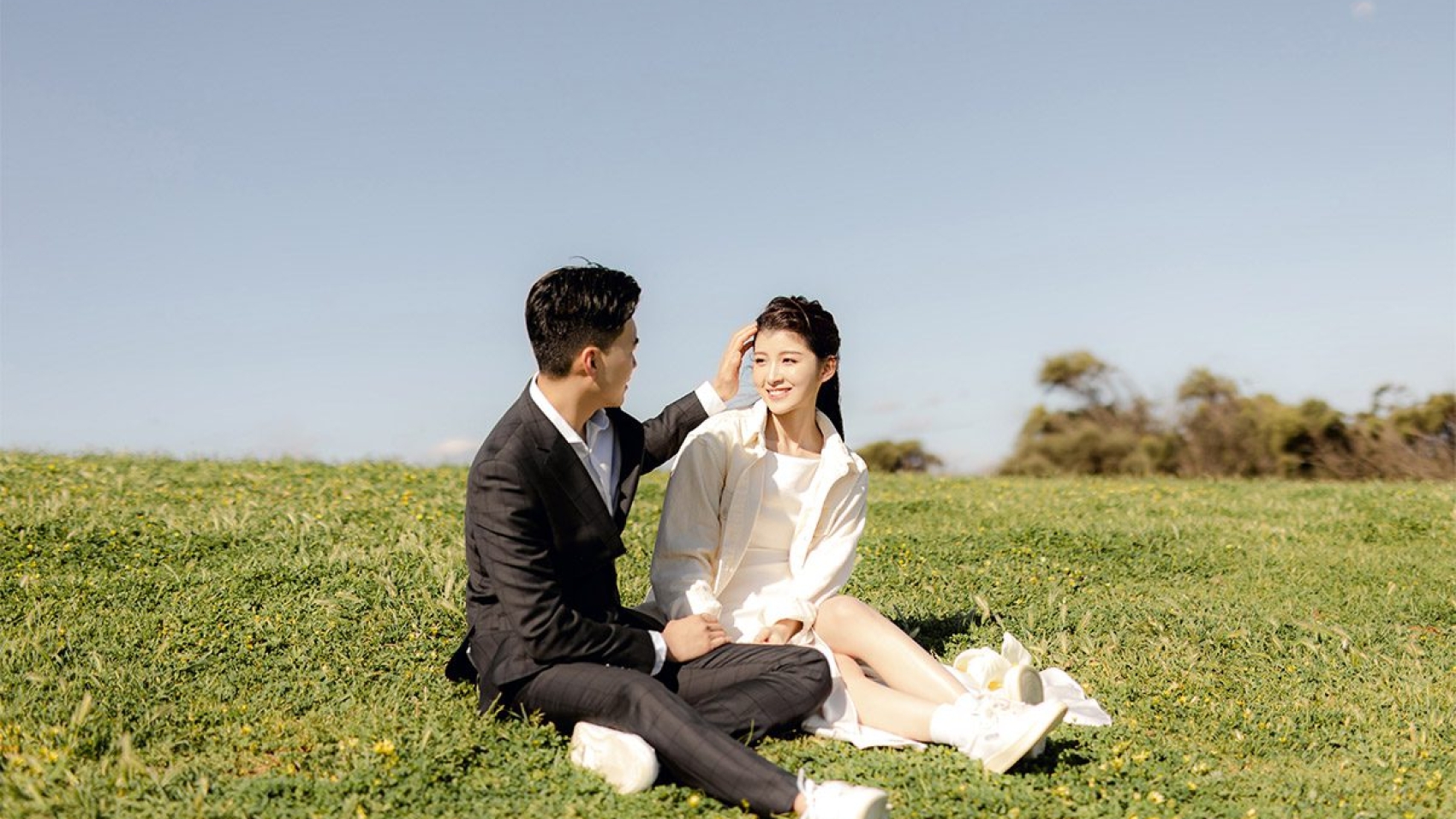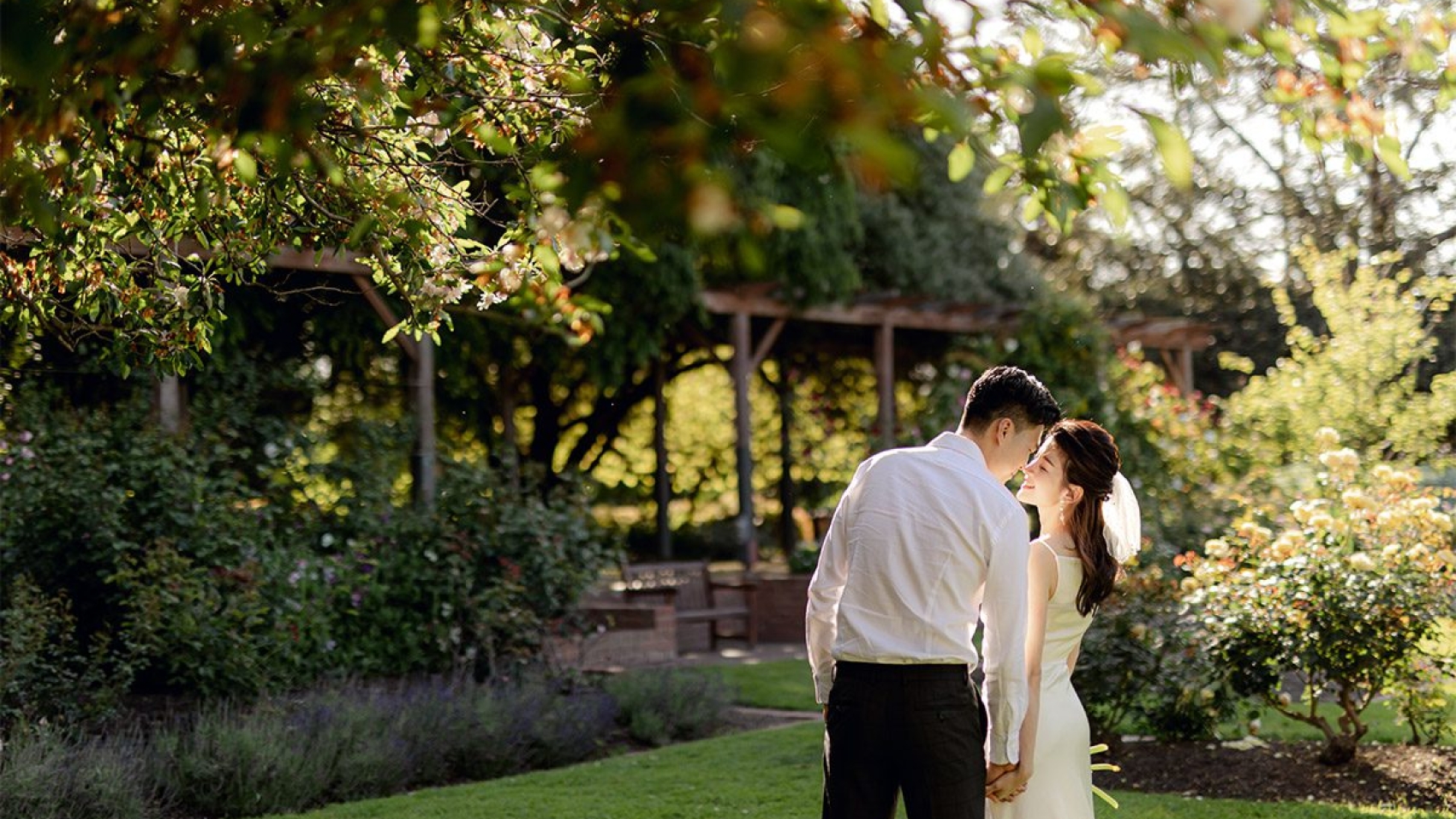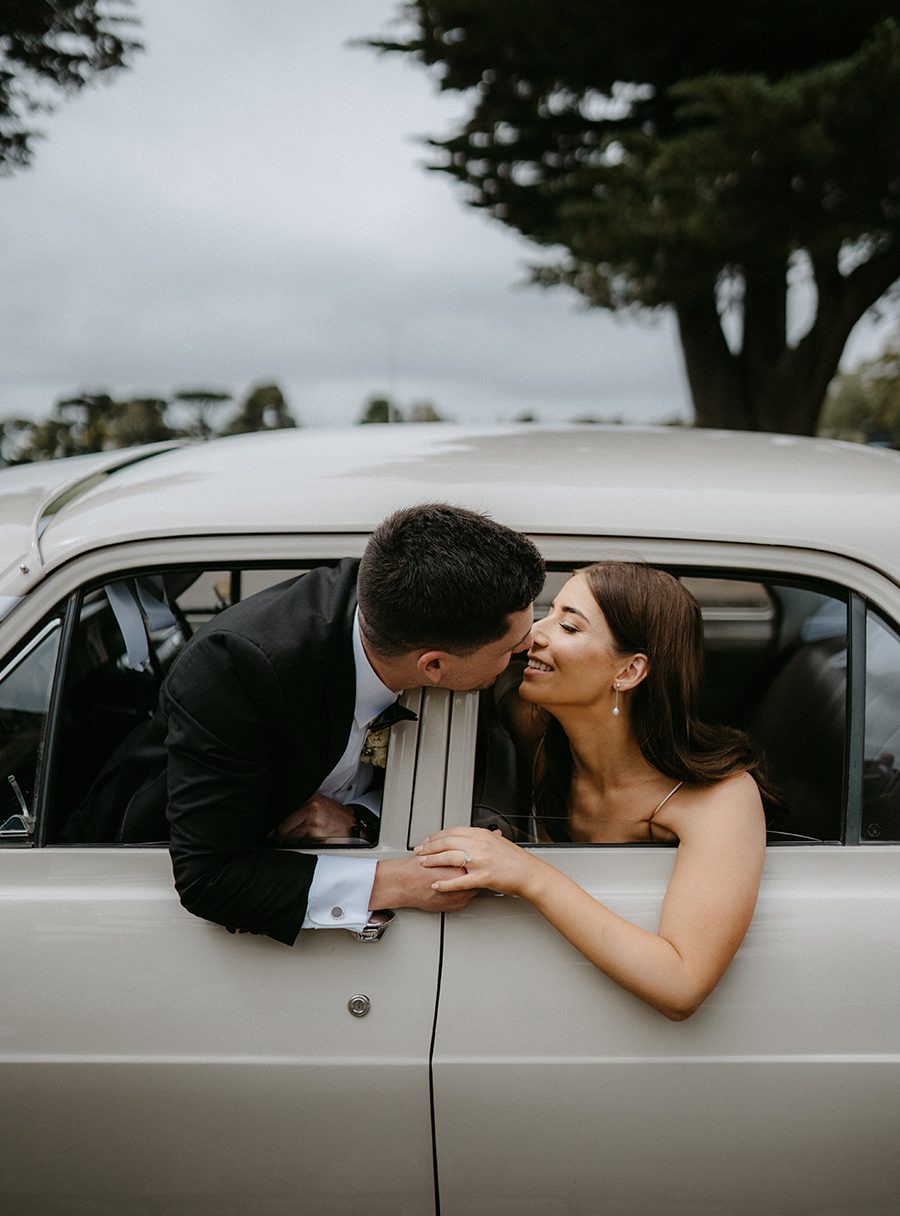

IMG_8224

Suggestions for preserving wedding photography works in Melbourne

Essential Tips for Preserving Melbourne Wedding Photography

Melbourne’s unique blend of urban charm, coastal beauty, and lush gardens creates stunning backdrops for wedding photography. However, preserving these memories requires careful handling to ensure they remain vibrant for decades. From digital storage to physical display, here’s how to protect your wedding album from fading, damage, and technological obsolescence.
wedding photography melbourne

Digital Storage Strategies for Long-Term Preservation

Backing Up Files Across Multiple Platforms

Digital photos are vulnerable to corruption, accidental deletion, or hardware failure. Store copies on at least two external hard drives—one kept offsite (e.g., at a family member’s home) and another in a cool, dry place. Cloud storage services like Google Drive or Dropbox offer additional security, but avoid relying solely on them, as companies may change policies or shut down. Regularly update backups to include new edits or additions.

Choosing the Right File Formats

RAW files retain the most detail but require specialized software to view. Convert copies to high-quality JPEGs (with minimal compression) for everyday access. For archival purposes, consider TIFF format, which is lossless and widely supported. Avoid proprietary formats tied to specific software, as they may become unreadable over time. Label files clearly with dates, locations, and keywords for easy searching.

Protecting Against Data Corruption

Hard drives degrade slowly, so check them annually for errors using built-in tools (e.g., Disk Utility on Mac or CHKDSK on Windows). Replace drives every 3–5 years, even if they seem functional. For cloud storage, enable two-factor authentication to prevent unauthorized access. If storing photos on social media, download originals periodically, as platforms may compress or remove content without notice.

Physical Print Preservation Techniques

Selecting Acid-Free Materials for Albums

Traditional photo albums with magnetic pages or plastic sleeves can damage prints over time. Opt for acid-free, archival-quality albums with cotton or linen covers. Use photo corners or acid-free adhesive strips to mount prints, avoiding glue or tape that may yellow or weaken. For loose prints, store them in acid-free boxes with dividers to prevent bending or scratching.

Framing Prints with UV Protection

Ultraviolet light from sunlight or fluorescent bulbs fades colors and weakens paper. Choose frames with UV-filtering glass or acrylic to block harmful rays. Matting prints with acid-free mat board adds an extra layer of protection and creates a polished look. Avoid hanging photos in direct sunlight or humid areas like bathrooms, where moisture can cause warping or mold growth.

Handling Prints with Clean, Dry Hands

Oils and dirt from fingers can transfer to prints, causing smudges or discoloration. Wear cotton gloves when handling unframed photos, or hold them by the edges. If prints must be cleaned, use a soft, dry brush to gently remove dust—never wet-clean them, as water can seep into the paper and cause damage. For stubborn dirt, consult a professional conservator.

Display and Environmental Considerations

Avoiding Direct Sunlight and Extreme Temperatures

Prolonged exposure to sunlight accelerates fading, even with UV-protected frames. Display photos in shaded areas or rotate them seasonally to minimize light damage. Extreme temperatures (e.g., near heaters or air conditioners) can cause paper to expand or contract, leading to cracking. Aim for a stable indoor environment with temperatures between 60–75°F (15–24°C) and humidity levels around 40–50%.

Rotating Displays to Prevent Uneven Fading

If you love displaying multiple photos, rotate them every few months to ensure even exposure to light. This is especially important for prints in high-traffic areas, like hallways or living rooms. Consider creating a digital slideshow on a screen for variety, reducing the need to handle physical prints frequently.

Using Descriptive Labels for Context

Labels help future generations understand the stories behind your photos. Write details like dates, locations, and names on the back of prints using a soft pencil (avoid ink, which may bleed). For albums, include a written introduction explaining the significance of each section. Digital labels should use plain text (not embedded in images) for compatibility with future software.

Preparing for Future-Proofing

Converting Older Formats to Modern Standards

If you inherit vintage photos or slides, scan them at high resolution (at least 300 dpi) to create digital copies. Use a flatbed scanner with a transparency adapter for slides or negatives. Store scans alongside originals, and consider sharing them with family via cloud storage. For audio or video recordings from the wedding, convert analog tapes to digital files using a reliable converter.

Educating Family Members on Preservation

Share preservation tips with relatives who may inherit your photos. Create a document outlining storage locations, backup routines, and care instructions. If dividing prints among family, ensure everyone follows the same guidelines to prevent inconsistent preservation. Consider gifting digital copies to younger relatives who prefer digital access.

Planning for Technological Changes

Technology evolves rapidly, so revisit your preservation strategy every 5–10 years. Migrate files to newer storage devices (e.g., from DVDs to SSDs) and update file formats if needed. Stay informed about archival best practices through photography forums or conservation organizations. By staying proactive, you’ll ensure your Melbourne wedding photos endure as a cherished heirloom.

By combining digital diligence, physical care, and thoughtful display, your wedding photography will remain a vibrant testament to your special day for generations to come.
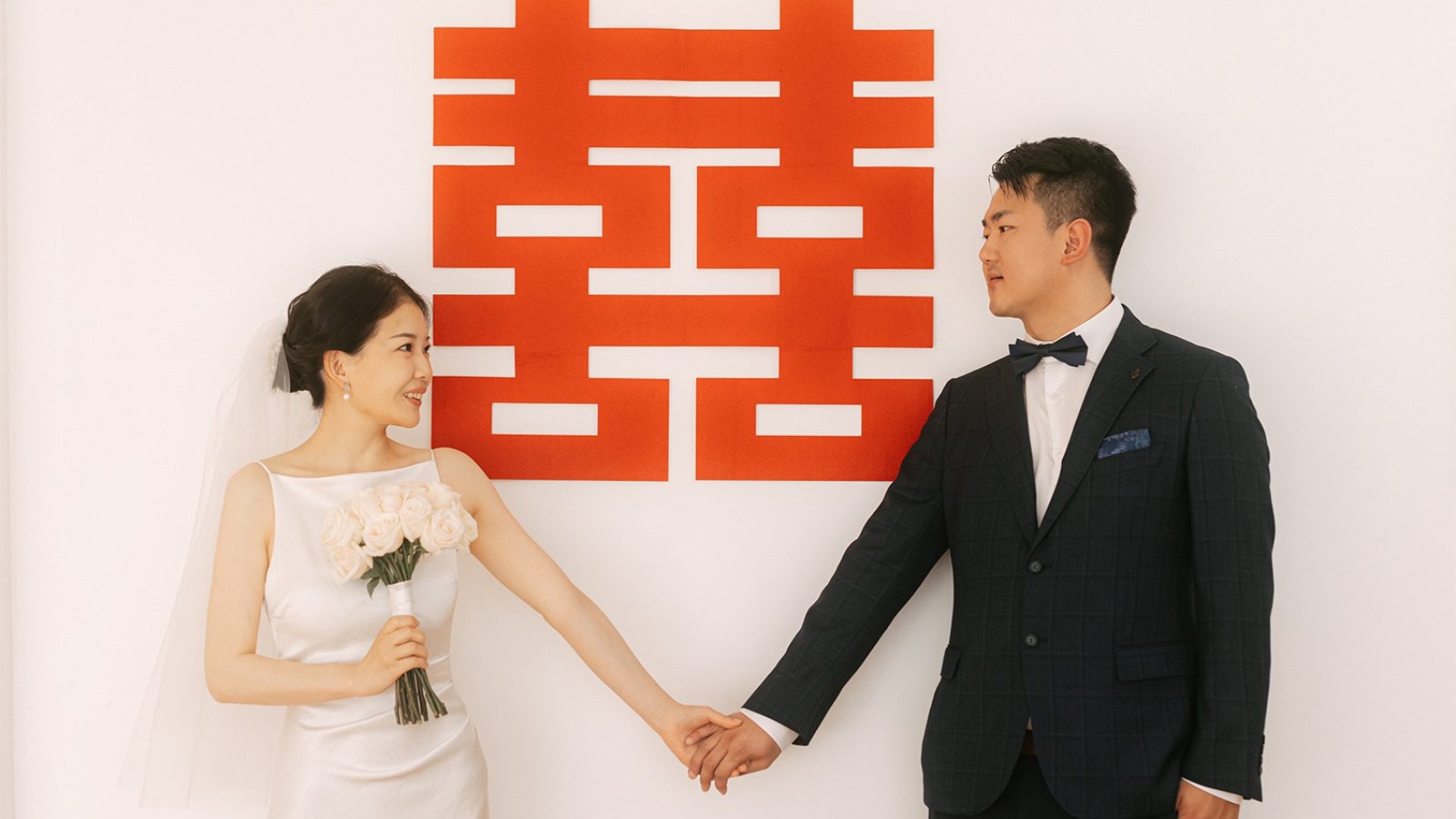
IMG_8239

Notes on repairing flaws in Melbourne wedding photography

Key Considerations for Retouching Imperfections in Melbourne Wedding Photography

Melbourne’s unpredictable weather, diverse landscapes, and dynamic lighting conditions can introduce challenges during wedding shoots. From sudden rain showers to wind-tossed hair, these imperfections are natural but may require careful retouching to ensure the final images meet the couple’s expectations. Here’s how to address common flaws while maintaining authenticity.

wedding photography melbourne

Addressing Weather-Related Imperfections

Rain, Wind, and Unwanted Elements

Melbourne’s coastal areas and open fields are prone to sudden weather changes. Raindrops on lenses or clothing, wind-blown hair, or debris like leaves can distract from the focus. Use cloning tools to remove small spots or stray objects, but avoid over-editing—subtle imperfections often add character. For wind-tousled hair, gently reshape strands using the liquefy tool, keeping movements natural to avoid a stiff appearance.

Overcast Skies and Flat Lighting

Cloudy days can result in dull, low-contrast images. To enhance mood, adjust the tone curve to deepen shadows and brighten highlights slightly. Add warmth to skin tones to counteract the coolness of overcast light. If the sky lacks detail, consider replacing it with a stock image of a Melbourne skyline or cloud formation, ensuring perspective and lighting match the original shot.

Harsh Sunlight and Glare

Bright midday sun in Melbourne’s parks or beaches can create harsh shadows and blown-out highlights. Use the brush tool to dodge (lighten) underexposed areas like faces and burn (darken) overexposed spots on dresses or backgrounds. For glare on glasses or reflective surfaces, reduce brightness and adjust hue to blend seamlessly with the surrounding environment.

Fixing Common Technical Flaws

Lens Flares and Chromatic Aberration

Lens flares, while artistic in moderation, can overpower portraits. Use the healing brush to remove distracting flares, keeping a few subtle ones for creative effect. Chromatic aberration—color fringing around high-contrast edges—can be corrected by adjusting the defringe slider in post-processing software. Zoom in to inspect details like veil edges or architectural lines to ensure crispness.

Sensor Dust and Spot Removal

Dust on the camera sensor appears as small dark spots, especially noticeable in clear skies or solid-color backgrounds. Use the spot removal tool to clone nearby pixels over these marks. For large areas, switch to manual cloning for better control. Always check images at 100% zoom to catch every speck, as these flaws are easier to fix during editing than reshooting.

Blurry Images Due to Movement

Camera shake or subject movement can blur shots, particularly in low light. Sharpening tools can help, but use them sparingly to avoid graininess. For minor blur, apply the unsharp mask filter with a low radius (1–2 pixels) and moderate amount (20–40%). If blur is severe, consider merging multiple exposures or using AI-based sharpening features, but prioritize natural-looking results over perfection.

Retouching Human-Related Imperfections

Skin Blemishes and Redness

Acne, scars, or temporary blemishes are common concerns for couples. Use the spot healing brush to remove small flaws, then switch to the clone stamp for larger areas. For redness (e.g., sunburn or rosacea), adjust the hue/saturation panel to desaturate reds and oranges slightly. Always zoom in to ensure edits blend seamlessly—over-smoothed skin can look plastic and unrealistic.

Stray Hairs and Flyaways

Wind or static can leave hair sticking out in awkward directions. Use the clone stamp or healing brush to remove individual strands, working in short strokes for precision. For larger sections, the liquefy tool can gently push hair back into place. Avoid removing too many strands, as natural hair texture adds authenticity. If the bride’s hairstyle is complex, focus on fixing only the most distracting elements.

Wardrobe Malfunctions and Wrinkles

Dresses or suits may wrinkle during movement or sitting. Use the clone stamp to smooth minor creases, but preserve natural folds to maintain fabric texture. For visible undergarments or wardrobe gaps, clone nearby fabric over the issue area. If a strap falls out of place, consider repositioning it digitally—but only if reshooting isn’t an option. Always prioritize the couple’s comfort and consent before editing clothing.

Maintaining Authenticity While Retouching

Balancing Perfection and Realism

The goal of retouching is to enhance, not erase, the couple’s story. Avoid removing elements that define the moment, like a child’s laughter lines or a groom’s nervous smile. Focus on distractions (e.g., a photobomber or a trash can) rather than personal features. When in doubt, ask the couple which flaws they’d like addressed—some may embrace their “imperfections” as part of their unique day.

Consistency Across Album Images

Ensure retouching styles match throughout the album. If you soften skin in one portrait, apply the same adjustments to others. For group shots, check that lighting and color tones are uniform, especially if photos were taken at different times or locations. Use presets or batch editing to streamline the process, but review each image individually to catch nuances.

Preserving Background Details

Melbourne’s iconic landmarks (e.g., the Yarra River or Flinders Street Station) add context to wedding photos. When retouching, avoid cloning over these features unless necessary. If a background element is distracting (e.g., a construction sign), replace it with a cleaner version of the same scene or a subtle blur. Always maintain the integrity of the location to honor the couple’s chosen backdrop.

By approaching retouching with patience and a focus on storytelling, your Melbourne wedding photos will strike the perfect balance between flawless beauty and genuine emotion.

IMG_0126

Post-production color tone selection for wedding photography in Melbourne

Selecting the Perfect Color Tones for Melbourne Wedding Photography Post-Processing

Melbourne’s diverse landscapes—from urban cityscapes to coastal vistas—offer endless inspiration for wedding photography. The right color tones in post-processing can elevate these images, transforming them into timeless art. Whether aiming for romantic warmth, moody drama, or vibrant energy, here’s how to choose tones that reflect your unique style.

wedding photography melbourne

Understanding Melbourne’s Natural Light and Environments

Coastal and Beach-Inspired Tones

Melbourne’s beaches, like St Kilda or Brighton, provide a blend of soft sand, turquoise waters, and golden sunsets. For photos shot here, consider tones that mimic the ocean’s cool blues and greens. Adjust whites to a slight cyan tint to enhance water reflections, while warming skin tones to balance the chill. This creates a serene, dreamy effect perfect for intimate beach ceremonies.

Urban and Industrial Aesthetics

City weddings in Melbourne’s laneways or docklands call for bolder, contrasting tones. Embrace the gritty textures of brick walls, graffiti, or steel structures by deepening shadows and boosting midtones. Add a hint of teal or orange to split-toning highlights and shadows, creating a cinematic look. This approach suits couples seeking a modern, edgy vibe in their album.

Rural and Nature-Driven Palettes

For weddings in the Yarra Valley or Dandenong Ranges, earthy, organic tones work best. Think muted greens, warm browns, and soft yellows to reflect lush foliage and golden hour light. Lower saturation slightly to avoid overpowering natural colors, and use a matte finish for a vintage feel. This palette evokes calmness and connection to nature, ideal for outdoor celebrations.

Popular Color Grading Styles for Wedding Albums

Timeless and Romantic Warmth

Classic wedding photos often feature warm, golden tones that evoke nostalgia. Start by raising the temperature slider to add a sunset-like glow, then enhance reds and oranges in skin tones for a healthy, radiant look. Subtle vignetting draws focus to the couple, while softening edges creates a dreamy atmosphere. This style suits traditional venues like gardens or historic buildings.

Moody and Dramatic Contrasts

For couples wanting a bold, artistic edge, moody tones emphasize depth and emotion. Crush blacks to create rich shadows, and desaturate greens and blues to keep the focus on the subjects. Add a cool blue or purple tint to highlights for a cinematic feel. This approach works well for nighttime shots or indoor venues with dramatic lighting, like lofts or warehouses.

Vibrant and Playful Brightness

If the couple’s personality is lively and fun, vibrant tones can capture that energy. Boost saturation slightly to make colors pop, but avoid oversharpening to maintain a natural look. Use pastel shades for softer moments (like candid laughs) and bolder hues for group shots or dance floor scenes. This style suits outdoor receptions or festivals-themed weddings.

Adjusting Tones for Different Times of Day

Golden Hour Magic

Melbourne’s golden hour casts a warm, flattering light perfect for portraits. In post-processing, enhance this by slightly increasing yellow and orange tones in highlights. Keep shadows cool with a hint of blue to balance the warmth. Avoid overexposing skin, as golden hour light is already soft. This tone works best for engagement sessions or outdoor ceremonies.

Blue Hour Serenity

The brief period after sunset, known as blue hour, offers a cool, ethereal glow. Embrace this by lowering the temperature to deepen blues and purples in the sky. Add a touch of magenta to skin tones to prevent them from looking washed out. Use long exposures to capture light trails from cars or city lights, creating a dynamic backdrop.

Overcast Day Softness

Cloudy skies can create diffused, even lighting—ideal for avoiding harsh shadows. To enhance this, warm up the overall image slightly to counteract the coolness of overcast light. Boost midtones to add depth without darkening shadows too much. This tone suits emotional, intimate moments, like vows or first looks, where softness is key.

Fine-Tuning Tones for Emotional Impact

Enhancing Skin Tones Naturally

Skin tone consistency is crucial for flattering portraits. Use the HSL (Hue, Saturation, Lightness) panel to adjust oranges and reds separately. Reduce saturation in overly bright areas (like cheeks) and increase lightness in shadows for a balanced look. For darker skin tones, warm up highlights and cool down shadows to add dimension without losing detail.

Creating Depth with Shadow and Highlight Control

Shadows add mystery, while highlights bring clarity. For dramatic images, deepen shadows by lowering their brightness and adding a cool tint. For airy, romantic shots, lift shadows slightly and warm them up. Adjust highlights to avoid blowouts—pull them down in bright areas like dresses or sky, then add a warm glow to retain a natural feel.

Using Split Toning for Creative Effects

Split toning applies different colors to highlights and shadows, adding complexity to images. For a vintage look, use sepia tones in shadows and soft yellow in highlights. For a modern twist, try teal shadows with orange highlights (a popular cinematic combination). Keep tones subtle—overdoing it can make photos look artificial.

By tailoring color tones to Melbourne’s unique environments, lighting conditions, and emotional moments, your wedding photos will tell a story that feels authentic and unforgettable. Experiment with these techniques to find a style that resonates with the couple’s vision.

wedding photography melbourne

The starry sky scene for wedding photography in Melbourne has been realized

Capturing Starry Night Skies in Melbourne Wedding Photography

Melbourne’s clear nights and minimal light pollution make it an ideal destination for couples dreaming of starlit wedding portraits. From coastal vistas to secluded parks, the city offers diverse locations to photograph under the cosmos. Here’s how to plan and execute breathtaking-inspired wedding photos.

wedding photography melbourne

Choosing the Perfect Location for Stargazing Shots

Remote Areas with Minimal Light Pollution

To capture sharp, vibrant stars, avoid urban centers. Head to spots like the Mornington Peninsula or the Dandenong Ranges, where skies remain dark and unobstructed. Coastal areas like Point Nepean National Park combine starry vistas with the soft glow of the ocean, creating a romantic ambiance. Always check local regulations to ensure photography is permitted after dark.

Natural Landmarks as Backdrops

Incorporate Melbourne’s landscapes into your starry scenes. Use rocky cliffs, sandy beaches, or dense forests to frame couples against the night sky. For example, shoot from elevated viewpoints like Arthur’s Seat to include both the horizon and constellations. Timing is key—arrive during new moon phases when skies are darkest, and avoid full moons, which can overpower stars.

Weather and Seasonal Considerations

Clear, cloudless nights are essential for astrophotography. Monitor weather forecasts and plan sessions during dry spells. Winter months often offer crisper air and fewer clouds, but dress couples warmly in layers. Summer nights are milder but may have more humidity, which can blur stars. Spring and autumn strike a balance, with mild temperatures and moderate star visibility.

Essential Gear and Camera Settings for Night Sky Photography

Lenses and Tripods for Stability

A wide-angle lens (14–24mm) captures expansive skies and landscapes in a single frame. Fast apertures (f/2.8 or lower) let in more light, making stars appear brighter. A sturdy tripod is non-negotiable—even slight movements blur long exposures. Use a remote shutter release or your camera’s timer to avoid shaking hands during shots.

Camera Settings for Crisp Starry Images

Set your camera to manual mode for full control. Start with an ISO of 1600–3200 to balance brightness and noise. Use a shutter speed of 15–25 seconds to capture star trails without overexposing the scene. Adjust aperture to the widest setting your lens allows (e.g., f/2.8). Shoot in RAW format to retain detail for post-processing adjustments.

Focus Techniques in the Dark

Achieving sharp focus at night is tricky. Use live view mode to zoom in on a bright star or distant light source, then manually adjust focus until the light appears crisp. Alternatively, shine a flashlight on a nearby object (like a rock or tree) to focus, then switch to manual focus to lock it in. Test shots are vital—review images on-screen to ensure stars aren’t blurry.

Creative Composition and Posing Under the Stars

Incorporating the Milky Way or Constellations

Research star maps or use apps like Stellarium to locate the Milky Way or prominent constellations (like Orion or the Southern Cross). Position couples so these celestial features frame them—for example, have them stand beneath the arc of the Milky Way. Use headlamps with red light mode to navigate without disrupting night vision.

Silhouettes and Light Painting for Drama

Silhouette couples against the starry sky for striking contrast. Position them facing away from the camera, with stars illuminating their outlines. For added creativity, use light painting—wave a flashlight or colored gel behind them during long exposures to create ethereal glows. Keep movements slow to avoid overexposure.

Dynamic Poses and Movement

Static poses can feel stiff under the vast night sky. Encourage couples to interact naturally—hold hands while walking, share a quiet moment, or gaze upward at the stars. Use slower shutter speeds (20–30 seconds) to capture subtle motion, like a flowing dress or gentle swaying. For sharper facial details, ask them to freeze momentarily while you shoot.

Overcoming Challenges in Nighttime Wedding Photography

Managing Limited Visibility

Navigating dark locations requires preparation. Bring multiple light sources: a headlamp for hands-free movement, a flashlight for focusing, and glow sticks or LED wands to mark paths. Avoid shining lights directly at couples during shots—use diffused light or bounce it off surfaces to soften illumination.

Keeping Couples Comfortable

Night shoots can be chilly, even in summer. Provide blankets, shawls, or heated vests to keep couples warm. Schedule breaks for hot drinks or snacks to maintain energy levels. If shooting in remote areas, ensure transportation is arranged to avoid long walks in the dark.

Post-Processing for Starry Perfection

Edit photos to enhance the night sky’s beauty. Adjust contrast to deepen blacks and make stars pop. Reduce noise in high-ISO shots using software tools, but preserve grain for a natural look. Tweak white balance to correct color casts from artificial lights (e.g., warm tones from nearby towns). Use cloning tools to remove any stray light pollution or unwanted objects.

By combining strategic planning, technical precision, and creative storytelling, your Melbourne wedding photos will shine as brightly as the stars above. Collaborate with your photographer to turn cosmic dreams into timeless memories.

71251 sp-223

Melbourne wedding photography night scene shooting tips

Melbourne Wedding Photography: Mastering Nighttime Shooting Techniques

Melbourne’s cityscape transforms after dark, offering a magical canvas for wedding photography. From twinkling lights to dramatic skylines, nighttime shots add romance and sophistication to your album. Here’s how to capture stunning wedding portraits under the stars.

wedding photography melbourne

Leveraging Melbourne’s Urban Lightscapes

Iconic Locations for Nighttime Drama

Melbourne’s landmarks shine brightest at night, creating dramatic backdrops. The Yarra River reflects city lights, perfect for silhouettes or reflections. Flinders Street Station’s historic architecture and neon signs add vintage charm, while Southbank’s modern buildings offer sleek, contemporary contrasts. Explore laneways like Hosier Lane, where street art glows under ambient lighting, for artistic portraits.

Working with Artificial Light Sources

Streetlights, building facades, and neon signs provide natural light trails and bokeh effects. Position couples near these sources to highlight their faces while blurring backgrounds. For softer illumination, use window light from cafes or bars—ask venues to keep interior lights warm and dim. Avoid harsh overhead lights, which create unflattering shadows.

Timing Your Session

Golden Hour’s evening counterpart, “blue hour,” occurs shortly after sunset when the sky turns deep indigo. This brief window offers balanced lighting for outdoor shots. Schedule sessions 30 minutes after sunset to capture this ethereal glow. Later in the night, experiment with long exposures for creative effects like starbursts or light trails from passing trams.

Camera Settings and Gear Essentials

Mastering Low-Light Exposure

Use a wide aperture (f/1.8–f/2.8) to let in more light and create a shallow depth of field. Adjust ISO settings carefully—higher values brighten images but introduce grain; aim for ISO 800–1600 for clean results. Shutter speeds should stay above 1/125th of a second to avoid motion blur, especially when capturing movement like dancing or walking.

Stabilization Techniques

A sturdy tripod is essential for long exposures and sharp focus. If handholding, brace yourself against walls or railings to minimize shake. Enable image stabilization (if your lens supports it) and use burst mode to capture multiple shots, increasing the chance of a crisp image. For dynamic poses, ask couples to freeze momentarily while you shoot.

Balancing Flash and Ambient Light

Avoid harsh on-camera flash, which flattens features and washes out backgrounds. Instead, use off-camera flash or continuous LED lights positioned at 45-degree angles to mimic natural light. Diffuse the light with softboxes or umbrellas for a gentle glow. Sync flash with slower shutter speeds (1/30th–1/60th) to blend artificial light with ambient sources.

Creative Composition and Posing

Embracing Negative Space

Urban nights offer vast, empty spaces like bridges, waterfronts, or rooftops. Use these areas to frame couples, emphasizing their connection against the city’s scale. For example, position them in the lower third of the frame, with the skyline stretching above. Negative space creates mood and draws attention to subtle gestures like interlocked hands or shared glances.

Incorporating Movement and Reflections

Capture motion to add energy to nighttime shots. Ask couples to walk slowly, twirl, or dance—use slower shutter speeds (1/60th–1/125th) to blur movement slightly while keeping faces sharp. Seek reflective surfaces like puddles, glass buildings, or the Yarra River to duplicate light patterns and create symmetry. Tilt your camera for diagonal compositions that feel dynamic.

Playing with Silhouettes and Shadows

Silhouettes are powerful tools for nighttime storytelling. Position couples against bright light sources (e.g., neon signs, streetlights) and expose for the background, rendering them as dark shapes. Focus on body language—a raised hand, a leaned-in whisper—to convey emotion. For softer shadows, use fill light from a smartphone or LED panel to gently illuminate faces without overpowering the scene.

Overcoming Nighttime Challenges

Managing Crowded Locations

Popular spots like Federation Square or Docklands can get busy after dark. Arrive early to claim prime positions and avoid photographing strangers in the background. Use longer lenses (85mm–135mm) to compress perspective and isolate couples from distractions. If crowds are unavoidable, embrace them creatively—have couples interact with passersby for candid, lively shots.

Adapting to Weather Conditions

Rain adds drama to nighttime photos, creating reflective surfaces and glistening textures. Use umbrellas as props or shoot through rain-streaked windows for artistic effects. If wind picks up, secure dresses and veils to prevent them from blowing awkwardly. For cold nights, schedule shorter sessions and provide blankets or shawls to keep couples comfortable.

Post-Processing for Nighttime Magic

Edit photos to enhance mood without overdoing it. Adjust contrast to deepen shadows and brighten highlights, making lights pop. Reduce noise in high-ISO shots using software tools, but preserve grain for a film-like aesthetic. Tweak white balance to correct color casts from artificial lighting—cool tones suit moonlit scenes, while warm hues complement neon-lit portraits.

By mastering lighting, composition, and technical adjustments, your Melbourne wedding nighttime photos will radiate romance and sophistication. Collaborate with your photographer to experiment with these techniques, turning the city’s nightlife into a backdrop for your love story.

71251 sp-191

Arrangement for family photo shoot during wedding dress photography in Melbourne

Melbourne Wedding Photography: Organizing Unforgettable Family Portraits

Your wedding day is a milestone that brings generations together, and family portraits are a cherished way to document these bonds. In Melbourne, with its blend of urban charm and natural beauty, creating meaningful family photos requires thoughtful planning. Here’s how to ensure your family shots are both elegant and authentic.

wedding photography melbourne

Selecting Locations That Reflect Your Story

Urban Elegance vs. Natural Serenity

Melbourne offers diverse backdrops for family portraits. For a sophisticated urban feel, consider historic venues like Government House or modern rooftop bars with skyline views. These settings suit families who appreciate clean lines and architectural details. Alternatively, parks such as Treasury Gardens or St Kilda Botanic Gardens provide lush greenery and a relaxed atmosphere, ideal for larger groups or families with young children.

Logistical Considerations

Choose locations that accommodate everyone comfortably. Ensure there’s enough space for group arrangements and seating for elderly relatives. If shooting outdoors, check weather forecasts and have a backup plan for rain. For indoor venues, confirm lighting conditions—natural light is best, but soft artificial lighting can work if needed.

Incorporating Personal Touches

Select a spot with sentimental value, like the park where you had your first date or a café your family frequents. This adds depth to your photos and sparks genuine emotions. If your family has cultural traditions, discuss how to weave them into the session—whether through attire, props, or poses.

Timing and Scheduling Strategies

Prioritizing Key Groups

Start by listing must-have family combinations: immediate family, grandparents, siblings, etc. Schedule these shots early in the day when everyone is fresh and energy levels are high. Keep sessions brief—10–15 minutes per group—to avoid fatigue. Assign a family member or wedding coordinator to help gather people and keep things organized.

Balancing Formal and Candid Shots

Formal portraits are essential, but candid moments often steal the show. After structured shots, encourage families to interact naturally—grandparents sharing a laugh, cousins playing together, or parents adjusting your veil. Photographers should capture these unscripted interactions from a distance to maintain authenticity.

Post-Ceremony Flexibility

If time allows, schedule a second round of family photos after the ceremony. By then, everyone is relaxed, and the formalities are over, leading to more spontaneous images. This is also a great opportunity to include extended family or friends who arrived later.

Posing and Group Dynamics

Creating Flattering Arrangements

Vary heights and positions to add visual interest. Place taller family members at the back or sides, with shorter members in front. Use props like chairs or benches to create layers—for example, have grandparents sit while others stand behind them. Avoid lining everyone up in a single row, which can look stiff. Instead, opt for staggered formations or casual clusters.

Encouraging Natural Interactions

Direct families to engage with each other rather than the camera. Suggest prompts like “Share a memory” or “Give each other a hug” to spark genuine smiles. For large groups, divide them into smaller subgroups (e.g., siblings, parents) for more intimate shots. Photographers should capture both wide-angle group shots and close-ups of individual expressions.

Handling Special Circumstances

If some family members have mobility issues, choose flat, accessible locations and provide seating. For young children, schedule shots during their peak alertness (usually mornings) and bring toys or snacks to keep them occupied. If cultural customs require specific poses or attire, communicate these to your photographer in advance.

Capturing Generational Connections

Highlighting Elderly Relatives

Grandparents often play a central role in family portraits. Give them prominent positions in shots and ensure they’re comfortable. Simple poses, like holding hands or sharing a smile, convey warmth without strain. Close-up shots of hands (e.g., a grandparent’s hand on your arm) add emotional depth.

Including Multiple Generations

Photos featuring four or five generations are priceless. Use props like heirlooms (a family Bible, antique jewelry) or activities (lighting candles, planting a tree) to symbolize unity. Keep these shots simple and focused on facial expressions to avoid distractions.

Documenting Cultural Traditions

If your family follows specific wedding customs (e.g., tea ceremonies, traditional dances), incorporate them into your portrait session. These rituals add cultural richness and tell a deeper story. Work with your photographer to plan these moments carefully, ensuring lighting and composition highlight their significance.

By planning thoughtfully and embracing spontaneity, your Melbourne wedding family portraits will become treasured keepsakes that celebrate love, heritage, and connection. Collaborate closely with your photographer to translate your vision into images that resonate for generations.

71251 sp-207

Melbourne wedding photography tips for bestie group photos

Melbourne Wedding Photography: Tips for Capturing Stunning Bridesmaid Group Shots

Your wedding day is a celebration of love, and your bridesmaids are there to share every joyful moment. Capturing meaningful group photos with your closest friends requires planning, creativity, and a focus on natural interactions. Here’s how to ensure your Melbourne wedding album includes unforgettable bridesmaid portraits.

wedding photography melbourne

Choosing the Right Locations

Leveraging Melbourne’s Iconic Backdrops

Melbourne offers a mix of urban and natural settings perfect for bridesmaid photos. For a modern vibe, consider rooftop venues with city skyline views or street art-lined lanes in neighborhoods like Hosier Lane. If you prefer a softer, romantic feel, parks such as Carlton Gardens or the Royal Botanic Gardens provide lush greenery and timeless charm. Coordinate with your photographer to scout locations that match your wedding’s aesthetic and allow enough space for group shots.

Time of Day Matters

Lighting can make or break a photo. Early mornings or late afternoons, known as the golden hour, offer soft, warm tones that flatter all skin types. Avoid midday sun, which creates harsh shadows and squinting expressions. If shooting indoors, choose venues with large windows or natural light sources. For evening ceremonies, discuss artificial lighting options with your photographer to ensure clarity without sacrificing ambiance.

Posing and Composition

Natural Poses Over Stiff Arrangements

Forced smiles and rigid poses feel outdated. Instead, encourage your bridesmaids to interact authentically. Try activities like walking hand-in-hand, sharing a laugh, or adjusting each other’s dresses or bouquets. Photographers can capture these moments from different angles—low shots for drama or overhead views for creativity. Mix full-group shots with smaller clusters to add variety to your album.

Playing with Height and Depth

Varying heights create visual interest. Ask taller bridesmaids to stand slightly behind or kneel in front, while shorter members take center positions. Use props like stairs, benches, or natural elements (rocks, logs) to add layers. Avoid lining everyone up in a single row, which can look flat. Instead, opt for staggered formations that guide the eye through the image.

Incorporating Movement

Static photos are lovely, but movement adds energy. Try twirling dresses, tossing bouquets, or dancing in unison. Photographers can use slow shutter speeds to blur motion slightly, creating a dreamy effect. For a playful twist, have bridesmaids jump or wave at the camera—just ensure the timing is coordinated to avoid blurry faces.

Wardrobe and Styling Coordination

Complementary Over Matching

Gone are the days of identical dresses. Instead, choose a color palette or theme that allows each bridesmaid to express her style. For example, if your wedding colors are blush and gold, bridesmaids could wear varying shades of pink or metallic accessories. Ensure fabrics and textures harmonize—avoid mixing heavy materials like velvet with lightweight chiffon, which can clash in photos.

Accessories and Details

Small touches elevate group shots. Consider coordinating hairstyles (e.g., all updos or loose waves) or adding统一 (unified) elements like matching jewelry, clutch bags, or shoes. If your bridesmaids have different dress styles, use accessories to tie the look together, such as identical floral corsages or sashes.

Practical Considerations

Comfort is key. Avoid overly tight or restrictive clothing that limits movement. Test outfits in advance to ensure bridesmaids can sit, dance, and pose without adjusting constantly. Bring backup items like bobby pins, safety pins, and stain removers to handle last-minute fixes.

Capturing Candid Emotions

The Power of Unscripted Moments

Some of the most memorable photos happen spontaneously. Encourage your bridesmaids to relax and be themselves. Photographers should stay alert to fleeting expressions—a shared joke, a tear of joy, or a reassuring hug. These images often feel more genuine than posed shots and tell a richer story of your friendship.

Group Dynamics and Chemistry

Every friendship group has its own rhythm. Some bridesmaids might be outgoing, while others are quieter. A skilled photographer will balance these personalities, ensuring everyone feels included. Group activities like writing messages on a chalkboard or holding signs with inside jokes can break the ice and create lighthearted photos.

Post-Ceremony Relaxation

After the formalities, bridesmaids often feel more at ease. Schedule a short post-ceremony session to capture candid interactions, like helping the bride change shoes or sharing a toast. These relaxed moments often yield the most heartfelt images.

By focusing on location, posing, styling, and authenticity, you’ll create bridesmaid photos that reflect the joy and connection of your wedding day. Collaborate closely with your photographer to translate your vision into timeless images you’ll treasure forever.

71251 sp-230

Pet Accompaniment Process for Wedding Dress Photography in Melbourne

Melbourne Wedding Photography with Pets: A Comprehensive Guide

Bringing your furry companion to your wedding day adds a layer of warmth and personality to your photos. Melbourne’s diverse venues and pet-friendly culture make it an ideal location for capturing these special moments. Here’s how to navigate the process seamlessly.

wedding photography melbourne

Pre-Wedding Preparation

Selecting a Pet-Inclusive Photographer

Not all photographers welcome pets, so prioritize those with experience in animal-assisted shoots. Look for portfolios featuring pets in wedding settings to assess their ability to handle spontaneous moments. During initial consultations, discuss your pet’s role—whether they’ll participate in formal portraits, walk down the aisle, or simply be present during candid shots. Clarify logistics like breaks, treats, and safety measures to ensure your pet remains comfortable throughout the session.

Venue Coordination

Many Melbourne venues allow pets, but restrictions may apply, especially in historic buildings or enclosed spaces. Contact your chosen location in advance to confirm their policy. For outdoor ceremonies in parks like Fitzroy Gardens or Royal Botanic Gardens, check if permits are required for commercial photography. If shooting in public areas, avoid peak hours to minimize distractions and ensure your pet’s safety.

Pet Grooming and Training

A clean, well-groomed pet photographs better. Schedule a bath or grooming session a day before the wedding. Basic training commands like “sit,” “stay,” and “come” are invaluable during shoots. If your pet is prone to anxiety, consider a calm collar or consult a vet about natural remedies. Pack a familiar toy or blanket to keep them relaxed on set.

On the Wedding Day

Timeline Integration

Incorporate your pet into the schedule strategically to avoid overwhelming them. For example, include them in morning preparations or a first-look session before the ceremony. Limit their involvement to 1–2 hours to prevent fatigue. Assign a trusted friend or family member to handle your pet during non-shooting periods, ensuring they have water, shade, and breaks as needed.

Capturing Candid Moments

Pets shine in unscripted interactions. Encourage playful moments, like the bride tossing a flower or the groom sharing a laugh with the dog. Photographers should use natural light whenever possible, positioning subjects in shaded areas to avoid harsh shadows. For indoor shots, choose venues with large windows or soft artificial lighting.

Formal Portraits with Pets

For structured portraits, keep sessions brief and upbeat. Use treats or toys to guide your pet’s attention toward the camera. If your pet struggles to sit still, opt for dynamic poses, such as walking hand-in-hand with your partner and your dog by your side. Photographers can also capture detail shots, like a paw resting on the bride’s dress or a ring placed beside a pet’s collar.

Post-Shoot Considerations

Image Selection and Editing

Review photos with your photographer to choose images that highlight your pet’s personality. Edits should maintain a natural look—avoid heavy filters that obscure fur textures or facial features. Consider creating a dedicated album or wall art featuring your pet to cherish these memories for years.

Pet Care After the Shoot

Reward your pet with praise, treats, and a quiet space to decompress. Monitor them for signs of stress, such as excessive panting or restlessness, and provide comfort as needed. If your pet wore a special accessory like a bowtie or floral collar, remove it gently to prevent irritation.

Legal and Ethical Reminders

Permits and Public Spaces

If shooting in public areas, respect local regulations. Some parks require permits for commercial photography, especially during peak seasons. Research rules in advance to avoid disruptions. Always clean up after your pet and keep them on a leash unless in designated off-leash zones.

Inclusivity and Safety

Ensure your pet’s presence doesn’t inconvenience guests or vendors. Provide clear instructions to handlers about boundaries, such as keeping pets away from food stations or delicate decorations. If your pet has a history of aggression, reconsider their role or hire a professional trainer to assist.

By planning thoughtfully and collaborating closely with your photographer, you can create a wedding album that celebrates love in all its forms—including the unconditional bond with your pet.

IMG_6417

Personalized elements of wedding photography are integrated into Melbourne.

Incorporating Personalized Elements into Melbourne Wedding Photography

Wedding photography in Melbourne thrives when it reflects the unique story, style, and personality of each couple. Beyond generic poses and predictable settings, personalized elements elevate images into timeless keepsakes. Here’s how to infuse your Melbourne wedding photos with authenticity and meaning.

wedding photography melbourne

Reflecting Your Relationship’s Story

Choosing Locations with Sentimental Value

Select venues that hold significance in your journey together. A first-date café, a park where you shared a picnic, or a street where you walked hand-in-hand can add emotional depth. For example, if you met at a Melbourne art gallery, incorporate its architecture or sculptures into your shoot. A photographer familiar with the city’s hidden gems can suggest spots like the Royal Botanic Gardens or the Yarra River’s serene banks for romantic backdrops.

Incorporating Shared Hobbies or Passions

Turn your interests into visual storytelling tools. If you both love music, include instruments like guitars or vinyl records in your photos. For book lovers, stack vintage novels or capture a quiet moment reading together. A couple who enjoys hiking might pose against Melbourne’s skyline from a lookout point, blending urban and natural elements. These details make your album feel uniquely yours.

Infusing Cultural or Family Traditions

Celebrating Heritage Through Attire or Rituals

Cultural symbols—whether through clothing, jewelry, or ceremonies—add layers of meaning. A bride might wear a family heirloom necklace, or a groom could incorporate traditional patterns into his suit. If your heritage involves specific rituals, like lighting candles or exchanging symbolic gifts, document these moments authentically. A photographer skilled in capturing candid emotions will ensure these traditions shine without feeling staged.

Blending Multiple Cultural Backgrounds

For multicultural couples, merging traditions creates a rich narrative. Combine elements like a fusion ceremony setup or a portrait session featuring attire from both cultures. For instance, a couple with Indian and Australian roots might pose in front of Melbourne’s Federation Square, wearing a sari and a tailored suit, with vibrant flowers or spices as props. This approach celebrates diversity while creating visually striking images.

Adding Creative Touches Through Props and Styling

Using Meaningful Objects as Props

Props don’t have to be elaborate—small, personal items can tell a story. A framed ultrasound photo for expecting parents, a love letter, or a map marking your travels together can serve as focal points. For a playful twist, use quirky items like vintage cameras, balloons, or even pets. A photographer with an eye for detail will arrange these elements naturally, ensuring they enhance rather than overwhelm the scene.

Experimenting with Styling and Themes

Themes tied to your personalities can guide your shoot’s aesthetic. A couple who loves vintage charm might opt for retro outfits and a location like a historic Melbourne pub. For a modern, minimalist vibe, choose clean lines, neutral tones, and urban settings like street art lanes. Even weather can inspire a theme—a rainy-day shoot with transparent umbrellas or a sunset session with golden-hour lighting adds drama and mood.

Capturing Candid Moments That Define You

Letting Your Personalities Shine

The best photos happen when couples forget the camera exists. Encourage interactions that feel genuine, like sharing a joke, stealing a kiss, or dancing to your favorite song. A photographer who prioritizes candid shots will capture these fleeting moments, turning them into heartfelt memories. For example, a couple who loves board games might pose mid-laugh over a Scrabble match, their joy radiating through the lens.

Documenting Unplanned Surprises

Embrace the unexpected—a sudden gust of wind, a passing street performer, or a spontaneous group hug can create magical photos. Stay open to improvisation during your shoot. If a friend crashes your portrait session with a silly prop or a vendor offers an impromptu dance, roll with it. These unscripted moments often become the most cherished images in your album.

Personalizing Your Photo Display and Sharing

Curating a Narrative-Driven Album

Instead of organizing photos chronologically, arrange them to tell your story. Start with your proposal, move through shared milestones, and end with your wedding day. Include captions or quotes that explain the significance of each image. For example, a photo of you both laughing during speeches could be paired with a line from your vows. This approach transforms your album into a visual love letter.

Sharing Your Story Online

When posting photos on social media or wedding websites, add context to engage viewers. Write short anecdotes about the locations, traditions, or props featured in your shoot. Use hashtags like #MelbourneWedding or #PersonalizedLoveStory to reach couples seeking inspiration. A photographer who understands storytelling can help craft captions that highlight the emotional resonance of each image.

By weaving personalized elements into every aspect of your Melbourne wedding photography—from location choices to candid interactions—you’ll create a collection of images that feels authentically, unforgettably yours. These details don’t just decorate your photos; they anchor them in the love, laughter, and unique bond you share.

z&d-sp-0040

Key Points for Communication and Cooperation in Melbourne Wedding Photography Sessions

Essential Communication and Coordination Tips for Melbourne Wedding Photography

Capturing timeless moments during a wedding in Melbourne requires more than technical skill—it hinges on seamless communication and coordination between couples, photographers, and vendors. From navigating unpredictable weather to ensuring natural poses, here’s how to foster collaboration for stunning results.

wedding photography melbourne

Building Trust Through Clear Communication

Pre-Shoot Consultations: Setting Expectations

Start with a detailed discussion about your vision, preferred styles, and must-have shots. Share inspiration boards or examples of lighting and compositions you admire. For instance, if you want golden-hour portraits, specify timelines to align with the sun’s position. Discuss logistical details like venue access, parking, and backup plans for rain or wind. A photographer experienced in Melbourne’s climate will recommend covered walkways or indoor alternatives if strong winds are forecast.

Real-Time Adjustments During the Shoot

Flexibility is key. If a sudden downpour disrupts outdoor plans, pivot to a nearby café or stylish building with natural light. Use weather apps to monitor conditions 48 hours in advance and adjust schedules accordingly. For example, scheduling the bride’s preparation photos an hour earlier can avoid midday harsh shadows. Keep communication lines open—if you feel awkward in a pose, speak up. A skilled photographer will guide you into flattering angles while maintaining a relaxed vibe.

Timing and Preparation: The Foundation of Success

Streamlining the Getting-Ready Phase

For brides, allocate 1.5–2 hours for preparation photos. Ensure all bridesmaids finish makeup before the photographer arrives to avoid delays. Encourage matching robes or pajamas for cohesive “behind-the-scenes” shots. For grooms, 45–60 minutes suffices—focus on accessories like cufflinks or watches for 5–10 minutes, then capture candid moments with groomsmen. A 35mm or 50mm prime lens works wonders for softening backgrounds and creating bokeh effects.

Leveraging Natural Light

Melbourne’s unpredictable weather demands adaptability. For outdoor ceremonies, aim for late afternoon when the sun is lower, casting a warm glow. If shooting indoors, use fully drawn curtains for high-key romantic lighting or partially closed ones for moody portraits. Pro tip: Place a large mirror strategically to reflect light and add depth to shots.

Capturing Authentic Moments: Beyond Posed Photos

Encouraging Candid Interactions

The best wedding photos often happen when couples forget the camera exists. Create a relaxed environment by playing music, sharing a drink, or reminiscing about your relationship. A photographer who specializes in candid shots will subtly direct you into natural poses—like holding hands or linking arms—while capturing genuine smiles. For group photos, use props like vintage signs or personalized items to tell your story.

Documenting Details That Matter

Small elements elevate your album. Ask the photographer to focus on rings, bouquets, table settings, or venue architecture. These shots add context and emotion, turning a collection of images into a narrative. For example, a close-up of the bride’s shoes peeking out from under her dress can symbolize readiness for the day ahead.

Weather-Proofing Your Shoot

Rain: Embrace the Drama

Don’t let rain dampen spirits—it can add magic to photos. Work with your photographer to find sheltered spots with interesting textures, like mossy walls or glass atriums. Use clear umbrellas as props or capture reflections in puddles. A pro tip: Pack wet wipes, tissues, and a compact mirror for quick touch-ups.

Wind: Staying Poised

Strong gusts can wreak havoc on hair and dresses. Opt for updos or pinned hairstyles and avoid flowy skirts if high winds are expected. Use double-sided tape to secure veils or lapels. If shooting outdoors, position the couple facing away from the wind to prevent flyaways.

Post-Shoot Follow-Up: Nurturing Relationships

Staying Connected After the Big Day

A photographer’s job doesn’t end with the last click. Send a heartfelt thank-you note or holiday greeting to maintain rapport. Share sneak peeks of edited photos to keep excitement alive and ask for feedback to improve future shoots. This builds trust and encourages referrals—a win-win for both parties.

Delivering on Promises

Set clear timelines for photo delivery and stick to them. If delays occur, communicate proactively and offer updates. Transparency fosters patience and understanding, ensuring couples remain enthusiastic about their final gallery.

By prioritizing communication, preparation, and adaptability, you’ll transform your Melbourne wedding photos into a cherished visual legacy. Remember: the goal isn’t just to document the day but to capture the love, joy, and authenticity that make it unforgettable.