z&d-sp-0029

Long-lasting makeup tips for wedding photography in Melbourne

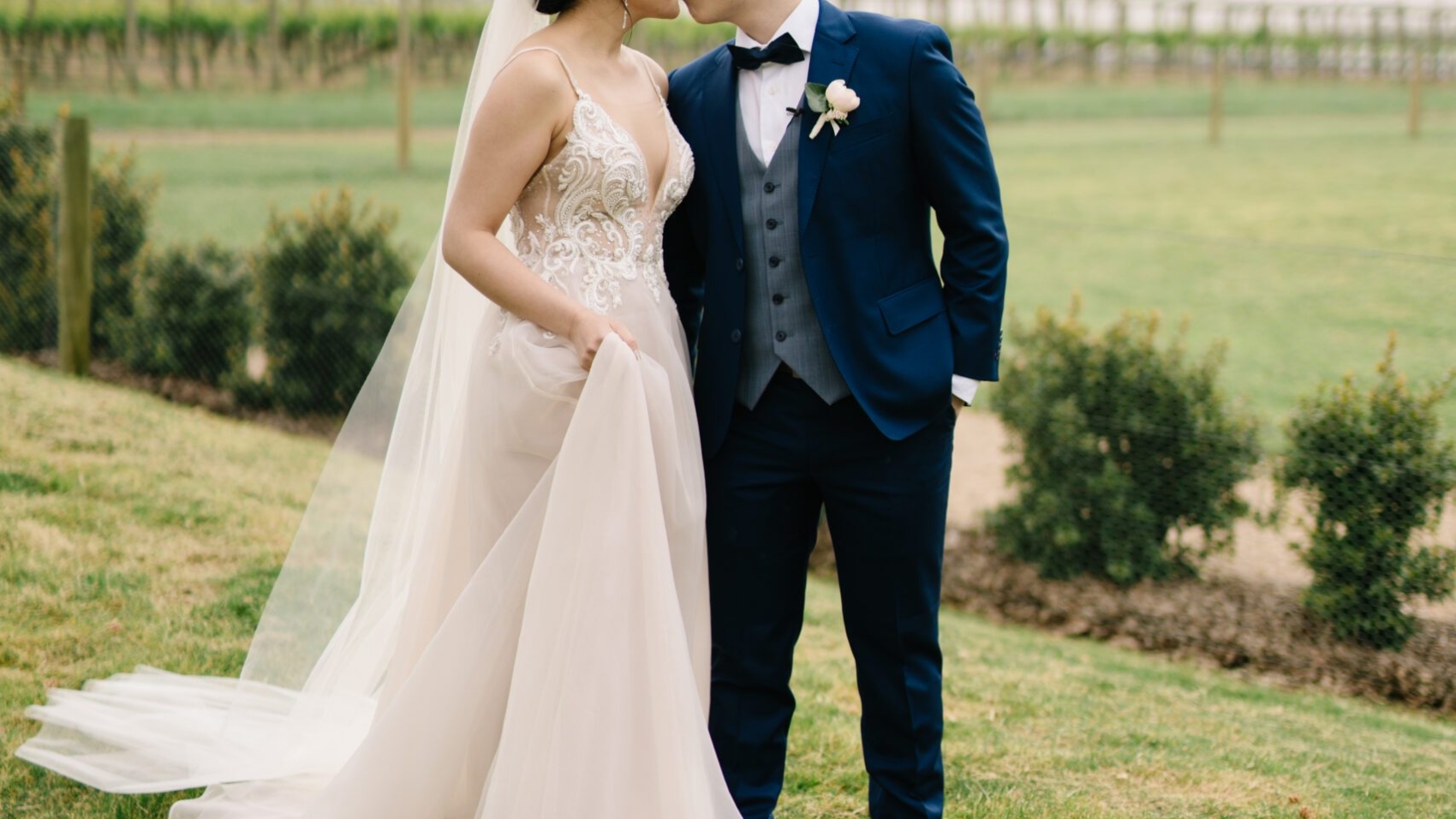
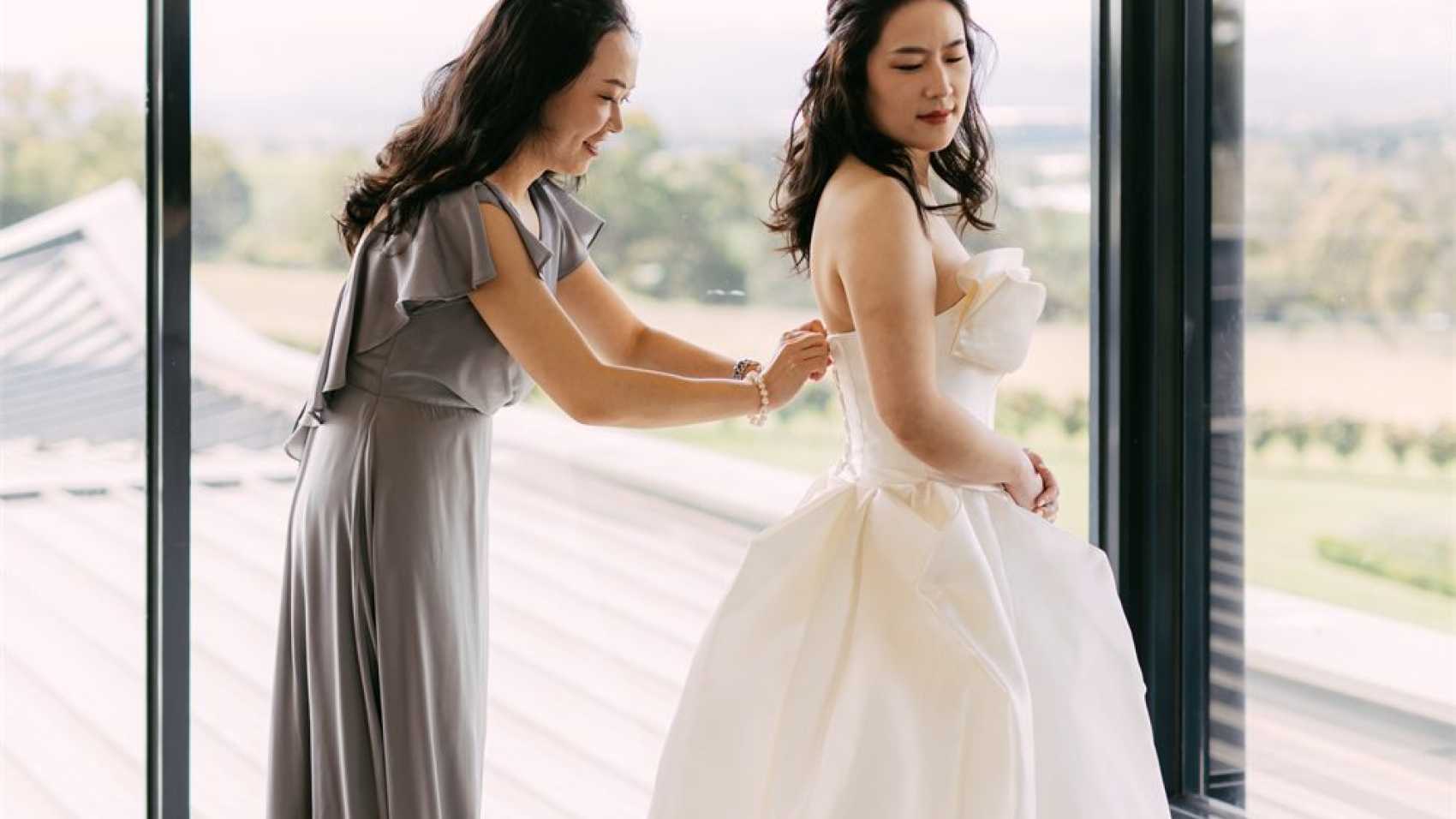
Long-Lasting Wedding Makeup Tips for Melbourne Bridal Photography

Melbourne’s unpredictable weather—from sunny mornings to windy afternoons and humid evenings—poses unique challenges for bridal makeup during photography sessions. To ensure your look stays flawless from the first shot to the last, focus on skincare prep, product selection, and touch-up strategies tailored to the city’s climate.
wedding photography melbourne

Prepping Your Skin for All-Day Endurance

The foundation of long-lasting makeup starts with healthy, hydrated skin. Melbourne’s variable weather can strip moisture or trigger oiliness, so a tailored skincare routine is essential.

Cleansing and Exfoliating Gently

Begin with a mild, pH-balanced cleanser to remove impurities without stripping natural oils. Exfoliate 1-2 times weekly with a chemical exfoliant (like glycolic or lactic acid) to smooth texture and prevent foundation from clinging to dry patches. Avoid physical scrubs, which can create micro-tears and lead to uneven makeup application.

Hydrating Without Overloading

Use a lightweight, oil-free moisturizer to lock in hydration. For dry skin, opt for a gel-cream formula that absorbs quickly without leaving a greasy residue. If you’re prone to oiliness, apply a mattifying primer after moisturizing to control shine. Let each product fully absorb before moving to the next step—this prevents pilling and ensures a smooth canvas.

Sun Protection as a Base Layer

Melbourne’s UV rays can weaken makeup and cause premature fading. Apply a broad-spectrum SPF 30+ sunscreen as the final step in your skincare routine. Choose a non-comedogenic formula to avoid clogging pores, and wait 5-10 minutes before applying makeup to let the sunscreen set.

Choosing Makeup Products Built for Longevity

Not all makeup formulas are created equal. For bridal photography in Melbourne, prioritize products labeled “long-wear,” “waterproof,” or “transfer-resistant.”

Foundation and Concealer That Stay Put

Opt for a matte or satin-finish foundation with medium-to-full coverage. These formulas resist humidity and oil better than dewy finishes, which can melt or transfer. Use a damp beauty sponge to blend foundation evenly, pressing it into the skin rather than wiping. For under-eye concealer, choose a creamy, hydrating formula to avoid creasing, and set it with a fine, loose powder.

Eye Makeup That Withstands Wind and Tears

Melbourne’s breezy conditions can cause eyeshadow fallout or smudging. Start with an eyeshadow primer to create a tacky base that holds pigment in place. Use cream shadows as a base, then layer powder shadows on top for intensity. Waterproof mascara and eyeliner are non-negotiable—they’ll stay intact through tears, sweat, or sudden rain showers. For added security, apply a thin layer of translucent powder under the lower lash line to catch any stray pigment.

Lip Color That Lasts Through Kisses and Coffee

Matte liquid lipsticks offer the longest wear, but they can feel drying. Balance comfort and longevity by applying a lip liner all over the lips as a base, then topping it with a hydrating tinted lip balm or a lightweight lip stain. Blot with a tissue and dust a tiny amount of translucent powder over the lips to lock in color. Avoid glossy finishes, which transfer easily and fade quickly.

Touch-Up Strategies for On-the-Go Perfection

Even with the best products, touch-ups are inevitable. Pack a compact kit with essentials to stay photo-ready throughout the day.

Blotting Papers Over Powder

Instead of layering powder, which can look cakey, use blotting papers to absorb excess oil. Press them gently onto oily areas (like the T-zone) without rubbing, which can disturb makeup. Follow up with a light dusting of translucent powder only if needed.

Refreshing Eye Makeup Discreetly

Carry a cotton swab dipped in micellar water to clean up smudges or fallout around the eyes. For quick touch-ups, use a pencil eyeliner to redefine the lash line or a cream shadow stick to brighten the lid. Avoid reapplying mascara mid-shoot—it can clump and look unnatural. Instead, curl lashes again to lift them.

Fixing Lip Color Without Starting Over

If your lip color fades unevenly, use a lip brush to reapply a thin layer of product, focusing on the center of the lips. Blend outward for a natural gradient. For a more polished look, line the lips with a matching pencil before reapplying color.

Adapting to Melbourne’s Microclimates

Different parts of Melbourne experience varying weather patterns. Adjust your approach based on your shooting location.

Coastal Shoots: Humidity and Salt Air

If your session is near the beach, humidity can cause makeup to melt. Use a mattifying primer and setting spray to create a barrier against moisture. Avoid heavy, emollient products and opt for lightweight, oil-free formulas. After applying makeup, mist your face with a hydrating setting spray to lock everything in place.

Urban Shoots: Pollution and Heat

In the city center, pollution and heat can clog pores and make skin look dull. Double-cleanse at the end of the day to remove impurities, but during the shoot, use blotting papers and a mineral-based setting powder to combat shine. Carry a facial mist with soothing ingredients like aloe or rose water to refresh skin between locations.

Garden Shoots: Wind and Pollen

Outdoor garden venues often mean windy conditions and pollen in the air. Secure loose hairs with a non-greasy hairspray to keep them out of your face, and avoid powdery products that can cling to pollen. Use a cream blush and highlighter instead of powder formulas, and seal your makeup with a long-wear setting spray to prevent it from lifting in the wind.

Final Tips for Flawless Bridal Makeup

  • Do a trial run: Test your makeup in similar weather conditions to your wedding day to see how it holds up.
  • Stay hydrated: Drink plenty of water to keep skin plump and reduce the appearance of fine lines.
  • Pack smart: Use a clear, compact makeup bag for easy access to touch-up tools during the shoot.

By focusing on skincare prep, choosing long-wearing products, and mastering touch-up techniques, you can ensure your bridal makeup looks fresh and flawless throughout your Melbourne photography session—no matter what the weather throws your way.
DSC01016

Safe distance for shooting the steam train in Melbourne

Melbourne Steam Train Photography: Maintaining Safe Distances for Safety and Compliance

Melbourne’s historic steam trains, such as those operated by the Puffing Billy Railway or heritage tour lines, offer a nostalgic backdrop for photographers and enthusiasts. However, capturing these moving machines requires strict adherence to safety protocols, particularly regarding proximity to the train and tracks. Understanding the risks and rules ensures your shoot remains incident-free while producing stunning results.

wedding photography melbourne

Understanding the Risks of Close Proximity

Steam trains, despite their vintage charm, are powerful industrial machines. Getting too close can lead to serious injuries or even fatalities. Factors like sudden movements, flying debris, and high-pressure steam systems make maintaining distance critical.

The Danger of Moving Parts

Steam engines feature rotating wheels, connecting rods, and pistons that move at high speeds. Even a small object caught in these mechanisms can cause catastrophic failure. Photographers who lean too close to the train’s undercarriage or side panels risk being struck by moving parts or losing equipment in the machinery.

Steam and Heat Hazards

Steam trains emit scalding hot steam and water from vents, valves, and whistles. Standing within 3 meters (10 feet) of these outlets can result in severe burns. Additionally, the engine’s boiler and firebox generate intense heat, creating a radiant hazard zone that extends several meters outward.

Track-Related Dangers

Trains cannot stop quickly, even at low speeds. A steam locomotive traveling at 20 km/h (12 mph) may require over 50 meters (160 feet) to come to a complete halt. Photographers who position themselves too close to the tracks risk being hit if the train derails, swerves, or approaches unexpectedly.

Recommended Safe Distances for Different Scenarios

While exact distances vary depending on the train’s size and speed, general guidelines can help you stay safe during your shoot.

Stationary Trains: Minimum 2 Meters (6.5 Feet)

When a steam train is parked at a station or siding, maintain at least 2 meters of clearance from the engine’s body. This distance protects you from accidental contact with hot surfaces, moving parts, or sudden steam releases. Avoid climbing onto the train or leaning through windows, as this may violate safety policies.

Moving Trains: Minimum 10 Meters (33 Feet) from Tracks

For shots of a train in motion, stay at least 10 meters away from the nearest rail. This buffer accounts for the train’s width (including overhanging components like pantographs or exhaust stacks) and reduces the risk of being hit by debris kicked up by the wheels. If the train is traveling at high speed, increase this distance to 15 meters (50 feet) or more.

Dynamic Shots: Use Telephoto Lenses

Instead of risking proximity for a close-up, invest in a telephoto lens (e.g., a 70-200mm zoom) to capture detailed shots from a safe distance. This approach also minimizes disruption to the train’s operation, as staff are less likely to intervene if you’re clearly positioned away from the tracks.

Adhering to Operator Guidelines and Local Laws

Steam train operators in Melbourne often enforce their own safety rules, which may exceed general recommendations. Always check with the railway company before your shoot.

Reviewing Operator Policies

Contact the railway’s safety officer or visit their website to review specific guidelines for photographers. Some operators prohibit all photography near moving trains, while others designate safe viewing areas or require permits for commercial shoots. For example, Puffing Billy Railway mandates that photographers stay behind yellow safety lines at stations and avoid crossing tracks unless authorized.

Respecting No-Go Zones

Many steam train routes pass through private property or protected areas. Even if the tracks appear accessible, trespassing can lead to fines or legal action. Stick to public viewing platforms, designated photo spots, or areas where the operator has granted explicit permission.

Following Staff Instructions

Railway employees are trained to prioritize safety. If a conductor or guard asks you to move back, comply immediately—even if you believe you’re at a safe distance. Their instructions may account for factors you haven’t considered, such as upcoming curves or signal changes.

Preparing for Unpredictable Situations

Steam trains, like all machinery, can behave unexpectedly. Being prepared for emergencies ensures you can react quickly to protect yourself and your equipment.

Anticipating Sudden Movements

A stationary train may start moving without warning, especially at stations where engines are switched or tested. Always assume a train could move at any moment and position yourself accordingly. Avoid sitting or placing gear on the tracks, even if the train appears idle.

Protecting Gear from Steam and Debris

Steam trains often release clouds of vapor or cinders, especially when accelerating or braking. Use lens hoods and protective filters to shield your camera from heat damage or scratching. Carry a microfiber cloth to wipe away soot or moisture between shots.

Staying Alert for Audible Warnings

Steam trains use whistles to signal departures, approach crossings, or alert nearby personnel. Familiarize yourself with these sounds before your shoot. If you hear a whistle, double-check your distance from the train and tracks—it may indicate the train is about to move.

Final Tips for a Safe and Successful Steam Train Shoot

  • Arrive early: Scout locations in advance to identify safe vantage points and avoid last-minute risks.
  • Wear visible clothing: Bright colors or reflective vests make you easier for staff to spot in busy areas.
  • Bring a buddy: A second person can help watch for trains, manage gear, and call for help if needed.

By prioritizing safety over dramatic angles, you can capture the beauty of Melbourne’s steam trains without compromising your well-being. Whether you’re photographing a heritage tour or a scenic route through the Dandenong Ranges, respecting distances and operator rules ensures your shoot is both memorable and responsible.

DSC00796

Avoid infringement when shooting on Melbourne’s graffiti street

Melbourne Graffiti Lane Photography: Avoiding Copyright Infringement and Legal Risks

Melbourne’s iconic graffiti lanes, such as Hosier Lane and Union Lane, attract photographers and couples worldwide with their vibrant street art. However, capturing these dynamic backdrops requires careful navigation of copyright laws and ethical considerations. Understanding how to respect artists’ rights while creating stunning images ensures your shoot remains legal and respectful.

wedding photography melbourne

Understanding Copyright Ownership in Street Art

Street art in Melbourne is protected under Australian copyright law, which grants artists exclusive rights to reproduce, display, and adapt their work. Even if a mural is painted on a public wall, the artist retains ownership unless they explicitly waive their rights.

Identifying Copyrighted Works

Not all graffiti is free to use. Professional murals commissioned by businesses or local councils often come with strict usage terms. Look for signs or plaques near the artwork indicating sponsorship or artist credits—these are clues that the piece is copyrighted. Conversely, amateur tags or simple designs may fall into a legal gray area but should still be approached cautiously.

Recognizing Creative Commons and Public Domain Art

Some artists license their work under Creative Commons (CC) agreements, allowing limited use for non-commercial purposes. If a mural displays a CC logo or a statement like “This work is licensed under CC BY-NC-ND,” you may photograph it for personal use but cannot modify or sell the images without permission. Public domain art (rare in Melbourne’s graffiti lanes) is free to use but requires verification of its status.

Seeking Permission Before Shooting

When in doubt, obtaining consent from the artist or property owner is the safest approach. This step demonstrates respect and avoids potential legal disputes.

Locating and Contacting Artists

Many street artists in Melbourne maintain social media profiles or websites where they share their portfolio. If a mural includes a signature or tag, search for the artist online and send a polite inquiry requesting permission to use their work in your photos. Include details like the shoot date, location, and intended use (e.g., personal wedding album, social media sharing).

Working With Property Owners

Even if an artist has painted on a public wall, the building’s owner may have rules about commercial photography. For example, a café with a mural on its exterior might allow customers to take photos but prohibit professional shoots without a fee. Always ask for written permission from the property owner to avoid trespassing claims.

Ethical Considerations Beyond Legal Compliance

Respecting street art goes beyond avoiding copyright infringement—it involves honoring the cultural and artistic value of these works.

Avoiding Alteration or Damage

Never modify a mural for your shoot, whether by adding props, covering parts of it, or digitally editing it later. Such actions distort the artist’s original vision and may violate their moral rights under Australian law. Additionally, ensure your team doesn’t accidentally damage the artwork by leaning on walls, spilling liquids, or leaving trash behind.

Giving Credit Where It’s Due

If you share photos online, tag the artist or mention their name in the caption (if known). This small gesture acknowledges their contribution and helps promote their work. For commercial projects, consider offering the artist a copy of the final images or a small fee as a token of appreciation.

Navigating Gray Areas: Unattributed or Anonymous Art

Some graffiti in Melbourne’s lanes lacks clear attribution, making it difficult to trace the artist. While this doesn’t automatically mean the work is free to use, there are steps you can take to minimize risks.

Documenting Your Research

If you cannot identify the artist, keep detailed records of your efforts to locate them. Take screenshots of search results, save emails to local art organizations, or note conversations with property owners. This documentation may prove useful if a copyright claim arises later.

Limiting Commercial Use

If you plan to use the photos for commercial purposes (e.g., selling prints, advertising a business), avoid unattributed art altogether. Stick to murals with clear CC licenses or works you’ve personally obtained permission for. For personal projects like wedding albums, the risks are lower but still present—proceed with caution.

Final Tips for a Hassle-Free Graffiti Lane Shoot

  • Scout locations in advance: Visit the lane before the shoot to assess the art and identify potential copyright issues.
  • Bring alternative backdrops: Have a backup plan (e.g., a plain wall or textured door) in case a mural is off-limits.
  • Respect “no photography” signs: Some artists or property owners may post explicit bans—honor these requests.

By prioritizing legal compliance and ethical practices, you can capture the magic of Melbourne’s graffiti lanes without compromising your integrity or risking legal action. Whether you’re photographing a couple’s first dance or a solo portrait, treating street art with respect ensures your images tell a story that honors both the subjects and the artists behind the backdrop.