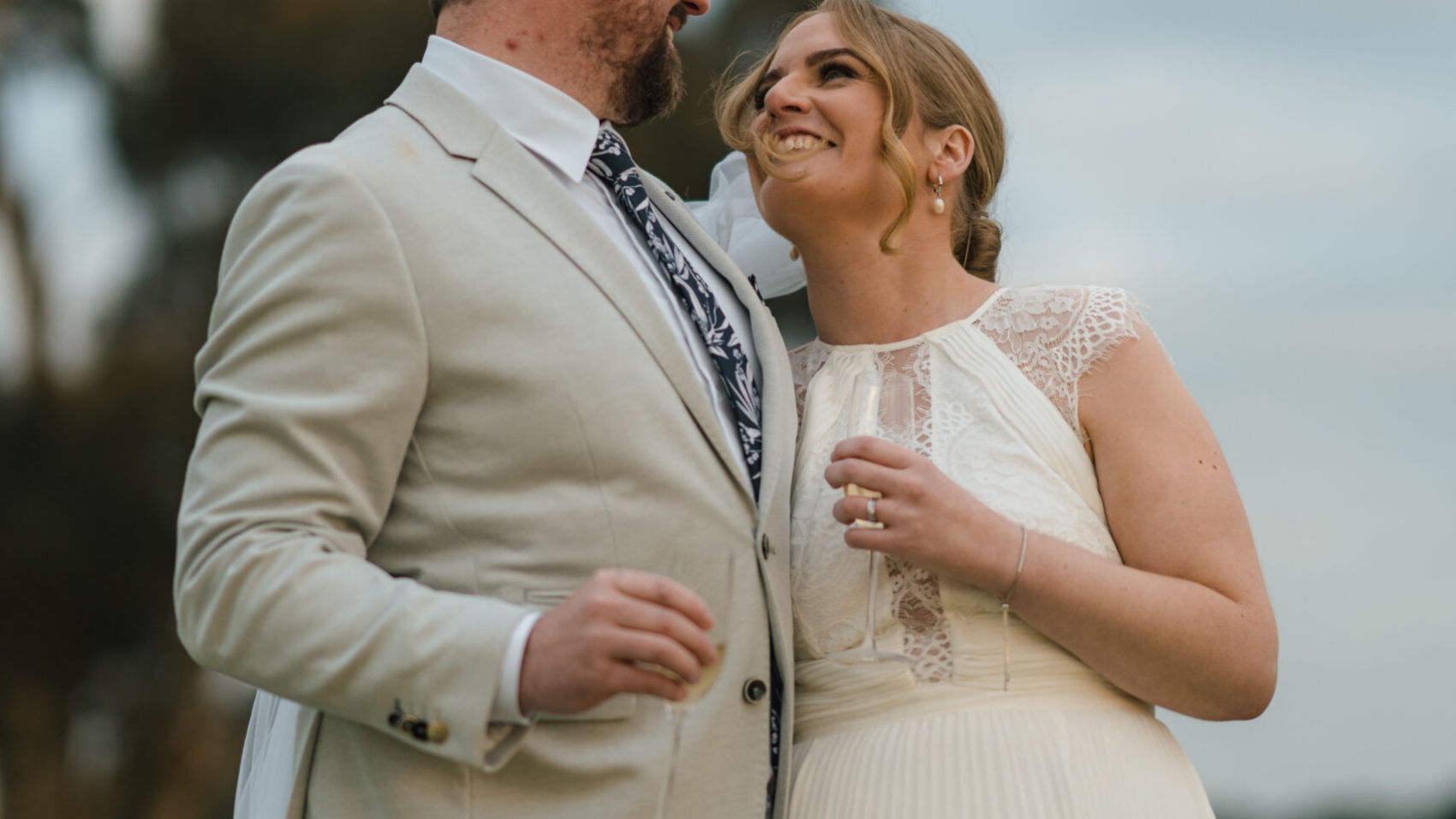
DSC03869

Preparations for weather inquiry and backup plans for wedding photography in Melbourne

Weather Contingency Planning for Melbourne Wedding Photography

Melbourne’s reputation for “four seasons in one day” demands flexible planning for wedding photography. Sudden rain, wind, or extreme temperatures can disrupt outdoor shoots, but with the right backup strategies, couples can ensure their photos remain stunning regardless of the weather. Below are actionable steps to prepare for unpredictable conditions.
wedding photography melbourne

Monitoring Melbourne’s Dynamic Weather Patterns

Utilizing Reliable Forecasting Tools
Start checking weather forecasts 7–10 days before your wedding date, focusing on platforms that offer hourly updates. Melbourne’s Bureau of Meteorology (BOM) provides detailed reports on precipitation chances, wind speeds, and temperature fluctuations. Pay attention to morning forecasts, as conditions can shift rapidly by afternoon. For coastal shoots near St Kilda or Brighton, check tide times and wave heights if beach photography is planned.

Identifying High-Risk Weather Windows
Certain times of year in Melbourne are more prone to instability. Late autumn and early spring often bring unpredictable showers, while summer can feature sudden thunderstorms. If your wedding falls during these periods, assume rain is possible and prioritize backup venues. Winter weddings may face colder temperatures, requiring plans for indoor warmth between outdoor shots.

Setting Alert Thresholds for Decisions
Define clear criteria for when to activate your backup plan. For example, if there’s a 60% chance of rain two days before the shoot, begin moving indoor setups. If wind speeds exceed 30 km/h, avoid open locations like the Royal Botanic Gardens, where flying hair or dresses could ruin photos. Communicate these thresholds with your photographer and wedding planner to ensure quick adjustments.

Indoor Venue Alternatives for Rain or Extreme Heat

Scouting Nearby Covered Locations
Research indoor venues within a 15-minute drive of your original outdoor site. Historic buildings like the Royal Exhibition Building or modern spaces in the Melbourne CBD offer architectural backdrops that mimic outdoor elegance. For intimate shoots, consider cafes with large windows for natural light or art galleries with neutral walls. Ensure these venues allow photography and have enough space for your group.

Adapting Styling for Indoor Lighting
Indoor settings often have softer, diffused light compared to outdoor sunlight. Adjust your makeup and clothing choices accordingly—matte finishes work better under artificial lighting, while glossy lips or shimmering fabrics may appear overly reflective. If shooting near windows, position yourself to avoid harsh shadows. Bring portable reflectors or diffusers to balance light if the venue’s fixtures are too dim or bright.

Creating a Seamless Transition Plan
Develop a timeline that accounts for moving between indoor and outdoor locations. For example, start with indoor portraits if rain is expected in the morning, then reassess for outdoor shots later if skies clear. Share this plan with your photographer, hair and makeup team, and wedding party to minimize confusion. Label backup locations on your itinerary and assign someone to monitor weather updates during the shoot.

Protective Gear and Clothing Adjustments for Inclement Weather

Waterproofing Essentials for Rain
If rain is likely, pack clear umbrellas for the couple and wedding party. Choose ones with a matte finish to avoid glare in photos. For the bride, consider a waterproof hairspray to tame frizz and keep updos intact. Have microfiber towels on hand to dry off quickly between shots. If the ground is muddy, bring old shoes or boot covers to protect formal footwear during walks between locations.

Layering Strategies for Cold or Windy Conditions
Melbourne’s winter and spring days can turn chilly, especially near the coast. The groom might wear a thermal undershirt beneath his suit, while the bride could opt for a faux-fur stole or silk shawl. For windy shoots, secure veils with extra bobby pins and use texturizing spray to prevent hair from flying out of place. If temperatures drop unexpectedly, have hand warmers or blankets available during breaks.

Sun Protection for Bright, Sunny Days
On clear days, the Australian sun can be intense. The bride should apply broad-spectrum sunscreen to exposed skin (neck, shoulders) before makeup to avoid sunburn. Both partners can wear UV-protective sunglasses during transit between shots, removing them only for formal photos. For midday shoots, seek shaded areas like tree canopies in Fitzroy Gardens or under awnings in Degraves Street to reduce squinting and harsh shadows.

Communication and Flexibility During Weather Disruptions

Establishing a Clear Chain of Command
Designate one person (e.g., the wedding planner or best man) to monitor weather updates and relay decisions to the group. This avoids conflicting instructions and ensures everyone stays informed. Provide this contact with a list of backup venues, phone numbers, and a timeline for when to pivot plans. Use group messaging apps to share real-time updates without disrupting the shoot.

Building Buffer Time into the Schedule
Factor in extra time for weather-related delays, such as moving equipment indoors or drying off after rain. If your original shoot was planned for three hours, allocate four to accommodate pauses. This flexibility reduces stress and allows for creative adjustments—like using rain puddles for reflective shots or capturing candid moments under umbrellas.

Maintaining a Positive Attitude
Unpredictable weather can test patience, but embracing the conditions often leads to unique photos. Rain creates soft, romantic lighting, while wind adds movement to dresses and veils. Share inspiration photos with your photographer that showcase weather-related creativity, such as foggy morning shots in the Dandenong Ranges or golden-hour portraits in Carlton Gardens. A calm, adaptable mindset ensures the day remains enjoyable regardless of the forecast.

By preparing for Melbourne’s weather quirks, couples can turn potential disruptions into opportunities for memorable, one-of-a-kind wedding photos. Thoughtful planning and open communication with your team ensure your special day runs smoothly, no matter what the sky decides.
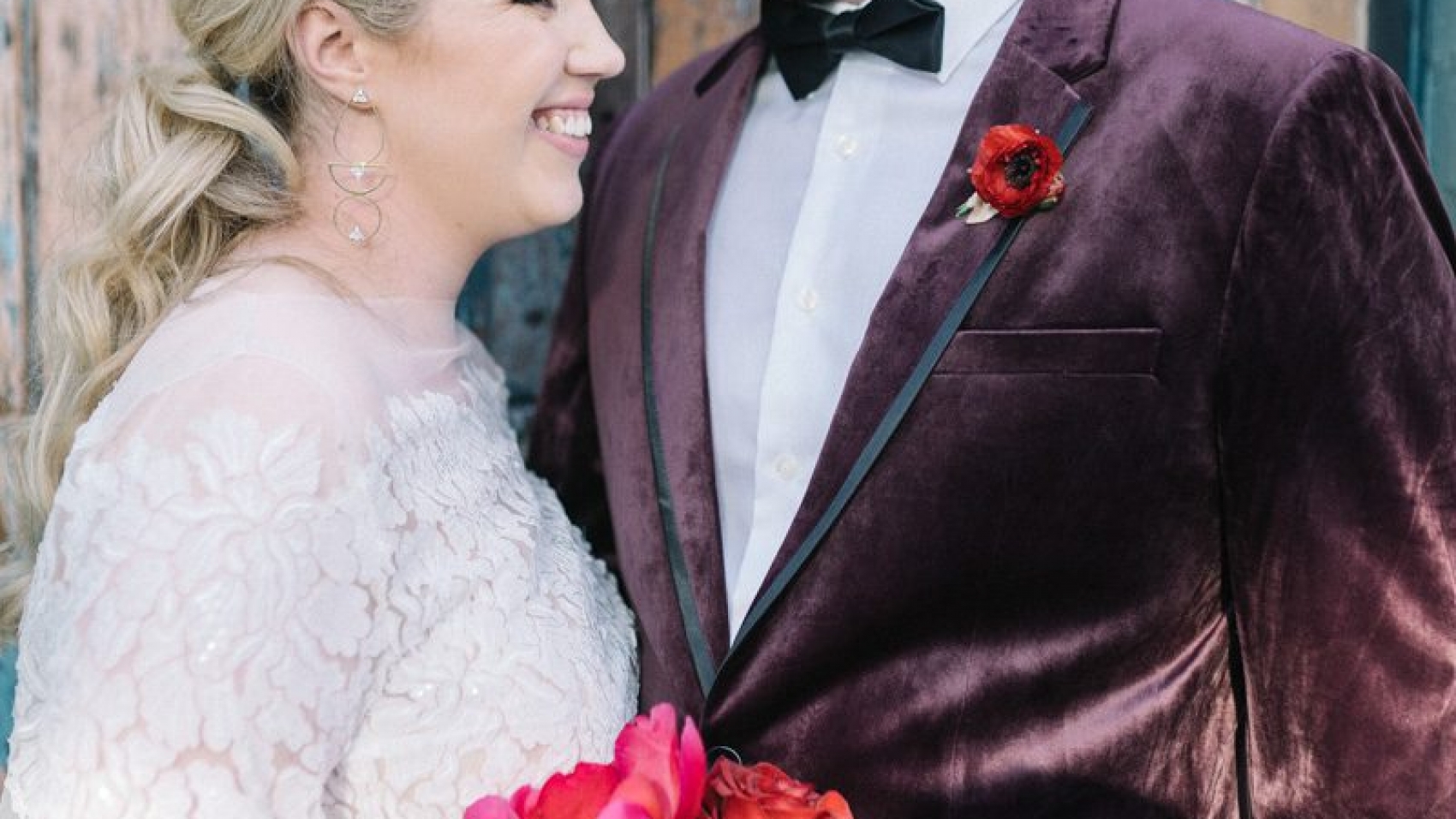
80900-WU-767

Preparations for pre-trimming hairstyles for newlyweds in Melbourne wedding photography

Pre-Wedding Hairstyle Preparation for Melbourne Couples

Your wedding hairstyle frames your face in photos and complements your overall look, making it essential to plan ahead. Melbourne’s diverse weather—from coastal winds to urban humidity—can affect how your hair behaves. Below are practical steps to ensure your hairstyle stays flawless throughout your wedding photography session.

wedding photography melbourne

Timing Your Haircut for Optimal Length and Texture

Balancing Growth and Shape
Schedule your final haircut 2–3 weeks before the wedding. This allows enough time for your hair to settle into its natural texture while maintaining a clean, polished shape. If you’re growing out layers or a fringe, consult your stylist to trim split ends without sacrificing length. For example, a blunt bob might need a slight softening at the ends to avoid a boxy appearance in photos.

Adjusting for Hair Type
Curly or wavy hair tends to shrink as it dries, so your stylist should cut it when damp to gauge the final length accurately. Straight hair, however, can be cut dry for precision. If you plan to wear extensions, ensure your natural hair is the same length as the extensions to avoid uneven layers. Discuss with your stylist how to blend layers seamlessly for a natural look.

Accounting for Weather-Related Changes
Melbourne’s humidity can cause frizz, while dry winds might lead to static. If you’re shooting outdoors at venues like St Kilda Beach or the Royal Botanic Gardens, ask your stylist to recommend a cut that minimizes these issues. A layered cut with lightweight products can reduce bulk in humid conditions, while a sleek, blunt style may fare better in dry weather.

Communicating with Your Stylist About Wedding Day Goals

Sharing Your Vision and Inspiration
Bring photos or mood boards to your stylist to illustrate the style you want—whether it’s a romantic updo, loose waves, or a vintage-inspired look. Explain how the hairstyle should complement your dress (e.g., a low bun for a high-necked gown or voluminous curls for a strapless design). If you’re unsure, ask your stylist to suggest options based on your face shape and hair texture.

Discussing Practicality for All-Day Wear
Your hairstyle must withstand hours of movement, dancing, and potentially multiple outfit changes. For example, an intricate braid might loosen over time, while a simple ponytail could shift during head turns. Work with your stylist to create a style that balances aesthetics and durability. Consider adding hidden bobby pins or texturizing spray for extra hold.

Addressing Hair Accessories and Veils
If you plan to wear a veil, headpiece, or hairpins, ensure your cut accommodates them. A veil might require a smooth base with no bumps, while a floral crown could benefit from textured layers. Practice wearing the accessories during your trial run to check for comfort and security. Your stylist can adjust the cut to prevent accessories from slipping or looking bulky.

Preparing Your Hair for Styling Success

Deep Conditioning Treatments
Start a weekly deep-conditioning routine 4–6 weeks before the wedding to strengthen and hydrate your hair. Look for products with ingredients like keratin or argan oil to repair damage from coloring or heat styling. Avoid overusing protein treatments, which can make hair brittle if applied too frequently. For coarse or curly hair, a leave-in conditioner can help define curls without weighing them down.

Color Touch-Ups and Tone Adjustments
If you’re coloring your hair, schedule your last appointment 1–2 weeks before the wedding. This allows time for the color to settle and any brassiness to fade. For highlights, ask your colorist to use a toner for a natural, sun-kissed effect. If you’re covering grays, ensure the root touch-up blends seamlessly with the rest of your hair. Bring a photo of your desired shade to avoid miscommunication.

Managing Hair Growth Between Appointments
If your hair grows quickly, discuss maintenance options with your stylist. For example, a dry shampoo can absorb oil at the roots between washes, while a root concealer spray can temporarily mask regrowth. Avoid drastic changes to your haircut or color close to the wedding date, as adjustments may not have time to settle. Stick to minor trims or gloss treatments for shine.

Testing Your Hairstyle in Real-World Conditions

Simulating Wedding Day Activities
Wear your trial hairstyle for a full day to see how it holds up during movement, humidity, and wind. Take a walk outdoors, dance in your living room, or mimic posing for photos. Note any areas that loosen or flatten, and share feedback with your stylist. For outdoor shoots in places like the Yarra Valley, test how your hair reacts to sunlight and breeze.

Adjusting for Hair Accessories
If your trial hairstyle includes accessories, practice removing and reattaching them to ensure they stay secure. A clip-on hairpiece might shift during hugs or kisses, while a comb veil could pull at delicate updos. Use bobby pins or hairspray to reinforce weak spots. For long hair, consider a low ponytail or braid to keep strands contained under a veil.

Photographing Your Trial Run
Take photos of your trial hairstyle from multiple angles (front, back, sides) to evaluate how it looks on camera. Check for flyaways, uneven sections, or visible pins. Natural light is best for assessing color and texture, so step outside or use a window. Share these photos with your stylist to refine the look before the wedding day.

By following these steps, Melbourne couples can ensure their hairstyles look polished and photograph beautifully, regardless of weather or activity. Thoughtful preparation allows you to focus on enjoying your day while your hair stays picture-perfect from the first shot to the last.

80900-WU-967

Food preparations for the day of a wedding photography shoot in Melbourne

Essential Diet Considerations for Melbourne Wedding Photography Shoot Days

A wedding photography shoot in Melbourne often spans hours, involving multiple locations and high-energy moments. Proper nutrition and hydration for the couple, wedding party, and crew are critical to maintaining stamina, mood, and focus. Below are practical strategies to ensure everyone stays energized and comfortable throughout the day.

wedding photography melbourne

Planning Hydration Strategies for All-Day Energy

Access to Clean Water Sources
Melbourne’s variable weather—from sunny coastal shoots to windy urban settings—can quickly lead to dehydration. Arrange for multiple water stations, especially if the shoot involves walking between venues like the Royal Botanic Gardens and Southbank. Use insulated bottles to keep water cool in summer or warm in winter. Encourage the couple to sip water regularly, even if they don’t feel thirsty, to avoid fatigue.

Electrolyte Balance for Physical Activity
If the shoot includes dynamic poses, dancing, or outdoor activities (e.g., a beach ceremony at Brighton), electrolytes help prevent cramps and dizziness. Pack coconut water or homemade electrolyte drinks (water mixed with a pinch of salt and a splash of citrus) as a natural alternative to commercial sports drinks. Avoid sugary beverages, which can cause energy crashes.

Hydration for Makeup Longevity
Dehydration can make skin appear dull or flaky, affecting makeup application. Advise the bride and groom to drink water before and during the shoot to maintain a fresh complexion. For the makeup artist, keep a hydrating facial mist on hand to refresh the couple’s skin between shots, especially in dry or windy conditions.

Selecting Nutrient-Dense Snacks for Sustained Energy

Balanced Macronutrient Combinations
Choose snacks that combine protein, healthy fats, and complex carbohydrates to stabilize blood sugar levels. Examples include:

  • Whole-grain crackers with hummus or avocado
  • Greek yogurt with berries and nuts
  • Sliced apple with almond butter
    These options provide slow-release energy, preventing mid-shoot slumps during transitions between venues like the Melbourne CBD and St Kilda Pier.

Portable and Mess-Free Options
Avoid greasy or crumbly foods that could stain outfits or require frequent touch-ups. Opt for pre-portioned snacks in reusable containers, such as trail mix, energy bars, or cut vegetables with dip. If the shoot includes a picnic-style setup, use biodegradable plates and napkins to align with eco-friendly values common in Melbourne’s wedding scene.

Allergy-Aware Choices for Guest Safety
Confirm dietary restrictions with the couple beforehand, especially if the wedding party includes guests with gluten intolerance, nut allergies, or vegan preferences. Label snacks clearly and keep separate containers for different dietary needs. For outdoor shoots in parks like Treasury Gardens, avoid foods that attract insects, such as open fruit or sugary treats.

Timing Meals to Avoid Disruptions

Pre-Shoot Breakfast for Fuel
Encourage the couple to eat a hearty breakfast 2–3 hours before the shoot starts. Focus on fiber-rich foods (e.g., oatmeal, whole-grain toast) and lean protein (e.g., eggs, tofu) to sustain energy without causing bloating. Avoid heavy or fried foods that may make them feel sluggish or uncomfortable in formal attire.

Mid-Shoot Breaks for Refueling
Schedule short breaks every 2–3 hours, especially during long shoots spanning multiple locations (e.g., a morning ceremony at the Melbourne Zoo followed by afternoon portraits at Carlton Gardens). Use these breaks to rehydrate and eat a light snack. If the timeline is tight, pack grab-and-go options like protein shakes or fruit cups.

Post-Shoot Recovery Meals
After the shoot, prioritize a balanced meal to replenish nutrients and aid muscle recovery. Include lean protein (e.g., grilled chicken, lentils), complex carbs (e.g., quinoa, sweet potatoes), and vegetables for vitamins and minerals. If the couple plans to celebrate with dinner at a Melbourne restaurant, suggest dishes that align with their dietary preferences and the day’s activity level.

Addressing Special Dietary Needs and Preferences

Cultural and Religious Considerations
Melbourne’s multicultural population means many weddings incorporate dietary traditions. For example, a Hindu ceremony may require vegetarian or lacto-vegetarian options, while a Jewish wedding might follow kosher guidelines. Work with the couple to ensure snacks and meals respect these customs, even during casual shoot segments like a coffee break in Degraves Street.

Vegan and Plant-Based Options
With veganism on the rise in Melbourne, provide plant-based alternatives that are as satisfying as animal-based snacks. Examples include:

  • Chickpea salad wraps
  • Roasted chickpeas for crunch
  • Dark chocolate-covered almonds
    Ensure these options are clearly labeled and stored separately to avoid cross-contamination.

Intuitive Eating for Stress Management
Wedding days can be nerve-wracking, and some individuals may lose their appetite. Encourage the couple to listen to their bodies and eat small amounts if they’re not hungry. Offer light, comforting options like soup or smoothies if they prefer softer textures. Avoid pressuring them to eat, as stress can affect digestion.

By prioritizing hydration, nutrient-dense snacks, and mindful meal timing, Melbourne wedding photography teams can help the couple and their guests stay energized and focused. Thoughtful dietary planning ensures everyone feels their best, resulting in natural, joyful photos that capture the essence of the day.