80883-Wu-303

The no-alcohol requirement for wedding photo shoots at Melbourne wineries

Melbourne Winery Wedding Photography: Alcohol-Related Guidelines for Couples and Teams

Melbourne’s renowned wineries, with their rolling vineyards and rustic charm, offer idyllic settings for wedding photography. However, these venues often enforce specific alcohol-related rules to ensure safety, professionalism, and compliance with local regulations. Whether you’re a bride, groom, or photography team, understanding these guidelines is crucial for a seamless shoot.

wedding photography melbourne

Adhering to Venue Policies and Local Laws

Most Melbourne wineries operate under licenses that impose strict controls on alcohol consumption during commercial activities. These rules are designed to prevent disruptions, maintain a family-friendly atmosphere, and avoid legal liabilities.

Understanding License Restrictions

Wineries typically prohibit alcohol consumption by non-staff during photography sessions unless explicitly permitted in writing. For example, a couple planning to include a champagne toast in their shoot must secure advance approval from the venue management. Even with permission, quantities are often limited to small, single-serve portions to discourage excessive drinking.

Complying with Public Liability Requirements

To mitigate risks, venues may require photography teams to carry public liability insurance that covers alcohol-related incidents. This is particularly important if the shoot involves props like wine glasses or bottles, which could lead to accidents if mishandled. Teams should verify insurance coverage and share documentation with the venue before arrival.

Pre-Shoot Preparation: Avoiding Alcohol-Induced Disruptions

Alcohol consumption before or during a shoot can negatively impact the quality of photos and the overall experience. Couples and teams should prioritize sobriety to ensure optimal results.

Managing Hydration and Diet

Dehydration or bloating from alcohol can affect a bride’s appearance, causing puffy eyes or skin redness. Instead of drinking alcohol the night before, couples should focus on hydration—sipping water in moderation (no more than 300ml at a time) to avoid waking up with a swollen face. A light, balanced meal with lean protein and vegetables is preferable to heavy, greasy foods that might cause sluggishness.

Prioritizing Rest and Alertness

Alcohol disrupts sleep patterns, leading to fatigue and dark circles under the eyes. Couples should avoid drinking 24 hours before the shoot to ensure they arrive energized and camera-ready. Similarly, photography teams should refrain from alcohol to maintain sharp focus, especially during outdoor sessions that require quick adjustments to lighting and angles.

On-Site Etiquette: Respecting the Winery Environment

During the shoot, all participants must respect the winery’s operational norms and cultural expectations. This includes adhering to alcohol-related rules even if they seem lenient.

Following Staff Instructions

Winery employees are trained to enforce policies discreetly but firmly. If a team member notices a couple or guest attempting to sneak alcohol onto the premises, they will intervene politely but promptly. Couples should communicate openly with staff about any planned alcohol-related elements (e.g., a symbolic toast) to avoid misunderstandings.

Maintaining Professionalism in Public Spaces

Even if a winery allows limited alcohol consumption in designated areas (e.g., a private tasting room), photography teams must avoid capturing these moments in public-facing shots unless the couple explicitly requests it. This prevents the venue from facing backlash for appearing to promote irresponsible drinking.

Legal and Safety Considerations for International Couples

For couples traveling from overseas, Melbourne’s alcohol laws may differ from those in their home countries. Understanding these differences is essential to avoid unintentional violations.

Age Restrictions and ID Checks

In Victoria, the legal drinking age is 18, and venues are required to verify IDs before serving alcohol. If a shoot includes underage guests, teams must ensure they do not handle or appear near alcoholic beverages in photos.

Duty of Care for Photography Teams

Teams have a responsibility to discourage clients from consuming alcohol excessively, even if the venue permits it. For instance, if a couple insists on a champagne tower for their shoot, the team should advise against it, citing safety risks (e.g., broken glass) and potential venue penalties.

Final Tips for a Smooth Winery Wedding Shoot

  • Confirm policies in writing: Request a signed agreement from the venue outlining alcohol-related rules.
  • Pack non-alcoholic alternatives: Bring sparkling grape juice or mocktail ingredients for symbolic toasts.
  • Schedule breaks: Plan short rests between sets to keep everyone refreshed without relying on alcohol.

By respecting Melbourne wineries’ alcohol guidelines, couples and photography teams can create stunning, stress-free memories that highlight the beauty of the venue without compromising safety or professionalism. Whether capturing candid moments among the vines or posed portraits in a cellar, sobriety ensures every shot is picture-perfect.

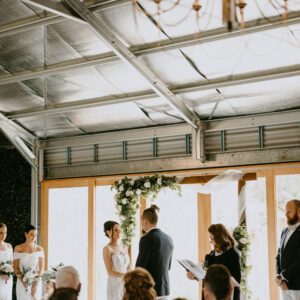
wedding photography melbourne

Dress code for wedding photo shoots at Melbourne Church

Melbourne Church Wedding Photography: Dress Code Guidelines for Couples and Guests

Melbourne’s historic churches, with their Gothic arches, stained glass, and serene interiors, provide a timeless backdrop for wedding photography. However, these sacred spaces often have specific dress codes to maintain dignity and respect. Whether you’re a bride, groom, or guest, understanding these guidelines ensures your attire complements the venue’s atmosphere while allowing your personality to shine.

wedding photography melbourne

Respecting Religious Traditions in Church Settings

Many Melbourne churches, particularly those with centuries-old heritage, uphold traditions that influence dress expectations. These norms vary slightly between denominations but generally prioritize modesty and elegance.

Understanding Denominational Differences

Catholic churches, such as St Patrick’s Cathedral or St Francis’ Church, often emphasize conservative attire. This includes covered shoulders, knees, and midriffs for women, and suits or dress shirts for men. Anglican venues like St Paul’s Cathedral may allow slightly more flexibility, but still discourage overly casual or revealing outfits.

Navigating Modesty Requirements

For brides, strapless gowns or dresses with sheer overlays are usually acceptable if paired with a shawl or bolero jacket during the ceremony. Guests should avoid low-cut tops, mini skirts, or ripped jeans. Men’s attire should lean formal—think dress pants, collared shirts, and ties for evening services, though jackets may be optional for daytime ceremonies.

Choosing Wedding Attire That Aligns with Church Aesthetics

Your dress or suit should harmonize with the church’s architecture and lighting. Dark, muted tones or classic whites often photograph best against stone walls and wooden pews, while avoiding distractions from the venue’s features.

Selecting Fabrics and Colors

Opt for lightweight, flowing fabrics like chiffon or organza for brides, as they drape elegantly and move gracefully in photos. Avoid heavy sequins or overly shiny materials that may reflect harshly under church lighting. Guests should stick to neutral palettes—navy, gray, or cream—to blend seamlessly with the setting.

Incorporating Subtle Details

Delicate lace, embroidery, or beading can add sophistication without overwhelming the scene. For grooms, a pocket square or cufflinks in a tone matching the church’s interior (e.g., gold for a space with gilded accents) creates a cohesive look.

Practical Considerations for Movement and Comfort

Church ceremonies often involve walking down aisles, kneeling, or standing for extended periods. Your attire should balance style with practicality to ensure you feel confident throughout the event.

Ensuring Mobility in Long Dresses

Brides should practice walking in their gown beforehand, especially if it has a train or layers of tulle. A bustle or detachable train can make movement easier during the ceremony. For guests, avoid stilettos on uneven church floors; wedges or block heels offer stability.

Layering for Temperature Control

Many Melbourne churches lack air conditioning, so lightweight fabrics are ideal for summer weddings. Conversely, winter ceremonies may call for a faux fur stole or velvet jacket for brides, while guests can layer with cardigans or blazers.

Accessorizing Without Overpowering the Venue

Accessories should enhance your outfit without drawing attention away from the church’s beauty. Keep jewelry understated and meaningful, and choose headpieces that complement rather than compete with the architecture.

Simplifying Jewelry Choices

A delicate necklace or stud earrings often works better than chunky statement pieces in a church setting. For grooms, a classic watch or cufflinks adds polish without fuss.

Selecting Headpieces and Veils

Birdcage veils or short blushers photograph well in churches, as they frame the face without obscuring views of the altar. Longer veils can work if they’re sheer and don’t drag on the floor. Guests should avoid large hats or fascinators that block others’ sightlines.

Final Tips for a Flawless Church Wedding Look

  • Arrive early: Test lighting and seating arrangements to adjust your attire if needed.
  • Bring touch-up essentials: A compact mirror, lipstick, and bobby pins help fix stray hairs or smudges.
  • Respect photography rules: Some churches prohibit flash or require permits for professional shoots—check in advance.

By aligning your attire with Melbourne church traditions and practical needs, you’ll create a wedding look that’s both respectful and unforgettable. Whether you’re walking down the aisle or watching from the pews, dressing thoughtfully ensures every photo captures the day’s grace and joy.

80883-Wu-2090

Salt spray protection for wedding photo shoots by the seaside in Melbourne

Navigating Melbourne’s Urban Traffic Planning: Key Insights for Filmmakers and Photographers

Melbourne’s evolving traffic infrastructure presents both challenges and opportunities for capturing dynamic urban scenes. With a population projected to surge to 11.5 million by 2055, the city is implementing transformative measures to manage congestion, enhance safety, and integrate sustainable transport. Here’s what creators need to know to align their projects with Melbourne’s traffic landscape.

wedding photography melbourne

Real-Time Data Systems Shaping Traffic Flow

Melbourne’s Department of Transport has rolled out a network of sensors and AI-driven tools to monitor traffic patterns in real time. Over 200 wireless sensors and 40 digital message boards now feed live data into the central traffic management hub, enabling rapid responses to incidents and congestion. For filmmakers, this means:

Dynamic Light Sequencing at Intersections

Traffic lights across the city are being reprogrammed using crash data and traffic patterns to optimize flow. For example, in high-demand areas like Box Hill and Clayton, sensors detect pedestrian volumes and adjust crossing times accordingly. During peak hours, lights may prioritize public transport routes, creating opportunities to capture buses or trams gliding through green waves.

Smart Intersection Upgrades

Trials of Bluetooth-enabled systems are underway to give priority to high-capacity vehicles like articulated buses. Meanwhile, CCTV cameras and obstructed intersection detection tech help clear accidents faster. Filming near upgraded junctions like those on Melton Highway or Point Cook Road could yield footage of cutting-edge traffic management in action.

School Zones and Residential Speed Limits

Safety-focused reforms are reshaping how traffic moves near schools and homes. Infrastructure Victoria’s 2025 report advocates lowering speed limits to 30 km/h in these areas, citing data showing that even minor speed reductions drastically cut accident risks. Key implications for creators:

Capturing Safer Streetscapes

With 7 child fatalities annually on Victorian roads—most in 50 km/h zones—the shift to 30 km/h limits is redesigning residential areas. Filmmakers can highlight calmer, pedestrian-friendly streets by shooting in suburbs like Glen Waverley or Wantirna South, where new speed regulations are being tested.

Documenting Enforcement Measures

To ensure compliance, authorities have installed 35 new cameras targeting speeding and red-light violations near schools. Locations like Canterbury Road in Box Hill now feature “invisible enforcement” tools, making them ideal for stories about urban safety evolution.

Public Transport Expansion and Non-Peak Incentives

Melbourne’s transport network is undergoing a $57 billion overhaul, with projects like the 90-kilometer Suburban Rail Loop and extended tram lines to Chadstone and Moorabbin reshaping commuter patterns. For creators, this opens doors to:

Filming Next-Gen Transit Infrastructure

The Suburban Rail Loop, set to feature driverless trains and underground stations 40 meters deep, offers futuristic backdrops. Meanwhile, new bus lanes and priority signals on routes like Springvale Road improve reliability, creating smoother shots of moving vehicles.

Non-Peak Hour Discounts

To ease rush-hour pressure, officials are trialing off-peak fare reductions, projected to cut 31 million car trips annually. Documenting early morning or late-afternoon commutes could showcase quieter trains and trams, contrasting with peak-hour crowds.

Traffic Hotspots and Clearway Enforcement

Three priority zones—western suburbs like Werribee, southeastern areas including Dandenong, and eastern districts such as Glen Waverley—are receiving targeted upgrades. Filmmakers should note:

Strict Clearway Rules

Arterial roads within 20 km of the CBD now enforce tow-away zones during clearway hours. Shooting near Main Street in Thomastown or Pascoe Vale Road requires planning around these restrictions to avoid disrupted takes.

Incident Response Crews

Six additional rapid-response teams and dozens of traffic engineers work around the clock to clear blockages. Capturing these crews in action near congestion points like Wurundjeri Way in Docklands could add realism to traffic-themed narratives.

Cycling Infrastructure and Sustainable Mobility

Melbourne’s 250-kilometer priority bike network is transforming how residents move. Filmmakers can leverage:

Protected Bike Lanes

New separated lanes on routes like St Kilda Road offer visually striking, safe spaces for cycling scenes. Pairing these with tram tracks or bus lanes creates layered urban compositions.

E-Bike Adoption Trends

As the city promotes electric bikes to reduce car dependency, shooting riders on upgraded paths like the Capital City Trail could reflect Melbourne’s shift toward greener transport.

By aligning projects with Melbourne’s traffic planning priorities—from real-time data systems to school zone safety and public transport upgrades—creators can produce content that resonates with the city’s dynamic evolution. Whether documenting infrastructure innovation or everyday commutes, understanding these shifts ensures footage that’s both timely and timeless.