80883-Wu-2090

Salt spray protection for wedding photo shoots by the seaside in Melbourne

Melbourne Beach Wedding Photography: Protecting Your Attire and Gear from Salt Spray

Melbourne’s coastal wedding venues offer breathtaking backdrops, but the combination of wind, sand, and salt spray can wreak havoc on delicate fabrics, camera equipment, and even hairstyles. Salt particles in the air accelerate corrosion, stain materials, and leave a gritty residue that’s hard to remove. Whether you’re planning a beach ceremony or a seaside photo session, these practical strategies will help safeguard your wedding attire and gear from salt-related damage.

wedding photography melbourne

Understanding the Risks: How Salt Spray Affects Wedding Elements

Salt spray is a mixture of tiny salt crystals suspended in air, carried by wind and waves. When it settles on surfaces, it attracts moisture, creating a corrosive mixture that can degrade materials over time. For weddings, this means:

Fabric Damage to Dresses and Suits

Salt crystals can embed themselves in fabric fibers, causing stiffness, discoloration, or even weakening delicate materials like lace, silk, or tulle. Over time, salt exposure may lead to fading, yellowing, or permanent stains, especially if the fabric isn’t cleaned promptly.

Corrosion on Camera Equipment

Salt is highly corrosive to metal components in cameras, lenses, and tripods. Even brief exposure can leave a gritty residue that scratches lens coatings, clogs moving parts, or degrades electronic contacts. For photographers, this means reduced image quality, malfunctioning gear, or costly repairs.

Hair and Makeup Challenges

Salt spray can dry out hair, making it frizzy or difficult to style, while also leaving a stiff, crusty texture on strands. For makeup, salt may cause foundation to cake or eyeshadow to crease, especially in humid coastal conditions.

Protecting Your Wedding Attire from Salt Spray

Your dress and suit are central to your wedding look, so shielding them from salt is a top priority. These steps will help minimize damage without compromising style:

Choosing Salt-Resistant Fabrics

Opt for sturdier materials like cotton, polyester, or blended fabrics for beach weddings, as they resist salt absorption better than delicate silks or laces. If you’re set on a more fragile fabric, consider a shorter hemline or a detachable overskirt to reduce surface area exposed to spray.

Applying a Fabric Protector

A water-repellent fabric spray creates a barrier that helps salt crystals slide off instead of embedding into fibers. Lightly mist your dress or suit (focus on hems, sleeves, and train) before heading to the beach, and reapply as needed throughout the day. Avoid heavy applications, which may alter fabric texture.

Using a Cover-Up During Transit

Wrap your wedding attire in a breathable, acid-free garment bag or cotton sheet when moving between locations. This prevents salt-laden air from settling on the fabric while you’re en route to the beach. For extra protection, place the bag inside a sealed plastic container or waterproof duffel.

Shielding Camera Gear from Coastal Corrosion

Photographers and videographers working near the ocean must take extra precautions to keep gear functional. These tactics reduce salt exposure and extend equipment lifespan:

Weatherproofing Lenses and Bodies

Use lens hoods to block salt spray from hitting the front element, and keep lens caps on when not shooting. For cameras, invest in a rain cover or a DIY solution like a plastic bag with a hole cut for the lens. Even a simple shower cap can provide temporary protection during quick shots.

Cleaning Gear Immediately After Use

Wipe down cameras, lenses, and tripods with a microfiber cloth dampened with distilled water (not tap water, which may contain minerals) to remove salt residue. Focus on crevices, buttons, and metal contacts, as these areas are most vulnerable to corrosion. Avoid using compressed air, which can push salt deeper into gear.

Storing Equipment in Airtight Containers

When not in use, place cameras, lenses, and batteries in sealed plastic bins with silica gel packets to absorb moisture. Never leave gear in a damp beach bag or exposed to salty air overnight, as this accelerates corrosion. For long-term storage, consider a dehumidifier cabinet.

Managing Hair and Makeup in Salty Conditions

Salt spray can turn a flawless look into a frizzy, caked mess if you’re not prepared. These tips help hair and makeup stay picture-perfect by the shore:

Using Salt-Resistant Hair Products

Apply a leave-in conditioner or hair oil before styling to create a barrier against salt. These products seal moisture into strands, reducing frizz and stiffness. For updos, use extra bobby pins and hairspray to secure styles, as salt can loosen grips over time.

Opting for Long-Wearing Makeup Formulas

Choose waterproof mascara, long-wear foundation, and setting spray to combat salt-induced creasing or smudging. Avoid heavy powders, which can clump in humid conditions, and focus on matte finishes that resist shine. Bring blotting papers or a translucent powder for touch-ups.

Scheduling Touch-Ups Strategically

Plan for quick hair and makeup refreshes between beach and indoor shots. A portable steamer can smooth frizz, while a cotton swab dipped in makeup remover can fix smudged eyeliner. If possible, shoot beach portraits early in the session to minimize prolonged salt exposure.

Final Thoughts: Enjoying Melbourne’s Coastline Without Compromise

A beach wedding in Melbourne doesn’t have to mean sacrificing style or gear quality to salt spray. By choosing resilient materials, protecting equipment, and preparing hair and makeup for coastal conditions, you can focus on creating memories without worrying about damage. Remember, a little preparation goes a long way—so embrace the ocean breeze, and let your love shine as brightly as the Melbourne sun.
wedding photography melbourne

Precautions for lighting up wedding dresses on a cloudy day in Melbourne

Overcast Sky Wedding Photography in Melbourne: Essential Lighting Tips for Brides and Grooms

Melbourne’s frequent overcast days can create a soft, diffused light that’s flattering for portraits but may lack the warmth or depth needed for truly striking wedding photos. Without direct sunlight, shadows flatten, and skin tones can appear dull if not properly lit. Fortunately, with a few strategic adjustments, you can transform gray skies into a dreamy backdrop that enhances your wedding attire and emotions. Here’s how to master lighting on Melbourne’s cloudy wedding days.

wedding photography melbourne

Understanding Overcast Light: Benefits and Challenges

Cloud cover acts as a natural diffuser, spreading sunlight evenly across the scene. This eliminates harsh shadows and reduces the risk of overexposure, making it easier to capture balanced exposures without blowing out highlights. However, overcast light can also feel cold, flat, or lacking in contrast, especially in midday shots. The key is to use supplemental lighting to add warmth, dimension, and a sense of atmosphere to your images.

The Role of Color Temperature

Overcast skies often cast a blueish tint, which can make skin tones look washed out or cool. To counteract this, adjust your camera’s white balance settings to “Cloudy” or “Shade,” which adds warmth to the scene. If shooting in RAW format, you can fine-tune color temperature during editing, but getting it right in-camera ensures better baseline quality.

Natural Light Enhancement: Working With Available Illumination

Before reaching for artificial lights, maximize the soft, even light an overcast day provides. These techniques help you use ambient light to its fullest potential:

Positioning for Optimal Light

Face your subjects toward the brightest part of the sky (usually where clouds are thinnest) to avoid flat lighting. Avoid shooting directly under thick cloud cover, as this can create a “top-down” light that flattens facial features. Instead, seek open areas where light spills through gaps in the clouds, creating subtle highlights and shadows.

Using Reflectors to Fill Shadows

A simple white or silver reflector can bounce light back onto your subjects’ faces, filling in shadows and adding a gentle glow. Have an assistant hold the reflector below the chin or to the side of the face to brighten eyes and cheekbones. For a more dramatic effect, use a gold reflector to add warmth, especially during golden hour (even on cloudy days).

Time of Day Matters

Overcast mornings and late afternoons often offer the softest, most flattering light, as the sun’s lower angle creates longer, gentler shadows. Midday light under thick clouds can feel harsh and flat, so plan indoor portraits or creative shots during peak brightness and save outdoor sessions for softer light periods.

Artificial Lighting Solutions for Depth and Drama

When natural light isn’t enough, artificial lighting can transform a cloudy scene into a moody, romantic masterpiece. These tools and techniques add control and creativity to your shots:

Off-Camera Flash for Directionality

A portable flash unit mounted on a stand or held by an assistant can mimic natural sunlight by casting light from an angle. Position the flash 45 degrees above and to the side of your subjects to create natural-looking shadows and highlights. Use a diffuser or bounce the flash off a nearby wall or ceiling to soften the output.

Continuous LED Lights for Video and Still Hybrid Shoots

Battery-powered LED panels provide steady, adjustable light without the harshness of flash. They’re ideal for capturing video clips or hybrid photo-video sessions, as they eliminate the need for syncing flash with camera shutters. Dim the LEDs to match the ambient light level, then gradually increase brightness to add a subtle glow to faces or backgrounds.

Creating Depth With Backlighting

Even on cloudy days, backlighting can separate your subjects from the background and add a halo effect to hair or veils. Position a light source behind your subjects (out of frame) and adjust its intensity to avoid overpowering the scene. Use a flag or gobo to block light from hitting the lens directly, preventing flare while maintaining the ethereal quality of backlight.

Post-Processing Tips to Elevate Overcast Images

Editing plays a crucial role in refining photos taken under cloudy skies. These adjustments can enhance mood, warmth, and contrast without overdoing it:

Adjusting Exposure and Contrast

Slightly increase exposure to brighten dull tones, but avoid pushing it too far, as this can introduce noise. Boost contrast to add definition to facial features and clothing textures, but keep it subtle to maintain the soft, romantic feel of overcast light.

Enhancing Color Saturation

Cloudy days can mute colors, especially in greenery or floral arrangements. Gently increase saturation in the red, orange, and yellow channels to make skin tones and decor pop without looking artificial. For a cohesive look, apply the same saturation adjustments to both subjects and background elements.

Adding Vignettes for Focus

A subtle vignette (darkening around the edges of the frame) draws attention to your subjects and creates a sense of intimacy. Use a radial gradient tool in editing software to darken the corners gradually, ensuring the effect doesn’t distract from the main focus of the image.

Final Thoughts: Embracing Melbourne’s Cloudy Canvases

Overcast wedding days in Melbourne don’t have to mean dull, lifeless photos. By understanding how to work with (and enhance) natural light, incorporating artificial lighting when needed, and refining images in post-processing, you can create a collection of photos that feel timeless, emotional, and uniquely yours. Remember, cloudy skies offer a blank canvas—and with the right techniques, you can paint it with light, love, and lasting memories.

wedding photography melbourne

Tips for fixing veils on windy days in Melbourne

Keeping Your Veil in Place on Melbourne’s Windy Wedding Days: Practical Tips for Brides

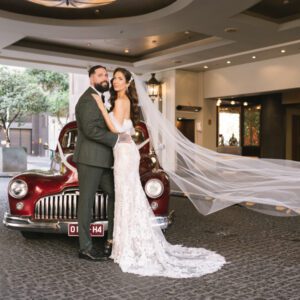
Melbourne’s unpredictable weather often includes gusty winds, especially near the coast or during spring and summer afternoons. For brides, a飞扬的头纱 (flying veil) can quickly turn from ethereal to chaotic, disrupting photos and causing frustration. Fortunately, with a few clever tricks and strategic planning, you can secure your veil and maintain a polished look, no matter how strong the breeze blows.

wedding photography melbourne

Understanding the Challenge: Why Veils Misbehave in Wind

Veils are lightweight by design, making them vulnerable to even mild gusts. Longer styles like cathedral or chapel veils are particularly prone to lifting, twisting, or clinging to faces, while shorter blusher veils may flutter uncontrollably. The key to taming a wind-tossed veil lies in balancing support with subtlety—ensuring it stays put without looking stiff or over-secured.

The Role of Fabric and Length

Thicker, stiffer fabrics like organza or tulle with a higher thread count resist wind better than delicate chiffon or silk. Similarly, shorter veils (elbow-length or fingertip) are easier to manage than floor-length styles. If you’re set on a long veil, opt for a two-tier design with a detachable top layer for outdoor portions of the day.

Hair Preparation: The Foundation for Veil Security

A stable hairstyle is the first line of defense against windy-day veil disasters. Work with your stylist to create a base that can anchor your veil firmly without damaging your hair or causing discomfort.

Textured Updos for Grip

Loose curls, waves, or a messy bun provide natural texture for comb or clip attachment. Avoid slick, straight styles, as smooth surfaces offer little traction for veil fasteners. For added security, ask your stylist to incorporate a small braid or twist near the crown where the veil will sit.

Using Hidden Bobby Pins

Slide bobby pins through the comb or clips securing your veil, then push them into your hairstyle at an angle (not straight down). This “cross-pinning” technique creates a stronger hold by distributing weight across multiple strands of hair. For extra reinforcement, weave pins through both the veil and your updo in a crisscross pattern.

Adding Volume at the Crown

Teasing or backcombing the roots near your veil’s attachment point creates a cushion of hair for combs to grip. Focus on the section where the veil will sit, then smooth the top layer with a brush to hide the texture. This method works well for fine or slippery hair types that struggle to hold pins.

Veil Attachment Methods for Wind Resistance

The way you fasten your veil to your hair can make or break its ability to stay put. Experiment with these techniques to find the most secure option for your style and wind conditions.

Double-Combing for Long Veils

If your veil has a comb at both the top and bottom (common for two-tier designs), secure the top comb first, then attach the bottom comb to a lower section of your updo. This distributes weight evenly and prevents the veil from sagging or lifting. For single-comb veils, ask your seamstress to add a second comb for extra support.

Sewing in Hidden Snaps or Hooks

A tailor or seamstress can sew small plastic snaps or hooks onto your veil and corresponding hairpiece (like a decorative clip or comb). Snap the veil into place for a discreet, secure hold that won’t budge in the wind. This method is ideal for delicate fabrics that might tear under pin pressure.

Using a Headband or Base

A fabric-covered headband or elasticized hairband can act as a stable base for your veil, especially if your hair is short or fine. Attach the veil’s comb to the headband, then secure the headband to your hair with bobby pins. This creates a multi-layered anchor system that’s both comfortable and wind-resistant.

On-the-Day Adjustments for Sudden Gusts

Even with careful preparation, Melbourne’s winds can be unpredictable. Arm yourself with these quick fixes to tame a rogue veil mid-shoot:

Strategic Hand Placement

Ask your bridesmaid or photographer to gently hold the base of your veil during outdoor portraits, especially in open areas like parks or beaches. Their hand can act as a temporary anchor, preventing the veil from lifting while you pose.

Tucking or Pinning Mid-Shoot

If your veil starts to shift, discreetly tuck a section into your updo or use a spare bobby pin to reattach it. For longer veils, gather a small section at the back and pin it to your hair or dress to shorten the length and reduce wind exposure.

Embracing the Breeze

Sometimes, the best solution is to work with the wind rather than against it. Position yourself so the wind blows the veil away from your face, creating a dramatic, flowing effect. Ask your photographer to capture the movement for candid, artistic shots that highlight the veil’s texture and your hair’s volume.

Final Thoughts: Confidence in the Face of Melbourne’s Winds

A windy wedding day doesn’t have to mean a chaotic veil. By preparing your hair, choosing secure attachment methods, and staying adaptable, you can keep your look polished and photo-ready. Remember, a little movement in your veil can add romance and dynamism to your images—so embrace the breeze, and let your beauty shine through, no matter the weather.