71407_Farm_Vigano_SELECTION_0055

Key points for controlling the time of outdoor wedding photography in Melbourne

Key Considerations for Time Management in Melbourne Outdoor Wedding Photography
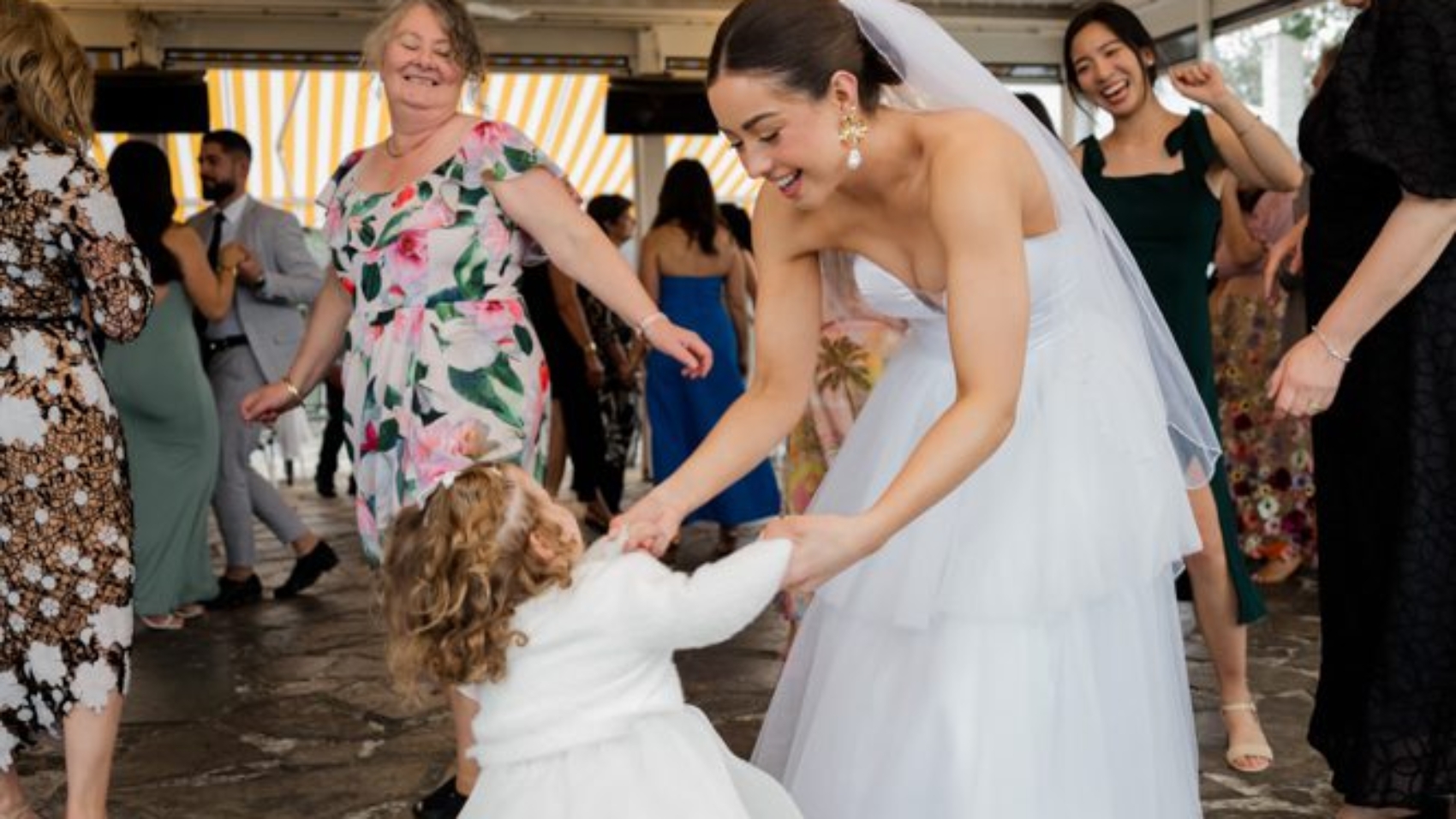
Capturing perfect outdoor wedding photos in Melbourne requires strategic planning, especially given the city’s unique climate and urban-natural landscapes. From leveraging golden hour lighting to avoiding midday heat, here’s how to optimize your schedule for flawless results.
wedding photography melbourne

1. Optimal Lighting Periods: Morning and Dusk

Melbourne’s unpredictable weather demands precise timing to harness natural light. The golden hours—early morning (8–9 AM) and late afternoon (6–7 PM)—offer soft, diffused sunlight that enhances skin tones and minimizes harsh shadows. Avoid midday (11 AM–3 PM), when intense sunlight can cause squinting, overexposure, and uneven lighting. For example, a couple photographing near St Kilda Beach should prioritize dawn sessions to capture serene blue hues without the glare of midday sun.

Seasonal variations also influence lighting. Spring (September–November) and autumn (March–May) provide milder temperatures, making extended shoots feasible. Winter (June–August) days are shorter, so start earlier to maximize daylight. Summer (December–February) demands flexibility; schedule breaks during peak heat to prevent fatigue and sweat-induced makeup smudges.

2. Seasonal Adaptations: Weather and Scenery Synergy

Melbourne’s four-season climate offers distinct visual opportunities, but each comes with challenges.

Spring: Blooming flora in parks like Fitzroy Gardens creates vibrant backdrops. However, sudden rain showers are common; always carry transparent umbrellas or reschedule indoor backups.

Summer: Longer days allow for sunset-themed shoots at Brighton Beach’s colorful bathing boxes. Counteract heat by choosing shaded locations (e.g., under Royal Botanic Gardens’ tree canopies) and scheduling hydration breaks.

Autumn: The Yarra River’s golden foliage provides a warm, romantic ambiance. Cooler temperatures make layered outfits practical, but windy conditions may require hairspray to tame flyaways.

Winter: Overcast skies soften light, ideal for moody, dramatic shots near Melbourne’s historic architecture. Dress couples in warm fabrics and prioritize close-up poses to minimize exposure to chilly winds.

3. Logistical Efficiency: Route Planning and Contingencies

Melbourne’s sprawling layout and traffic congestion can disrupt timelines. Streamline your itinerary by grouping nearby locations. For instance, combine Melbourne University’s Gothic architecture with RMIT Design Hub’s modernist facades, both within a 15-minute drive.

Travel Time Buffer: Allocate 20–30 minutes between sites to account for parking searches and outfit changes. A couple shooting at Parliament House followed by a rooftop bar should factor in city traffic during peak hours.

Safety and Comfort: Prioritize flat terrain to avoid twisted ankles in heels. For coastal shoots (e.g., Port Phillip Bay), check tide schedules to prevent wet footwear. If photographing in remote areas like the Dandenong Ranges, share your route with a colleague and carry a first-aid kit for minor scrapes.

Weather Alternatives: Monitor forecasts 48 hours in advance. If rain threatens an outdoor shoot, pivot to covered venues like Melbourne Museum’s atrium or arcades along Block Place.

4. Client-Centric Pacing: Balancing Productivity and Experience

A rushed shoot stresses couples and compromises creativity. Allocate 10–15 minutes per outfit change, encouraging clients to pre-pack accessories in labeled bags. For multi-location sessions, limit each spot to 45 minutes to maintain energy levels.

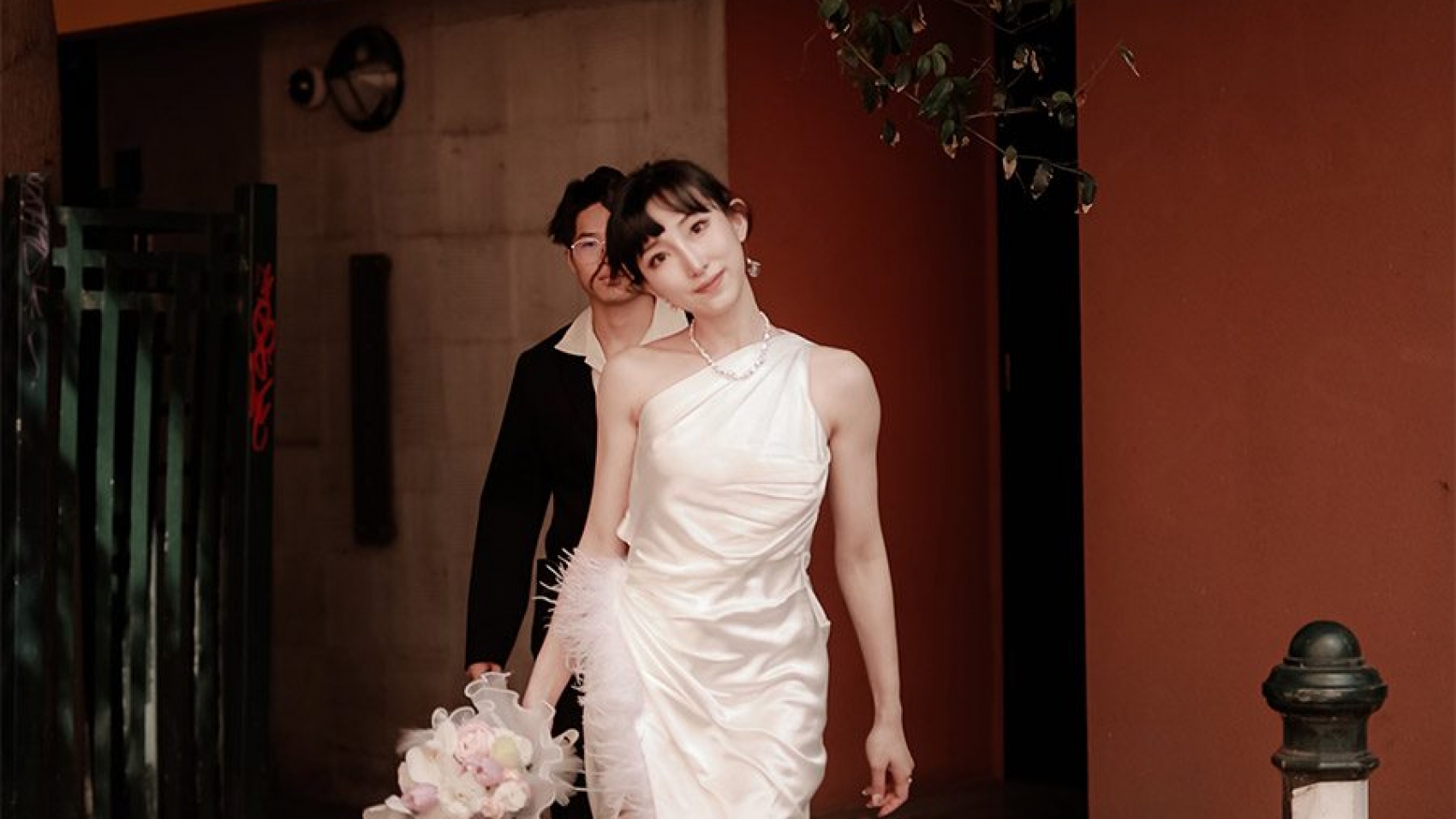
Engagement Techniques: Use prompts like “Walk toward me while holding hands” to capture natural interaction. During lulls, share anecdotes about Melbourne’s landmarks (e.g., the Shrine of Remembrance’s significance) to ease nerves.

Flexibility for Spontaneity: Leave room for impromptu shots, such as a street performer’s serenade near Hosier Lane’s graffiti. These candid moments often become favorites, so avoid rigid schedules that stifle creativity.

By aligning timing with Melbourne’s light, seasons, and logistics, photographers can craft timeless images while ensuring couples cherish every moment of their special day.
81909-Wu-1757

Tips for using interior lighting equipment in Melbourne wedding photography

Melbourne Wedding Photography: Indoor Lighting Equipment Techniques

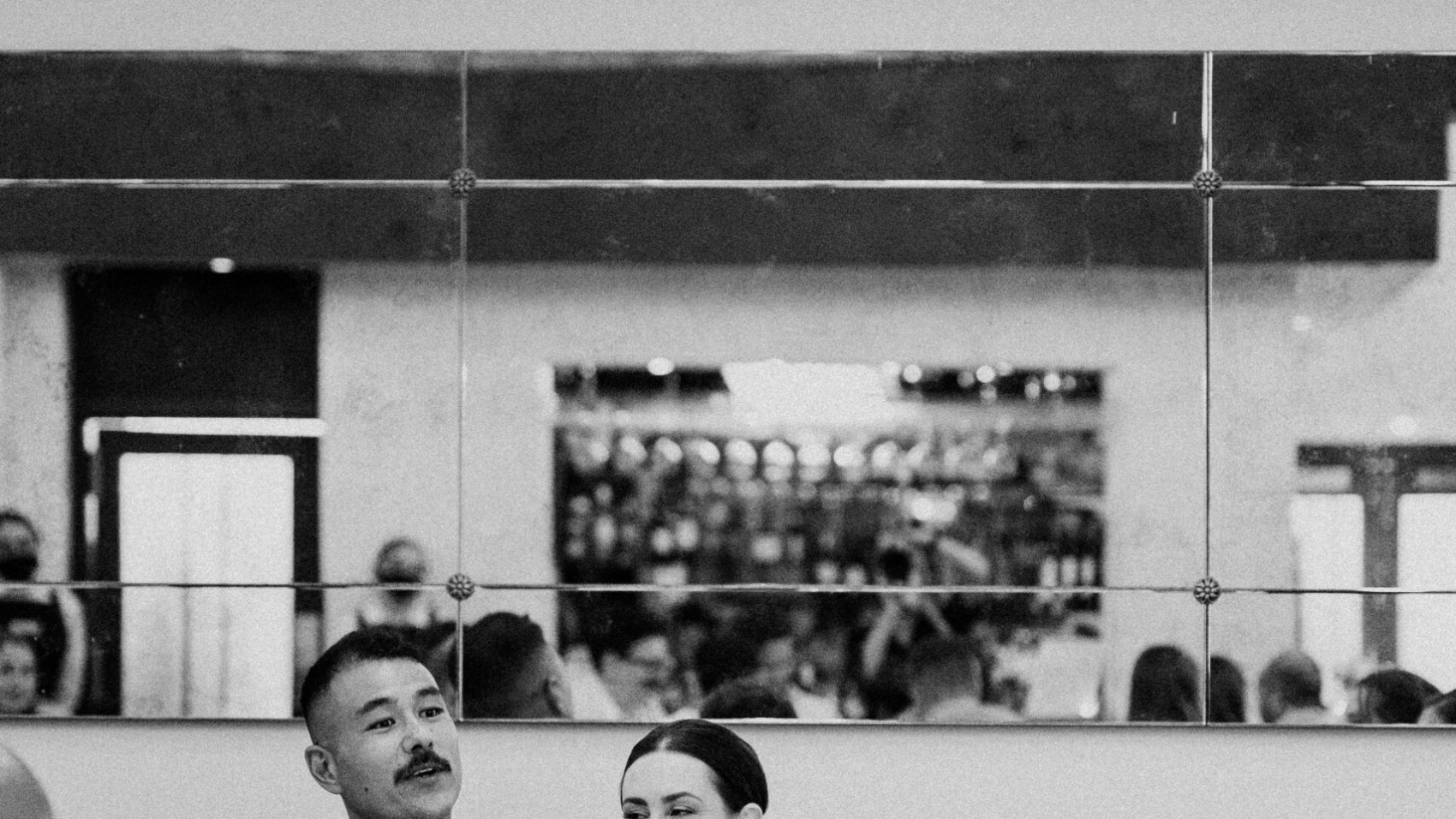
Melbourne’s diverse weather and architectural styles demand precise control over indoor lighting to achieve timeless wedding imagery. From classic studios to modern lofts, mastering lighting equipment techniques ensures natural skin tones, balanced contrasts, and emotional depth. Below are practical methods tailored to Melbourne’s unique indoor environments.

wedding photography melbourne

Leveraging LED Panels for Natural Skin Tones

LED panels are indispensable for their adjustable color temperature and low heat emission, making them ideal for Melbourne’s unpredictable weather. When shooting in studios with neutral backgrounds, set LEDs to 5500K to mimic daylight, ensuring skin tones appear warm without yellowing. For couples in formal attire, position LEDs at a 45-degree angle to the subject’s face to soften shadows while maintaining facial definition.

In smaller venues like historic chapels, use LED panels with diffusers to create even lighting. Attach a softbox to reduce harshness, especially when photographing close-ups of wedding rings or vows. For dynamic shots, adjust brightness mid-session to adapt to changing natural light through windows. A common technique involves pairing LEDs with bounced light—directing panels toward white walls or ceilings to scatter illumination gently.

Flash Techniques for High-Contrast Drama

Flash units excel in creating bold, cinematic effects, particularly in industrial-style venues with exposed brick or concrete. When shooting portraits, use a single off-camera flash positioned behind the subject to outline their silhouette, adding depth to formal gowns or tailored suits. For group shots, place flashes at varying heights to avoid flat lighting; this technique highlights individual expressions while maintaining cohesion.

In fast-paced scenarios, such as capturing candid moments during receptions, wireless flash triggers allow photographers to move freely. Sync flashes with ambient room lights to balance exposure, preventing overexposure in brightly lit halls. A pro tip: attach a grid modifier to flashes to direct light precisely, avoiding spill onto backgrounds. This is effective in venues with intricate details, like stained-glass windows, where controlled lighting preserves architectural features.

Continuous Lighting for Creative Flexibility

Continuous lights, such as tungsten or fluorescent bulbs, offer real-time visibility, enabling photographers to adjust compositions without guessing exposure. In loft-style studios with high ceilings, use continuous lights with barn doors to shape beams, creating dramatic highlights on wedding dresses or suits. For romantic themes, drape sheer fabric over lights to diffuse warmth, mimicking candlelight during intimate vows.

When photographing details like bouquets or invitations, position continuous lights at a low angle to emphasize textures. Adjust color temperature to complement floral arrangements—cooler tones (4000K) for whites and pastels, warmer hues (3200K) for deep reds or golds. In venues with limited space, such as cozy cafes, use LED strips along walls to add ambient glow without cluttering the scene.

Advanced Techniques for Layered Lighting

Combining multiple light sources elevates storytelling. For example, in a studio with a white cyclorama, use LED panels as key lights, flashes for rim lighting, and continuous bulbs for fill. This setup creates three-dimensional depth, making the couple stand out against minimalist backgrounds.

In venues with mixed textures, like timber floors and stone fireplaces, experiment with colored gels on flashes. A subtle orange gel can warm cool tones, while blue gels add moodiness to evening shots. Always test gel combinations beforehand to avoid color clashes with wedding attire.

Practical Considerations for Melbourne’s Climate

Melbourne’s chilly winters and hot summers affect equipment performance. In winter, keep batteries warm to prevent rapid drainage. During summer, use fans to cool down continuous lights, avoiding overheating in non-airconditioned venues.

For outdoor-to-indoor transitions, carry portable LED panels to supplement natural light when moving from gardens to reception halls. This ensures consistent exposure across diverse settings.

By integrating these techniques, photographers can transform Melbourne’s indoor spaces into captivating backdrops, blending technical precision with artistic vision. Mastery of lighting equipment not only enhances image quality but also elevates the emotional resonance of wedding narratives.

wedding photography melbourne

Seasonal feature capture methods for outdoor wedding photography in Melbourne

Melbourne Wedding Photography: Seasonal Outdoor Scene Capture Techniques

Melbourne’s diverse climate and landscape offer unique opportunities for wedding photography across four distinct seasons. Understanding how to leverage seasonal characteristics—from light quality to natural backdrops—can elevate outdoor shoots and create timeless imagery. Below are practical techniques tailored to each season’s strengths.

wedding photography melbourne

Spring (September–November): Blossoms and Golden Hour Magic

Spring in Melbourne brings mild temperatures (15–25°C) and an explosion of flora, making it ideal for romantic, nature-inspired shoots.

Flower Gardens and Public Parks: Locations like the Royal Botanic Gardens or Alowyn Gardens (known for its springtime wisteria) provide vibrant color palettes. To avoid overexposure in bright settings, photographers often use diffusers or natural shade to soften harsh sunlight. For close-ups, positioning couples under blossoming trees with dappled light creates a dreamy, ethereal effect.

Golden Hour Flexibility: Spring’s earlier sunsets (around 6 PM) allow for extended golden hour sessions. During this time, backlighting techniques—such as framing couples against sunset-lit foliage—can highlight hair details and create a warm, glowing aura. A common approach is to have the couple face away from the sun, using a reflector to bounce light onto their faces and avoid shadows.

Dynamic Movement: Spring’s moderate weather encourages playful shots. Incorporating actions like twirling under flower arches or walking hand-in-hand through garden paths adds energy. Long exposure shots (1/8–1/15 sec) can capture motion blur in dresses or veils, contrasting with the sharpness of the couple for artistic effect.

Summer (December–February): Coastal Breezes and Sunset Drama

Summer’s warmer temperatures (20–35°C) and longer days suit beach and urban settings, with a focus on vibrant colors and dramatic lighting.

Beach and Coastal Scenes: Locations like Brighton Beach or St Kilda Pier offer iconic backdrops. To manage harsh midday sunlight, photographers shift sessions to early morning or late afternoon. For sunset shots, positioning the couple with the ocean behind them and using a wide aperture (f/2.8–f/4) creates silhouettes with bokeh effects from crashing waves.

Urban Exploration: Melbourne’s cityscape, including Federation Square and Hosier Lane, thrives in summer. Utilizing natural light reflections off glass buildings or capturing candid moments in shaded laneways adds depth. During peak heat, scheduling indoor breaks or opting for shorter sessions (2–3 hours) prevents fatigue and maintains natural expressions.

Water Interactions: Incorporating water elements—such as having the couple dip toes in the ocean or walk through shallow tide pools—adds spontaneity. Using a fast shutter speed (1/500 sec) freezes motion, while slower speeds (1/125 sec) create gentle blur in flowing fabrics.

Autumn (March–May): Warm Tones and Textured Backdrops

Autumn’s cooler temperatures (15–25°C) and golden-hued foliage make it perfect for moodier, textured imagery.

Historic and Natural Settings: Carlton Gardens and the Dandenong Ranges offer rich autumnal colors. Photographers often use side lighting to emphasize leaf textures, casting warm tones on the couple’s faces. For close-ups, framing the couple against a backdrop of falling leaves (captured mid-descent with a fast shutter) adds dynamism.

Layered Clothing: As temperatures drop, couples can incorporate cozy elements like knit shawls or tailored blazers. These accessories not only provide warmth but also add visual interest. Photographers guide couples to interact naturally with their attire, such as adjusting a scarf or sharing a jacket, to capture candid moments.

Muted Color Palettes: Autumn’s earthy tones (browns, oranges, deep greens) pair well with neutral wedding attire. To avoid color clashes, photographers suggest avoiding bright accessories and instead opting for muted accessories like beige or ivory.

Winter (June–August): Crisp Light and Intimate Atmospheres

Winter’s cooler days (10–20°C) and soft, diffused light create opportunities for intimate, cozy shoots.

Urban and Architectural Focus: Melbourne’s cityscape, including Parliament House and the Royal Exhibition Building, shines in winter. The low angle of winter sunlight casts long shadows, adding depth to architectural shots. For indoor-outdoor hybrid sessions, photographers use doorways or arches to frame couples against wintry skies.

Warm Lighting Techniques: To counteract the lack of natural warmth, photographers incorporate golden-hour mimicking techniques. Using off-camera flashes with orange gels or reflecting sunlight from windows can create a sunset-like glow. For night shots, leveraging city lights or fairy lights in parks adds a magical touch.

Layered Posing: Winter attire (faux fur stoles, velvet dresses) allows for creative layering. Photographers often position couples in close embraces to showcase texture details while maintaining warmth. Slow-motion shots of couples walking through parks with breath visible in the air can evoke a nostalgic, cinematic feel.

By tailoring techniques to each season’s unique qualities—from spring’s blossoms to winter’s crisp light—photographers can craft outdoor wedding imagery that feels both timeless and contextually rich.